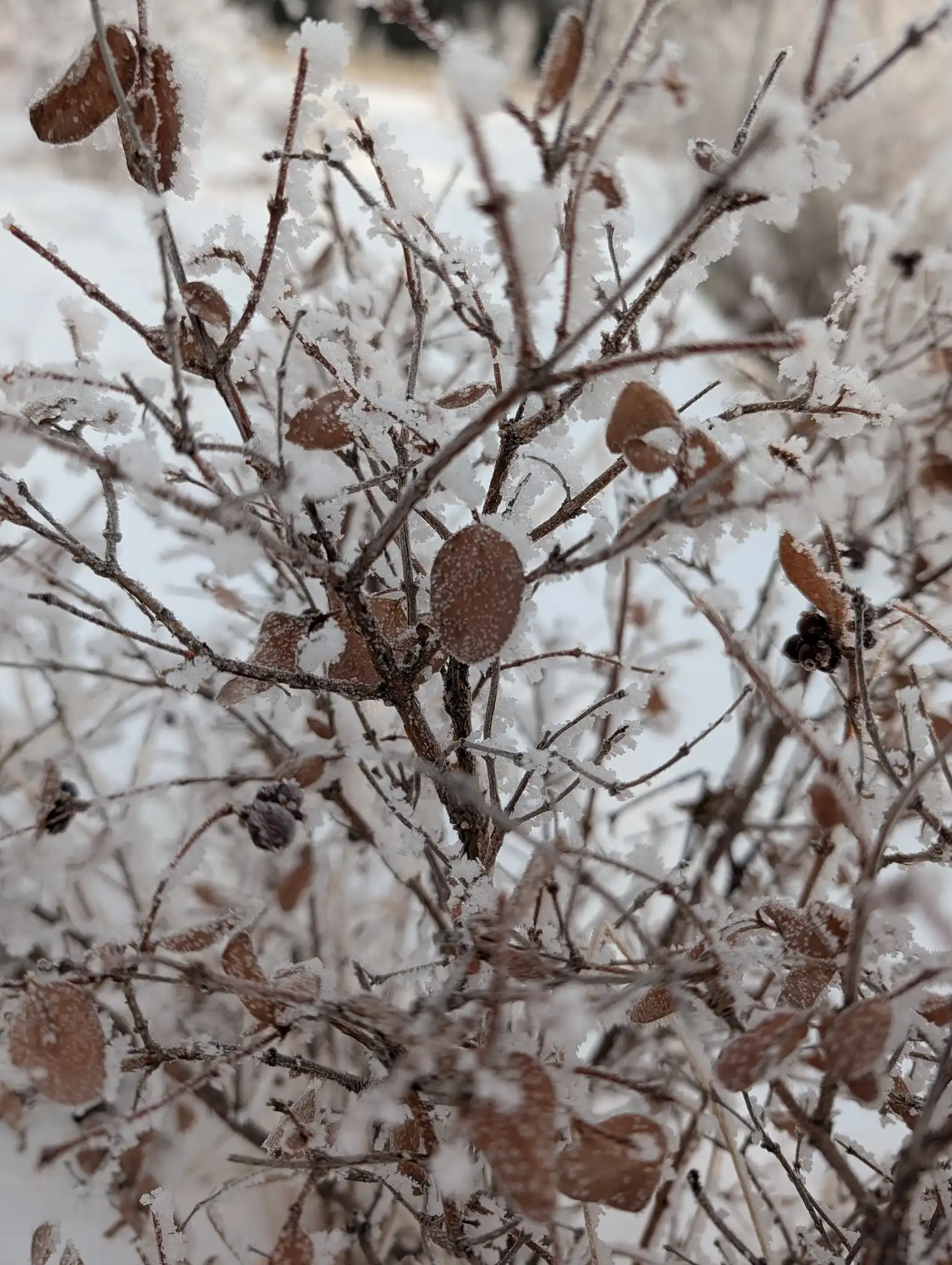
The Story
Plant Bio
Symphoricarpos occidentalis, commonly known as western snowberry, is a deciduous North American shrub reaching one to five feet tall and spreading via underground rhizomes to form dense thickets. Small, bell-shaped white to pink-tinged flowers bloom in short clusters during summer, followed by greenish-white berries that persist into winter.
Unlike many garden shrubs, western snowberry thrives on dry, infertile soils and exposed slopes, where its extensive root network stabilizes loose earth against erosion. The thick, leathery leaves feature downy, pale undersides and provide important cover and forage for native wildlife.
Uses & Benefits:
Essentials
At a Glance
Plant Type
Shrub
Height
60"
Width
72"
Light
Full Sun, Partial Sun
Zones
4, 5, 6, 7
Water
Low to moderate
Humidity
Tolerates continental extremes
Lifespan
Perennial shrub (20+ years)
Native To
North America (US and Canada)
Toxicity
Toxic if ingested (contains saponins)
Bloom period
Summer – Late summer
In flower about 3 months of the year
Planting
How to Grow
- Choose a planting site in full sun to partial shade with well-drained soil ranging from neutral to slightly alkaline.
- Dig a hole twice as wide as the root ball, setting the shrub so the root crown sits level with the surrounding soil.
- Backfill with native soil, firm gently to eliminate air pockets, and water deeply to settle the roots.
- Apply a two-inch layer of organic mulch around the base, keeping it several inches away from the main stems.
- Water weekly during the first growing season until established; mature plants rely on rainfall alone.
Pro Tip
Prune by thinning old stems to the ground in late winter rather than shearing top growth, which stimulates dense upper branching and starves lower wood of light.
Keep It Thriving
Care Guide
Do
- Water deeply during the first season to establish a deep, resilient root system.
- Prune thin or dead stems at ground level in late winter to encourage vigorous new growth.
- Plant along banks or slopes to control soil erosion.
Don't
- Do not apply high-nitrogen fertilizers, which cause weak, floppy stem growth.
- Do not shear plants into formal shapes or cut back into old leafless wood.
- Do not overwater established shrubs grown in heavy clay soils.
Seasonal Care Calendar
| Task | Jan | Feb | Mar | Apr | May | Jun | Jul | Aug | Sep | Oct | Nov | Dec |
|---|---|---|---|---|---|---|---|---|---|---|---|---|
| Pest Check | ||||||||||||
| Plant | ||||||||||||
| Propagate | ||||||||||||
| Prune | ||||||||||||
| Spring Cleanup |
Watch Out For
Pests & Diseases
Common Pests
Common Diseases
In the Garden
Landscape Uses & Companions
Landscape Uses
Multiply
Propagation Methods
Good to Know
Common Questions
Western Snowberry questions
What zones can Western Snowberry grow in?
Western Snowberry is hardy in USDA Zones 4–7: in that range it survives winter in the ground. Warmer than Zone 7, winter isn't the problem: it prefers colder winters, and summer heat can shorten its life.
Is Western Snowberry deer resistant?
Not reliably. Deer may browse Western Snowberry, especially tender spring growth — plan on repellents or fencing where pressure is high.
When does Western Snowberry bloom?
Western Snowberry typically blooms in summer. Exact timing shifts a week or two with your zone — Sow's bloom calendar maps it to your garden.
Does Western Snowberry need full sun?
Western Snowberry does best in full sun to part shade. In hot climates, afternoon shade keeps blooms fresher longer.
Is Western Snowberry drought tolerant?
Yes — once established (usually after the first full season), Western Snowberry handles dry spells with minimal watering. Water deeply its first year to build the root system that makes that possible.
More Symphoricarpos to compare
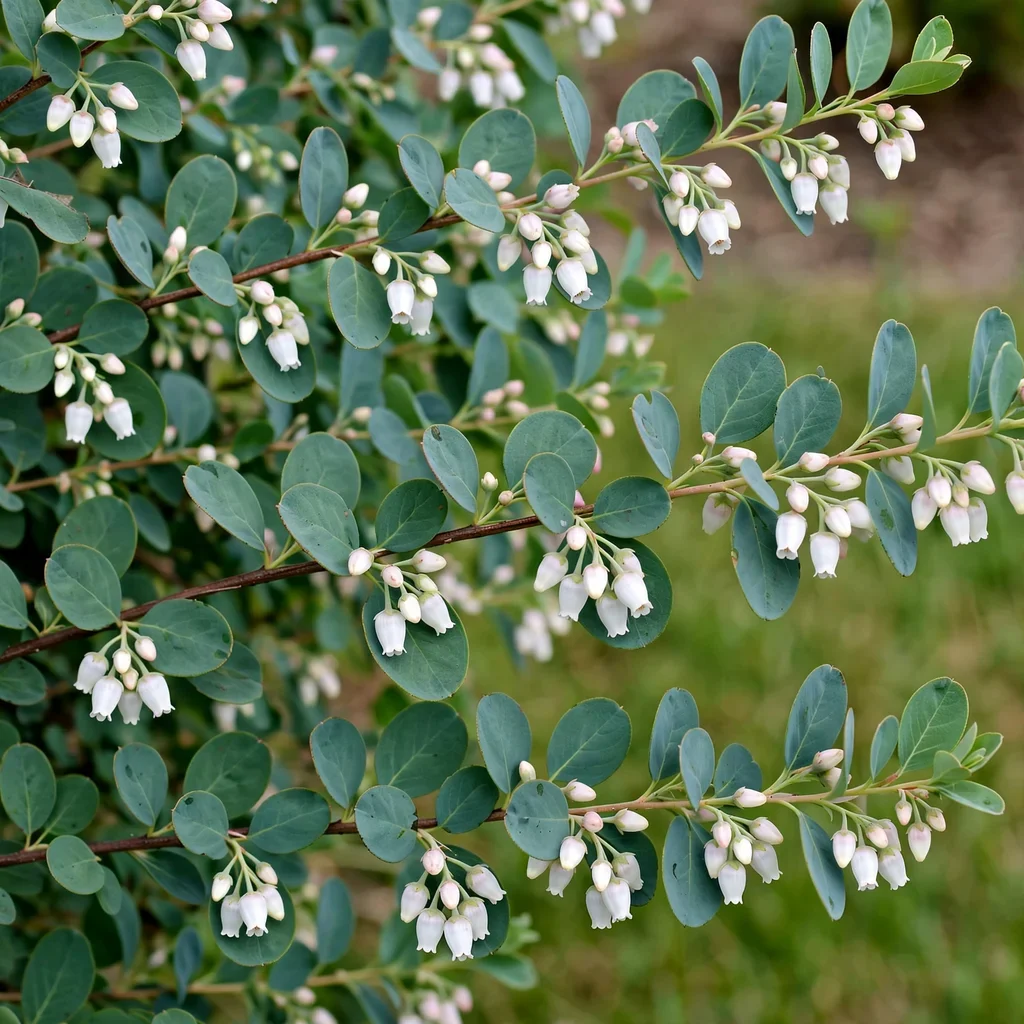
Snowberry
Symphoricarpos albus
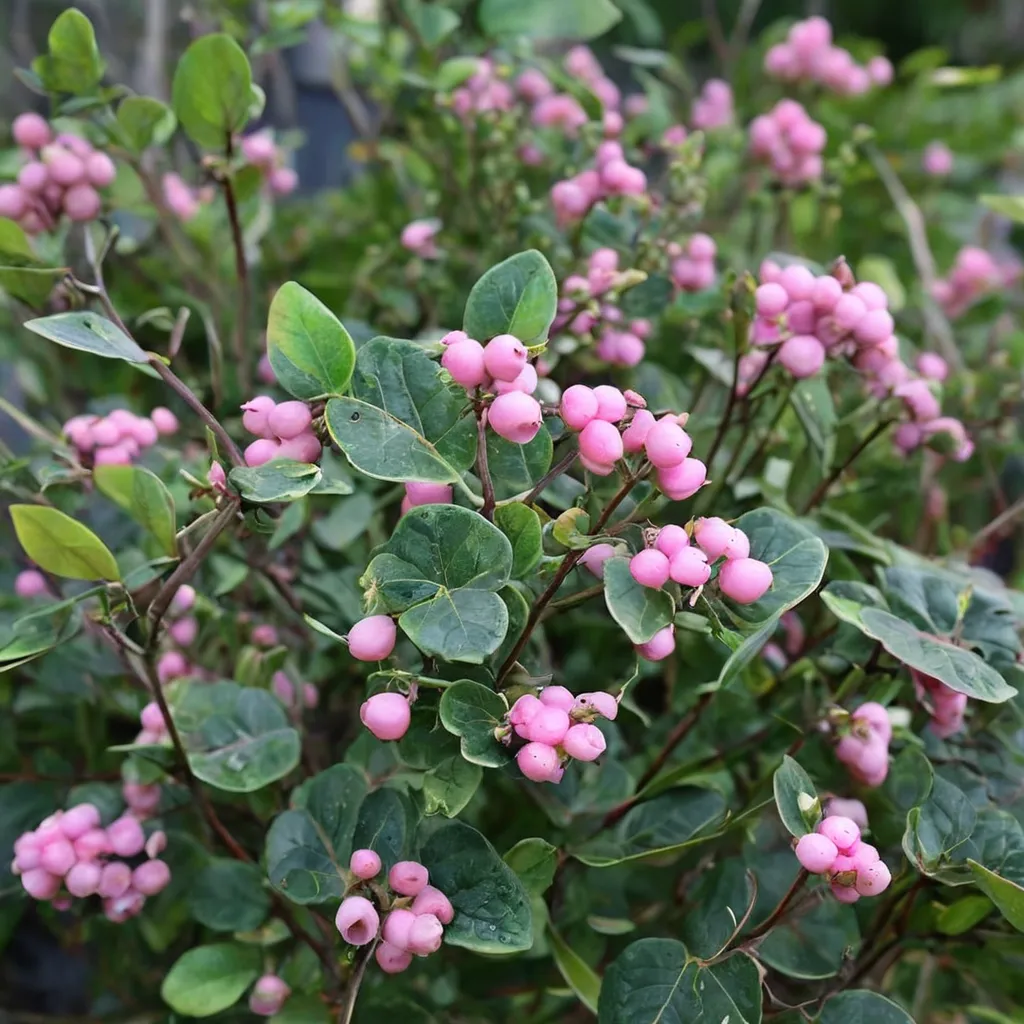
Proud Berry Coralberry
Symphoricarpos chenaultii 'Proud Berry'
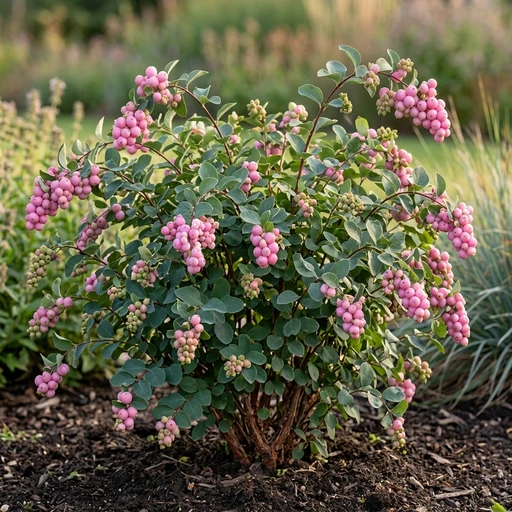
Proud Berry Coral Berry
Symphoricarpos x hybrida 'Sofie'
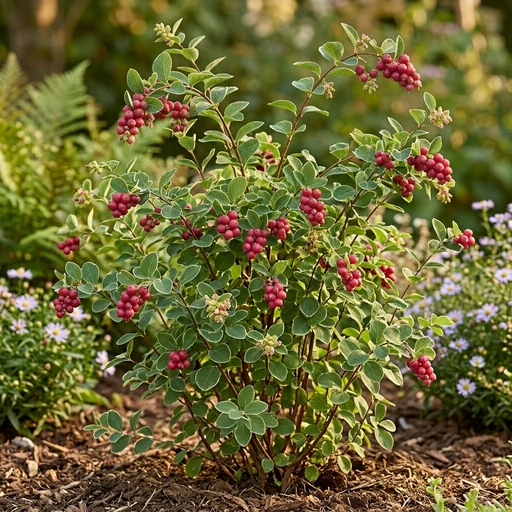
Coralberry
Symphoricarpos orbiculatus
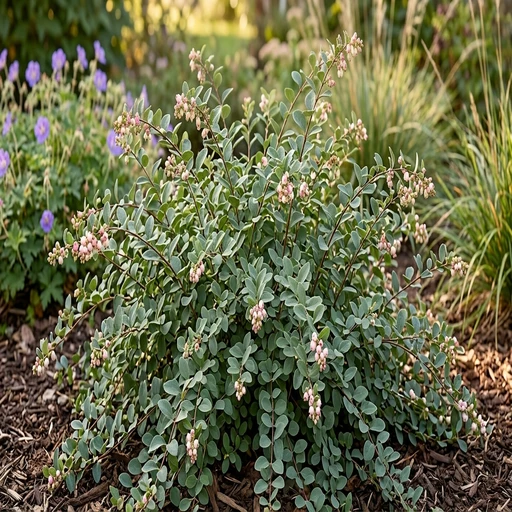
Hancock Coralberry
Symphoricarpos chenaultii 'Hancock'
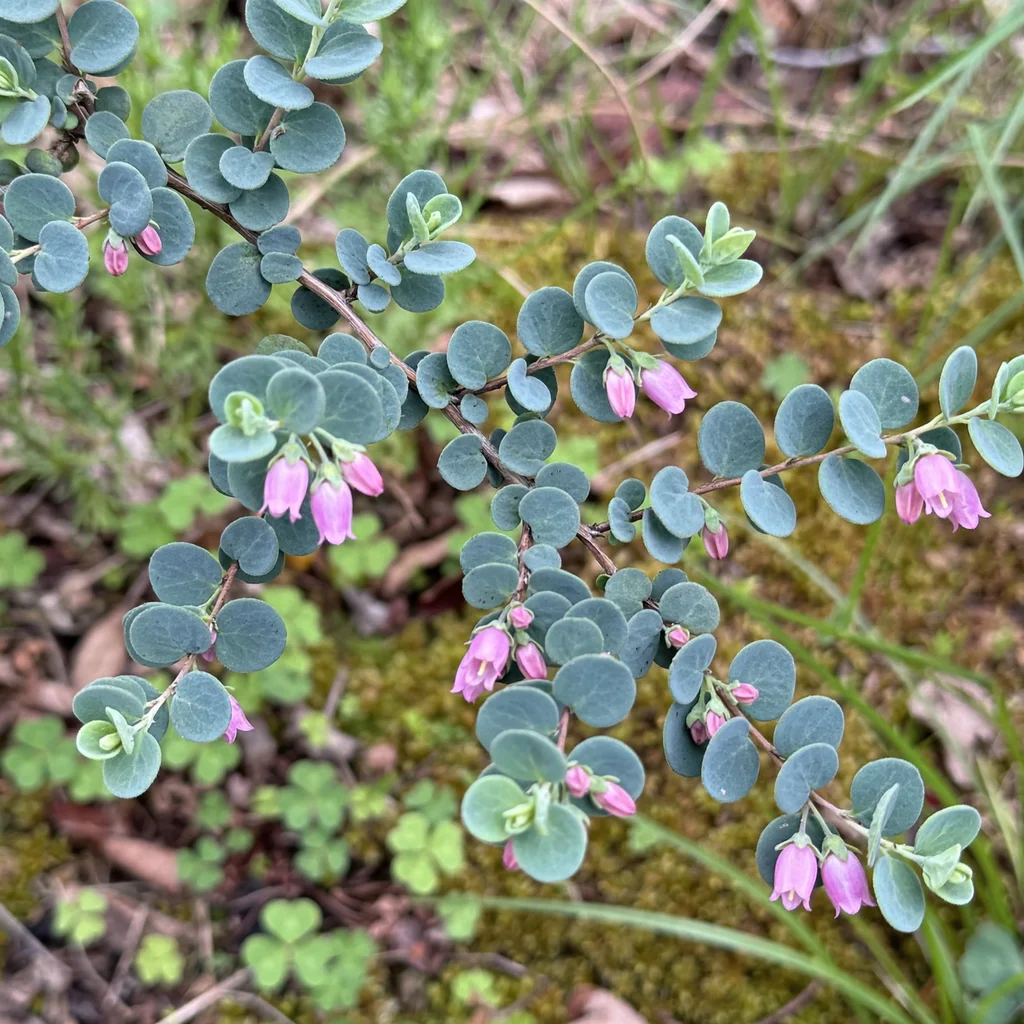
Creeping Snowberry
Symphoricarpos mollis
Keep exploring
Explore the genus
Hardy in your zone?
Grow Western Snowberry with confidence
See it in a design of your actual yard, get zone-matched care reminders, and track it season by season in your garden journal.