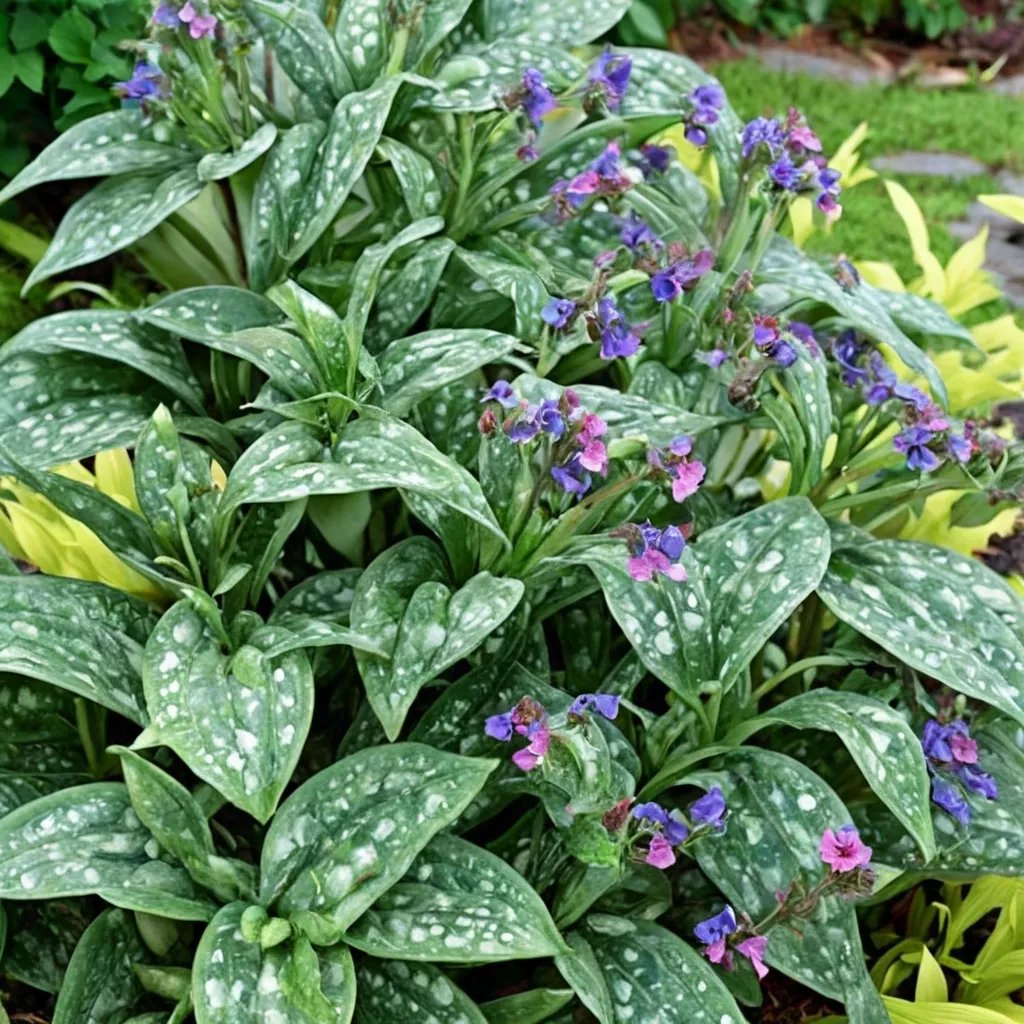
Species
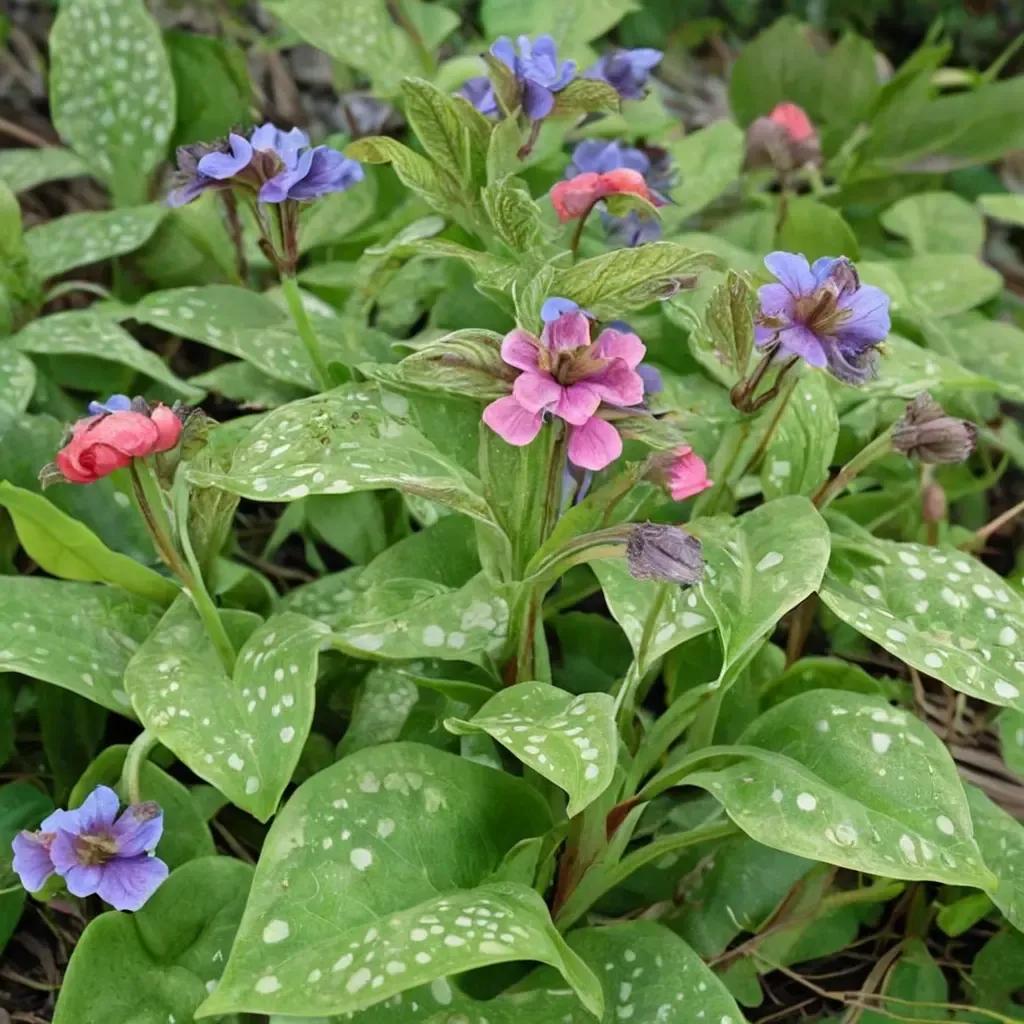 Pulmonaria officinalisCommon Lungwort
20 other cultivars
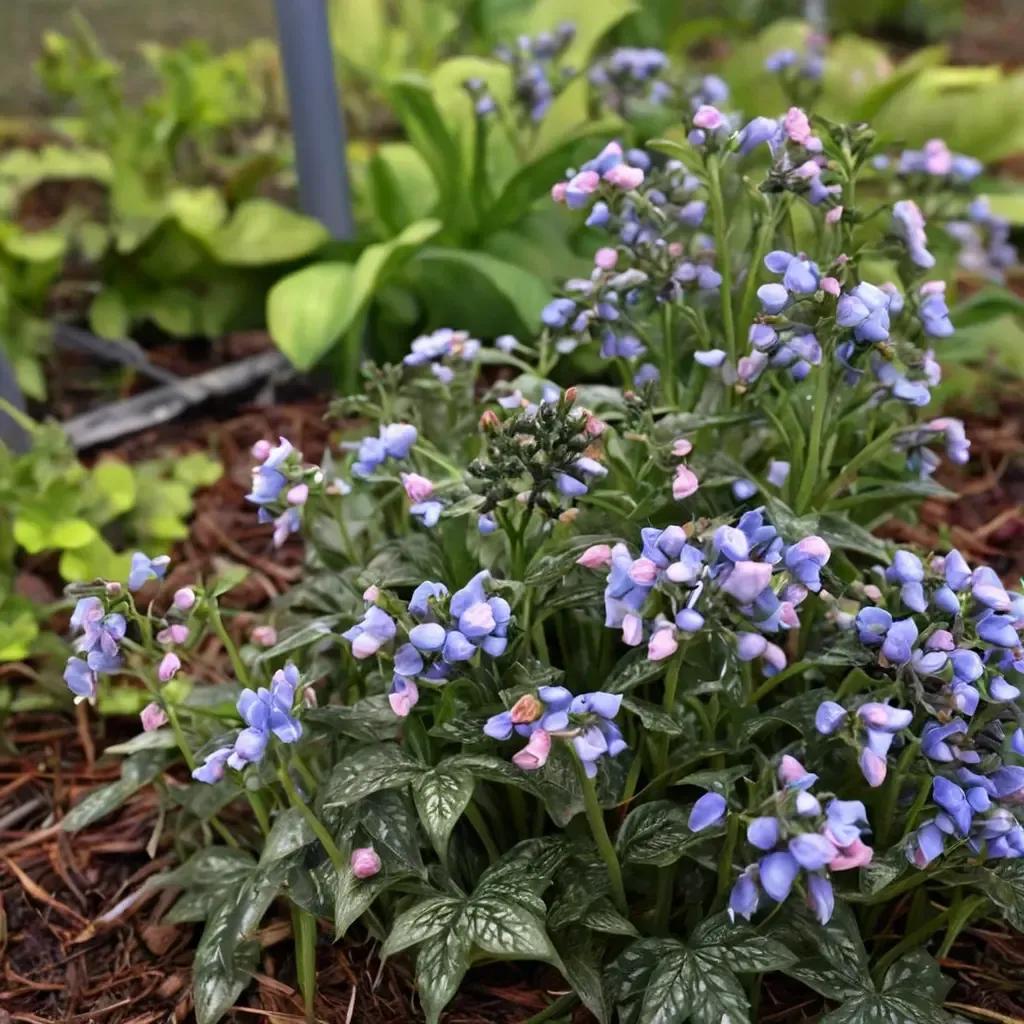 ‘Twinkle Toes’Twinkle Toes Lungwort
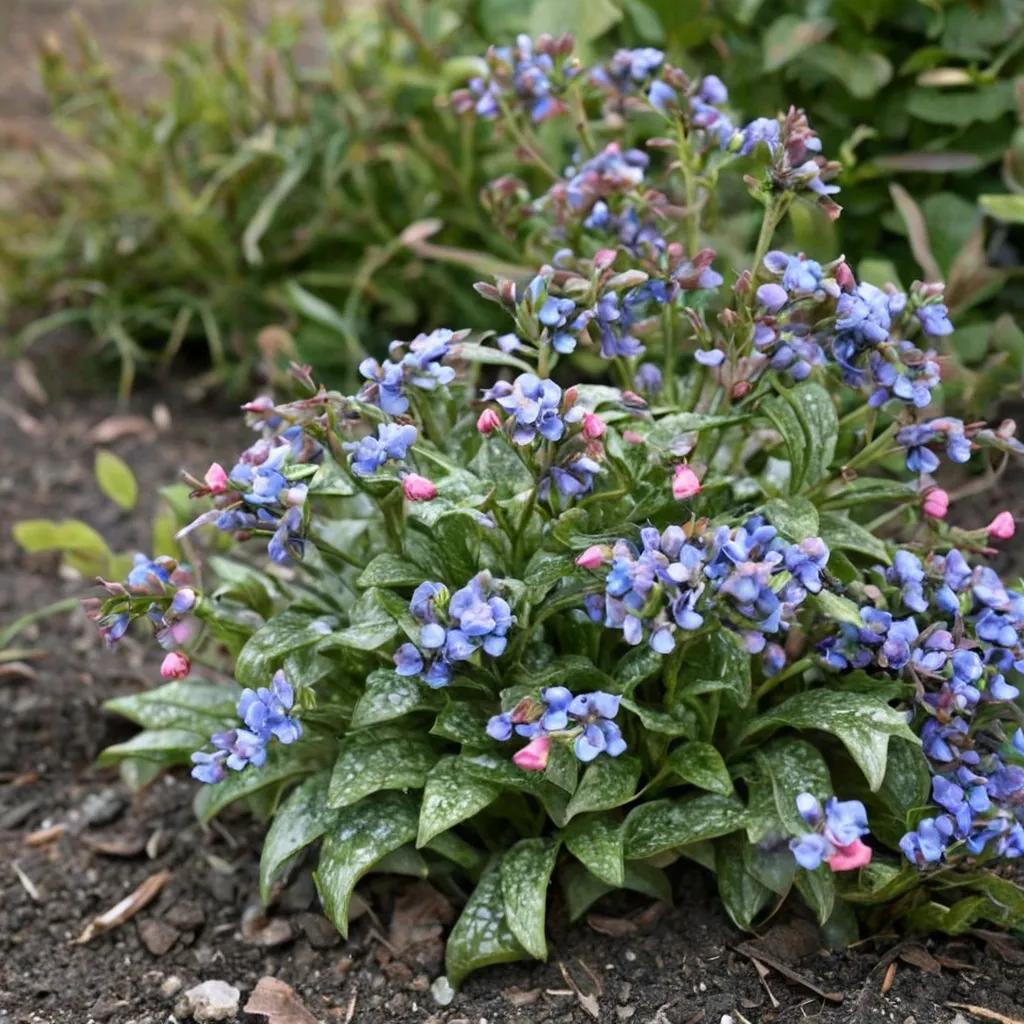 ‘Pink-a-Blue’Pulmonaria Pink-a-Blue
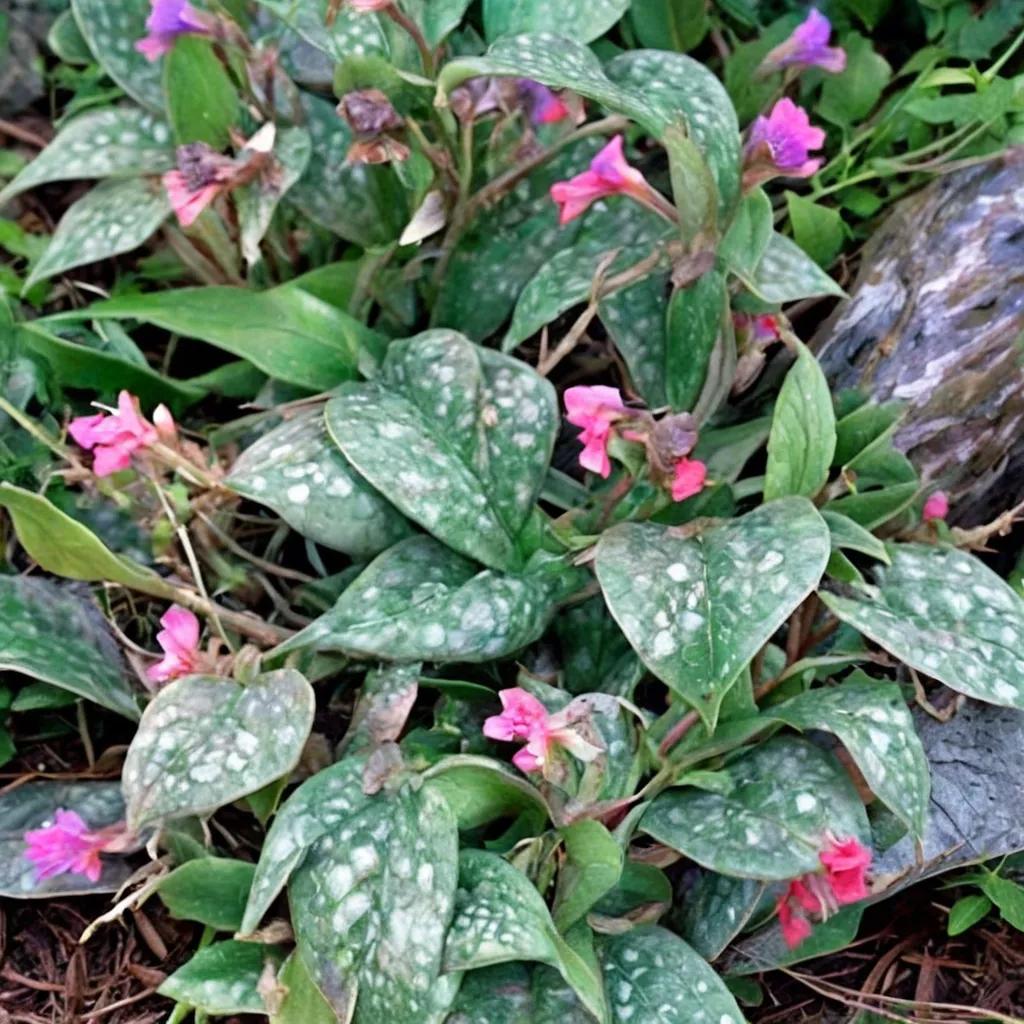 ‘Spilled Milk’Spilled Milk Lungwort
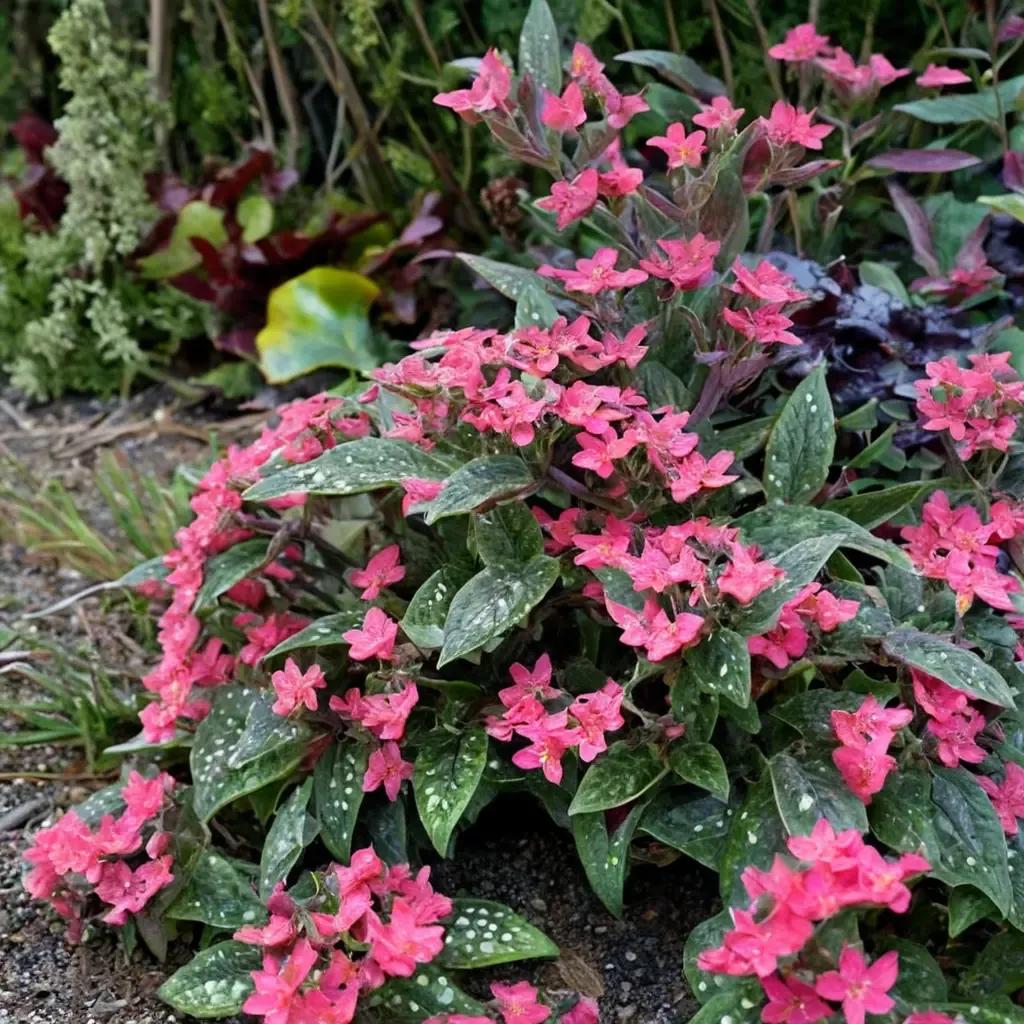 ‘Shrimps on the Barbie’Shrimps on the Barbie pulmonaria Shrimps on the Barbie lungwort
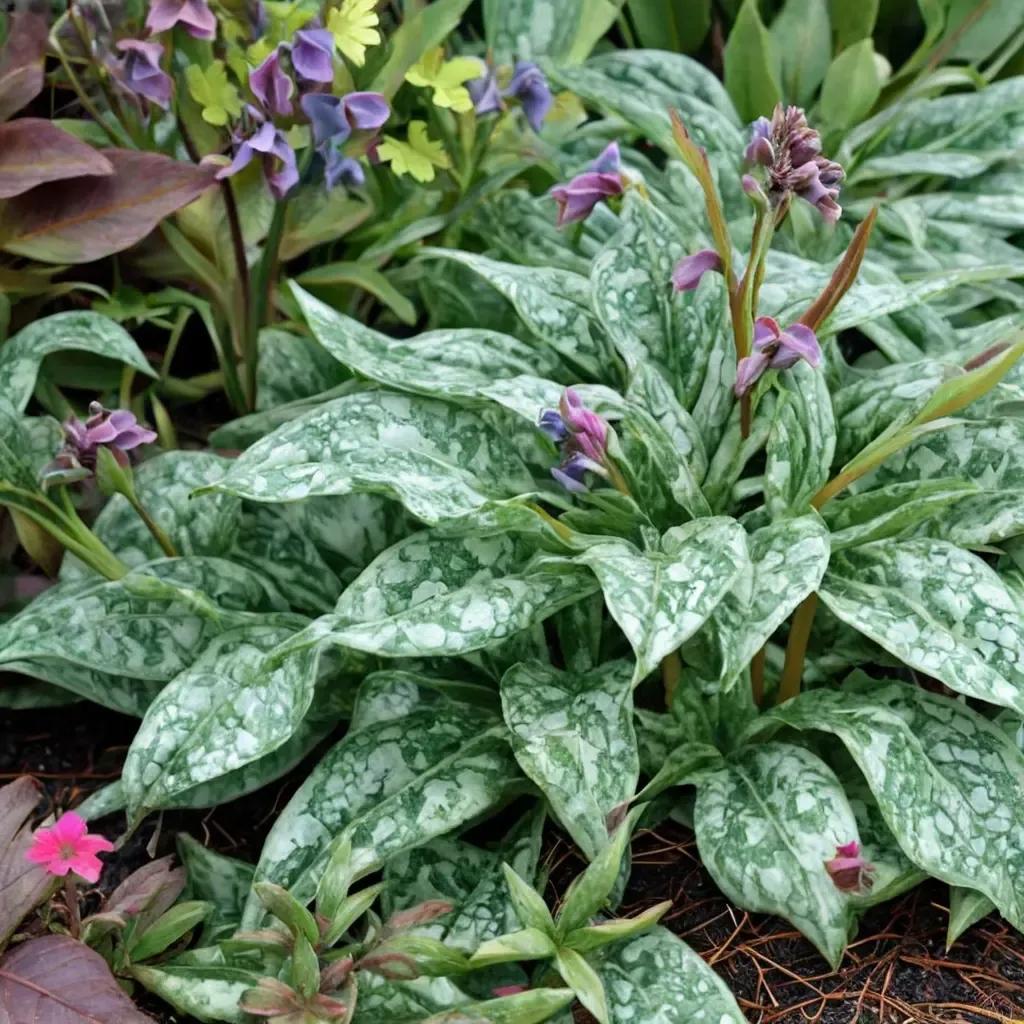 ‘High Contrast’High Contrast Lungwort
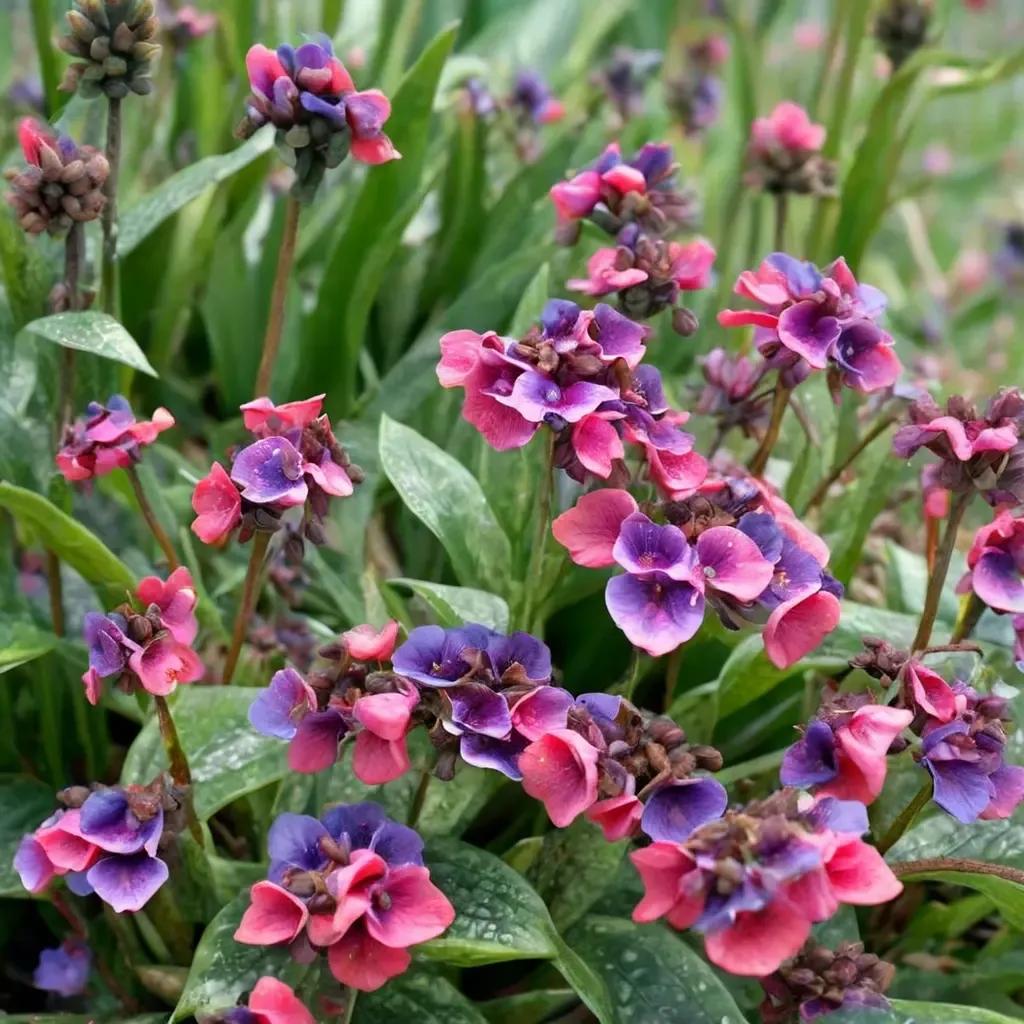 ‘Raspberry Splash’Raspberry Splash Lungwort
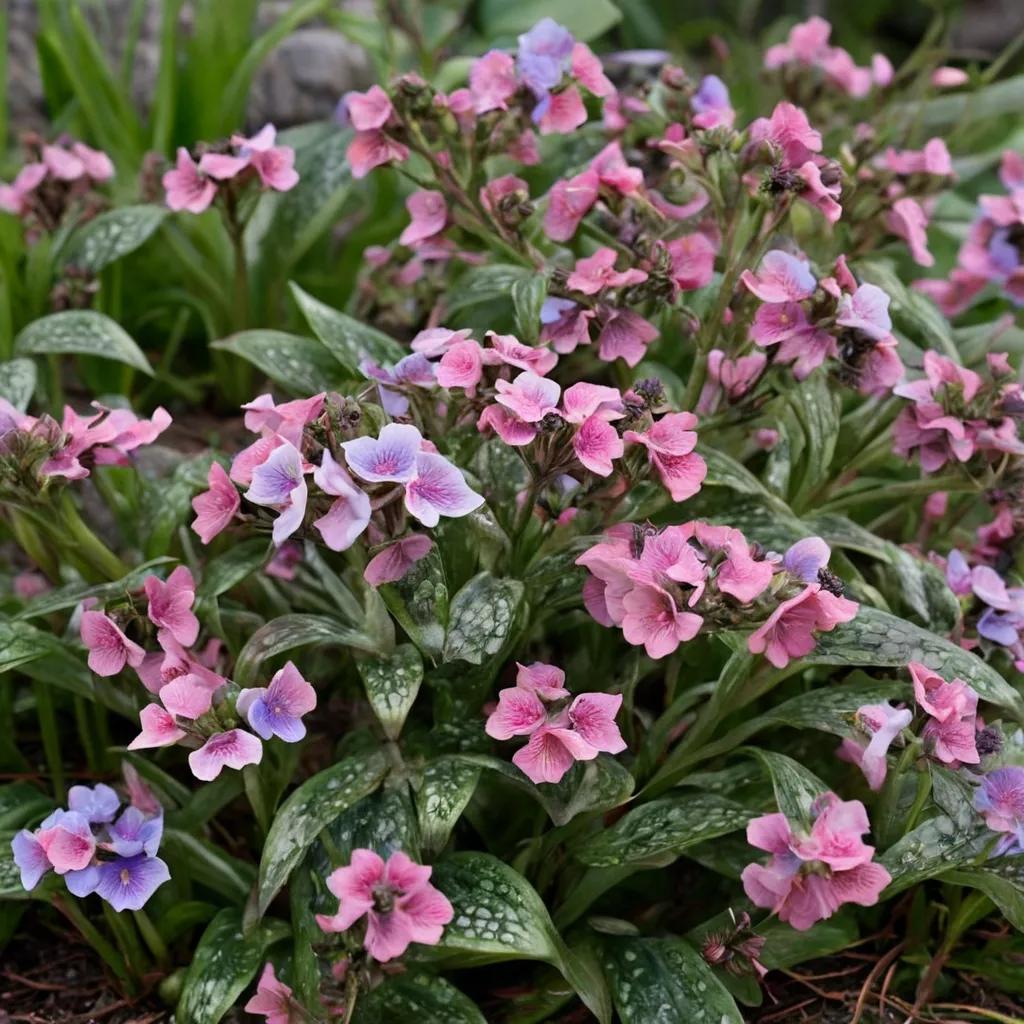 ‘Pretty in Pink’Pretty in Pink Lungwort
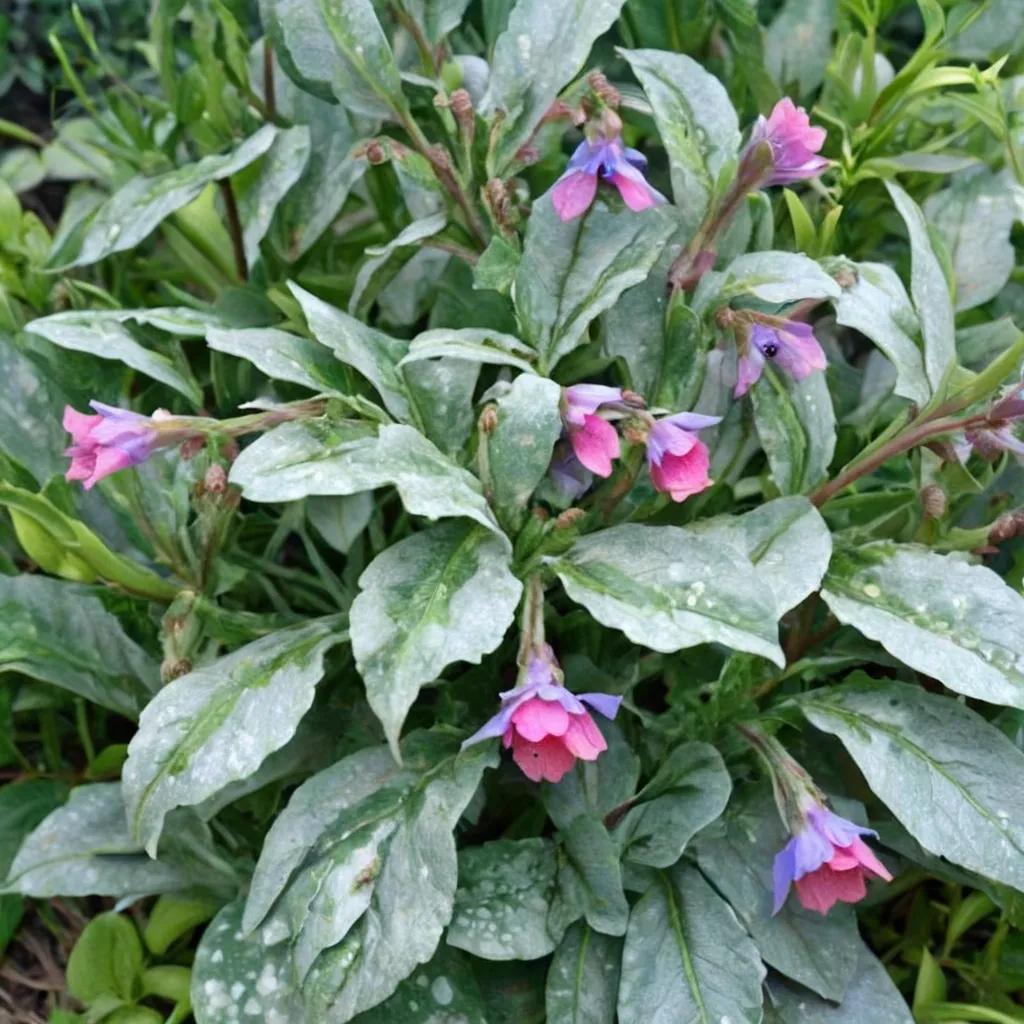 ‘Majeste’Majeste Lungwort
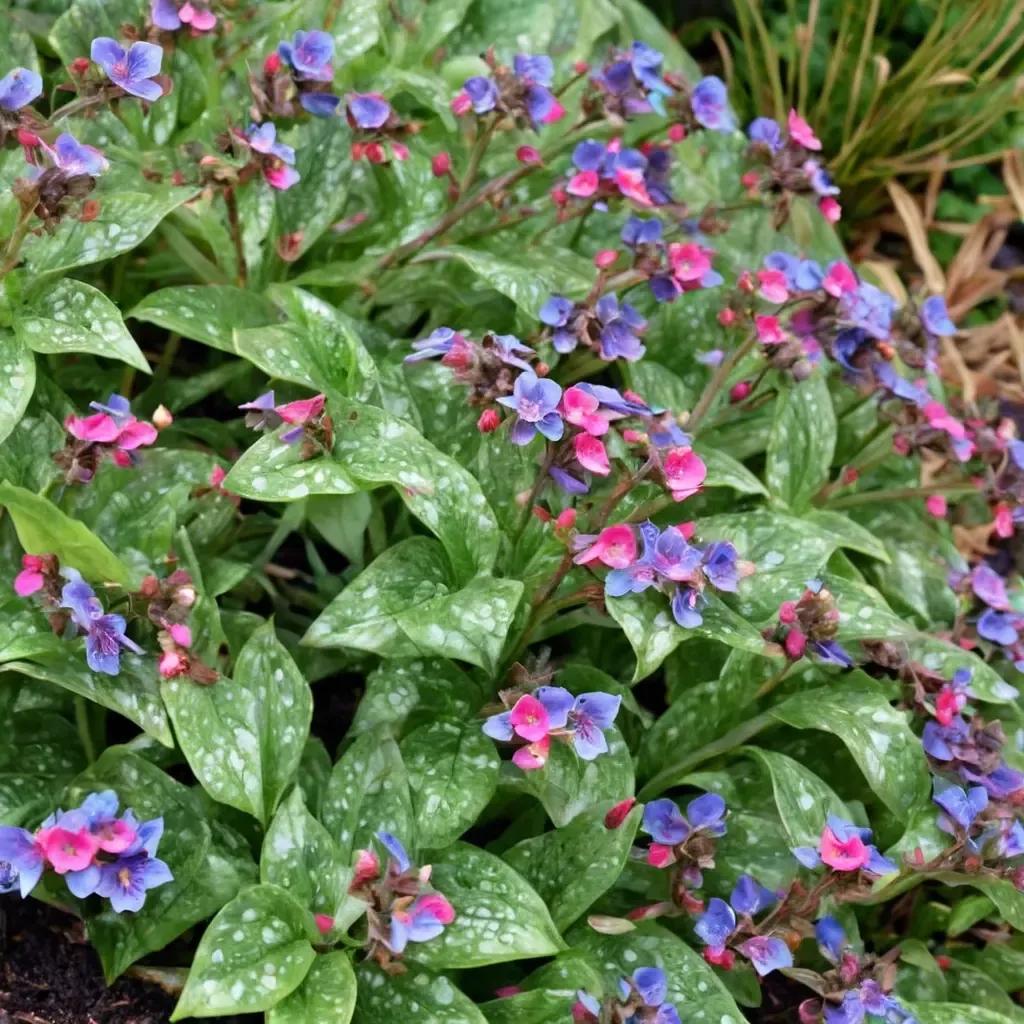 ‘Dark Vader’Dark Vader Lungwort
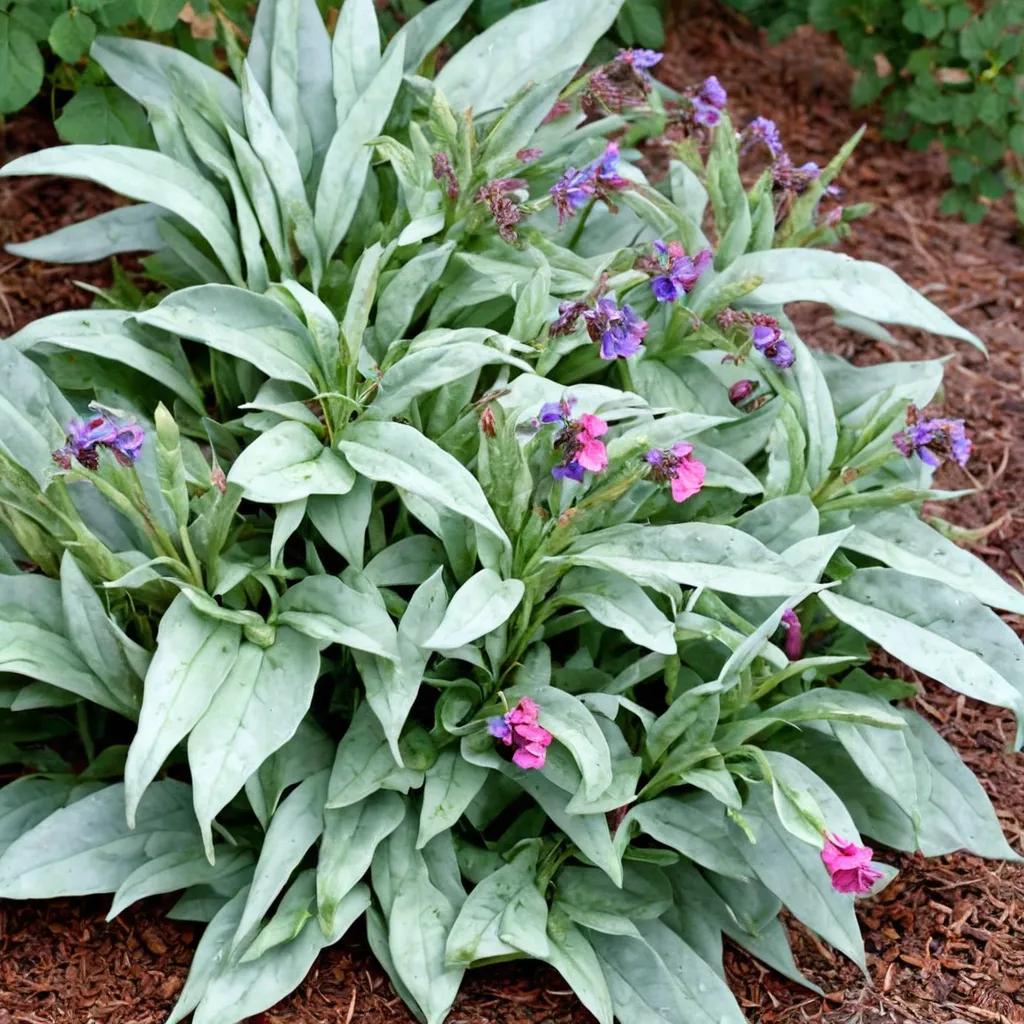 ‘Cotton Cool’Lungwort 'Cotton Cool'
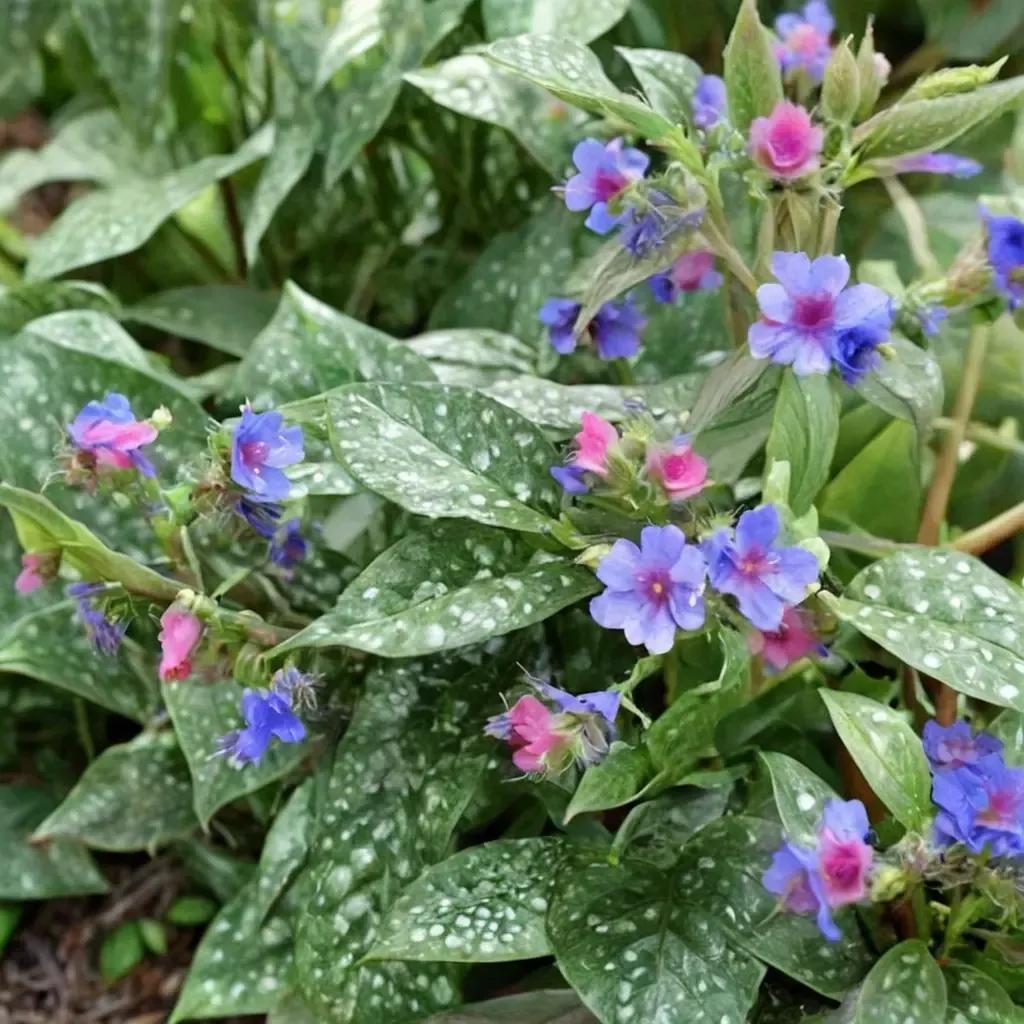 ‘Trevi Fountain’Trevi Fountain Lungwort
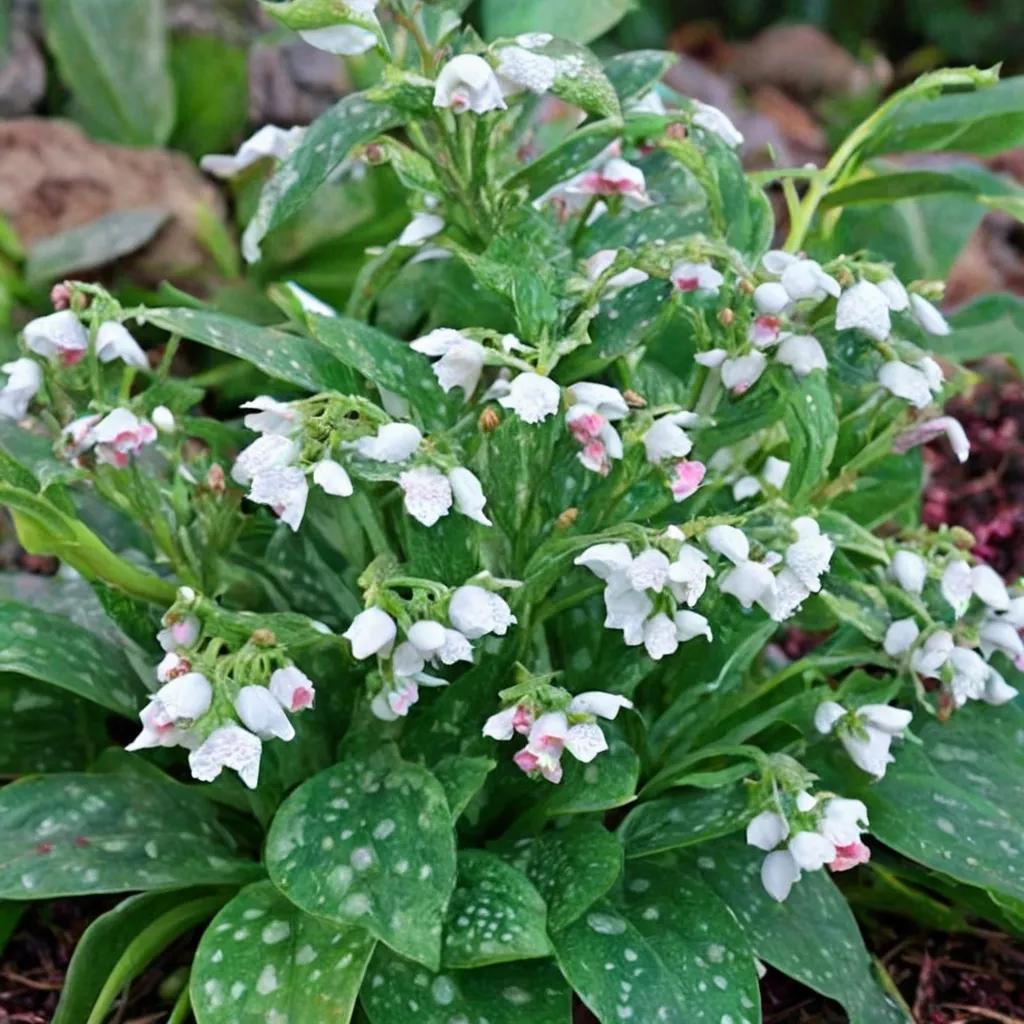 ‘White Wings’Lungwort 'White Wings'
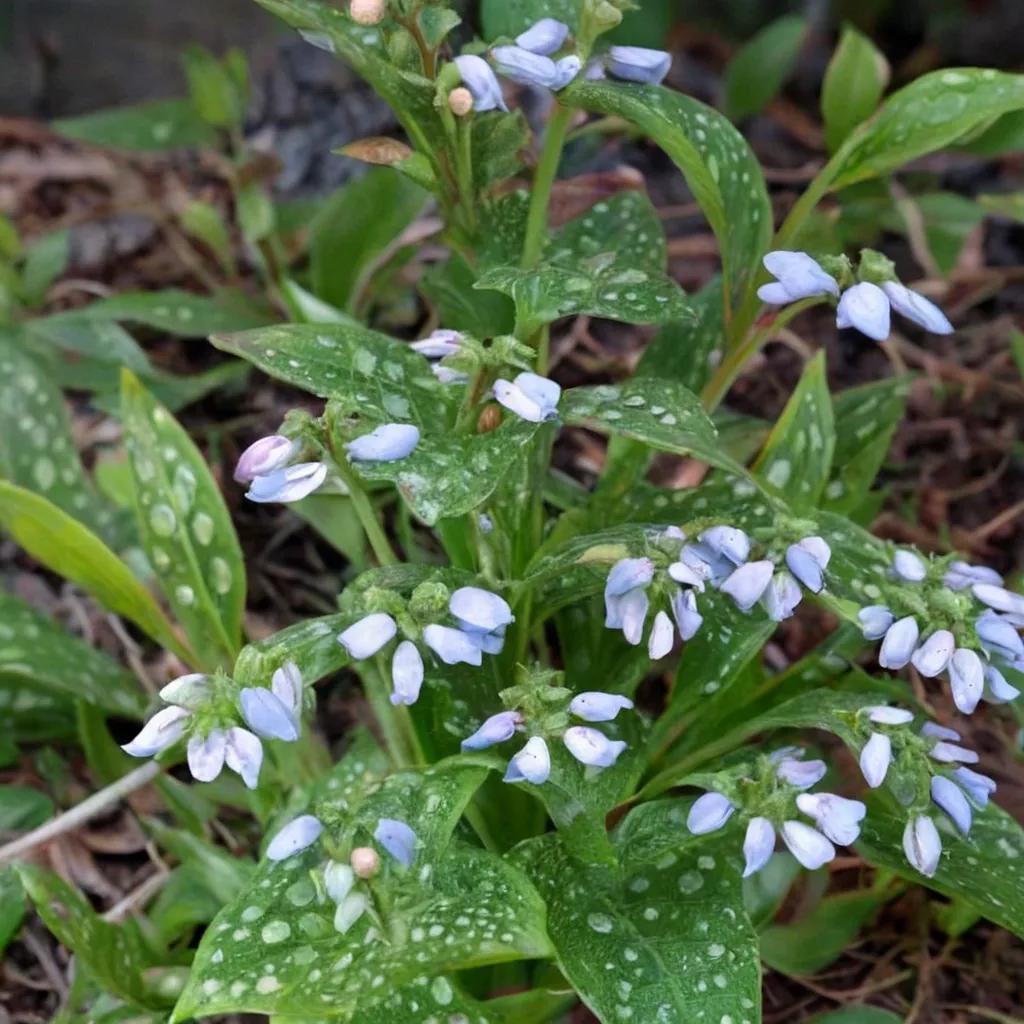 ‘Mrs Kittle’Mrs Kittle Lungwort
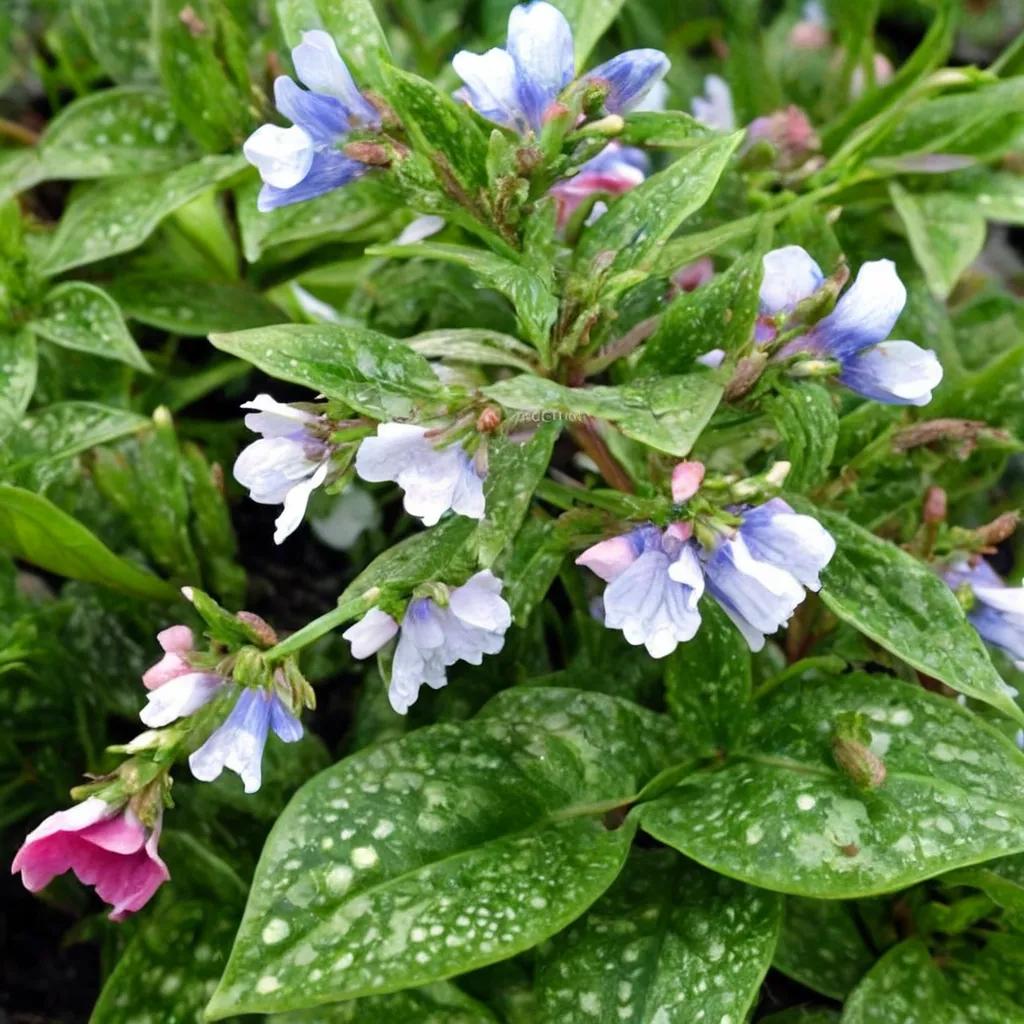 ‘Roy Davidson’Roy Davidson Lungwort
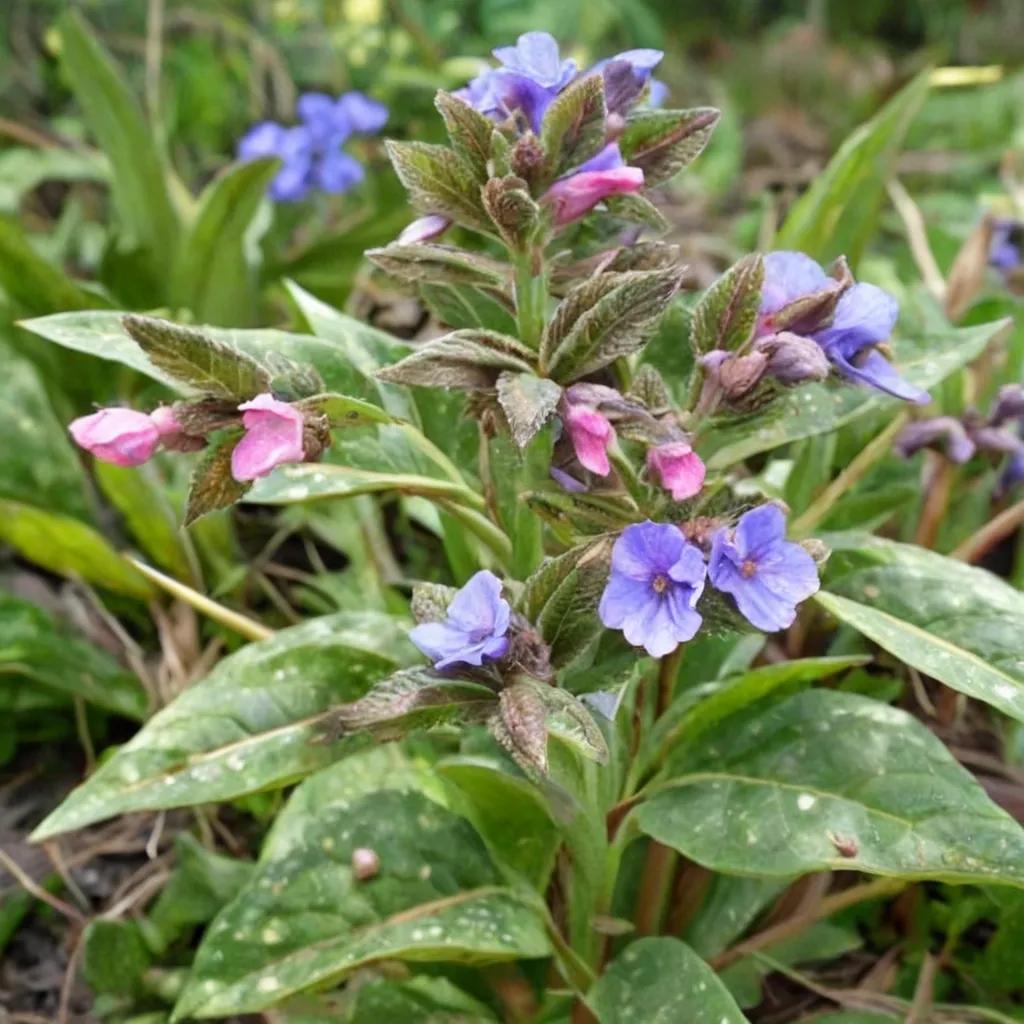 ‘Lewis Palmer’Long-leafed Lungwort 'Lewis Palmer'
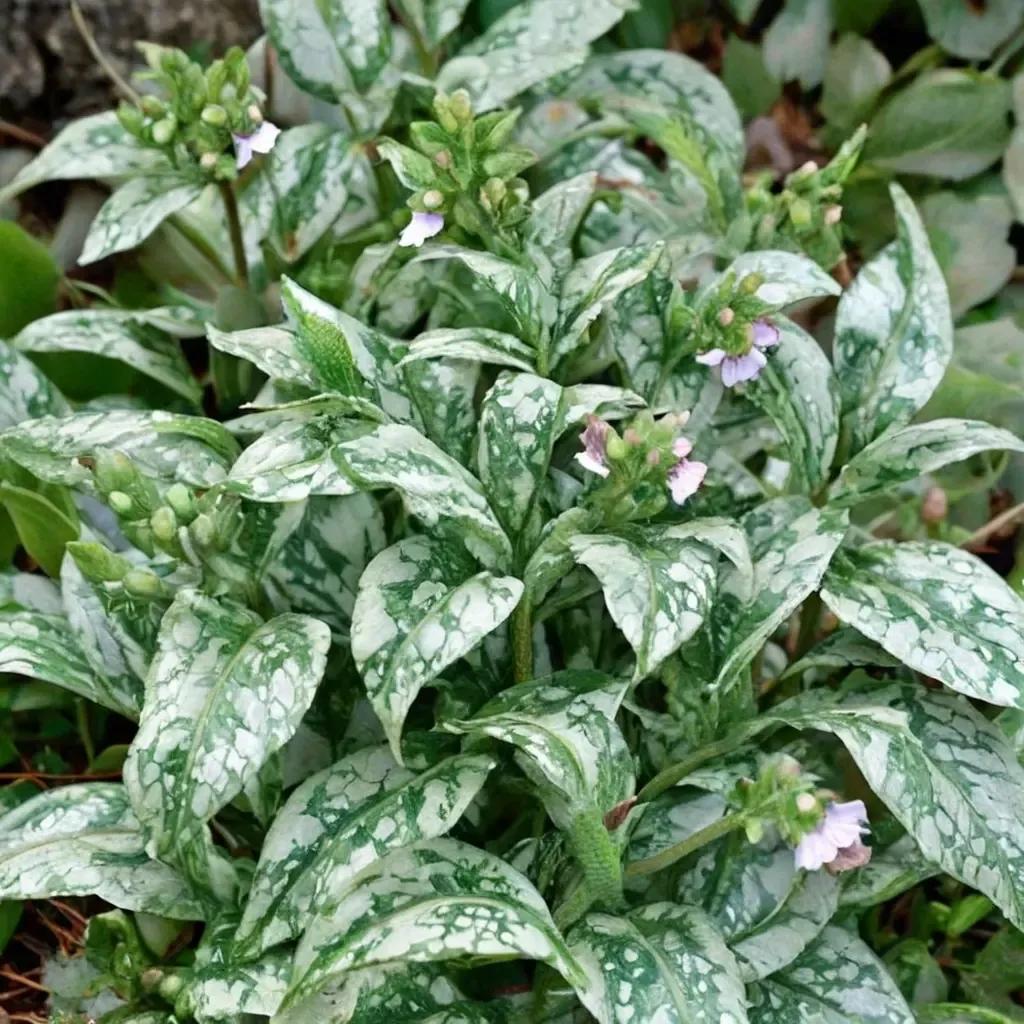 ‘Moonshine’Moonshine Lungwort
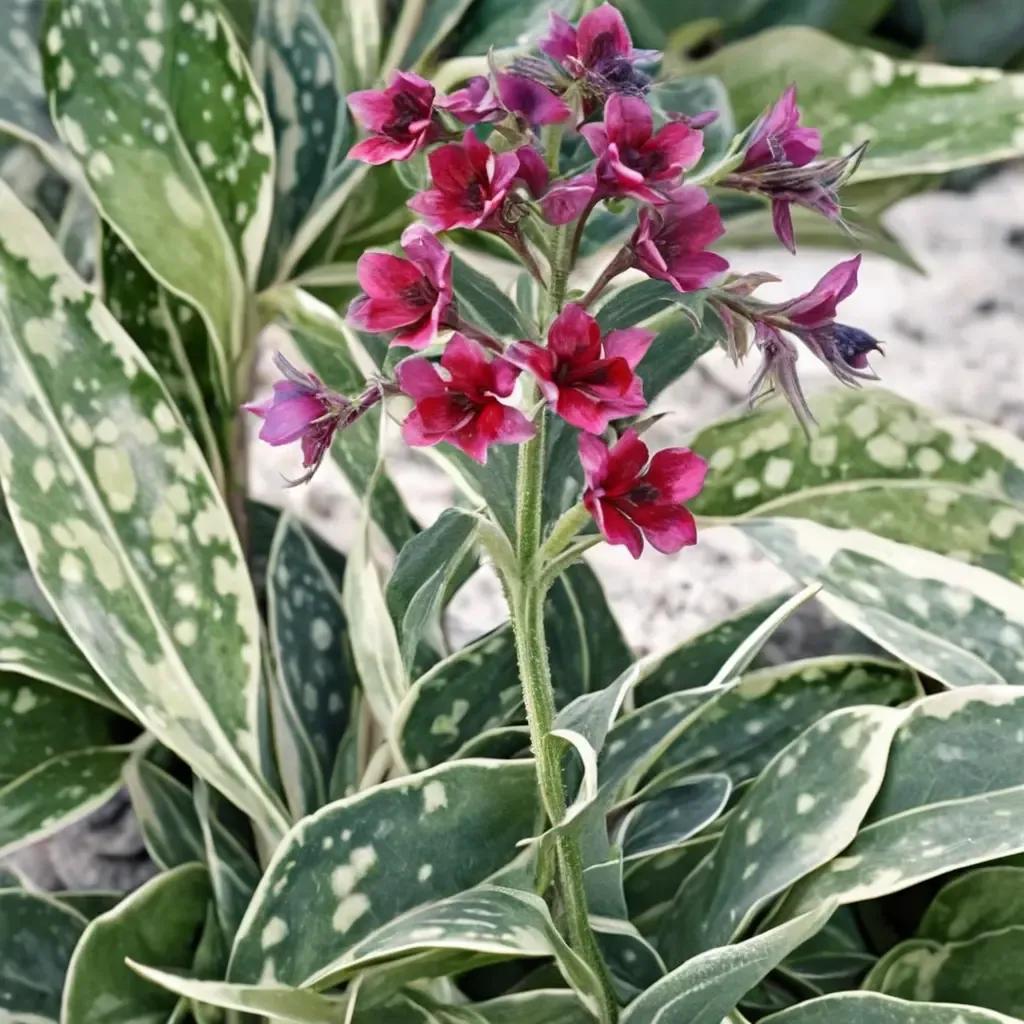 ‘Raspberry Frost’Raspberry Frost Lungwort
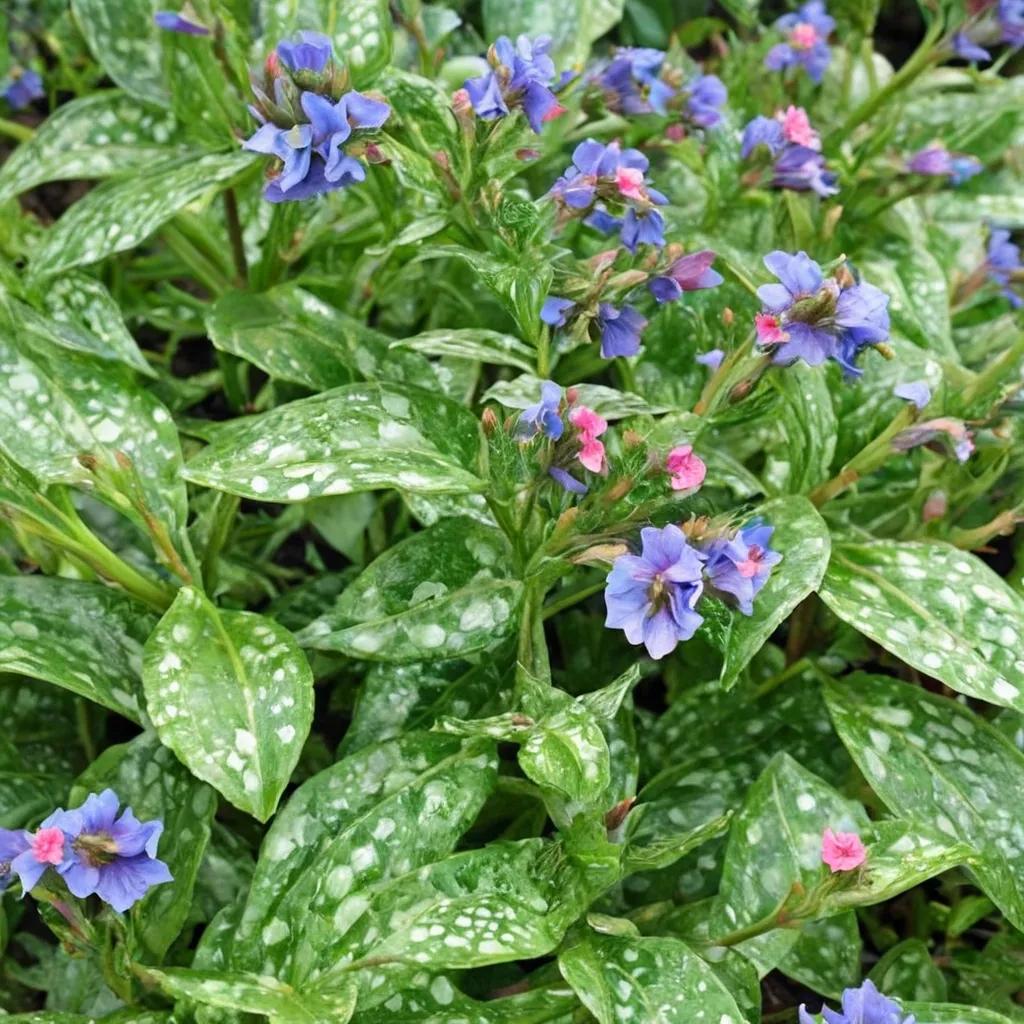 ‘Apple Frost’Pulmonaria Apple Frost
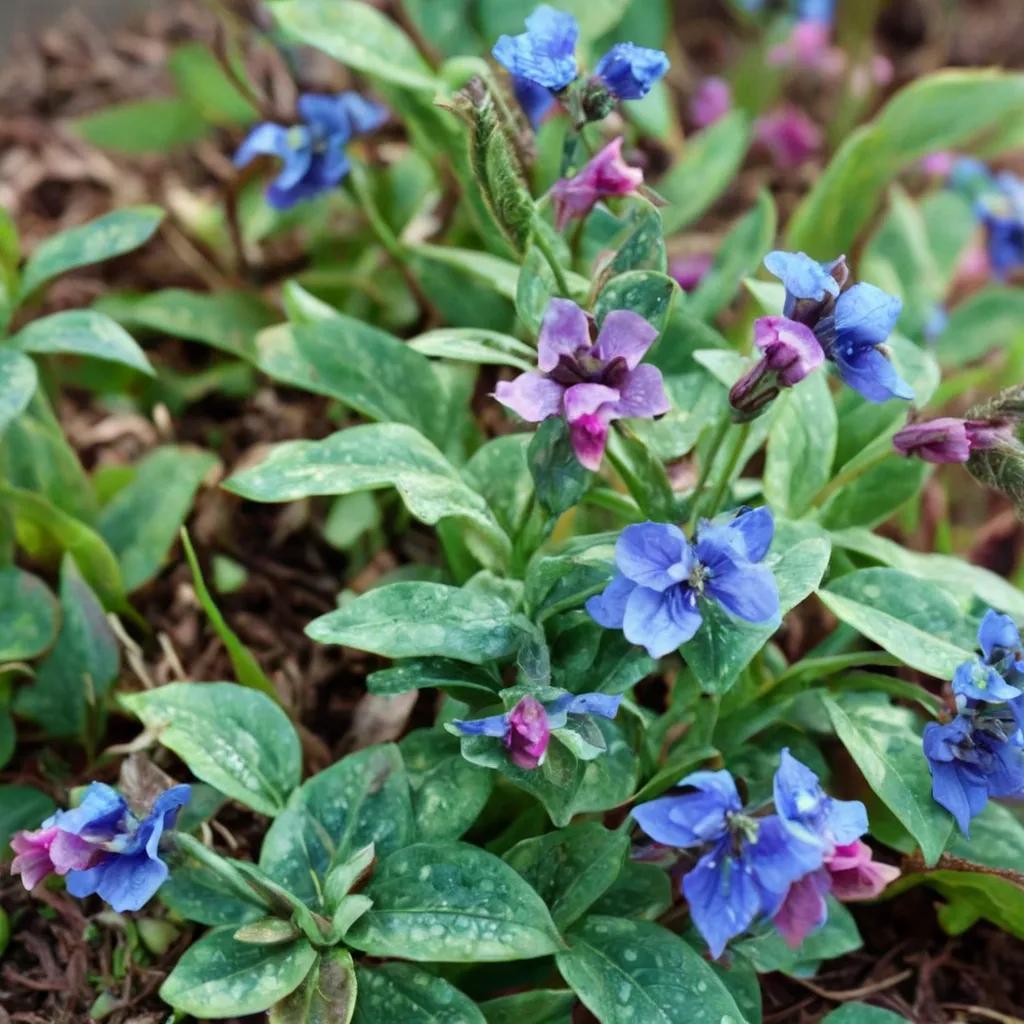 ‘Little Blue’Little Blue Common Lungwort
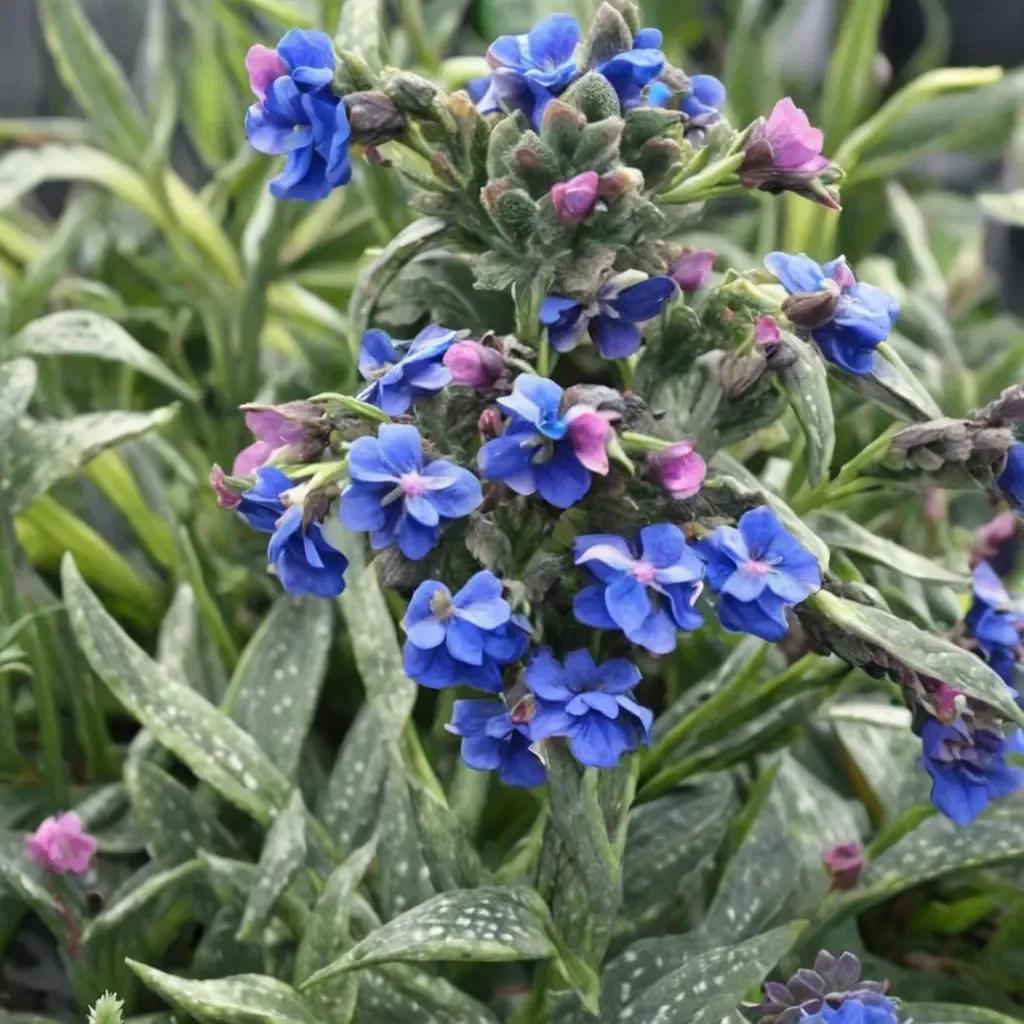 ‘Bertram Anderson’Bertram Anderson Lungwort
The Story
Plant Bio
A clump-forming perennial prized for its exceptional foliage. Features basal leaves that are dark green and heavily spotted with silver. In early spring, clusters of funnel-shaped flowers emerge, opening pink and maturing to violet-blue, often displaying both colors at once.
Distinctive for its dark green leaves which are heavily splashed with large, silvery-white spots, resembling the Milky Way galaxy. The bicolored flower clusters add to its early season appeal.
Uses & Benefits:
Essentials
At a Glance
Plant Type
Perennial
Height
12"
Width
18"
Light
Partial Sun, Shade
Zones
4, 5, 6, 7, 8
Water
Moist
Humidity
Prefers humid conditions
Lifespan
Perennial
Native To
France and Italy (species native range)
Toxicity
Non-toxic to humans and pets
Bloom period
Early spring – Mid-spring
In flower about 2 months of the year
Planting
How to Grow
- Tuck seeds or divisions into moist soil in early spring.
- Water regularly to keep soil evenly moist.
- Mist cuttings with water to encourage root growth.
- Mulch around plants to retain moisture and suppress weeds.
- Fertilize with a balanced, slow-release fertilizer in spring.
- Divide clumps every 3-4 years to maintain vigor.
Pro Tip
Plant in partial shade with rich, moist soil for best results.
Keep It Thriving
Care Guide
Do
- Water consistently to keep soil moist 🌱
- Mulch to retain soil moisture and regulate temperature
- Divide every few years to rejuvenate
Don't
- Avoid dry, sandy soils ❌
- Don’t expose to full sun in hot climates ❌
- Do not let soil dry out completely
Seasonal Care Calendar
| Task | Jan | Feb | Mar | Apr | May | Jun | Jul | Aug | Sep | Oct | Nov | Dec |
|---|---|---|---|---|---|---|---|---|---|---|---|---|
| Deadhead | ||||||||||||
| Divide | ||||||||||||
| Fertilize | ||||||||||||
| Mulch | ||||||||||||
| Pest Check | ||||||||||||
| Spring Cleanup |
Watch Out For
Pests & Diseases
Common Pests
Common Diseases
In the Garden
Landscape Uses & Companions
Landscape Uses
Companion Plants
Multiply
Propagation Methods
Good to Know
Common Questions
Milky Way Lungwort questions
What zones can Milky Way Lungwort grow in?
Milky Way Lungwort is hardy in USDA Zones 4–8. Inside that range it survives winter in the ground; outside it, grow it as an annual or a container plant you protect.
Is Milky Way Lungwort deer resistant?
Yes — Milky Way Lungwort is rated deer-resistant. Deer typically pass it over, though extreme hunger can override any plant's defenses.
When does Milky Way Lungwort bloom?
Milky Way Lungwort typically blooms in early spring through mid-spring. Exact timing shifts a week or two with your zone — Sow's bloom calendar maps it to your garden.
Does Milky Way Lungwort need full sun?
Milky Way Lungwort does best in part shade.
More Pulmonaria to compare
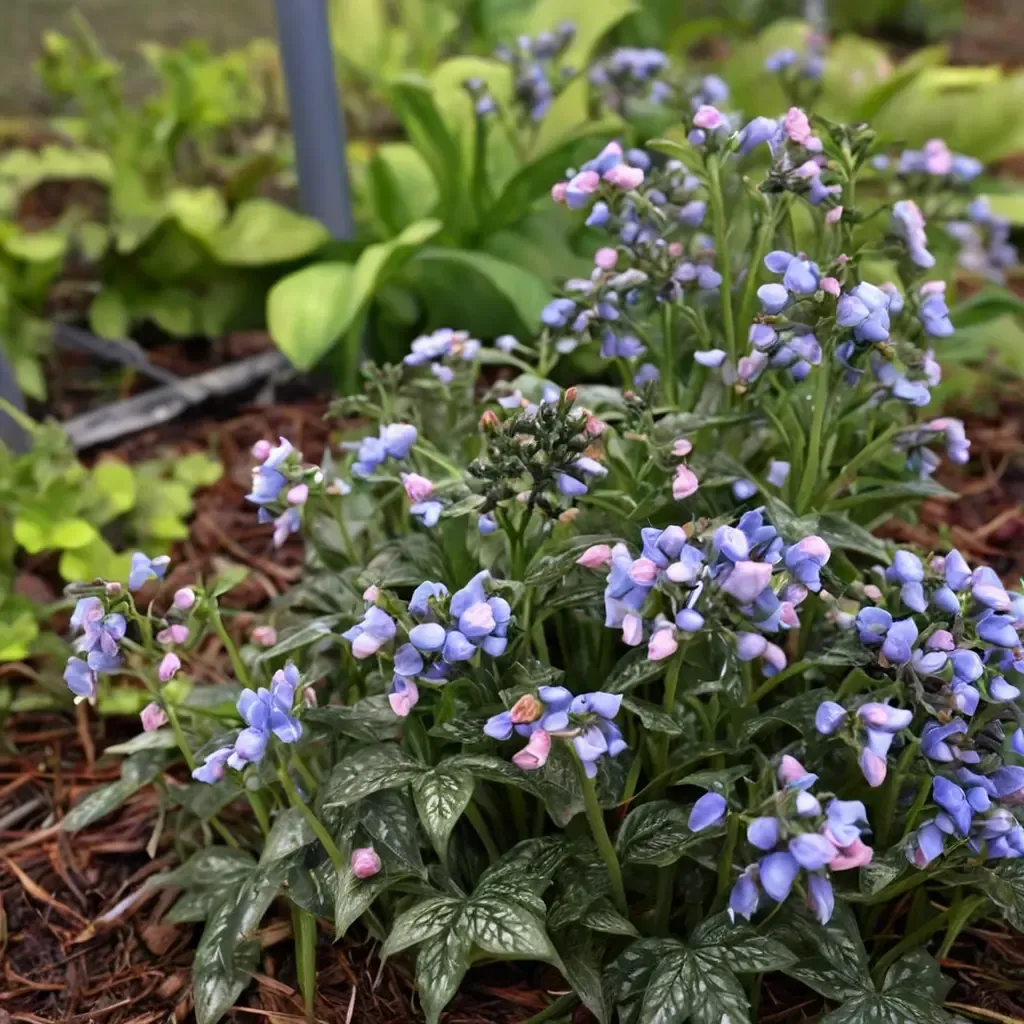
Twinkle Toes Lungwort
Pulmonaria officinalis 'Twinkle Toes'
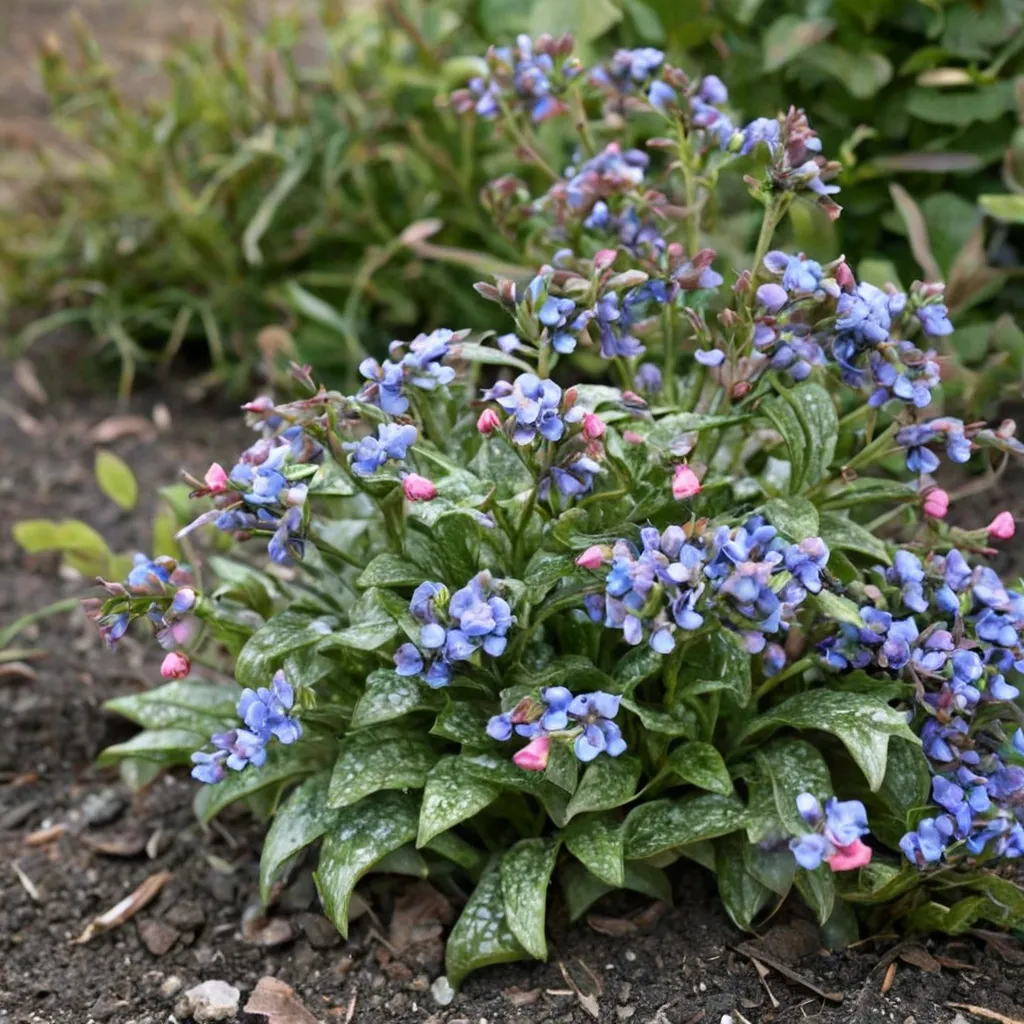
Pulmonaria Pink-a-Blue
Pulmonaria officinalis 'Pink-a-Blue'
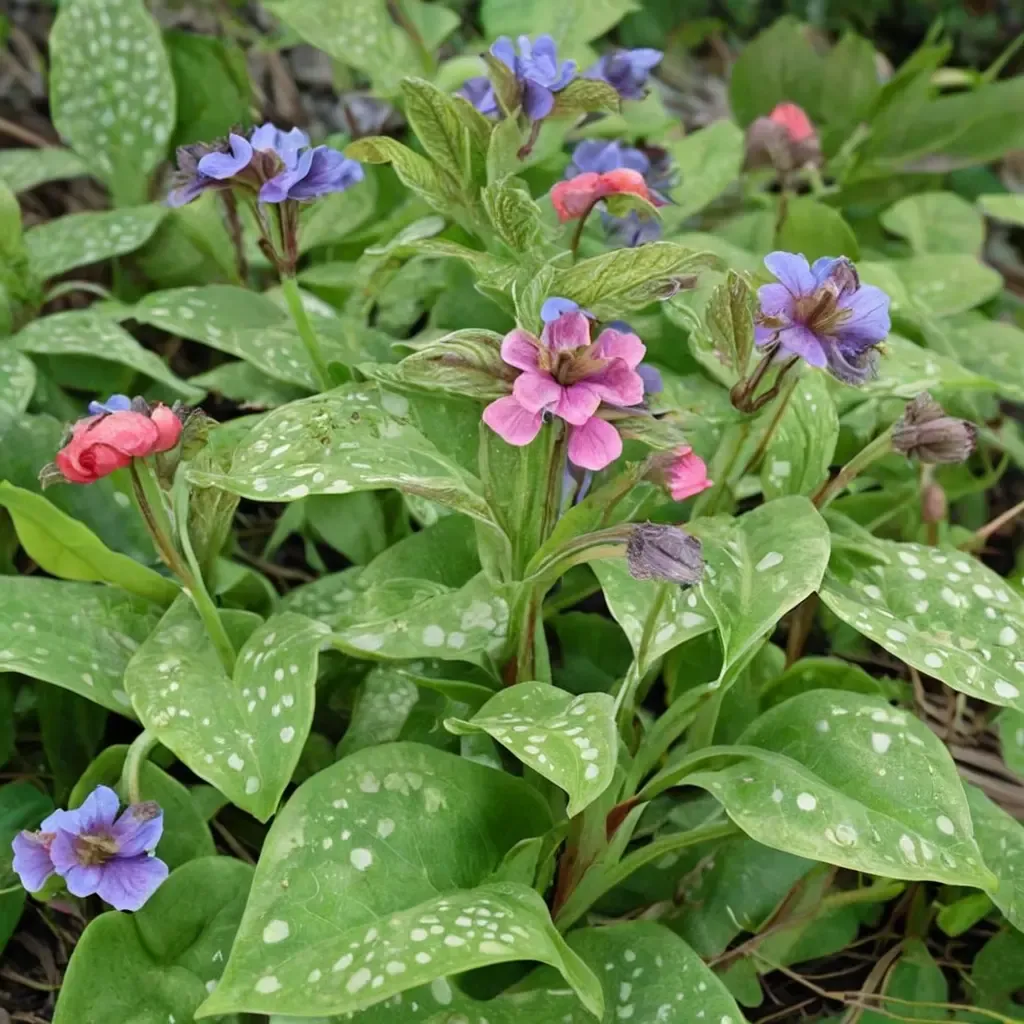
Common Lungwort
Pulmonaria officinalis
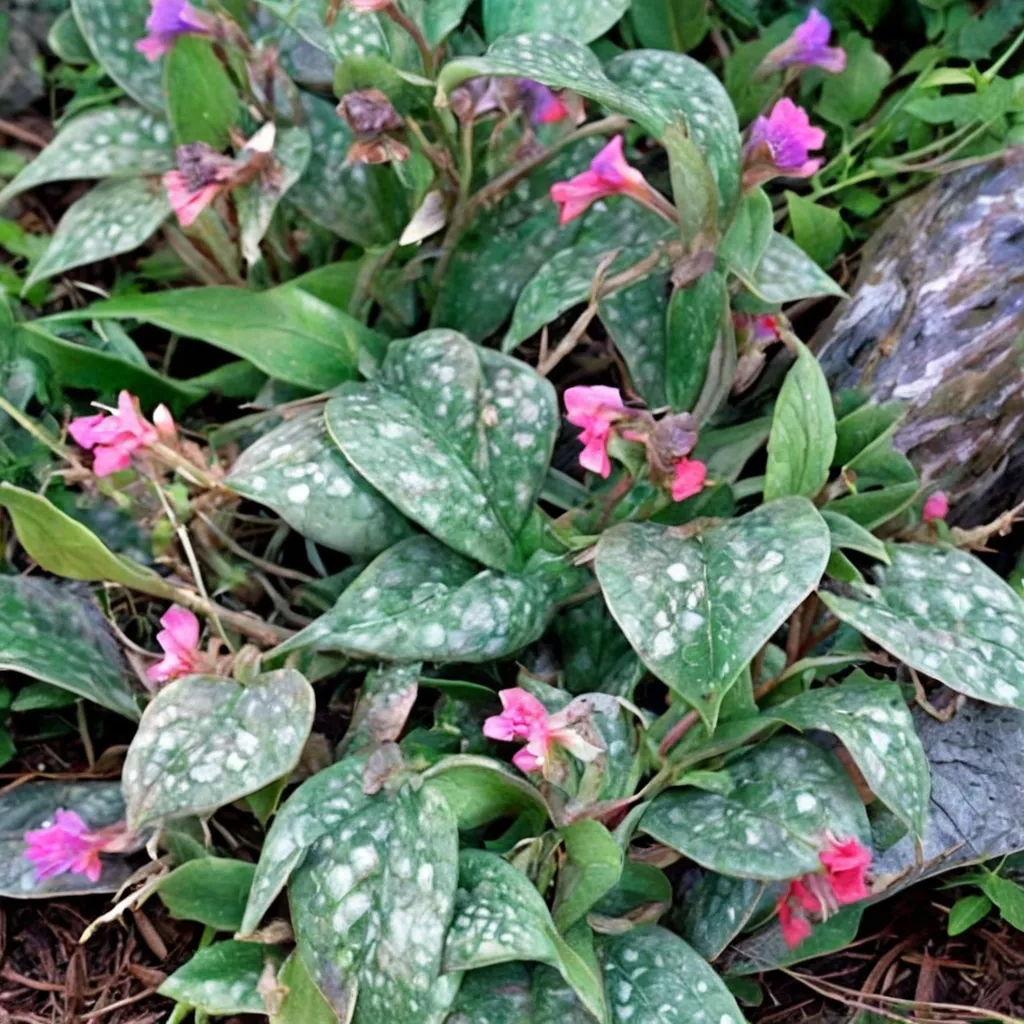
Spilled Milk Lungwort
Pulmonaria officinalis 'Spilled Milk'
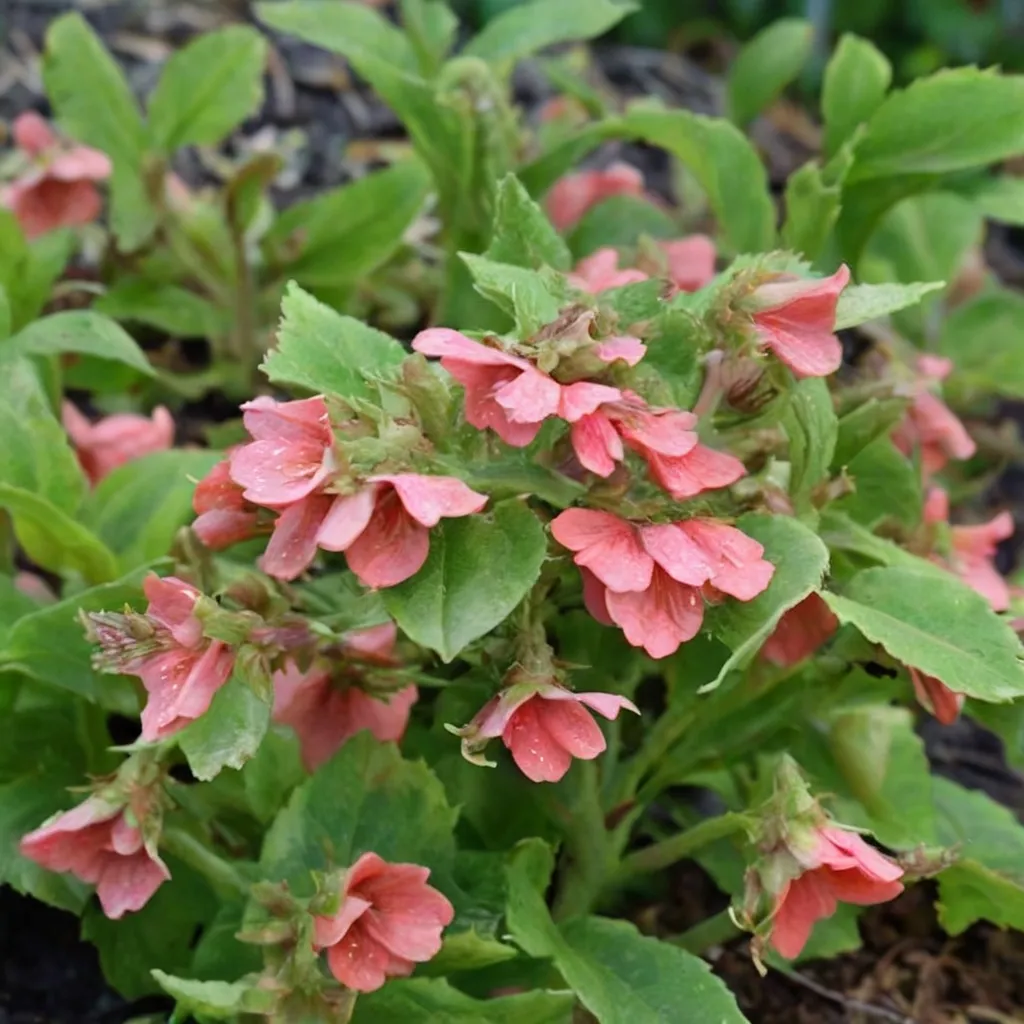
Lungwort Redstart
Pulmonaria rubra 'Redstart'
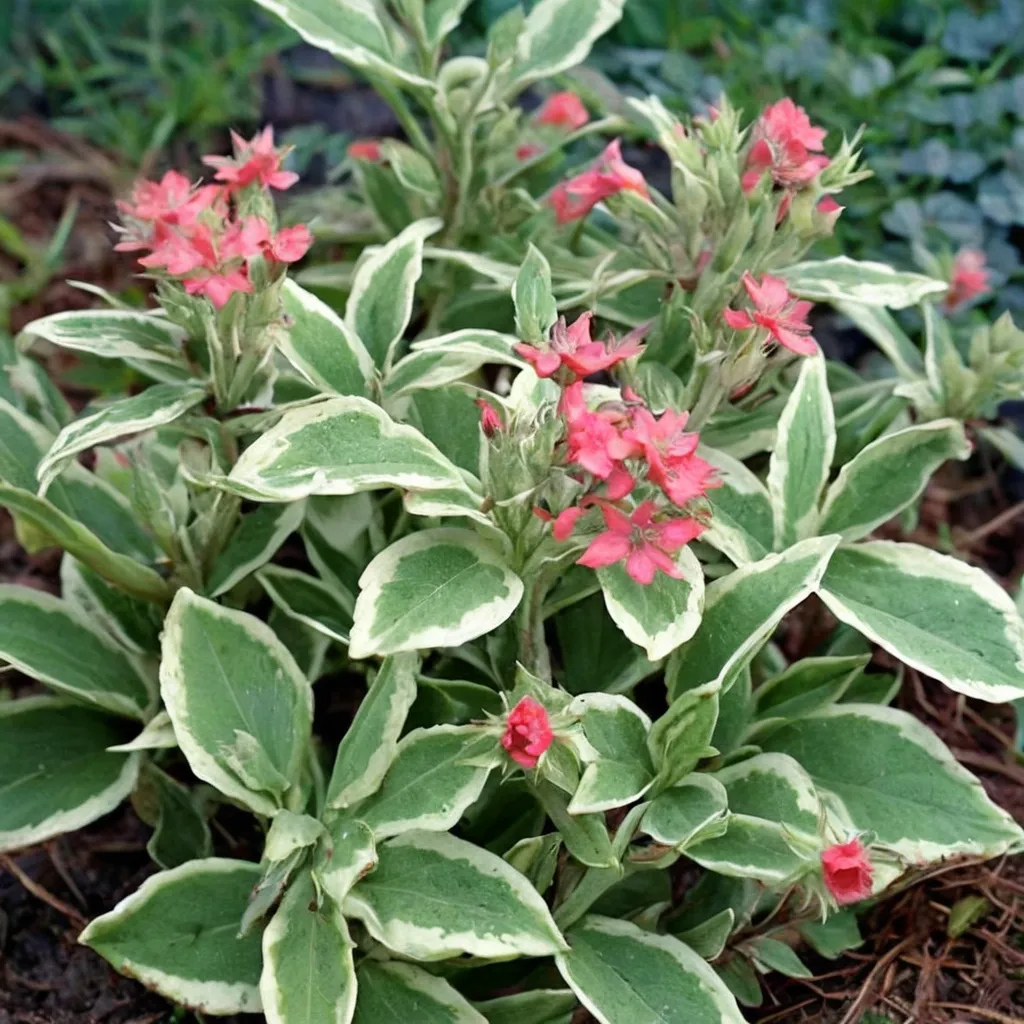
David Ward Lungwort
Pulmonaria rubra 'David Ward'
Keep exploring
Explore the genus
Hardy in your zone?
Grow Milky Way Lungwort with confidence
See it in a design of your actual yard, get zone-matched care reminders, and track it season by season in your garden journal.