The Story
Plant Bio
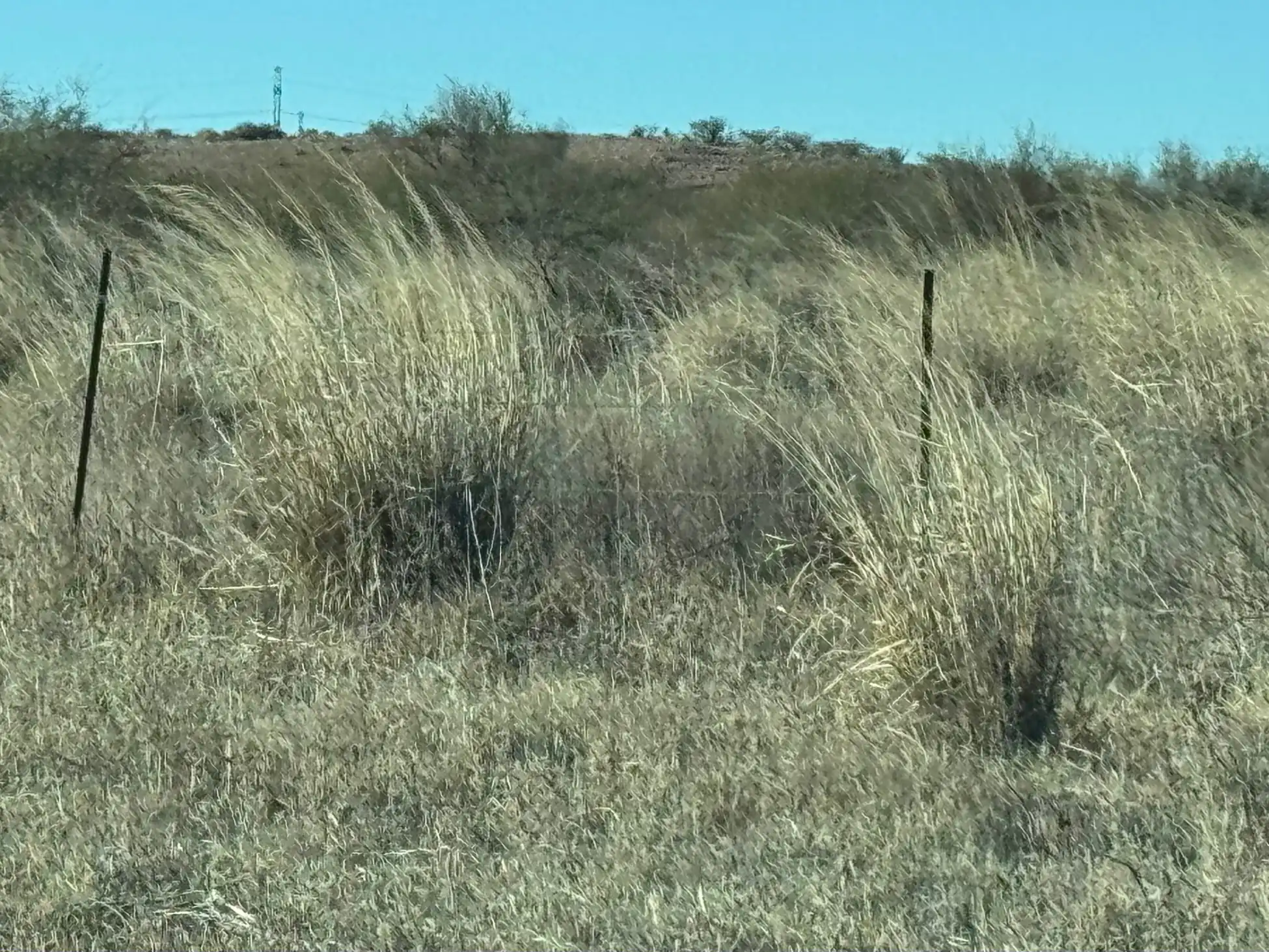
Sporobolus wrightii, big sacaton, is a warm-season perennial bunchgrass from the southwestern United States to central Mexico, forming a dense arching mound of wide green to gray-green blades about three feet tall. In bloom it sends up tall open panicles that lift the plant to seven to eight feet, with wind-pollinated florets that ripen to seed for birds.
It is set apart by sheer scale combined with tolerance of saline and alkaline clay flats and sandy open ground. Mature clumps reach four feet wide in leaf and need a full six-foot circle in bloom, functioning as a screen or windbreak where alkali sacaton stays a smaller tuft.
Uses & Benefits:
Essentials
At a Glance
Plant Type
Grass
Height
94"
Width
48"
Light
Full Sun, Partial Sun
Zones
5, 6, 7, 8, 9, 10
Water
Low
Humidity
Unknown
Lifespan
Perennial
Native To
Southwestern USA to central Mexico
Toxicity
Unknown
Bloom period
Summer – Autumn
In flower about 6 months of the year
Planting
How to Grow
- Plant in full sun in spring after frost in well-drained sandy or clay soil.
- Space 4 to 6 feet apart in a hole the same depth as the root ball.
- Backfill, firm, and water deeply to settle soil around the roots.
- Water deeply occasionally the first season, then reduce to occasional deep soakings.
- Cut dormant foliage to 6 inches in late winter before new growth starts.
Pro Tip
Give it a full six-foot circle at planting; crowding forces weak edge growth and flopping seed stems.
Keep It Thriving
Care Guide
Do
- Plant in full sun with room for mature size
- Water deeply but infrequently once established
- Leave seed heads for birds through fall and winter
Don't
- Do not plant in shade or constantly wet soil
- Do not fertilize heavily - lean soil keeps growth sturdy
- Do not cut back to the crown during active summer growth
Seasonal Care Calendar
| Task | Jan | Feb | Mar | Apr | May | Jun | Jul | Aug | Sep | Oct | Nov | Dec |
|---|---|---|---|---|---|---|---|---|---|---|---|---|
| Fertilize | ||||||||||||
| Pest Check | ||||||||||||
| Plant | ||||||||||||
| Spring Cleanup |
Watch Out For
Pests & Diseases
Common Pests
Common Diseases
In the Garden
Landscape Uses & Companions
Landscape Uses
Multiply
Propagation Methods
Good to Know
Common Questions
Big Sacaton questions
What zones can Big Sacaton grow in?
Big Sacaton is hardy in USDA Zones 5–10: in that range it survives winter in the ground. Colder than Zone 5, grow it in a container you can move to shelter for the winter, or as an annual.
Is Big Sacaton deer resistant?
Not reliably. Deer may browse Big Sacaton, especially tender spring growth — plan on repellents or fencing where pressure is high.
When does Big Sacaton bloom?
Big Sacaton typically blooms from summer to fall. Exact timing shifts a week or two with your zone — Sow's bloom calendar maps it to your garden.
Does Big Sacaton need full sun?
Big Sacaton does best in full sun to part shade. In hot climates, afternoon shade keeps blooms fresher longer.
Is Big Sacaton drought tolerant?
Yes — once established (usually after the first full season), Big Sacaton handles dry spells with minimal watering. Water deeply its first year to build the root system that makes that possible.
More Sporobolus to compare
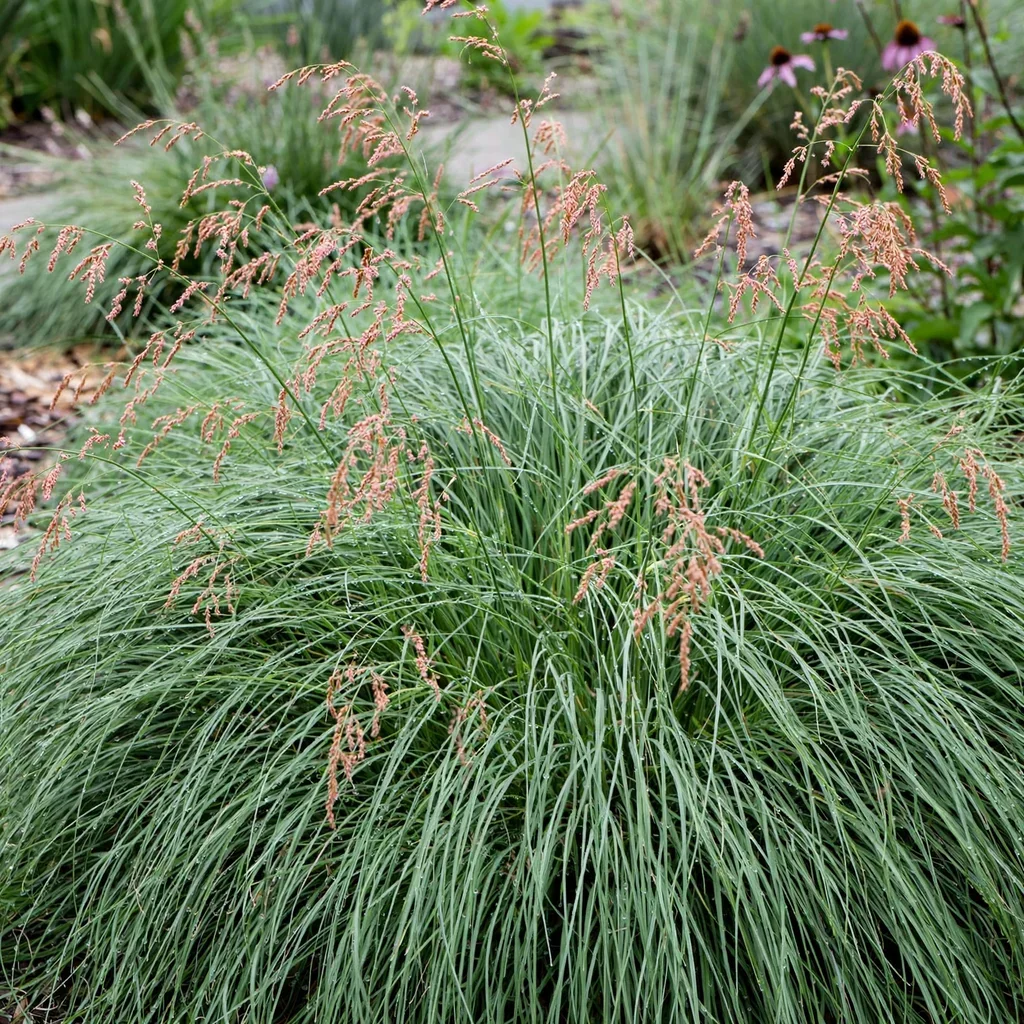
Prairie Dropseed
Sporobolus heterolepis
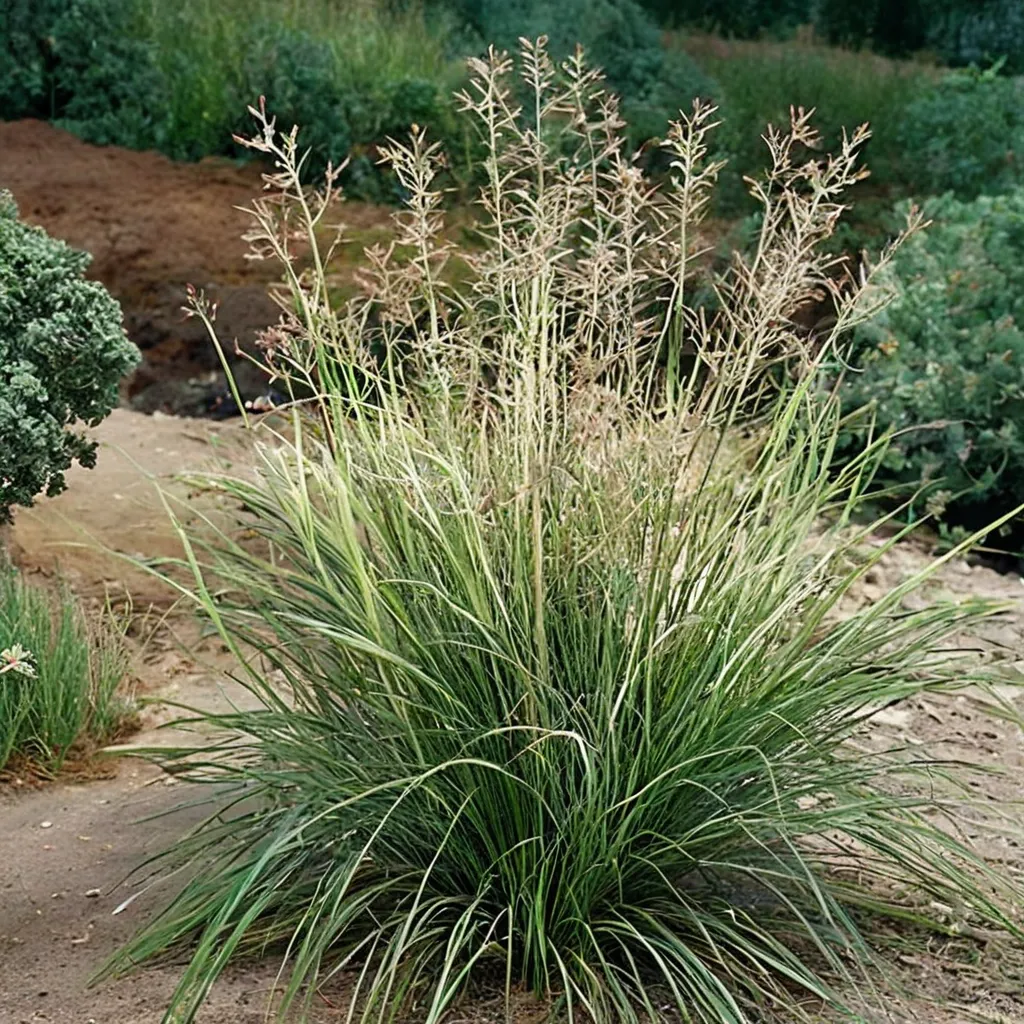
Alkali Sacaton
Sporobolus airoides
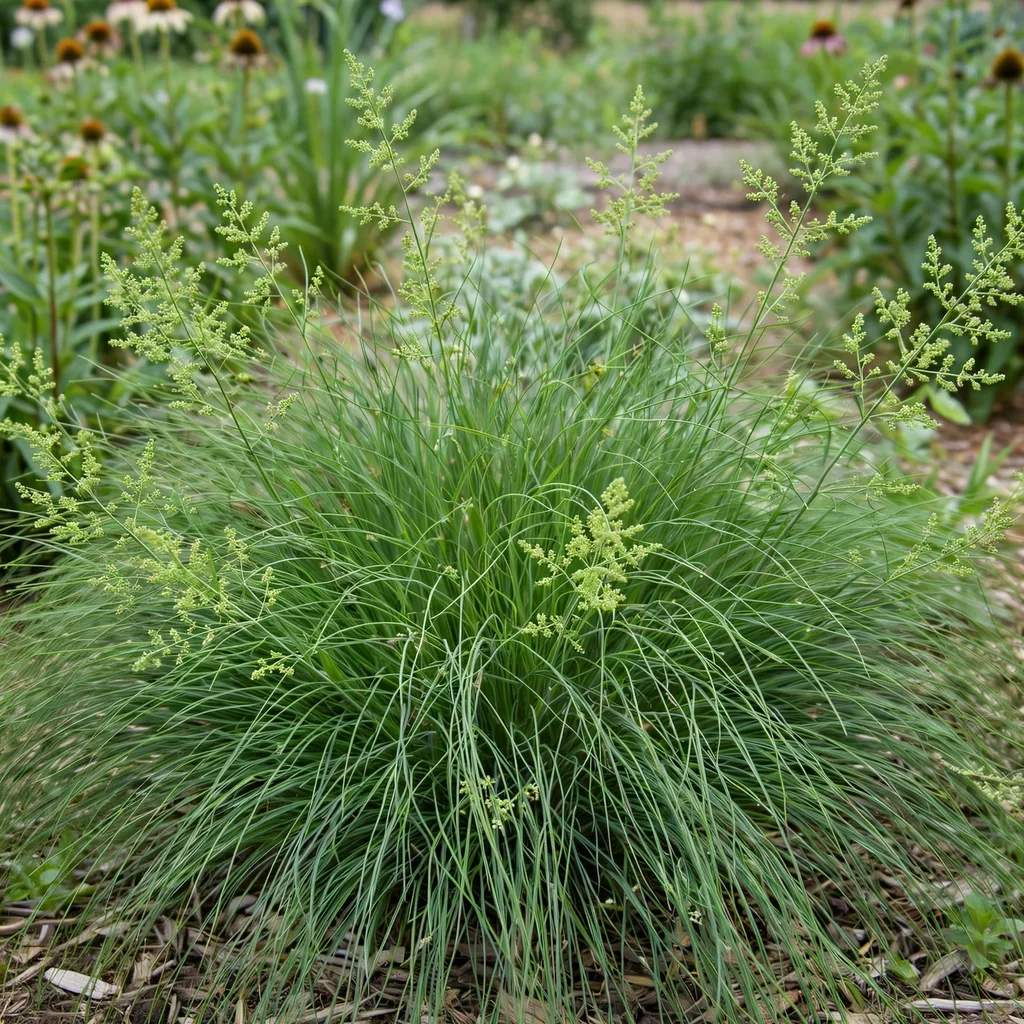
Tara Prairie Dropseed
Sporobolus heterolepis 'Tara'
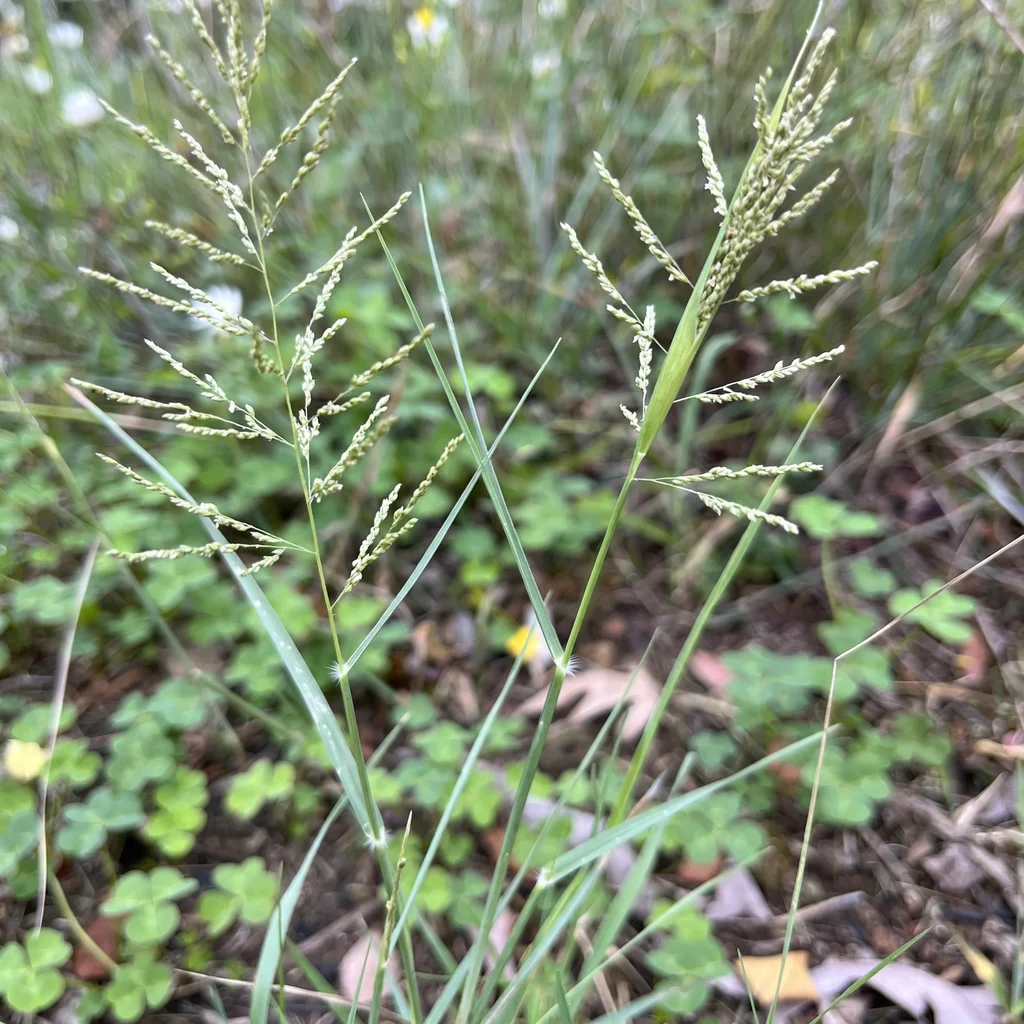
Sand Dropseed
Sporobolus cryptandrus
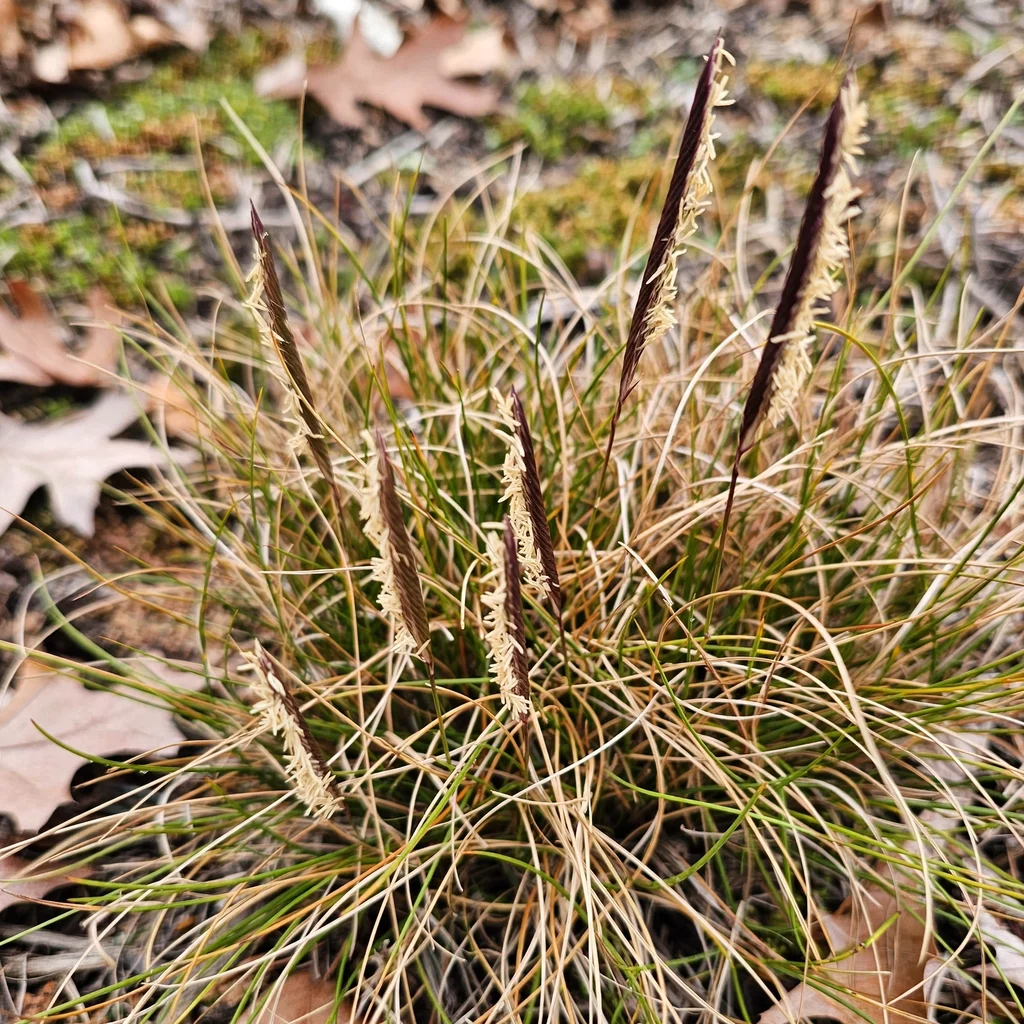
Saltmeadow Cordgrass
Sporobolus pumilus
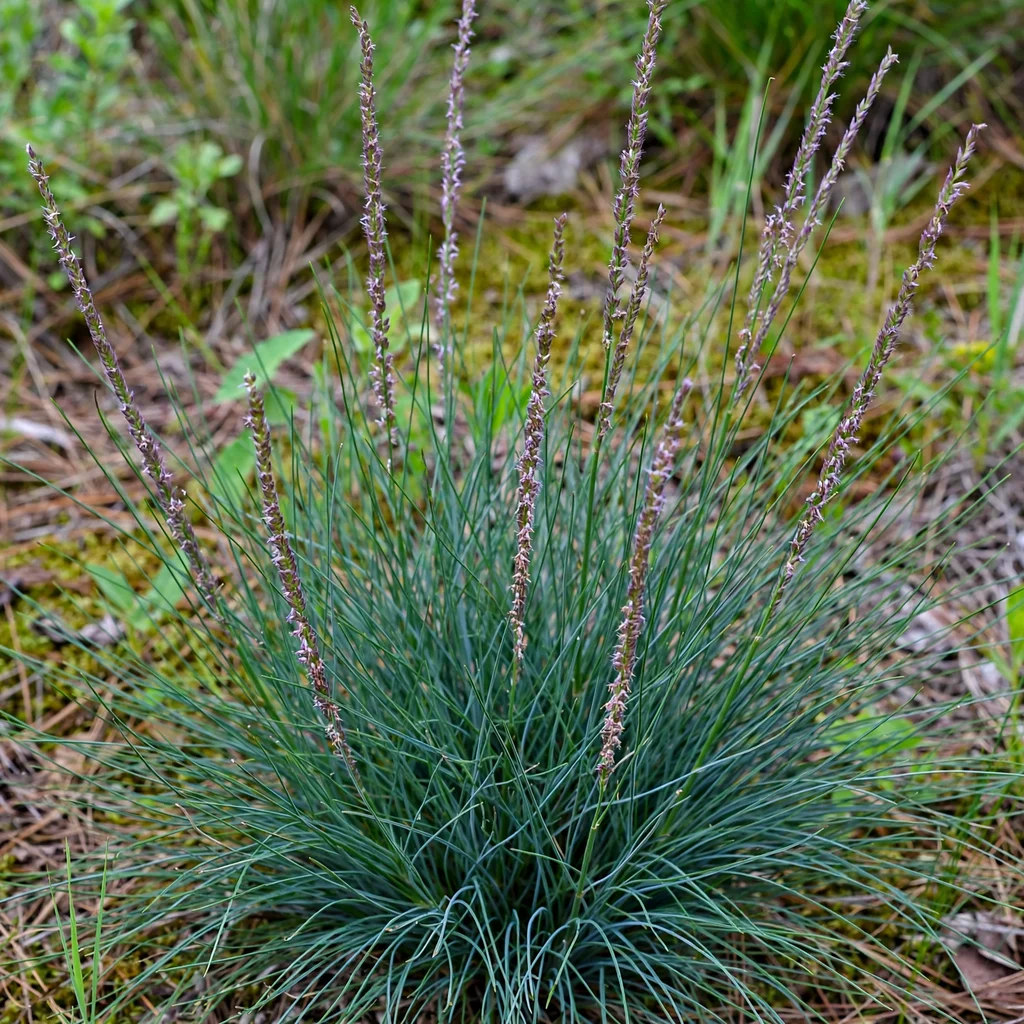
Pineywoods Dropseed
Sporobolus junceus
Keep exploring
Explore the genus
Grow Big Sacaton with confidence
See it in a design of your actual yard, get zone-matched care reminders, and track it season by season in your garden journal.