The Story
Plant Bio
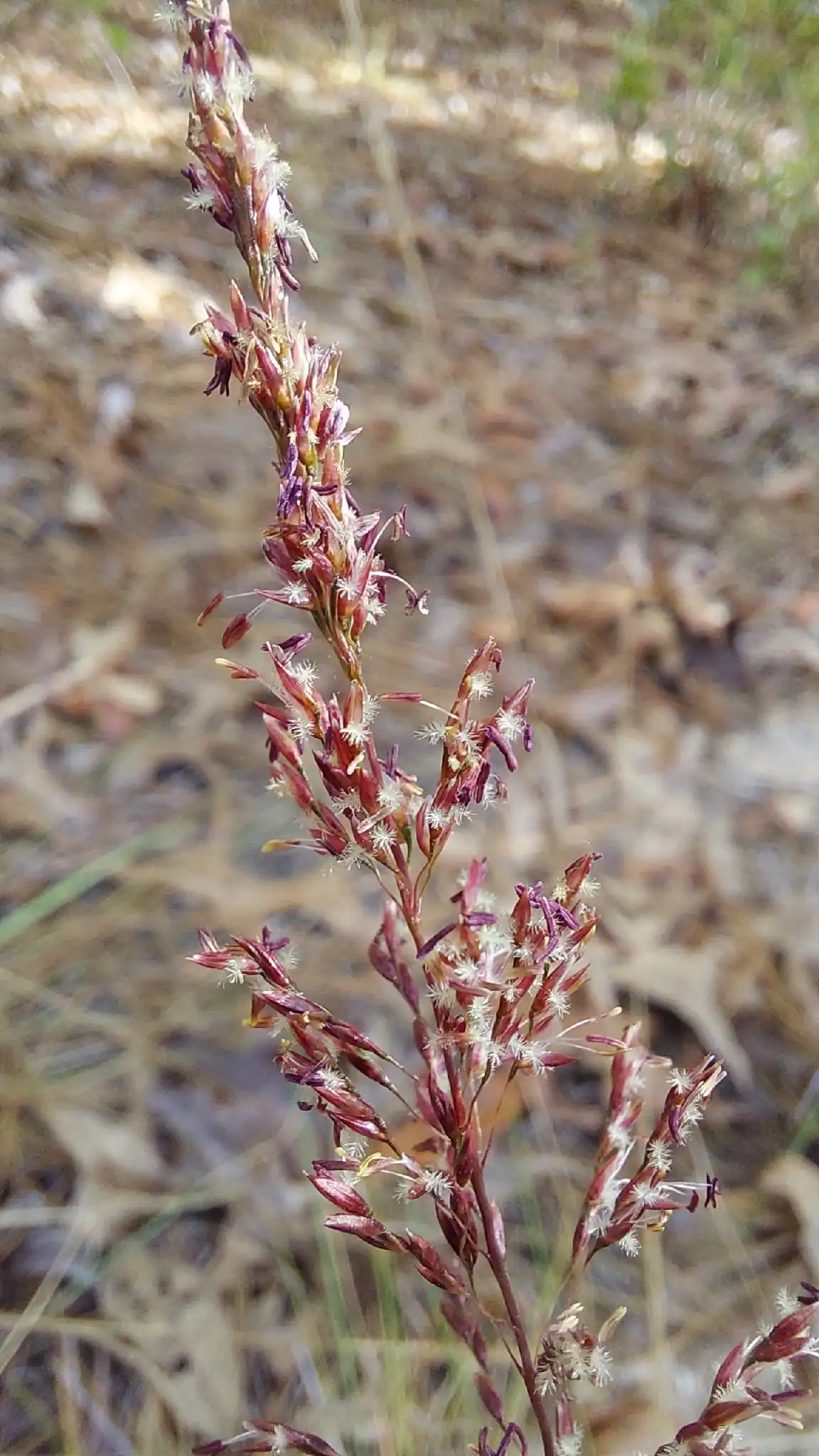
Sporobolus junceus, the pineywoods dropseed, is a warm-season perennial bunchgrass that forms dense clumps of slender blue-green foliage about one to two feet tall. Erect wiry culms rise to three feet in summer and carry open conical panicles that ripen from the top down and shatter when mature.
It is distinguished by wiry blue-green leaves barely a sixteenth of an inch wide that stay green into winter, and by open bronze to purple panicles four to ten inches long. Mature seed turns black to blue-black and shatters within about two weeks, so established plants form large sun-grown clumps with one to three seed stalks each.
Uses & Benefits:
Essentials
At a Glance
Plant Type
Grass
Height
36"
Width
24"
Light
Full Sun, Partial Sun
Zones
8, 9
Water
Low
Humidity
Tolerant
Lifespan
5-10 years
Native To
Southeastern USA
Toxicity
No toxicity reported
Bloom period
Summer – Fall
In flower about 6 months of the year
Planting
How to Grow
- Plant in full sun in well-drained sandy loam with acidic to neutral pH; plants are densest in full sun and tolerate light shade.
- Sow seed in winter from December to January no deeper than one-quarter inch; do not sow in May.
- Protect first-year stands from grazing and mowing to let roots establish.
- Burn or cut back to the ground in spring after seed is gone to stimulate new culms and flowering.
- Fertilize only from a soil test, or with a light nitrogen application in early spring on poor sand.
Pro Tip
Keep it lean in full sun on sand and burn or cut it back in spring to force flowering; seed sown deeper than a quarter inch, sown in May, or heavily watered and fertilized stays leafy and sets little seed.
Keep It Thriving
Care Guide
Do
- Grow in full sun on well-drained sand for tight clumps.
- Burn or cut back in spring to increase flowering stalks.
- Harvest seed at dough stage before it shatters.
Don't
- Do not graze or mow during the first year.
- Do not sow deeper than one-quarter inch or sow in late spring.
- Do not fertilize heavily or water like a lawn grass.
- Do not scalp clumps every year or cut while seed is still ripening.
Seasonal Care Calendar
| Task | Jan | Feb | Mar | Apr | May | Jun | Jul | Aug | Sep | Oct | Nov | Dec |
|---|---|---|---|---|---|---|---|---|---|---|---|---|
| Divide | ||||||||||||
| Fertilize | ||||||||||||
| Harvest | ||||||||||||
| Plant | ||||||||||||
| Spring Cleanup |
Watch Out For
Pests & Diseases
Common Pests
Common Diseases
In the Garden
Landscape Uses & Companions
Landscape Uses
Multiply
Propagation Methods
Good to Know
Common Questions
Pineywoods Dropseed questions
What zones can Pineywoods Dropseed grow in?
Pineywoods Dropseed is hardy in USDA Zones 8–9: in that range it survives winter in the ground. Colder than Zone 8, grow it in a container you can move to shelter for the winter, or as an annual. Warmer than Zone 9, winter isn't the problem: it prefers colder winters, and summer heat can shorten its life.
Is Pineywoods Dropseed deer resistant?
Not reliably. Deer may browse Pineywoods Dropseed, especially tender spring growth — plan on repellents or fencing where pressure is high.
When does Pineywoods Dropseed bloom?
Pineywoods Dropseed typically blooms from summer to fall. Exact timing shifts a week or two with your zone — Sow's bloom calendar maps it to your garden.
Does Pineywoods Dropseed need full sun?
Pineywoods Dropseed does best in full sun to part shade. In hot climates, afternoon shade keeps blooms fresher longer.
Is Pineywoods Dropseed drought tolerant?
Yes — once established (usually after the first full season), Pineywoods Dropseed handles dry spells with minimal watering. Water deeply its first year to build the root system that makes that possible.
More Sporobolus to compare
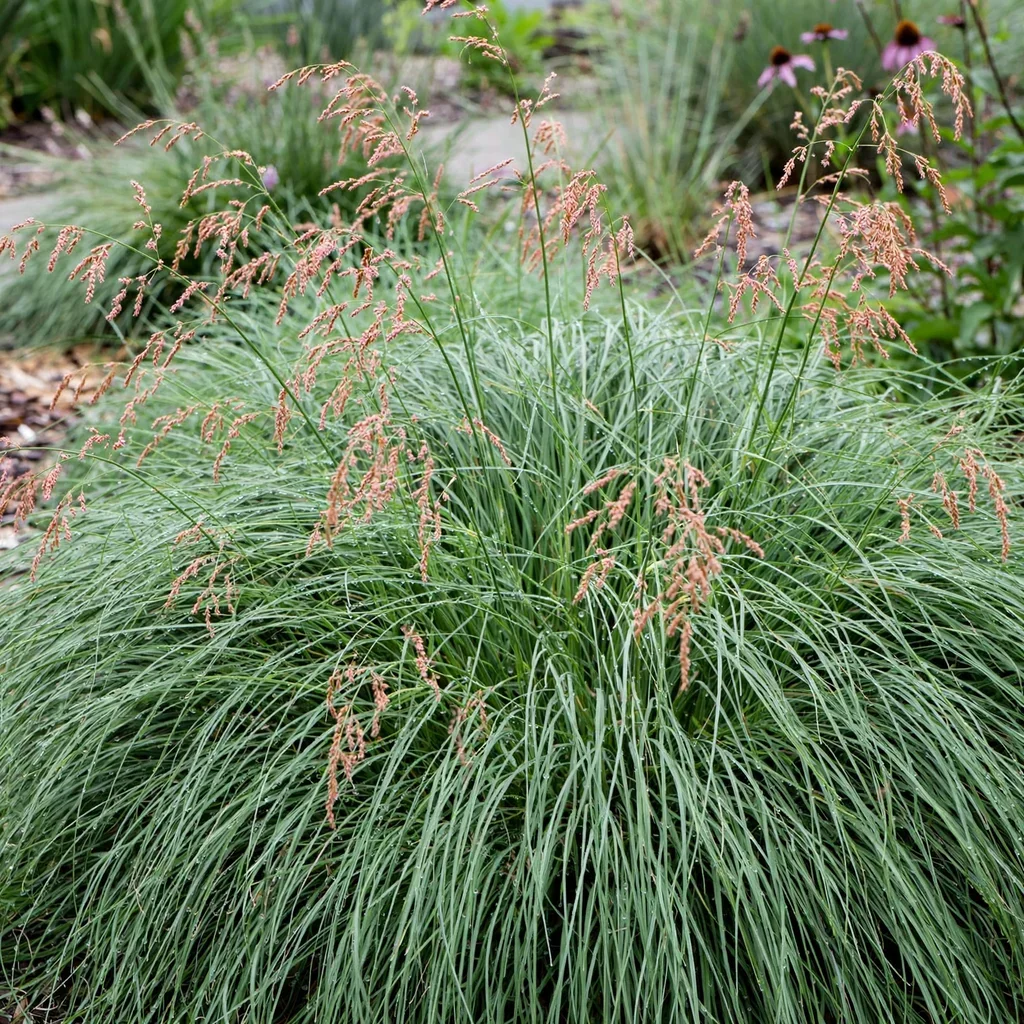
Prairie Dropseed
Sporobolus heterolepis
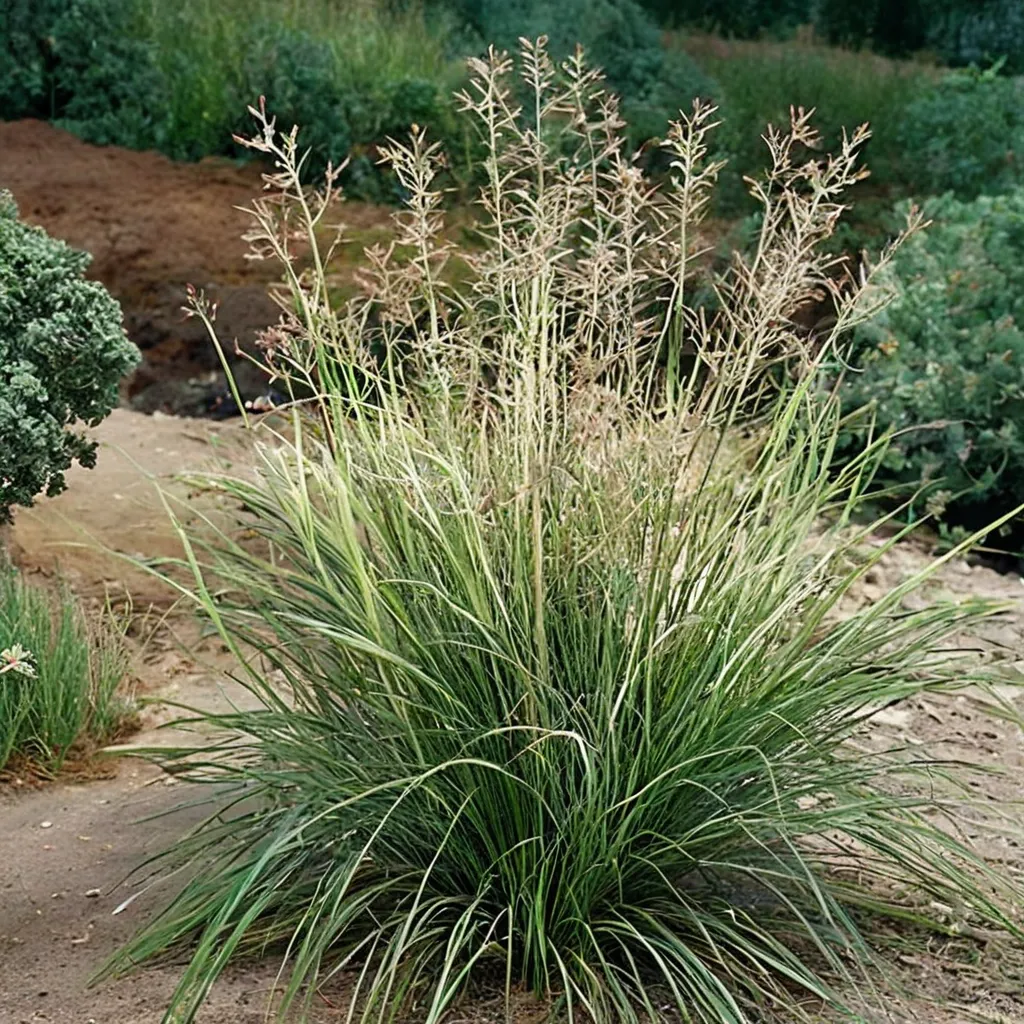
Alkali Sacaton
Sporobolus airoides
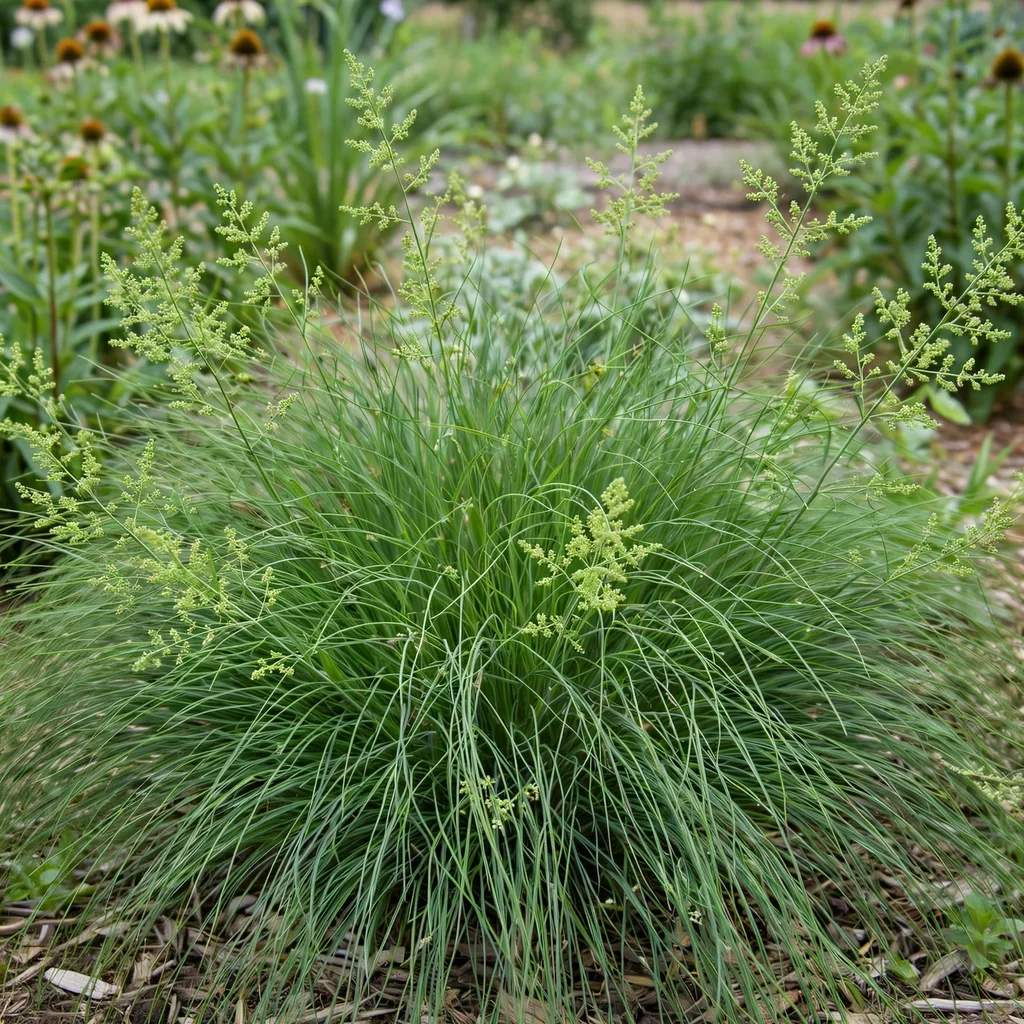
Tara Prairie Dropseed
Sporobolus heterolepis 'Tara'
Sand Dropseed
Sporobolus cryptandrus
Saltmeadow Cordgrass
Sporobolus pumilus
Big Sacaton
Sporobolus wrightii
Keep exploring
Explore the genus
Hardy in your zone?
Grow Pineywoods Dropseed with confidence
See it in a design of your actual yard, get zone-matched care reminders, and track it season by season in your garden journal.