The Story
Plant Bio
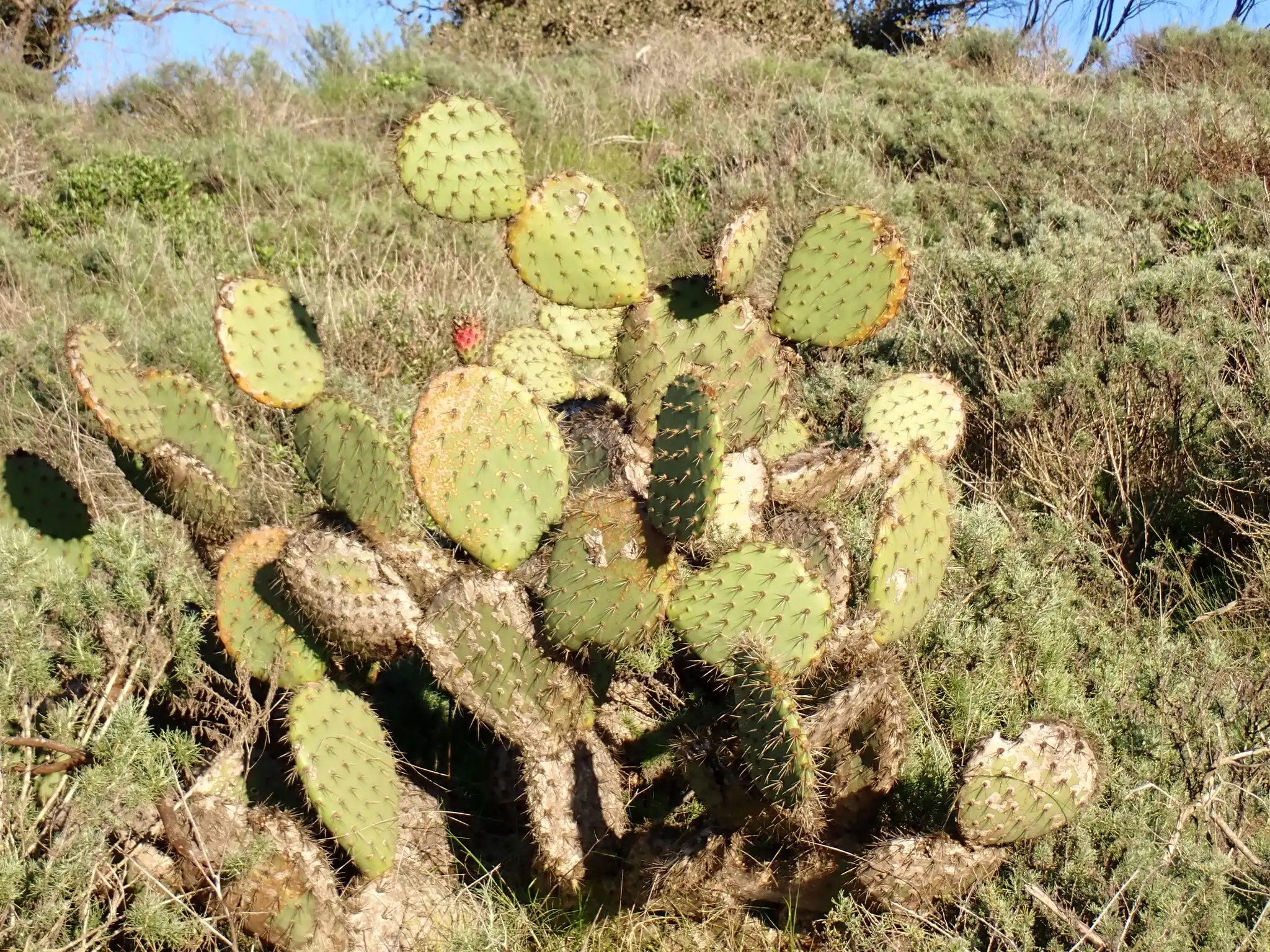
Opuntia oricola, known as the chaparral prickly pear, is an upright succulent shrub native to coastal Southern California and Baja California. It forms tree-like structures reaching up to eight feet tall, featuring thick, rounded green pads armed with curved, yellowish spines.
Solitary bowl-shaped flowers with bright yellow petals, red styles, and green stigmas appear from spring to summer. The plant is distinguished by its dense clusters of translucent, curved spines and fine, easily dislodged glochids.
Uses & Benefits:
Essentials
At a Glance
Plant Type
Cactus Succulent
Height
79"
Width
83"
Light
Full Sun
Zones
9, 10
Water
Low
Humidity
Low
Lifespan
Perennial
Native To
California, Baja California
Toxicity
Non-toxic internally (physical hazard)
Bloom period
Spring – Summer
In flower about 6 months of the year
Planting
How to Grow
- Choose a site in full sun with gritty, sharp-draining sandy or rocky soil.
- Plant container-grown specimens at the same depth as their original pot.
- Water lightly at planting, then rely strictly on natural rainfall once established.
- Handle using heavy leather gloves and metal tongs to protect against fine glochids.
Pro Tip
Plant in coarse, fast-draining soil and withhold all summer irrigation; moisture during warm weather triggers fatal root rot.
Keep It Thriving
Care Guide
Do
- Plant in full sun and sharply draining coarse soil.
- Wear heavy leather gloves and use tongs when handling pads.
- Allow pad cuttings to callus completely in the shade before planting.
Don't
- Do not water during summer dormancy.
- Do not plant near walkways or high-traffic garden paths.
- Do not apply rich fertilizers, which cause weak and floppy growth.
Seasonal Care Calendar
| Task | Jan | Feb | Mar | Apr | May | Jun | Jul | Aug | Sep | Oct | Nov | Dec |
|---|---|---|---|---|---|---|---|---|---|---|---|---|
| Pest Check | ||||||||||||
| Propagate | ||||||||||||
| Prune | ||||||||||||
| Winter Prep |
Watch Out For
Pests & Diseases
Common Pests
Common Diseases
In the Garden
Landscape Uses & Companions
Landscape Uses
Multiply
Propagation Methods
Good to Know
Common Questions
Chaparral Prickly Pear questions
What zones can Chaparral Prickly Pear grow in?
Chaparral Prickly Pear is hardy in USDA Zones 9–10: in that range it survives winter in the ground. Colder than Zone 9, grow it in a container you can move to shelter for the winter, or as an annual.
When does Chaparral Prickly Pear bloom?
Chaparral Prickly Pear typically blooms from spring to summer. Exact timing shifts a week or two with your zone — Sow's bloom calendar maps it to your garden.
Does Chaparral Prickly Pear need full sun?
Chaparral Prickly Pear does best in full sun (6+ hours).
Is Chaparral Prickly Pear drought tolerant?
Yes — once established (usually after the first full season), Chaparral Prickly Pear handles dry spells with minimal watering. Water deeply its first year to build the root system that makes that possible.
More Opuntia to compare
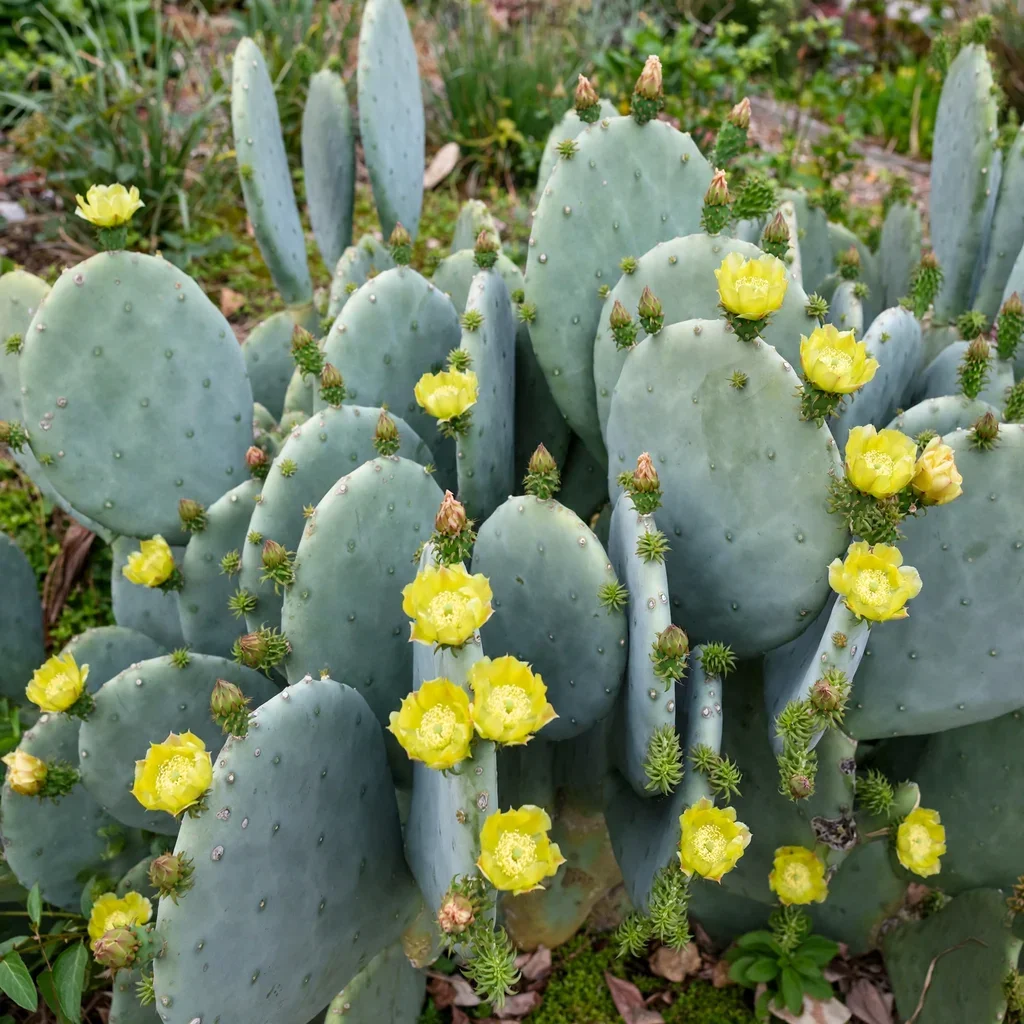
Spineless Prickly Pear
Opuntia cacanapa 'Ellisiana'
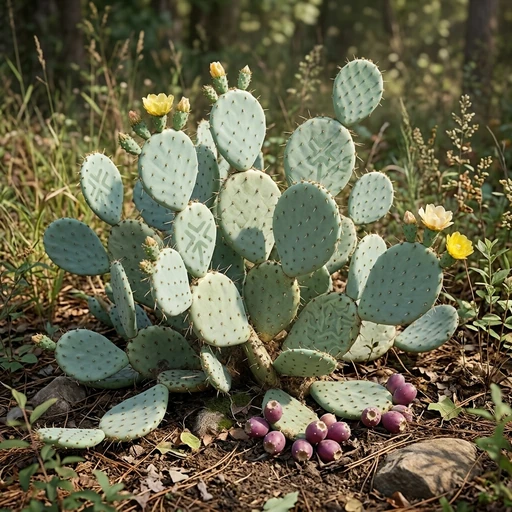
Prickly Pear Cactus
Opuntia humifusa
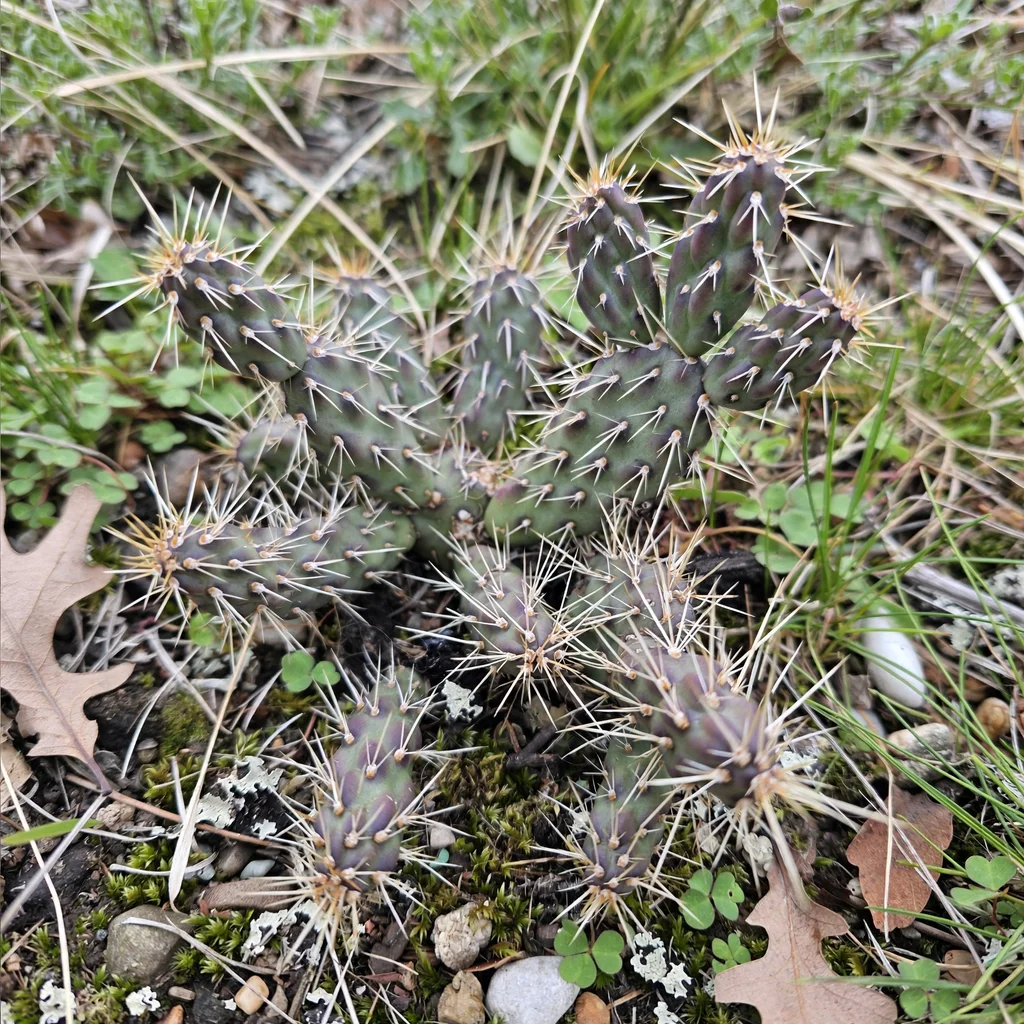
Brittle Prickly Pear
Opuntia fragilis
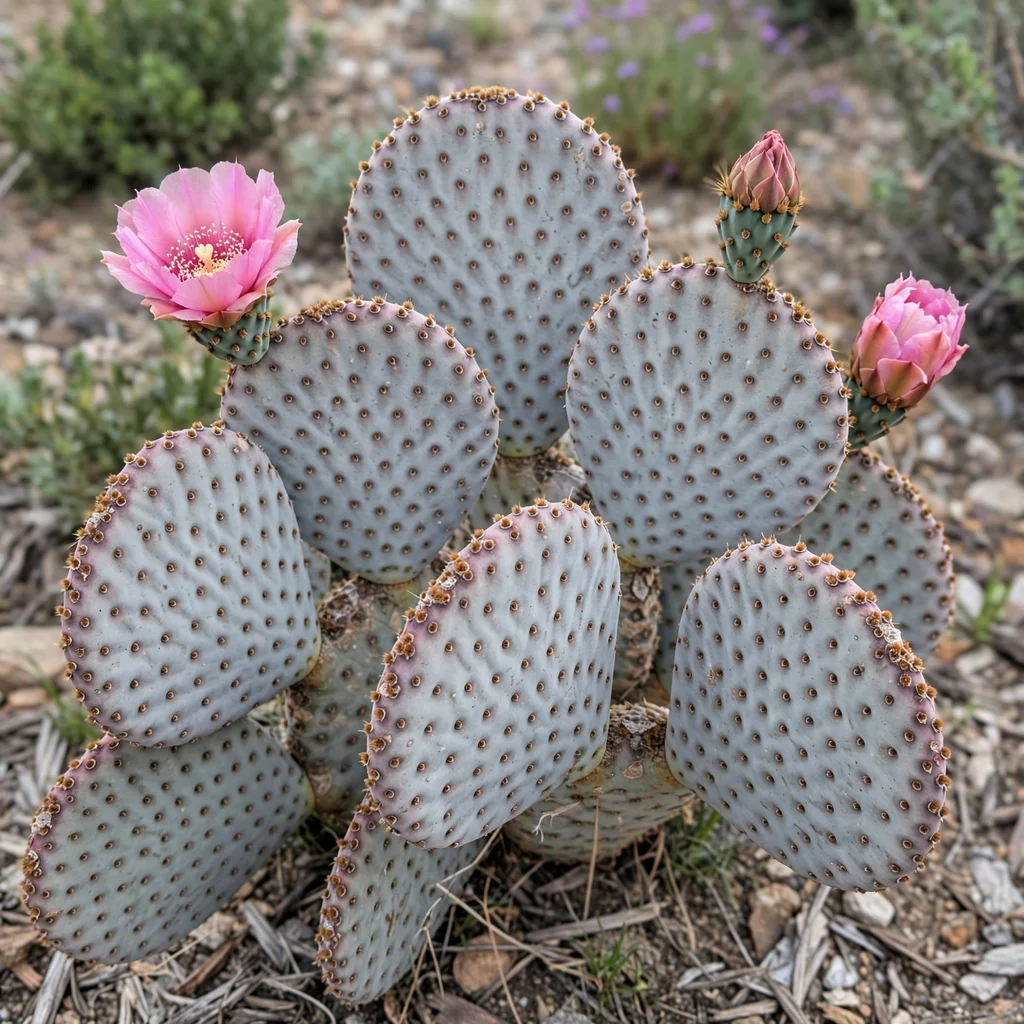
Beavertail Cactus
Opuntia basilaris
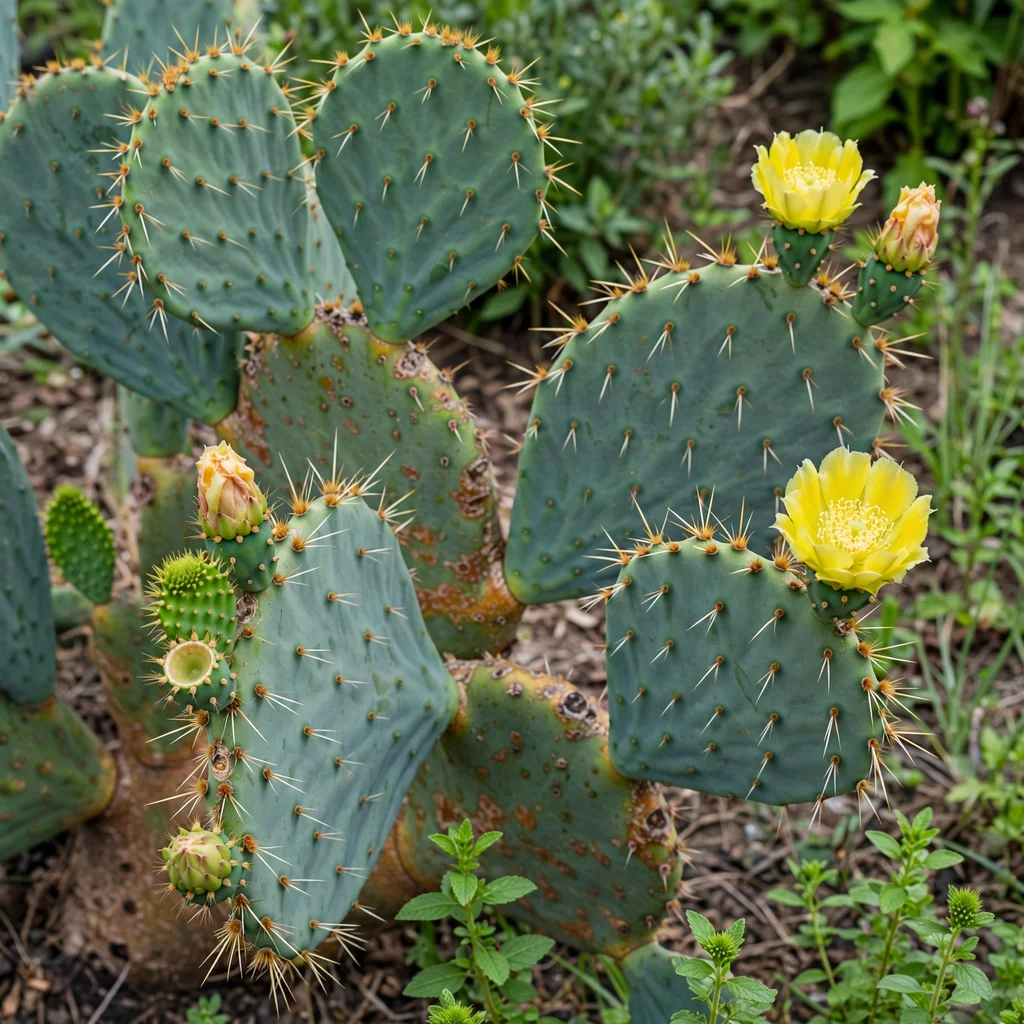
Old Mexico Prickly Pear
Opuntia gomei
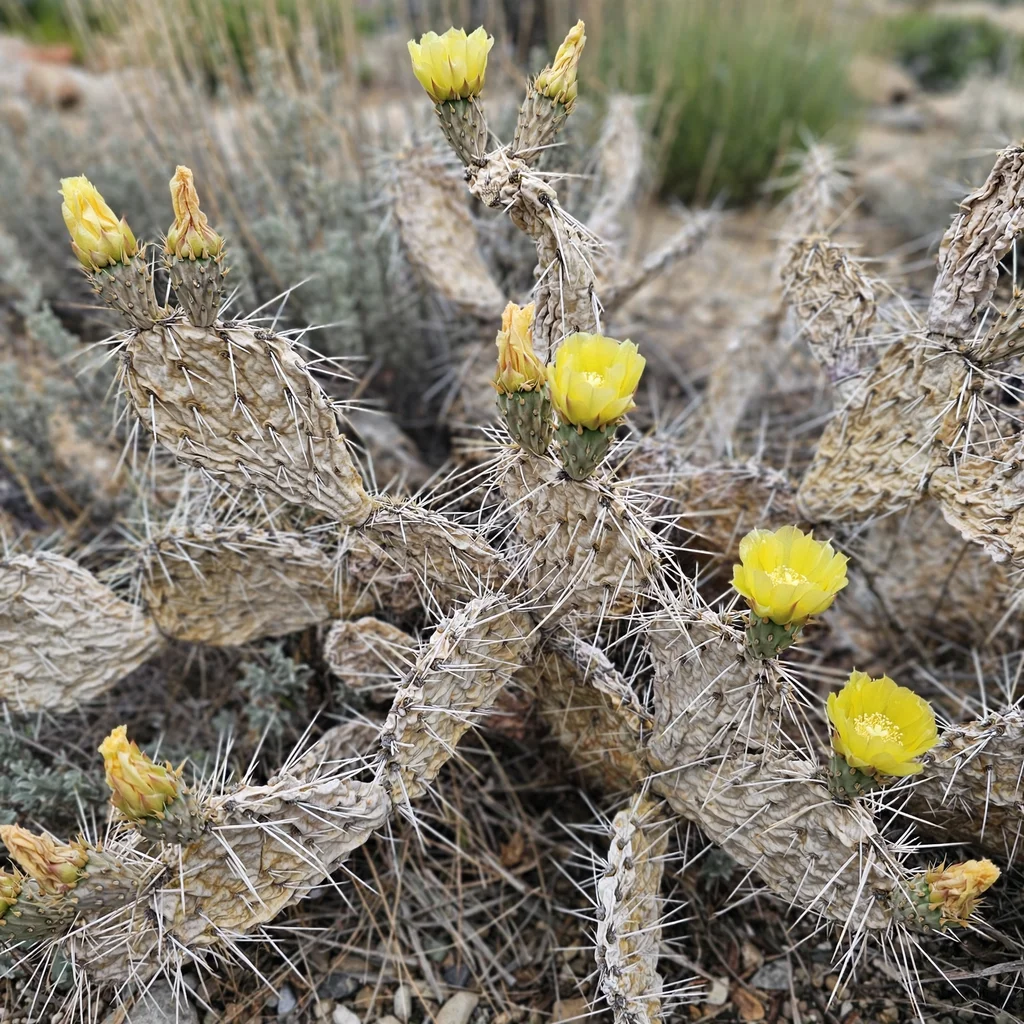
Plains Pricklypear
Opuntia polyacantha
Keep exploring
Explore the genus
Hardy in your zone?
Grow Chaparral Prickly Pear with confidence
See it in a design of your actual yard, get zone-matched care reminders, and track it season by season in your garden journal.