The Story
Plant Bio
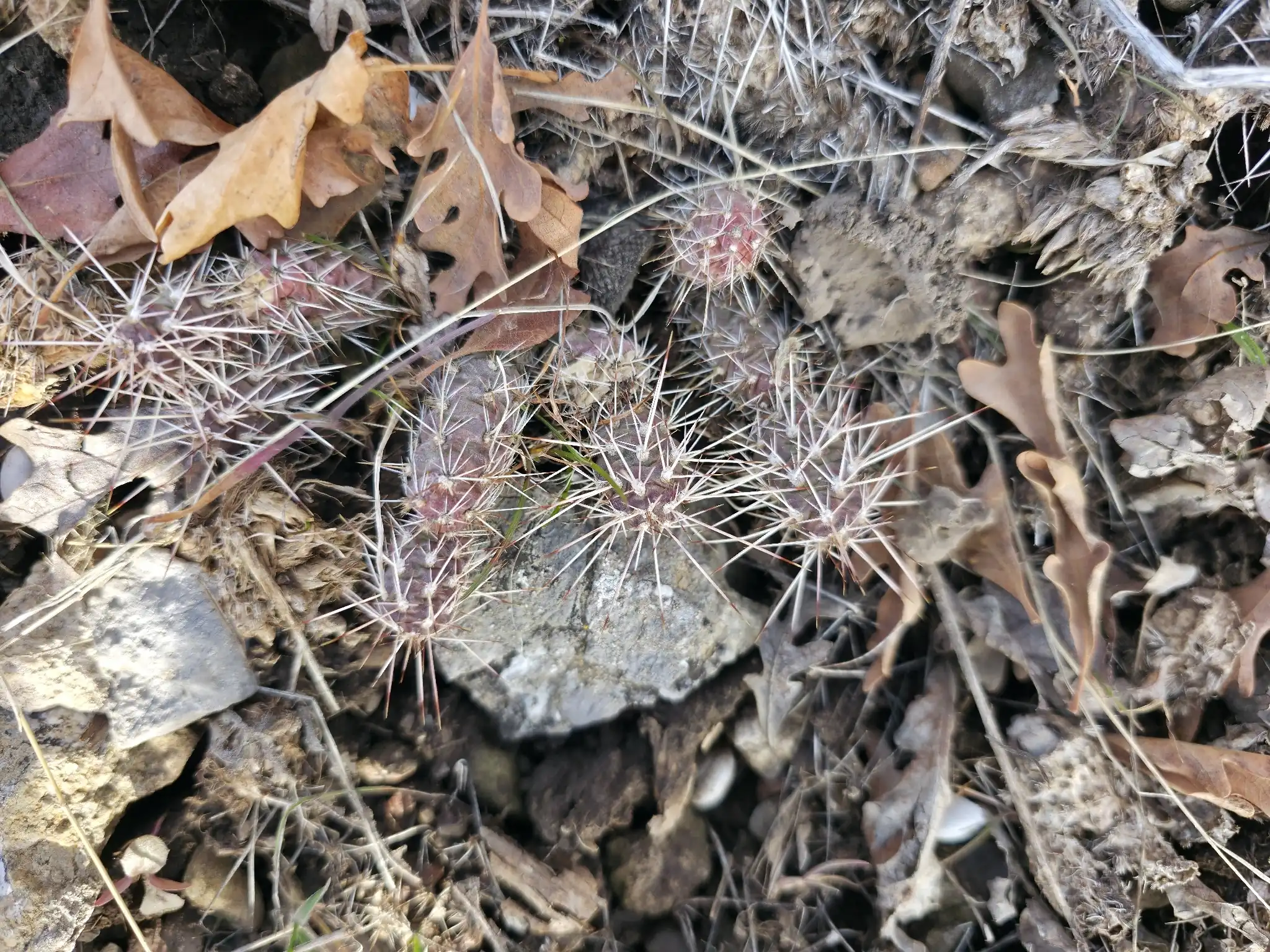
Opuntia fragilis is a low, mat-forming succulent cactus native across western and north-central North America. It forms dense cushions of tumid, egg-shaped to cylindrical pads measuring one to two inches long that detach easily upon contact.
This species is renowned for its extreme cold hardiness, surviving winter conditions down to USDA zone 3. In early summer, pale yellow to greenish-yellow flowers open above the spiny pads, attracting native bees and occasional hummingbirds.
Uses & Benefits:
Essentials
At a Glance
Plant Type
Cactus Succulent
Height
6"
Width
24"
Light
Full Sun
Zones
4, 5, 6, 7, 8, 9
Water
Low
Humidity
Low
Lifespan
Perennial
Native To
North America
Toxicity
Non-toxic (spines/glochids cause physical irritation)
Bloom period
Late spring – Early summer
In flower about 2 months of the year
Planting
How to Grow
- Choose a site in full sun with gritty, highly permeable mineral soil or pure sand.
- Set rooted plants at the exact depth they grew previously, or lay unrooted pads flat on top of the soil media.
- Water lightly at planting, then withhold water until roots form or growth resumes.
- Maintain complete dry conditions during cool winter months to prevent fungal infection.
Pro Tip
Plant in sharp mineral gravel or coarse sand; standing water or rich organic soil causes rapid root decay.
Keep It Thriving
Care Guide
Do
- Ensure maximum sun exposure and sharp soil drainage.
- Wear thick leather gloves or use tongs when handling to avoid spines and glochids.
- Clear away dense surrounding vegetation that could shade the plant.
Don't
- Do not plant in heavy clay or moisture-retentive organic potting mixes.
- Do not overwater or fertilize, which leads to weak growth and rot.
- Do not prune into old stem tissue.
Seasonal Care Calendar
| Task | Jan | Feb | Mar | Apr | May | Jun | Jul | Aug | Sep | Oct | Nov | Dec |
|---|---|---|---|---|---|---|---|---|---|---|---|---|
| Pest Check | ||||||||||||
| Plant | ||||||||||||
| Propagate | ||||||||||||
| Prune | ||||||||||||
| Winter Prep |
Watch Out For
Pests & Diseases
Common Pests
Common Diseases
In the Garden
Landscape Uses & Companions
Landscape Uses
Companion Plants
Multiply
Propagation Methods
Good to Know
Common Questions
Brittle Prickly Pear questions
What zones can Brittle Prickly Pear grow in?
Brittle Prickly Pear is hardy in USDA Zones 4–9: in that range it survives winter in the ground. Warmer than Zone 9, winter isn't the problem: it prefers colder winters, and summer heat can shorten its life.
Is Brittle Prickly Pear deer resistant?
Yes — Brittle Prickly Pear is rated deer-resistant. Deer typically pass it over, though extreme hunger can override any plant's defenses.
When does Brittle Prickly Pear bloom?
Brittle Prickly Pear typically blooms from late spring to early summer. Exact timing shifts a week or two with your zone — Sow's bloom calendar maps it to your garden.
Does Brittle Prickly Pear need full sun?
Brittle Prickly Pear does best in full sun (6+ hours).
Is Brittle Prickly Pear drought tolerant?
Yes — once established (usually after the first full season), Brittle Prickly Pear handles dry spells with minimal watering. Water deeply its first year to build the root system that makes that possible.
More Opuntia to compare
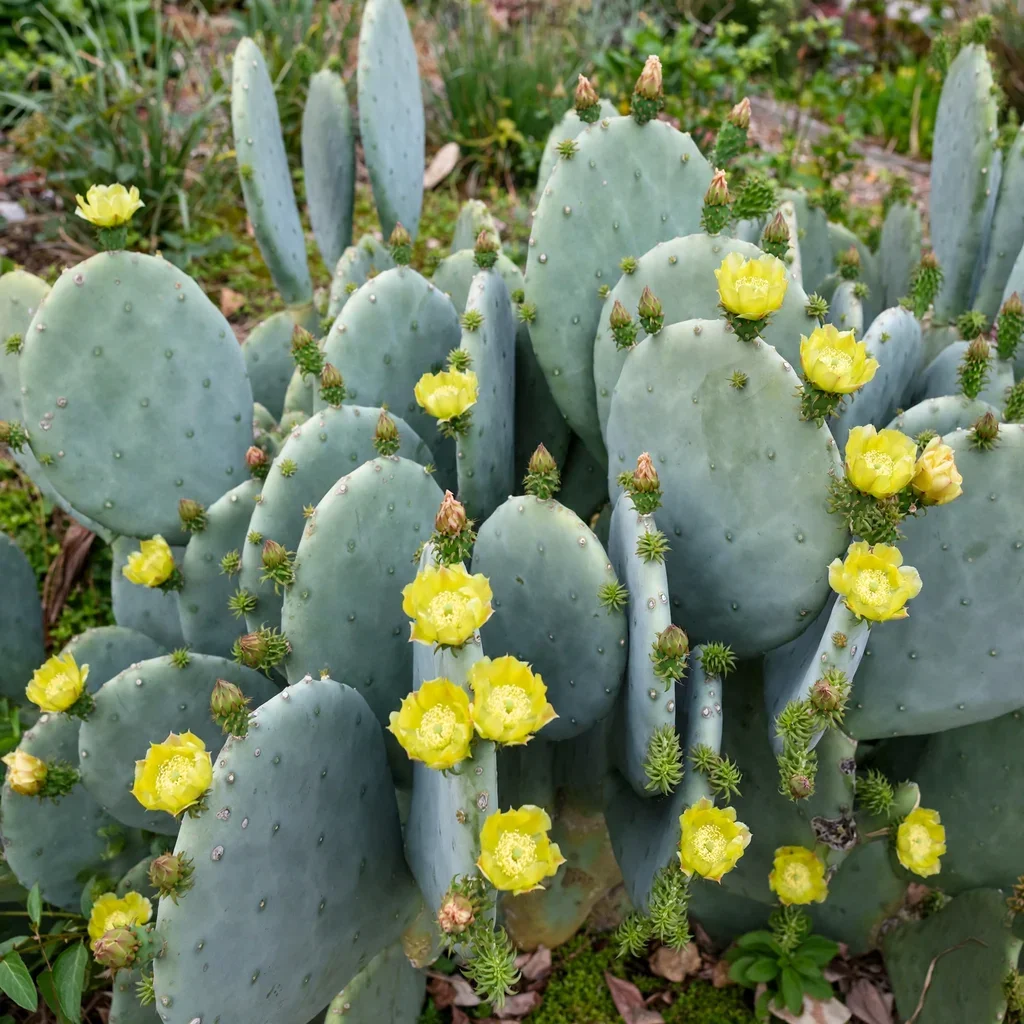
Spineless Prickly Pear
Opuntia cacanapa 'Ellisiana'
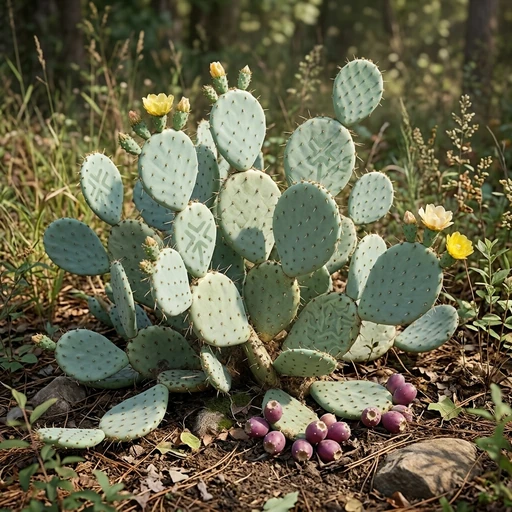
Prickly Pear Cactus
Opuntia humifusa
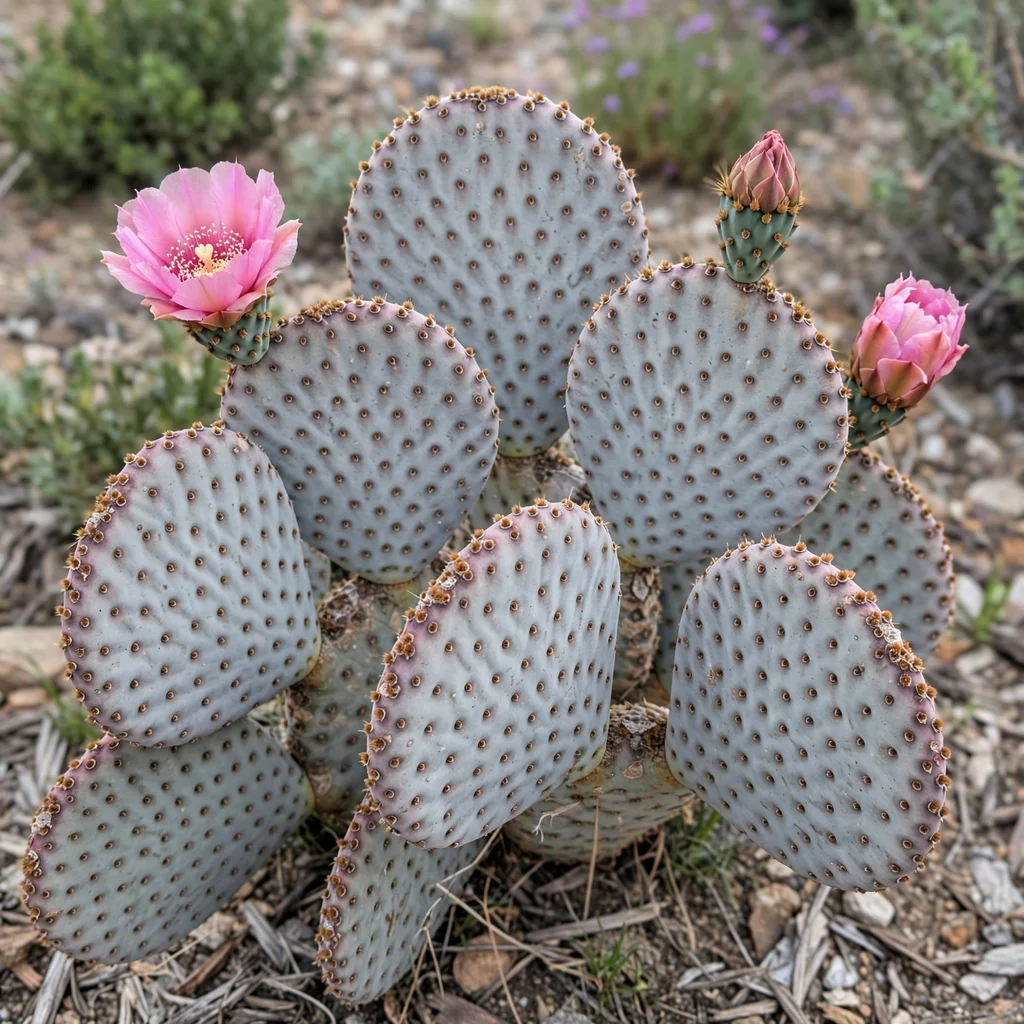
Beavertail Cactus
Opuntia basilaris
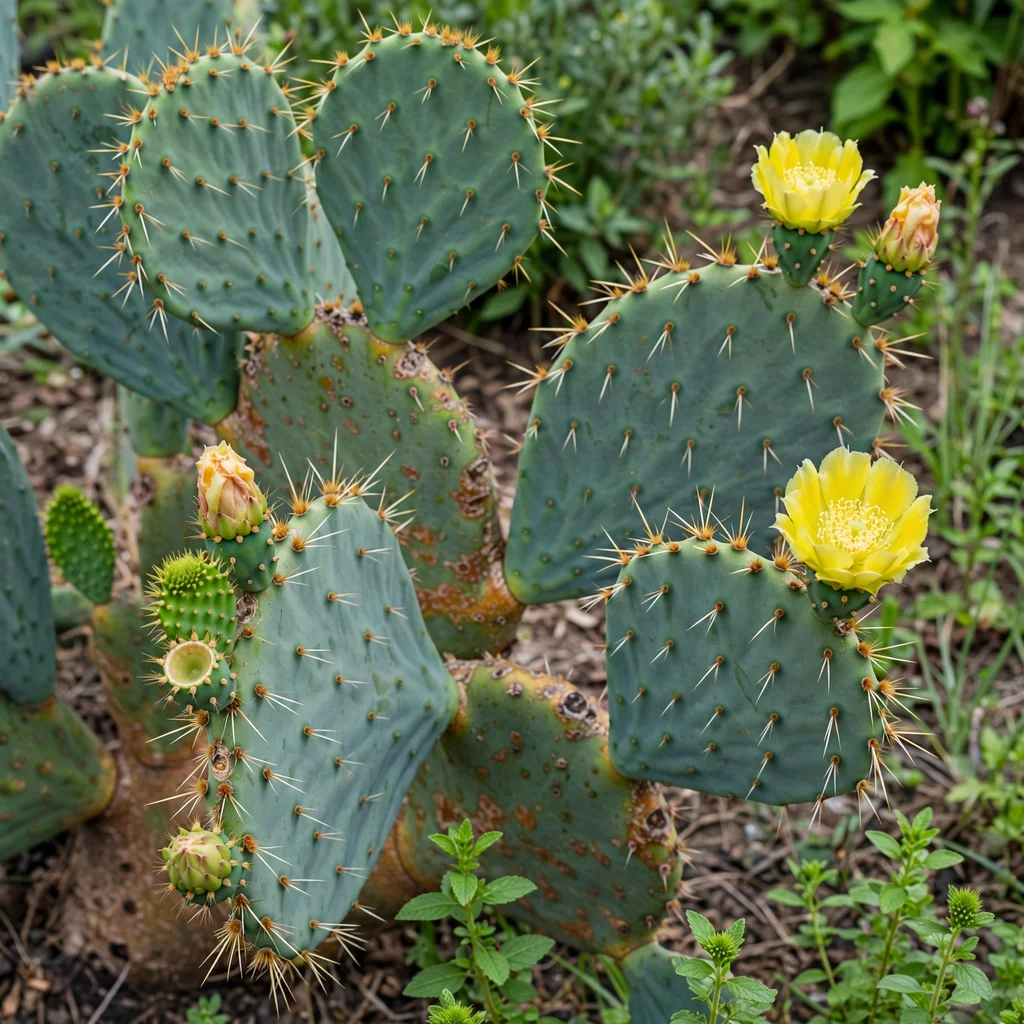
Old Mexico Prickly Pear
Opuntia gomei
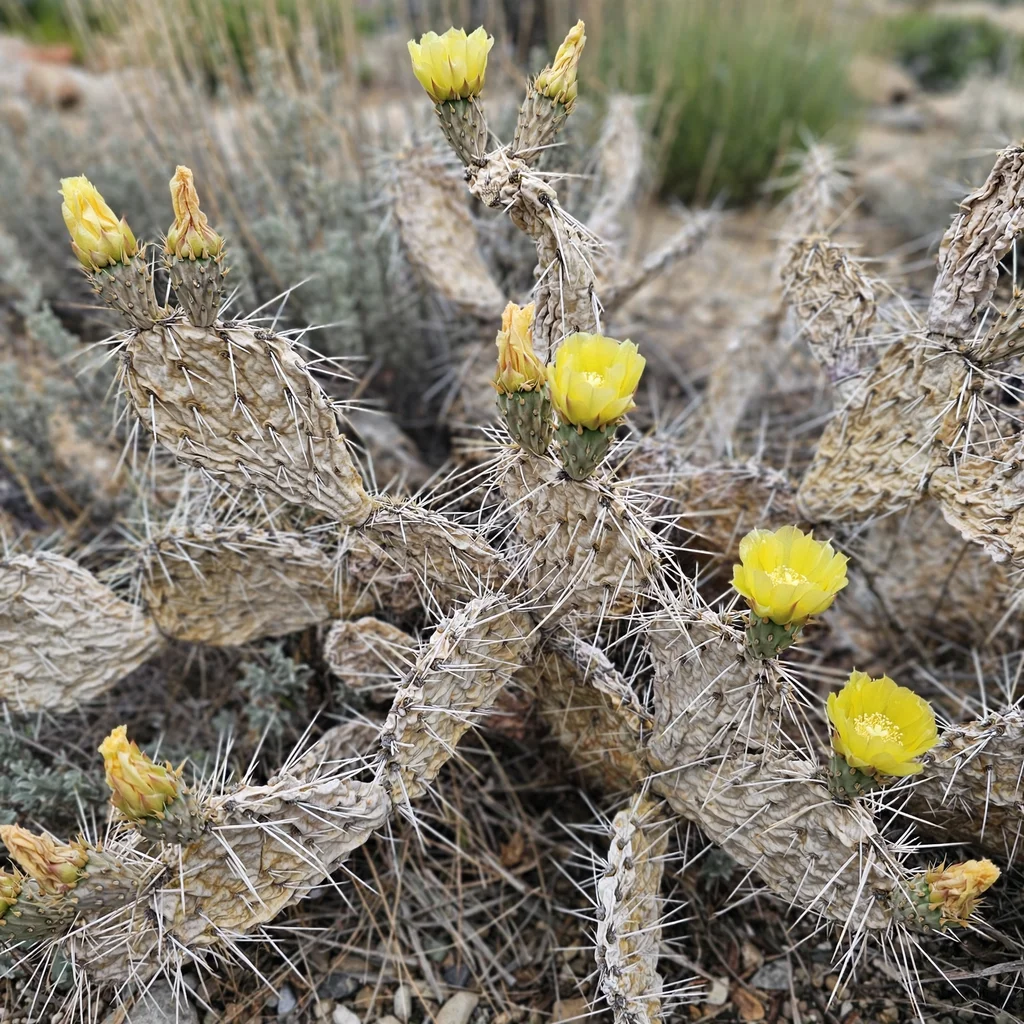
Plains Pricklypear
Opuntia polyacantha
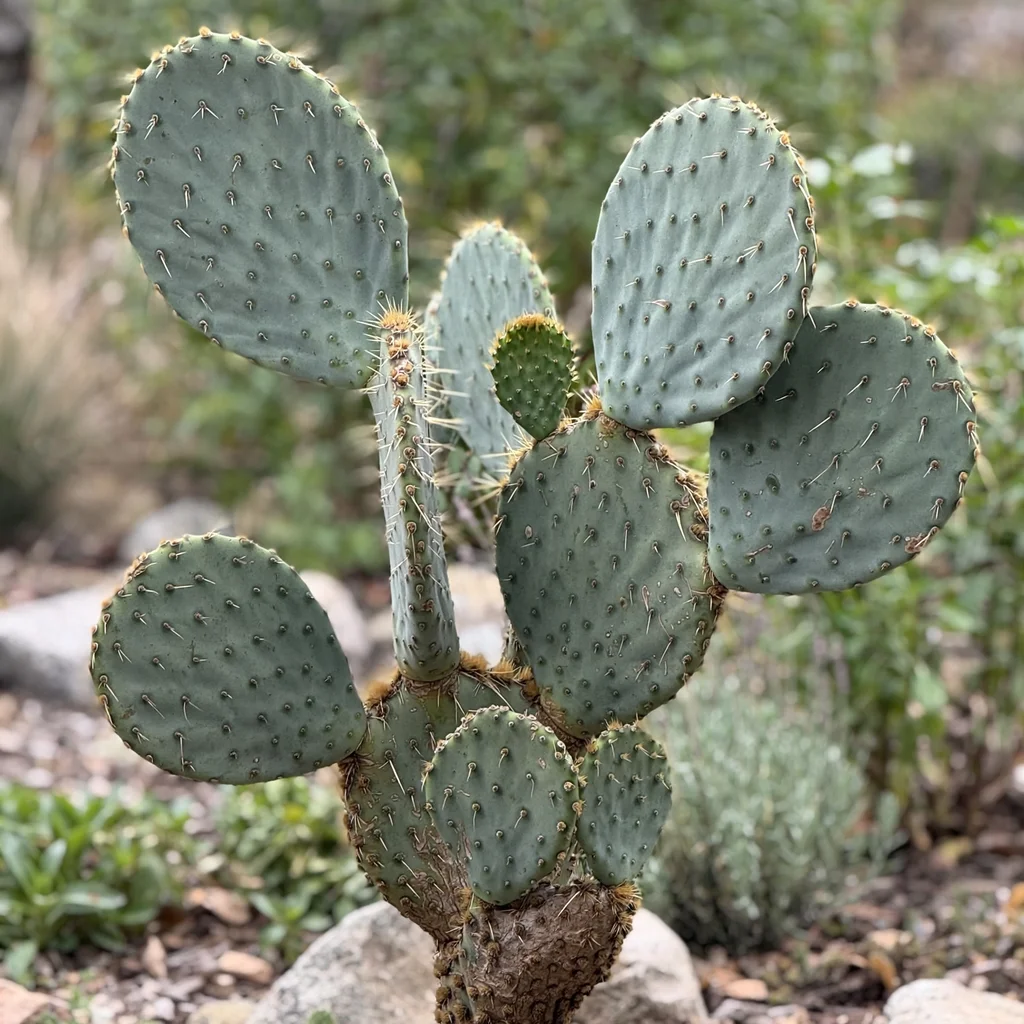
Pancake pricklypear
Opuntia chlorotica
Keep exploring
Explore the genus
Grow Brittle Prickly Pear with confidence
See it in a design of your actual yard, get zone-matched care reminders, and track it season by season in your garden journal.