The Story
Plant Bio
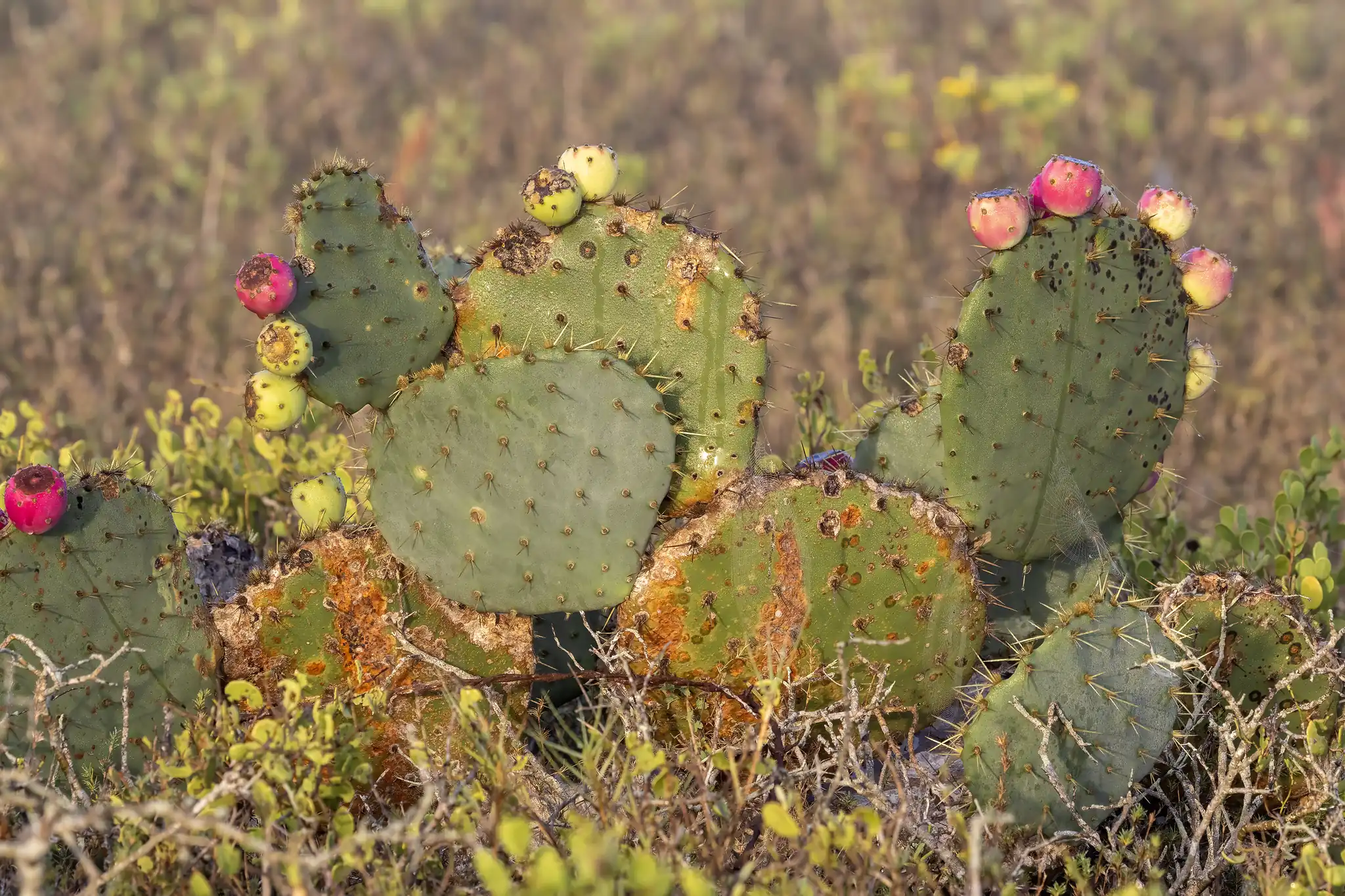
Opuntia gomei is a sprawling shrubby prickly pear from the coastal lowlands of southern Texas and northeastern Mexico, forming a broad mound of jointed pads to six feet tall and eight feet wide. Pads root where they touch soil and branches go limp and collapse in prolonged cold or drought, then rehydrate and lift when water returns.
Pads are large, thin and light green with irregularly scalloped wavy margins, mostly spineless but armed with barbed glochids that embed in skin. Large yellow to yellow-orange flowers three to four inches across open on upper pad margins in late spring to summer, followed by oblong red to dark purple edible fruit two to three inches long.
Uses & Benefits:
Essentials
At a Glance
Plant Type
Cactus Succulent
Height
72"
Width
96"
Light
Full Sun, Partial Sun
Zones
8, 9, 10
Water
Low
Humidity
Low to moderate
Lifespan
Long-lived perennial
Native To
Southern Texas to northeastern Mexico
Toxicity
Non-toxic; glochids irritate skin
Bloom period
Late spring – Summer
In flower about 4 months of the year
Planting
How to Grow
- Plant in full sun with at least eight feet of open space for the sprawling mound.
- Set pads or potted plants in sharply drained sandy or loamy soil with the pad base just at the surface.
- Water deeply to settle in, then water sparingly; established plants take heat and drought with no supplemental water.
- Leave fallen pads in place to root or lift them away with tongs to control spread.
Pro Tip
Give it eight to ten feet of room and handle even spineless pads with tongs and heavy gloves, because the glochids detach on contact and irritate skin long after planting.
Keep It Thriving
Care Guide
Do
- Plant in full sun with excellent drainage and room to sprawl
- Wear heavy gloves and use tongs when handling pads
- Remove collapsed or spotted pads to keep air moving
Don't
- Do not overwater or plant in wet clay where roots rot
- Do not touch pads with bare hands; spineless does not mean glochid-free
- Do not cut back hard into old woody bases to control size
Seasonal Care Calendar
| Task | Jan | Feb | Mar | Apr | May | Jun | Jul | Aug | Sep | Oct | Nov | Dec |
|---|---|---|---|---|---|---|---|---|---|---|---|---|
| Pest Check | ||||||||||||
| Plant | ||||||||||||
| Propagate | ||||||||||||
| Prune | ||||||||||||
| Winter Prep |
Watch Out For
Pests & Diseases
Common Pests
Common Diseases
In the Garden
Landscape Uses & Companions
Landscape Uses
Multiply
Propagation Methods
Good to Know
Common Questions
Old Mexico Prickly Pear questions
What zones can Old Mexico Prickly Pear grow in?
Old Mexico Prickly Pear is hardy in USDA Zones 8–10: in that range it survives winter in the ground. Colder than Zone 8, grow it in a container you can move to shelter for the winter, or as an annual.
Is Old Mexico Prickly Pear deer resistant?
Not reliably. Deer may browse Old Mexico Prickly Pear, especially tender spring growth — plan on repellents or fencing where pressure is high.
When does Old Mexico Prickly Pear bloom?
Old Mexico Prickly Pear typically blooms from late spring to late summer. Exact timing shifts a week or two with your zone — Sow's bloom calendar maps it to your garden.
Does Old Mexico Prickly Pear need full sun?
Old Mexico Prickly Pear does best in full sun to part shade. In hot climates, afternoon shade keeps blooms fresher longer.
Is Old Mexico Prickly Pear drought tolerant?
Yes — once established (usually after the first full season), Old Mexico Prickly Pear handles dry spells with minimal watering. Water deeply its first year to build the root system that makes that possible.
More Opuntia to compare
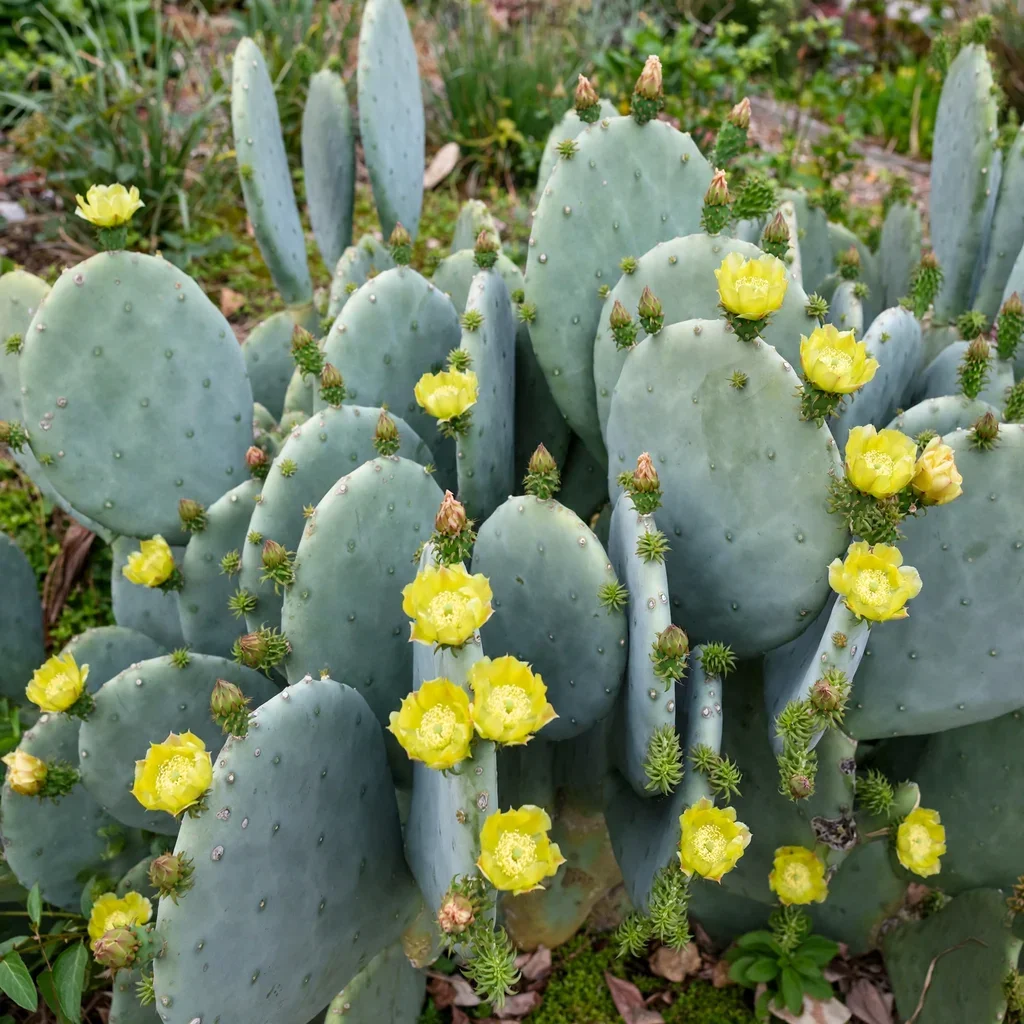
Spineless Prickly Pear
Opuntia cacanapa 'Ellisiana'
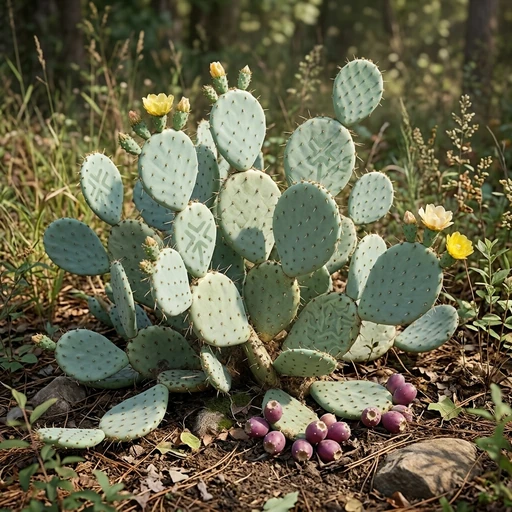
Prickly Pear Cactus
Opuntia humifusa
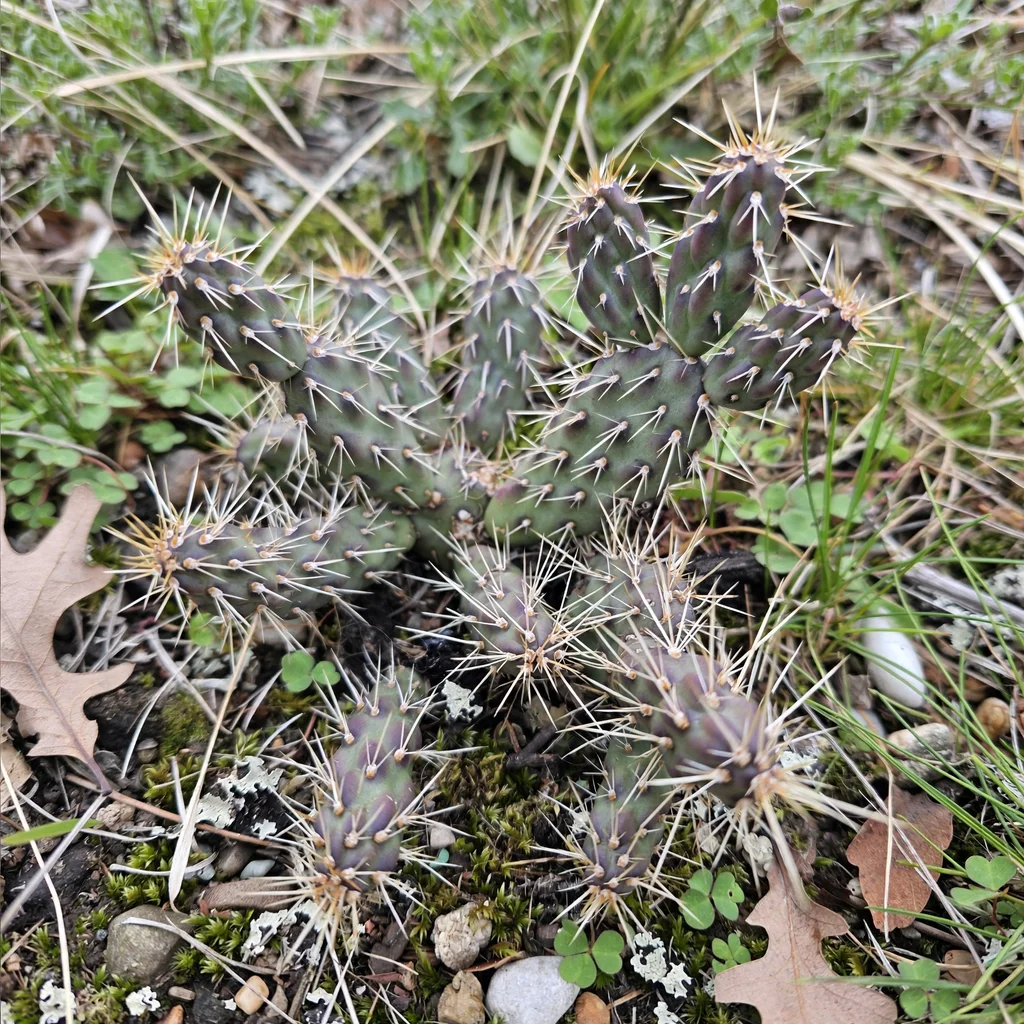
Brittle Prickly Pear
Opuntia fragilis
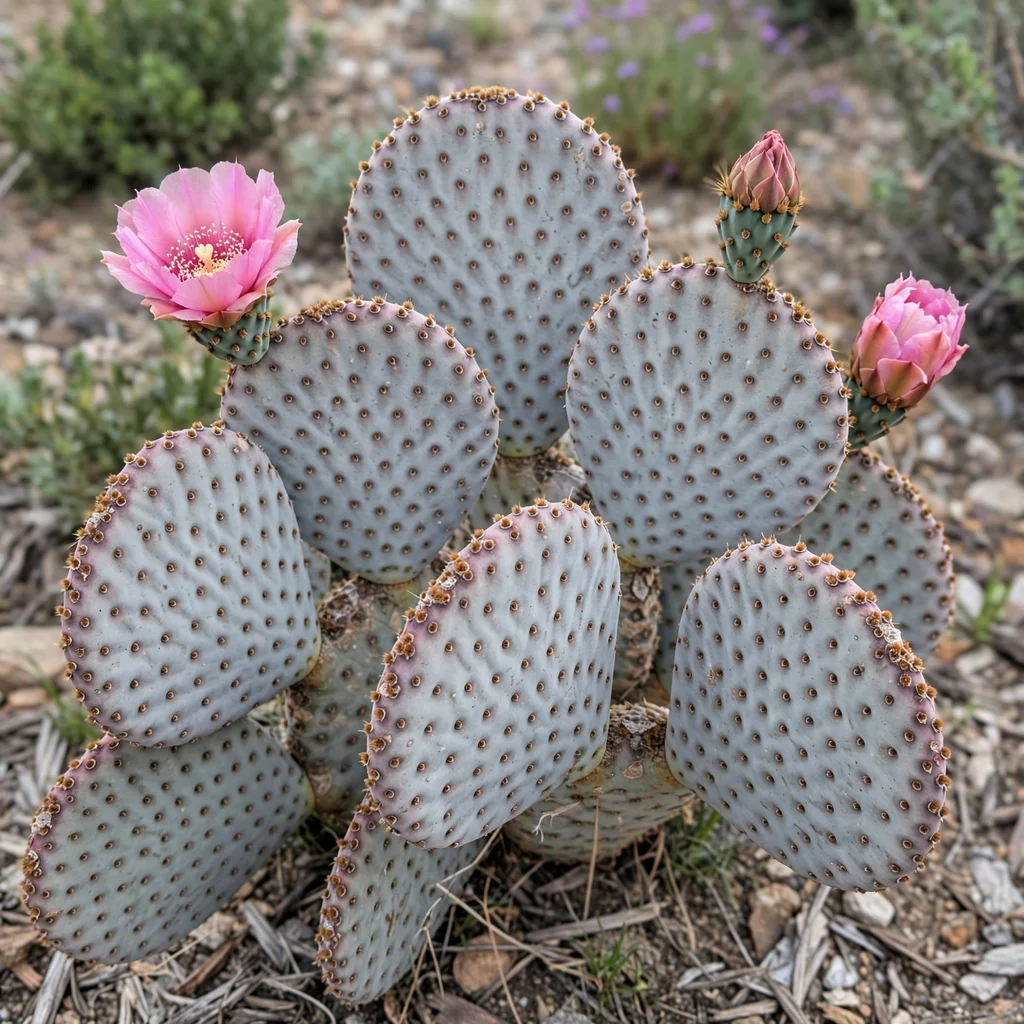
Beavertail Cactus
Opuntia basilaris
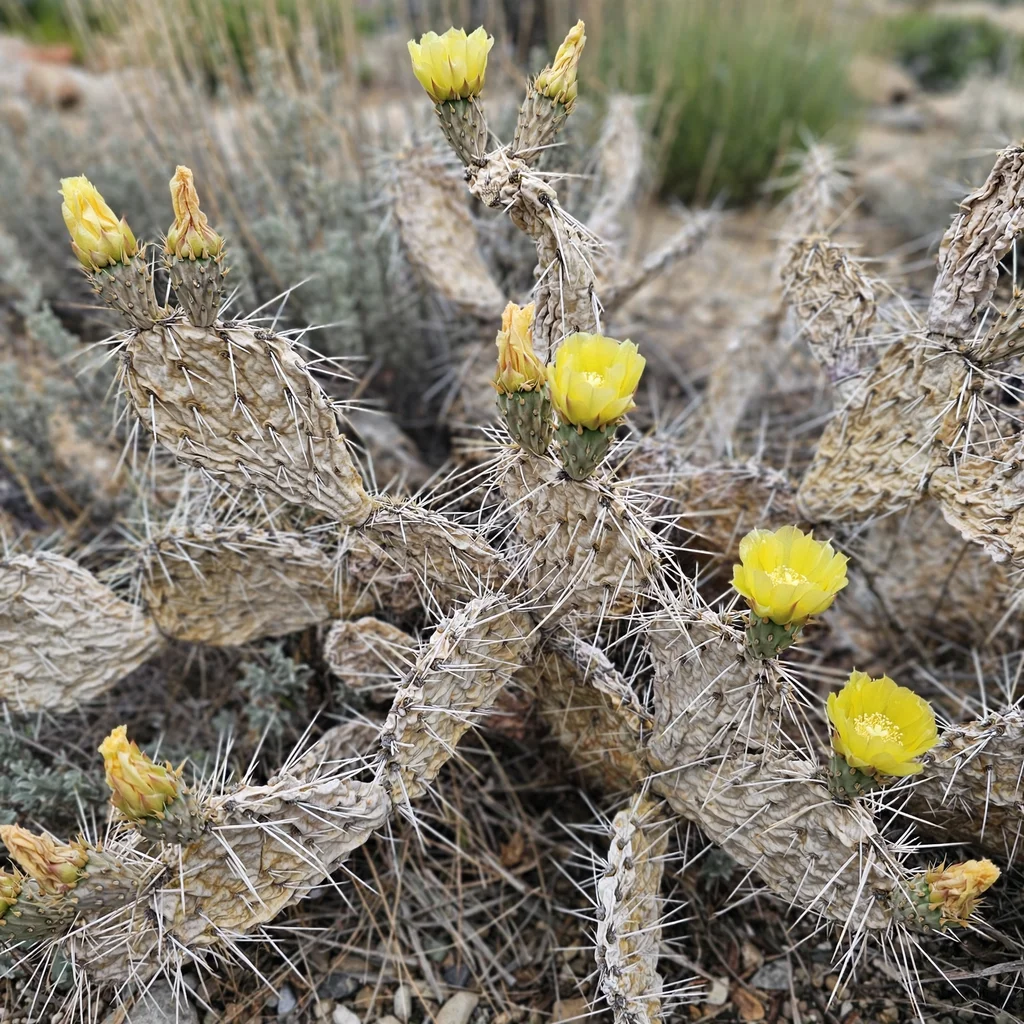
Plains Pricklypear
Opuntia polyacantha
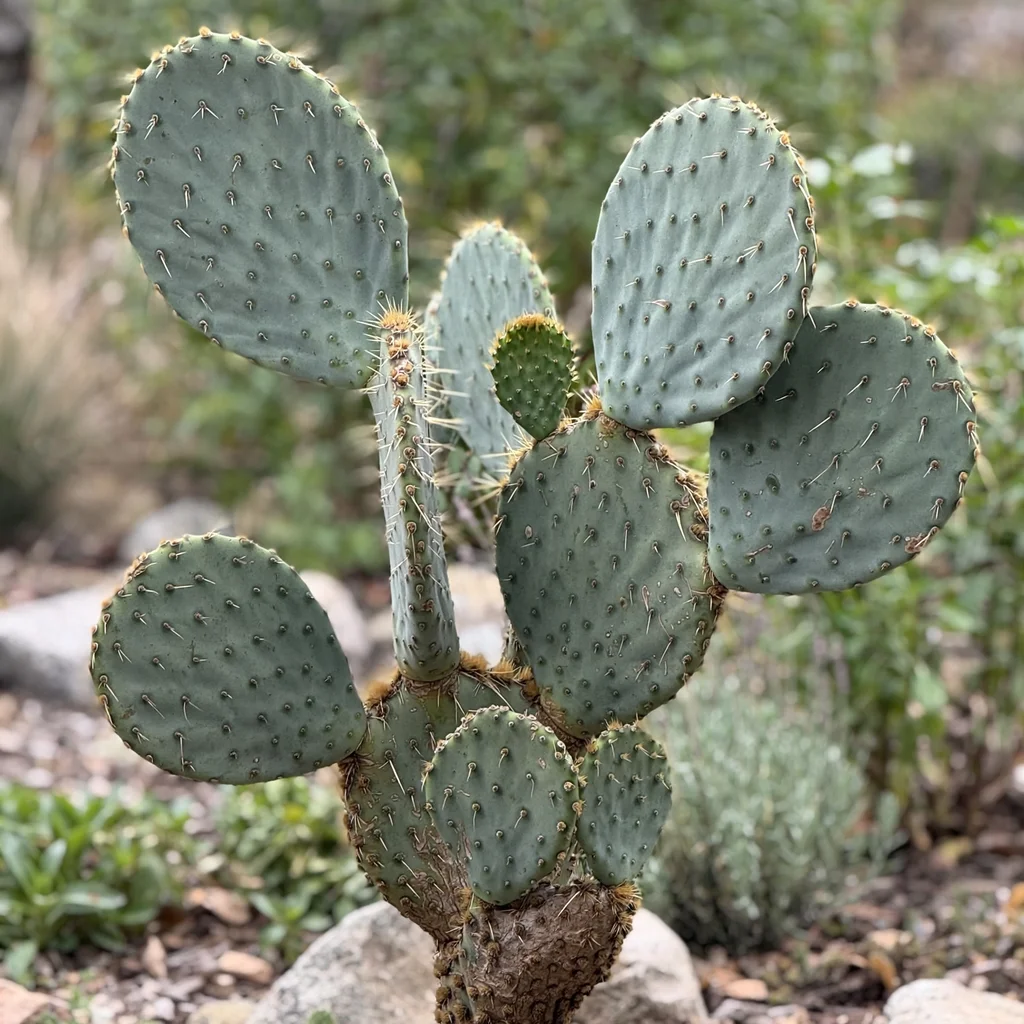
Pancake pricklypear
Opuntia chlorotica
Keep exploring
Explore the genus
Hardy in your zone?
Grow Old Mexico Prickly Pear with confidence
See it in a design of your actual yard, get zone-matched care reminders, and track it season by season in your garden journal.