
The Story
Plant Bio
Malus coronaria is a deciduous, multi-stemmed small tree native to central and eastern North America, growing 15 to 30 feet tall with a dense, twiggy canopy. In spring, it produces clusters of fragrant, rose-pink blossoms that fade to white, followed by small, persistent greenish-yellow crabapples.
This species is distinguished by its thorny spur shoots and deeply serrated leaves that emerge bronze-tinted before maturing to dark green. The tart winter fruit provides an important food source for native songbirds and small mammals.
Uses & Benefits:
Essentials
At a Glance
Plant Type
Tree
Height
354"
Width
354"
Light
Full Sun, Partial Sun
Zones
4, 5, 6, 7, 8
Water
Medium
Humidity
Low Sensitivity
Lifespan
Perennial
Native To
Eastern and Central North America
Toxicity
Toxic if seeds or foliage are ingested in quantity
Bloom period
Spring – Late spring
In flower about 3 months of the year
Planting
How to Grow
- Select a site receiving full sun to partial shade with well-draining, moist soil.
- Dig a planting hole twice as wide as the root ball and set the root flare level with the surrounding soil grade.
- Backfill with native soil, tamp gently to remove air pockets, and water thoroughly.
- Apply a 3-inch layer of organic mulch around the root zone, keeping it clear of the trunk.
Pro Tip
Plant at least 500 feet away from eastern red cedar (Juniperus virginiana) to prevent cedar-apple rust from completing its fungal life cycle and defoliating the tree.
Keep It Thriving
Care Guide
Do
- Prune strictly during late winter while the tree is dormant.
- Rake and destroy fallen leaves in fall to minimize fungal spore carryover.
- Maintain steady soil moisture during the first two growing seasons.
Don't
- Do not prune in spring or summer, as open wounds invite fire blight bacteria.
- Do not apply excess high-nitrogen fertilizer, which forces soft growth vulnerable to disease.
- Do not shear branches into formal hedge shapes.
Seasonal Care Calendar
| Task | Jan | Feb | Mar | Apr | May | Jun | Jul | Aug | Sep | Oct | Nov | Dec |
|---|---|---|---|---|---|---|---|---|---|---|---|---|
| Fertilize | ||||||||||||
| Pest Check | ||||||||||||
| Prune | ||||||||||||
| Spring Cleanup |
Watch Out For
Pests & Diseases
Common Pests
Common Diseases
In the Garden
Landscape Uses & Companions
Landscape Uses
Multiply
Propagation Methods
Good to Know
Common Questions
Sweet Crab Apple questions
What zones can Sweet Crab Apple grow in?
Sweet Crab Apple is hardy in USDA Zones 4–8: in that range it survives winter in the ground. Warmer than Zone 8, winter isn't the problem: it prefers colder winters, and summer heat can shorten its life.
Is Sweet Crab Apple deer resistant?
Not reliably. Deer may browse Sweet Crab Apple, especially tender spring growth — plan on repellents or fencing where pressure is high.
When does Sweet Crab Apple bloom?
Sweet Crab Apple typically blooms in spring. Exact timing shifts a week or two with your zone — Sow's bloom calendar maps it to your garden.
Does Sweet Crab Apple need full sun?
Sweet Crab Apple does best in full sun to part shade. In hot climates, afternoon shade keeps blooms fresher longer.
Is Sweet Crab Apple drought tolerant?
Yes — once established (usually after the first full season), Sweet Crab Apple handles dry spells with minimal watering. Water deeply its first year to build the root system that makes that possible.
More Malus to compare
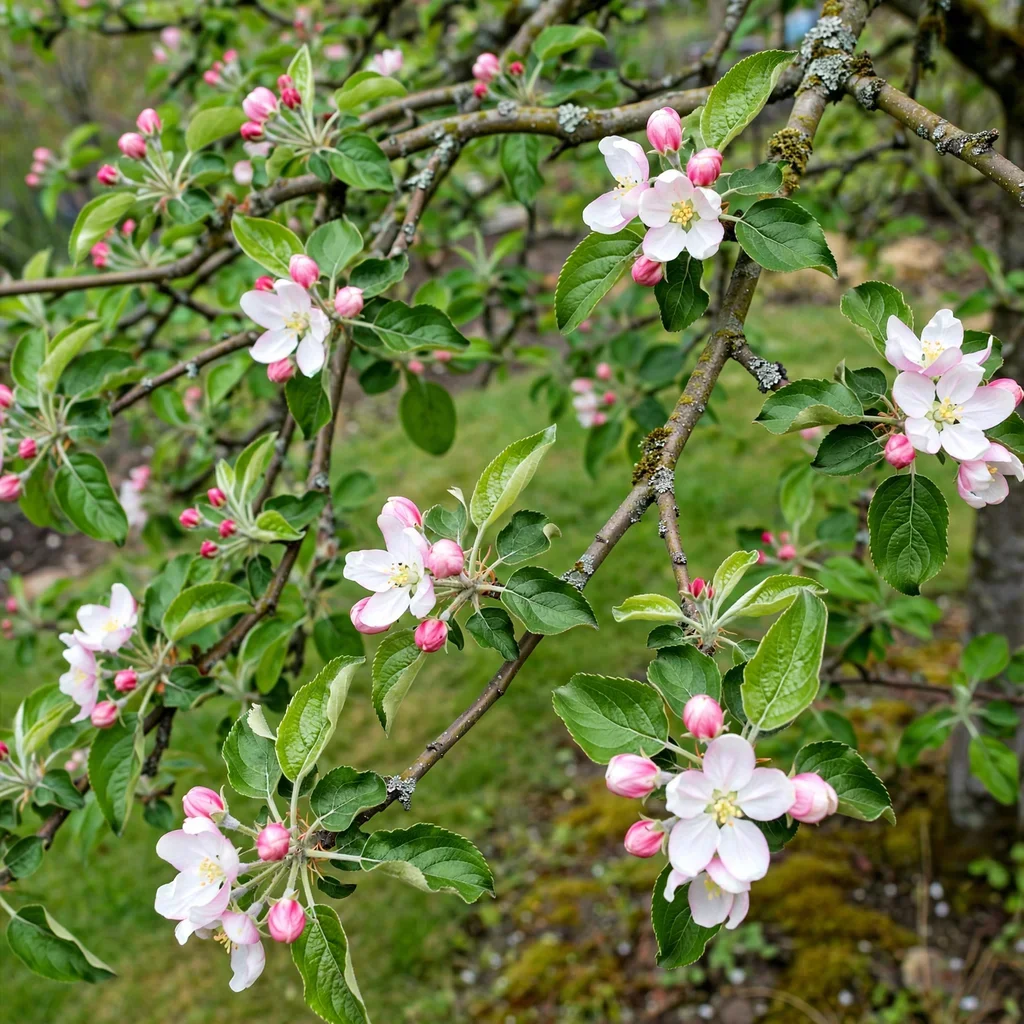
Honeycrisp Apple
Malus domestica 'Honeycrisp'
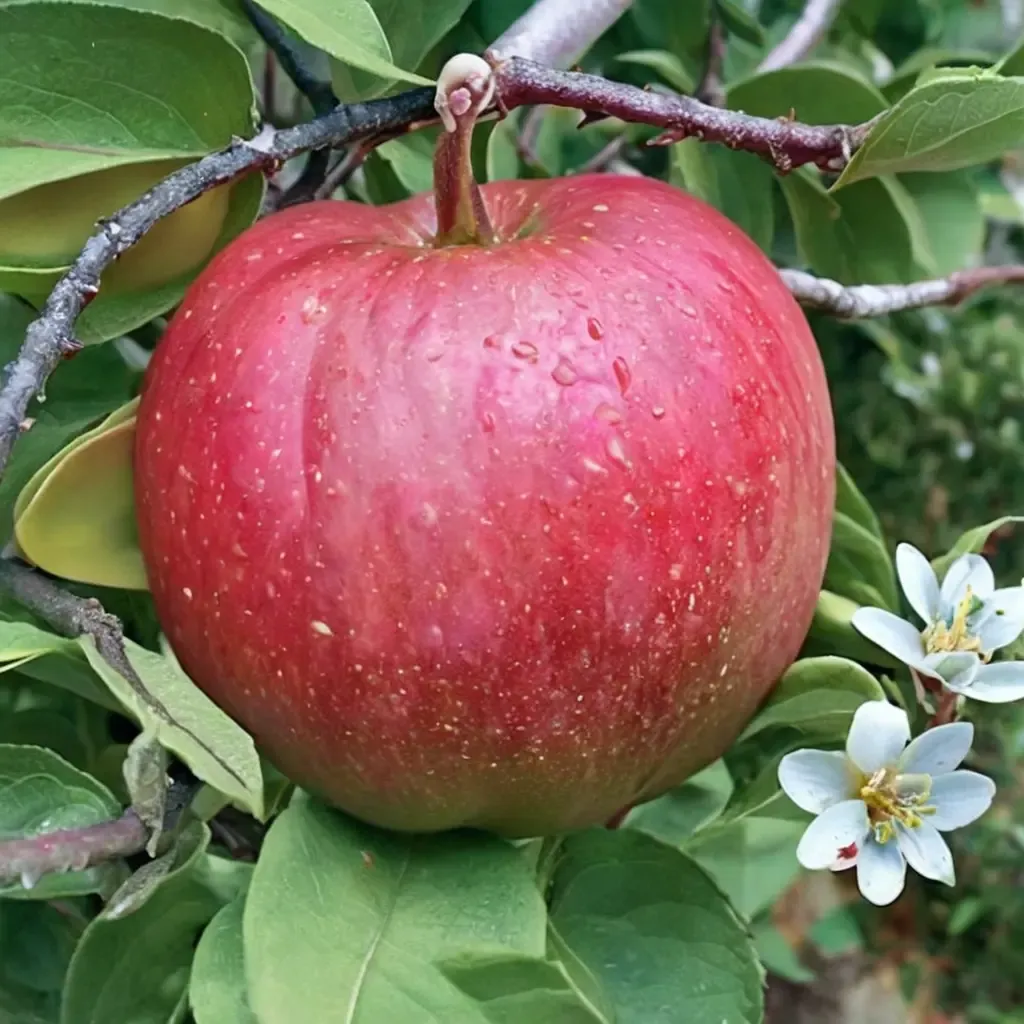
Pixie Crunch Apple
Malus domestica 'Pixie Crunch'
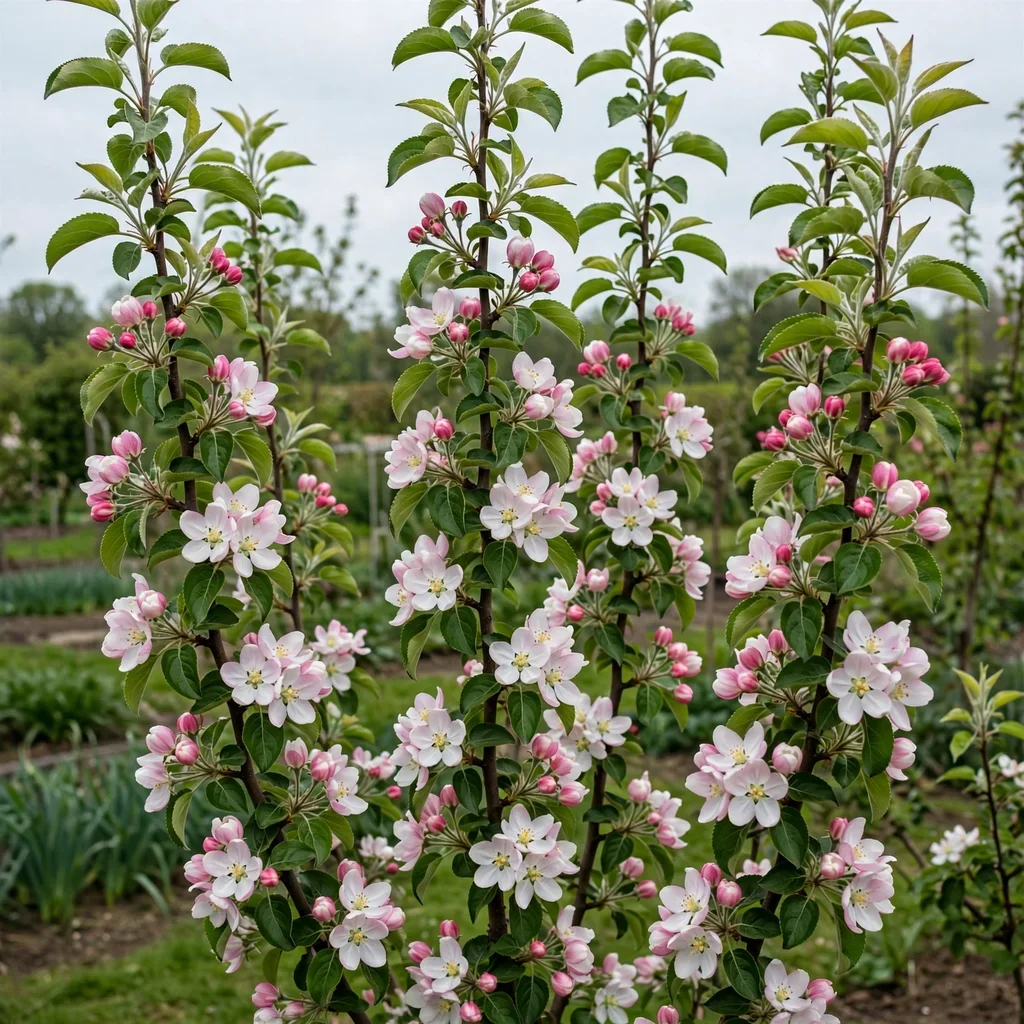
Golden Treat Apple
Malus domestica 'Golden Treat'
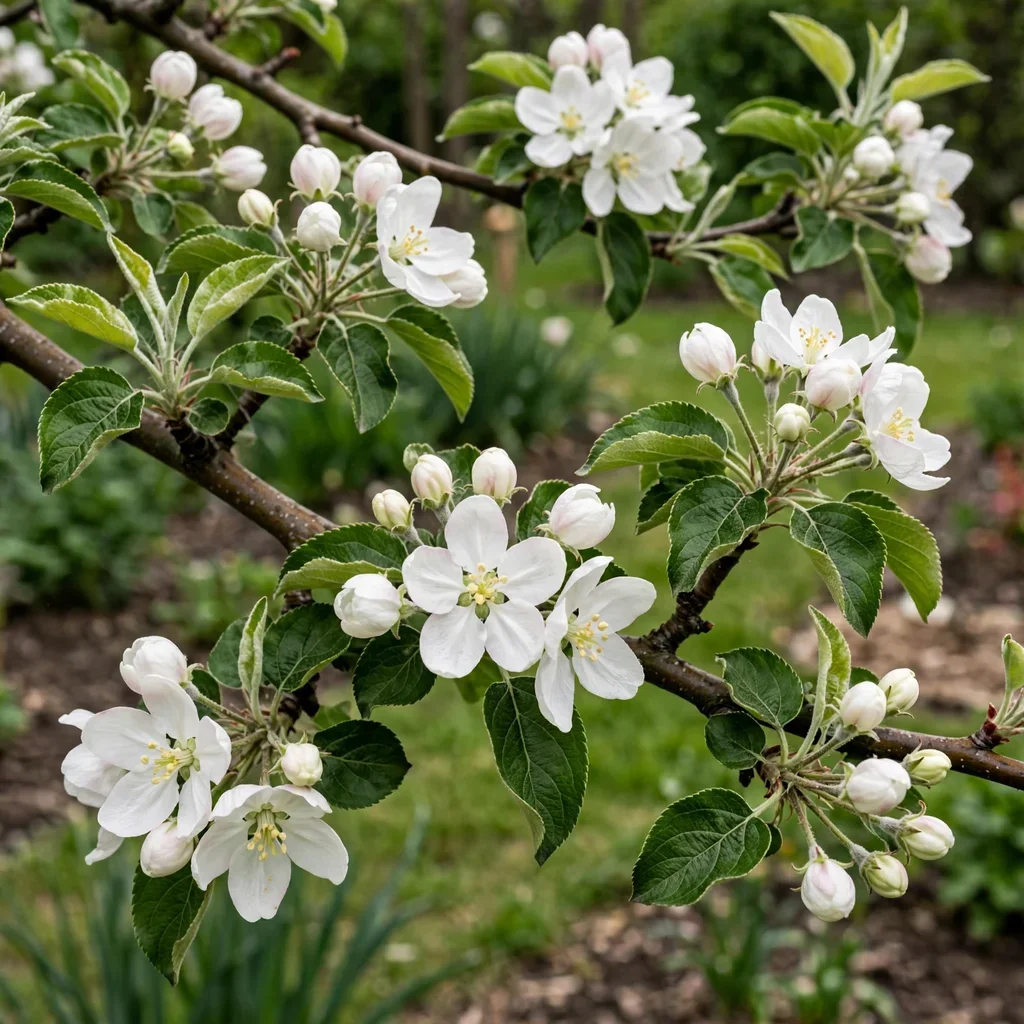
Apple
Malus domestica
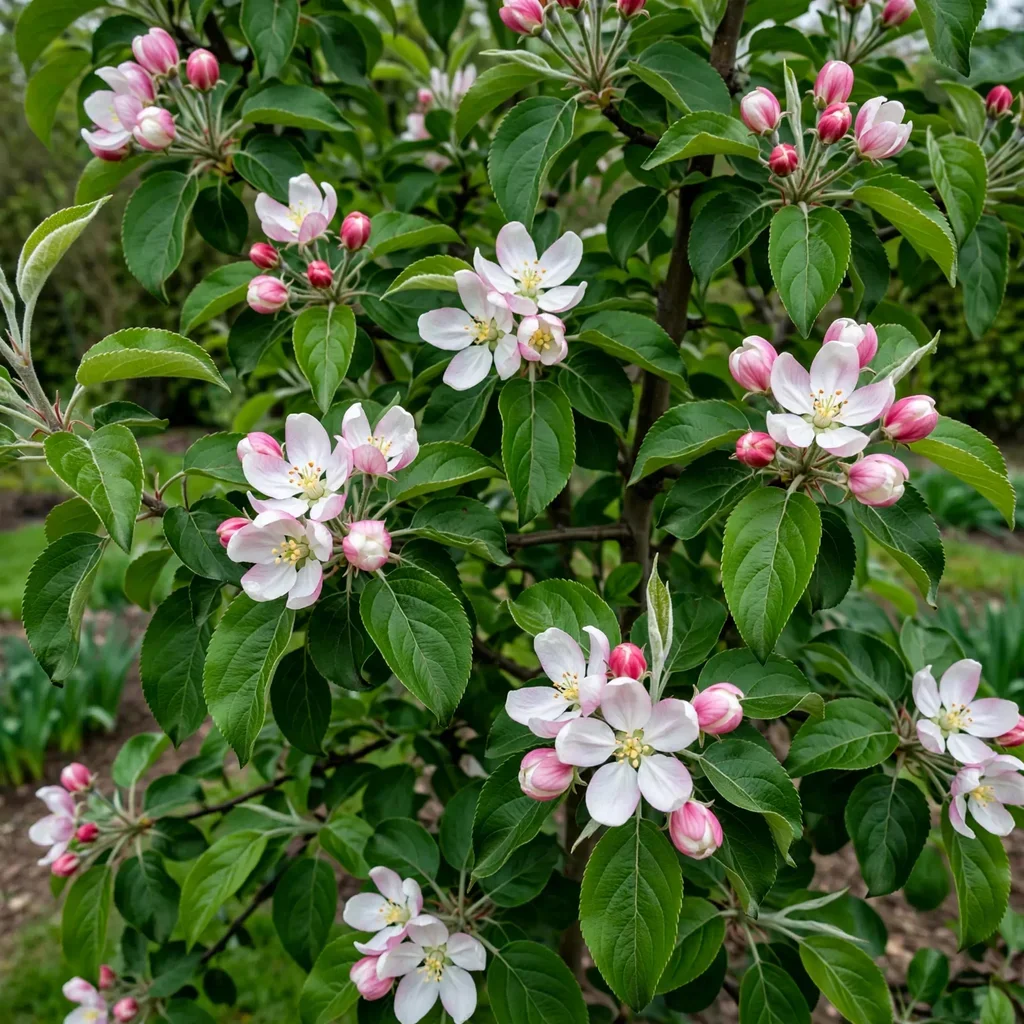
Blushing Delight Apple
Malus domestica 'Blushing Delight'
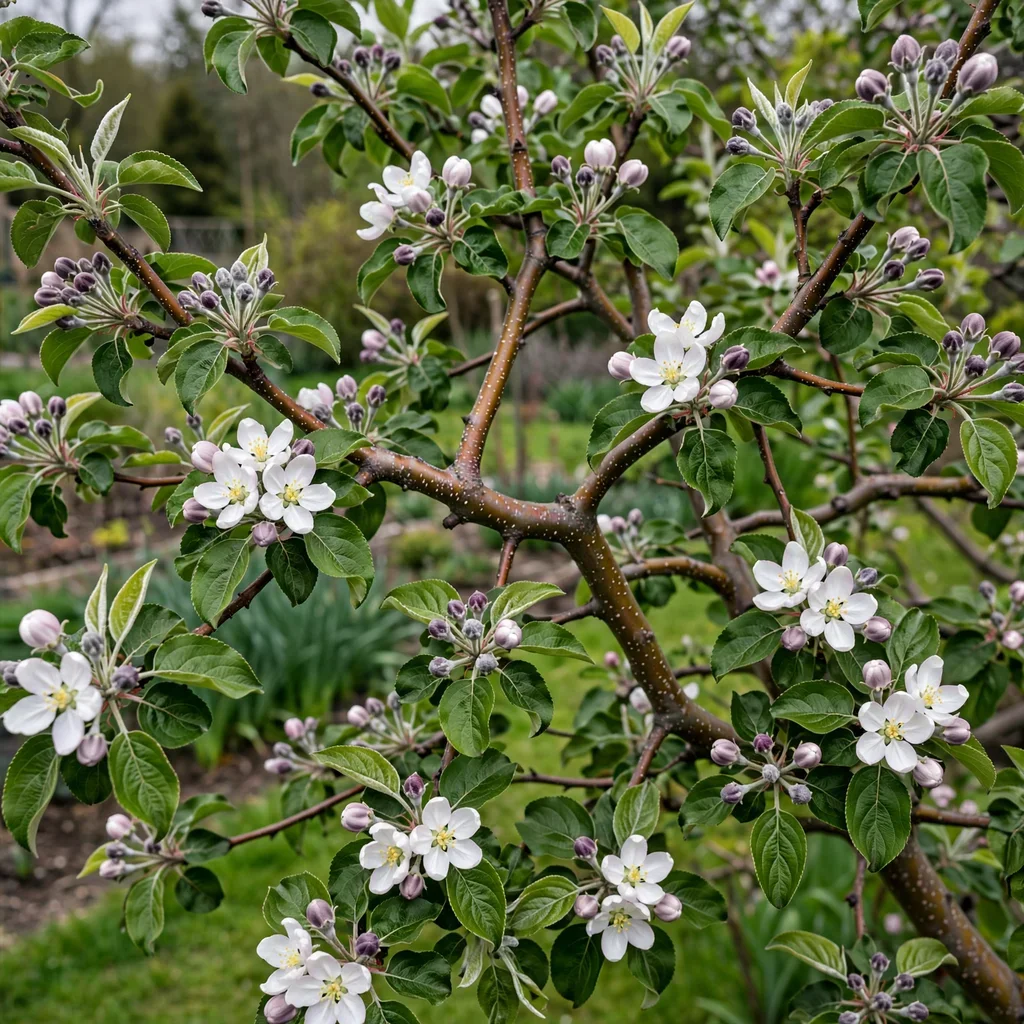
Reachable Apple
Malus domestica 'Reachables'
Keep exploring
Explore the genus
Hardy in your zone?
Grow Sweet Crab Apple with confidence
See it in a design of your actual yard, get zone-matched care reminders, and track it season by season in your garden journal.