The Story
Plant Bio
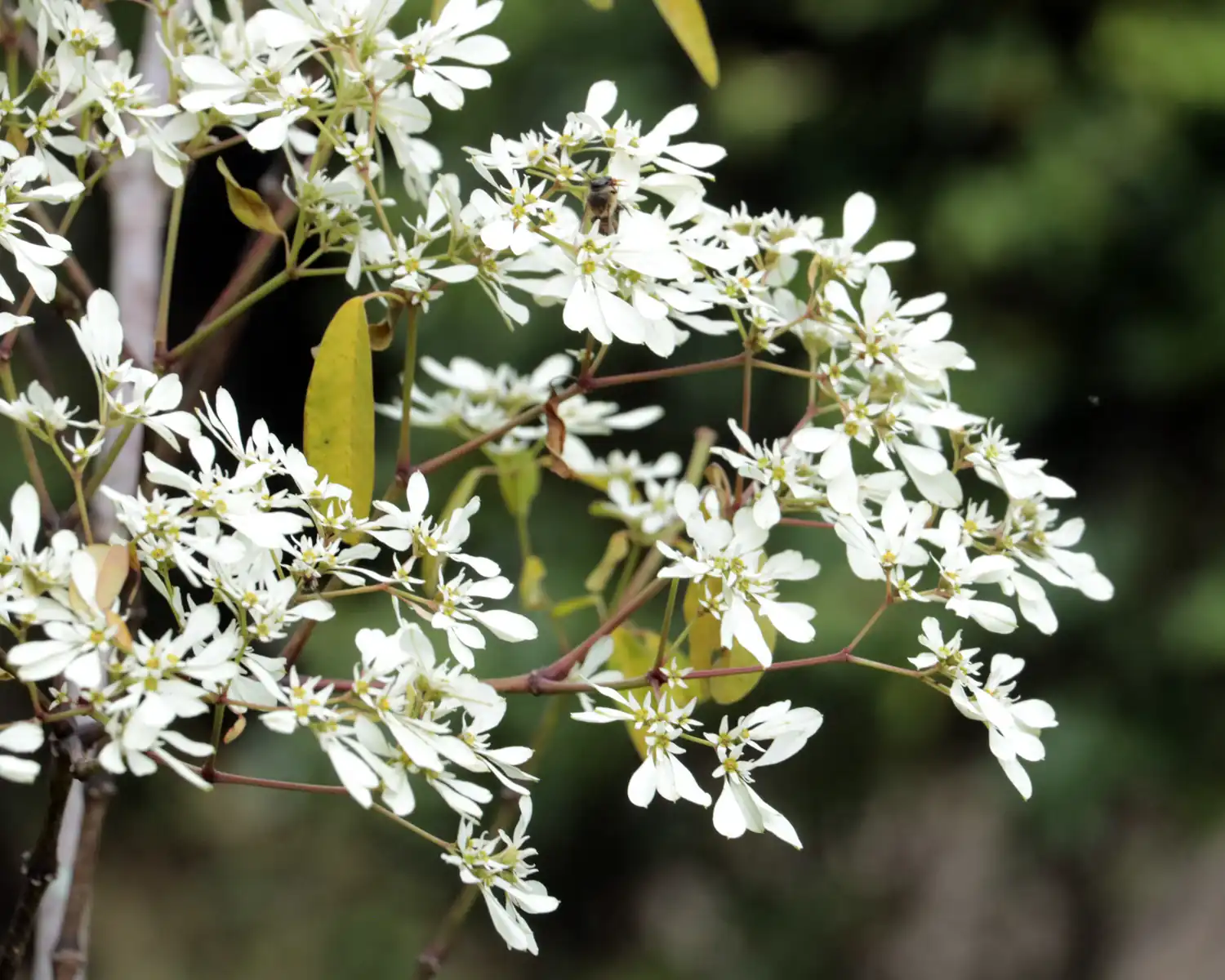
Euphorbia leucocephala is a densely branched shrub to small treelet reaching 8 to 10 feet in the landscape, with opposite to whorled elliptic to lance-shaped leaves that emerge light green and mature to dark green with a waxy leathery surface. The true flowers are tiny cyathia, and the winter display comes from masses of small creamy-white oblanceolate bracts about 0.4 inch long that cover the crown.
Unlike red poinsettia types it blooms as a cloud of white bracts in winter under long nights, holding its peak in November and December in the North. Stems are brittle and wind-prone and every cut exudes a milky latex that blisters skin and injures eyes, so pruning requires gloves and shelter from strong wind.
Uses & Benefits:
Essentials
At a Glance
Plant Type
Shrub
Height
120"
Width
79"
Light
Full Sun, Partial Sun
Zones
9, 10
Water
Low
Humidity
Tolerant
Lifespan
Woody perennial
Native To
Mexico to Colombia
Toxicity
Toxic to humans and pets
Bloom period
Winter
In flower about 3 months of the year
Planting
How to Grow
- Plant in spring after last frost in full sun with shelter from strong wind.
- Set in well-drained soil with added organic matter, pH 6.0 to 7.0, never where water stands.
- Water deeply to establish, then water sparingly; established plants tolerate drought and fail in soggy soil.
- Prune once after winter bloom in early spring to keep a rounded shape; do not shear repeatedly.
- Wear gloves and eye protection when cutting and wash hands and tools after contact with latex.
Pro Tip
Plant in full sun with sharp drainage and prune once just after the winter bracts fade to keep a rounded head, wearing gloves and eye protection for the sap.
Keep It Thriving
Care Guide
Do
- Give full sun for the heaviest white bract set.
- Provide sharp drainage and allow soil to dry between waterings.
- Shelter from strong wind to prevent brittle stems snapping.
- Wear gloves and eye protection for any pruning or handling.
Don't
- Do not plant in waterlogged or heavy wet clay.
- Do not overwater or fertilize heavily for faster growth.
- Do not prune repeatedly through the season or cut hard into old bare wood.
- Do not touch sap with bare skin or eyes, and keep away from pets and children.
Seasonal Care Calendar
| Task | Jan | Feb | Mar | Apr | May | Jun | Jul | Aug | Sep | Oct | Nov | Dec |
|---|---|---|---|---|---|---|---|---|---|---|---|---|
| Mulch | ||||||||||||
| Pest Check | ||||||||||||
| Plant | ||||||||||||
| Prune | ||||||||||||
| Winter Prep |
Watch Out For
Pests & Diseases
Common Pests
Common Diseases
In the Garden
Landscape Uses & Companions
Landscape Uses
Companion Plants
Multiply
Propagation Methods
Good to Know
Common Questions
Snowbush questions
What zones can Snowbush grow in?
Snowbush is hardy in USDA Zones 9–10: in that range it survives winter in the ground. Colder than Zone 9, grow it in a container you can move to shelter for the winter.
When does Snowbush bloom?
Snowbush typically blooms in winter. Exact timing shifts a week or two with your zone — Sow's bloom calendar maps it to your garden.
Does Snowbush need full sun?
Snowbush does best in full sun to part shade. In hot climates, afternoon shade keeps blooms fresher longer.
Is Snowbush drought tolerant?
Yes — once established (usually after the first full season), Snowbush handles dry spells with minimal watering. Water deeply its first year to build the root system that makes that possible.
More Euphorbia to compare
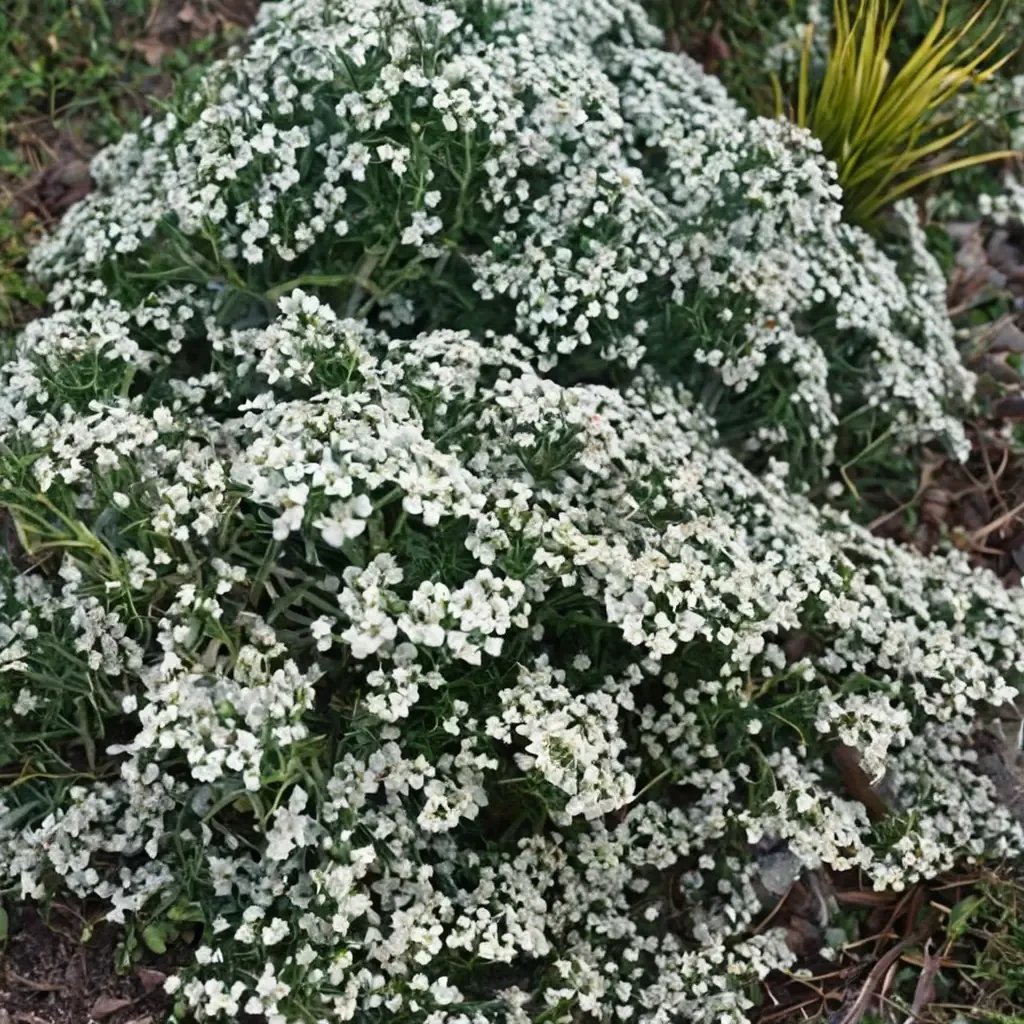
Carolina Snow Flowering Spurge
Euphorbia corollata 'Carolina Snow'
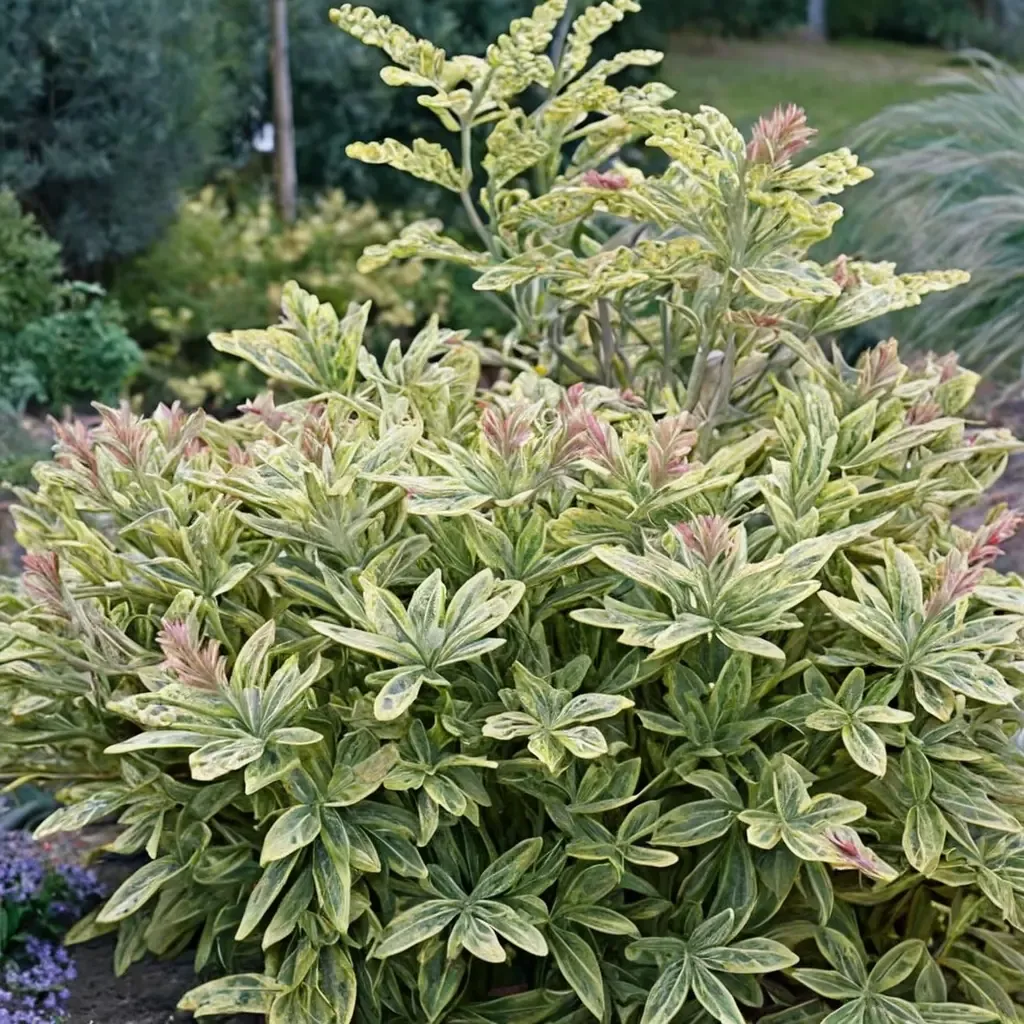
Ascot Rainbow Spurge
Euphorbia x hybrida 'Ascot Rainbow'
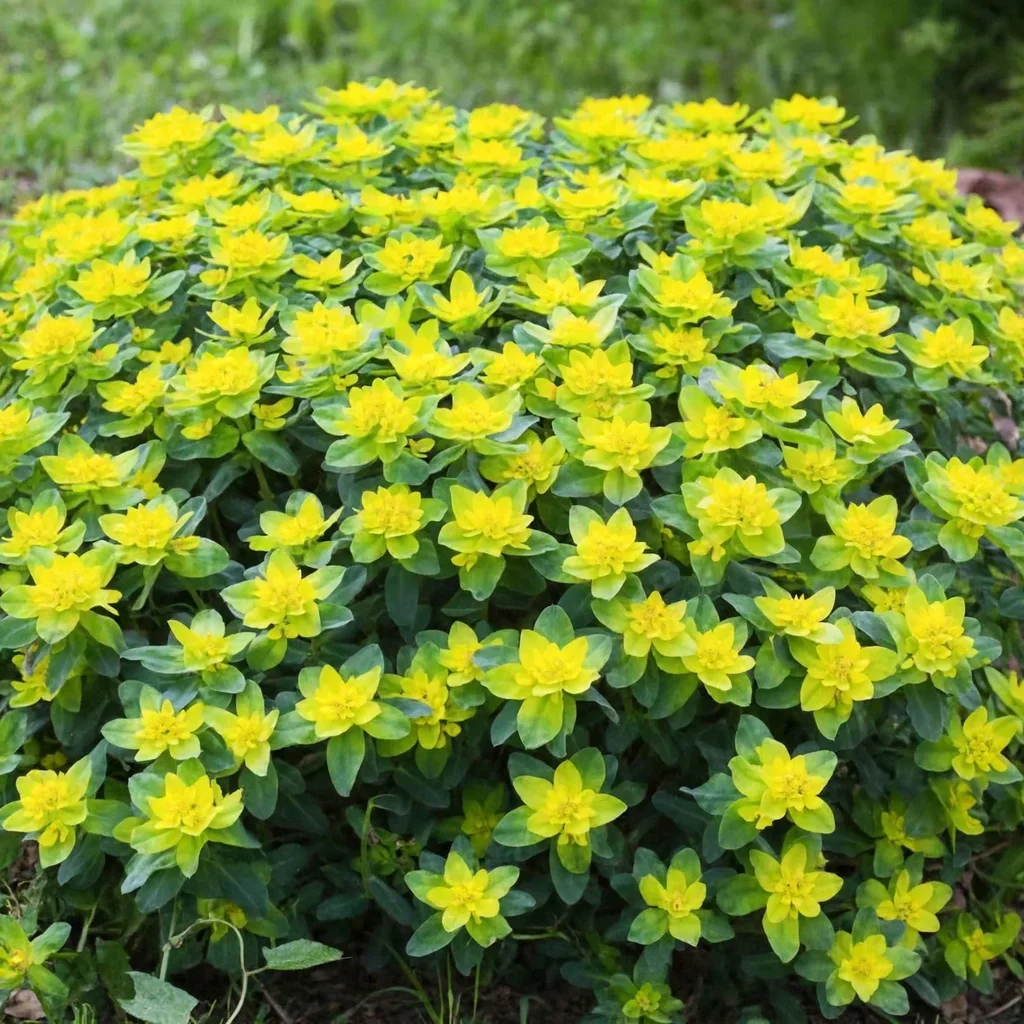
Mediterranean Spurge
Euphorbia polychroma
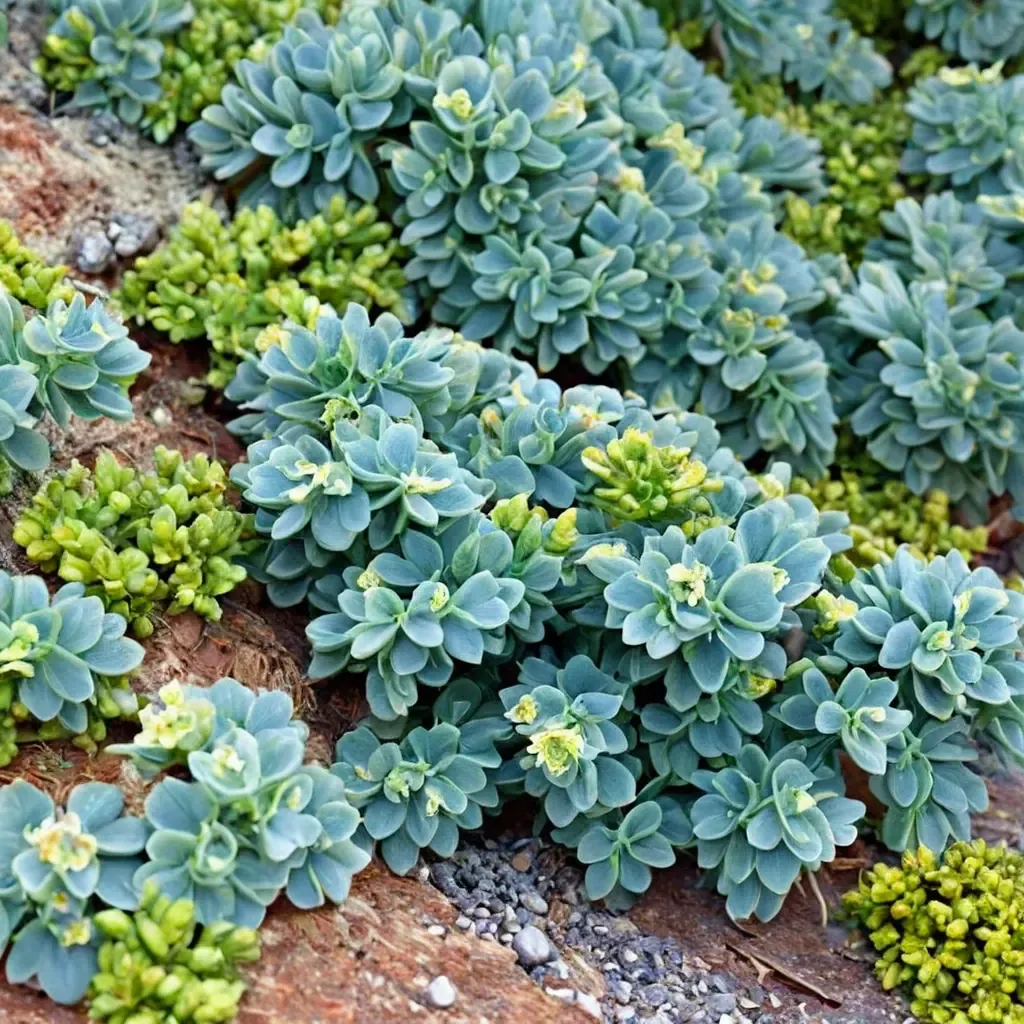
Myrtle Spurge
Euphorbia myrsinites
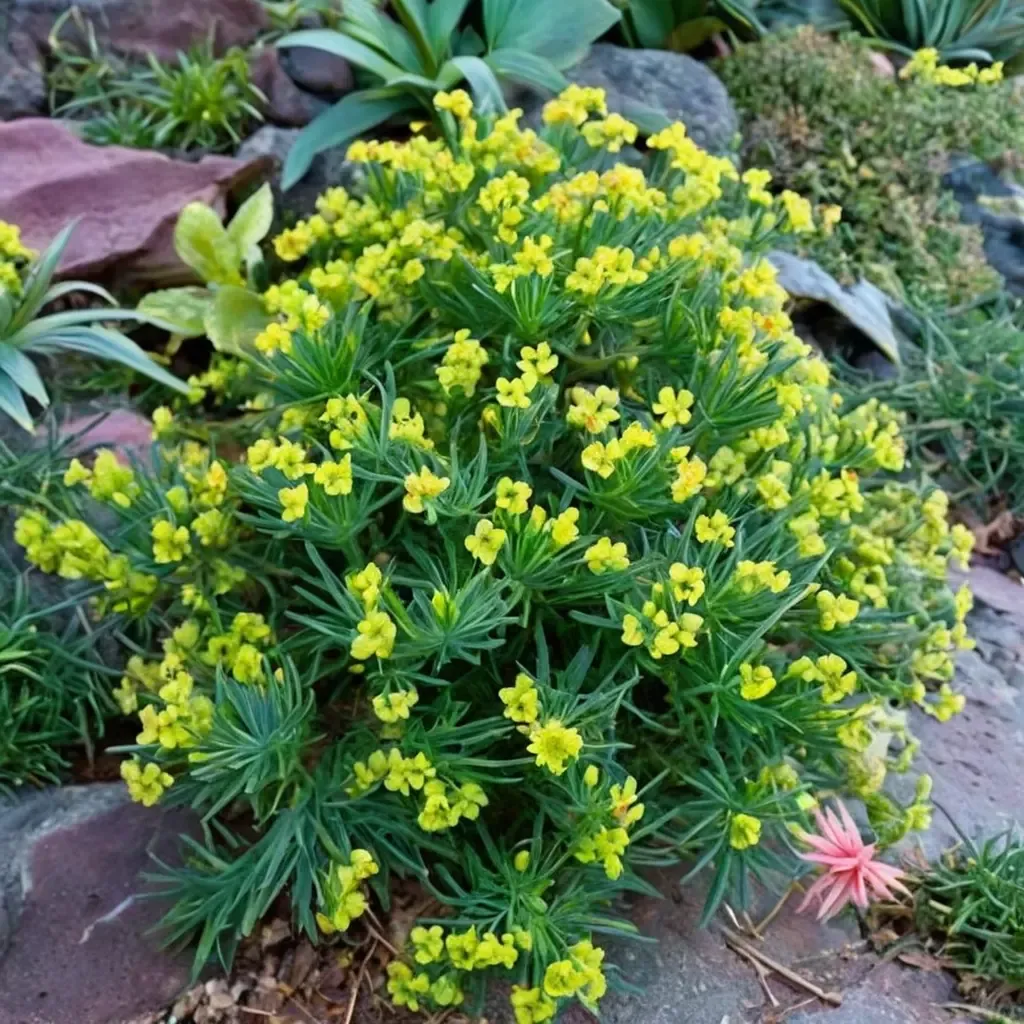
Ruby Spurge
Euphorbia cyparissias 'Fens Ruby'
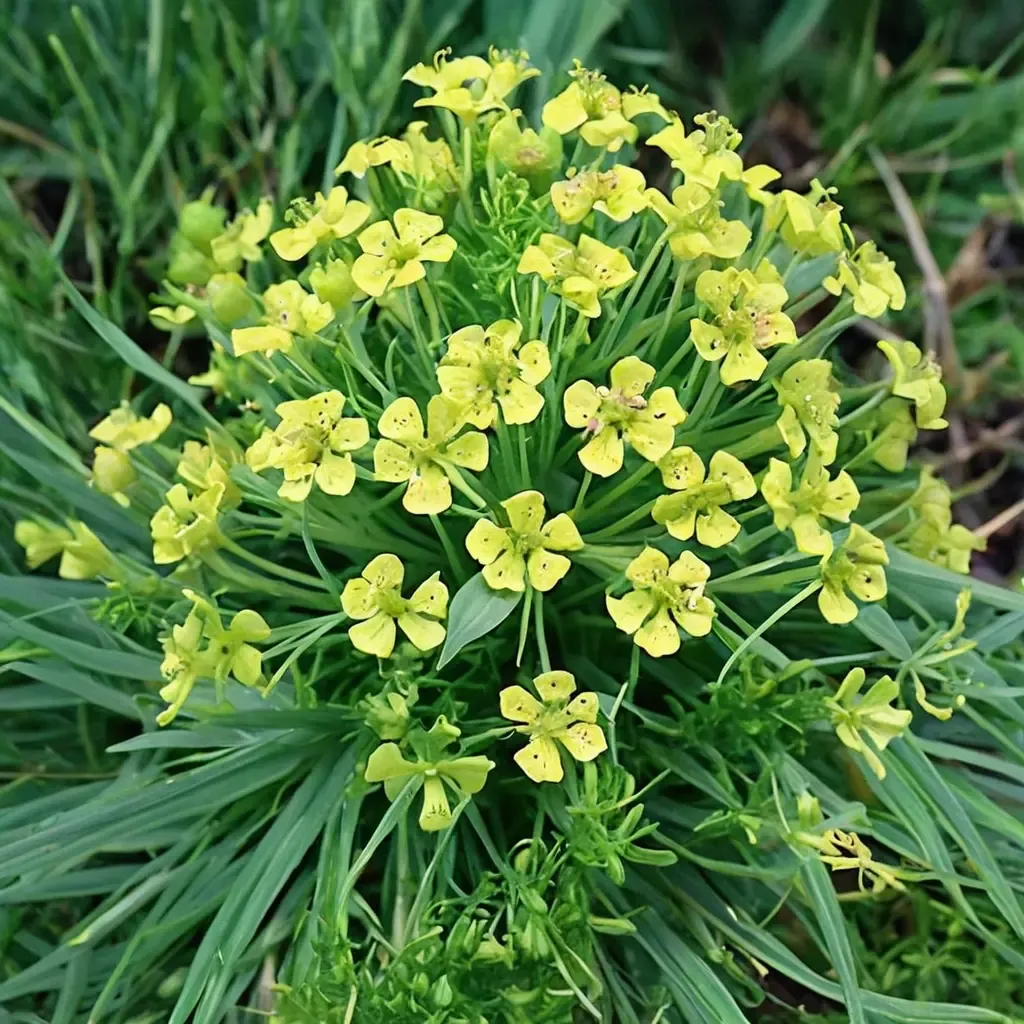
Cypress Spurge
Euphorbia cyparissias
Keep exploring
Explore the genus
Hardy in your zone?
Grow Snowbush with confidence
See it in a design of your actual yard, get zone-matched care reminders, and track it season by season in your garden journal.