The Story
Plant Bio
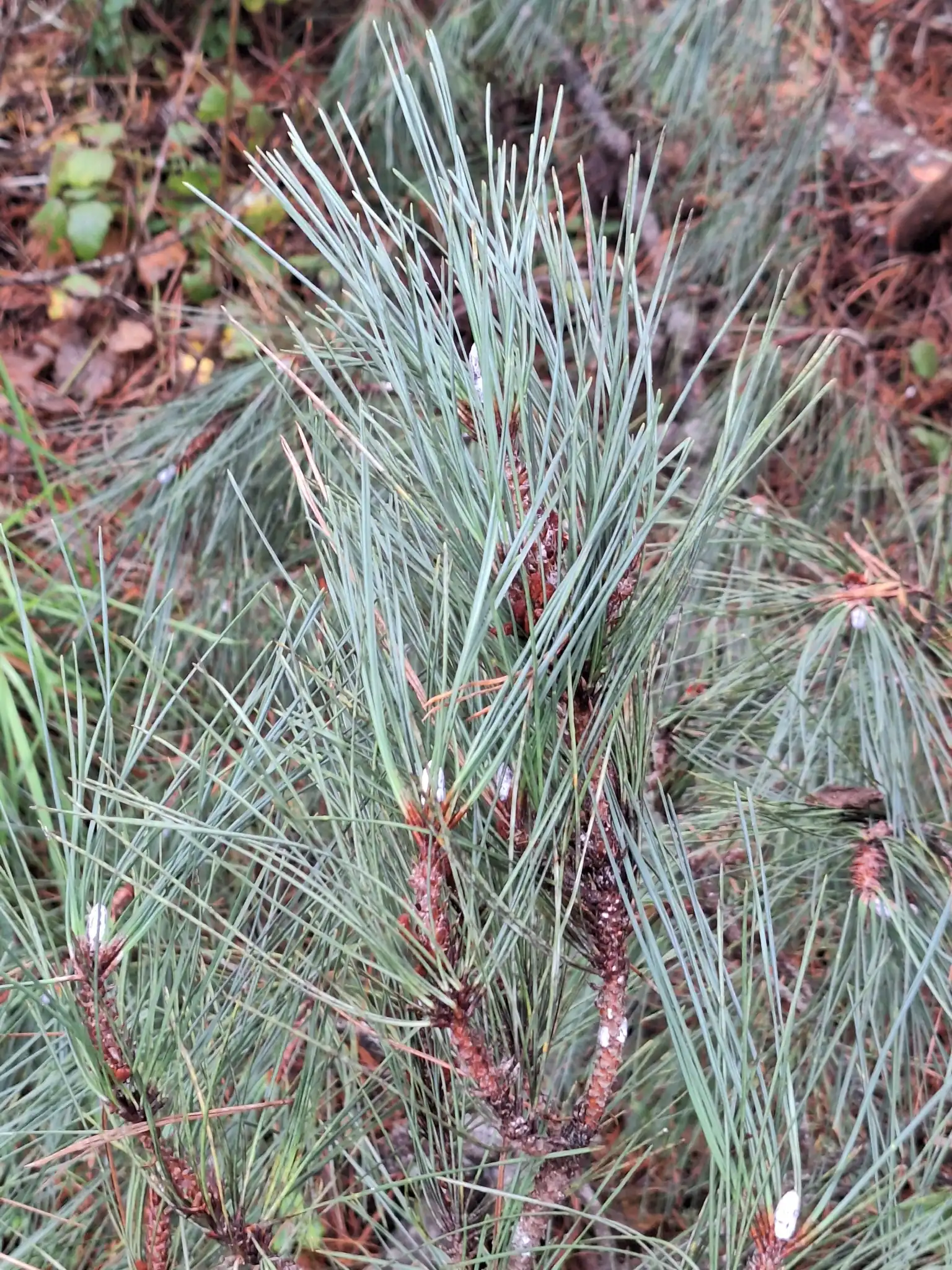
Pinus muricata, the bishop pine, is an evergreen conifer forming a dense, narrow to flat-topped crown above a straight trunk. The foliage consists of stiff needles held in pairs up to six inches long, accompanied in spring and summer by small, petal-less pollen cones and female conelets.
This species produces heavy, sharply spined cones that remain tightly closed on the branches for years without opening unless exposed to heat or drying. Foliage coloration varies between grey-blue and yellow-green depending on the origin strain.
Uses & Benefits:
Essentials
At a Glance
Plant Type
Tree
Height
984"
Width
315"
Light
Full Sun
Zones
7, 8, 9, 10
Water
Low
Humidity
Low to Moderate
Lifespan
Perennial
Native To
California, Baja California
Toxicity
Resin and sawdust cause contact dermatitis
Bloom period
Spring – Summer
In flower about 6 months of the year
Planting
How to Grow
- Choose a site in full sun with well-drained sandy or loamy soil.
- Plant container-grown trees in fall or early spring, setting the root collar level with the surrounding soil.
- Water thoroughly during the first growing season to establish deep roots.
- Apply organic mulch around the base, keeping it clear of the trunk to prevent rot.
Pro Tip
Never prune back into old, leafless conifer wood; pine stems lack dormant buds on bare wood and will fail to regenerate.
Keep It Thriving
Care Guide
Do
- Plant in light, well-drained soil in full sun.
- Wear gloves when working with wood or resin to avoid dermatitis.
- Allow the soil surface to dry between deep waterings once established.
Don't
- Do not prune into bare, leafless conifer branches.
- Do not plant in heavy, poorly drained clay soils.
- Do not apply heavy fertilizers, as established trees thrive in nutrient-poor soils.
Seasonal Care Calendar
| Task | Jan | Feb | Mar | Apr | May | Jun | Jul | Aug | Sep | Oct | Nov | Dec |
|---|---|---|---|---|---|---|---|---|---|---|---|---|
| Mulch | ||||||||||||
| Pest Check | ||||||||||||
| Plant | ||||||||||||
| Prune |
Watch Out For
Pests & Diseases
Common Pests
Common Diseases
In the Garden
Landscape Uses & Companions
Landscape Uses
Companion Plants
Multiply
Propagation Methods
Good to Know
Common Questions
Bishop Pine questions
What zones can Bishop Pine grow in?
Bishop Pine is hardy in USDA Zones 7–10: in that range it survives winter in the ground. Colder than Zone 7, winters are too cold for it to survive outdoors.
Is Bishop Pine deer resistant?
Not reliably. Deer may browse Bishop Pine, especially tender spring growth — plan on repellents or fencing where pressure is high.
When does Bishop Pine bloom?
Bishop Pine typically blooms from spring to summer. Exact timing shifts a week or two with your zone — Sow's bloom calendar maps it to your garden.
Does Bishop Pine need full sun?
Bishop Pine does best in full sun (6+ hours).
Is Bishop Pine drought tolerant?
Yes — once established (usually after the first full season), Bishop Pine handles dry spells with minimal watering. Water deeply its first year to build the root system that makes that possible.
More Pinus to compare
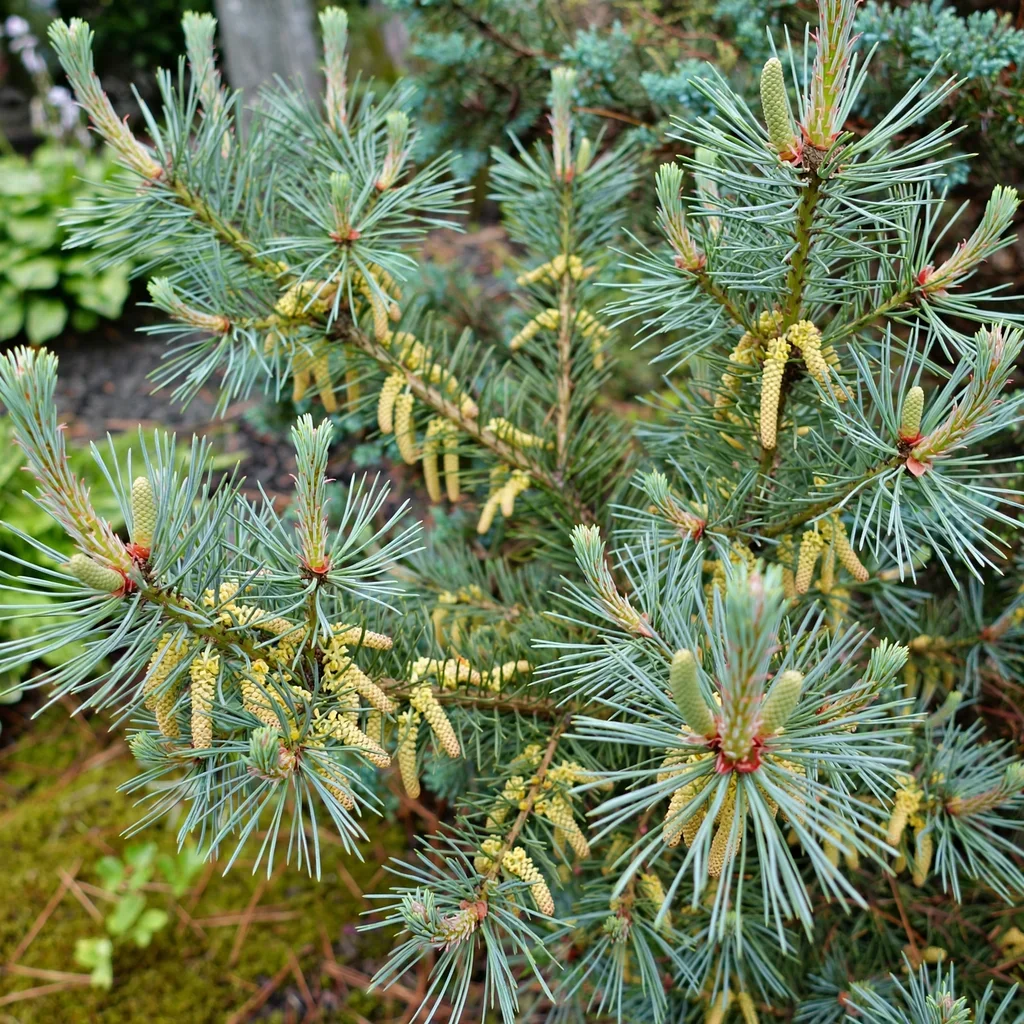
Eastern White Pine
Pinus strobus
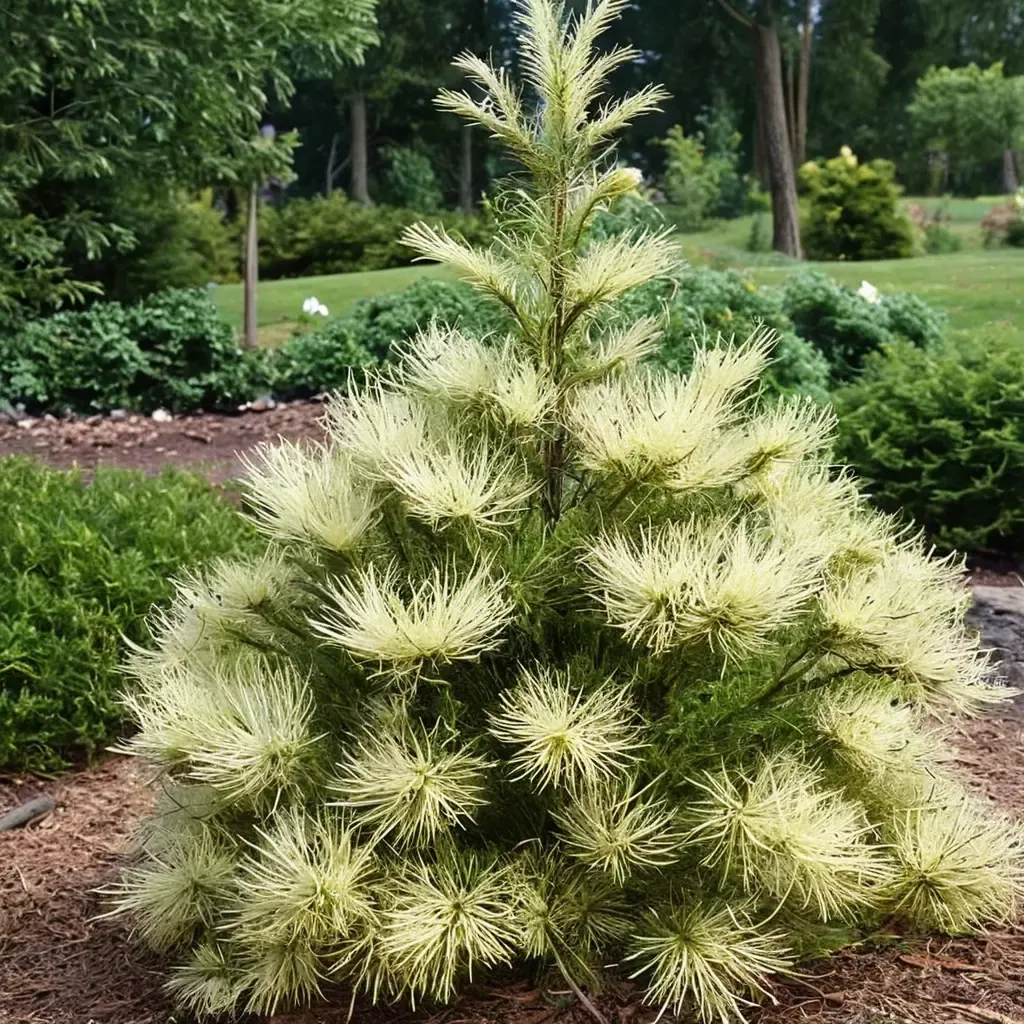
Golden Ghost Pine
Pinus densiflora 'Golden Ghost'
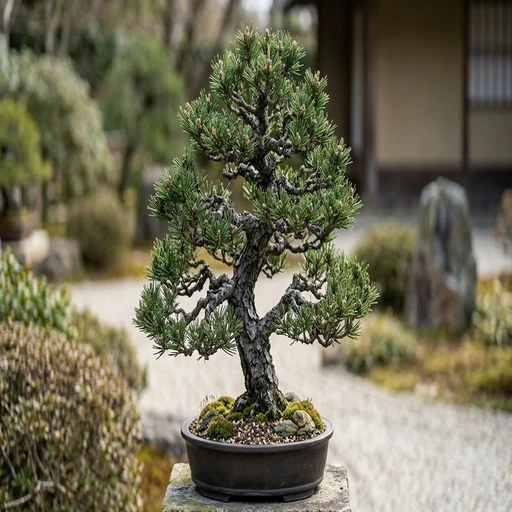
Thunderhead Japanese Black Pine
Pinus thunbergii 'Thunderhead'
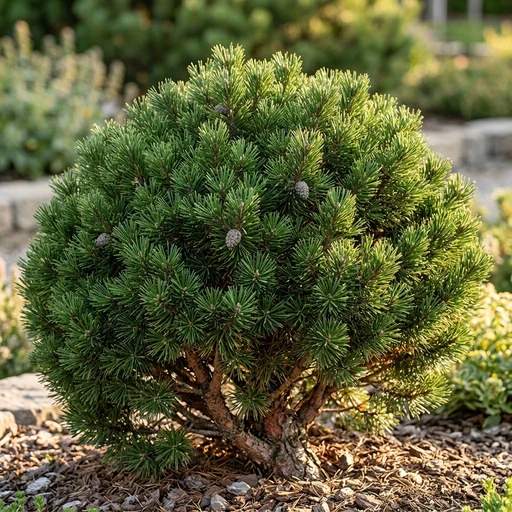
Slowmound Mugo Pine
Pinus mugo 'Slowmound'
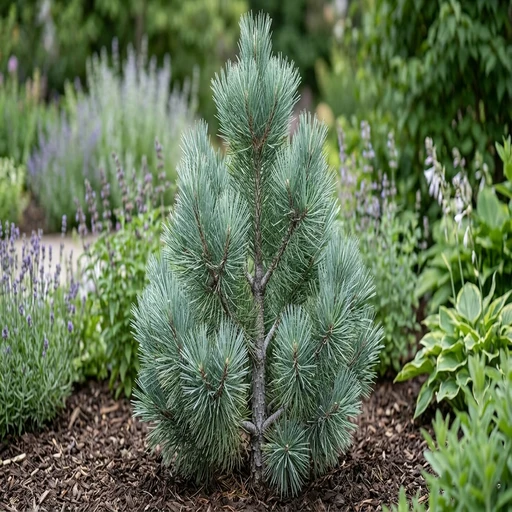
Vanderwolf's Pyramid Limber Pine
Pinus flexilis 'Vanderwolf'
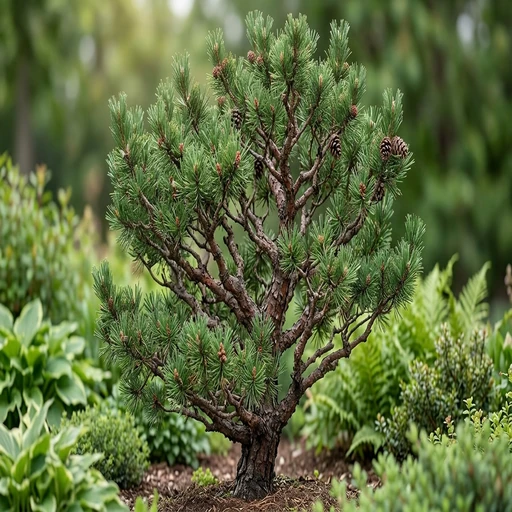
Virginia Pine
Pinus virginiana
Keep exploring
Explore the genus
Hardy in your zone?
Grow Bishop Pine with confidence
See it in a design of your actual yard, get zone-matched care reminders, and track it season by season in your garden journal.