The Story
Plant Bio
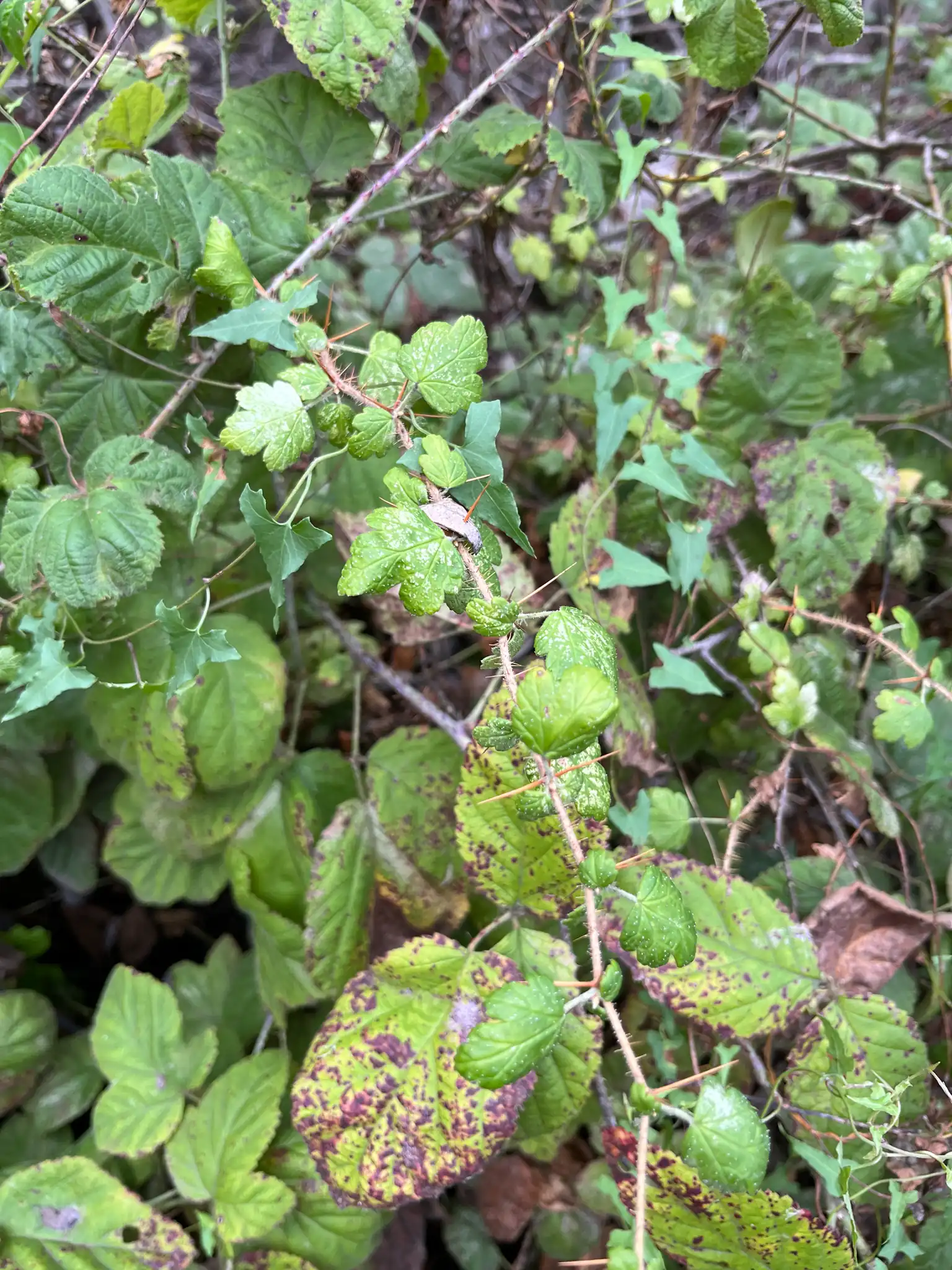
Ribes menziesii, the canyon gooseberry, is an aromatic deciduous shrub reaching 3 to 10 feet tall and as wide, with loosely branched stems armed with spines and prickles. The velvety lobed leaves are winter-deciduous and drop again under summer heat and drought, returning with cool-season rain.
It is distinguished by pendulous few-flowered racemes that open from late winter to spring, with a crimson tube, reddish-purple to greenish-purple sepals and white to pinkish-yellow petals that feed hummingbirds. The fruit that follows is a bristly gooseberry borne on very prickly wood, making established plants an effective barrier where foot traffic is not wanted.
Uses & Benefits:
Essentials
At a Glance
Plant Type
Shrub
Height
84"
Width
84"
Light
Full Sun, Partial Sun, Shade
Zones
7, 8, 9, 10
Water
Low
Humidity
Low to moderate
Lifespan
Deciduous shrub
Native To
California and Oregon
Toxicity
Unknown; spiny stems and bristly fruit
Bloom period
Late winter – Spring
In flower about 4 months of the year
Planting
How to Grow
- Plant in fall or early winter in part shade to sun with excellent drainage.
- Set the crown level with the soil in sandy-loam or gritty clay and backfill without rich amendment.
- Mulch 2 to 3 inches with leaf litter, keeping mulch off the crown to keep roots cool and dry.
- Water to establish through the first spring, then leave dry through summer.
Pro Tip
Withhold summer water entirely once established; wet soil in summer rots the roots and kills the plant.
Keep It Thriving
Care Guide
Do
- Site in part shade with morning sun and good air flow.
- Keep the root zone dry in summer under mulch.
- Leave fallen leaves as mulch to mimic canyon soils.
Don't
- Do not irrigate in summer once established.
- Do not plant near five-needle white pines because it hosts blister rust.
- Do not hard-prune into old bare wood; remove only dead or crossing stems.
Seasonal Care Calendar
| Task | Jan | Feb | Mar | Apr | May | Jun | Jul | Aug | Sep | Oct | Nov | Dec |
|---|---|---|---|---|---|---|---|---|---|---|---|---|
| Mulch | ||||||||||||
| Pest Check | ||||||||||||
| Plant | ||||||||||||
| Propagate | ||||||||||||
| Prune |
Watch Out For
Pests & Diseases
Common Pests
Common Diseases
In the Garden
Landscape Uses & Companions
Landscape Uses
Multiply
Propagation Methods
Good to Know
Common Questions
Canyon Gooseberry questions
What zones can Canyon Gooseberry grow in?
Canyon Gooseberry is hardy in USDA Zones 7–10: in that range it survives winter in the ground. Colder than Zone 7, grow it in a container you can move to shelter for the winter.
Is Canyon Gooseberry deer resistant?
Yes — Canyon Gooseberry is rated deer-resistant. Deer typically pass it over, though extreme hunger can override any plant's defenses.
When does Canyon Gooseberry bloom?
Canyon Gooseberry typically blooms from late winter to late spring. Exact timing shifts a week or two with your zone — Sow's bloom calendar maps it to your garden.
Does Canyon Gooseberry need full sun?
Canyon Gooseberry does best in full sun to part shade. In hot climates, afternoon shade keeps blooms fresher longer.
Is Canyon Gooseberry drought tolerant?
Yes — once established (usually after the first full season), Canyon Gooseberry handles dry spells with minimal watering. Water deeply its first year to build the root system that makes that possible.
More Ribes to compare
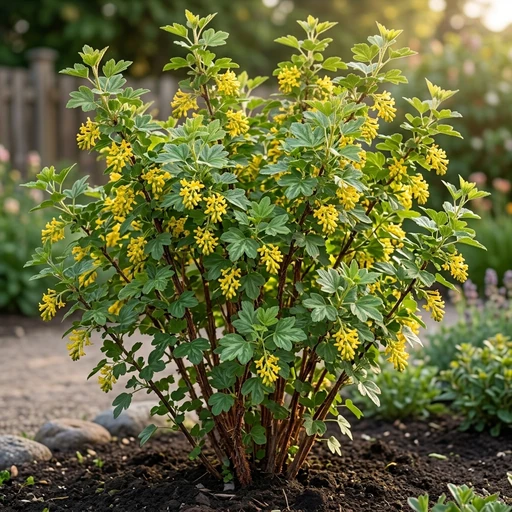
Golden Currant
Ribes aureum
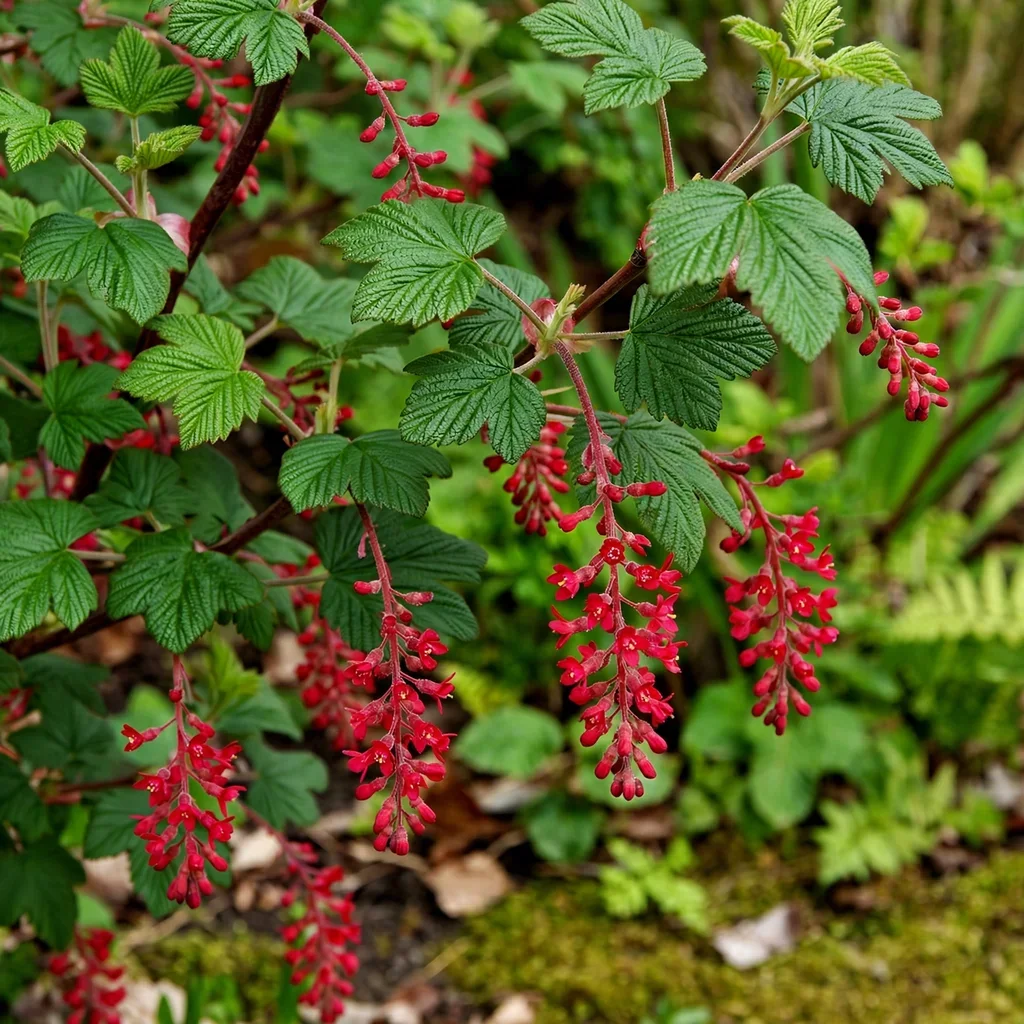
King Edward VII Flowering Currant
Ribes sanguineum 'King Edward VII'
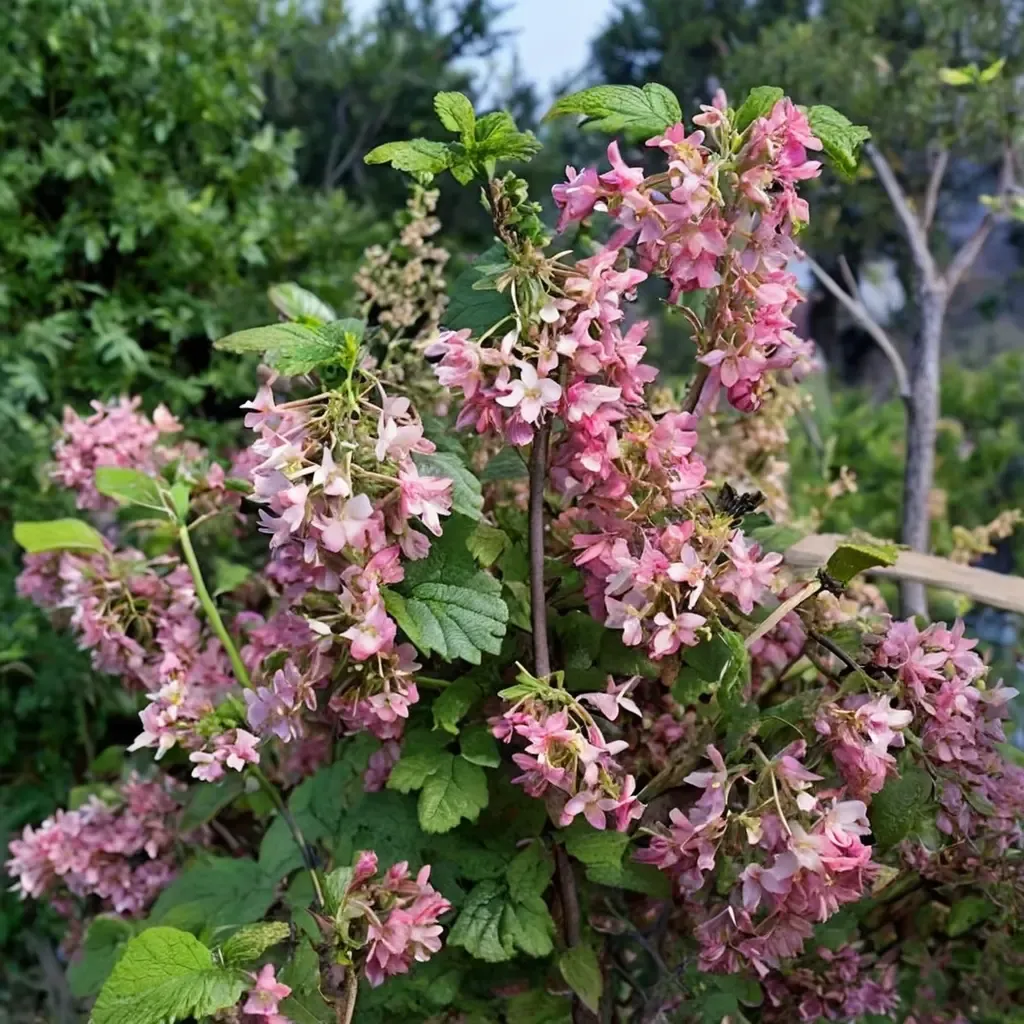
Claremont Currant
Ribes sanguineum 'Claremont'
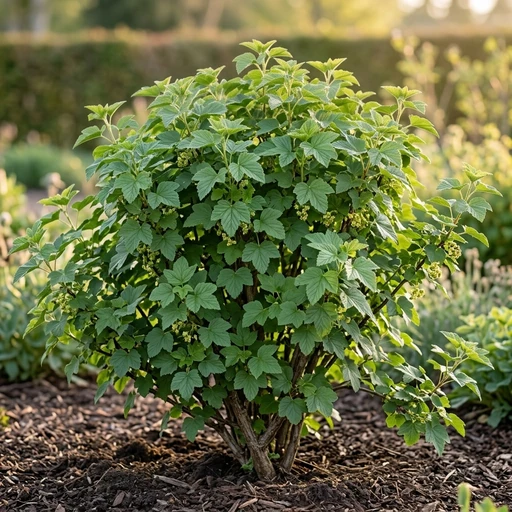
Alpine Currant
Ribes alpinum
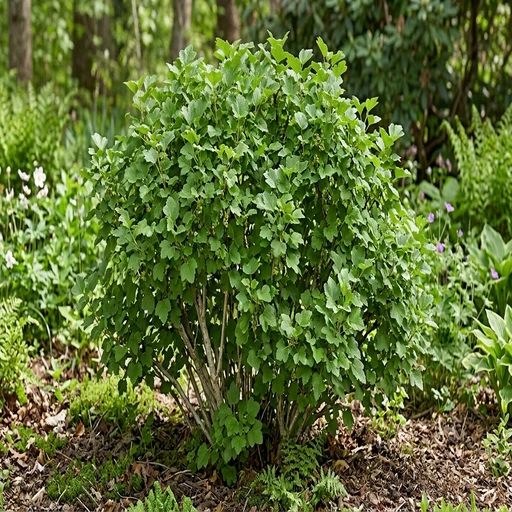
Green Mound Alpine Currant
Ribes alpinum 'Green Mound'
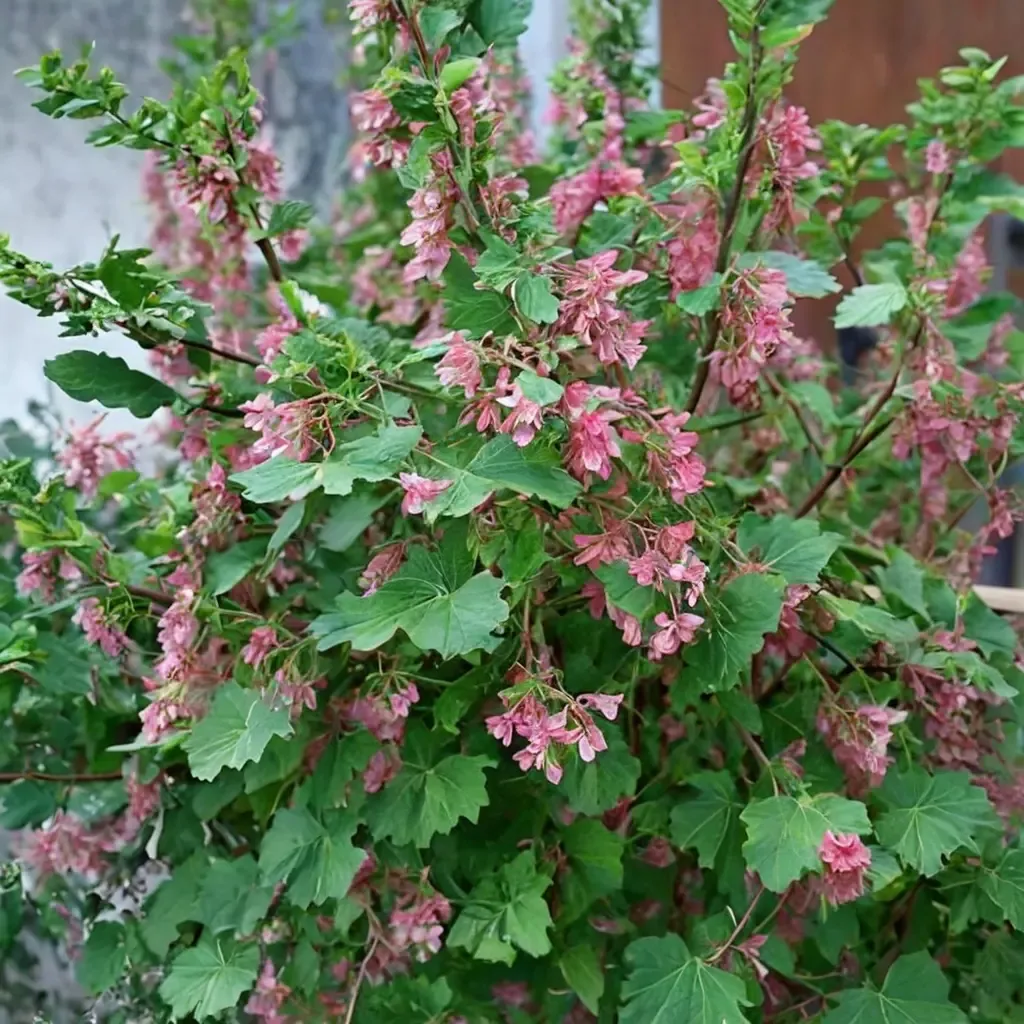
Pink-Flowering Currant
Ribes sanguineum 'glutinosum'
Keep exploring
Explore the genus
Hardy in your zone?
Grow Canyon Gooseberry with confidence
See it in a design of your actual yard, get zone-matched care reminders, and track it season by season in your garden journal.