The Story
Plant Bio
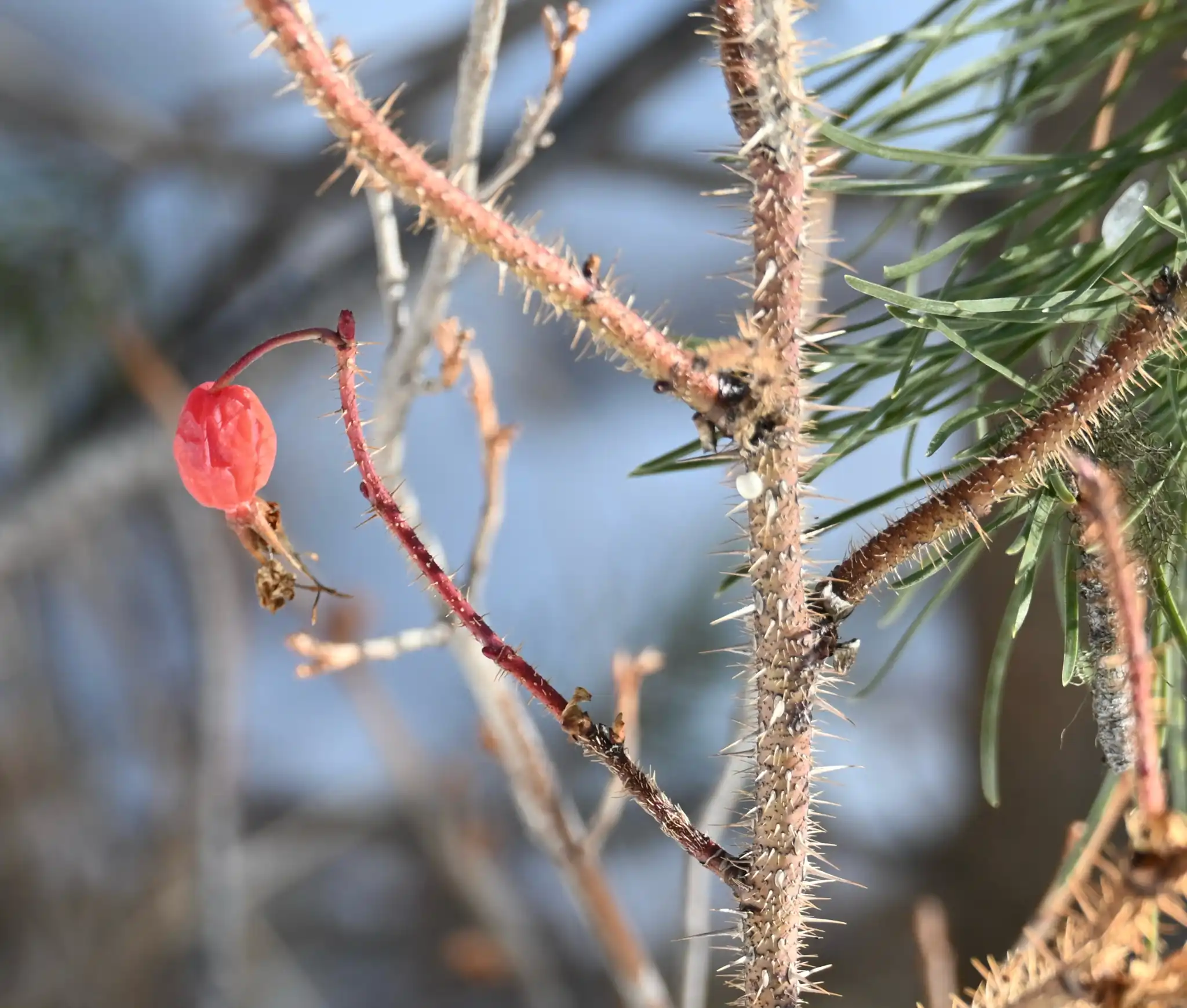
Rosa acicularis, the prickly rose, is a deciduous, thicket-forming shrub native to boreal forest understories across the Northern Hemisphere, growing three to eight feet tall. The solitary, five-petaled flowers range from deep to pale pink with yellow stamens, followed by bright red hips that persist into winter.
Densely bristly, straight prickles along the stems and high cold hardiness set this species apart, allowing it to survive extreme subarctic winters. Spring leaves emerge with a distinct light green or reddish tinge before turning dull green.
Uses & Benefits:
Essentials
At a Glance
Plant Type
Shrub
Height
98"
Width
59"
Light
Full Sun, Partial Sun
Zones
4, 5, 6, 7
Water
Moderate
Humidity
Low to Moderate
Lifespan
Perennial
Native To
North America, Europe, Asia
Toxicity
Non-toxic
Bloom period
Late spring – Early summer
In flower about 2 months of the year
Planting
How to Grow
- Select a planting site in full sun to partial shade with moist, well-draining soil.
- Dig a hole twice as wide as the root mass and set the plant at its original nursery depth.
- Backfill with native soil, firming gently around the roots to eliminate air pockets.
- Water thoroughly after planting and apply a layer of organic mulch around the base.
Pro Tip
Avoid shearing canes into formal shapes, which ruins its natural suckering habit and reduces flower yield; instead, cut a few of the oldest stems to the ground every few years to encourage vigorous basal shoots.
Keep It Thriving
Care Guide
Do
- Prune lightly in late winter to remove dead, damaged, or crossing stems.
- Maintain consistent soil moisture while young plants establish.
- Apply a light top-dressing of organic compost in early spring.
Don't
- Do not over-fertilize, which leads to excessive soft growth prone to insect pests.
- Do not shear stems into tight formal hedges or cut deeply into old bare wood.
- Do not use overhead irrigation late in the evening, which invites fungal foliage spots.
Seasonal Care Calendar
| Task | Jan | Feb | Mar | Apr | May | Jun | Jul | Aug | Sep | Oct | Nov | Dec |
|---|---|---|---|---|---|---|---|---|---|---|---|---|
| Fertilize | ||||||||||||
| Pest Check | ||||||||||||
| Propagate | ||||||||||||
| Prune | ||||||||||||
| Spring Cleanup |
Watch Out For
Pests & Diseases
Common Pests
Common Diseases
In the Garden
Landscape Uses & Companions
Landscape Uses
Multiply
Propagation Methods
Good to Know
Common Questions
Prickly Rose questions
What zones can Prickly Rose grow in?
Prickly Rose is hardy in USDA Zones 4–7: in that range it survives winter in the ground. Warmer than Zone 7, winter isn't the problem: it prefers colder winters, and summer heat can shorten its life.
Is Prickly Rose deer resistant?
Not reliably. Deer may browse Prickly Rose, especially tender spring growth — plan on repellents or fencing where pressure is high.
When does Prickly Rose bloom?
Prickly Rose typically blooms from late spring to early summer. Exact timing shifts a week or two with your zone — Sow's bloom calendar maps it to your garden.
Does Prickly Rose need full sun?
Prickly Rose does best in full sun to part shade. In hot climates, afternoon shade keeps blooms fresher longer.
Is Prickly Rose drought tolerant?
Yes — once established (usually after the first full season), Prickly Rose handles dry spells with minimal watering. Water deeply its first year to build the root system that makes that possible.
More Rosa to compare
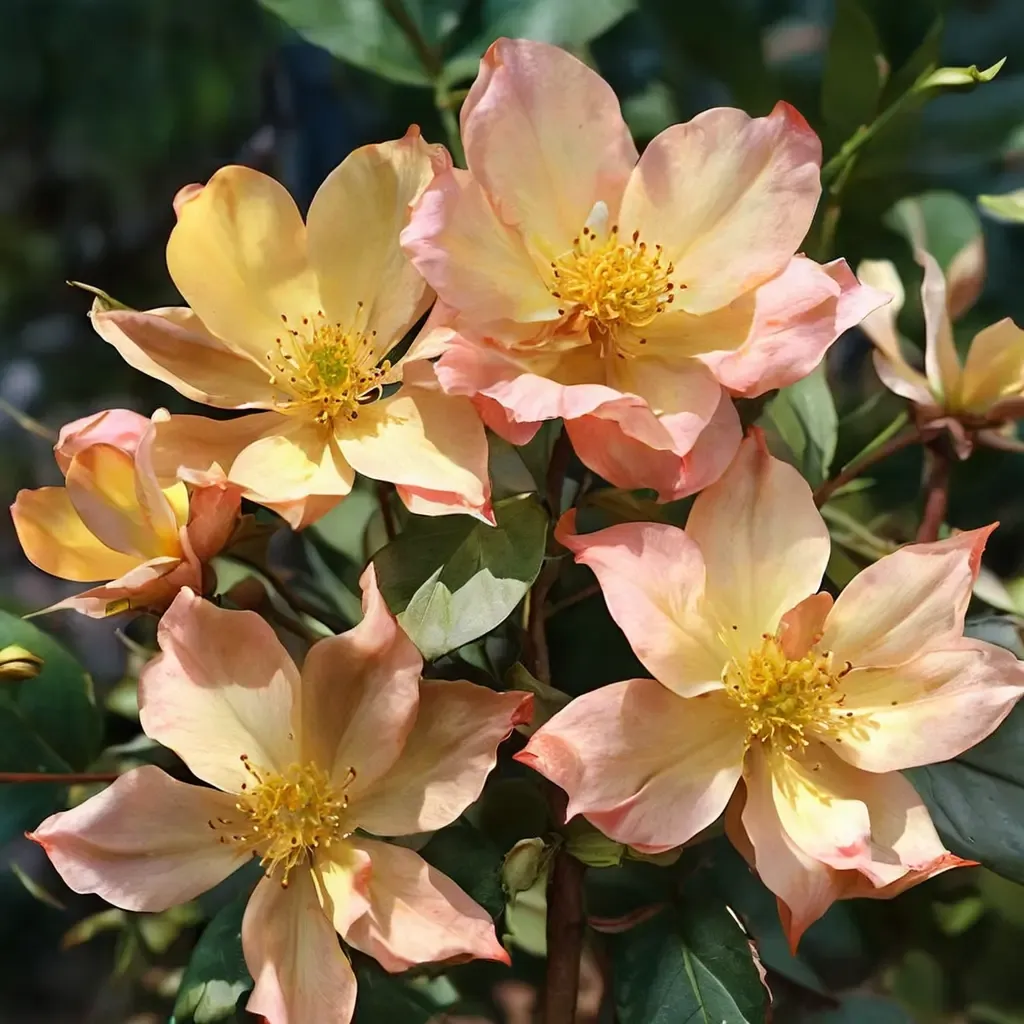
Flutterbye Rose
Rosa x hybrida 'Flutterbye'
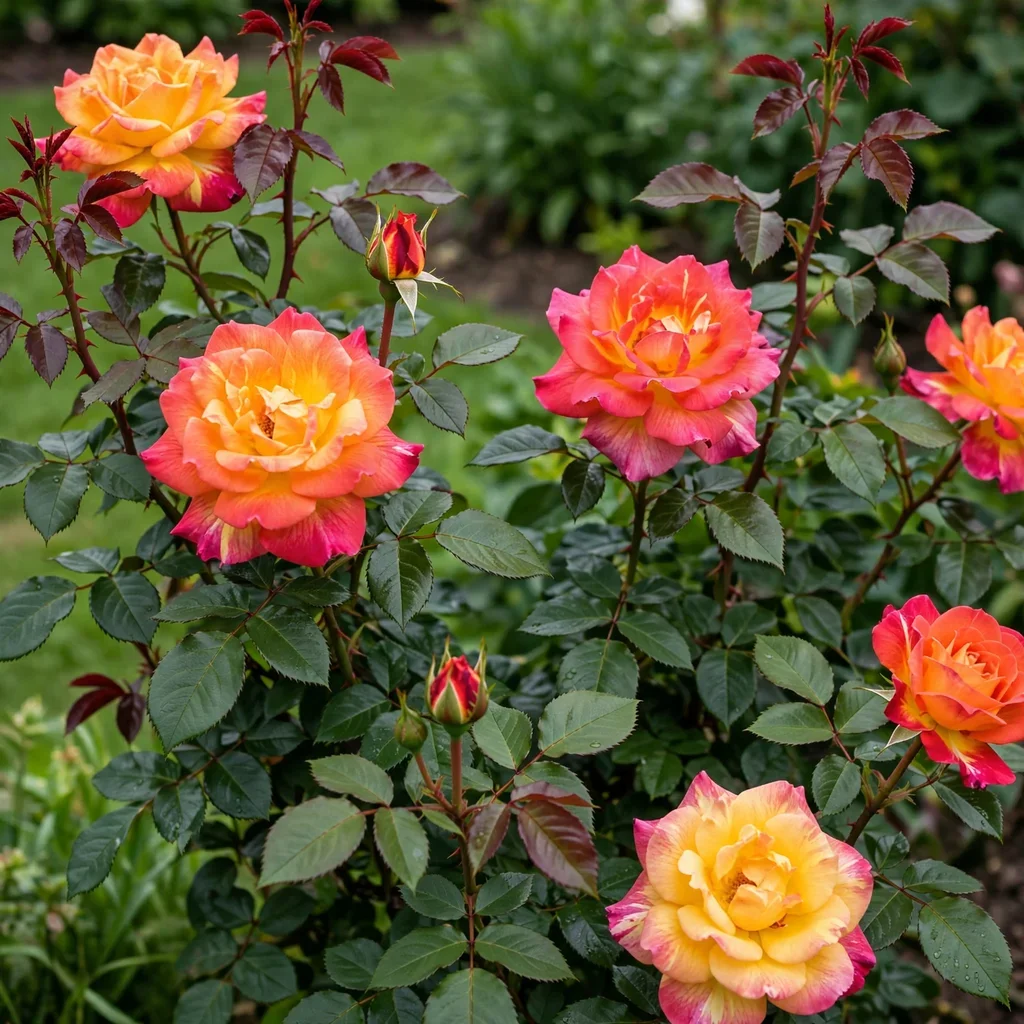
Joseph's Coat Rose
Rosa x hybrida 'Joseph's Coat'
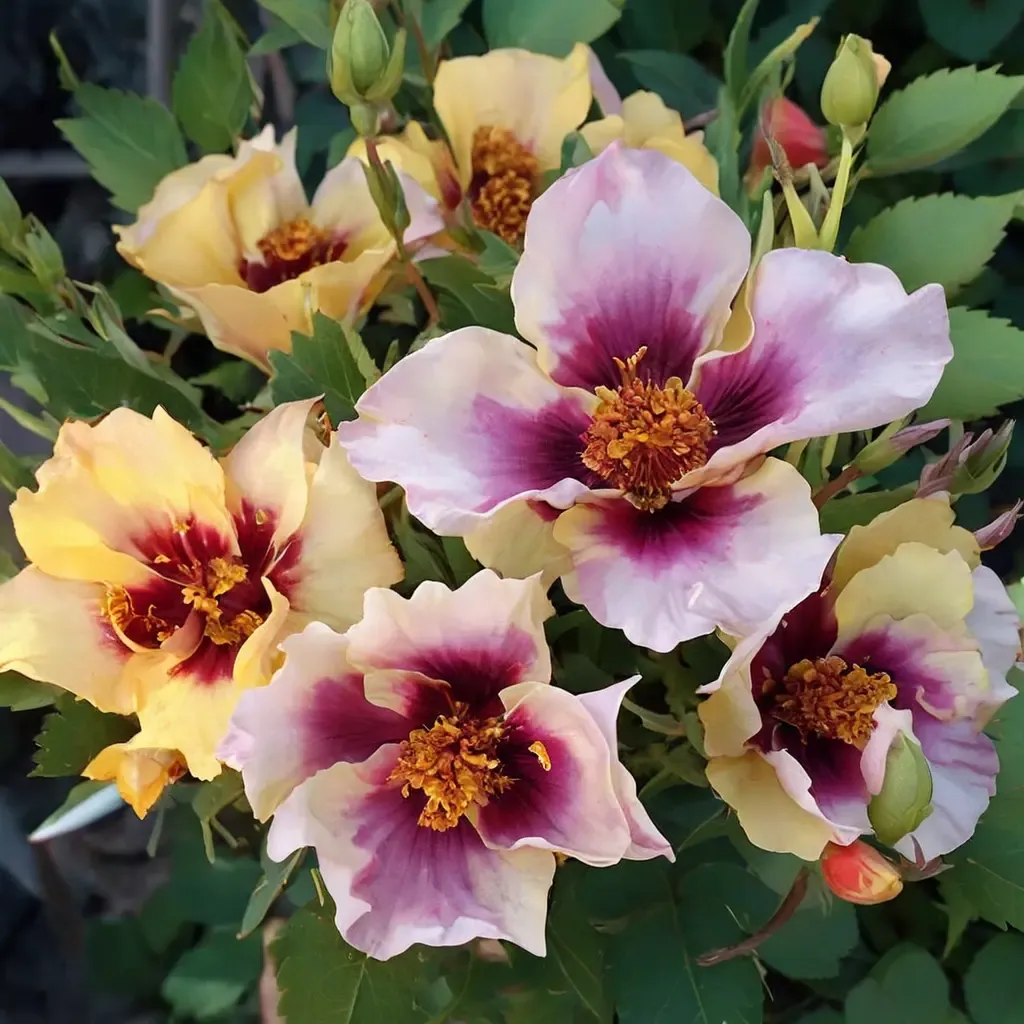
In Your Eyes Rose
Rosa x hybrida 'In Your Eyes'
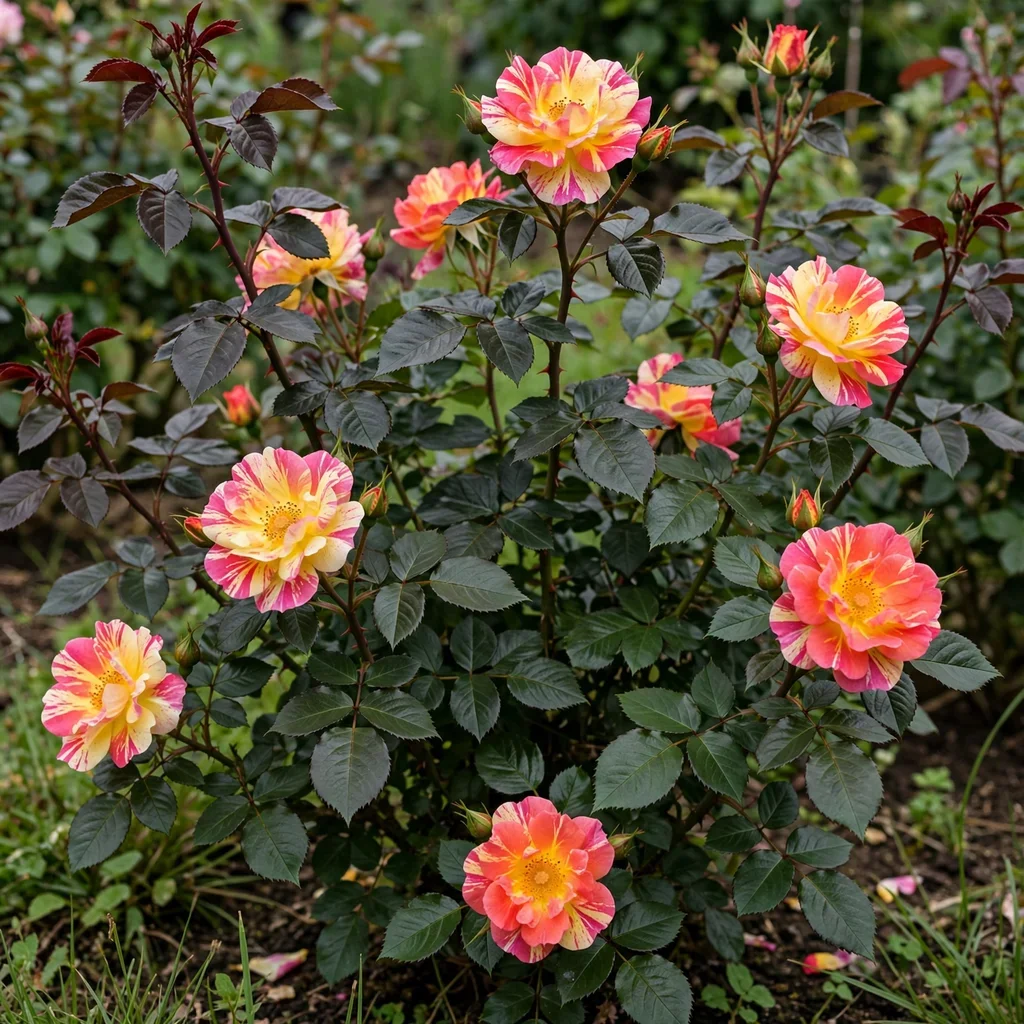
Rainbow Rose
Rosa x hybrida 'Rainbow'
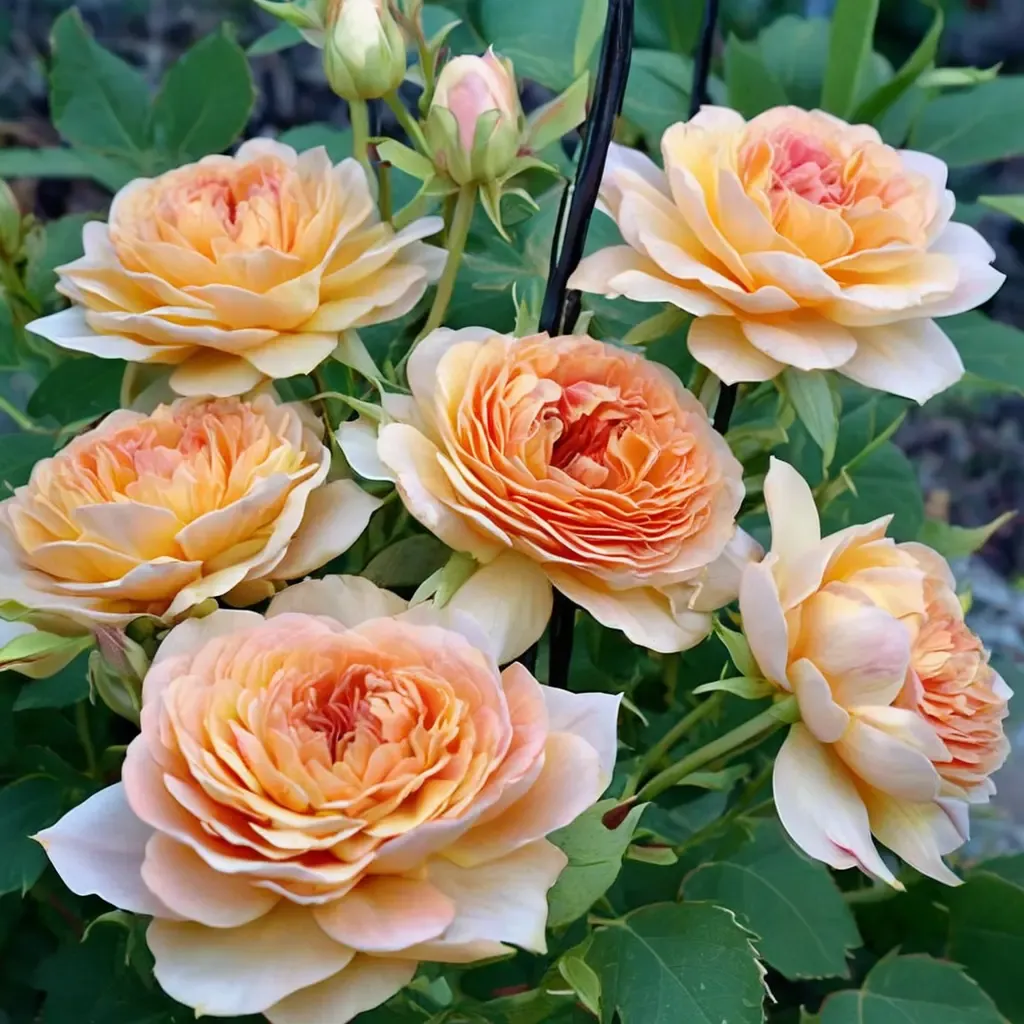
Fun in the Sun Rose
Rosa x hybrida 'Fun in the Sun'
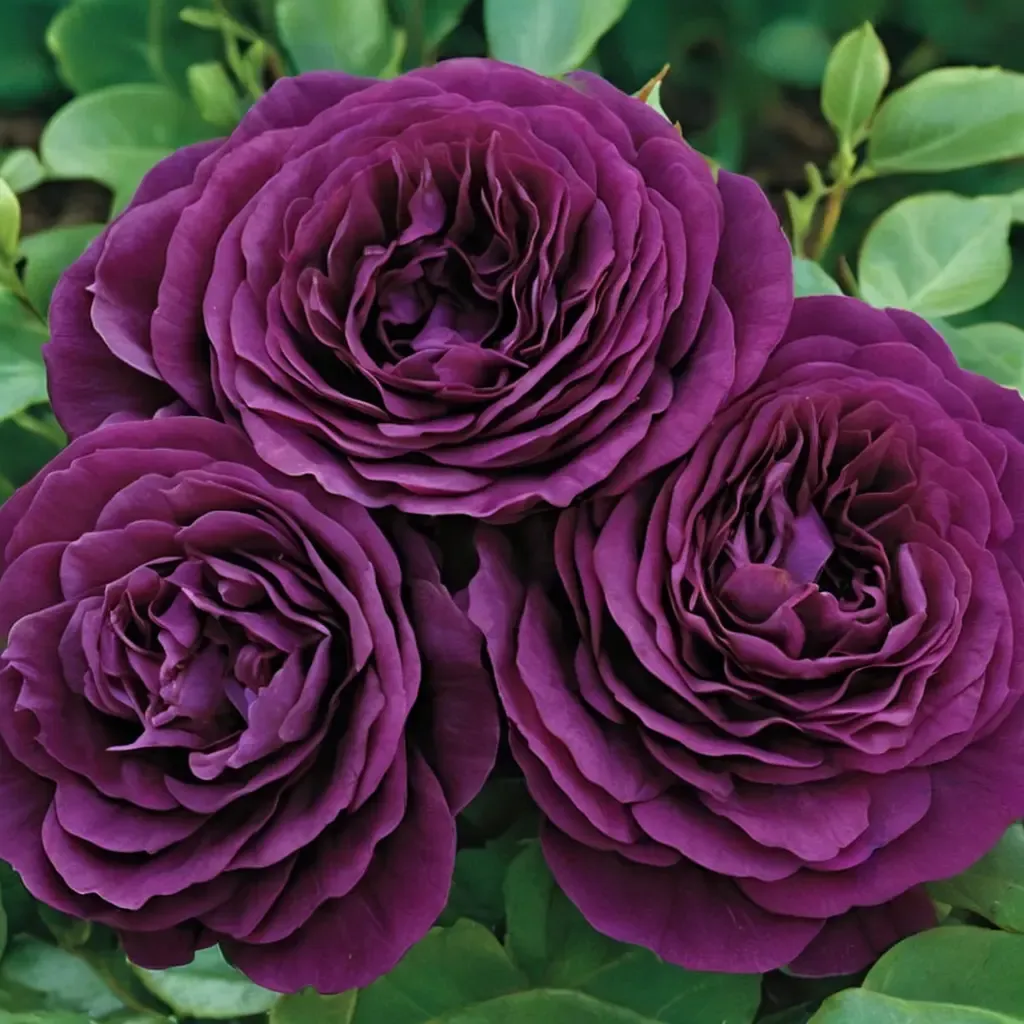
Twilight Zone Rose
Rosa x hybrida 'Twilight Zone'
Keep exploring
Explore the genus
Guides
Hardy in your zone?
Grow Prickly Rose with confidence
See it in a design of your actual yard, get zone-matched care reminders, and track it season by season in your garden journal.