The Story
Plant Bio
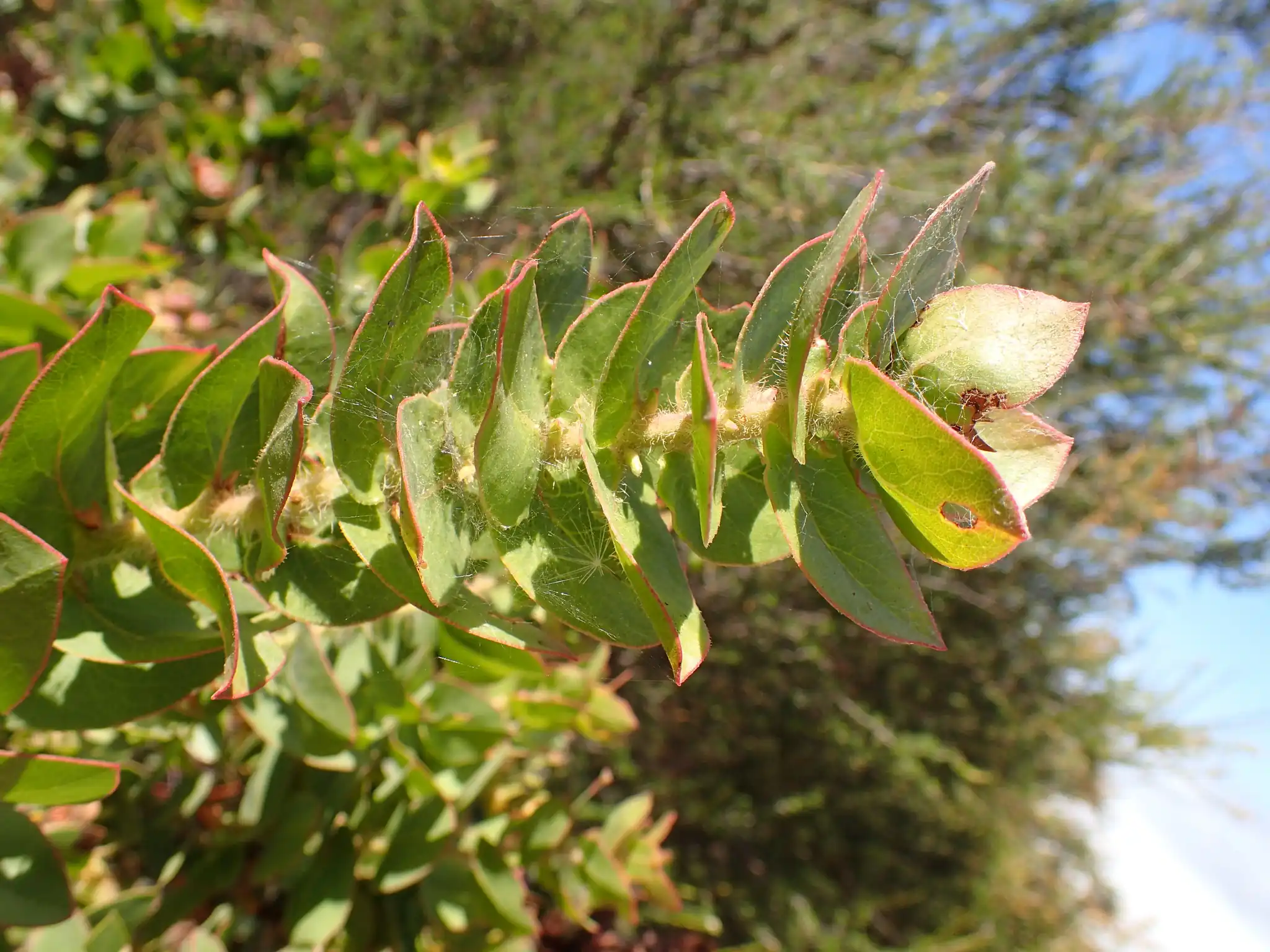
Arctostaphylos refugioensis is an evergreen, multi-branching shrub native to the Santa Ynez Mountains of California. It develops smooth, dark maroon bark on mature trunks while young shoots carry sticky, gland-tipped bristles.
The glaucous green leaves strongly overlap along the stems and feature red-tinged margins and bright maroon new growth. Small clusters of urn-shaped, pearly white to light pink flowers bloom from December through March.
Uses & Benefits:
Essentials
At a Glance
Plant Type
Shrub
Height
157"
Width
118"
Light
Full Sun, Partial Sun
Zones
7, 8, 9, 10
Water
Low
Humidity
Low
Lifespan
Perennial
Native To
California (Santa Barbara County)
Toxicity
Non-toxic
Bloom period
Winter – Early spring
In flower about 4 months of the year
Marketplace
Where to Buy
Shipping costs Year-round shipping Free shipping
Planting
How to Grow
- Select a site in full sun or partial shade with sharp soil drainage.
- Dig a planting hole twice as wide as the root ball and equal in depth, avoiding organic soil amendments.
- Set the plant so the root crown sits slightly above the surrounding soil level.
- Water thoroughly at planting and supply light moisture through the first dry season.
- Discontinue summer watering entirely after the second year to prevent root rot.
Pro Tip
Plant in early fall to allow root establishment before winter rains, and withhold all summer irrigation once established.
Keep It Thriving
Care Guide
Do
- Plant in sharply draining sandstone, decomposed granite, or coarse soils.
- Maintain complete dry conditions during hot summer months once established.
- Prune lightly after flowering to clean up dead or crossing branches.
Don't
- Do not prune hard into old, leafless wood as latent buds fail to sprout.
- Do not apply synthetic fertilizers or rich organic matter.
- Do not allow irrigation water to pool around the base of the shrub.
Seasonal Care Calendar
| Task | Jan | Feb | Mar | Apr | May | Jun | Jul | Aug | Sep | Oct | Nov | Dec |
|---|---|---|---|---|---|---|---|---|---|---|---|---|
| Pest Check | ||||||||||||
| Plant | ||||||||||||
| Prune | ||||||||||||
| Winter Prep |
Watch Out For
Pests & Diseases
Common Pests
Common Diseases
In the Garden
Landscape Uses & Companions
Landscape Uses
Companion Plants
Multiply
Propagation Methods
Good to Know
Common Questions
Refugio Manzanita questions
What zones can Refugio Manzanita grow in?
Refugio Manzanita is hardy in USDA Zones 7–10: in that range it survives winter in the ground. Colder than Zone 7, grow it in a container you can move to shelter for the winter.
Is Refugio Manzanita deer resistant?
Not reliably. Deer may browse Refugio Manzanita, especially tender spring growth — plan on repellents or fencing where pressure is high.
When does Refugio Manzanita bloom?
Refugio Manzanita typically blooms from early winter to early spring. Exact timing shifts a week or two with your zone — Sow's bloom calendar maps it to your garden.
Does Refugio Manzanita need full sun?
Refugio Manzanita does best in full sun to part shade. In hot climates, afternoon shade keeps blooms fresher longer.
Is Refugio Manzanita drought tolerant?
Yes — once established (usually after the first full season), Refugio Manzanita handles dry spells with minimal watering. Water deeply its first year to build the root system that makes that possible.
More Arctostaphylos to compare
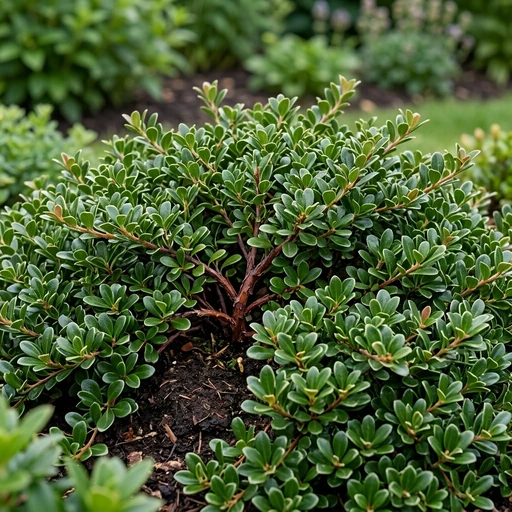
Massachusetts Common Bearberry
Arctostaphylos uva-ursi 'Massachusetts'
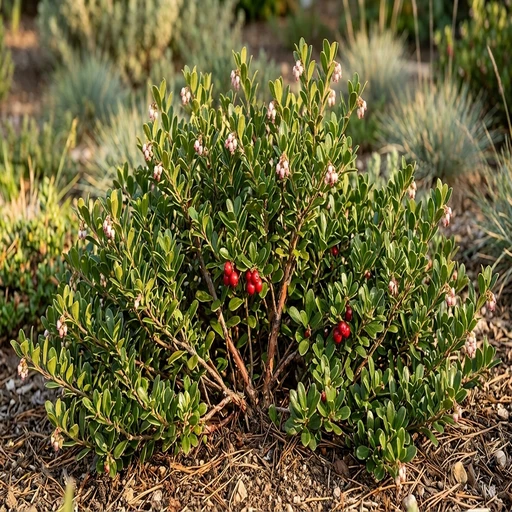
Bearberry
Arctostaphylos uva-ursi
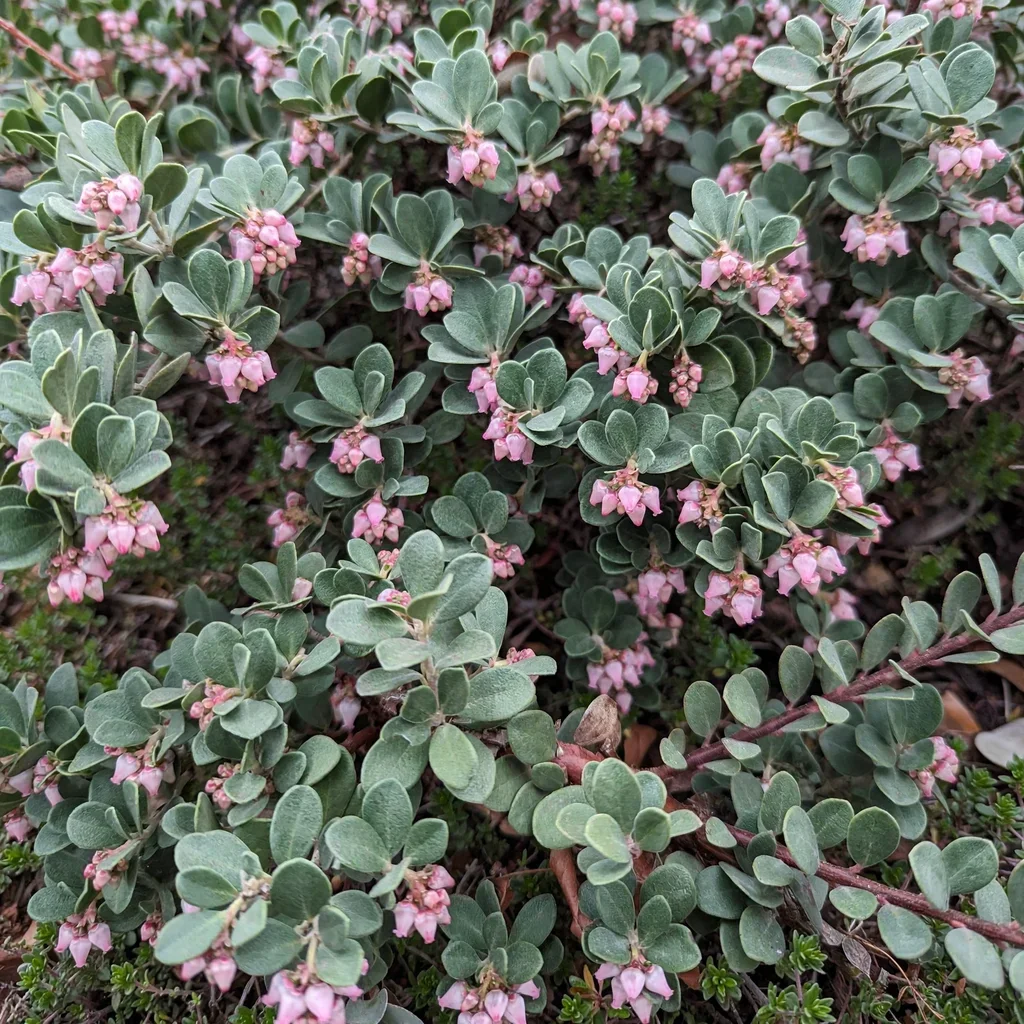
Ron Clendenen Manzanita
Arctostaphylos x media 'Ron Clendenen'
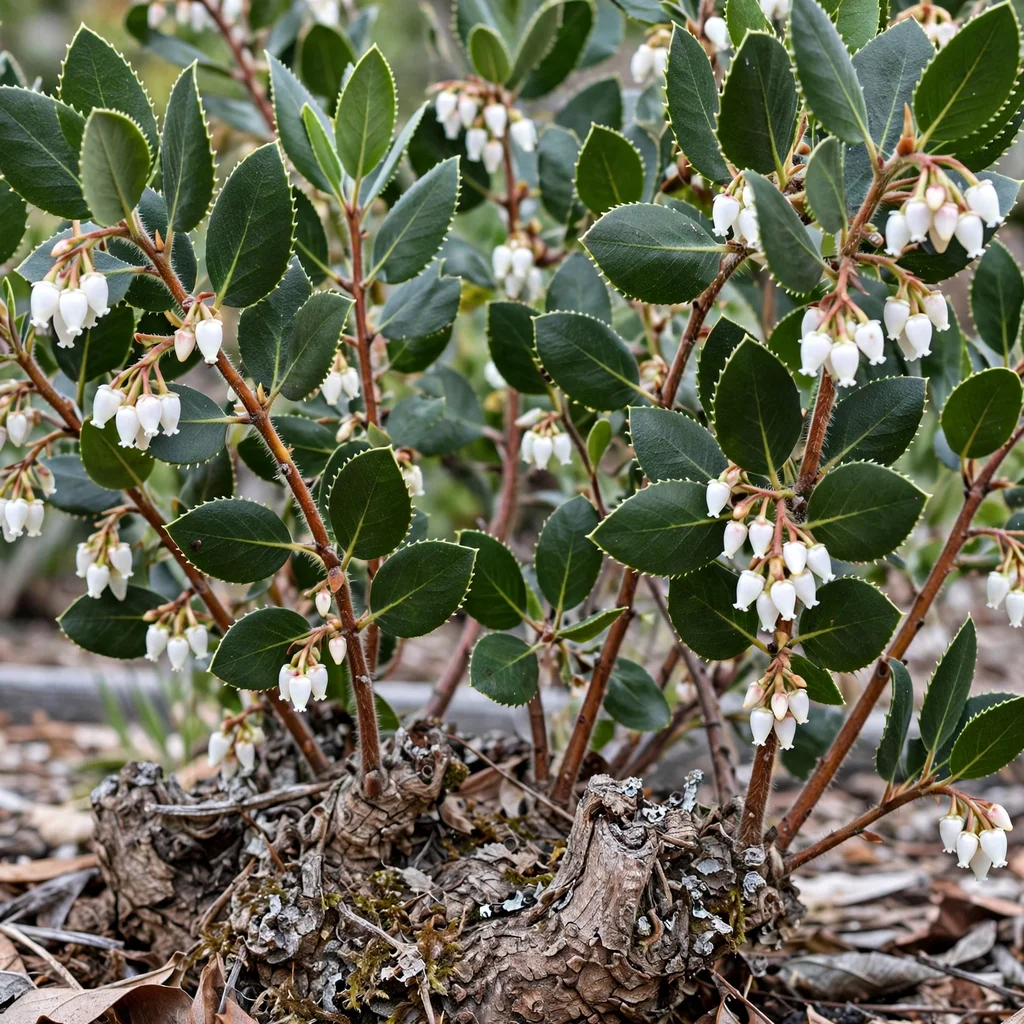
Brittleleaf Manzanita
Arctostaphylos crustacea
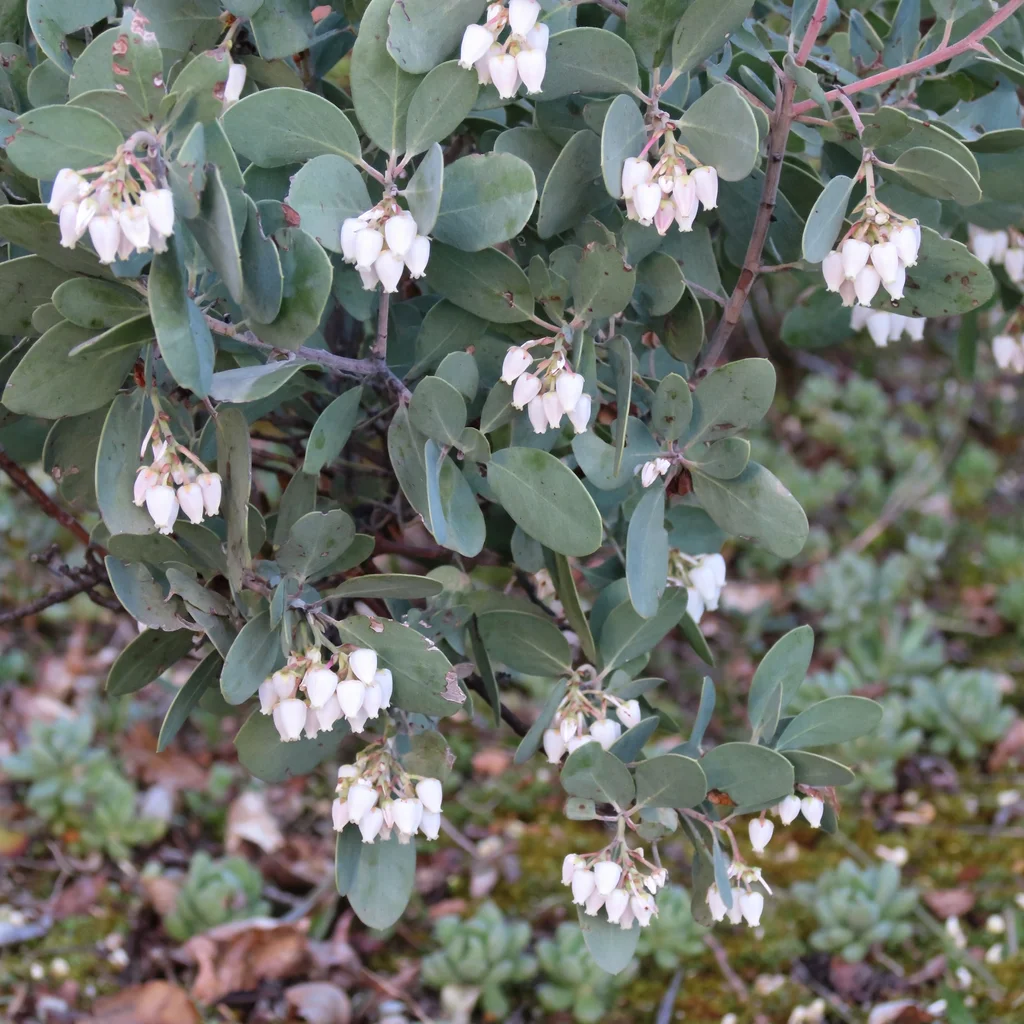
Common Manzanita
Arctostaphylos manzanita
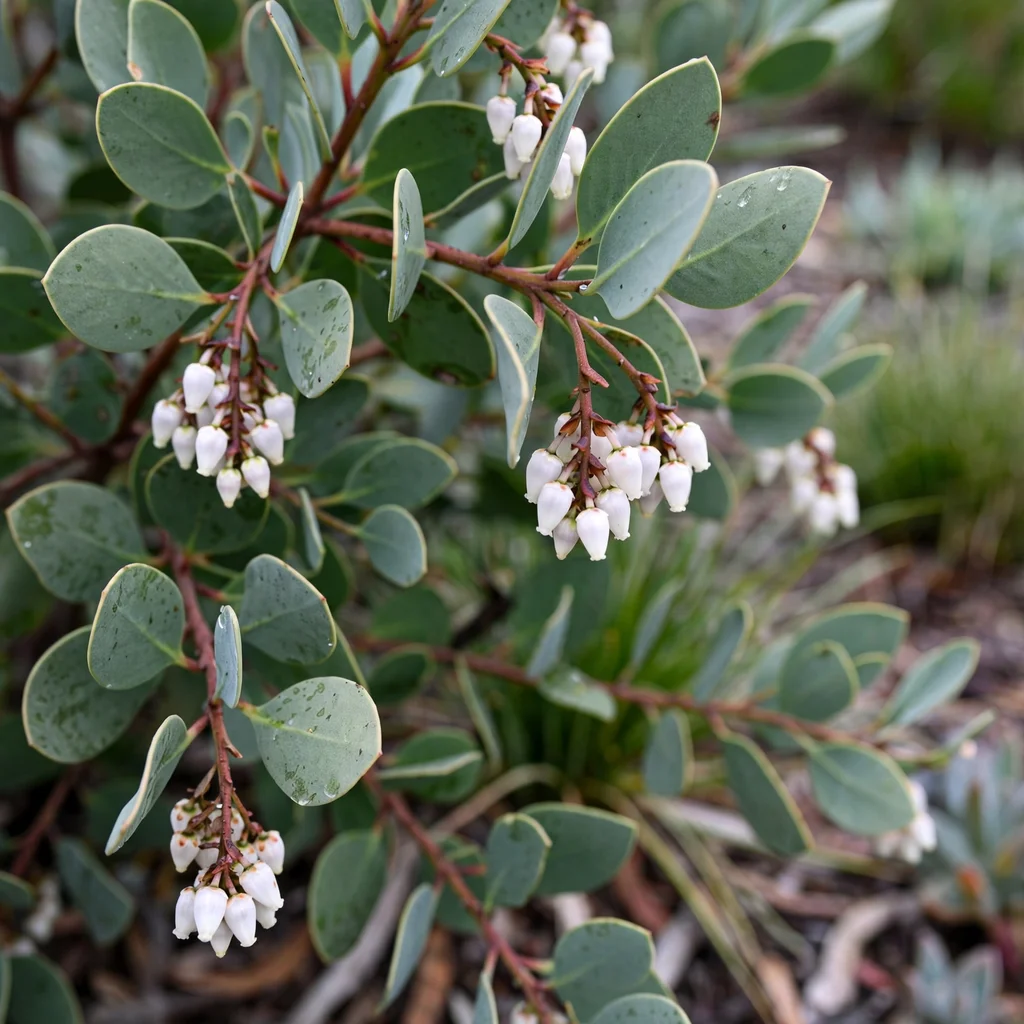
Rainbow Manzanita
Arctostaphylos rainbowensis
Keep exploring
Explore the genus
Hardy in your zone?
Grow Refugio Manzanita with confidence
See it in a design of your actual yard, get zone-matched care reminders, and track it season by season in your garden journal.