
The Story
Plant Bio
Carex globosa is an evergreen, loosely tufted sedge from coastal California woodlands, forming a bright-green tussock six to twelve inches high with narrow blades shorter than the stems. The flowers are wind-pollinated green to brown spikes with no showy perianth, ripening into rounded perigynia in spring to summer.
It holds as a low filler under oaks, redwoods and shrubs where it tolerates deep and filtered shade, acidic ground and serpentine soils if drainage is fast. Unlike many larger sedges it stays compact and spreads only slowly by short arching rhizomes, so it does not run or need yearly cutting back.
Uses & Benefits:
Essentials
At a Glance
Plant Type
Grass
Height
12"
Width
12"
Light
Partial Sun, Shade
Zones
7, 8, 9, 10
Water
Low
Humidity
Low to moderate
Lifespan
Perennial
Native To
California, USA
Toxicity
Unknown
Bloom period
Spring – Summer
In flower about 6 months of the year
Planting
How to Grow
- Set plants in filtered to deep shade under trees or shrubs in fast-draining soil.
- Dig the hole level with the pot crown and backfill with native soil mixed with leaf litter.
- Water deeply at planting, then keep evenly moist until rooted.
- Water sparingly in summer to keep foliage fresh, letting soil dry between waterings.
- Leave the tussock intact and remove only dead leaves by hand.
Pro Tip
Plant in shade with fast drainage and leave the tussock alone; cutting it hard to the base ruins its form.
Keep It Thriving
Care Guide
Do
- Plant in part to deep shade in fast-draining loam, sand or clay
- Water deeply at planting, then water sparingly in summer to keep foliage fresh
- Topdress with leaf litter to mimic a woodland floor
Don't
- Do not plant in full sun or in soggy, slow-draining soil
- Do not shear the tussock back each year
- Do not overwater once established or keep the crown constantly wet
Seasonal Care Calendar
| Task | Jan | Feb | Mar | Apr | May | Jun | Jul | Aug | Sep | Oct | Nov | Dec |
|---|---|---|---|---|---|---|---|---|---|---|---|---|
| Divide | ||||||||||||
| Mulch | ||||||||||||
| Pest Check | ||||||||||||
| Plant | ||||||||||||
| Spring Cleanup |
Watch Out For
Pests & Diseases
Common Pests
Common Diseases
In the Garden
Landscape Uses & Companions
Landscape Uses
Companion Plants
Multiply
Propagation Methods
Good to Know
Common Questions
Round Fruit Sedge questions
What zones can Round Fruit Sedge grow in?
Round Fruit Sedge is hardy in USDA Zones 7–10: in that range it survives winter in the ground. Colder than Zone 7, grow it in a container you can move to shelter for the winter, or as an annual.
Is Round Fruit Sedge deer resistant?
Yes — Round Fruit Sedge is rated deer-resistant. Deer typically pass it over, though extreme hunger can override any plant's defenses.
When does Round Fruit Sedge bloom?
Round Fruit Sedge typically blooms from spring to summer. Exact timing shifts a week or two with your zone — Sow's bloom calendar maps it to your garden.
Does Round Fruit Sedge need full sun?
Round Fruit Sedge does best in part shade.
Is Round Fruit Sedge drought tolerant?
Yes — once established (usually after the first full season), Round Fruit Sedge handles dry spells with minimal watering. Water deeply its first year to build the root system that makes that possible.
More Carex to compare
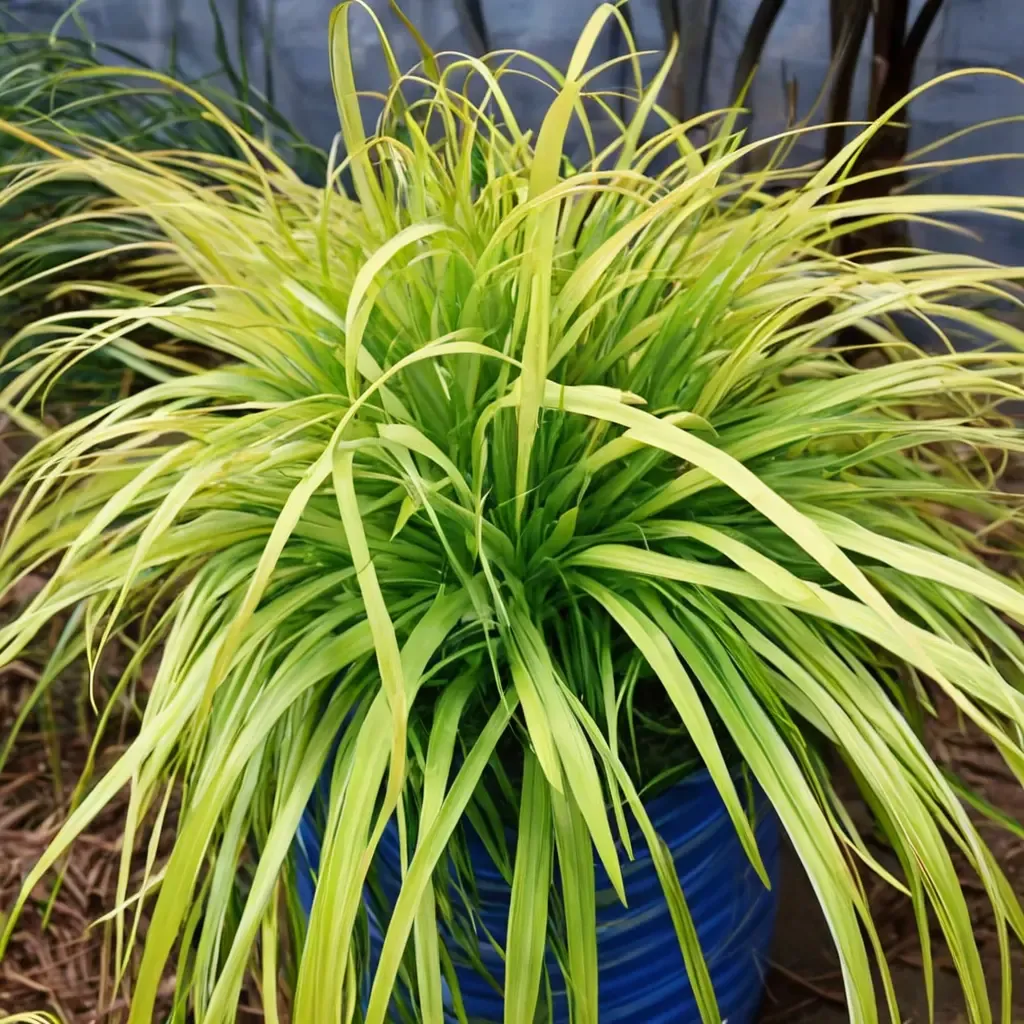
Everillo Sedge
Carex oshimensis 'Everillo'
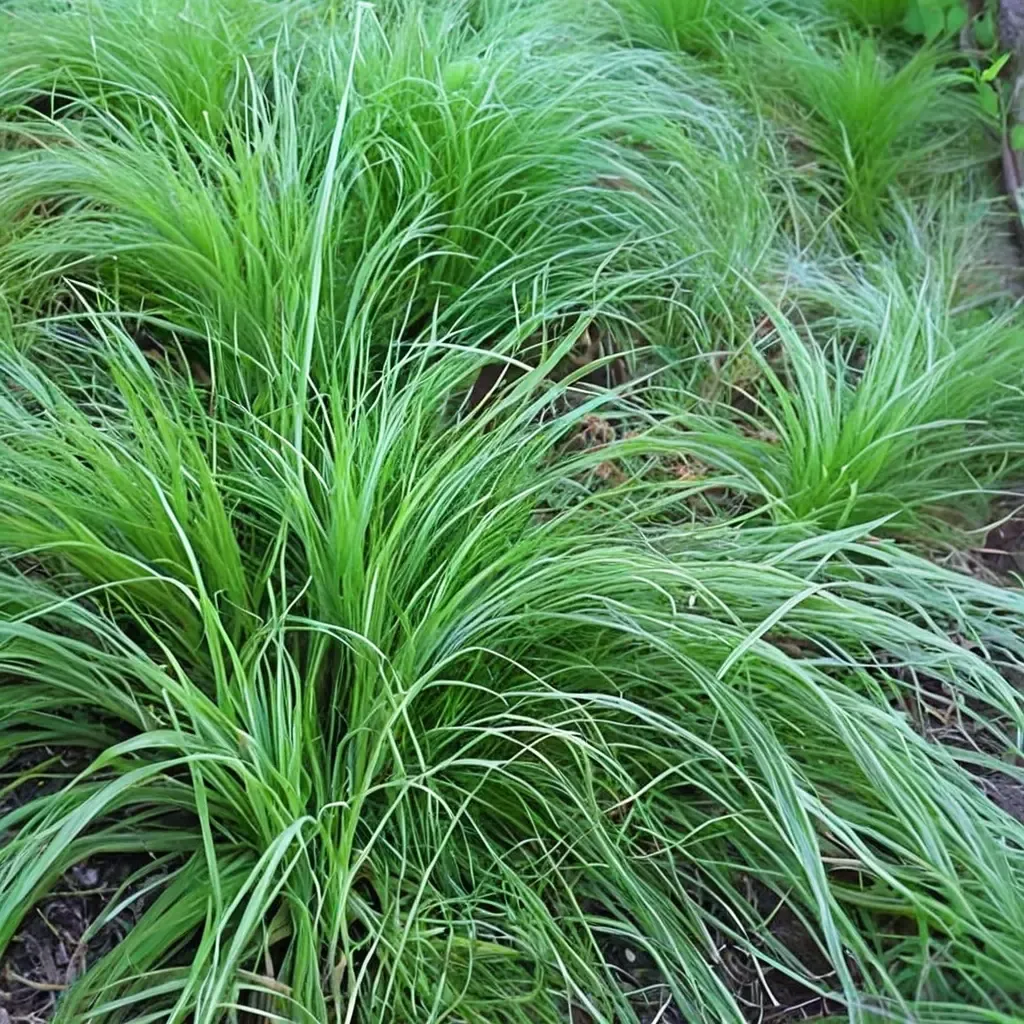
Pennsylvania Sedge
Carex pensylvanica
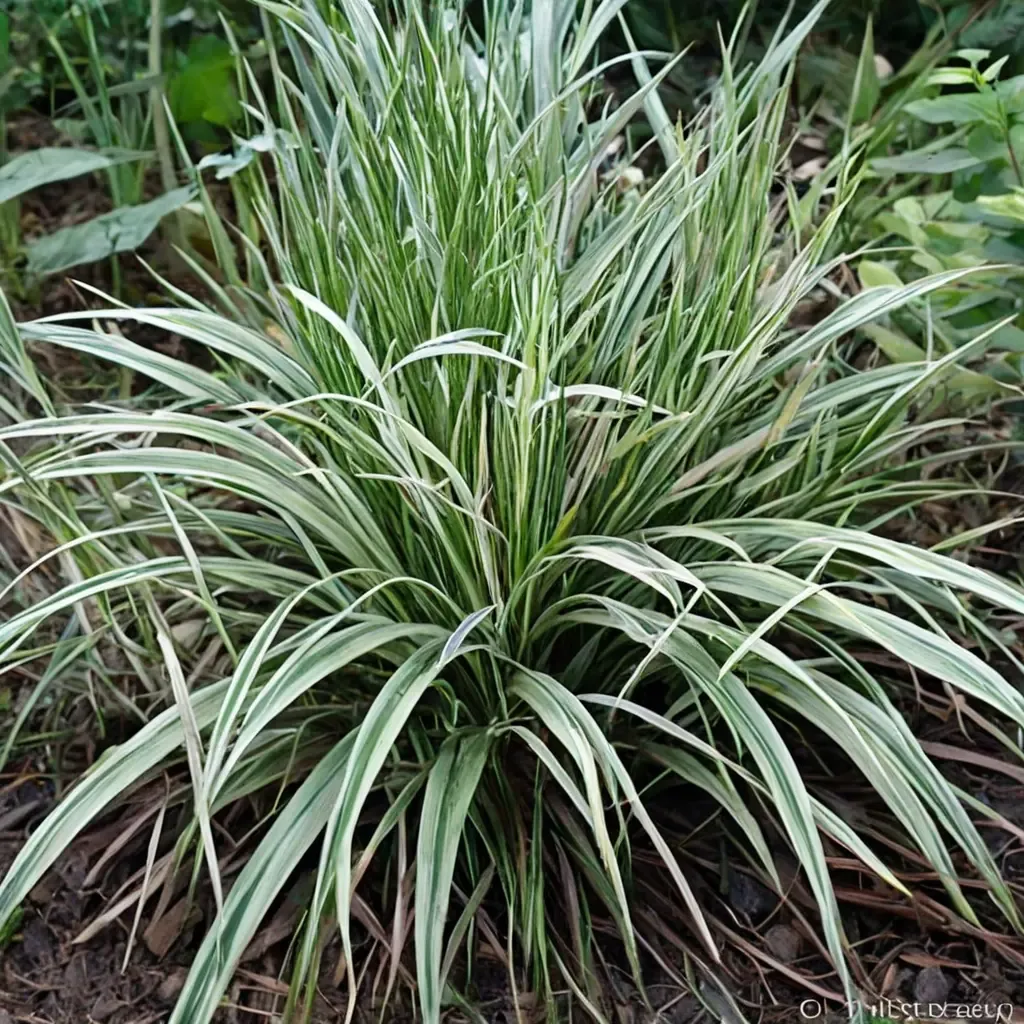
Japanese Sedge
Carex morrowii
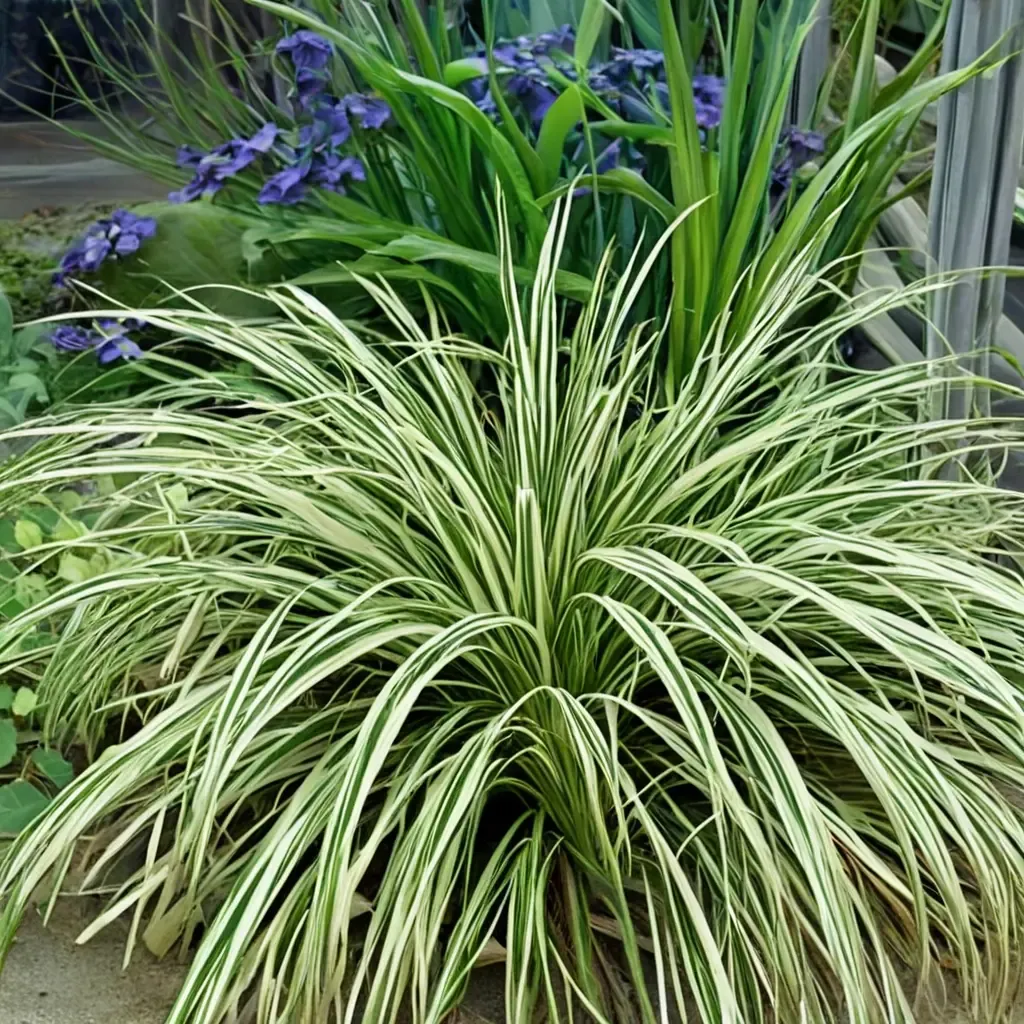
Evergold Japanese Sedge
Carex oshimensis 'Evergold'
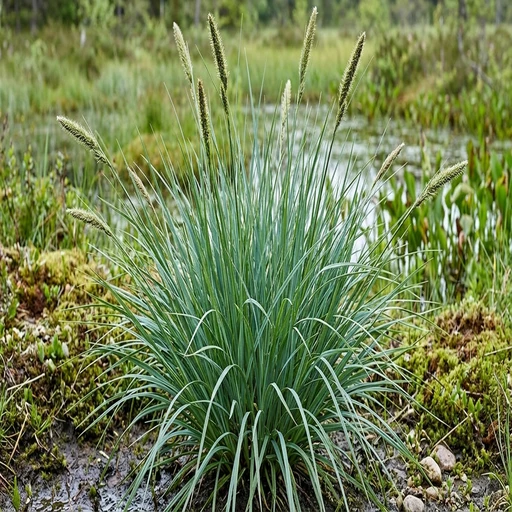
Comosa Sedge
Carex comosa
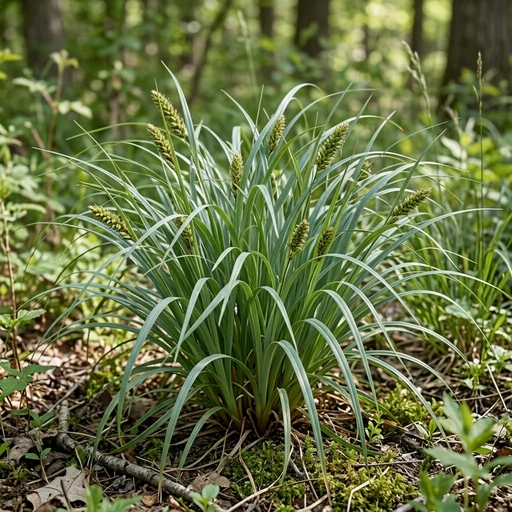
Shortbeak Sedge
Carex brevior
Keep exploring
Explore the genus
Hardy in your zone?
Grow Round Fruit Sedge with confidence
See it in a design of your actual yard, get zone-matched care reminders, and track it season by season in your garden journal.