The Story
Plant Bio
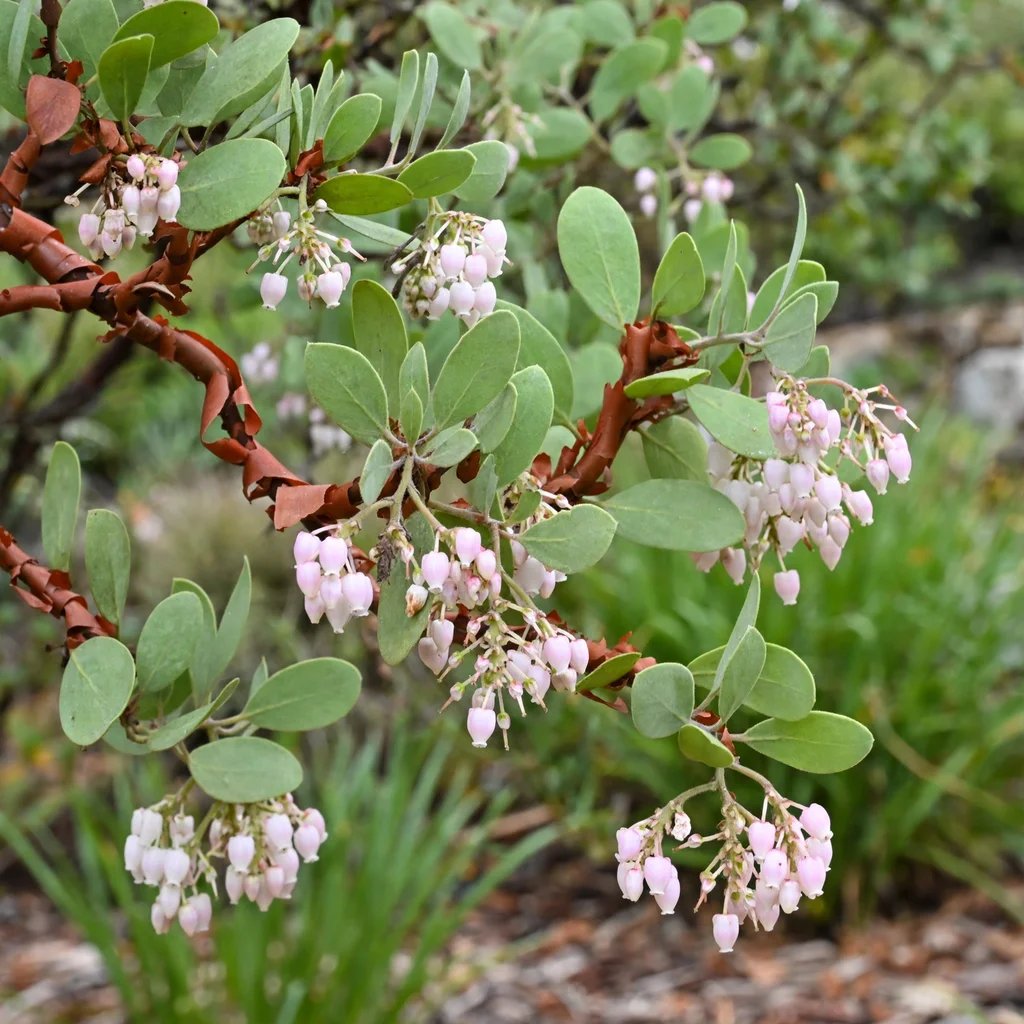
Arctostaphylos parryana is an evergreen shrub from California chaparral, pinyon-juniper woodland and yellow pine forest, reaching three to seven feet tall and nine feet wide with a mounding to erect habit. It carries clean light-green evergreen leaves on sculptural branches clad in red peeling bark, and bears urn-shaped pink and white flowers in racemes through winter and spring.
Unlike the commonly confused Arctostaphylos manzanita, true parryana is the Transverse Ranges endemic from Santa Barbara to San Gabriel, Riverside and San Diego, offered in three subspecies parryana, desertica and tumescens. The selection 'Snow Lodge' forms a lower billowing groundcover to four feet tall by six feet wide and has survived about minus thirty degrees Fahrenheit once established, where the species otherwise wants full sun, sharp drainage and dry summers.
Uses & Benefits:
Essentials
At a Glance
Plant Type
Shrub
Height
84"
Width
108"
Light
Full Sun
Zones
8, 9, 10
Water
Low once established
Humidity
Low, needs dry summers
Lifespan
Long-lived evergreen shrub
Native To
California, Northwest Mexico
Toxicity
Unknown
Bloom period
Winter – Spring
In flower about 6 months of the year
Planting
How to Grow
- Plant in fall in full sun in sharply drained soil rich in organic matter, setting the crown slightly high.
- Water to establish through the first fall and winter, then taper to minimal deep water with dry summers.
- Mulch with gravel or pine litter, keeping mulch clear of the trunk.
- Prune rarely and lightly after spring bloom; do not cut into old leafless wood.
Pro Tip
Plant high in sharply drained soil and withhold summer water once established; wet feet in summer invites Phytophthora root rot.
Keep It Thriving
Care Guide
Do
- Plant in sharply drained soil with dry summer conditions
- Give full sun and open air flow around the canopy
- Water deeply but infrequently to establish, then reduce summer water
Don't
- Do not overwater in summer or plant in heavy wet soil
- Do not prune hard into old bare wood
- Do not fertilize heavily or over-maintain
Seasonal Care Calendar
| Task | Jan | Feb | Mar | Apr | May | Jun | Jul | Aug | Sep | Oct | Nov | Dec |
|---|---|---|---|---|---|---|---|---|---|---|---|---|
| Mulch | ||||||||||||
| Pest Check | ||||||||||||
| Plant | ||||||||||||
| Prune |
Watch Out For
Pests & Diseases
Common Pests
Common Diseases
In the Garden
Landscape Uses & Companions
Landscape Uses
Multiply
Propagation Methods
Good to Know
Common Questions
Parry Manzanita questions
What zones can Parry Manzanita grow in?
Parry Manzanita is hardy in USDA Zones 8–10: in that range it survives winter in the ground. Colder than Zone 8, grow it in a container you can move to shelter for the winter.
When does Parry Manzanita bloom?
Parry Manzanita typically blooms from winter to spring. Exact timing shifts a week or two with your zone — Sow's bloom calendar maps it to your garden.
Does Parry Manzanita need full sun?
Parry Manzanita does best in full sun (6+ hours).
Is Parry Manzanita drought tolerant?
Yes — once established (usually after the first full season), Parry Manzanita handles dry spells with minimal watering. Water deeply its first year to build the root system that makes that possible.
More Arctostaphylos to compare
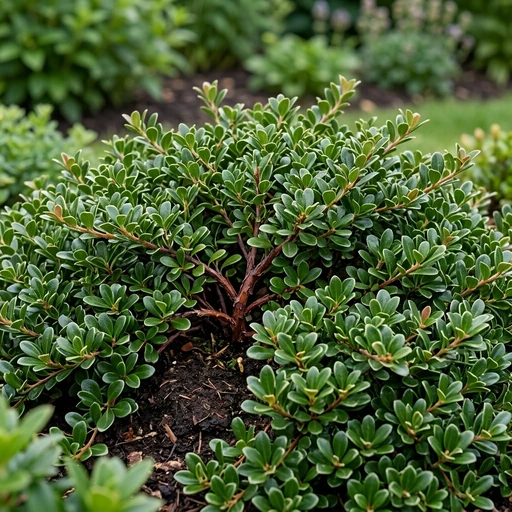
Massachusetts Common Bearberry
Arctostaphylos uva-ursi 'Massachusetts'
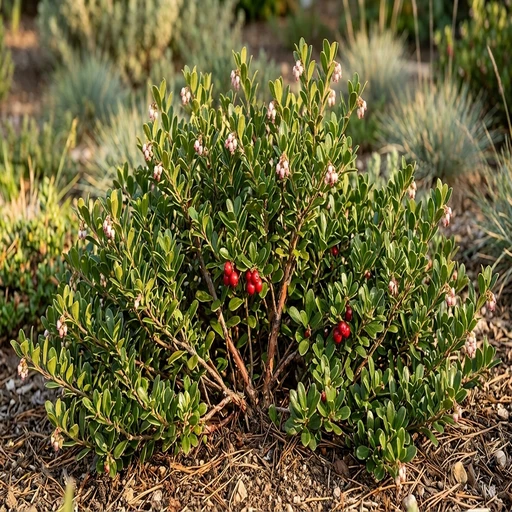
Bearberry
Arctostaphylos uva-ursi
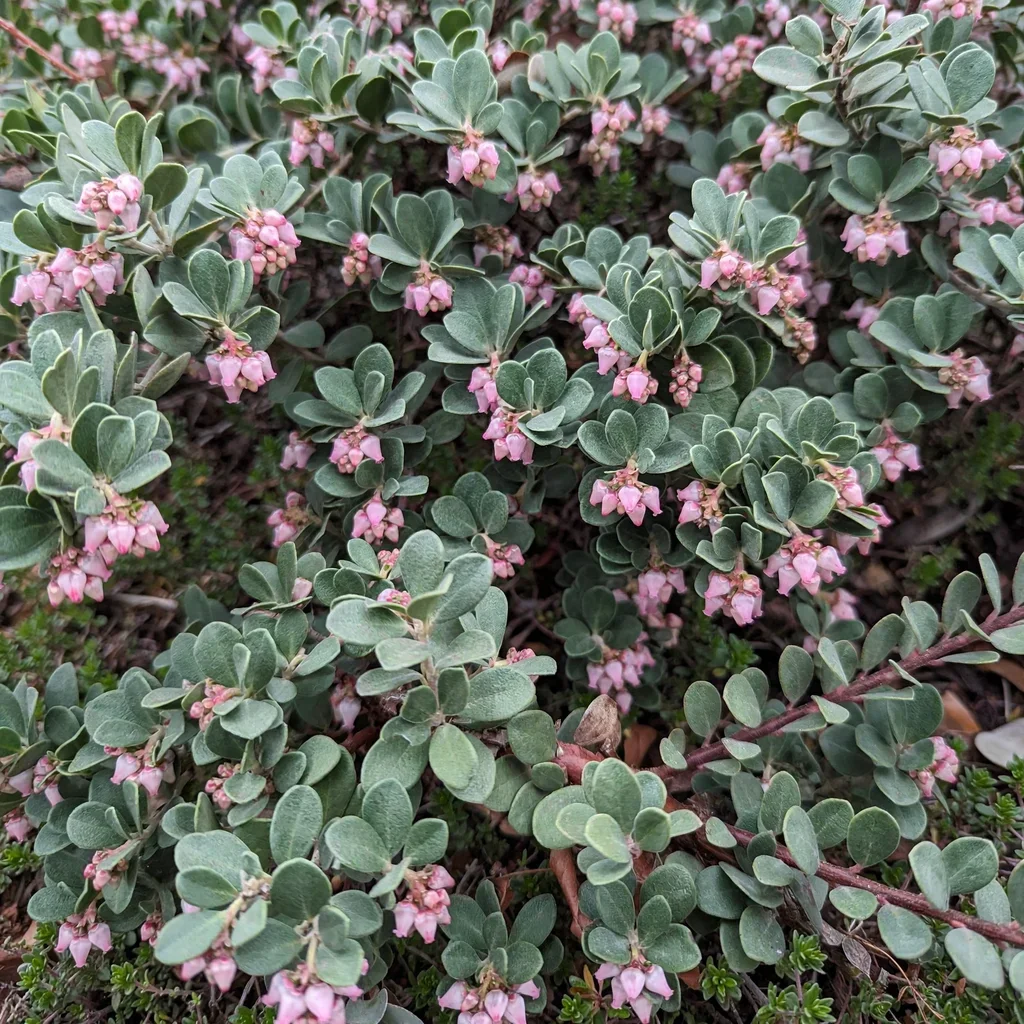
Ron Clendenen Manzanita
Arctostaphylos x media 'Ron Clendenen'
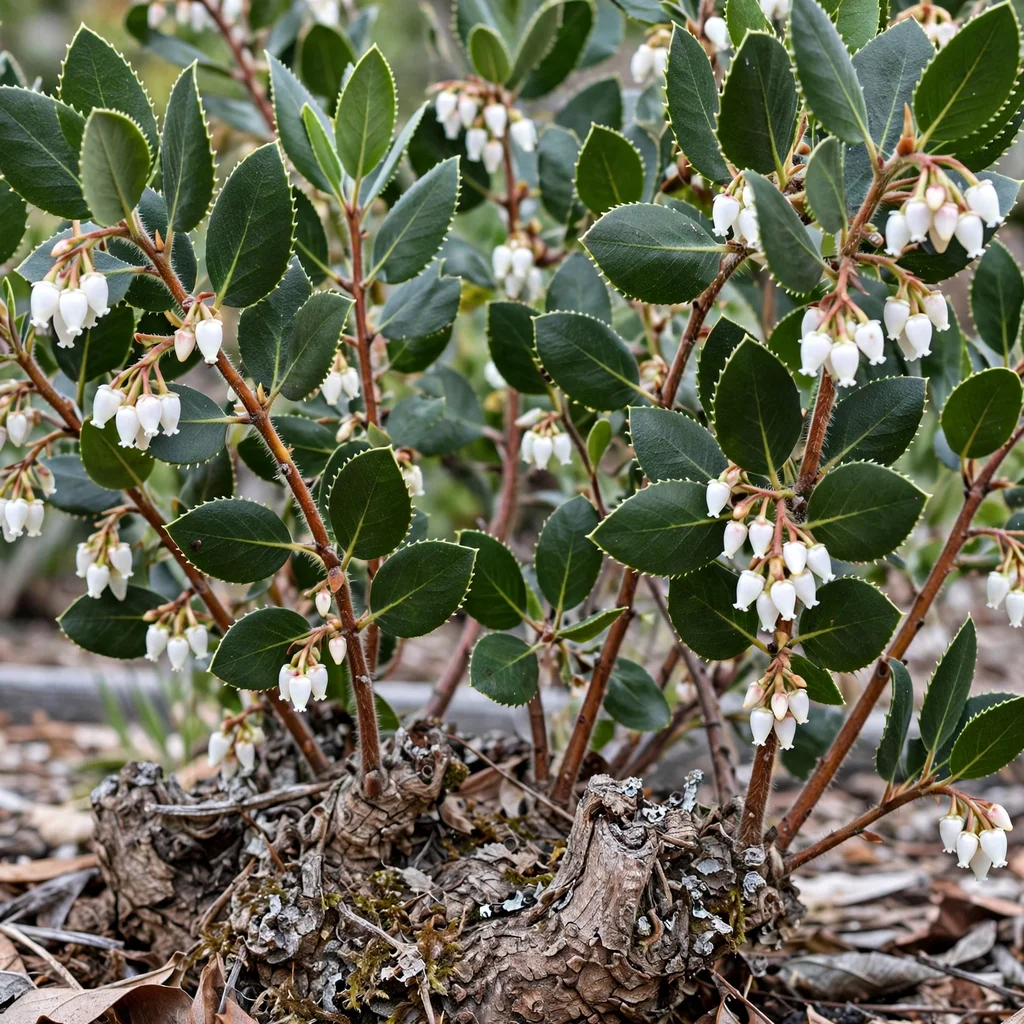
Brittleleaf Manzanita
Arctostaphylos crustacea
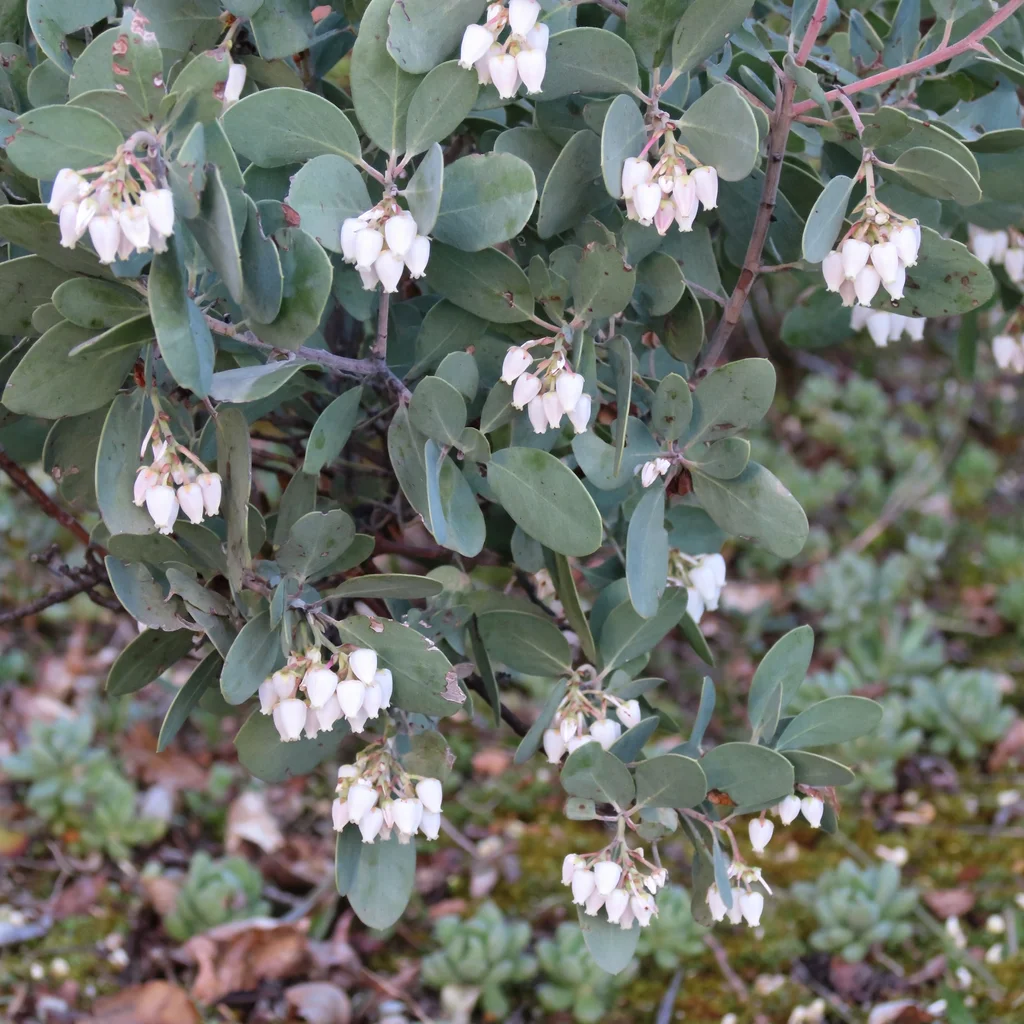
Common Manzanita
Arctostaphylos manzanita
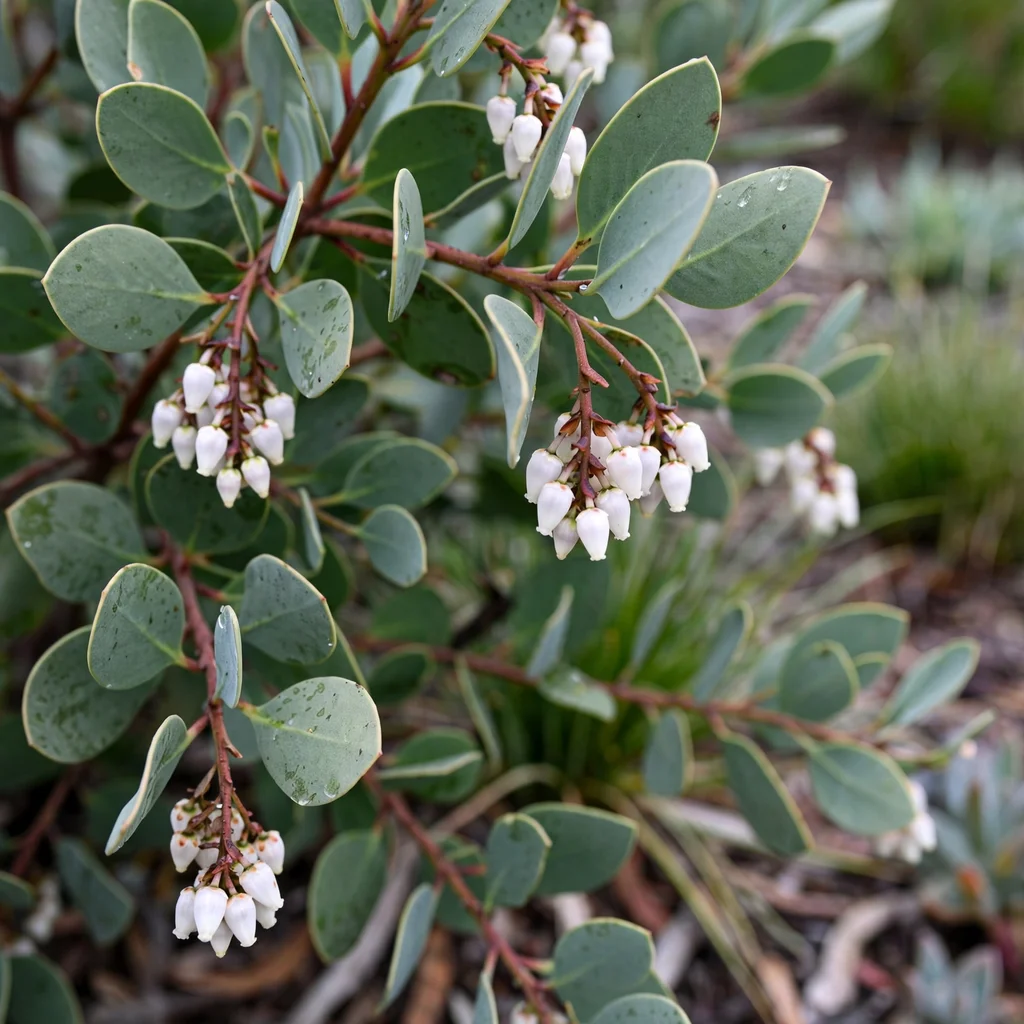
Rainbow Manzanita
Arctostaphylos rainbowensis
Keep exploring
Explore the genus
Hardy in your zone?
Grow Parry Manzanita with confidence
See it in a design of your actual yard, get zone-matched care reminders, and track it season by season in your garden journal.