The Story
Plant Bio
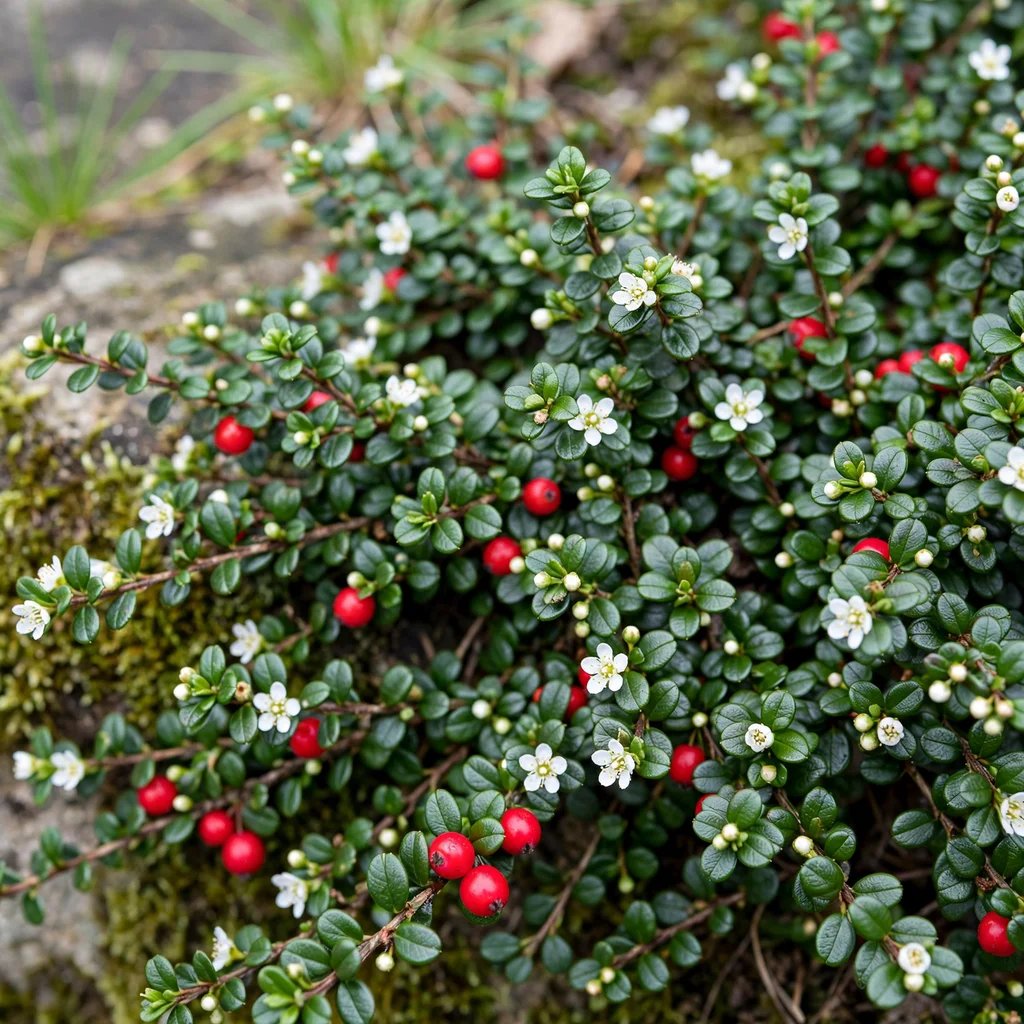
Cotoneaster procumbens is a prostrate evergreen shrub from alpine slopes in central and western China and the Himalayas, forming a dense mat 4 to 12 inches high and spreading 3 feet or more by stems that root as they run. The foliage is small, dense and green with a fine texture, and masses of small white starry flowers in spring to early summer are followed by red berries in late summer to fall.
It stays almost flat where other cotoneasters mound, building a tight carpet that holds banks, covers slopes and spills over walls without trapping leaves. The combination of very low height, small-leaf cover and heavy berry set lets it work as living mulch and erosion cover rather than as a shrub.
Uses & Benefits:
Essentials
At a Glance
Plant Type
Groundcover
Height
8"
Width
60"
Light
Full Sun, Partial Sun
Zones
4, 5, 6, 7, 8, 9
Water
Low to moderate
Humidity
Low to moderate
Lifespan
Woody perennial
Native To
Central and western China, Himalayas
Toxicity
Unknown - no specific data for this species
Bloom period
Spring – Early summer
In flower about 4 months of the year
Planting
How to Grow
- Plant in spring or early fall in full sun to partial shade in well-drained soil, spacing plants 2 to 3 feet apart to let the mats knit.
- Water deeply at planting, then water through the first season; once rooted it tolerates dry spells.
- Spread a thin mulch between young plants to suppress weeds, keeping mulch off the crowns.
- Tip back stray or overly long shoots after flowering to keep the edge even; avoid shearing the whole mat.
- Leave berries on through fall for birds and winter cover.
Pro Tip
Set it where it can root and knit undisturbed and tip back only stray shoots; cutting hard into old bare wood leaves gaps that close slowly.
Keep It Thriving
Care Guide
Do
- Give it sun and drainage with room to spread over a bank or wall.
- Let stems layer and root to form a continuous mat.
- Monitor for fire blight strikes and prune out affected shoots promptly.
Don't
- Do not plant in wet or poorly drained soil.
- Do not shear the mat hard or cut back into old leafless wood.
- Do not overhead water during warm humid weather.
Seasonal Care Calendar
| Task | Jan | Feb | Mar | Apr | May | Jun | Jul | Aug | Sep | Oct | Nov | Dec |
|---|---|---|---|---|---|---|---|---|---|---|---|---|
| Mulch | ||||||||||||
| Pest Check | ||||||||||||
| Plant | ||||||||||||
| Prune |
Watch Out For
Pests & Diseases
Common Pests
Common Diseases
In the Garden
Landscape Uses & Companions
Landscape Uses
Companion Plants
Multiply
Propagation Methods
Good to Know
Common Questions
Creeping Cotoneaster questions
What zones can Creeping Cotoneaster grow in?
Creeping Cotoneaster is hardy in USDA Zones 4–9: in that range it survives winter in the ground. Warmer than Zone 9, winter isn't the problem: it prefers colder winters, and summer heat can shorten its life.
When does Creeping Cotoneaster bloom?
Creeping Cotoneaster typically blooms from early spring to early summer. Exact timing shifts a week or two with your zone — Sow's bloom calendar maps it to your garden.
Does Creeping Cotoneaster need full sun?
Creeping Cotoneaster does best in full sun to part shade. In hot climates, afternoon shade keeps blooms fresher longer.
Is Creeping Cotoneaster drought tolerant?
Yes — once established (usually after the first full season), Creeping Cotoneaster handles dry spells with minimal watering. Water deeply its first year to build the root system that makes that possible.
More Cotoneaster to compare
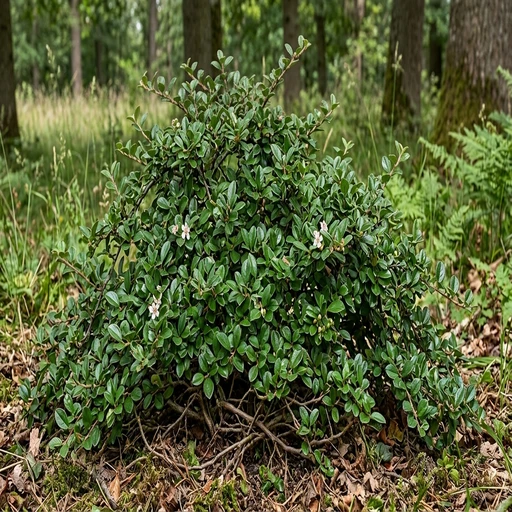
Streibs Findling Cotoneaster
Cotoneaster dammeri 'Streibs Findling'
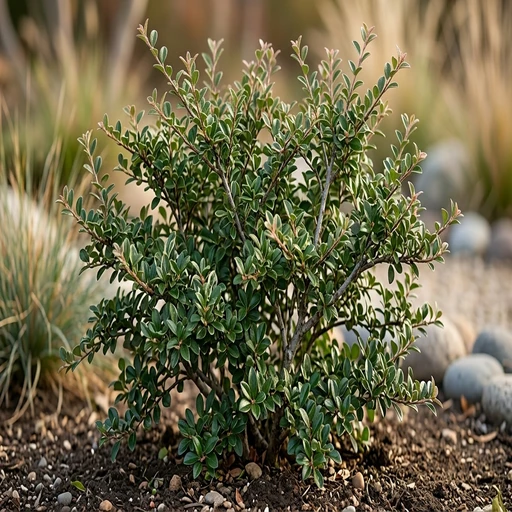
Autumn Inferno Cotoneaster
Cotoneaster salicifolius 'Autumn Inferno'
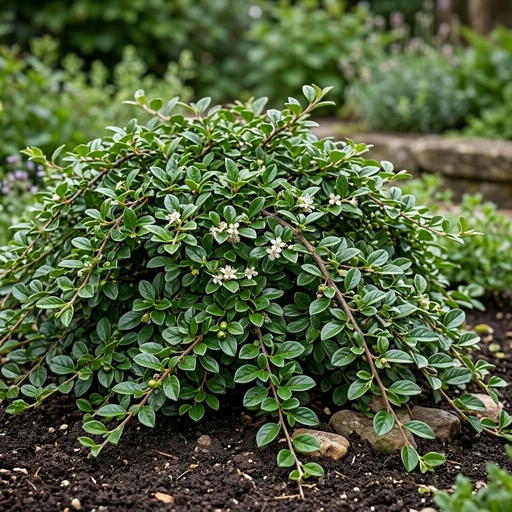
Lowfast Bearberry Cotoneaster
Cotoneaster dammeri 'Lowfast'
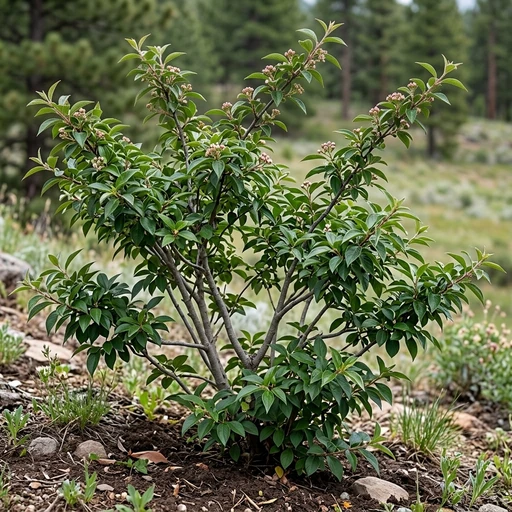
Peking Cotoneaster
Cotoneaster acutifolius
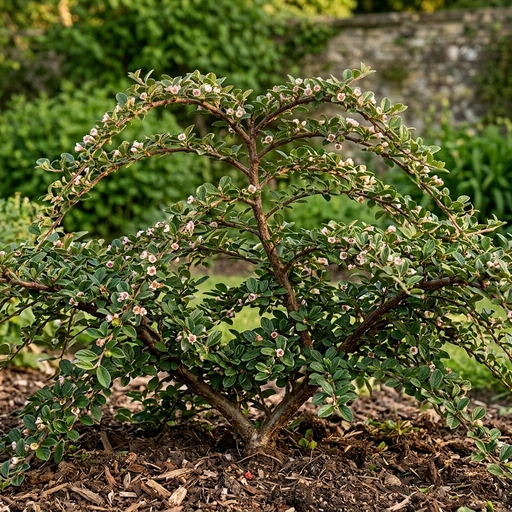
Hessei Rockspray Cotoneaster
Cotoneaster horizontalis 'Hessei'
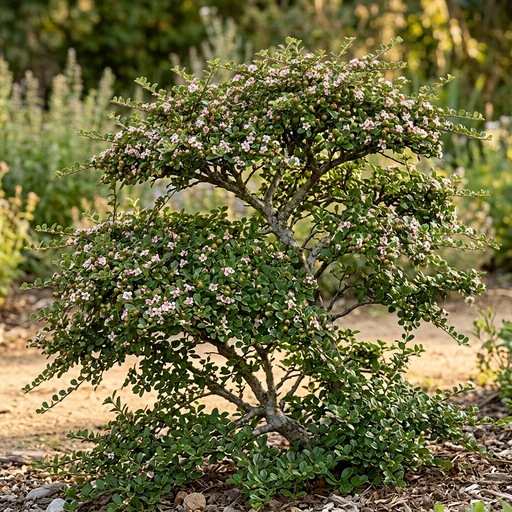
Rockspray Cotoneaster
Cotoneaster horizontalis
Keep exploring
Explore the genus
Grow Creeping Cotoneaster with confidence
See it in a design of your actual yard, get zone-matched care reminders, and track it season by season in your garden journal.