The Story
Plant Bio
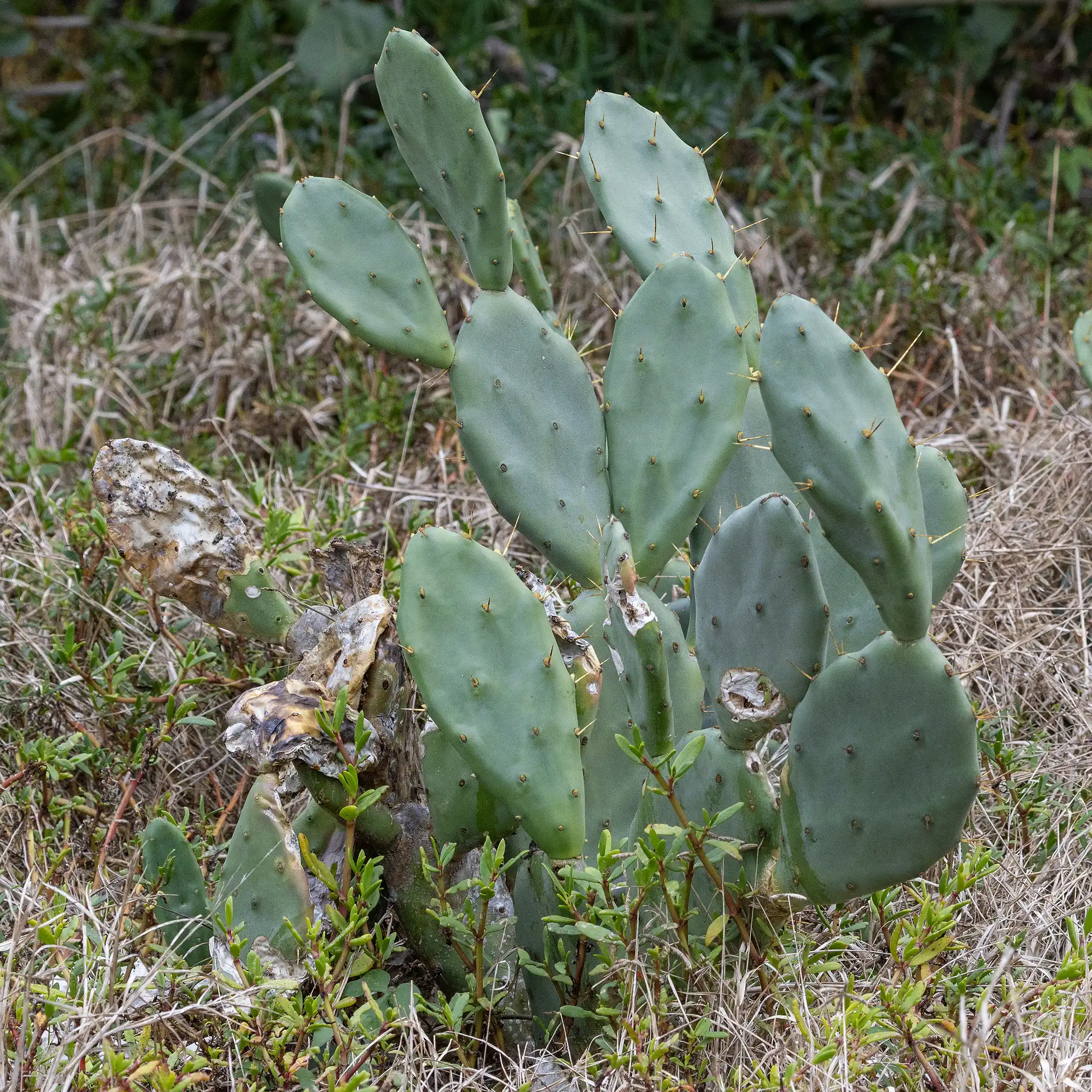
Opuntia stricta is a trunkless, clump-forming prickly pear that builds a sprawling to erect shrub 3 to 6 feet tall from flattened elliptic to obovate pads 4 to 12 inches long. Each pad is green to dull blue-green with a scalloped surface, shedding its 3 to 4 mm cylindrical leaves early and keeping woolly brown areoles armed with short barbed glochids and 0 to 11 yellow to brown spines to 2 inches long.
Unlike low mat-forming prickly pears, it holds pads upright in dense clumps on coastal dunes, hammock edges and shell middens at near sea level where sand and salt spray limit other cacti. Flowers are solitary along the upper pad margins with clear light yellow tepals about 1 inch long, opening from spring to summer and sometimes marked pink-red on the outer petals.
Uses & Benefits:
Essentials
At a Glance
Plant Type
Cactus Succulent
Height
79"
Width
79"
Light
Full Sun
Zones
8, 9, 10
Water
Low
Humidity
Unknown
Lifespan
Long-lived perennial
Native To
Southeastern USA to Mexico and West Indies
Toxicity
Spines and glochids irritate skin; fruit edible if de-bristled
Bloom period
Spring – Summer
In flower about 6 months of the year
Planting
How to Grow
- Site in full sun on deep, fast-draining sand, a dune top or rock pocket with no standing water.
- Set the pad base just at soil level and firm sand around it; stake sprawling clumps if needed.
- Water once to settle, then withhold water except in extended drought.
- Keep organic mulch and irrigation off pads and maintain gravel or coarse sand at the crown.
Pro Tip
Plant in deep sand in full sun and keep it dry once established; cold wet soil collapses pads faster than frost alone.
Keep It Thriving
Care Guide
Do
- Wear heavy gloves and eye protection when handling pads and fruit
- Give full sun and sharp drainage on sand or rock
- Remove collapsed pads promptly to keep air moving
Don't
- Do not overwater or plant in clay that stays wet
- Do not plant where foot traffic brushes spines and glochids
- Do not compost infested pads where moth larvae can spread
Seasonal Care Calendar
| Task | Jan | Feb | Mar | Apr | May | Jun | Jul | Aug | Sep | Oct | Nov | Dec |
|---|---|---|---|---|---|---|---|---|---|---|---|---|
| Mulch | ||||||||||||
| Pest Check | ||||||||||||
| Plant | ||||||||||||
| Spring Cleanup | ||||||||||||
| Winter Prep |
Watch Out For
Pests & Diseases
Common Pests
Common Diseases
In the Garden
Landscape Uses & Companions
Landscape Uses
Good to Know
Common Questions
Erect Prickly Pear questions
What zones can Erect Prickly Pear grow in?
Erect Prickly Pear is hardy in USDA Zones 8–10: in that range it survives winter in the ground. Colder than Zone 8, grow it in a container you can move to shelter for the winter, or as an annual.
When does Erect Prickly Pear bloom?
Erect Prickly Pear typically blooms from spring to summer. Exact timing shifts a week or two with your zone — Sow's bloom calendar maps it to your garden.
Does Erect Prickly Pear need full sun?
Erect Prickly Pear does best in full sun (6+ hours).
Is Erect Prickly Pear drought tolerant?
Yes — once established (usually after the first full season), Erect Prickly Pear handles dry spells with minimal watering. Water deeply its first year to build the root system that makes that possible.
More Opuntia to compare
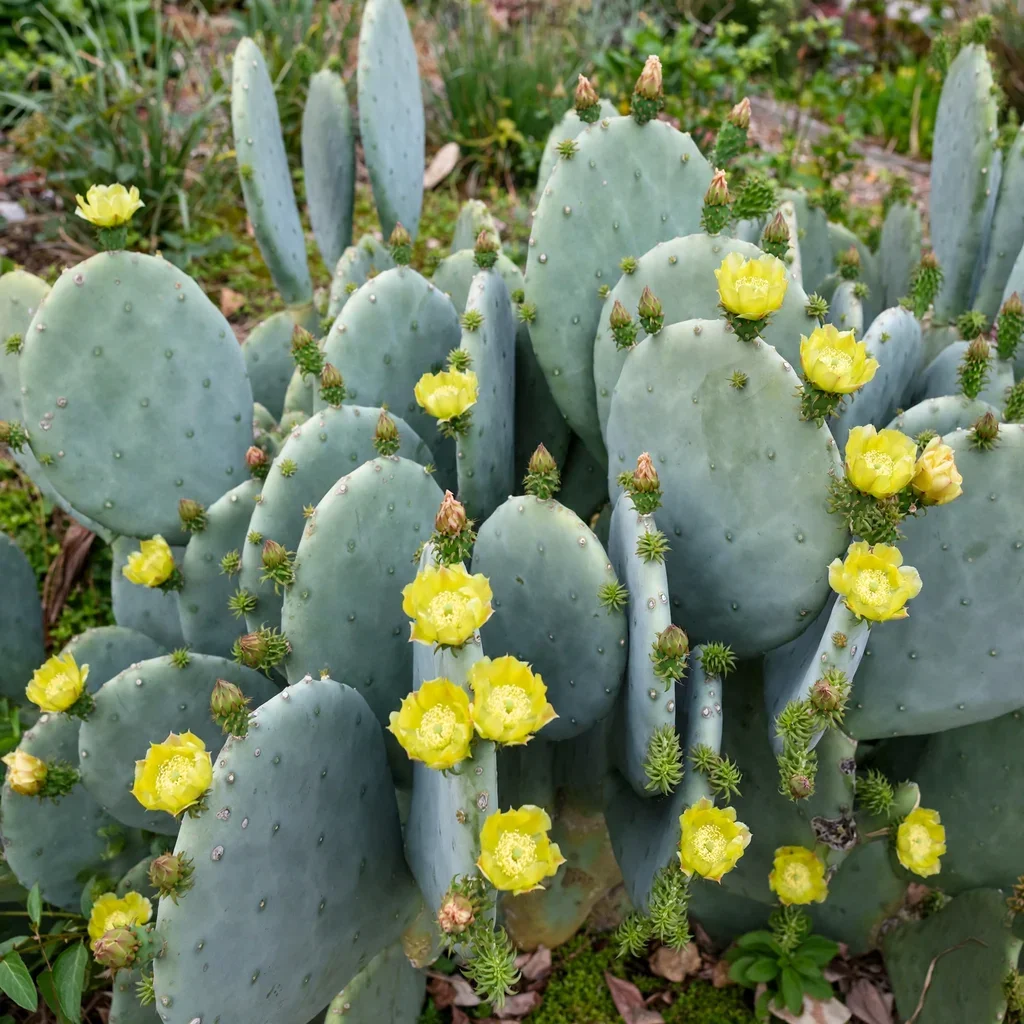
Spineless Prickly Pear
Opuntia cacanapa 'Ellisiana'
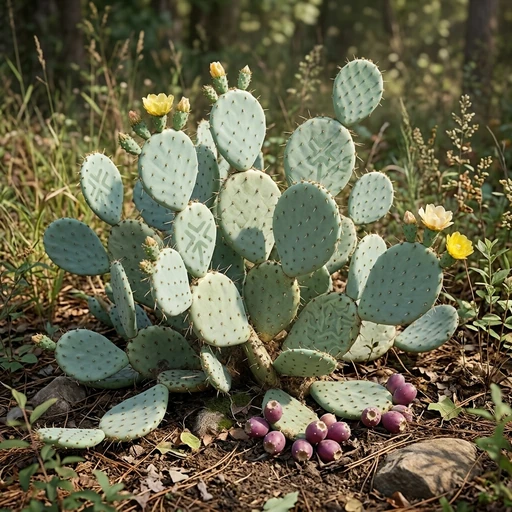
Prickly Pear Cactus
Opuntia humifusa
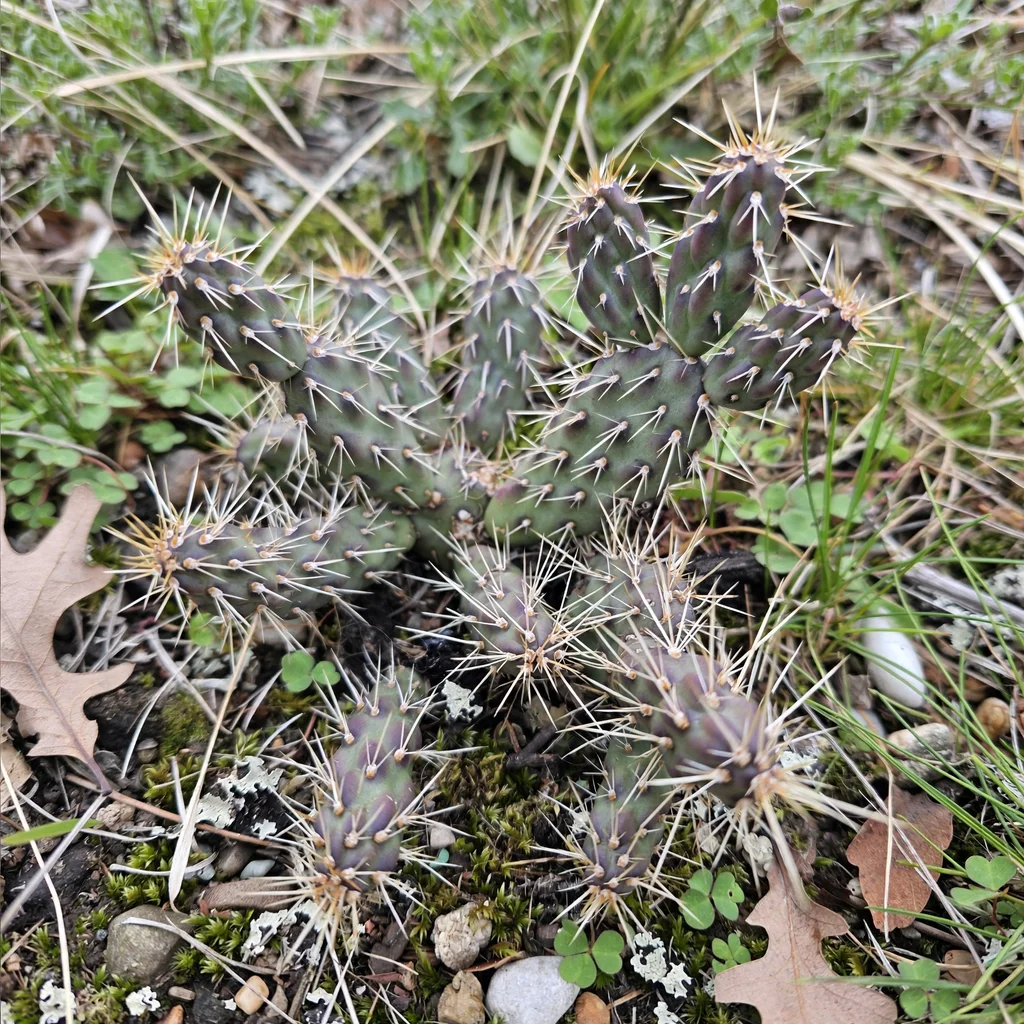
Brittle Prickly Pear
Opuntia fragilis
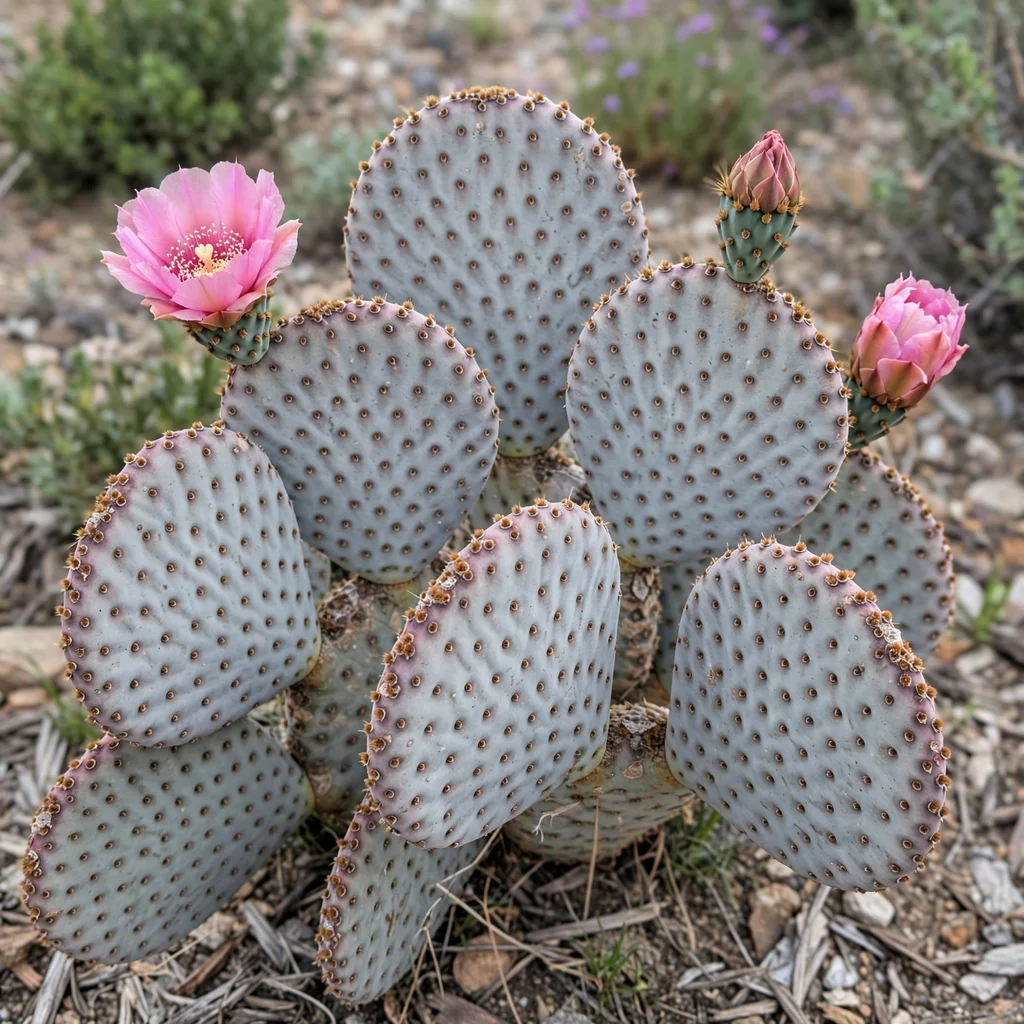
Beavertail Cactus
Opuntia basilaris
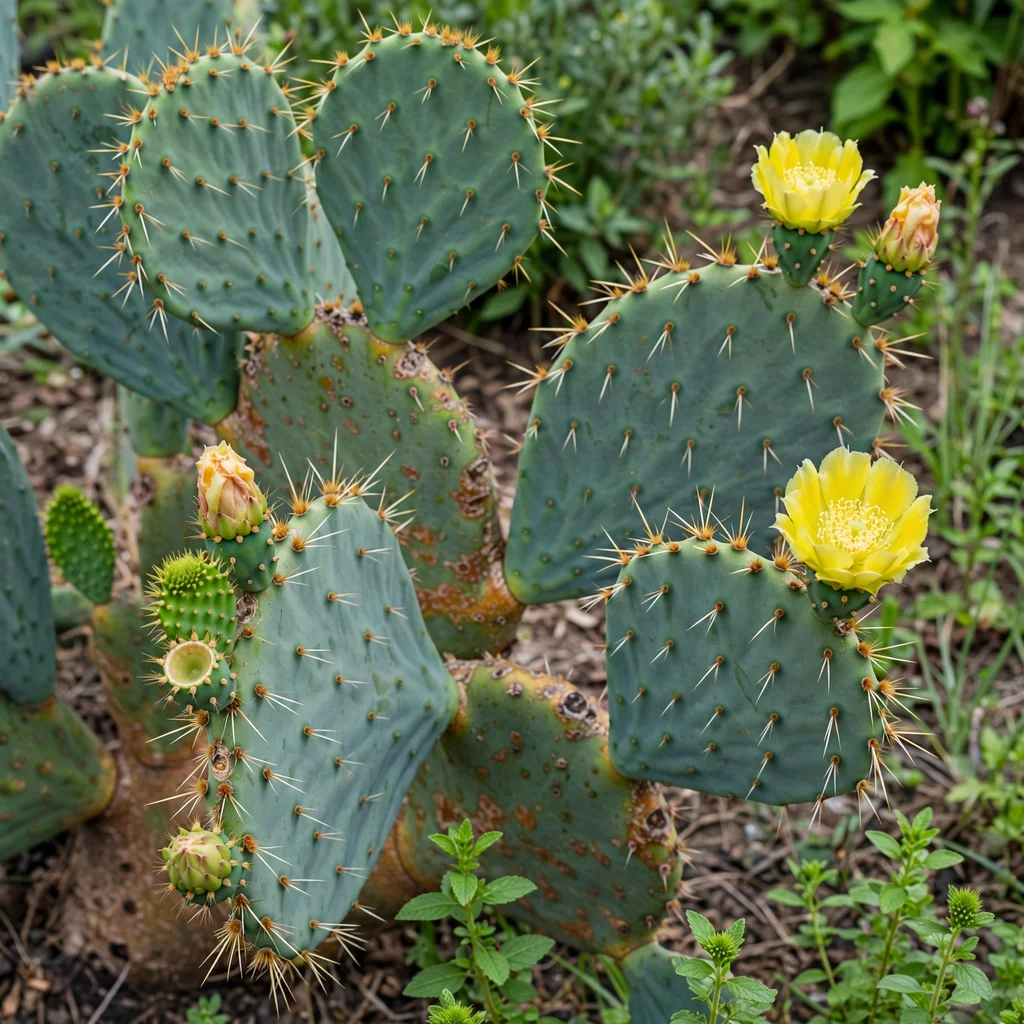
Old Mexico Prickly Pear
Opuntia gomei
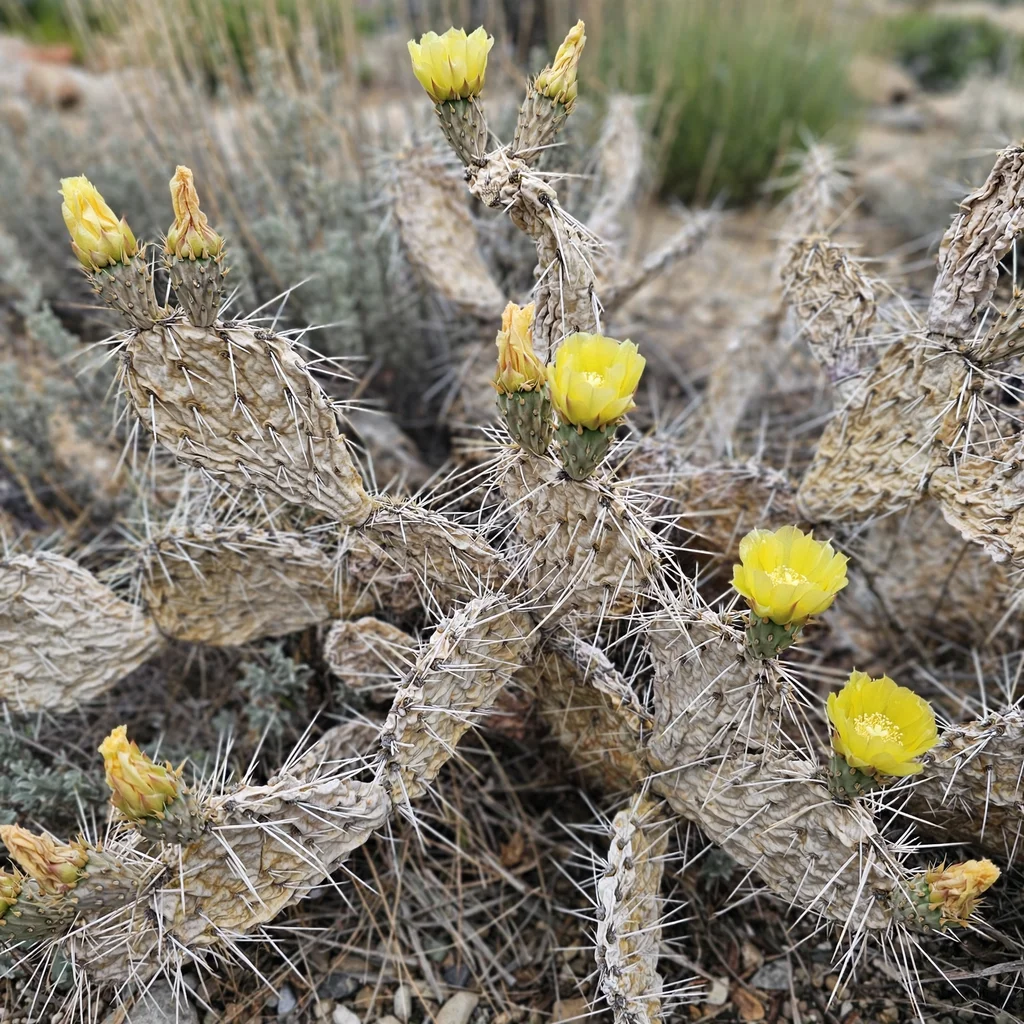
Plains Pricklypear
Opuntia polyacantha
Keep exploring
Explore the genus
Hardy in your zone?
Grow Erect Prickly Pear with confidence
See it in a design of your actual yard, get zone-matched care reminders, and track it season by season in your garden journal.