The Story
Plant Bio
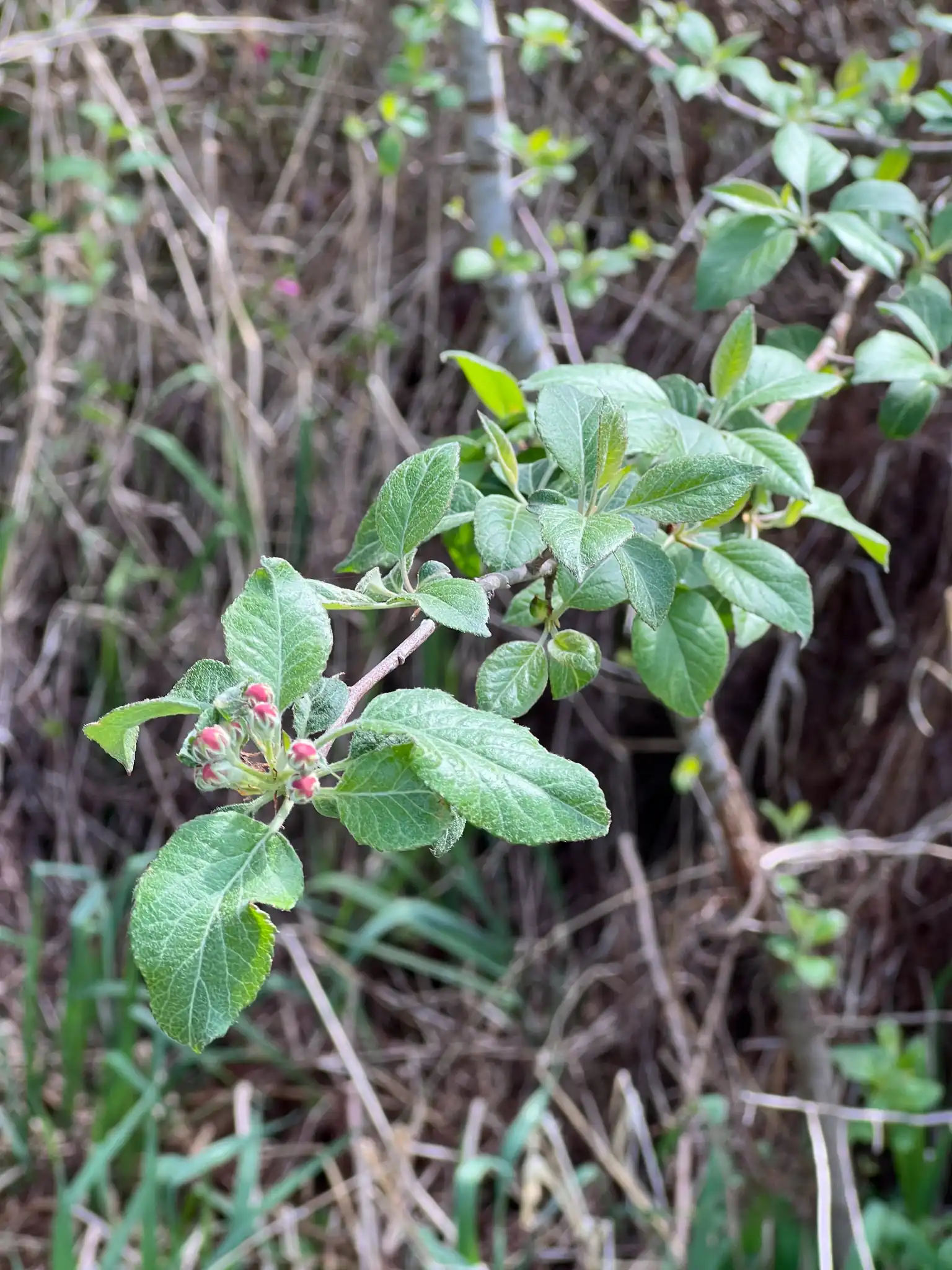
Malus fusca, known as the Pacific crabapple, is a deciduous small tree or thicket-forming shrub native to wetland margins and coastal forests of western North America. It produces alternate, sharply serrated leaves that frequently feature two to three lobes on vigorous new shoots.
Fragrant white to pale pink flowers bloom in small corymbs during spring, followed by small, tart yellow-to-red pomes. The branches often develop short, sharp spur-like branchlets that create dense protective cover for wildlife.
Uses & Benefits:
Essentials
At a Glance
Plant Type
Tree
Height
472"
Width
236"
Light
Full Sun, Partial Sun
Zones
5, 6, 7, 8, 9
Water
High
Humidity
Moderate to High
Lifespan
Perennial
Native To
Western North America
Toxicity
Non-toxic
Bloom period
Spring – Late spring
In flower about 3 months of the year
Planting
How to Grow
- Select a planting location in full sun or partial shade with moist to wet soil rich in organic matter.
- Set container-grown plants or bare-root whips into a pit twice as wide as the root mass, ensuring the root collar remains level with the surrounding soil line.
- Water thoroughly at planting and maintain consistent soil moisture throughout the first two growing seasons.
- Apply a 2-to-3-inch layer of organic mulch around the base to retain soil moisture and prevent competitive weed growth.
Pro Tip
Maintain natural soil moisture and prune only in late winter to remove dead or crossing branches; heavy shearing or dry-site cultivation induces severe stress and root suckering.
Keep It Thriving
Care Guide
Do
- Keep soil consistently moist, especially during summer dry periods.
- Prune in late winter while dormant to maintain an open canopy structure.
- Protect young saplings with trunk guards to prevent damage from browsing deer and rabbits.
Don't
- Do not allow the root zone to dry out completely during extended heatwaves.
- Do not shear the crown into formal shapes, which removes natural fruiting spurs.
- Do not apply excessive synthetic nitrogen fertilizer, which encourages soft foliage vulnerable to fire blight.
Seasonal Care Calendar
| Task | Jan | Feb | Mar | Apr | May | Jun | Jul | Aug | Sep | Oct | Nov | Dec |
|---|---|---|---|---|---|---|---|---|---|---|---|---|
| Fertilize | ||||||||||||
| Mulch | ||||||||||||
| Pest Check | ||||||||||||
| Prune |
Watch Out For
Pests & Diseases
Common Pests
Common Diseases
In the Garden
Landscape Uses & Companions
Landscape Uses
Companion Plants
Multiply
Propagation Methods
Good to Know
Common Questions
Pacific Crabapple questions
What zones can Pacific Crabapple grow in?
Pacific Crabapple is hardy in USDA Zones 5–9: in that range it survives winter in the ground. Colder than Zone 5, winters are too cold for it to survive outdoors. Warmer than Zone 9, winter isn't the problem: it prefers colder winters, and summer heat can shorten its life.
Is Pacific Crabapple deer resistant?
Not reliably. Deer may browse Pacific Crabapple, especially tender spring growth — plan on repellents or fencing where pressure is high.
When does Pacific Crabapple bloom?
Pacific Crabapple typically blooms in spring. Exact timing shifts a week or two with your zone — Sow's bloom calendar maps it to your garden.
Does Pacific Crabapple need full sun?
Pacific Crabapple does best in full sun to part shade. In hot climates, afternoon shade keeps blooms fresher longer.
More Malus to compare
Honeycrisp Apple
Malus domestica 'Honeycrisp'
Pixie Crunch Apple
Malus domestica 'Pixie Crunch'
Golden Treat Apple
Malus domestica 'Golden Treat'
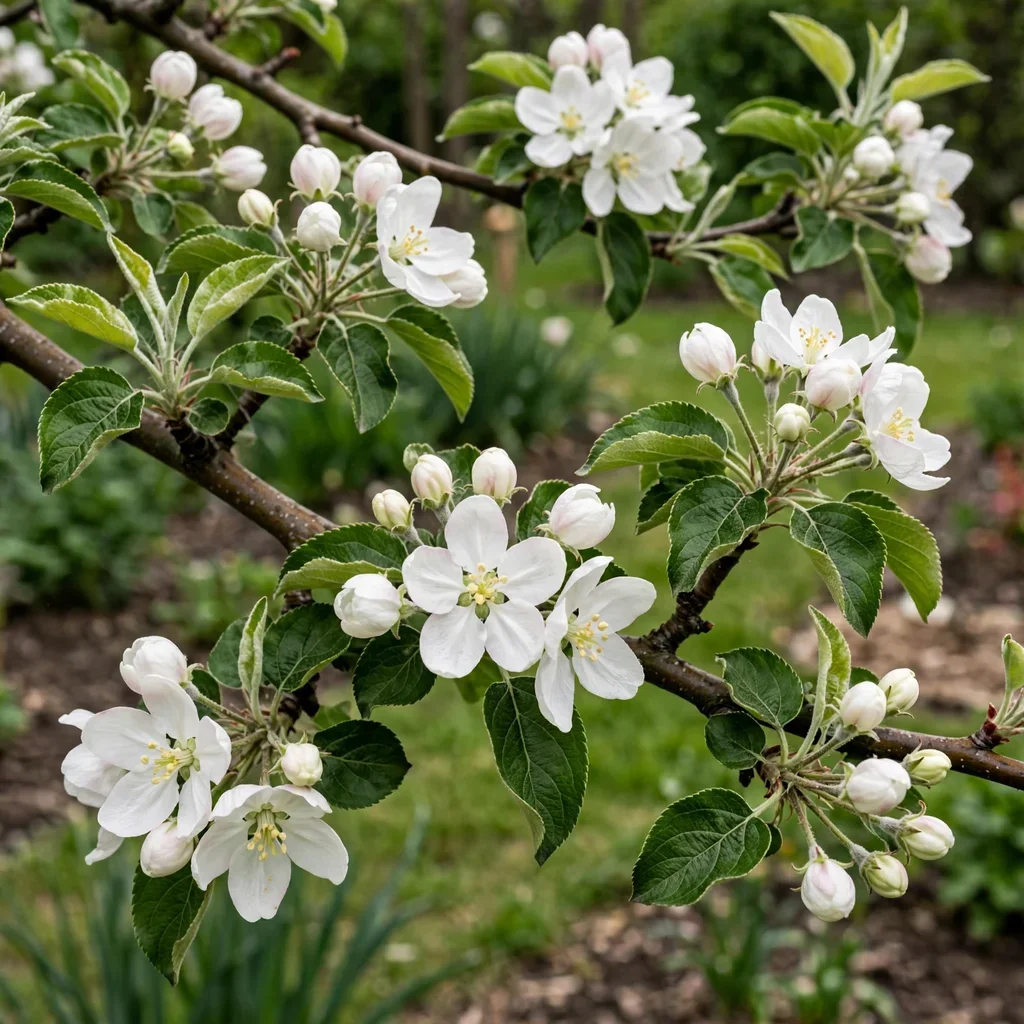
Apple
Malus domestica
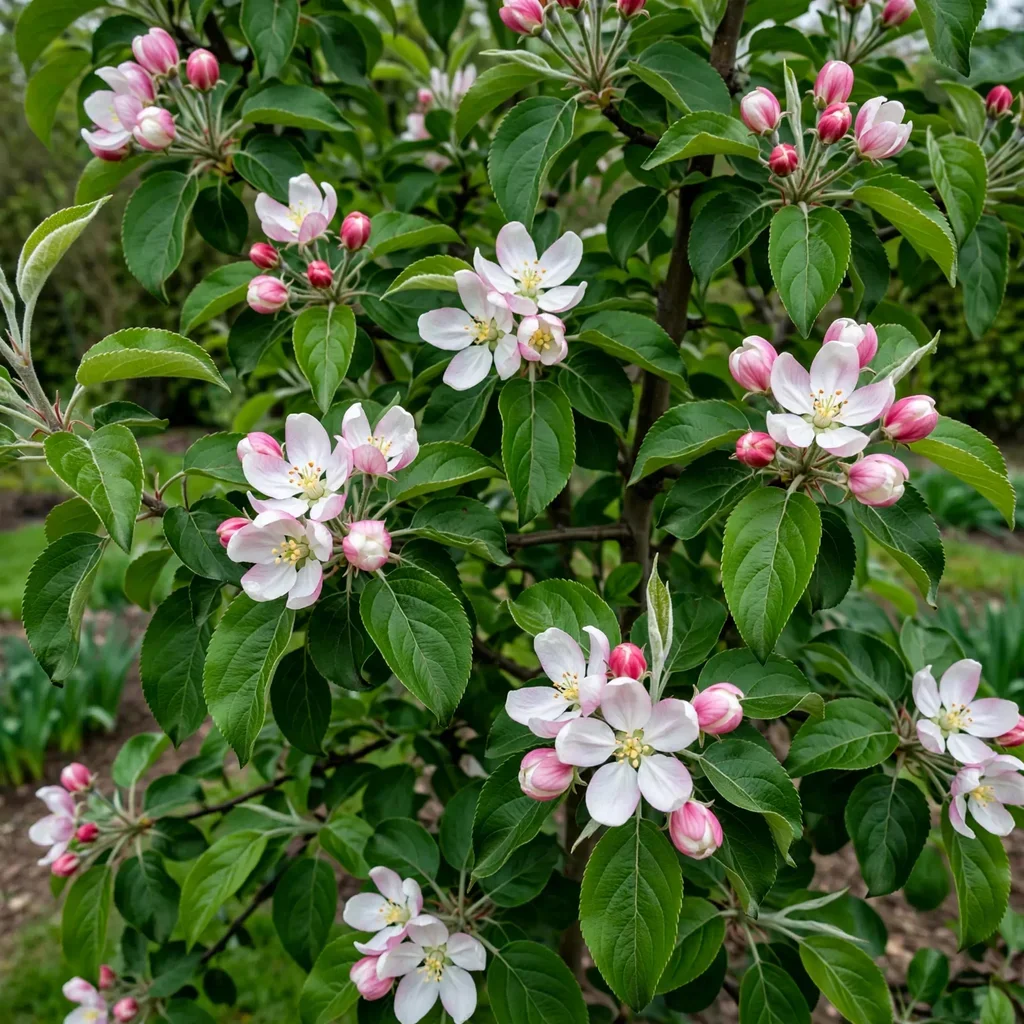
Blushing Delight Apple
Malus domestica 'Blushing Delight'
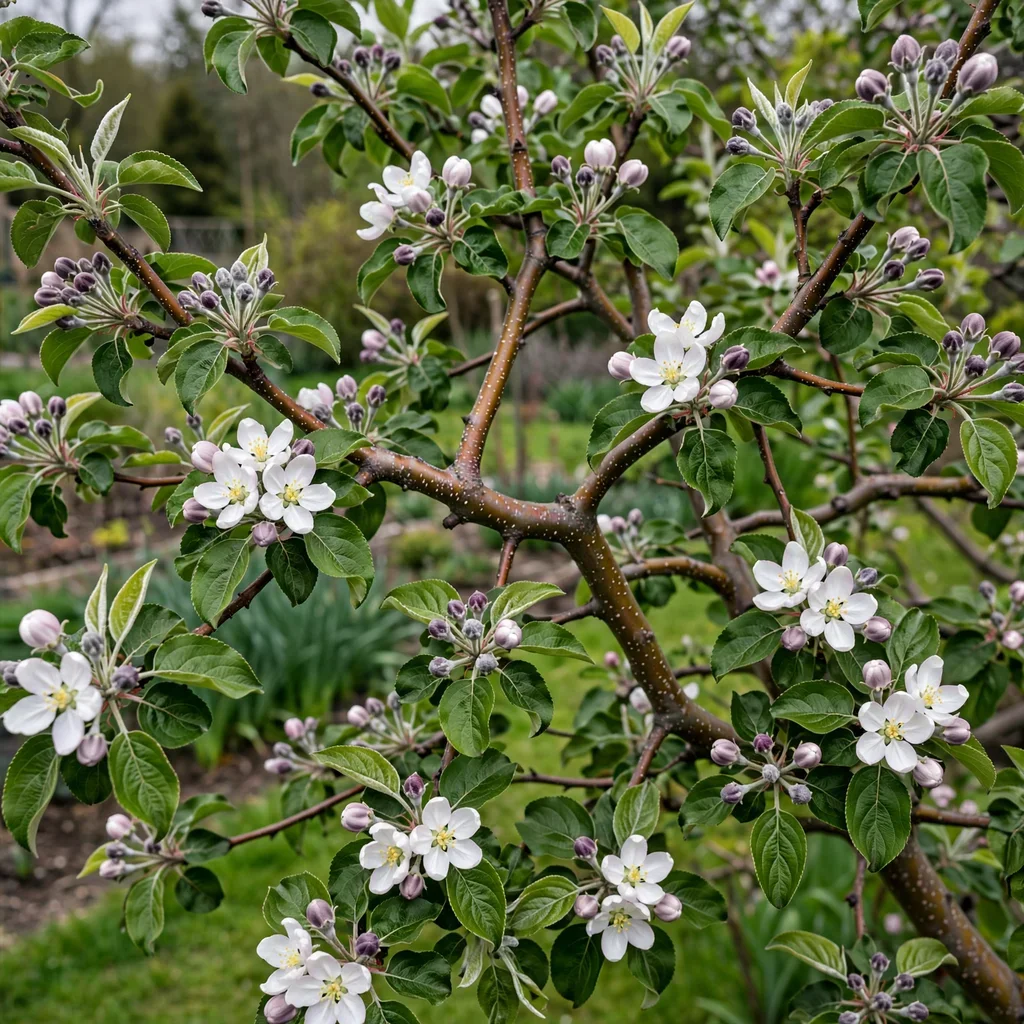
Reachable Apple
Malus domestica 'Reachables'
Keep exploring
Explore the genus
Hardy in your zone?
Grow Pacific Crabapple with confidence
See it in a design of your actual yard, get zone-matched care reminders, and track it season by season in your garden journal.