The Story
Plant Bio
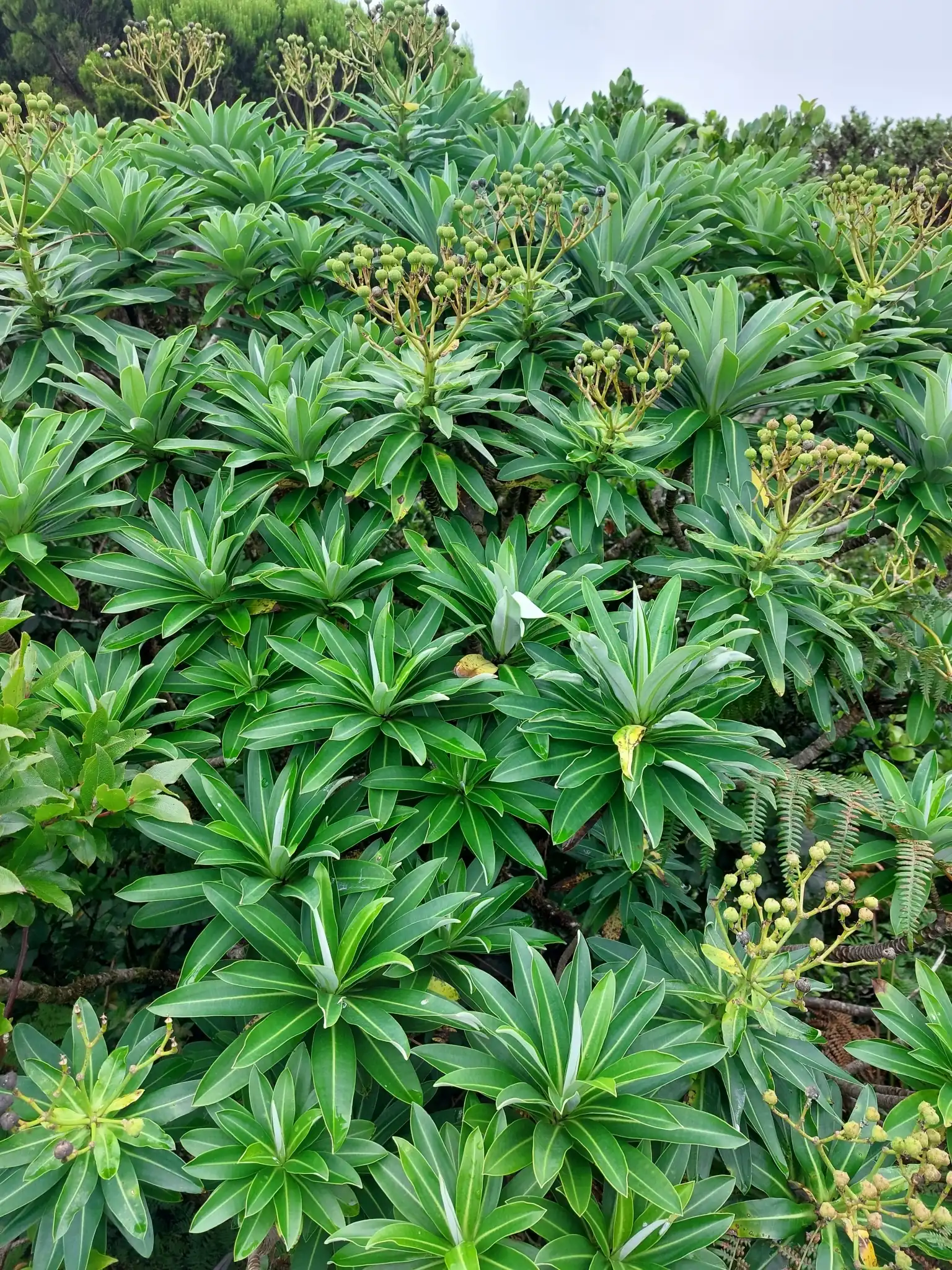
Euphorbia stygiana, the Azores spurge, is an evergreen shrub reaching three to five feet tall and wide in cultivation, with low, stout green stems that branch to form a rounded bush. The leaves are thick, leathery and dark blue-green with a pale midrib, and the spring heads carry small cupped yellow-green flowers that release a strong honey scent.
It is distinguished by narrow three to five inch leaves with a contrasting white vein, waxy above and faintly hairy beneath, held on low serpentine stems. True plants carry large rusty-yellow, honey-scented heads in spring, unlike Euphorbia mellifera with plainer green leaves and unlike the more vigorous hybrid E. x pasteurii sold in its place.
Uses & Benefits:
Essentials
At a Glance
Plant Type
Shrub
Height
59"
Width
59"
Light
Full Sun, Partial Sun
Zones
8, 9, 10
Water
Medium
Humidity
Tolerant of high humidity
Lifespan
Long-lived evergreen shrub
Native To
Azores
Toxicity
Toxic if ingested, skin irritant
Bloom period
Spring – Early summer
In flower about 4 months of the year
Planting
How to Grow
- Plant in spring in a sheltered spot with full sun to light shade in sharply drained, humus-rich rocky soil.
- Set the root ball level with the soil surface and water in deeply, then keep evenly moist but never soggy.
- Top-dress with compost only; this species needs moderately fertile soil and no rich fertilizer program.
- Remove spent flower heads after bloom wearing gloves and eye protection, without cutting hard into old bare wood.
- In zones colder than 8a, grow in a large container and move to a cool frost-free greenhouse for winter.
Pro Tip
Grow it in a sheltered container you can move under cover for winter, and always wear gloves and eye protection when cutting because the white sap burns skin.
Keep It Thriving
Care Guide
Do
- Do plant sheltered from wind and exposure in light, well-drained soil.
- Do wear gloves and eye protection for any pruning or handling.
- Do provide sharp drainage and good airflow around the crown.
- Do move containers under cover before hard frost.
Don't
- Don't plant in chalky, waterlogged or compacted clay soil.
- Don't cut hard into old leafless wood or shear the bush repeatedly.
- Don't touch the milky sap or ingest any part; keep away from children and pets.
- Don't leave containers outdoors where winter falls below 15F.
Seasonal Care Calendar
| Task | Jan | Feb | Mar | Apr | May | Jun | Jul | Aug | Sep | Oct | Nov | Dec |
|---|---|---|---|---|---|---|---|---|---|---|---|---|
| Mulch | ||||||||||||
| Pest Check | ||||||||||||
| Plant | ||||||||||||
| Prune | ||||||||||||
| Winter Prep |
Watch Out For
Pests & Diseases
Common Pests
Common Diseases
In the Garden
Landscape Uses & Companions
Landscape Uses
Companion Plants
Multiply
Propagation Methods
Good to Know
Common Questions
Azores Spurge questions
What zones can Azores Spurge grow in?
Azores Spurge is hardy in USDA Zones 8–10: in that range it survives winter in the ground. Colder than Zone 8, grow it in a container you can move to shelter for the winter.
When does Azores Spurge bloom?
Azores Spurge typically blooms from early spring to early summer. Exact timing shifts a week or two with your zone — Sow's bloom calendar maps it to your garden.
Does Azores Spurge need full sun?
Azores Spurge does best in full sun to part shade. In hot climates, afternoon shade keeps blooms fresher longer.
Is Azores Spurge drought tolerant?
Yes — once established (usually after the first full season), Azores Spurge handles dry spells with minimal watering. Water deeply its first year to build the root system that makes that possible.
More Euphorbia to compare
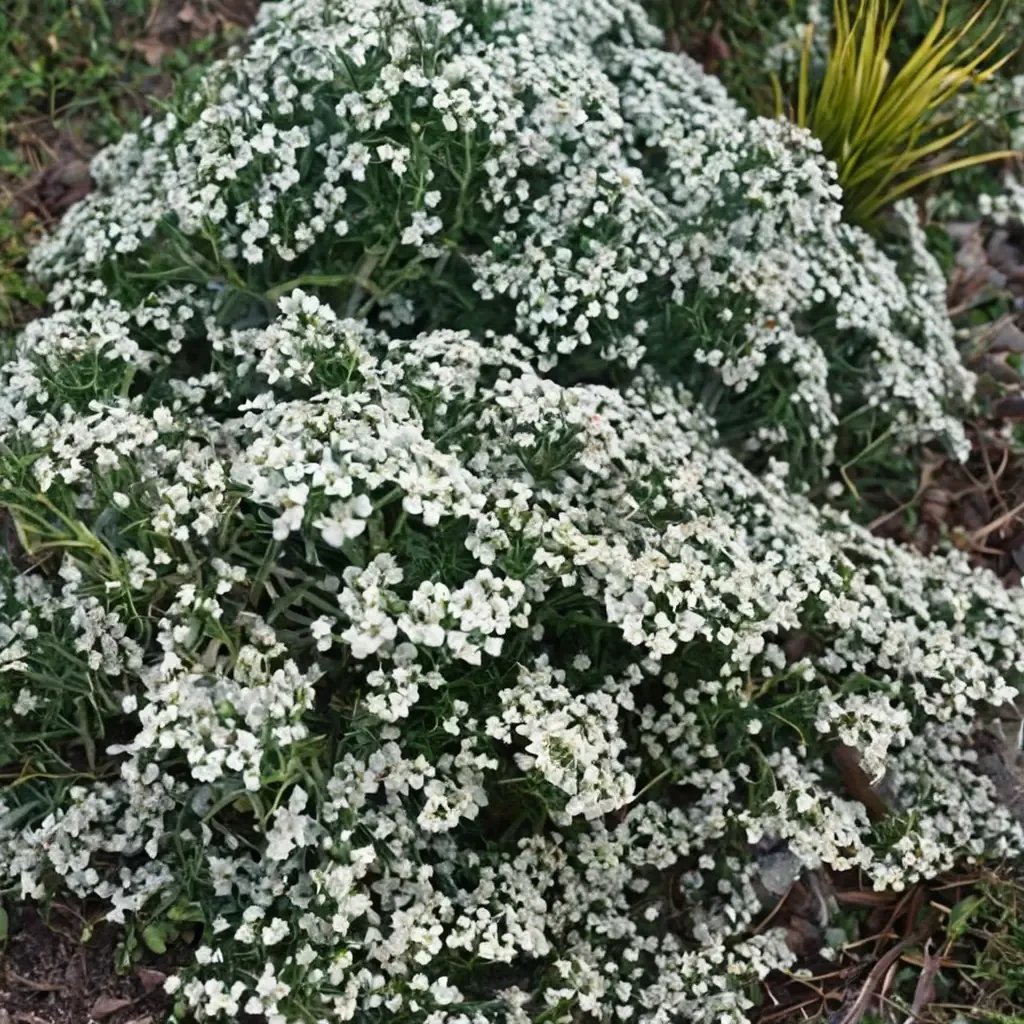
Carolina Snow Flowering Spurge
Euphorbia corollata 'Carolina Snow'
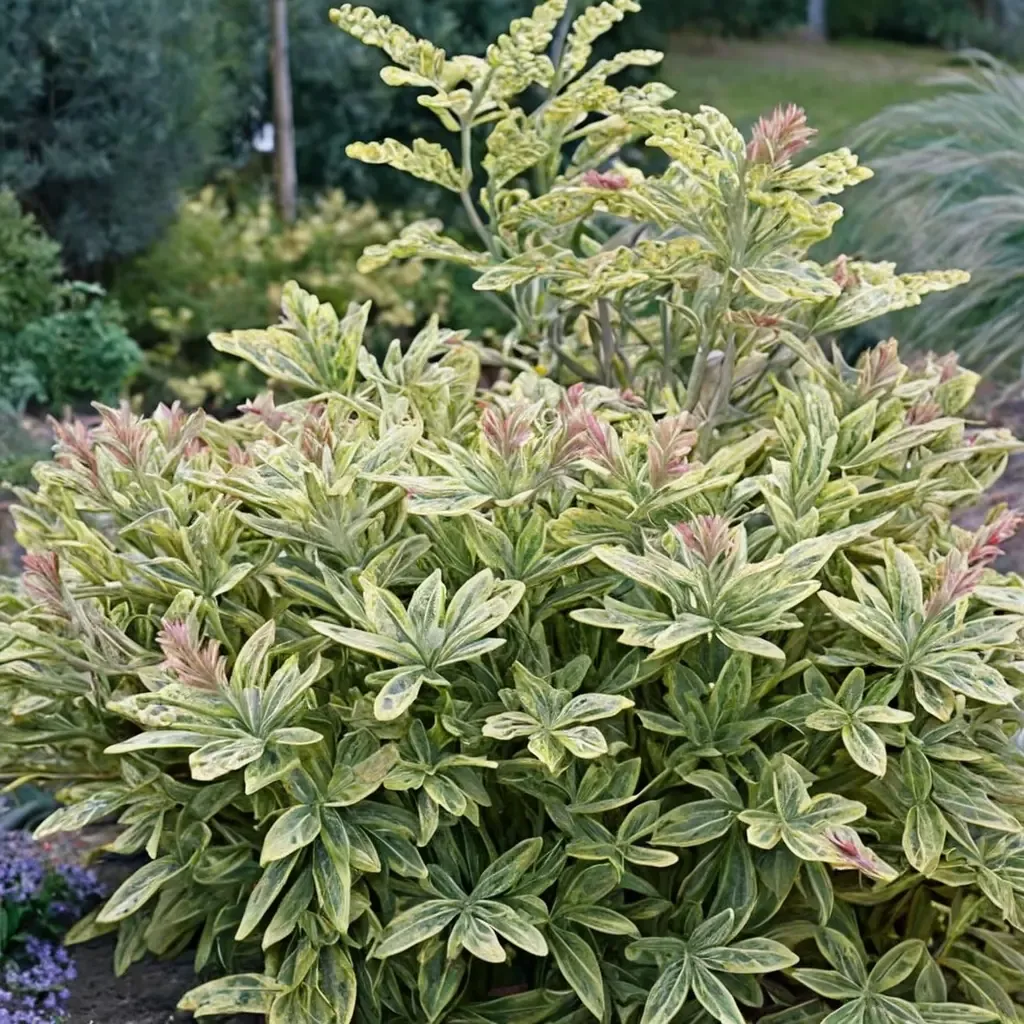
Ascot Rainbow Spurge
Euphorbia x hybrida 'Ascot Rainbow'
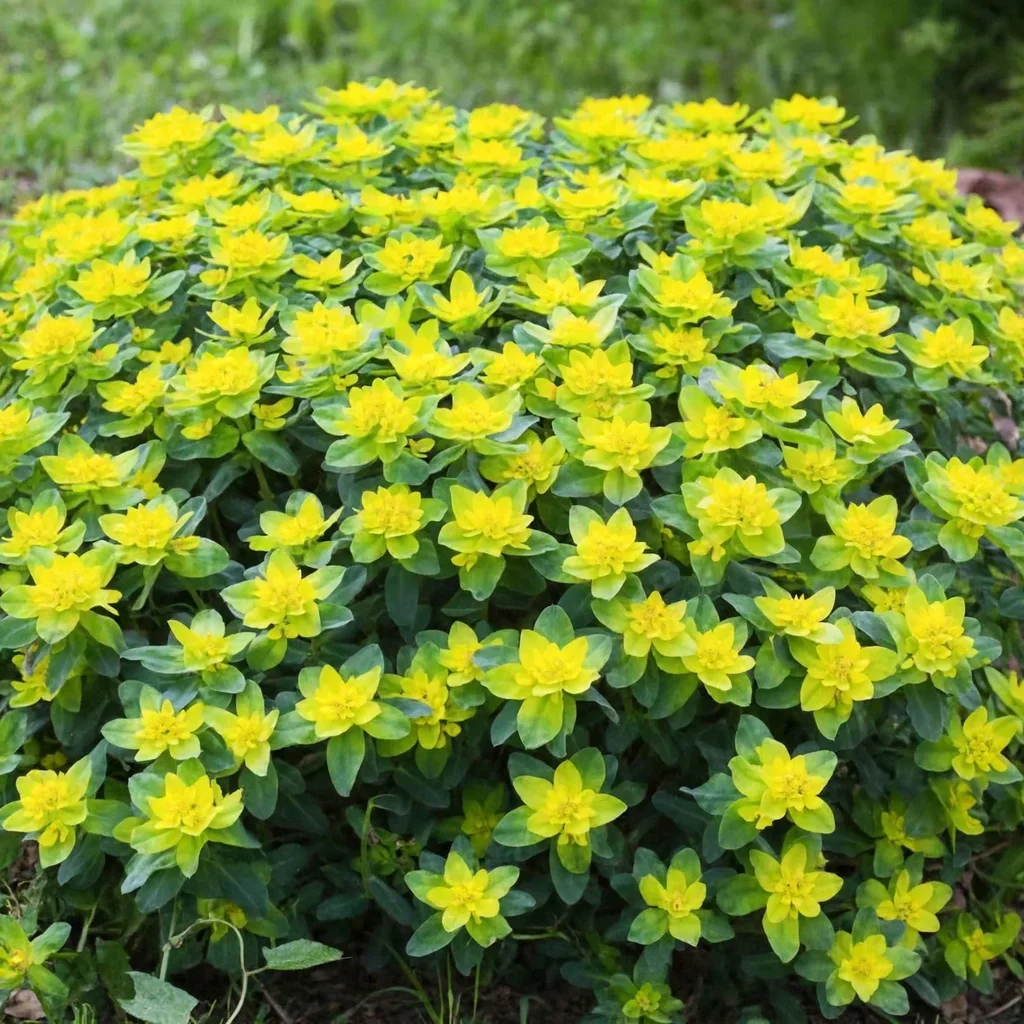
Mediterranean Spurge
Euphorbia polychroma
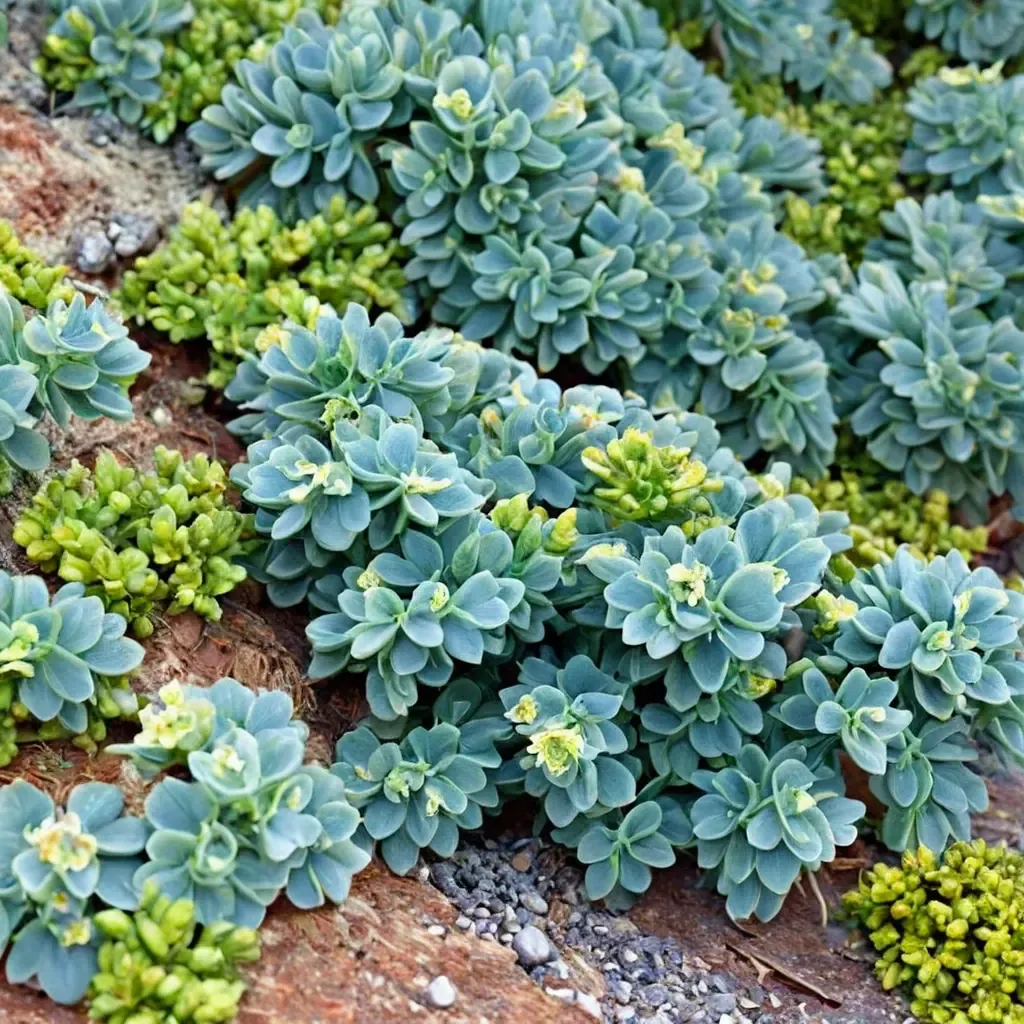
Myrtle Spurge
Euphorbia myrsinites
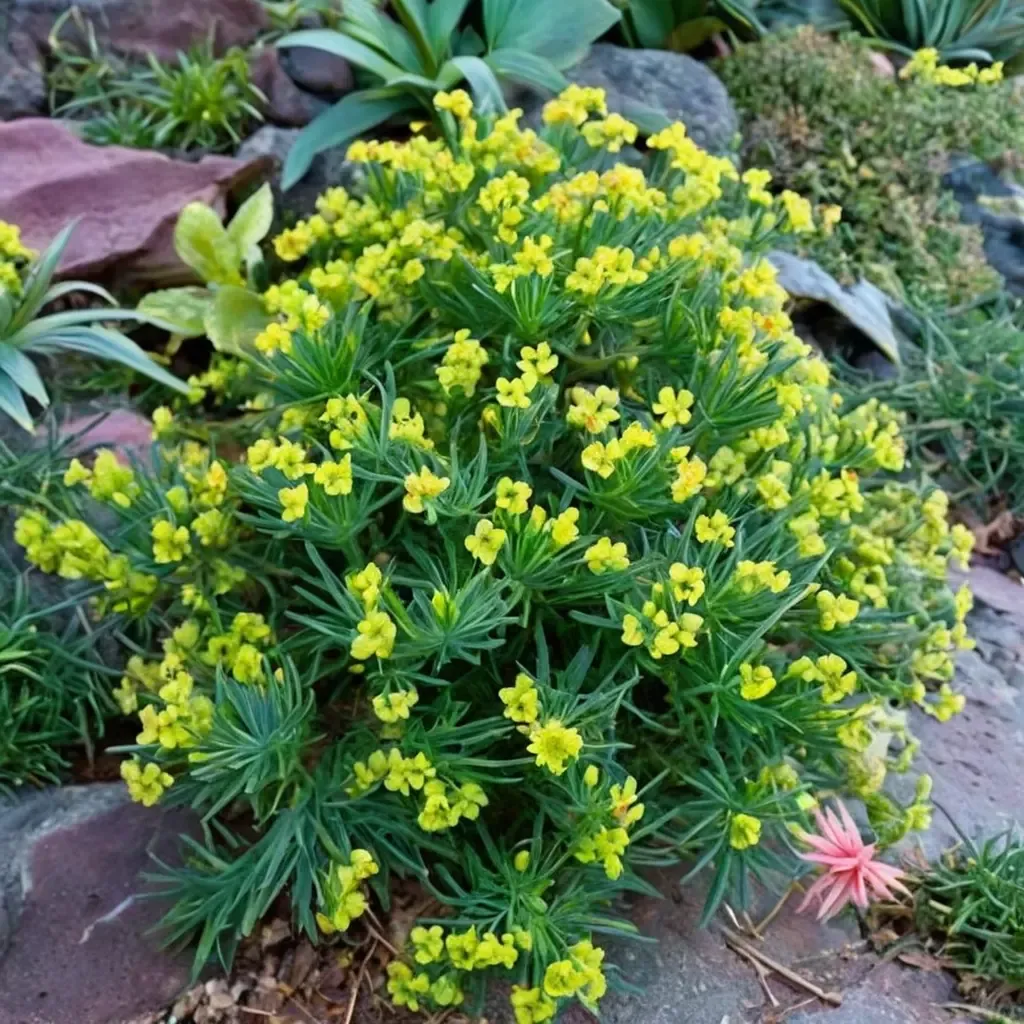
Ruby Spurge
Euphorbia cyparissias 'Fens Ruby'
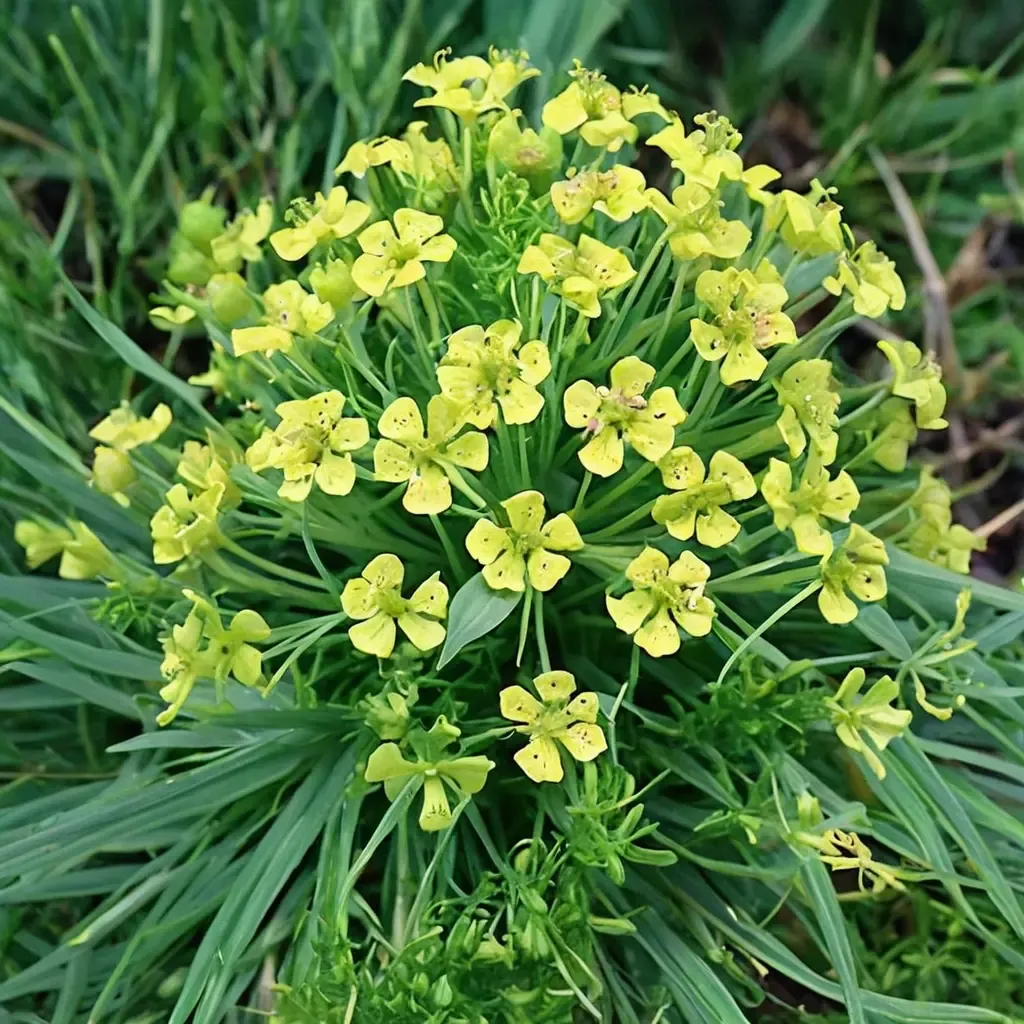
Cypress Spurge
Euphorbia cyparissias
Keep exploring
Explore the genus
Hardy in your zone?
Grow Azores Spurge with confidence
See it in a design of your actual yard, get zone-matched care reminders, and track it season by season in your garden journal.