The Story
Plant Bio
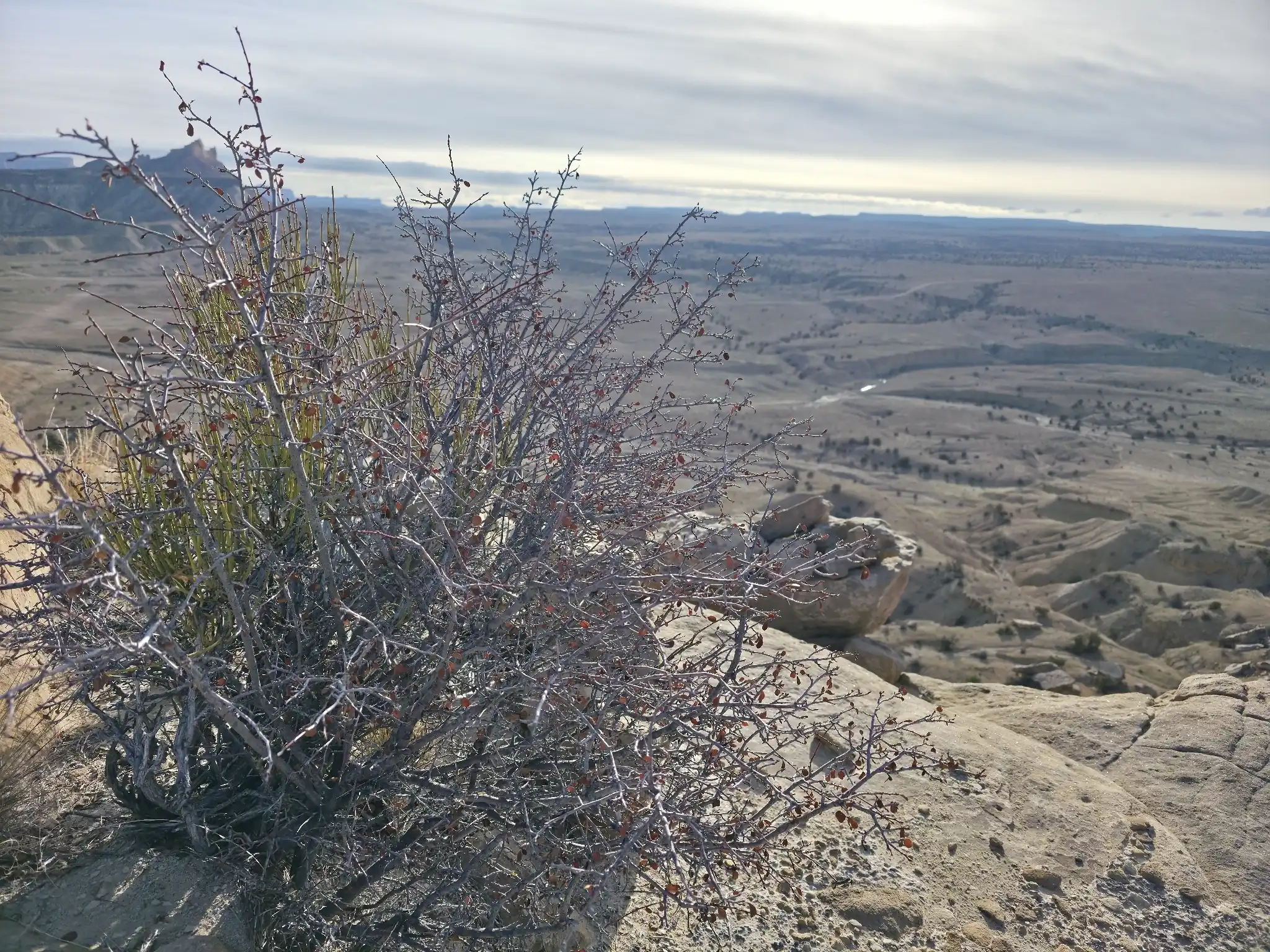
Amelanchier utahensis, the Utah serviceberry, is a deciduous much-branched shrub to small tree reaching 3 to 15 feet with spreading upright stems and ashy-gray bark. Simple gray-green oval leaves turn yellow in fall, and short terminal racemes of white flowers with five narrow petals open in spring before red to dark purple-black pomes ripen in summer.
It differs from eastern serviceberries in small leaves toothed only above the middle, tolerance of thin rocky limestone soils, and very high drought tolerance once established. The fruit is a true pome like a miniature apple rather than a berry, and seed-grown plants vary in sweetness because the genus hybridizes freely and much seed is infertile or insect-damaged.
Uses & Benefits:
Essentials
At a Glance
Plant Type
Shrub
Height
144"
Width
120"
Light
Full Sun, Partial Sun
Zones
4, 5, 6, 7, 8
Water
Low
Humidity
Low
Lifespan
Long-lived deciduous shrub
Native To
Western North America
Toxicity
Fruit edible; leaves contain cyanogenic compounds
Bloom period
Spring – Early summer
In flower about 4 months of the year
Planting
How to Grow
- Plant in fall or early spring in full sun to part shade in sharply drained sandy loam to clay loam.
- Dig the hole no deeper than the rootball and backfill with native soil without rich amendment.
- Water deeply at planting, then taper to occasional deep soakings; established plants need water only in prolonged drought.
- Mulch thinly with gravel or bark kept back from stems and keep juniper hosts at a distance to reduce rust.
- Prune only to remove dead wood or fire-blight struck shoots and to keep the center open.
Pro Tip
Site it in lean well-drained rocky soil with space and airflow away from junipers to break the cedar-apple rust cycle.
Keep It Thriving
Care Guide
Do
- Plant in well-drained rocky soil in full sun to part shade.
- Allow good airflow around branches to reduce rust and blight.
- Net fruiting branches if harvesting pomes for eating.
Don't
- Do not plant in high water-table, saline, or soggy clay.
- Do not shear annually or cut hard into old bare wood.
- Do not plant next to junipers where rust pressure is high.
Seasonal Care Calendar
| Task | Jan | Feb | Mar | Apr | May | Jun | Jul | Aug | Sep | Oct | Nov | Dec |
|---|---|---|---|---|---|---|---|---|---|---|---|---|
| Harvest | ||||||||||||
| Pest Check | ||||||||||||
| Plant | ||||||||||||
| Propagate | ||||||||||||
| Prune |
Watch Out For
Pests & Diseases
Common Pests
Common Diseases
In the Garden
Landscape Uses & Companions
Landscape Uses
Multiply
Propagation Methods
Good to Know
Common Questions
Utah Serviceberry questions
What zones can Utah Serviceberry grow in?
Utah Serviceberry is hardy in USDA Zones 4–8: in that range it survives winter in the ground. Warmer than Zone 8, winter isn't the problem: it prefers colder winters, and summer heat can shorten its life.
Is Utah Serviceberry deer resistant?
Not reliably. Deer may browse Utah Serviceberry, especially tender spring growth — plan on repellents or fencing where pressure is high.
When does Utah Serviceberry bloom?
Utah Serviceberry typically blooms from early spring to early summer. Exact timing shifts a week or two with your zone — Sow's bloom calendar maps it to your garden.
Does Utah Serviceberry need full sun?
Utah Serviceberry does best in full sun to part shade. In hot climates, afternoon shade keeps blooms fresher longer.
Is Utah Serviceberry drought tolerant?
Yes — once established (usually after the first full season), Utah Serviceberry handles dry spells with minimal watering. Water deeply its first year to build the root system that makes that possible.
More Amelanchier to compare
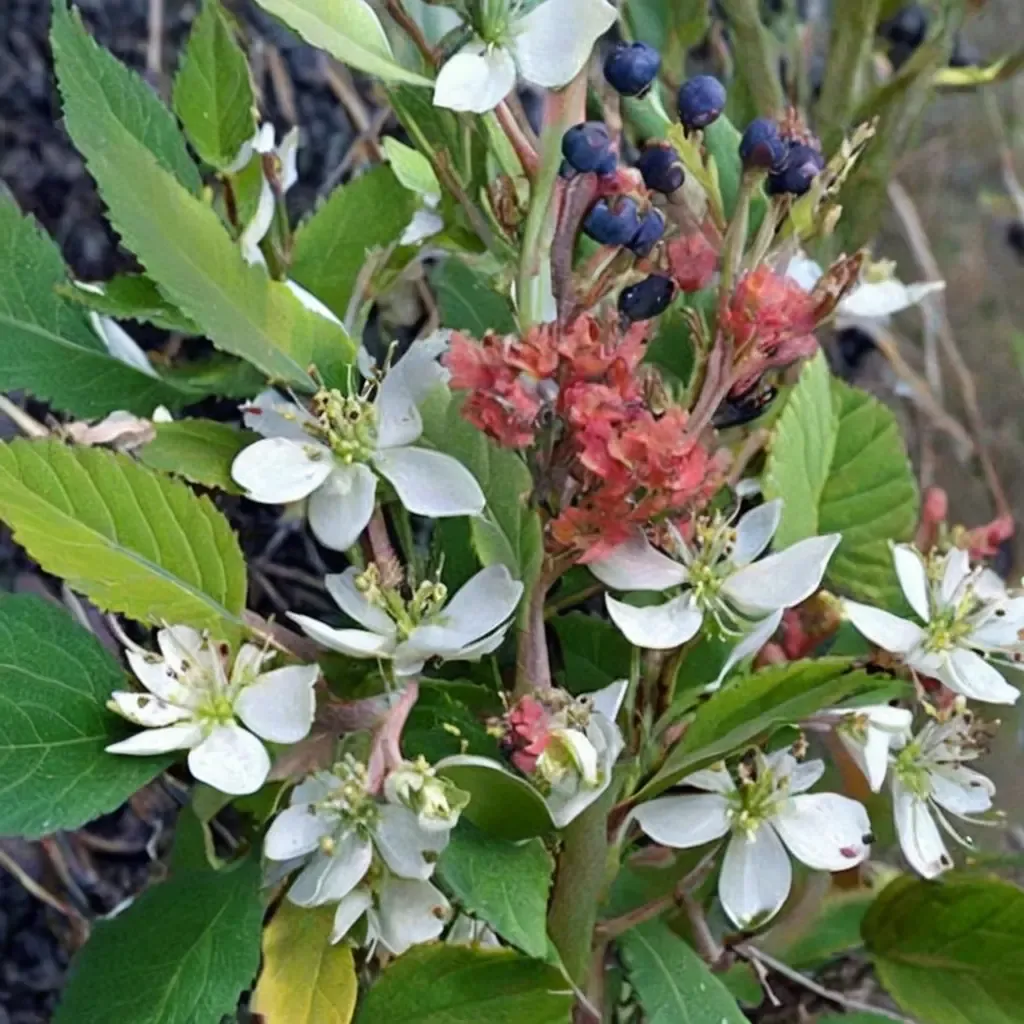
Timm Success Serviceberry
Amelanchier arborea 'Timm Success'
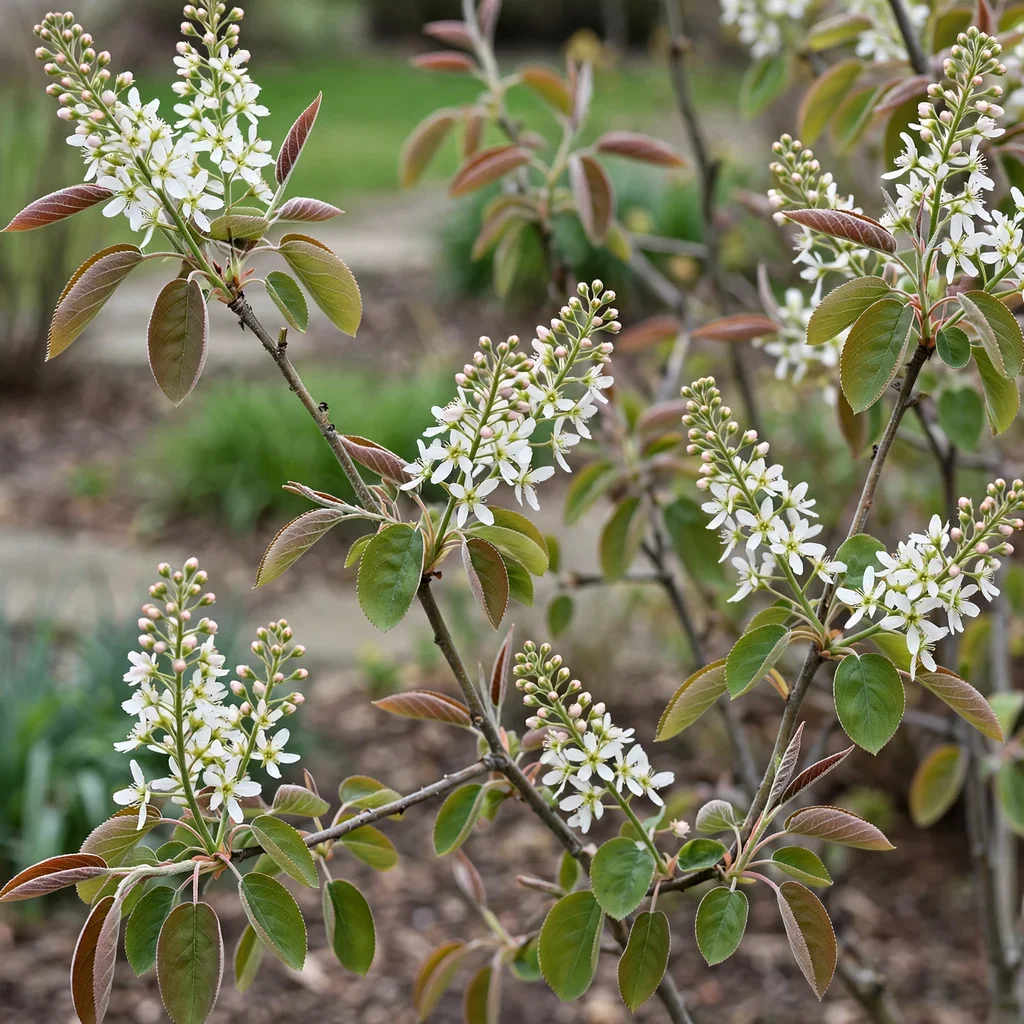
Autumn Brilliance Serviceberry
Amelanchier x grandiflora 'Autumn Brilliance'
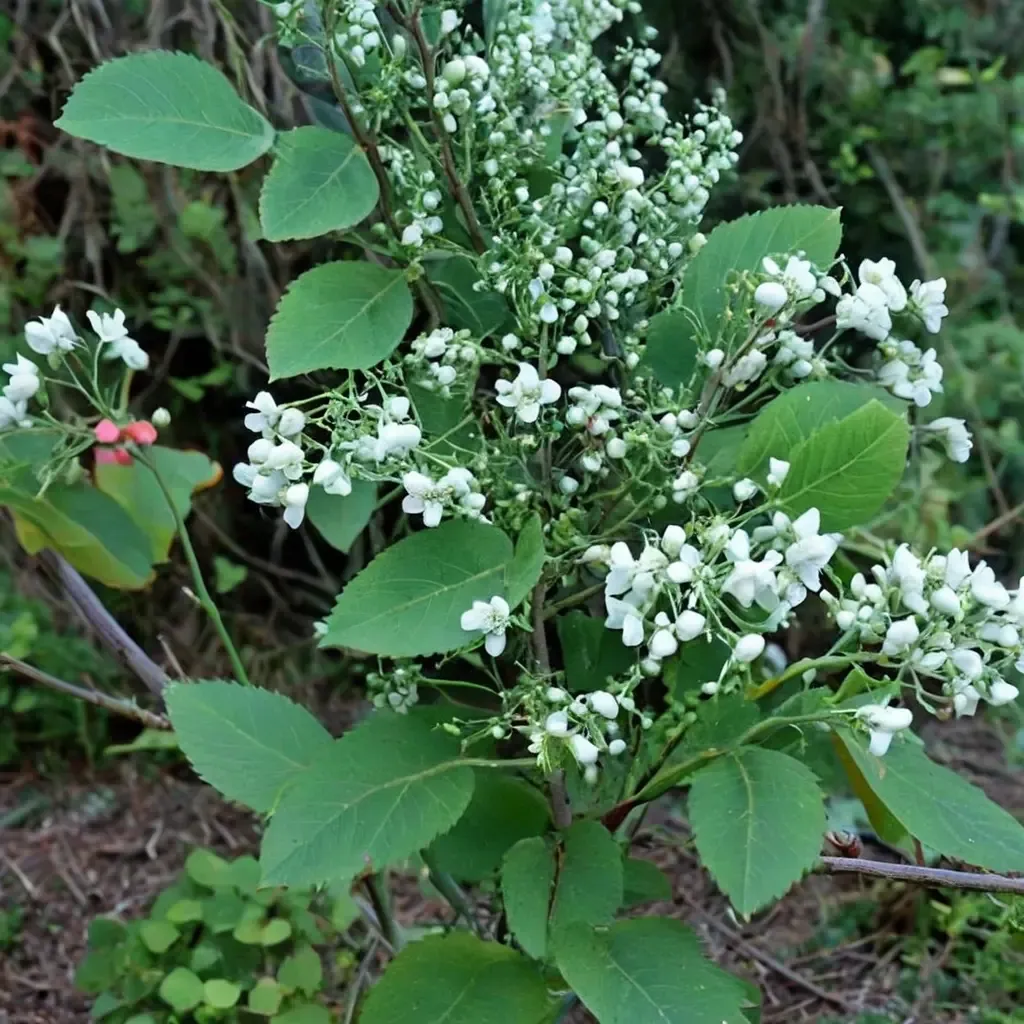
Saskatoon Serviceberry
Amelanchier alnifolia
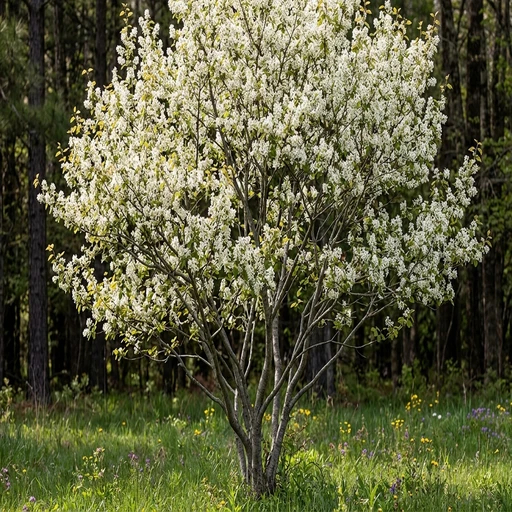
Serviceberry
Amelanchier canadensis
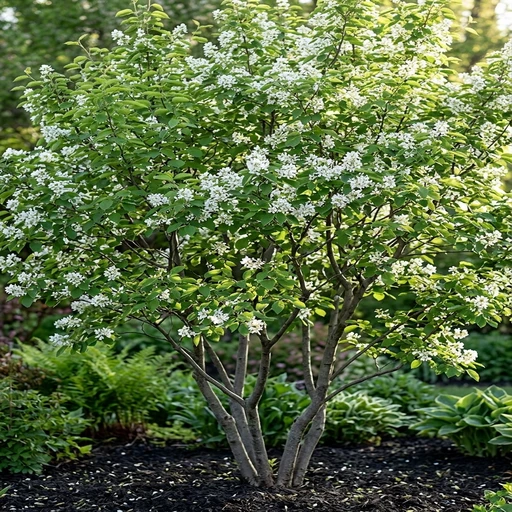
Allegheny Serviceberry
Amelanchier laevis
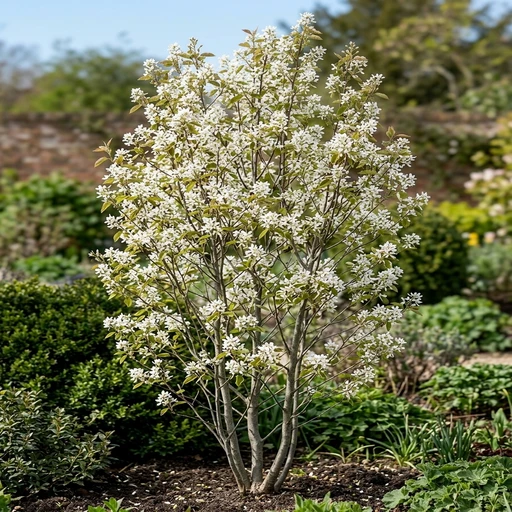
Glennform Serviceberry
Amelanchier canadensis 'Glennform'
Keep exploring
Explore the genus
Hardy in your zone?
Grow Utah Serviceberry with confidence
See it in a design of your actual yard, get zone-matched care reminders, and track it season by season in your garden journal.