The Story
Plant Bio
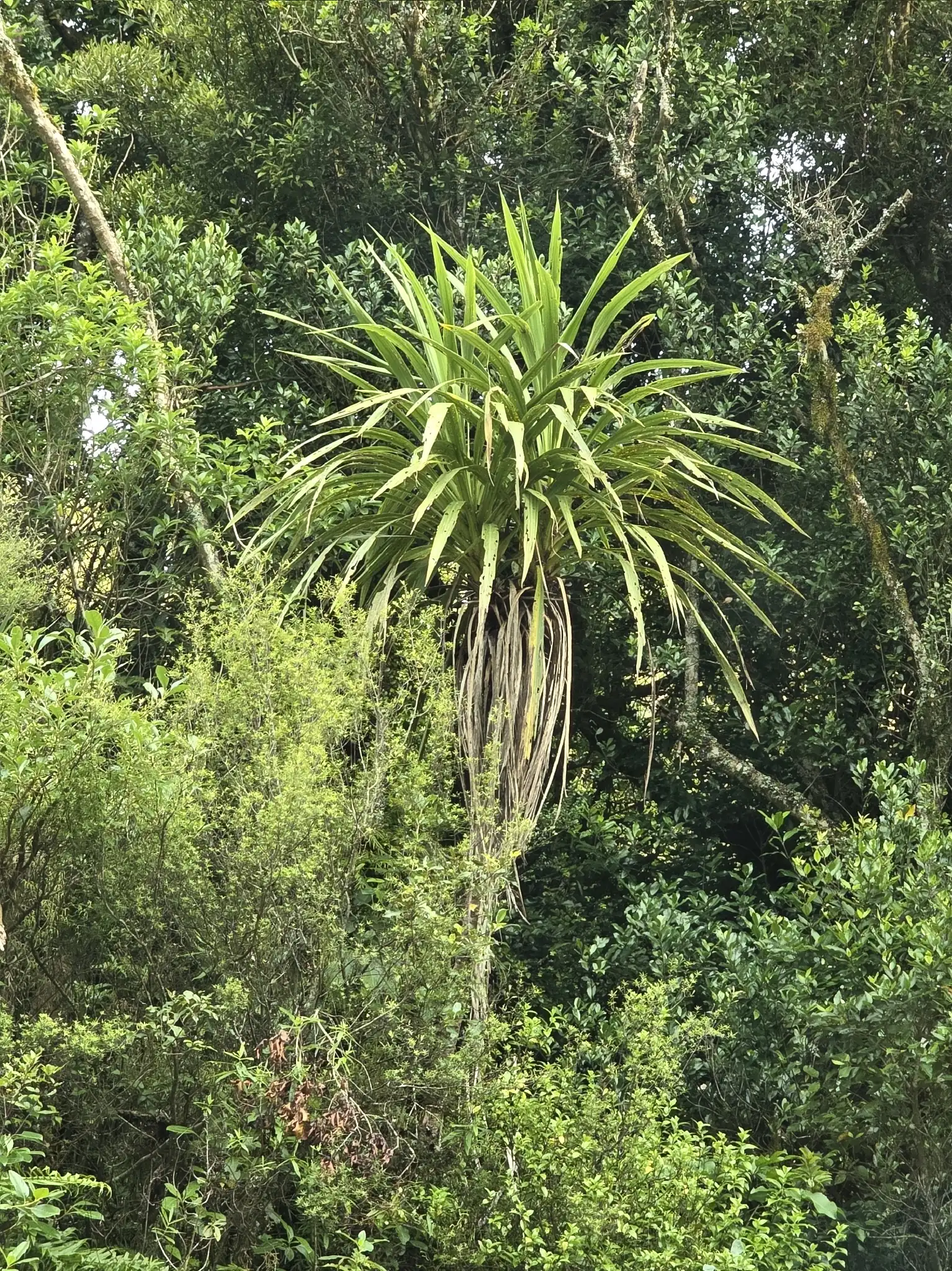
Cordyline banksii, the forest cabbage tree, is an evergreen palm-like shrub to small tree from New Zealand that reaches 10 to 12 feet tall and 6 feet wide, branching sparingly from several stems at ground level. The tough paddle-shaped leaves are 3 to 6 feet long and 1.5 to 3 inches wide, arching and drooping in two opposite ranks, while mature crowns carry a large open terminal panicle to 3 feet long of small honey-scented white flowers followed by white to bluish-purple berries.
It stays shorter and shrubbier than Cordyline australis, seldom forming a single tall bare trunk and instead keeping several leafy stems from ground level. The leaves hang distinctly downward on long channelled stalks in two flat ranks rather than in stiff radiating rosettes, sometimes showing an orange midrib.
Uses & Benefits:
Essentials
At a Glance
Plant Type
Shrub
Height
144"
Width
72"
Light
Full Sun, Partial Sun
Zones
9, 10
Water
Moderate
Humidity
Moderate to high
Lifespan
Perennial (woody shrub)
Native To
New Zealand
Toxicity
Mildly toxic to dogs, cats and horses
Bloom period
Late spring – Summer
In flower about 4 months of the year
Planting
How to Grow
- Plant in full sun to partial shade after frost danger in moist, fertile, organically rich soil that drains freely.
- Set the root ball level with the soil surface and mulch 2 inches deep, keeping mulch back from the stems.
- Water deeply at planting, then water during dry spells; established plants tolerate drought but fail in constantly soggy soil.
- Shelter from strong wind and hard frost; in colder zones grow in a container to move inside when nights drop toward 15F.
- Remove spent lower leaves by hand and keep irrigation off the foliage to limit leaf spot.
Pro Tip
Pull dead leaves away by hand to keep the crown open and water at the base; wet crowns and soggy soil invite leaf spot and Phytophthora root rot.
Keep It Thriving
Care Guide
Do
- Do plant in organically rich soil that drains freely.
- Do water at the base and let the surface dry between waterings.
- Do shelter from cold wind and move containers under cover before hard frost.
Don't
- Don't overwater or leave the pot standing in a saucer of water.
- Don't cut back into old leafless wood.
- Don't wet the crown with overhead irrigation in humid weather.
Seasonal Care Calendar
| Task | Jan | Feb | Mar | Apr | May | Jun | Jul | Aug | Sep | Oct | Nov | Dec |
|---|---|---|---|---|---|---|---|---|---|---|---|---|
| Mulch | ||||||||||||
| Pest Check | ||||||||||||
| Plant | ||||||||||||
| Prune | ||||||||||||
| Winter Prep |
Watch Out For
Pests & Diseases
Common Pests
Common Diseases
In the Garden
Landscape Uses & Companions
Landscape Uses
Multiply
Propagation Methods
Good to Know
Common Questions
Forest Cabbage Tree questions
What zones can Forest Cabbage Tree grow in?
Forest Cabbage Tree is hardy in USDA Zones 9–10: in that range it survives winter in the ground. Colder than Zone 9, grow it in a container you can move to shelter for the winter.
When does Forest Cabbage Tree bloom?
Forest Cabbage Tree typically blooms from late spring to late summer. Exact timing shifts a week or two with your zone — Sow's bloom calendar maps it to your garden.
Does Forest Cabbage Tree need full sun?
Forest Cabbage Tree does best in full sun to part shade. In hot climates, afternoon shade keeps blooms fresher longer.
Is Forest Cabbage Tree drought tolerant?
Yes — once established (usually after the first full season), Forest Cabbage Tree handles dry spells with minimal watering. Water deeply its first year to build the root system that makes that possible.
More Cordyline to compare
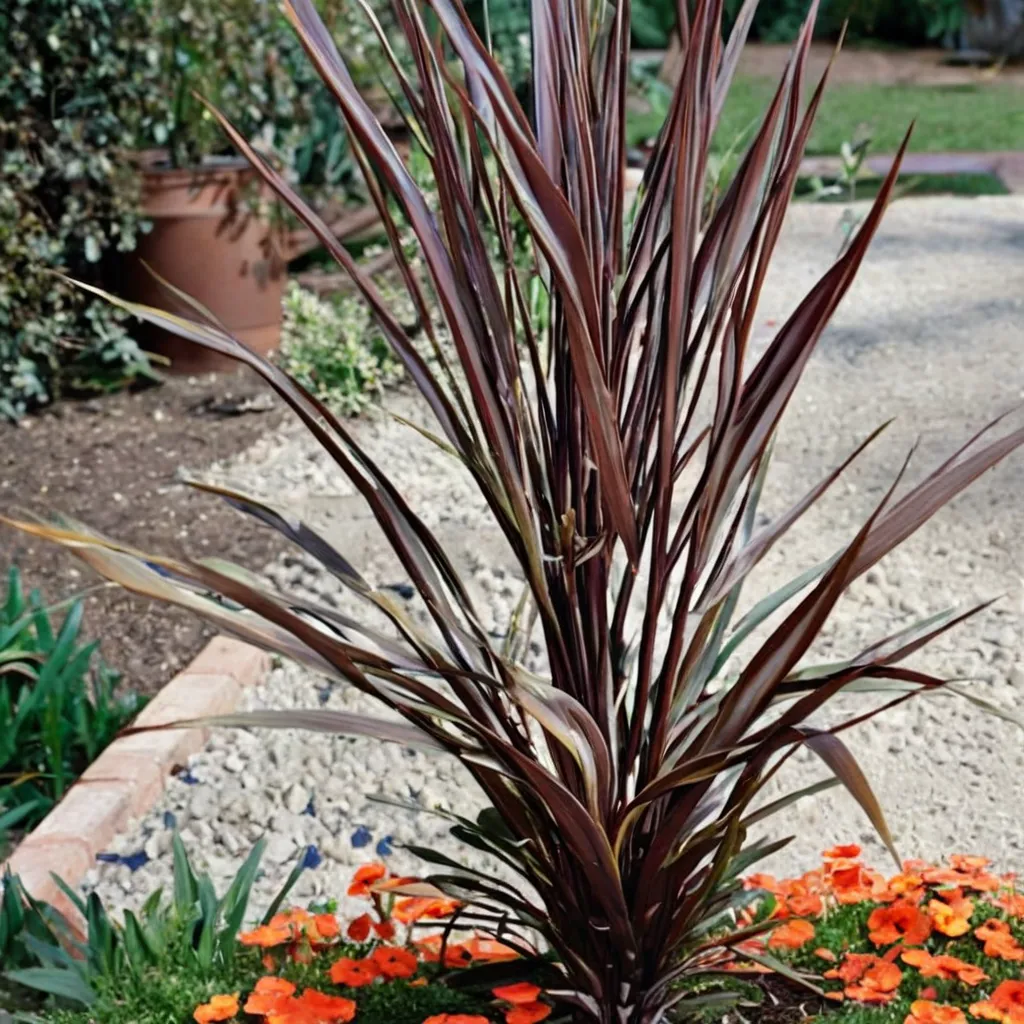
Red Sensation Cordyline
Cordyline australis 'Red Sensation'
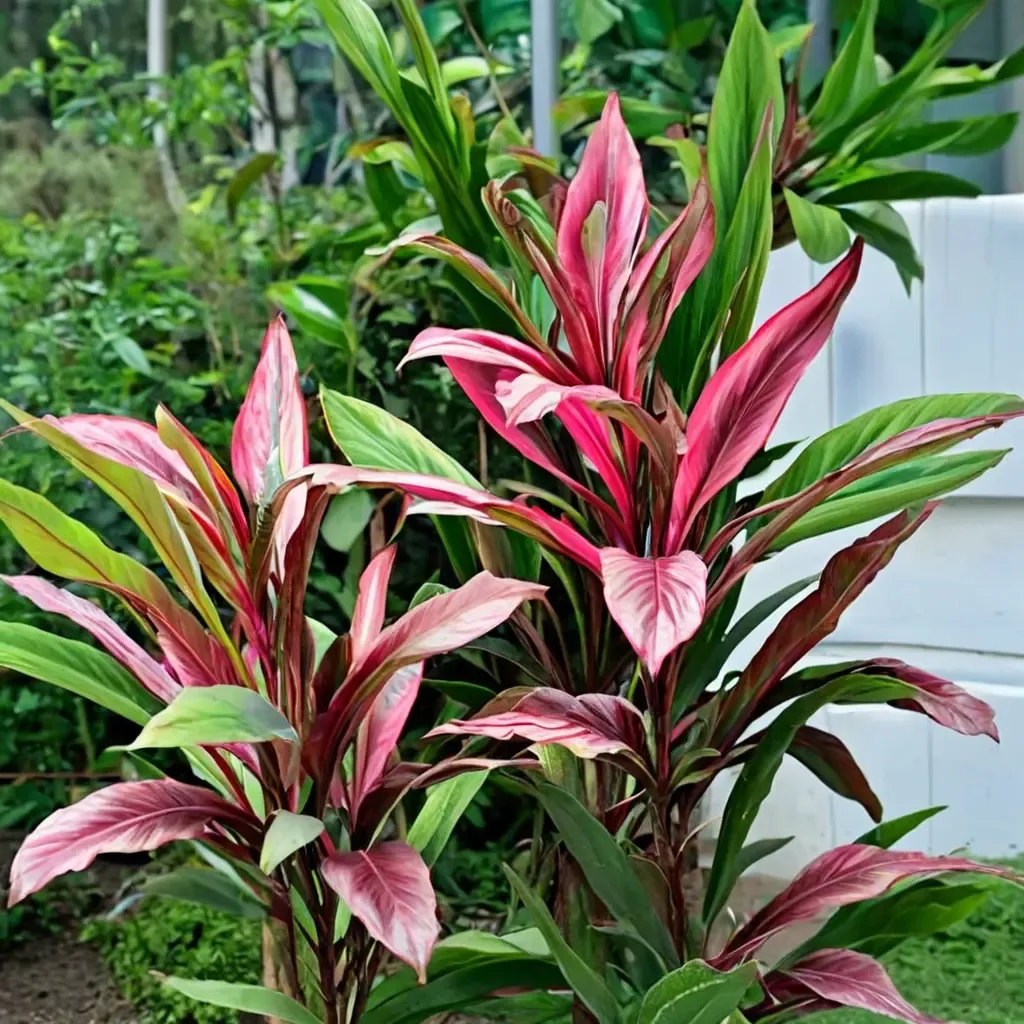
Can Can Cordyline
Cordyline fruticosa 'Can Can'
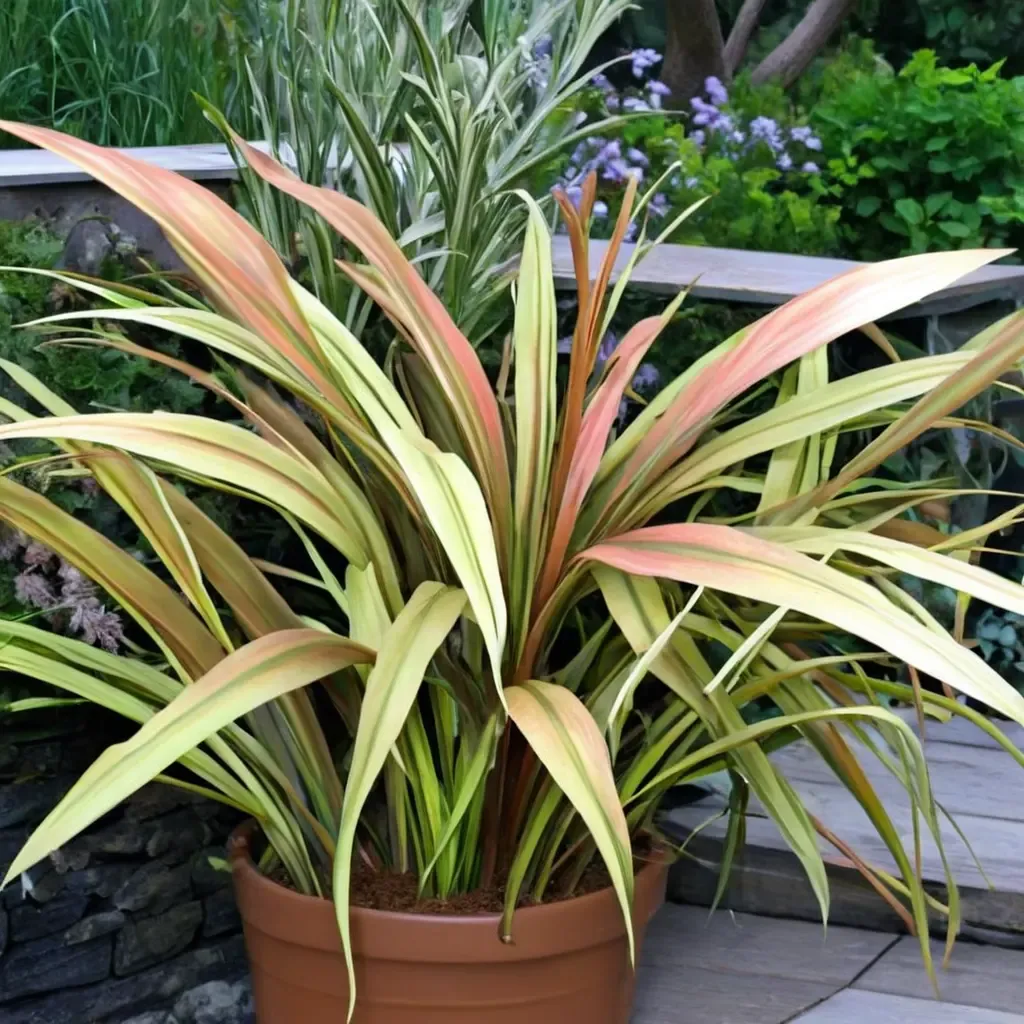
Cha Cha Ti Plant Cordyline Cha Cha
Cordyline fruticosa 'Cha Cha'
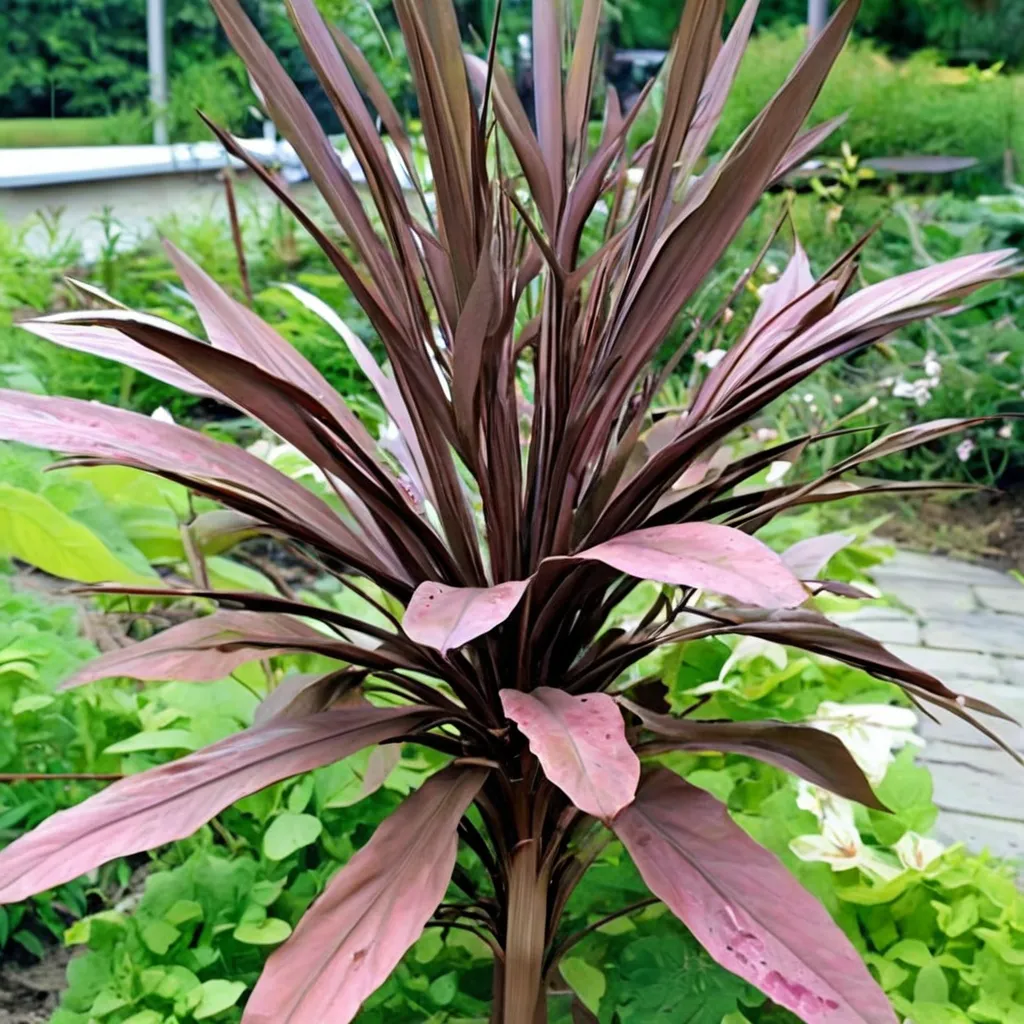
Purple Tower Cordyline
Cordyline australis 'Purple Tower'
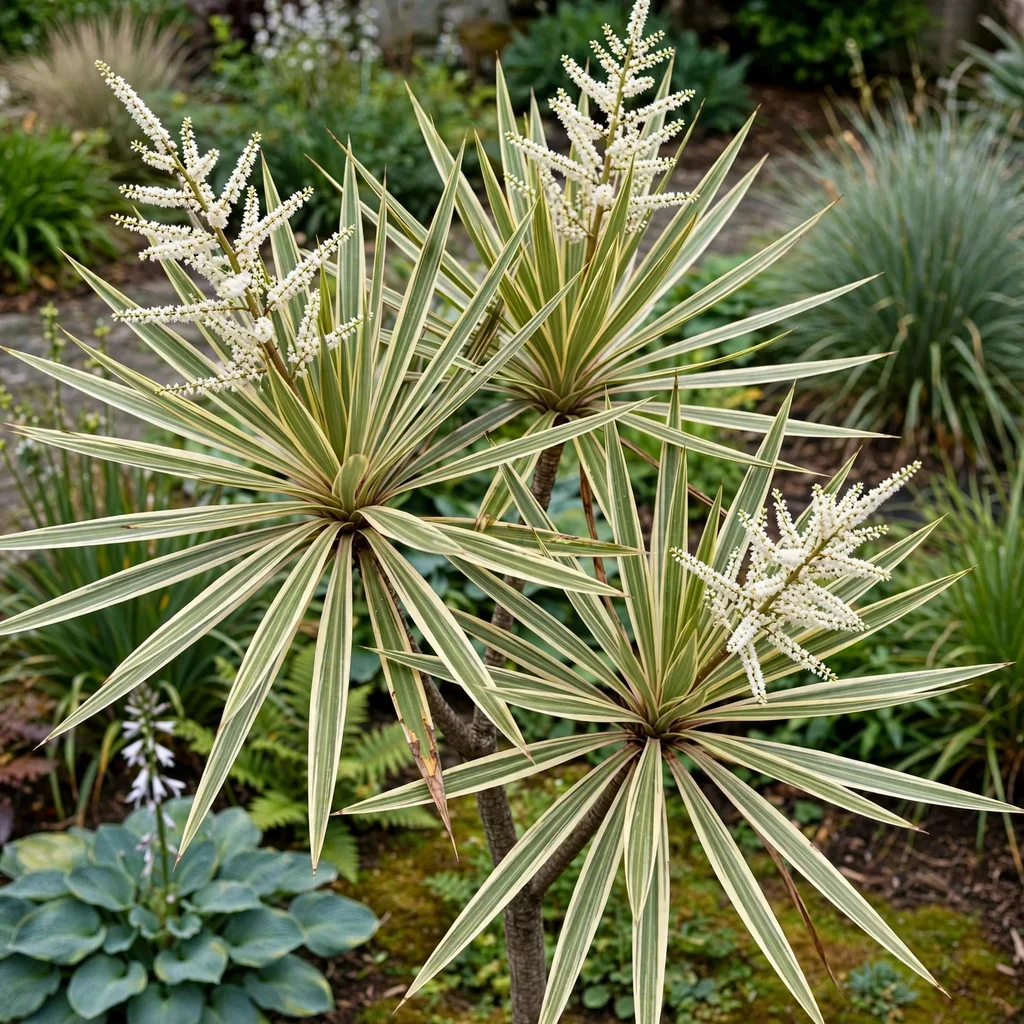
Alberti Cabbage Tree
Cordyline australis 'Alberti'
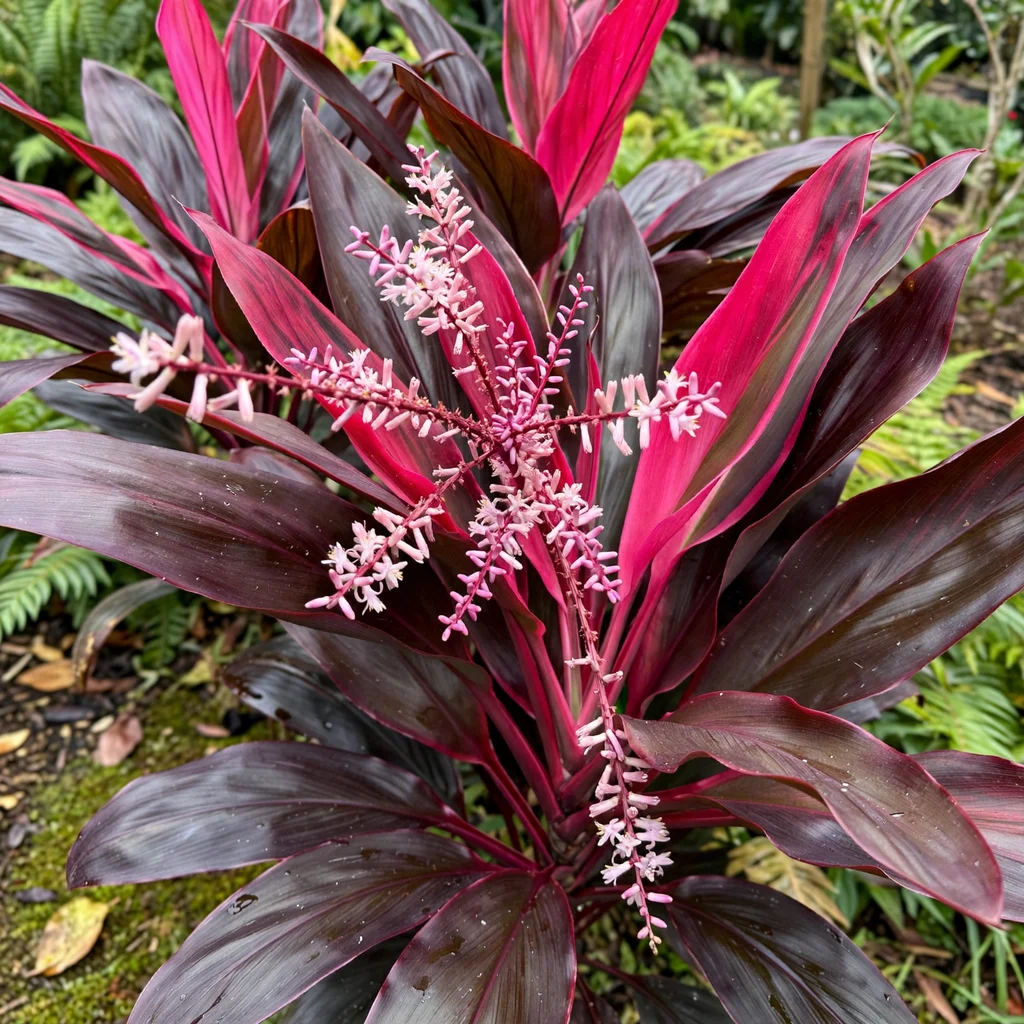
Ti Plant 'Rubra'
Cordyline fruticosa 'Rubra'
Keep exploring
Explore the genus
Hardy in your zone?
Grow Forest Cabbage Tree with confidence
See it in a design of your actual yard, get zone-matched care reminders, and track it season by season in your garden journal.