The Story
Plant Bio
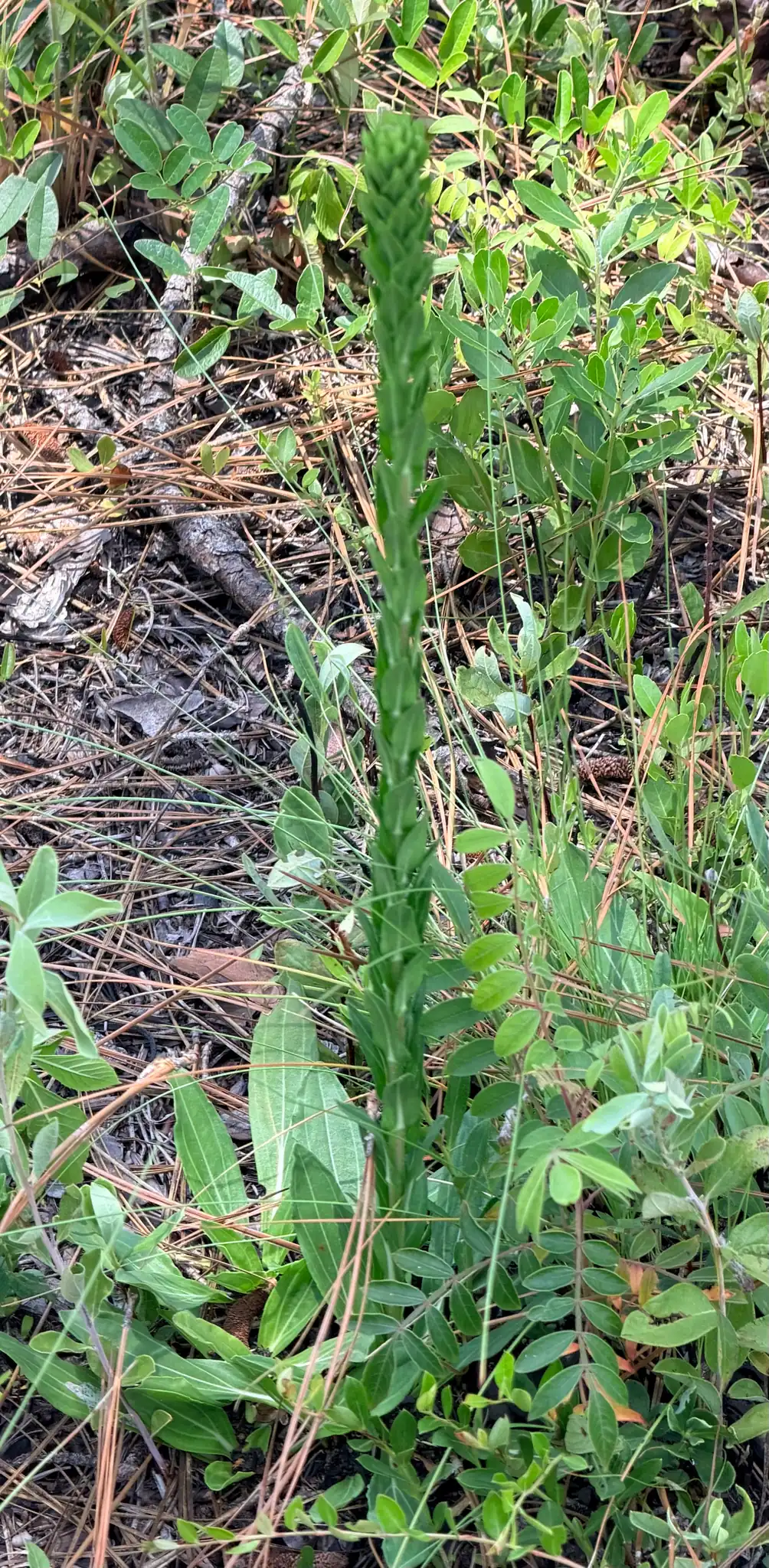
Carphephorus paniculatus, now accepted as Trilisa paniculata but still sold under the old name, is an erect herbaceous perennial of the southeastern coastal plain reaching one to four feet in cultivation from a basal rosette. The narrow leathery basal leaves carry a pale midrib, and the display comes from dense panicles of small rayless pink to pinkish-purple disc florets held above a single densely hairy reddish stem.
It is distinguished by sticky villous-hirsute stems and basal oblanceolate leaves two to fourteen inches long that stay semi-evergreen, with much-reduced sessile leaves up the stem. Plants run by seed and division to form large colonies in moist ground, flowering August to December with black achenes following the disc heads.
Uses & Benefits:
Essentials
At a Glance
Plant Type
Perennial
Height
48"
Width
18"
Light
Full Sun, Partial Sun
Zones
7, 8, 9, 10
Water
High
Humidity
Moderate to High
Lifespan
Perennial
Native To
Southeastern USA
Toxicity
Unknown
Bloom period
Late summer – Fall
In flower about 4 months of the year
Planting
How to Grow
- Plant in full sun in moist to wet sandy or loamy soil enriched with organic matter.
- Set the crown at soil level and water in deeply, keeping the root zone consistently moist.
- Mulch with pine straw or shredded leaves to hold moisture through summer.
- Leave fall seed heads for self-sowing and divide in spring to control spread.
Pro Tip
Site it where the soil stays moist to wet in full sun, and divide congested colonies in spring rather than cutting back hard.
Keep It Thriving
Care Guide
Do
- Keep soil consistently moist; do not let wet-flatwoods plantings dry out.
- Plant in full sun for sturdy stems and full panicles.
- Divide or thin colonies in spring to maintain vigor.
Don't
- Do not plant in dry or fast-draining upland soil without irrigation.
- Do not cut back into the basal rosette in fall; leave foliage to protect the crown.
- Do not fertilize heavily; rich feeding produces soft growth.
Seasonal Care Calendar
| Task | Jan | Feb | Mar | Apr | May | Jun | Jul | Aug | Sep | Oct | Nov | Dec |
|---|---|---|---|---|---|---|---|---|---|---|---|---|
| Deadhead | ||||||||||||
| Divide | ||||||||||||
| Mulch | ||||||||||||
| Pest Check | ||||||||||||
| Plant |
Watch Out For
Pests & Diseases
Common Pests
Common Diseases
In the Garden
Landscape Uses & Companions
Landscape Uses
Multiply
Propagation Methods
Good to Know
Common Questions
Hairy Chaffhead questions
What zones can Hairy Chaffhead grow in?
Hairy Chaffhead is hardy in USDA Zones 7–10: in that range it survives winter in the ground. Colder than Zone 7, grow it in a container you can move to shelter for the winter, or as an annual.
When does Hairy Chaffhead bloom?
Hairy Chaffhead typically blooms from late summer to late fall. Exact timing shifts a week or two with your zone — Sow's bloom calendar maps it to your garden.
Does Hairy Chaffhead need full sun?
Hairy Chaffhead does best in full sun to part shade. In hot climates, afternoon shade keeps blooms fresher longer.
More Carphephorus to compare
Keep exploring
Explore the genus
Hardy in your zone?
Grow Hairy Chaffhead with confidence
See it in a design of your actual yard, get zone-matched care reminders, and track it season by season in your garden journal.