0 saves
Carphephorus
We track 3 varieties; the ones most used by real gardeners.
The 3 most-saved Carphephorus varieties
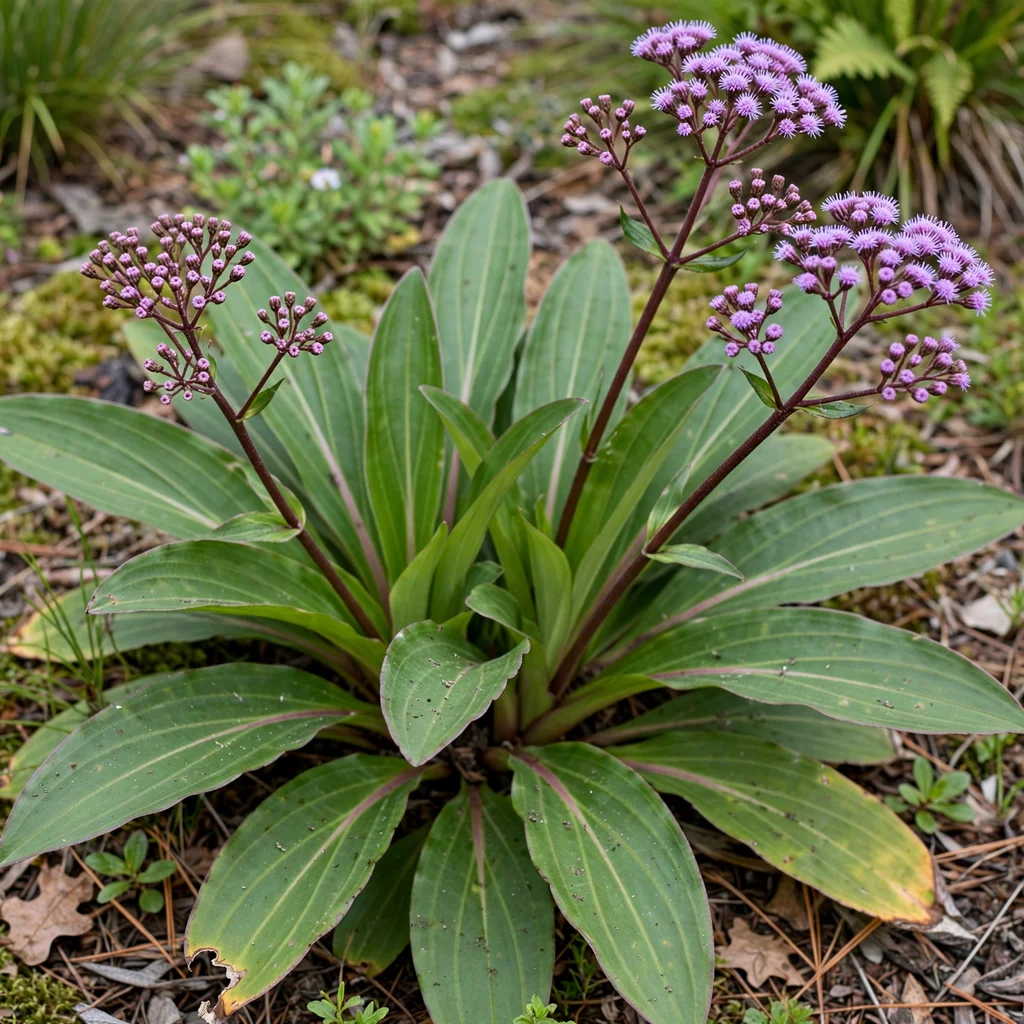
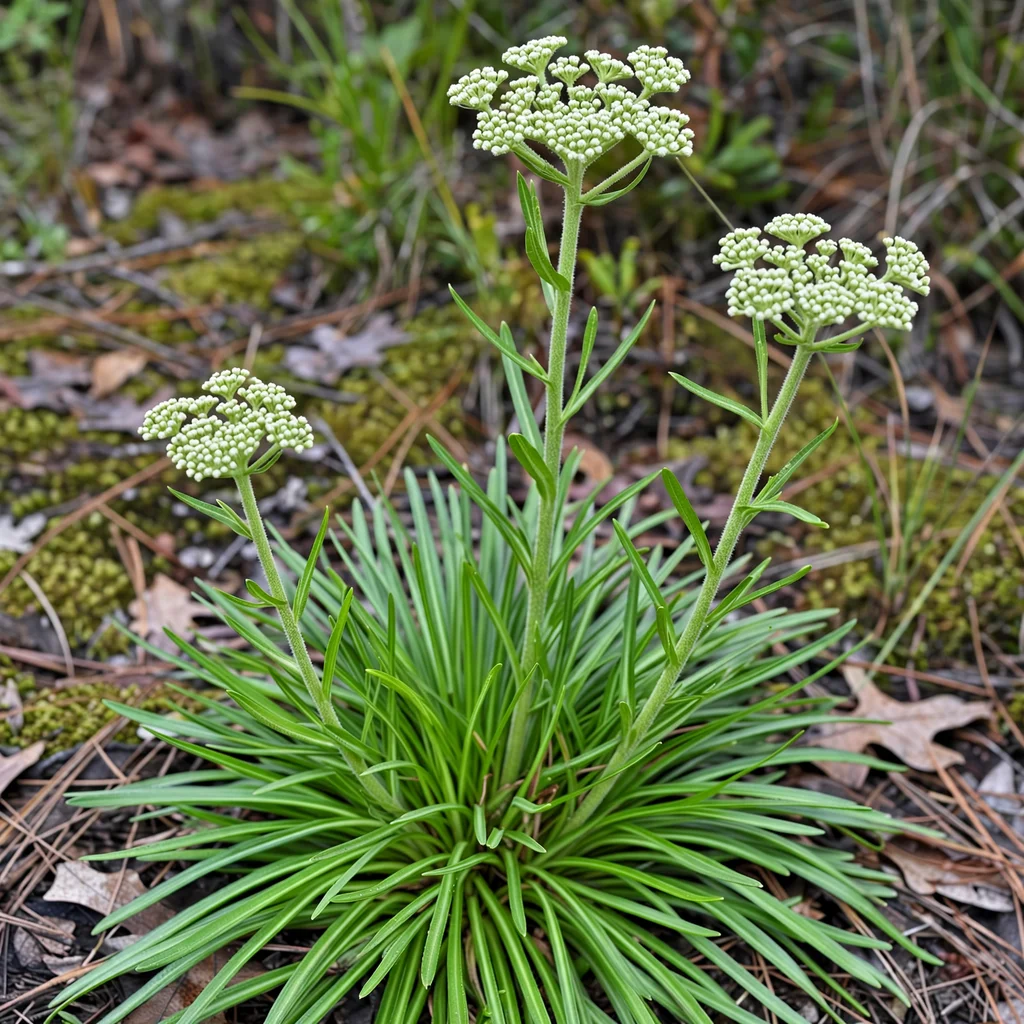
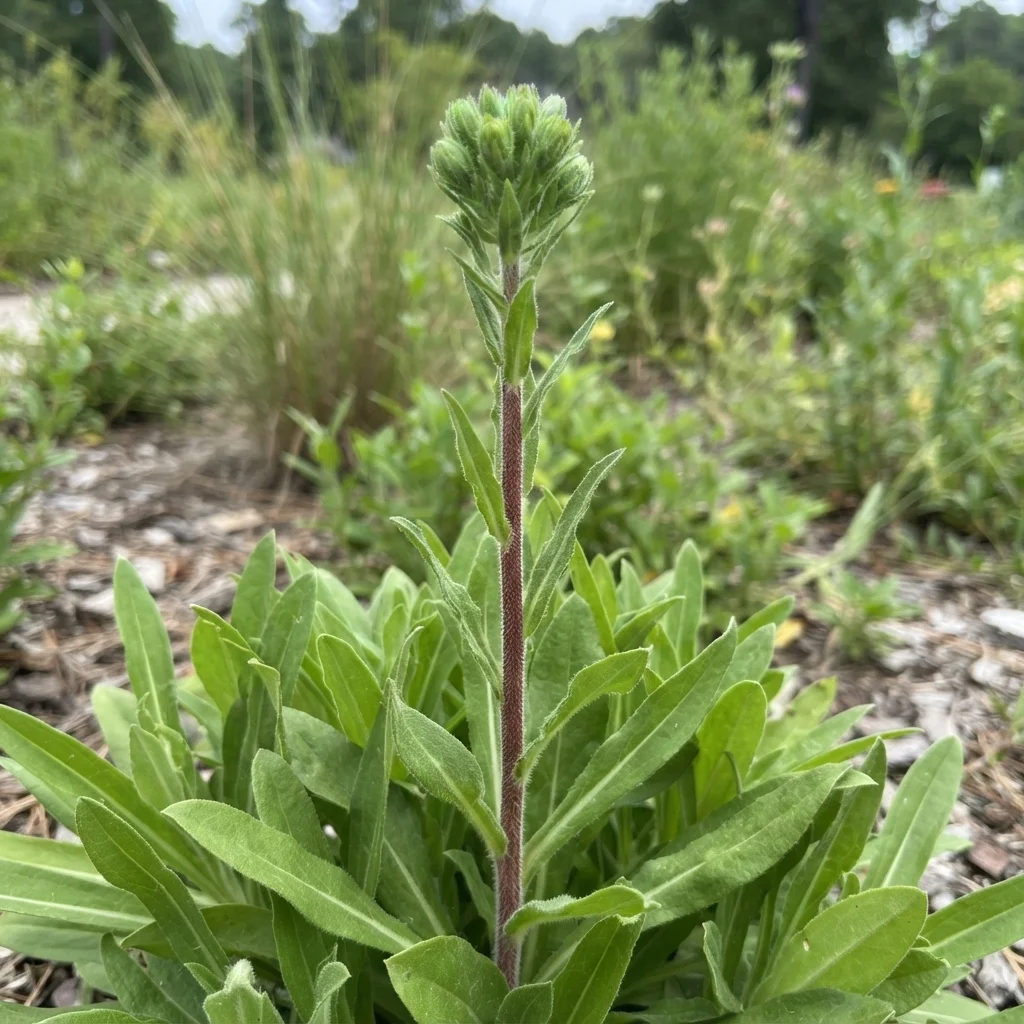
3 species of Carphephorus
Each one is a parent of the varieties above.
Track your Carphephorus in Sow
Save the Carphephorus you grow and get care reminders timed to your zone.
How to grow Carphephorus
Whats common across all Carphephorus varieties in our catalog — drawn from the care records of the 3 most-grown of them.
The Carphephorus year
- PlantMarch and April100% of varieties
Set out pots or plugs after last frost in soil that stays moist.
- Check for PestsJune and July100% of varieties
Check foliage for aphids and leaf spot; problems are rarely serious.
- DeadheadOctober67% of varieties
Leave some heads for seed and cut remaining stalks back after bloom.


Do
- Keep soil consistently moist; do not let wet-flatwoods plantings dry out.
- Plant in full sun for sturdy stems and full panicles.
- Divide or thin colonies in spring to maintain vigor.
- Plant in full sun in sand or sandy loam that drains fast.
- Leave winter rosettes undisturbed and mark their location.
Avoid
- Do not plant in dry or fast-draining upland soil without irrigation.
- Do not cut back into the basal rosette in fall; leave foliage to protect the crown.
- Do not fertilize heavily; rich feeding produces soft growth.
- Do not plant in wet ground or where salt spray or flooding occurs.
What goes wrong with Carphephorus
| Problem | What you'll see | What to do |
|---|---|---|
| Aphids | Clusters on stems and buds in summer; rarely serious on this plant. | Rinse off with water; conserve lady beetles and lacewings. |
| Grasshoppers | Chewed leaf edges and stem tips in summer plantings | Tolerate light feeding; hand-pick and avoid broad-spectrum insecticides that kill bees and butterflies |
| Leaf spot | Brown spots on lower leaves during wet weather. | Improve air circulation, avoid overhead watering, and remove affected leaves. |
| Powdery mildew | White powdery coating on leaves in crowded humid plantings. | Space for airflow and remove affected leaves; seldom serious on this species. |
Making more Carphephorus
Seed
- Collect black achenes in late fall when heads dry.
- Sow on the surface of moist sandy mix and press in lightly.
- Keep evenly moist in full sun with bottom water.
- Transplant seedlings to moist ground once rosettes form.
Division
- Lift a large colony in early spring as growth resumes.
- Tease apart rosettes with roots attached.
- Replant at the same crown depth in moist soil.
- Water deeply and mulch to hold moisture.
Carphephorus questions
How many types of Carphephorus are there?
The Sow catalog tracks 3 distinct Carphephorus varieties. The most popular — ranked by 0 real gardeners — are shown first above.
What zones does Carphephorus grow in?
Across its varieties, Carphephorus covers USDA Zones 7–10. Individual varieties differ — each plant page lists its exact range, and Sow filters the catalog to your zone automatically.
When does Carphephorus bloom?
Most Carphephorus varieties bloom from late summer to late fall.
Which Carphephorus should I choose?
Start from the most-saved varieties above — popularity across thousands of gardens is a strong signal of reliability — then filter by your zone and sun. In the Sow app you can preview any of them in a photo of your actual yard before you buy.