The Story
Plant Bio
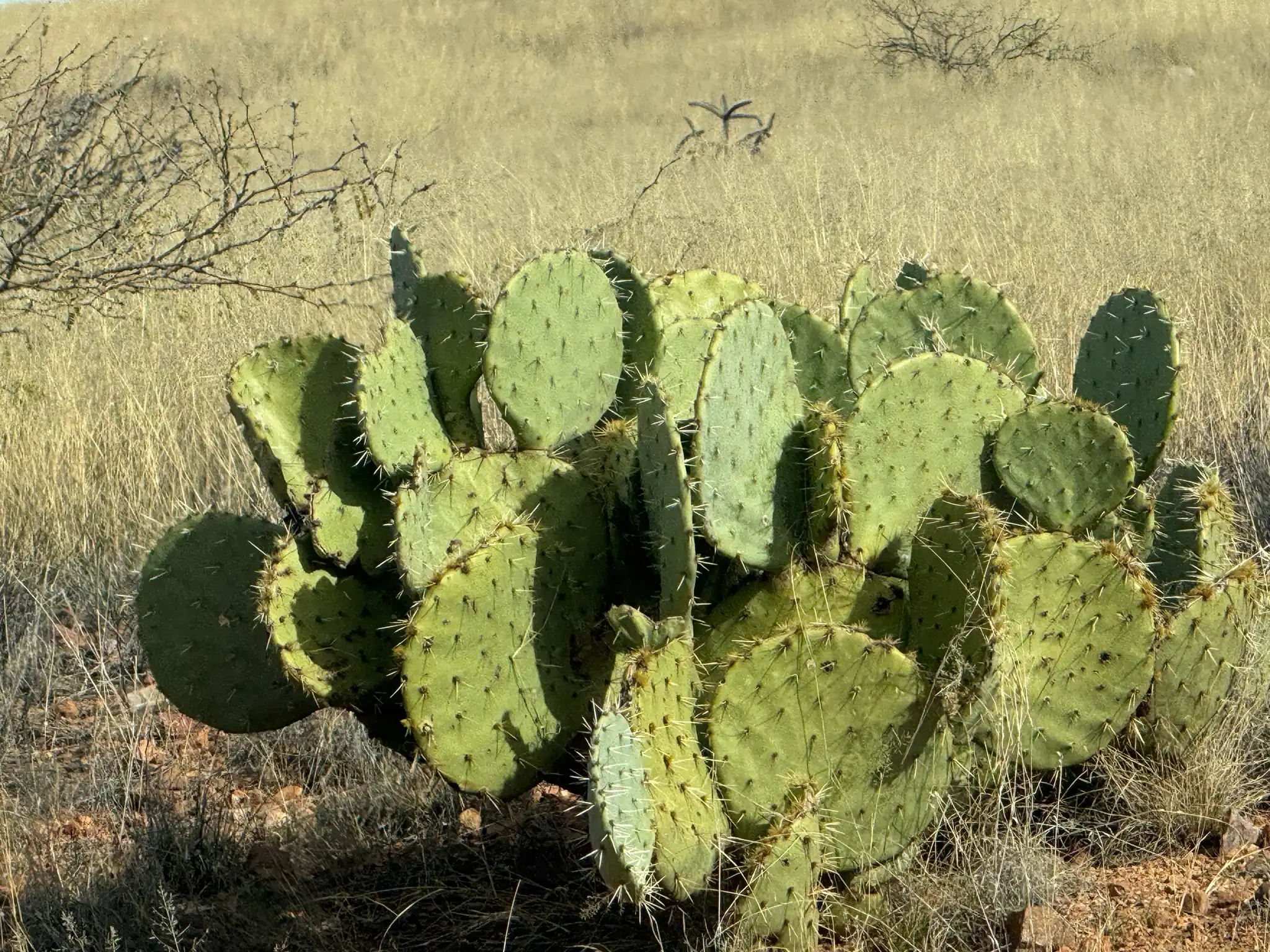
Opuntia engelmannii is a shrubby evergreen cactus that builds wide upright-spreading clumps from flattened green pads armed with spines and barbed glochids. Flowers open singly along the pad edges and ripen into dark red edible tunas.
This is the most confused prickly pear in cultivation, now understood to include plants long sold as Opuntia lindheimeri and vars. engelmannii, flavispina and linguiformis. Mature clumps reach four to six feet tall and much wider, with three-inch yellow to yellow-red flowers in spring to early summer.
Uses & Benefits:
Essentials
At a Glance
Plant Type
Cactus Succulent
Height
72"
Width
144"
Light
Full Sun, Partial Sun
Zones
7, 8, 9, 10
Water
Low
Humidity
Low
Lifespan
Long-lived perennial
Native To
South-Central and Southwestern USA and Mexico
Toxicity
Spines and glochids cause skin injury; fruit edible when de-spined
Bloom period
Spring – Early summer
In flower about 4 months of the year
Planting
How to Grow
- Plant in full sun in lean, gritty, sharply drained soil, setting the lowest pad just above grade.
- Space to allow a 6- to 12-foot clump, keeping the crown open to air and sun.
- Water deeply at planting, then water only occasionally once rooted; keep winter soil dry.
- Harvest tunas with tongs when fully dark red, brushing off all glochids before eating.
Pro Tip
Leave white cottony cochineal patches alone or blast them off with water; systemic insecticides kill the bees and hummingbirds the flowers depend on.
Keep It Thriving
Care Guide
Do
- Give full sun and sharp drainage in rocky or sandy soil
- Wash cochineal off with a strong jet of water or dab with diluted alcohol
- Wear eye protection, tongs and heavy gloves when handling pads and fruit
Don't
- Do not overwater or plant in heavy clay that stays wet
- Do not cut back hard into old pads for shaping
- Do not use systemic insecticides while flowers support pollinators
Seasonal Care Calendar
| Task | Jan | Feb | Mar | Apr | May | Jun | Jul | Aug | Sep | Oct | Nov | Dec |
|---|---|---|---|---|---|---|---|---|---|---|---|---|
| Harvest | ||||||||||||
| Pest Check | ||||||||||||
| Plant | ||||||||||||
| Propagate |
Watch Out For
Pests & Diseases
Common Pests
Common Diseases
In the Garden
Landscape Uses & Companions
Landscape Uses
Multiply
Propagation Methods
Good to Know
Common Questions
Engelmann's Prickly Pear questions
What zones can Engelmann's Prickly Pear grow in?
Engelmann's Prickly Pear is hardy in USDA Zones 7–10: in that range it survives winter in the ground. Colder than Zone 7, grow it in a container you can move to shelter for the winter, or as an annual.
Is Engelmann's Prickly Pear deer resistant?
Yes — Engelmann's Prickly Pear is rated deer-resistant. Deer typically pass it over, though extreme hunger can override any plant's defenses.
When does Engelmann's Prickly Pear bloom?
Engelmann's Prickly Pear typically blooms from early spring to early summer. Exact timing shifts a week or two with your zone — Sow's bloom calendar maps it to your garden.
Does Engelmann's Prickly Pear need full sun?
Engelmann's Prickly Pear does best in full sun to part shade. In hot climates, afternoon shade keeps blooms fresher longer.
Is Engelmann's Prickly Pear drought tolerant?
Yes — once established (usually after the first full season), Engelmann's Prickly Pear handles dry spells with minimal watering. Water deeply its first year to build the root system that makes that possible.
More Opuntia to compare
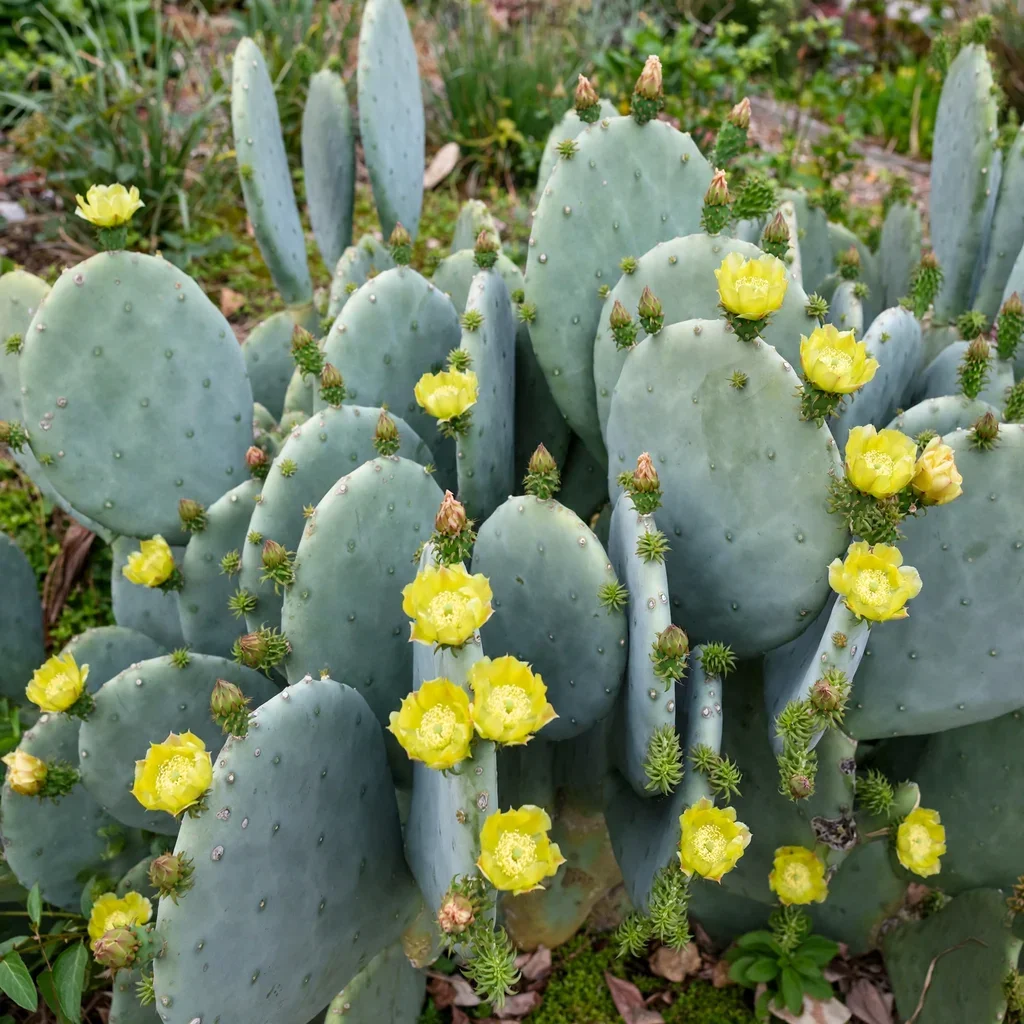
Spineless Prickly Pear
Opuntia cacanapa 'Ellisiana'
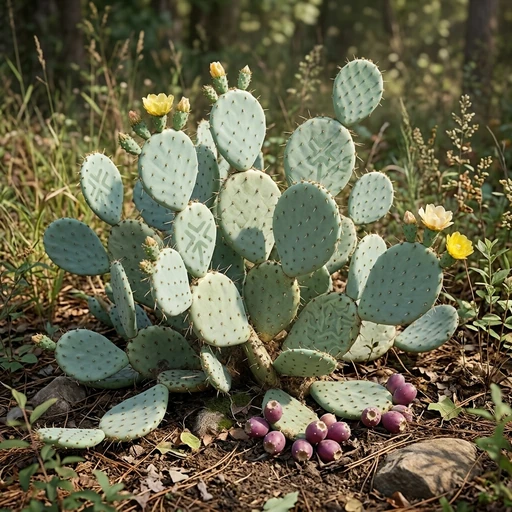
Prickly Pear Cactus
Opuntia humifusa
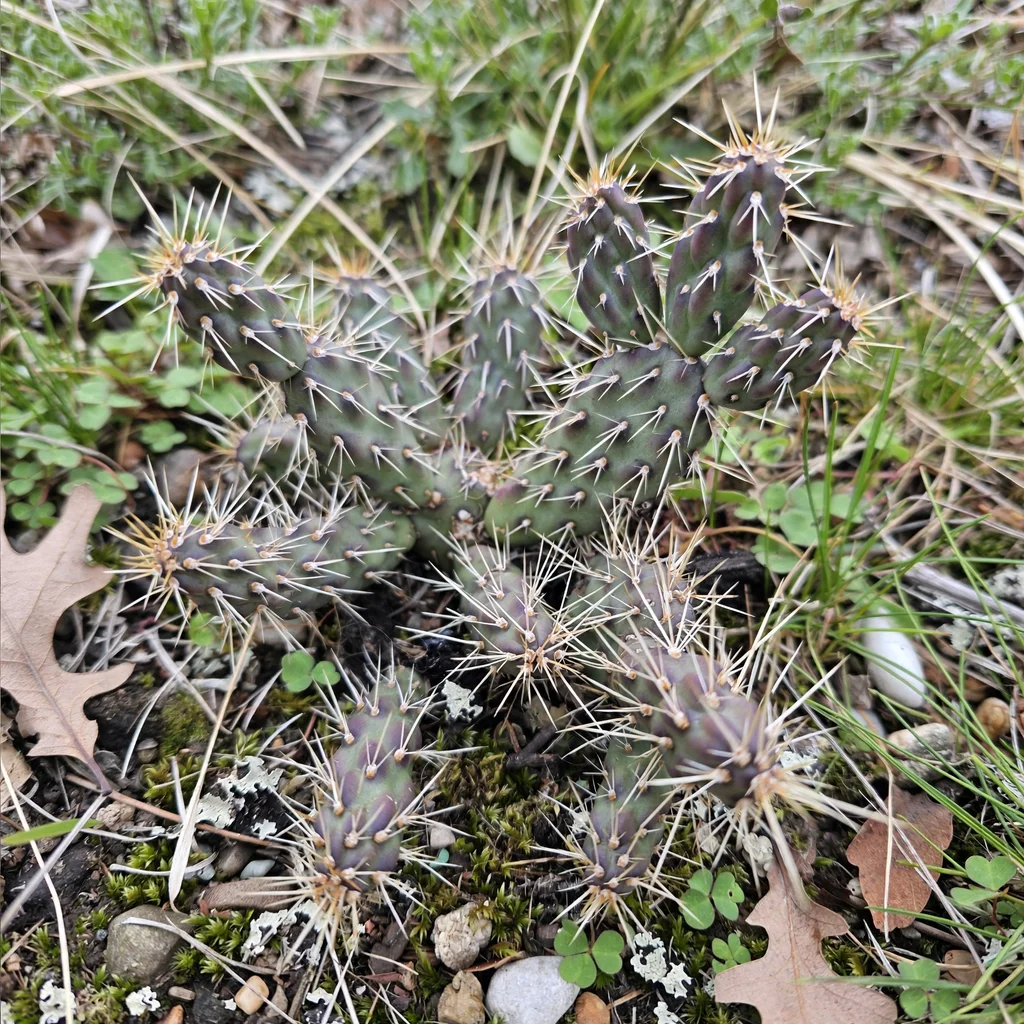
Brittle Prickly Pear
Opuntia fragilis
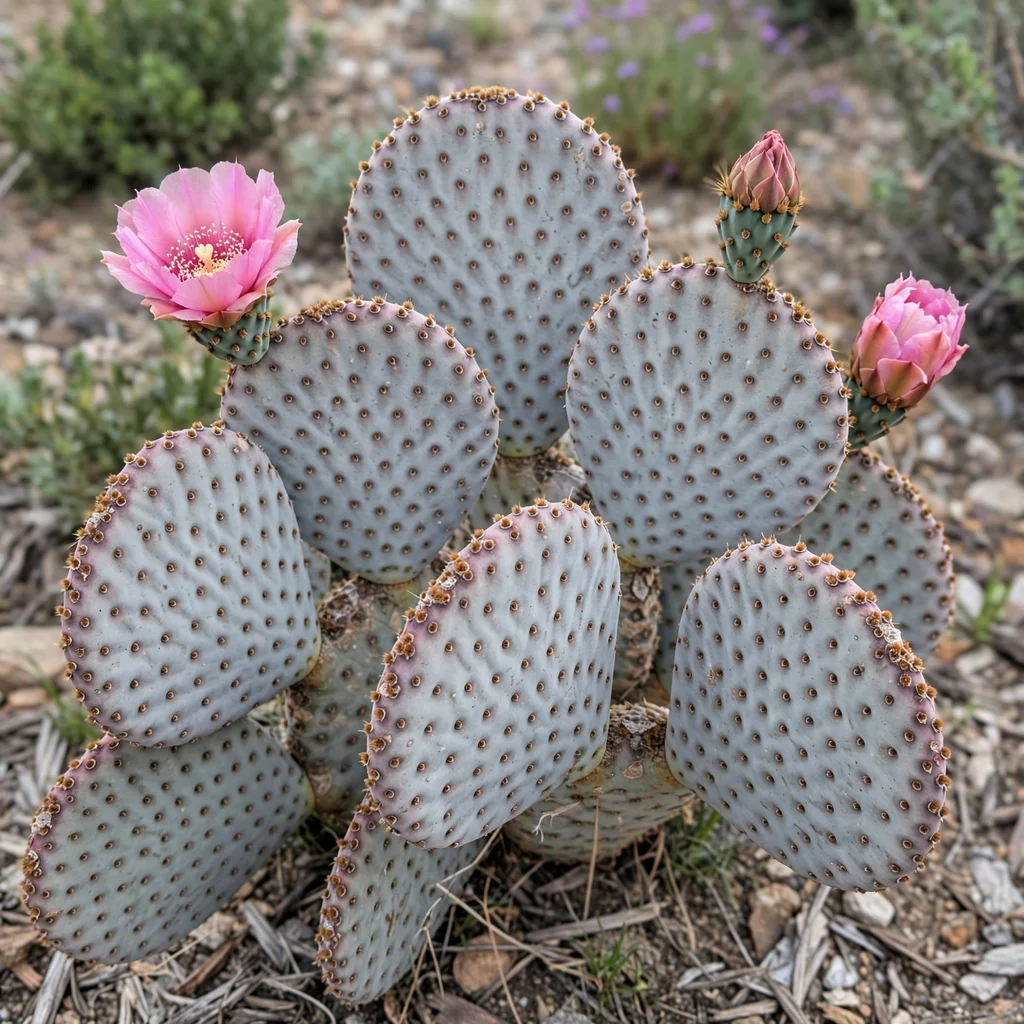
Beavertail Cactus
Opuntia basilaris
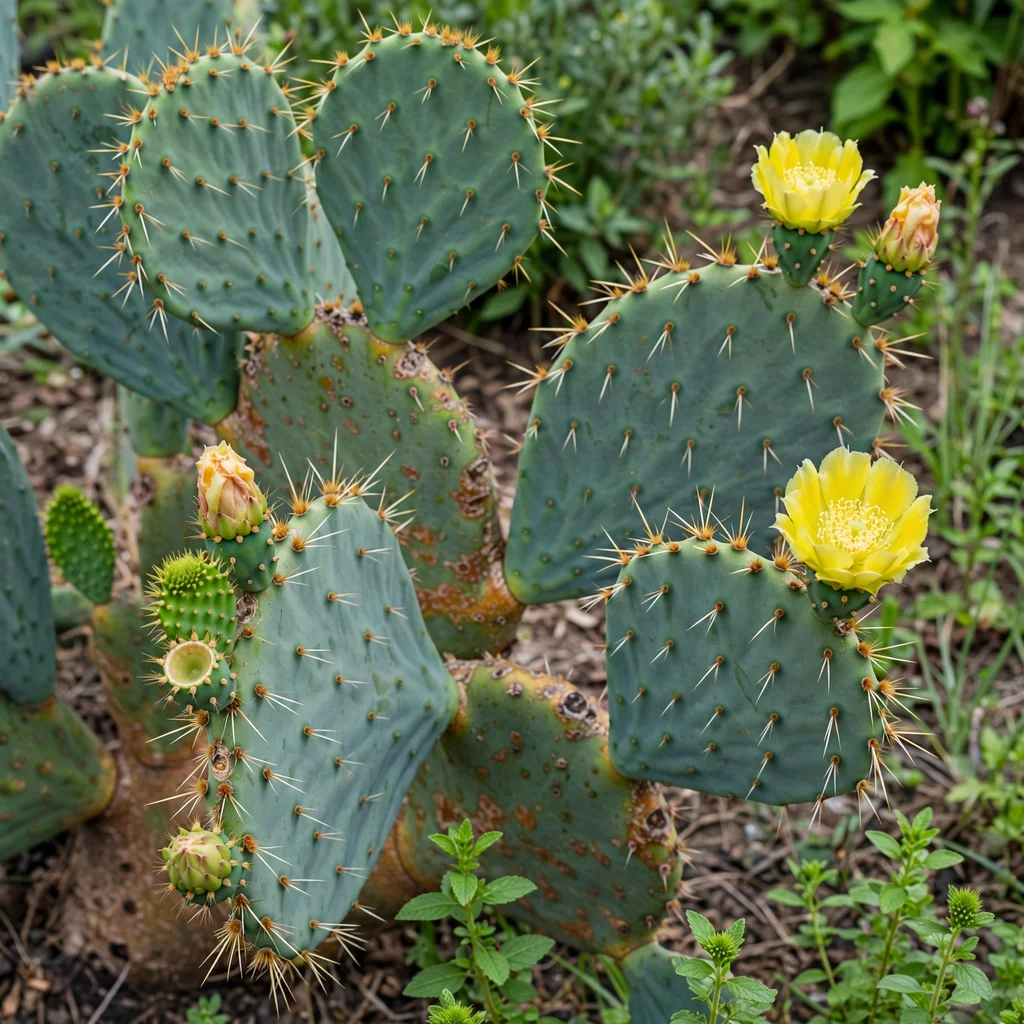
Old Mexico Prickly Pear
Opuntia gomei
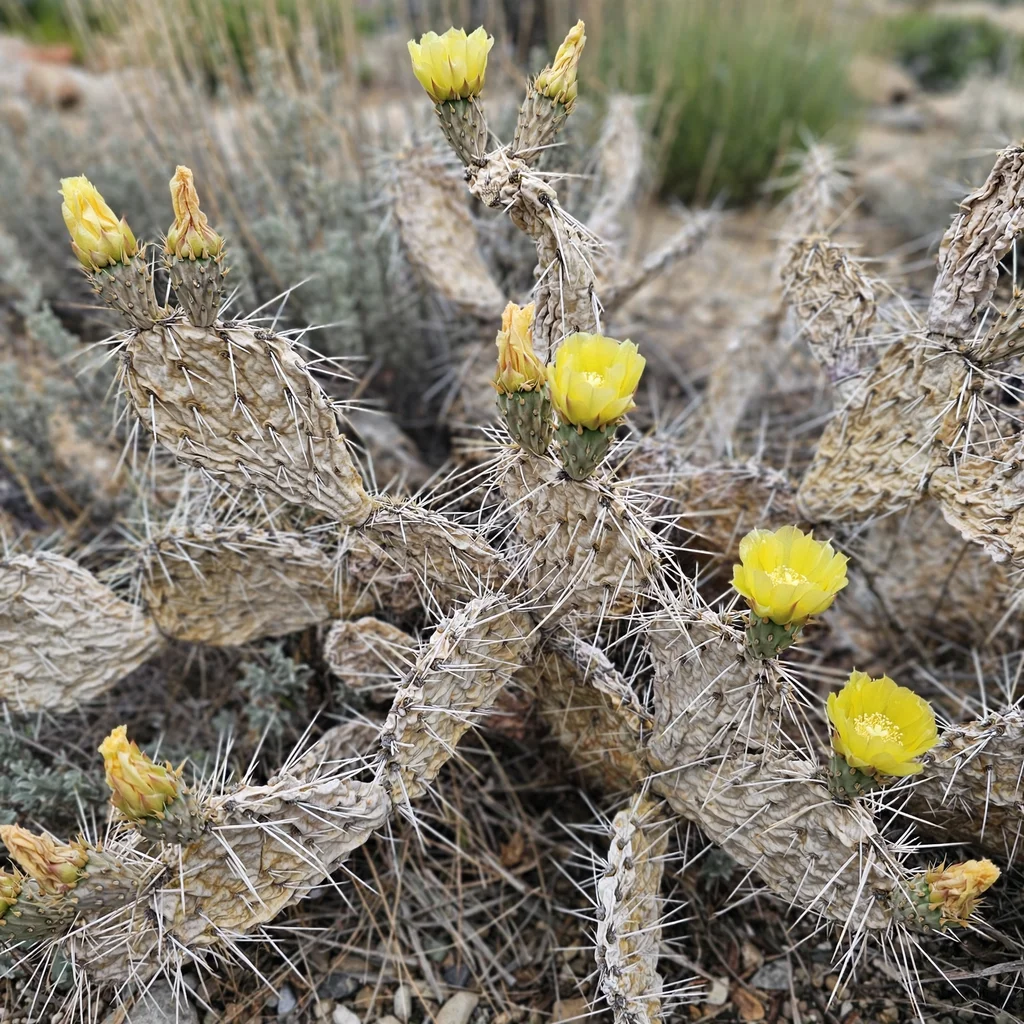
Plains Pricklypear
Opuntia polyacantha
Keep exploring
Explore the genus
Hardy in your zone?
Grow Engelmann's Prickly Pear with confidence
See it in a design of your actual yard, get zone-matched care reminders, and track it season by season in your garden journal.