The Story
Plant Bio
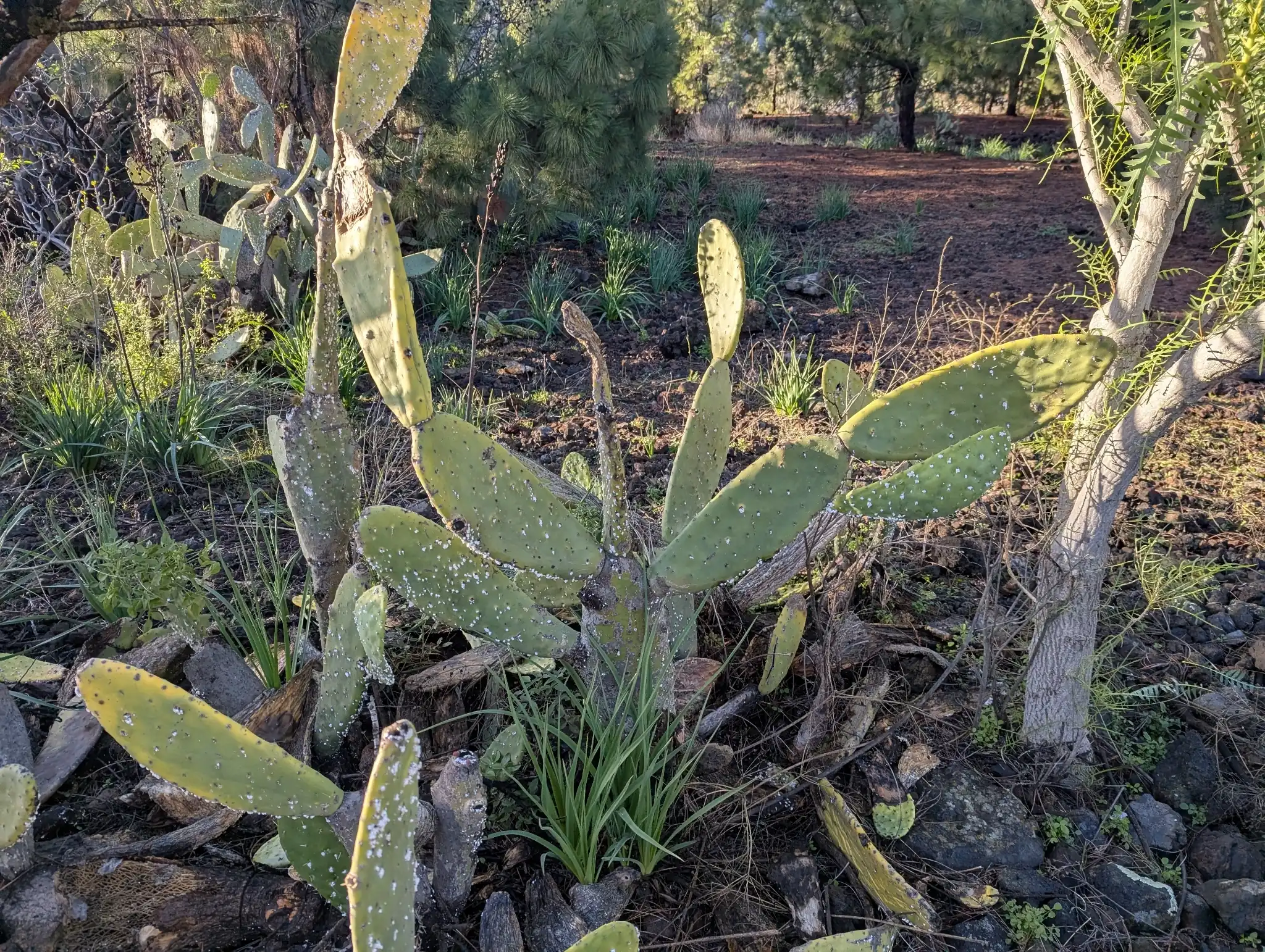
Opuntia ficus-indica is an arborescent prickly pear forming a sturdy trunk with age and a branching crown of flattened pads. The pads are thick glaucous-green cladodes twelve to twenty-four inches long that root where they touch soil and persist for years.
This species is the domesticated Indian fig selected for large nearly spineless pads that still carry patches of barbed glochids at the areoles. Large cup-shaped yellow to orange flowers open along the pad margins in spring to summer followed by three- to four-inch green to purple edible fruits.
Uses & Benefits:
Essentials
At a Glance
Plant Type
Cactus Succulent
Height
180"
Width
120"
Light
Full Sun
Zones
8, 9, 10
Water
Low
Humidity
Low
Lifespan
Long-lived perennial
Native To
Central Mexico (cultivated origin)
Toxicity
Non-toxic
Bloom period
Spring – Summer
In flower about 6 months of the year
Planting
How to Grow
- Plant in full sun in sandy to gravelly soil with sharp drainage, spacing 10 feet apart to allow tree size.
- Set pads just deep enough to stand upright and hold off water for a week to callus, then water deeply once.
- Water deeply only after soil dries completely and withhold water in winter except in extreme drought.
- Prune only to control size by cutting whole pads at the joint with clean tools, handling pieces with tongs.
- Dry and bag unwanted pads for trash; never dump pads as garden refuse because detached pads root.
Pro Tip
Even spineless selections carry glochids so always handle pads with tongs and heavy gloves never bare hands.
Keep It Thriving
Care Guide
Do
- Plant in full sun in sharply drained sandy or gravelly soil
- Water deeply then allow soil to dry completely between waterings
- Inspect pads through summer for white cottony cochineal scale
Don't
- Do not plant in heavy clay or low spots that stay wet
- Do not handle pads with bare hands even on spineless selections
- Do not dump pruned pads where they can root and persist
Seasonal Care Calendar
| Task | Jan | Feb | Mar | Apr | May | Jun | Jul | Aug | Sep | Oct | Nov | Dec |
|---|---|---|---|---|---|---|---|---|---|---|---|---|
| Harvest | ||||||||||||
| Pest Check | ||||||||||||
| Plant | ||||||||||||
| Prune |
Watch Out For
Pests & Diseases
Common Pests
Common Diseases
In the Garden
Landscape Uses & Companions
Landscape Uses
Multiply
Propagation Methods
Good to Know
Common Questions
Indian Fig questions
What zones can Indian Fig grow in?
Indian Fig is hardy in USDA Zones 8–10: in that range it survives winter in the ground. Colder than Zone 8, grow it in a container you can move to shelter for the winter, or as an annual.
When does Indian Fig bloom?
Indian Fig typically blooms from spring to summer. Exact timing shifts a week or two with your zone — Sow's bloom calendar maps it to your garden.
Does Indian Fig need full sun?
Indian Fig does best in full sun (6+ hours).
Is Indian Fig drought tolerant?
Yes — once established (usually after the first full season), Indian Fig handles dry spells with minimal watering. Water deeply its first year to build the root system that makes that possible.
More Opuntia to compare
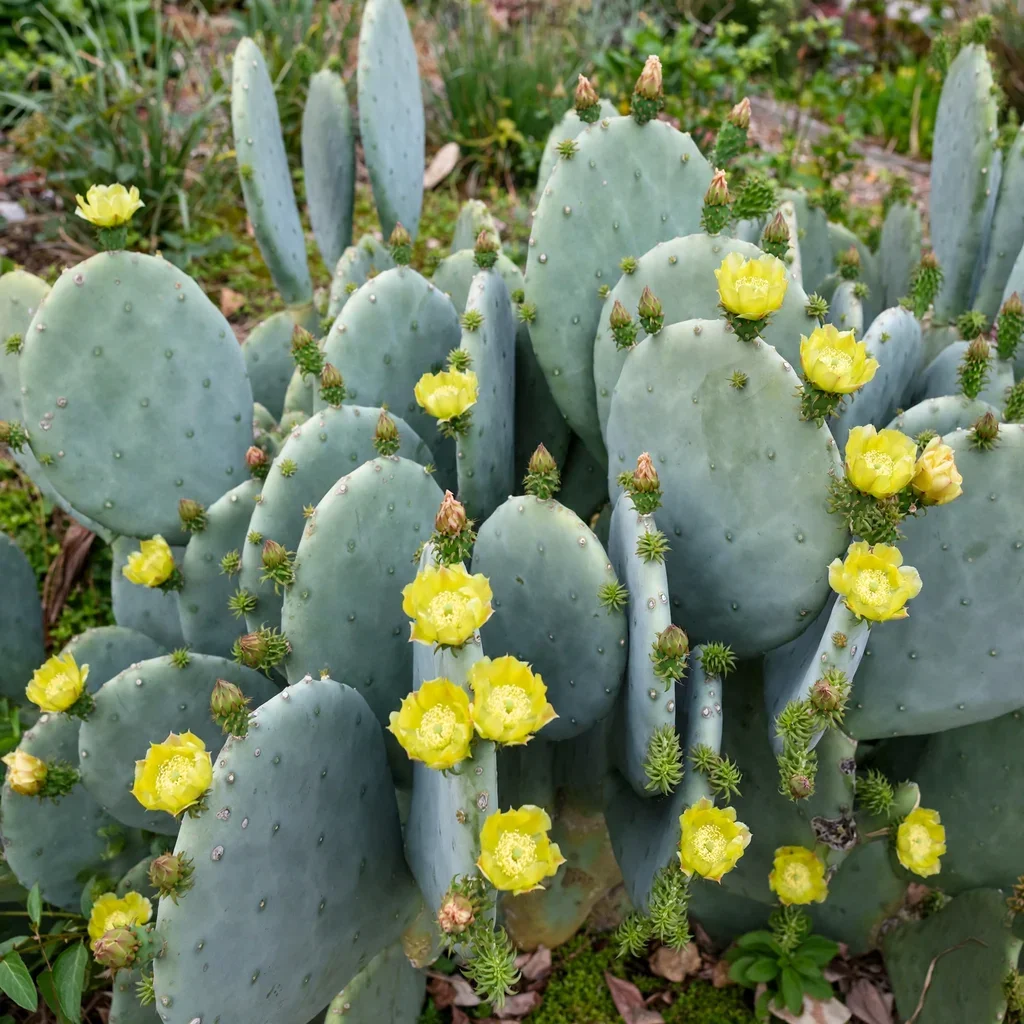
Spineless Prickly Pear
Opuntia cacanapa 'Ellisiana'
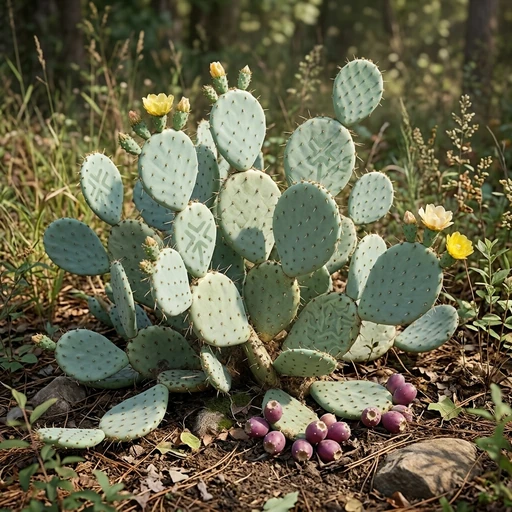
Prickly Pear Cactus
Opuntia humifusa
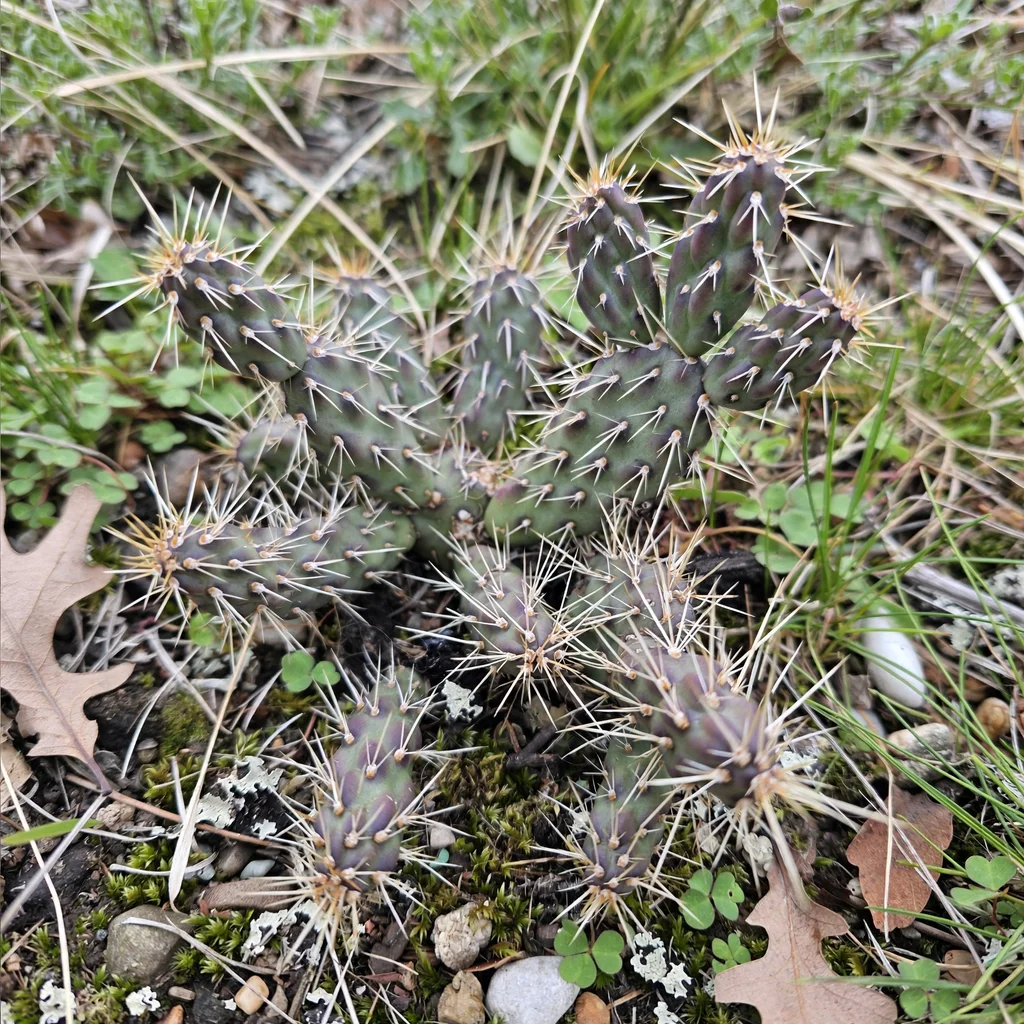
Brittle Prickly Pear
Opuntia fragilis
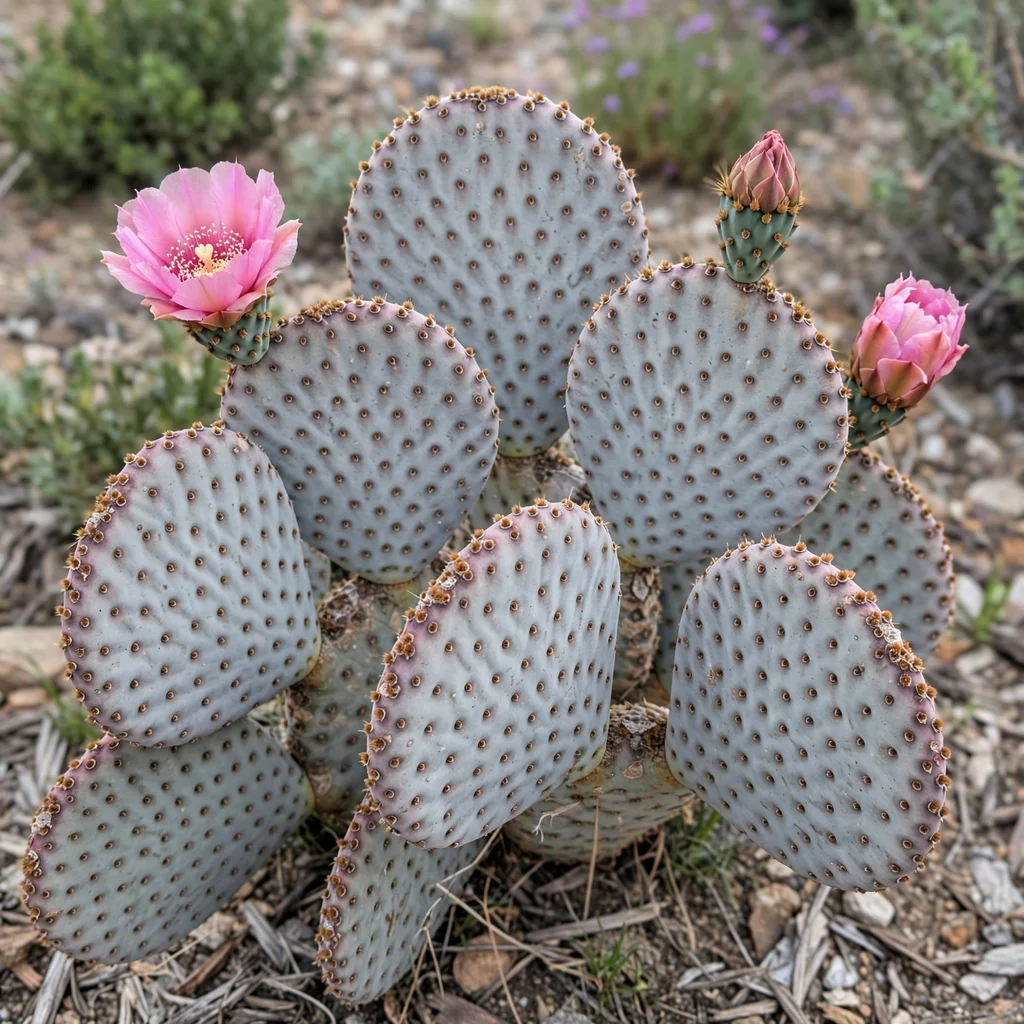
Beavertail Cactus
Opuntia basilaris
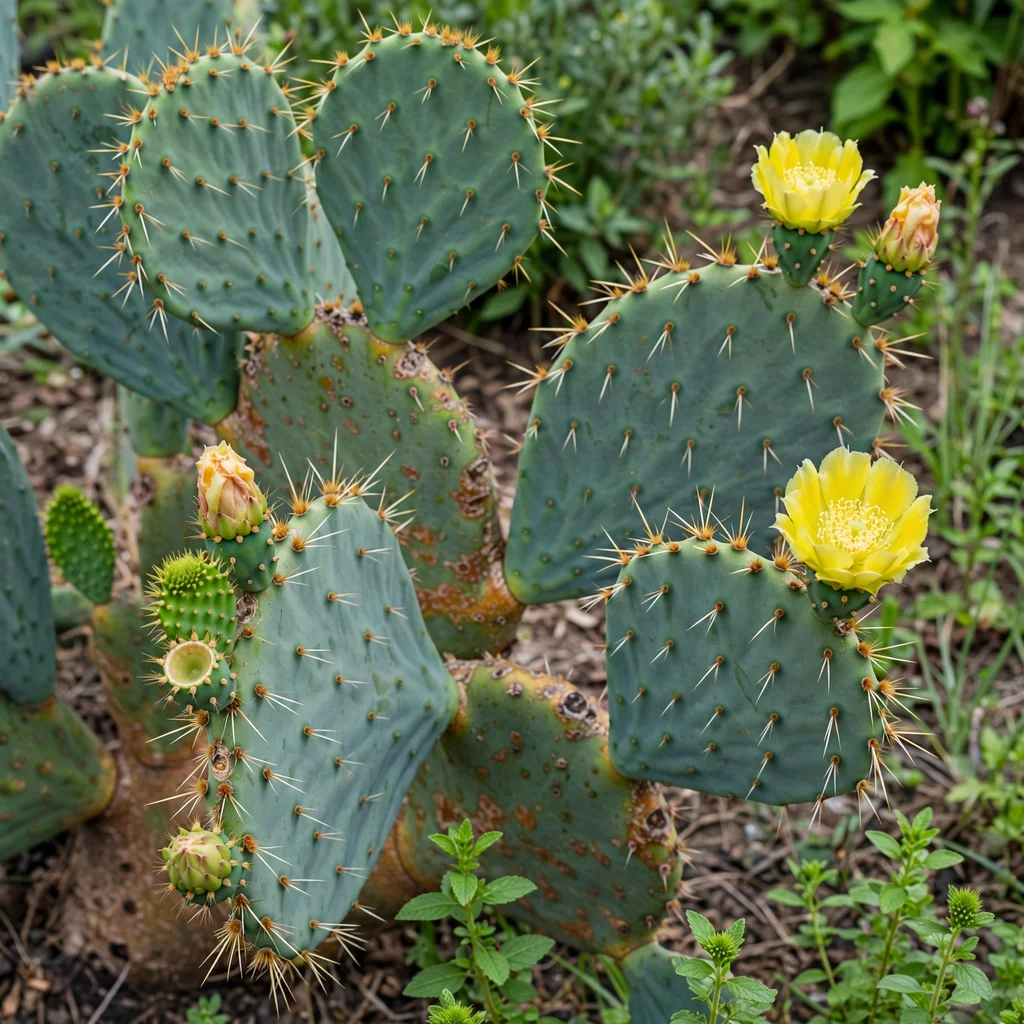
Old Mexico Prickly Pear
Opuntia gomei
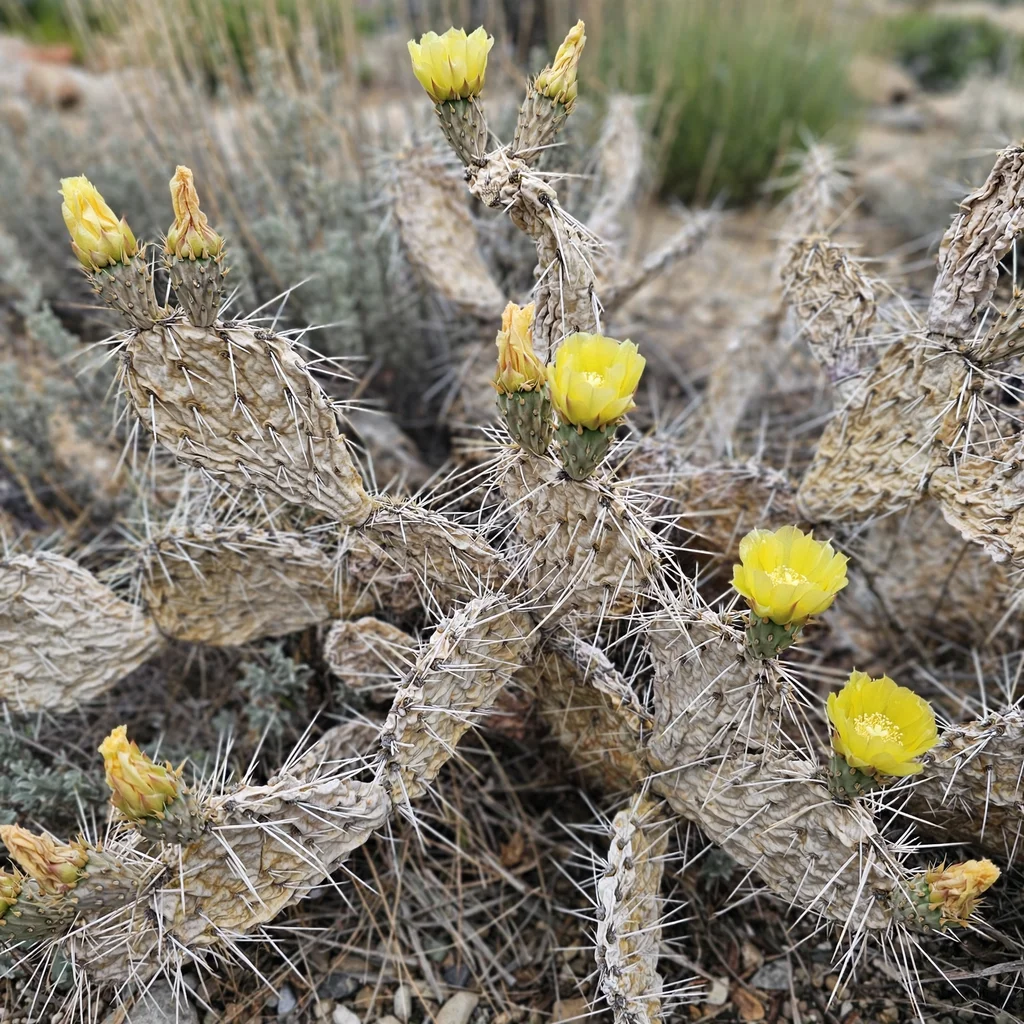
Plains Pricklypear
Opuntia polyacantha
Keep exploring
Explore the genus
Hardy in your zone?
Grow Indian Fig with confidence
See it in a design of your actual yard, get zone-matched care reminders, and track it season by season in your garden journal.