
The Story
Plant Bio
Cercis chinensis, the Chinese redbud, is a deciduous multi-stemmed shrub or small tree reaching 8 to 15 feet in gardens, with alternate rounded heart-shaped leaves to 5 inches long that are glossy leathery green and turn yellow in fall. The display comes from pea-like rosy-purple to magenta-pink flowers borne in tight clusters directly on the stems, branches and trunk before the leaves emerge.
It is set apart from the American redbud by thicker glossier leaves, larger flowers, and longer flat pods, and it is less cold hardy. Bloom lasts two to three weeks in spring on old wood and the trunk itself, so the flowering framework is permanent.
Uses & Benefits:
Essentials
At a Glance
Plant Type
Tree
Height
144"
Width
120"
Light
Full Sun, Partial Sun
Zones
6, 7, 8, 9
Water
Medium
Humidity
Average
Lifespan
Long-lived woody tree
Native To
China
Toxicity
Non-toxic
Bloom period
Spring
In flower about 3 months of the year
Planting
How to Grow
- Plant in early spring in full sun to part shade, with afternoon shade in hot climates.
- Dig a hole no deeper than the root ball and twice as wide, then backfill with native soil.
- Water deeply at planting and through the first summer to keep soil evenly moist.
- Spread a 2- to 3-inch mulch ring, keeping mulch clear of the trunk.
- Leave undisturbed once established; do not move mature plants.
Pro Tip
Prune only to remove dead or crossing wood just after flowering; heavy cutting removes the old wood that carries next spring's bloom.
Keep It Thriving
Care Guide
Do
- Grow in average medium-moisture well-drained loam or sandy loam.
- Give 4 to 6 hours of sun, with part shade in hot climates.
- Mulch to hold even soil moisture.
Don't
- Do not plant in poorly drained or wet clay.
- Do not let young plants dry out completely.
- Do not shear or head back into old wood after midsummer.
Seasonal Care Calendar
| Task | Jan | Feb | Mar | Apr | May | Jun | Jul | Aug | Sep | Oct | Nov | Dec |
|---|---|---|---|---|---|---|---|---|---|---|---|---|
| Mulch | ||||||||||||
| Pest Check | ||||||||||||
| Plant | ||||||||||||
| Prune |
Watch Out For
Pests & Diseases
Common Pests
Common Diseases
In the Garden
Landscape Uses & Companions
Landscape Uses
Companion Plants
Multiply
Propagation Methods
Good to Know
Common Questions
Chinese Redbud questions
What zones can Chinese Redbud grow in?
Chinese Redbud is hardy in USDA Zones 6–9: in that range it survives winter in the ground. Colder than Zone 6, winters are too cold for it to survive outdoors. Warmer than Zone 9, winter isn't the problem: it prefers colder winters, and summer heat can shorten its life.
Is Chinese Redbud deer resistant?
Yes — Chinese Redbud is rated deer-resistant. Deer typically pass it over, though extreme hunger can override any plant's defenses.
When does Chinese Redbud bloom?
Chinese Redbud typically blooms in spring. Exact timing shifts a week or two with your zone — Sow's bloom calendar maps it to your garden.
Does Chinese Redbud need full sun?
Chinese Redbud does best in full sun to part shade. In hot climates, afternoon shade keeps blooms fresher longer.
Is Chinese Redbud drought tolerant?
Yes — once established (usually after the first full season), Chinese Redbud handles dry spells with minimal watering. Water deeply its first year to build the root system that makes that possible.
More Cercis to compare
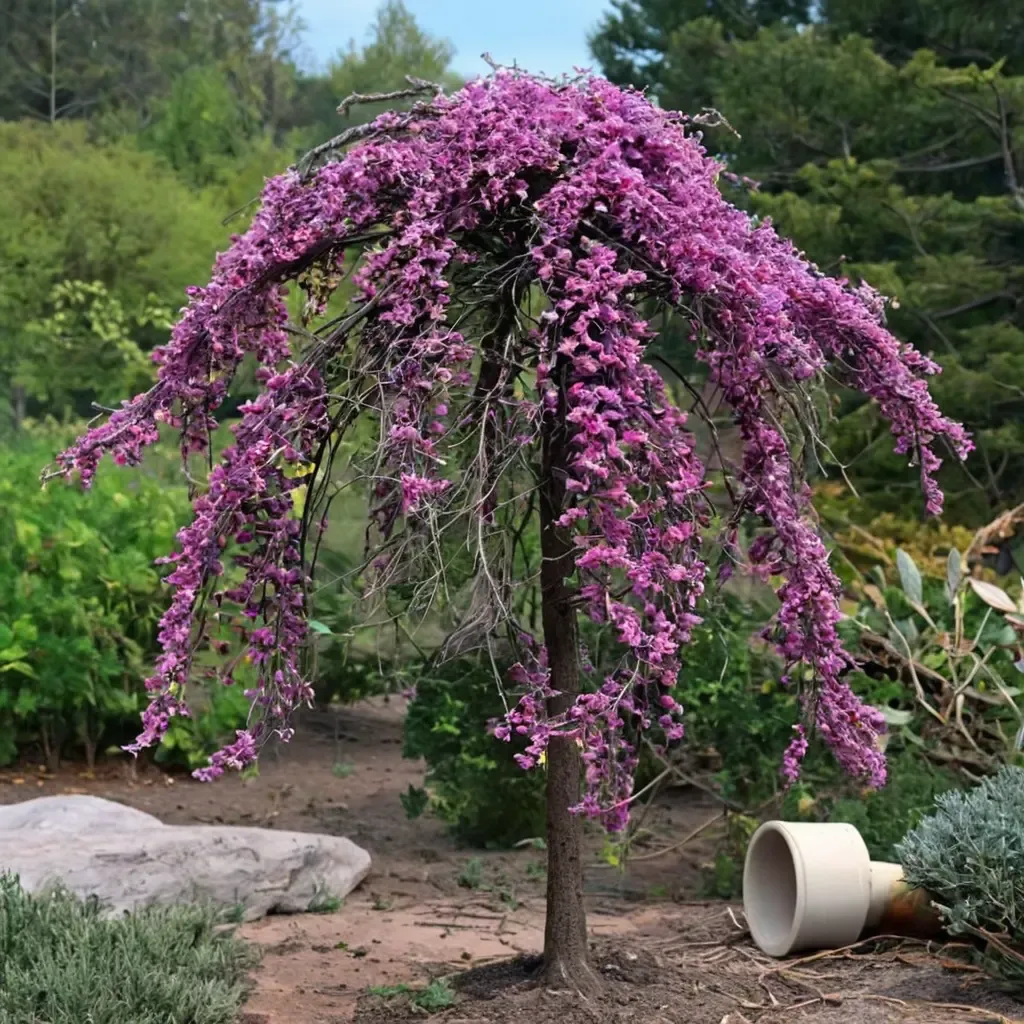
Lavender Twist Redbud
Cercis canadensis 'Lavender Twist'
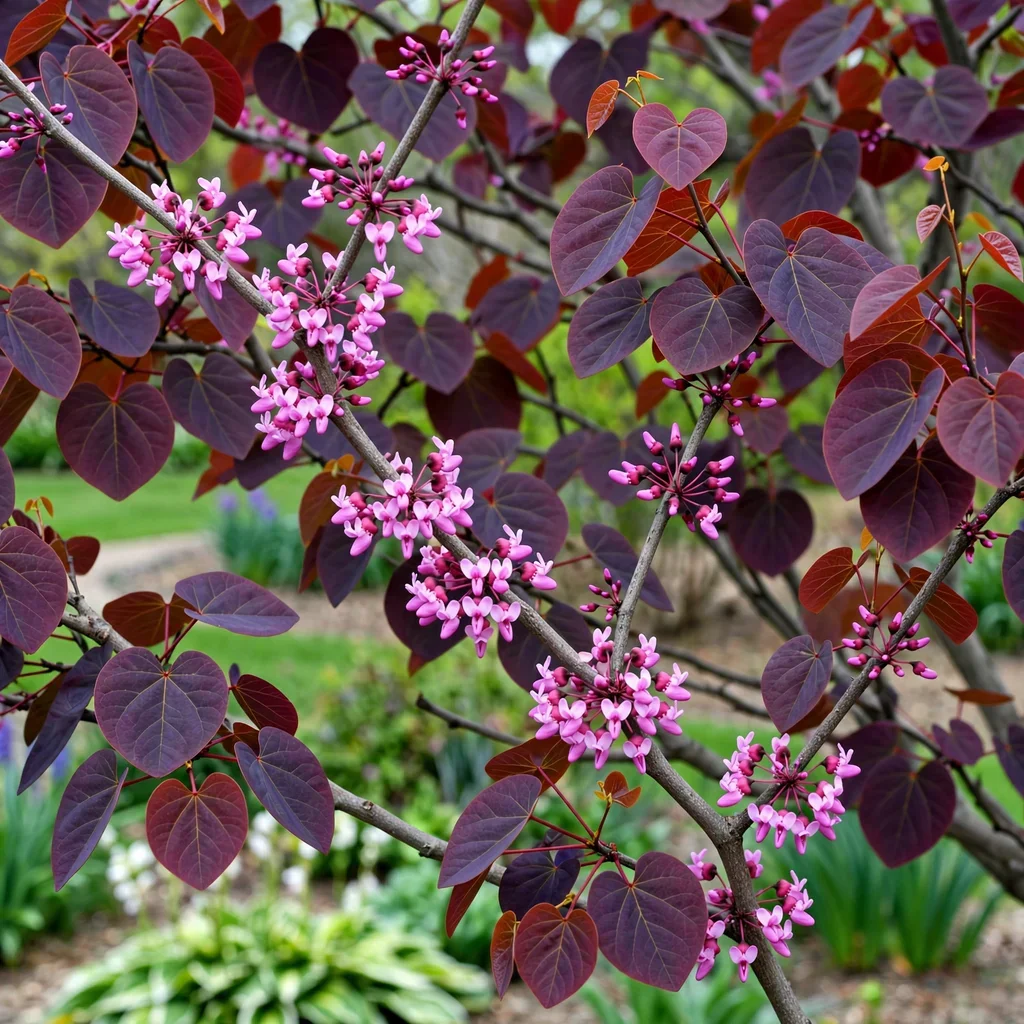
Eastern Redbud Forest Pansy
Cercis canadensis 'Forest Pansy'
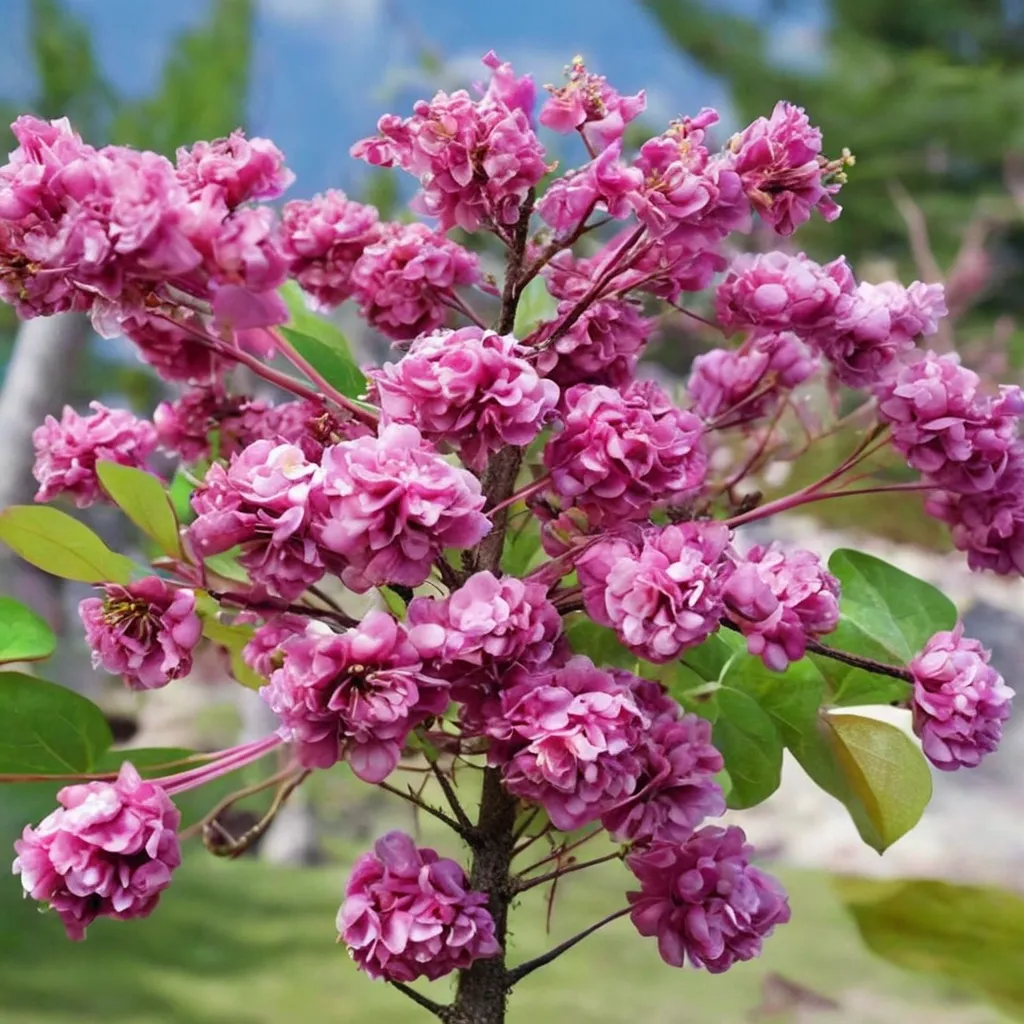
Eastern Redbud Pink Pom Poms
Cercis canadensis 'Pink Pom Poms'
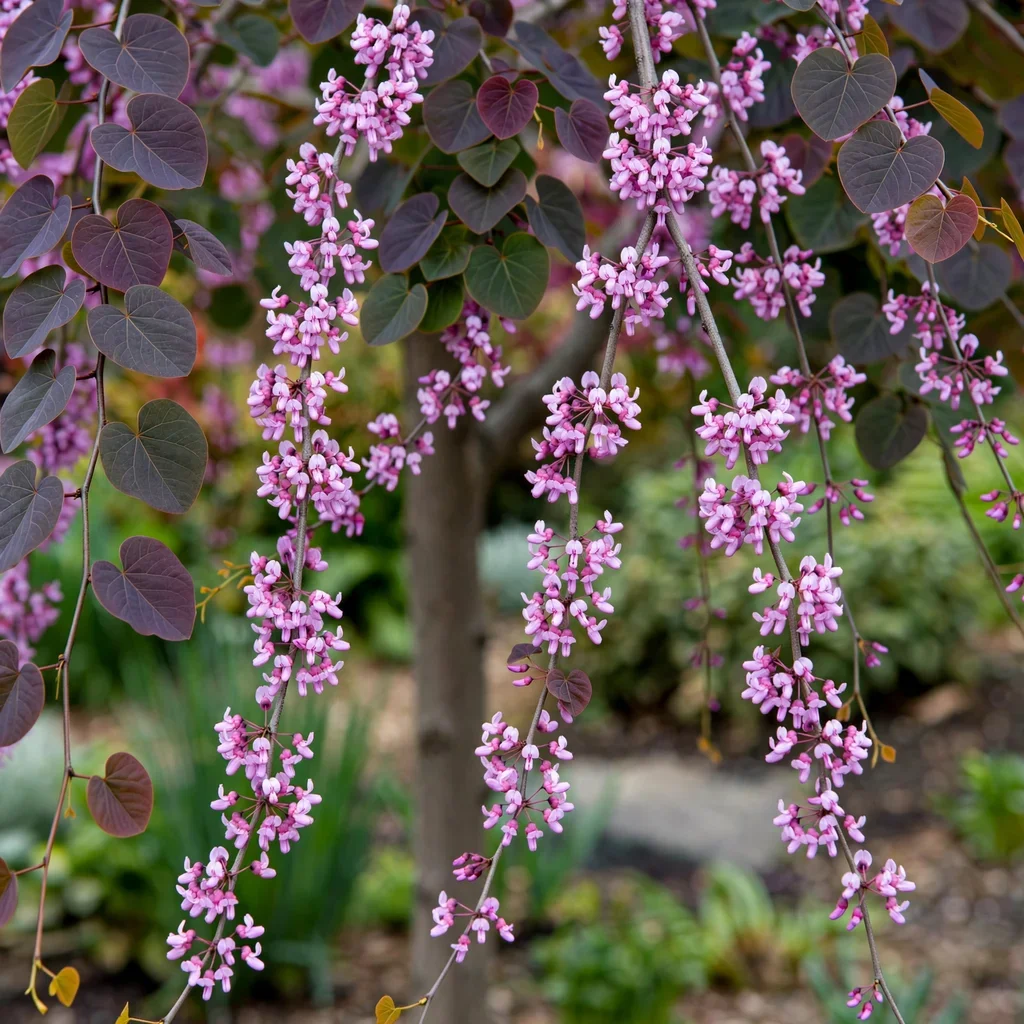
Amethyst Mist Weeping Redbud
Cercis canadensis 'Amethyst'
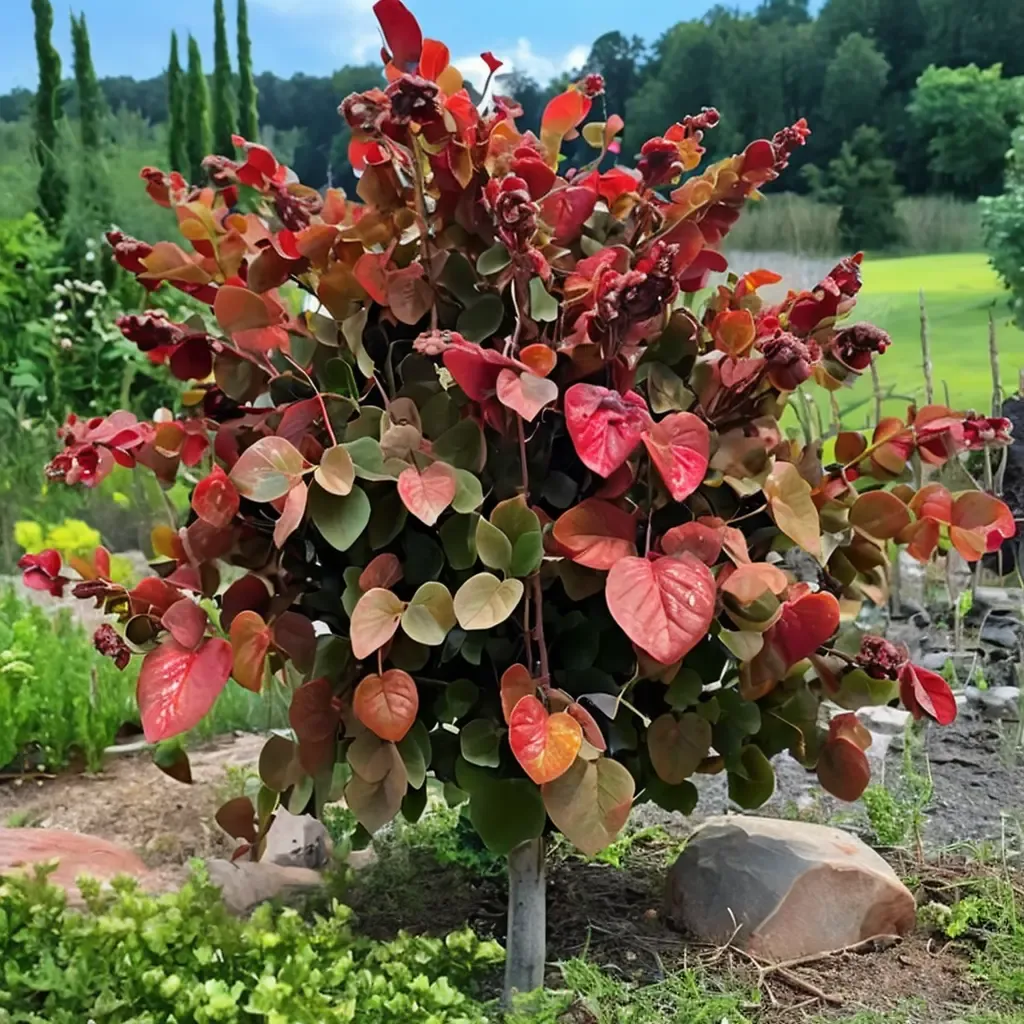
Hearts A'Fire Redbud
Cercis canadensis 'Hearts A'Fire'
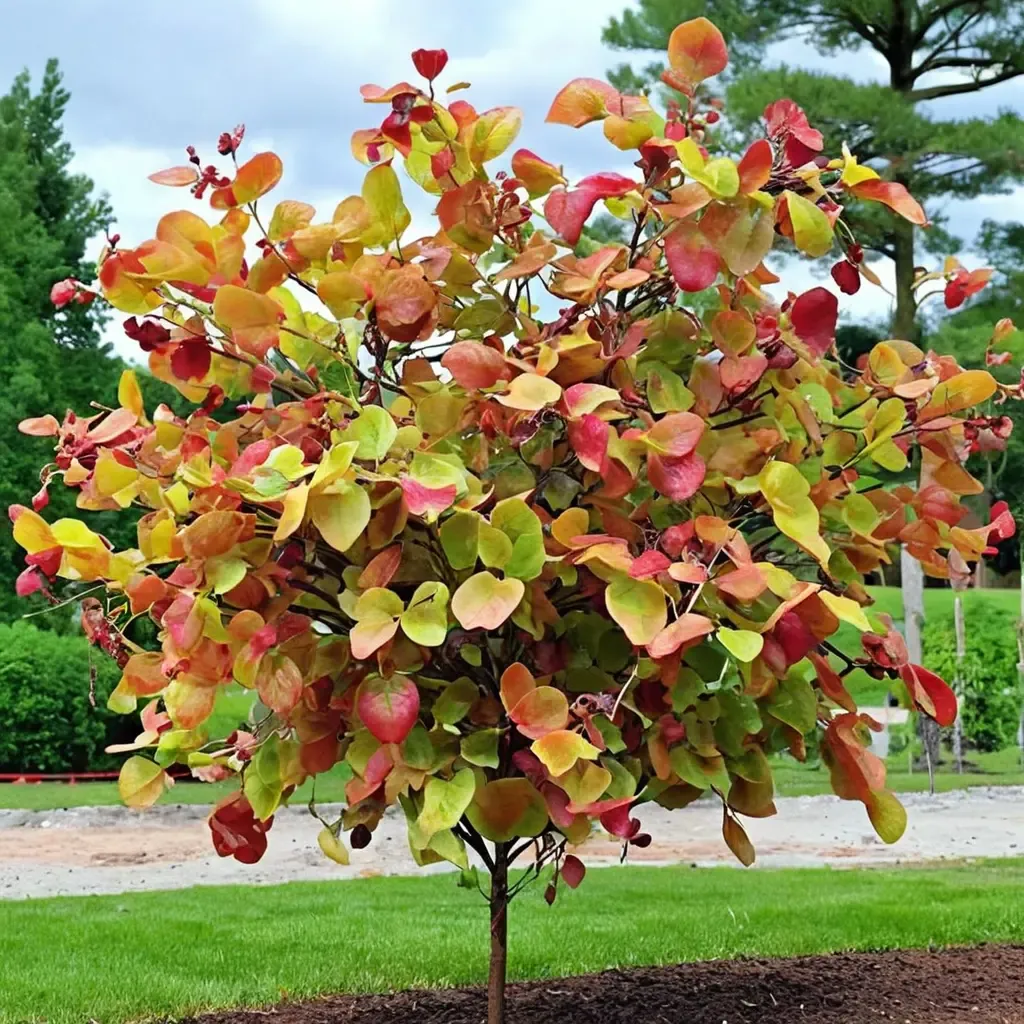
Flame Thrower Redbud
Cercis canadensis 'Flame Thrower'
Keep exploring
Explore the genus
Hardy in your zone?
Grow Chinese Redbud with confidence
See it in a design of your actual yard, get zone-matched care reminders, and track it season by season in your garden journal.