The Story
Plant Bio
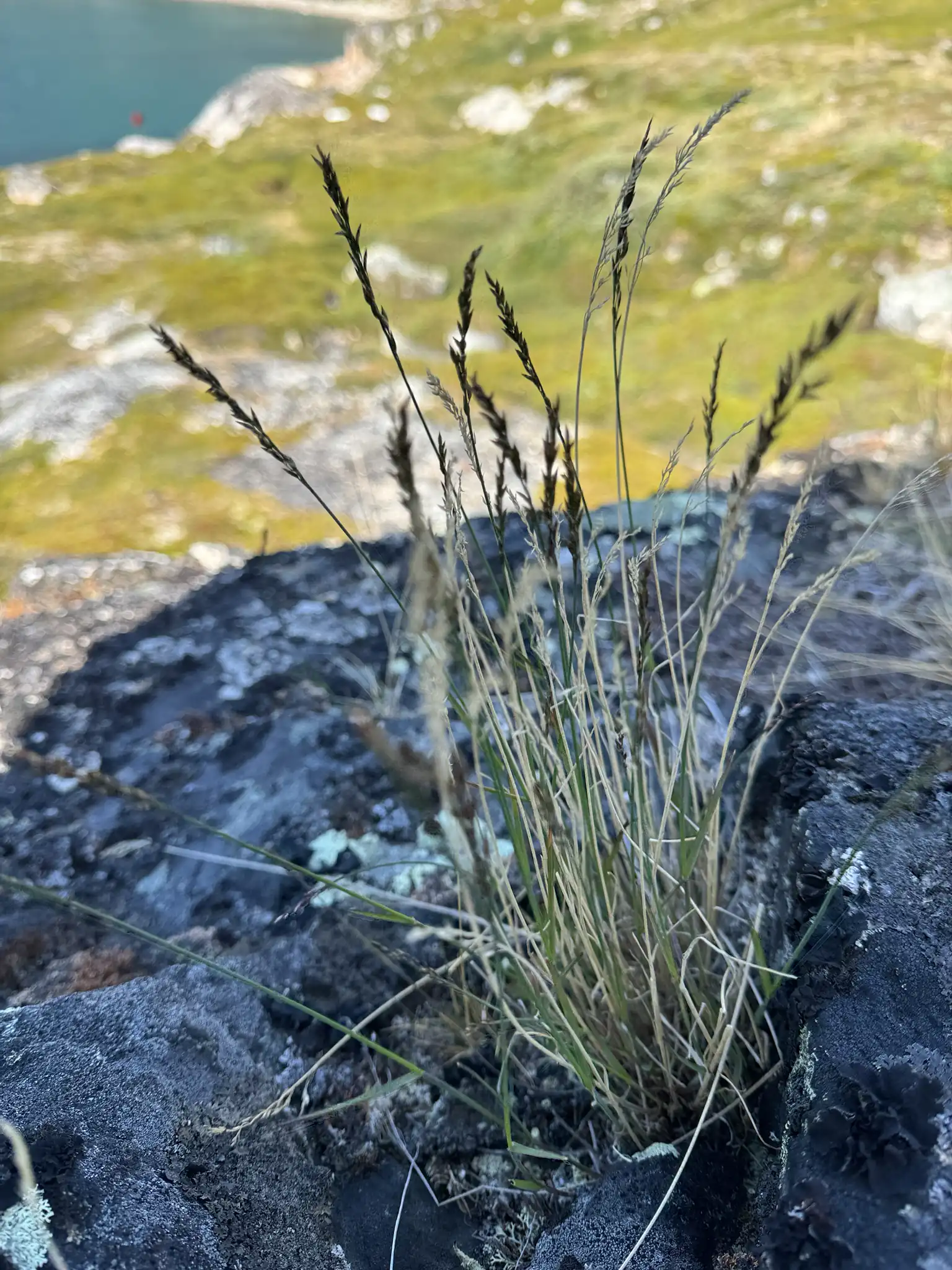
Poa glauca, the glaucous bluegrass, is a perennial bunchgrass forming dense tufts of stiff erect culms to about sixteen inches, with narrow blue-green leaves coated in a waxy bloom. The flowers carry no showy petals; they are borne in a tight contracted panicle of greenish spikelets that turns almost spike-like on dwarfed plants.
This is the wild circumboreal bluegrass of dry ridges, talus and limestone cliffs, not the spreading lawn grass sold as Kentucky bluegrass. Foliage holds its gray-blue wax on flat to folded blades to 2 mm wide, and plants stay compact and tufted even in poor sandy and gravelly ground.
Uses & Benefits:
Essentials
At a Glance
Plant Type
Grass
Height
16"
Width
12"
Light
Full Sun
Zones
4, 5, 6, 7
Water
Low
Humidity
Low
Lifespan
Perennial
Native To
Circumboreal North America, Europe and Asia
Toxicity
Unknown
Bloom period
Early summer – Late summer
In flower about 3 months of the year
Planting
How to Grow
- Plant in full open sun in sandy, gravelly or rocky soil with sharp drainage.
- Set plugs at the same depth they grew in the pot and firm gravel around the crown.
- Water in once, then water sparingly; let the top inch dry between waterings.
- Top-dress with grit, not rich mulch, to keep the crown dry.
Pro Tip
Set plants in full sun in lean sandy or gravelly soil with sharp drainage and leave the crown slightly high so water runs away from the tuft.
Keep It Thriving
Care Guide
Do
- Give full sun and open air movement around the tuft.
- Keep soil lean and fast-draining with sand or fine gravel.
- Comb out dead leaves in early spring to expose new growth.
Don't
- Do not plant in rich, wet loam or irrigated lawn soil.
- Do not overwater or mound mulch against the crown.
- Do not expect a lawn grass — it stays as a tight bunch and will not fill by runners.
Seasonal Care Calendar
| Task | Jan | Feb | Mar | Apr | May | Jun | Jul | Aug | Sep | Oct | Nov | Dec |
|---|---|---|---|---|---|---|---|---|---|---|---|---|
| Divide | ||||||||||||
| Pest Check | ||||||||||||
| Plant | ||||||||||||
| Spring Cleanup |
Watch Out For
Pests & Diseases
Common Pests
Common Diseases
In the Garden
Landscape Uses & Companions
Landscape Uses
Companion Plants
Multiply
Propagation Methods
Good to Know
Common Questions
Glaucous Bluegrass questions
What zones can Glaucous Bluegrass grow in?
Glaucous Bluegrass is hardy in USDA Zones 4–7: in that range it survives winter in the ground. Warmer than Zone 7, winter isn't the problem: it prefers colder winters, and summer heat can shorten its life.
When does Glaucous Bluegrass bloom?
Glaucous Bluegrass typically blooms in summer. Exact timing shifts a week or two with your zone — Sow's bloom calendar maps it to your garden.
Does Glaucous Bluegrass need full sun?
Glaucous Bluegrass does best in full sun (6+ hours).
Is Glaucous Bluegrass drought tolerant?
Yes — once established (usually after the first full season), Glaucous Bluegrass handles dry spells with minimal watering. Water deeply its first year to build the root system that makes that possible.
More Poa to compare
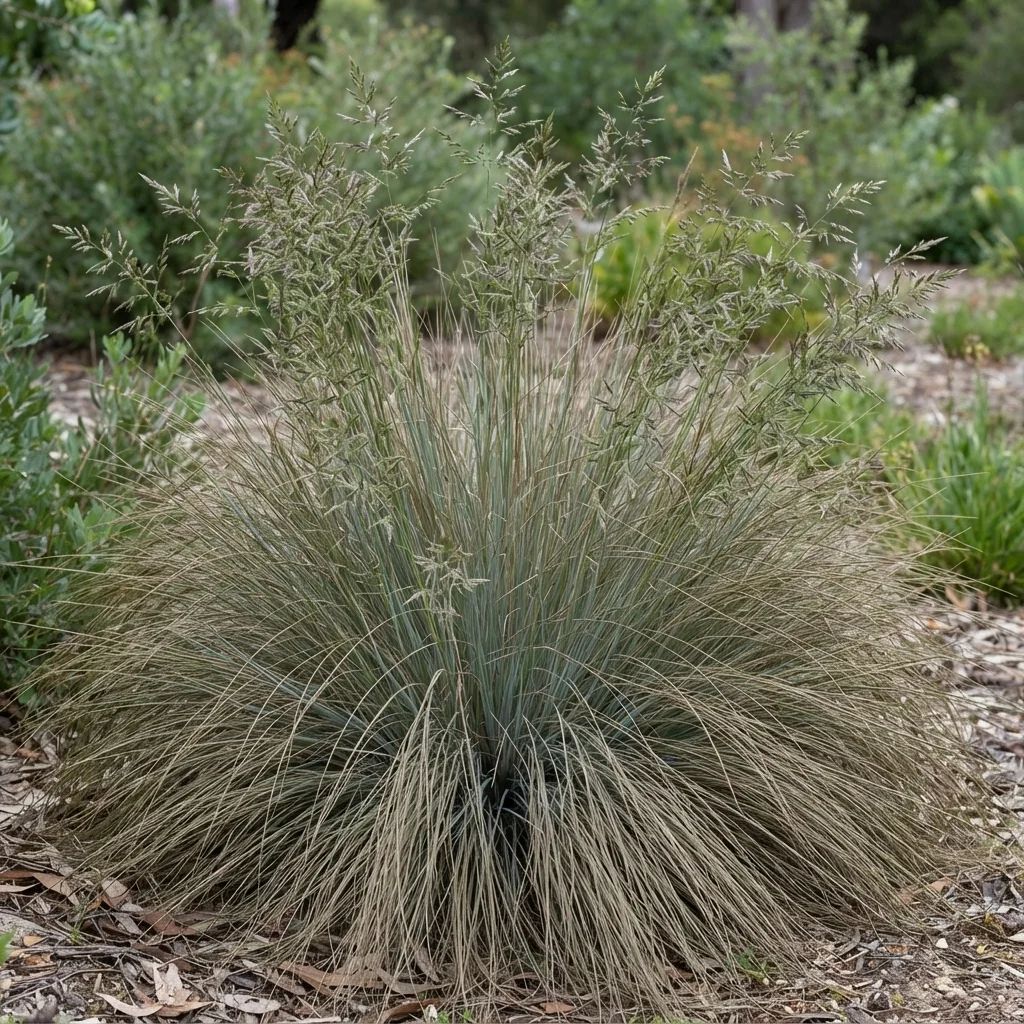
Common Tussock-grass
Poa labillardierei
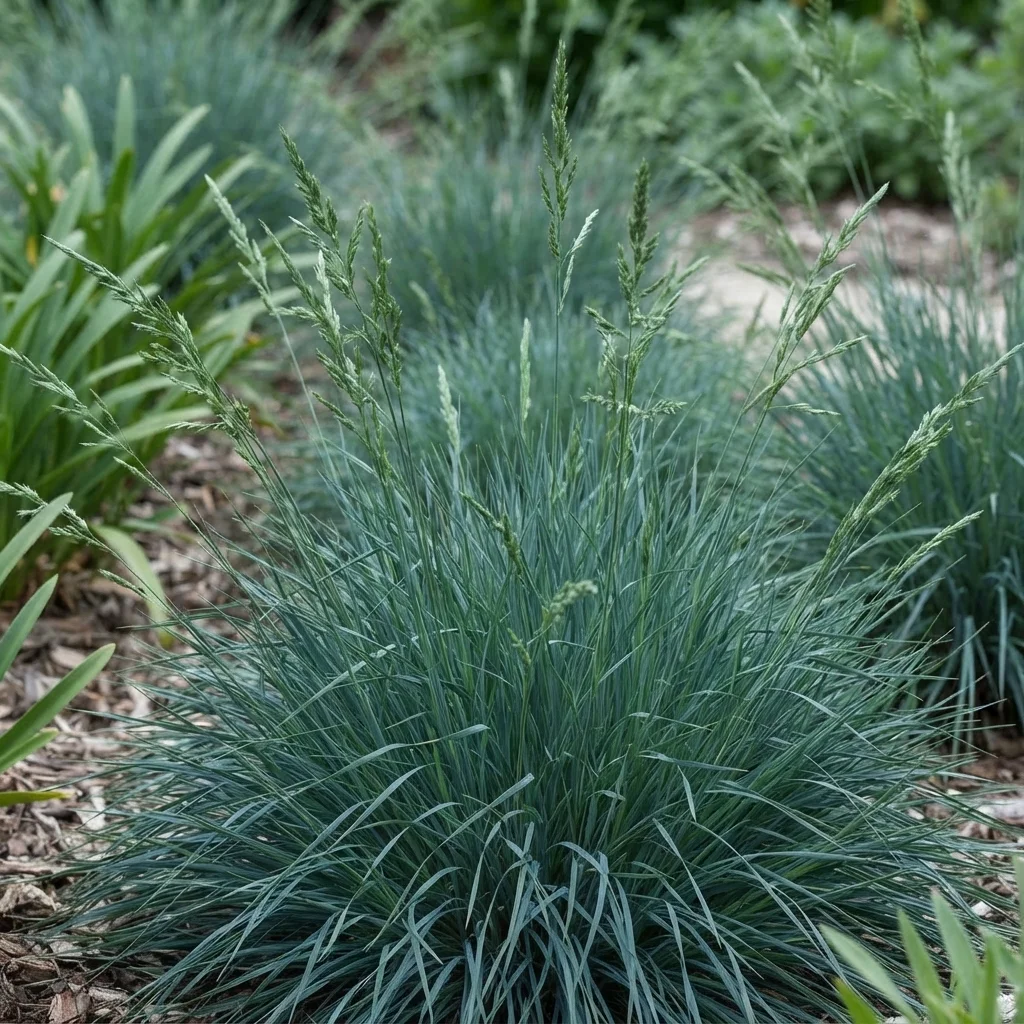
Eskdale Tussock Grass
Poa labillardierei 'Eskdale'
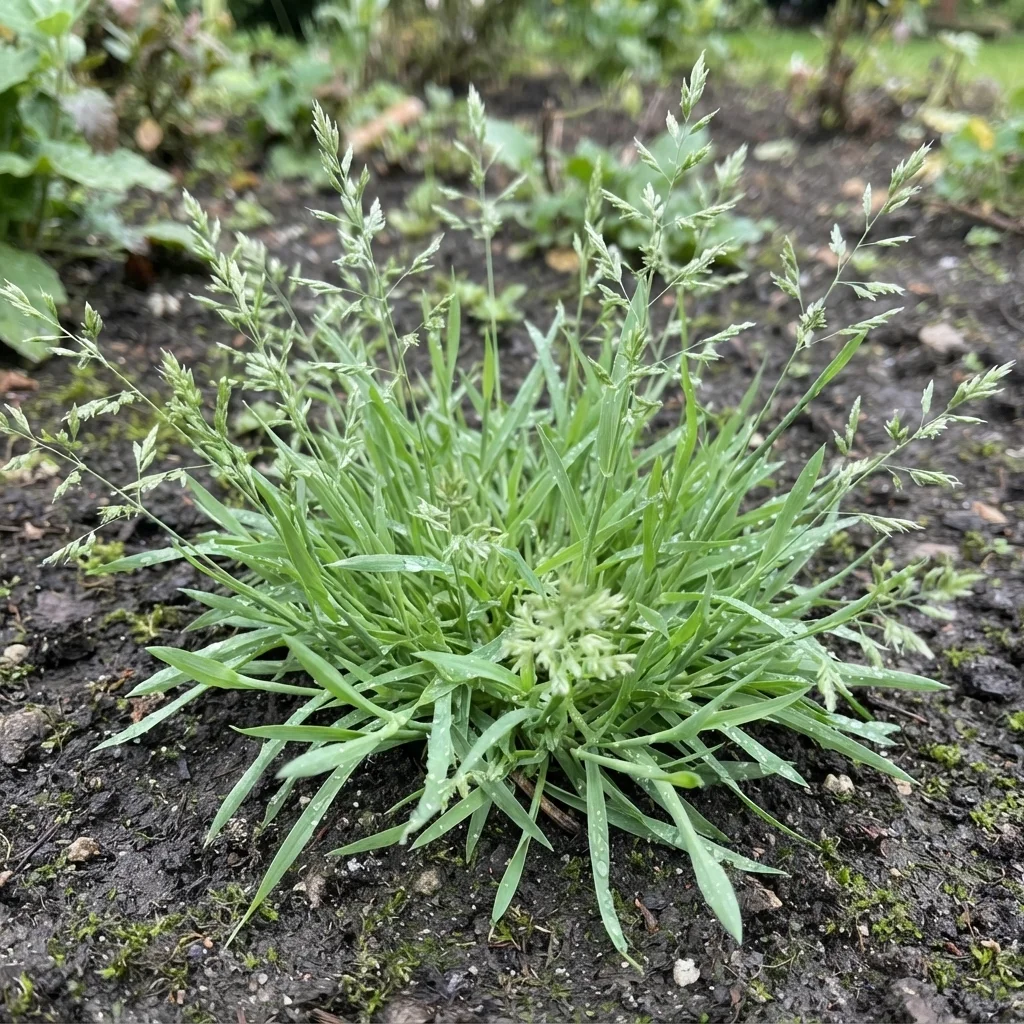
Annual Bluegrass
Poa annua
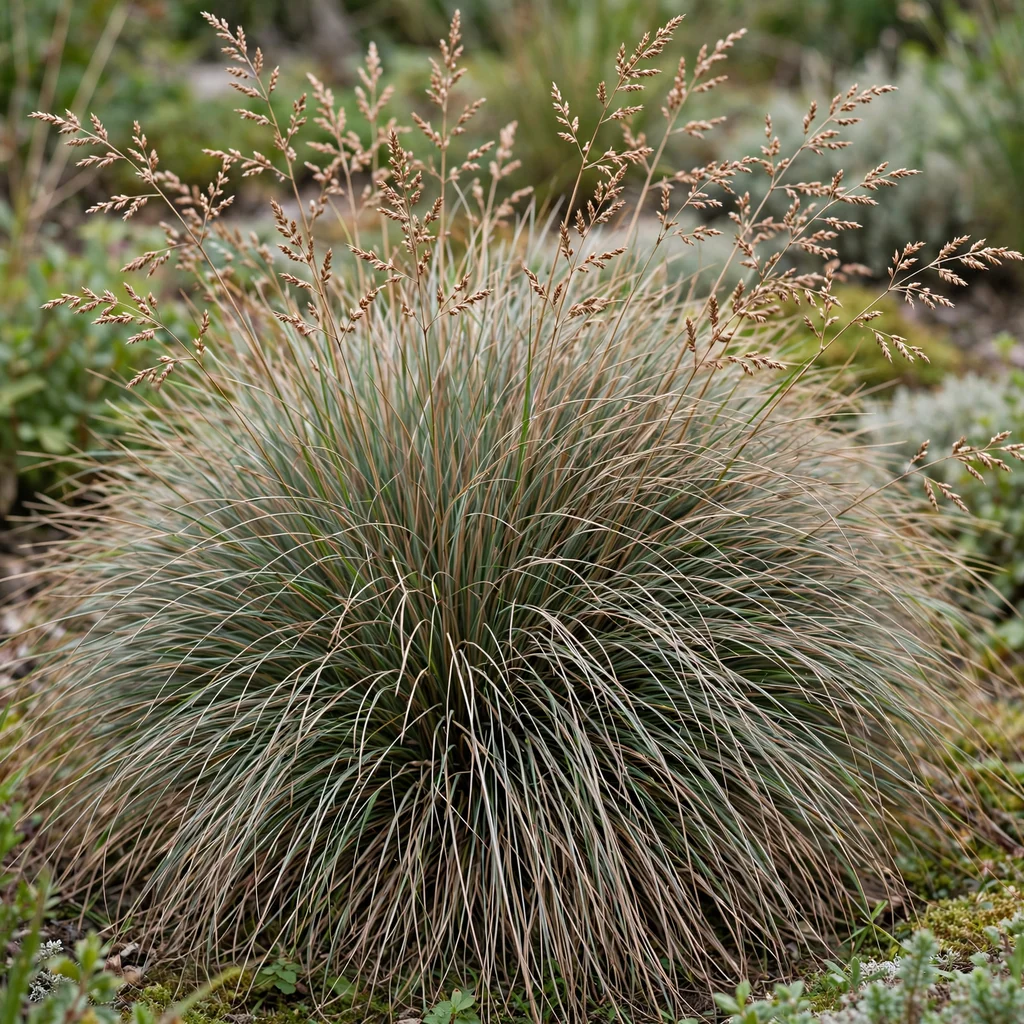
Silver Tussock
Poa cita
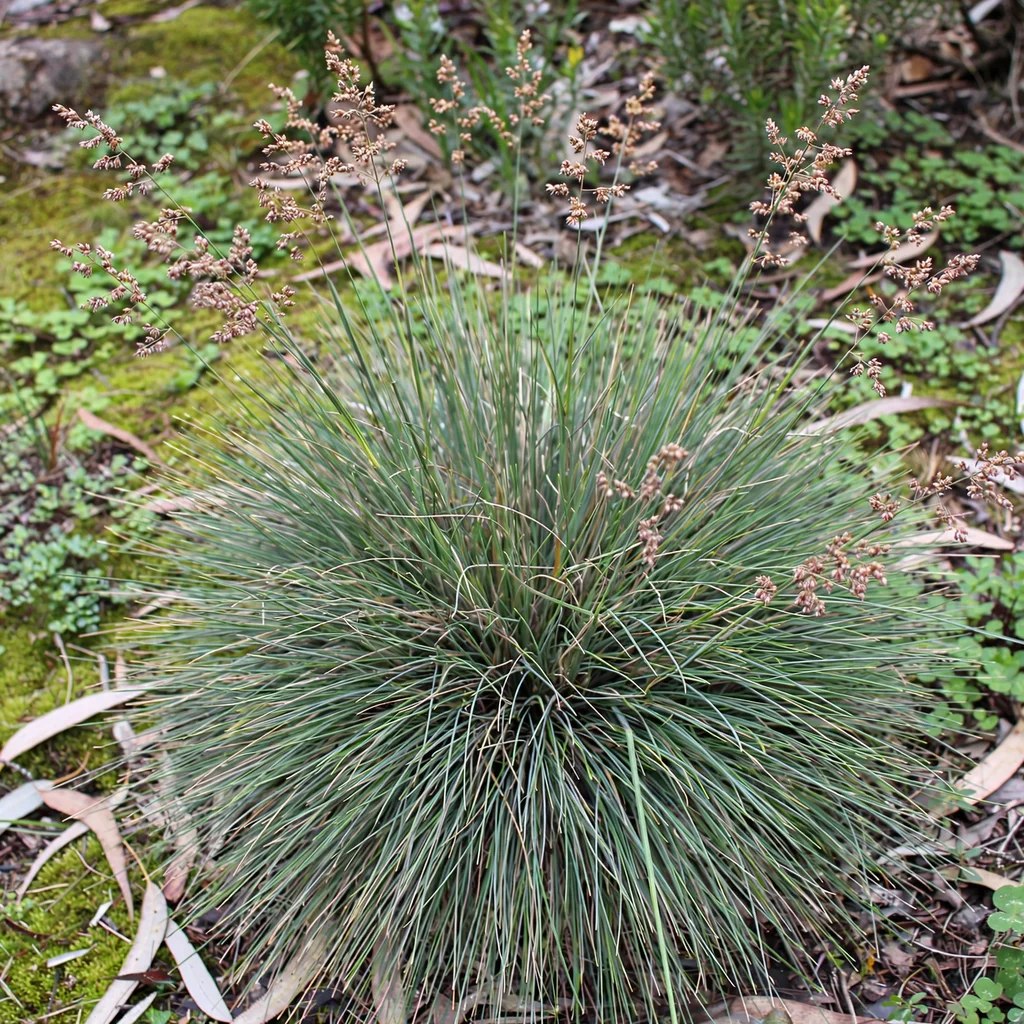
Grey Tussock-Grass
Poa sieberiana
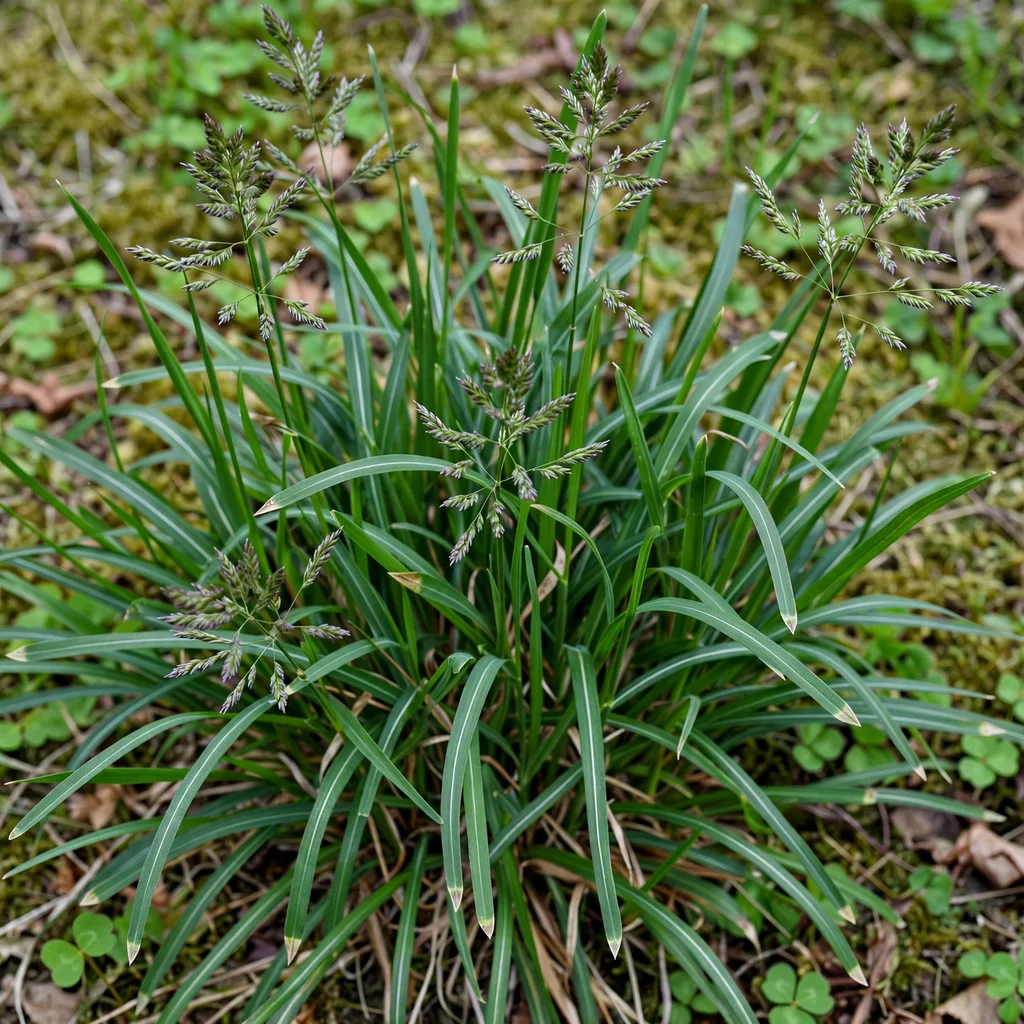
Kentucky Bluegrass
Poa pratensis
Keep exploring
Explore the genus
Hardy in your zone?
Grow Glaucous Bluegrass with confidence
See it in a design of your actual yard, get zone-matched care reminders, and track it season by season in your garden journal.