The Story
Plant Bio
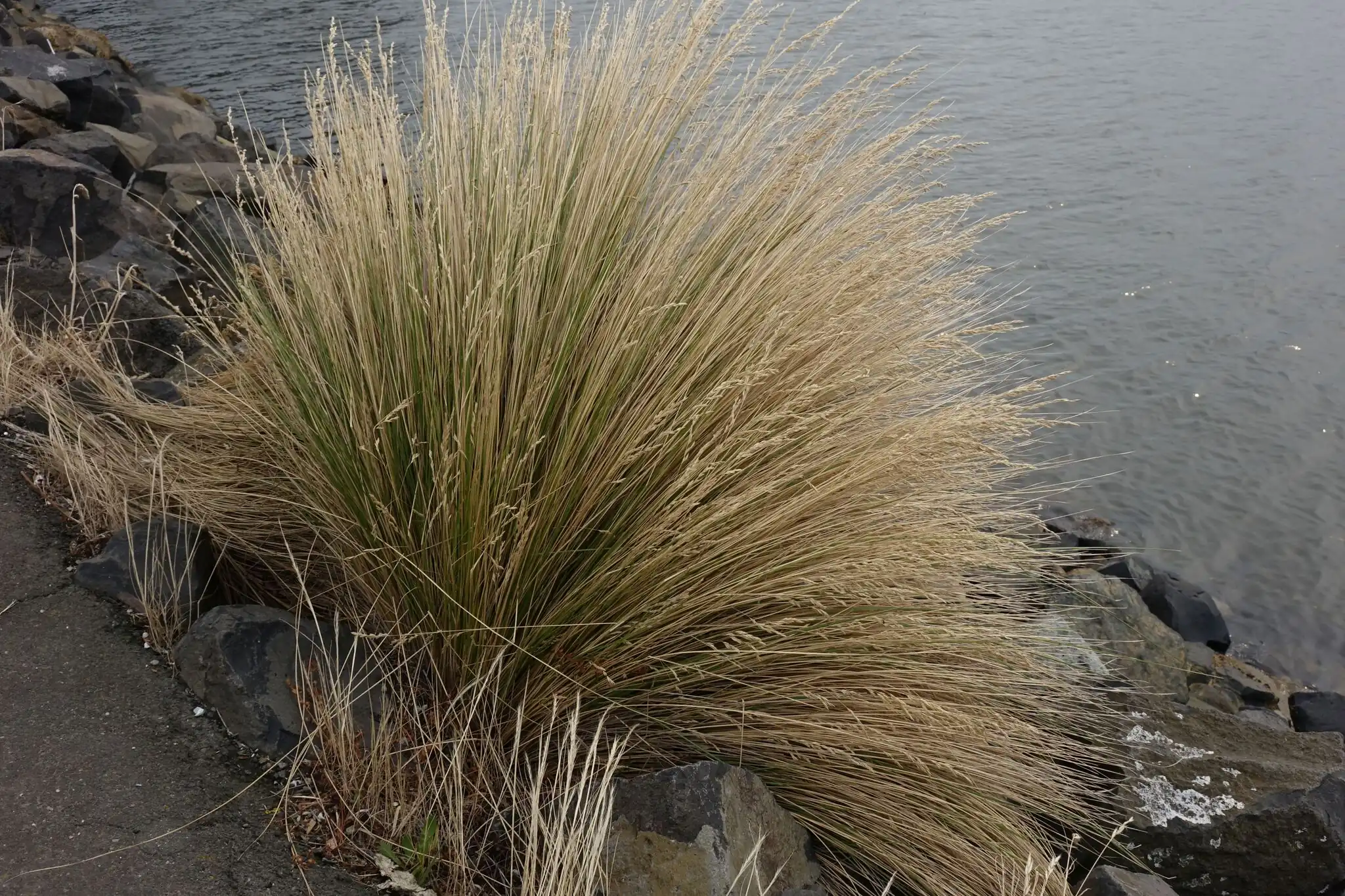
Poa cita, commonly known as silver tussock, is an evergreen cool-season grass endemic to New Zealand that forms dense arching mounds two to three feet tall. Its fine-textured, needle-like foliage shifts from shining pale green to golden-green, aging to an attractive straw-toned brown as foliage matures.
In summer, open panicles of delicate bronze to light brown spikelets rise on slender stems just above the foliage mound. It serves as an ideal non-invasive, well-behaved substitute for aggressive fine-textured grasses in coastal and dry-temperate landscapes.
Uses & Benefits:
Essentials
At a Glance
Plant Type
Grass
Height
35"
Width
30"
Light
Full Sun, Partial Sun
Zones
8, 9, 10
Water
Low
Humidity
Moderate
Lifespan
Perennial
Native To
New Zealand
Toxicity
Non-toxic
Bloom period
Summer
In flower about 3 months of the year
Planting
How to Grow
- Select a planting site in full sun to partial shade with sharply draining soil.
- Dig a hole twice as wide as the root ball and set the crown flush with the surrounding soil level.
- Water thoroughly at planting, then restrict supplemental irrigation to dry spells once established.
- Rake out dead foliage each spring using gloved hands or a small hand rake to maintain a clean form.
Pro Tip
Do not shear or cut this grass back to the ground; rake or comb out dead foliage by hand annually to keep clumps fresh without damaging the crown.
Keep It Thriving
Care Guide
Do
- Provide excellent soil drainage, especially on sloped sites or gravelly beds.
- Rake or comb out dead leaves annually to refresh the foliage.
- Water sparingly once established, allowing soil to dry between waterings.
Don't
- Never shear plants flat to the ground like warm-season deciduous grasses.
- Avoid planting in heavy, waterlogged clay or poorly drained low spots.
- Do not apply high-nitrogen fertilizers, which cause weak, floppy growth and crown decline.
Seasonal Care Calendar
| Task | Jan | Feb | Mar | Apr | May | Jun | Jul | Aug | Sep | Oct | Nov | Dec |
|---|---|---|---|---|---|---|---|---|---|---|---|---|
| Divide | ||||||||||||
| Mulch | ||||||||||||
| Pest Check | ||||||||||||
| Plant | ||||||||||||
| Spring Cleanup |
Watch Out For
Pests & Diseases
Common Pests
Common Diseases
In the Garden
Landscape Uses & Companions
Landscape Uses
Multiply
Propagation Methods
Good to Know
Common Questions
Silver Tussock questions
What zones can Silver Tussock grow in?
Silver Tussock is hardy in USDA Zones 8–10: in that range it survives winter in the ground. Colder than Zone 8, grow it in a container you can move to shelter for the winter, or as an annual.
Is Silver Tussock deer resistant?
Yes — Silver Tussock is rated deer-resistant. Deer typically pass it over, though extreme hunger can override any plant's defenses.
When does Silver Tussock bloom?
Silver Tussock typically blooms in summer. Exact timing shifts a week or two with your zone — Sow's bloom calendar maps it to your garden.
Does Silver Tussock need full sun?
Silver Tussock does best in full sun to part shade. In hot climates, afternoon shade keeps blooms fresher longer.
Is Silver Tussock drought tolerant?
Yes — once established (usually after the first full season), Silver Tussock handles dry spells with minimal watering. Water deeply its first year to build the root system that makes that possible.
More Poa to compare
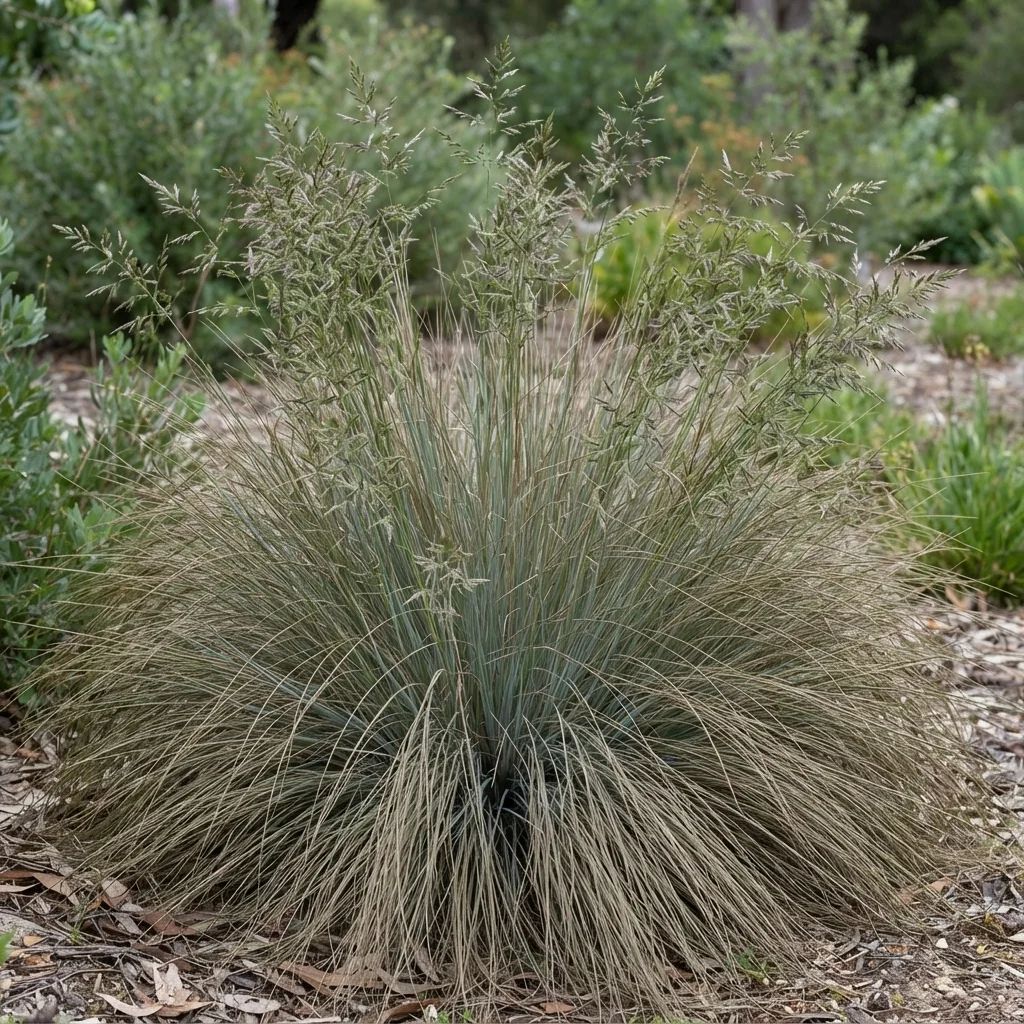
Common Tussock-grass
Poa labillardierei
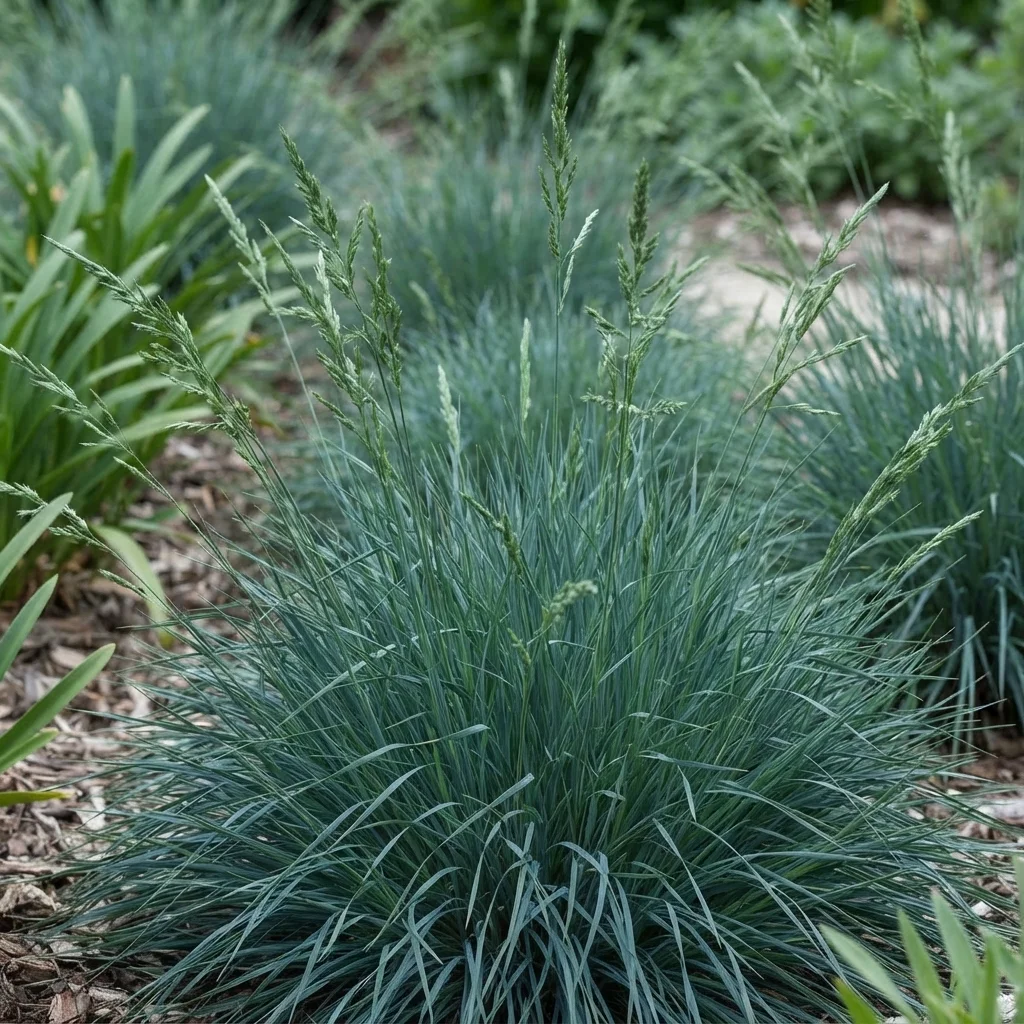
Eskdale Tussock Grass
Poa labillardierei 'Eskdale'
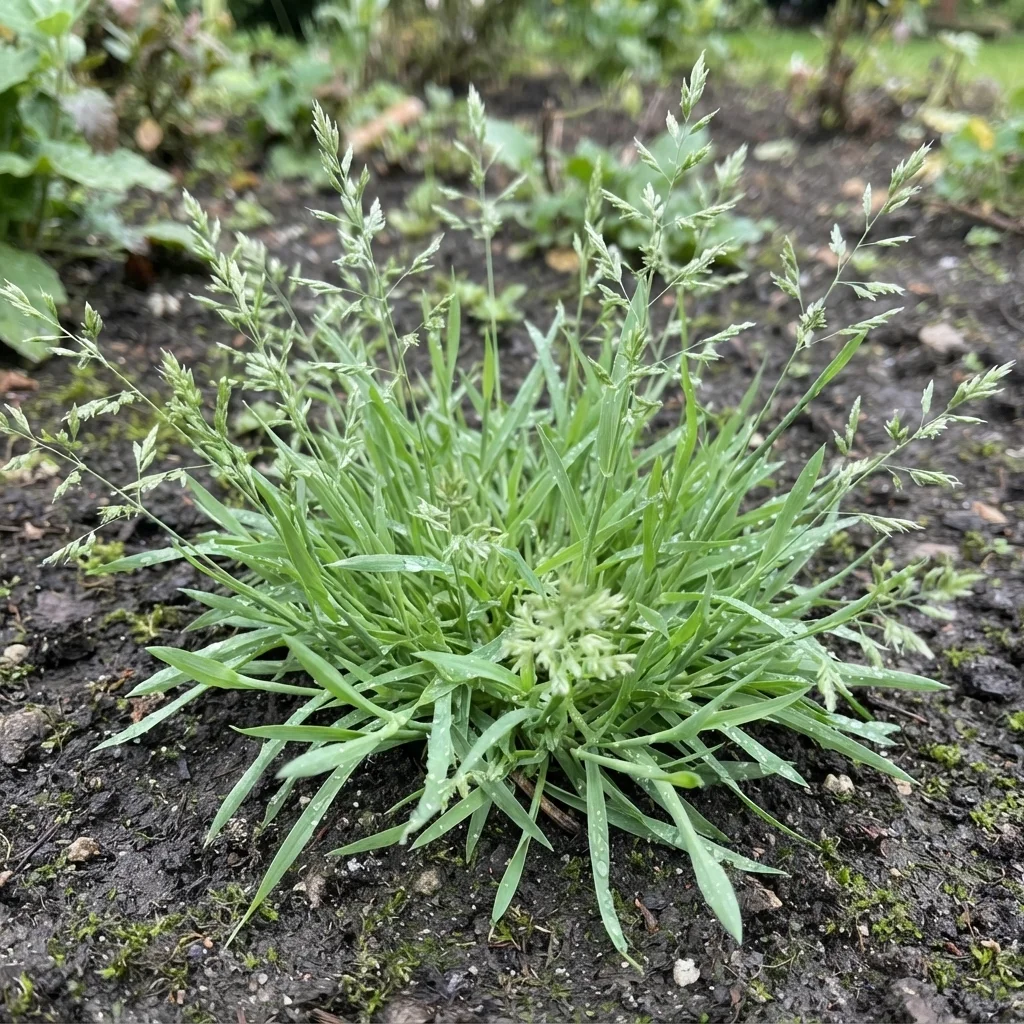
Annual Bluegrass
Poa annua
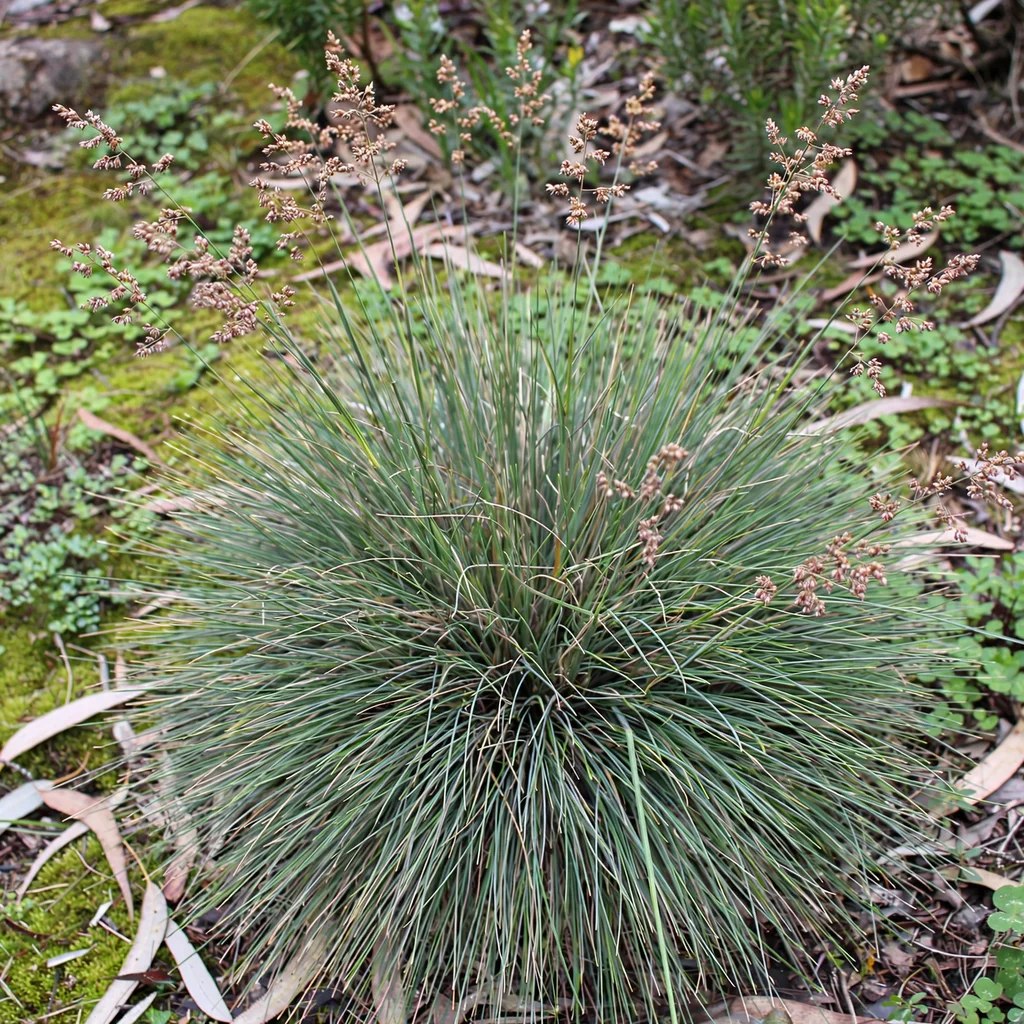
Grey Tussock-Grass
Poa sieberiana
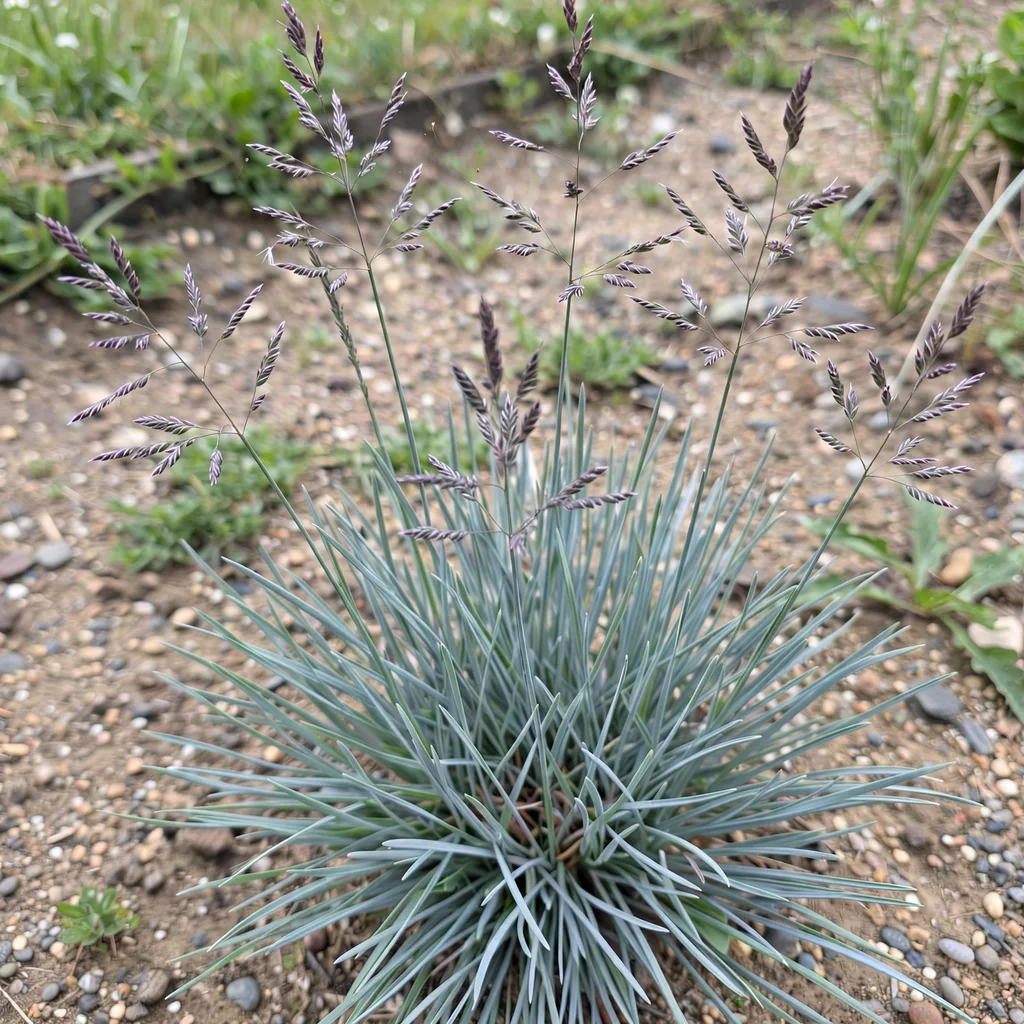
Glaucous Bluegrass
Poa glauca
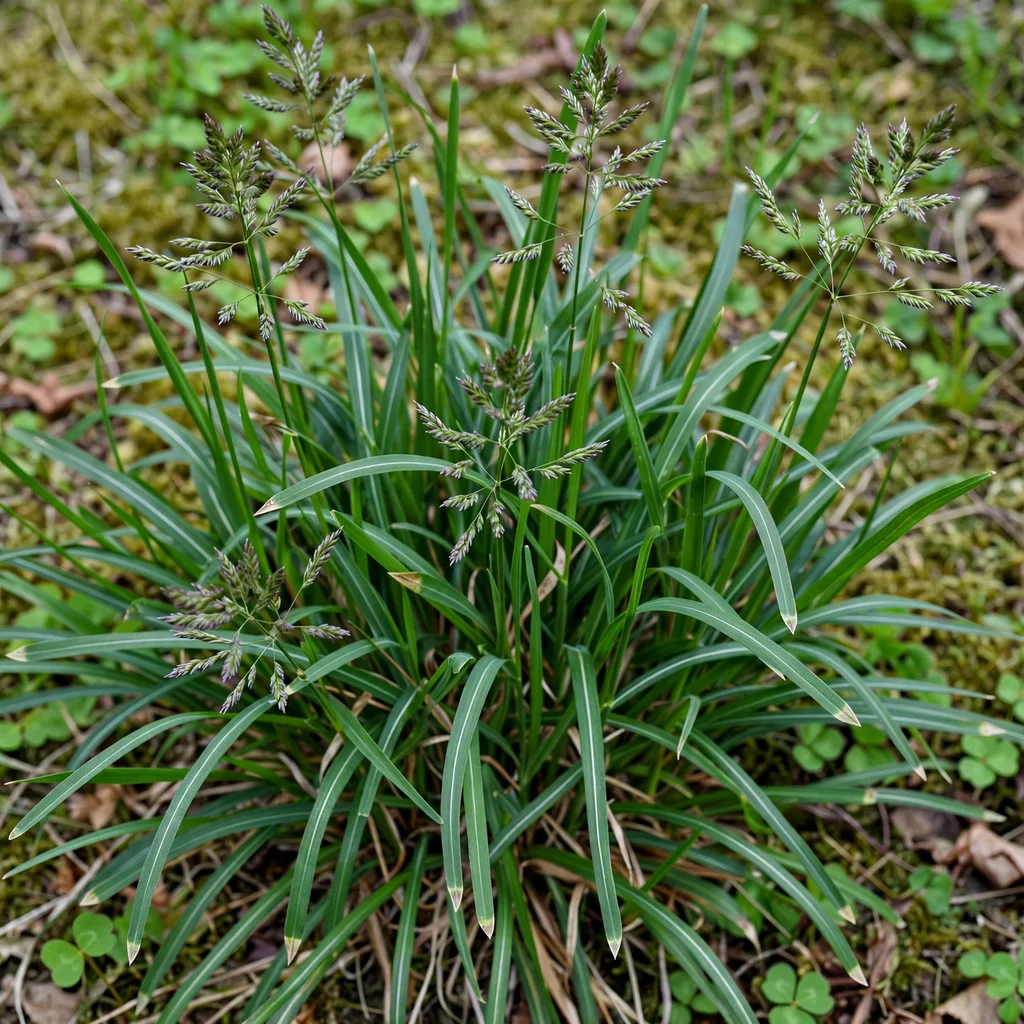
Kentucky Bluegrass
Poa pratensis
Keep exploring
Explore the genus
Hardy in your zone?
Grow Silver Tussock with confidence
See it in a design of your actual yard, get zone-matched care reminders, and track it season by season in your garden journal.