The Story
Plant Bio
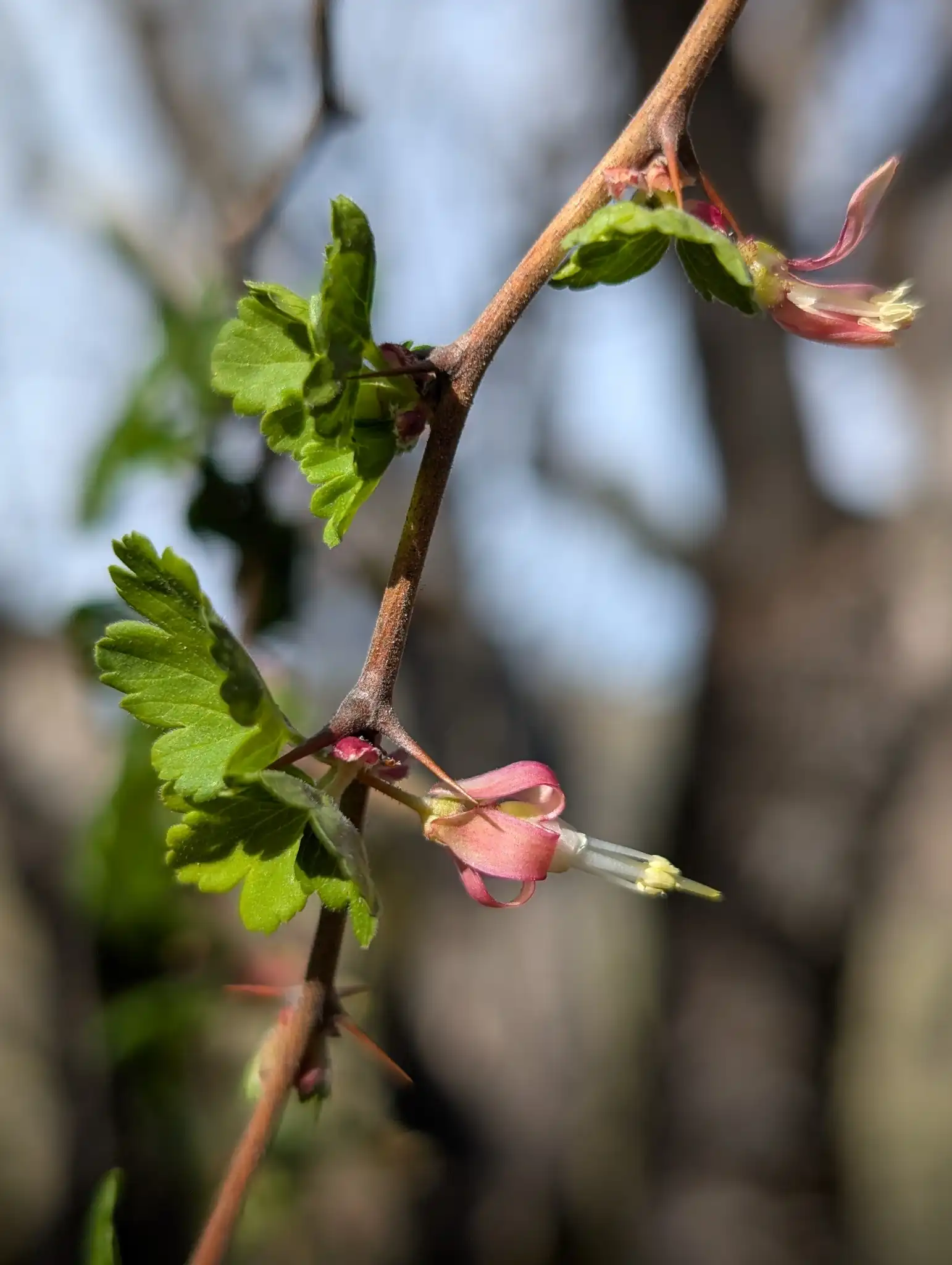
Ribes californicum is a deciduous shrub native to California foothill woodlands and coastal ranges, forming an upright to mounding framework three to eight feet tall. Its arching stems feature sharp nodal spines and lobed green leaves that turn deep crimson in late summer before dropping.
Pendant winter blooms feature tubular white petals offset by reflexed maroon sepals, providing early nectar for hummingbirds and native bees. Spiny stems produce bristly edible berries that offer songbirds food and protective nesting habitat.
Uses & Benefits:
Essentials
At a Glance
Plant Type
Shrub
Height
96"
Width
72"
Light
Full Sun, Partial Sun
Zones
7, 8, 9, 10
Water
Low
Humidity
Low to moderate
Lifespan
Perennial
Native To
California, USA
Toxicity
Non-toxic
Bloom period
Winter – Spring
In flower about 6 months of the year
Planting
How to Grow
- Select a site in full sun to filtered shade with fast-draining sandy, loamy, or clay soil.
- Plant in late fall or early winter so roots establish before active spring growth.
- Water weekly during the first winter and spring to establish root networks.
- Cease irrigation entirely by mid-summer as foliage turns crimson and drops.
Pro Tip
Allow plants to enter summer dormancy naturally without supplemental watering, as moisture during warm periods triggers fatal root rot.
Keep It Thriving
Care Guide
Do
- Ensure soil drains freely to prevent waterlogging during wet winter months.
- Thin crowded interior branches in late winter to improve air circulation.
- Protect young plantings from intense inland sun with light filtered shade.
Don't
- Do not irrigate during warm summer months when the plant is dormant.
- Avoid shearing branches into a formal hedge, which destroys its natural form.
- Do not prune heavily into old leafless wood.
Seasonal Care Calendar
| Task | Jan | Feb | Mar | Apr | May | Jun | Jul | Aug | Sep | Oct | Nov | Dec |
|---|---|---|---|---|---|---|---|---|---|---|---|---|
| Mulch | ||||||||||||
| Pest Check | ||||||||||||
| Propagate | ||||||||||||
| Prune |
Watch Out For
Pests & Diseases
Common Pests
Common Diseases
In the Garden
Landscape Uses & Companions
Landscape Uses
Companion Plants
Multiply
Propagation Methods
Good to Know
Common Questions
Hillside Gooseberry questions
What zones can Hillside Gooseberry grow in?
Hillside Gooseberry is hardy in USDA Zones 7–10: in that range it survives winter in the ground. Colder than Zone 7, grow it in a container you can move to shelter for the winter.
Is Hillside Gooseberry deer resistant?
Yes — Hillside Gooseberry is rated deer-resistant. Deer typically pass it over, though extreme hunger can override any plant's defenses.
When does Hillside Gooseberry bloom?
Hillside Gooseberry typically blooms from winter to spring. Exact timing shifts a week or two with your zone — Sow's bloom calendar maps it to your garden.
Does Hillside Gooseberry need full sun?
Hillside Gooseberry does best in full sun to part shade. In hot climates, afternoon shade keeps blooms fresher longer.
Is Hillside Gooseberry drought tolerant?
Yes — once established (usually after the first full season), Hillside Gooseberry handles dry spells with minimal watering. Water deeply its first year to build the root system that makes that possible.
More Ribes to compare
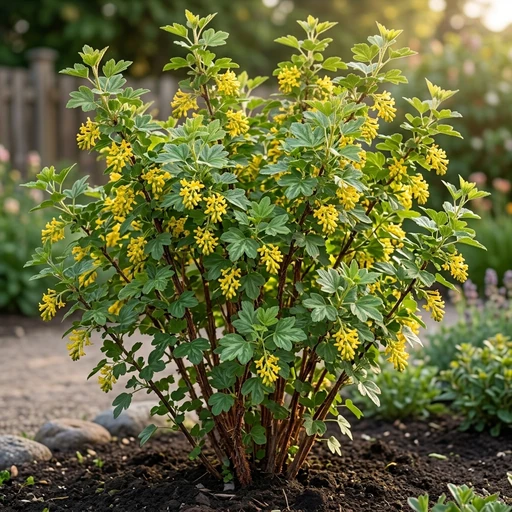
Golden Currant
Ribes aureum
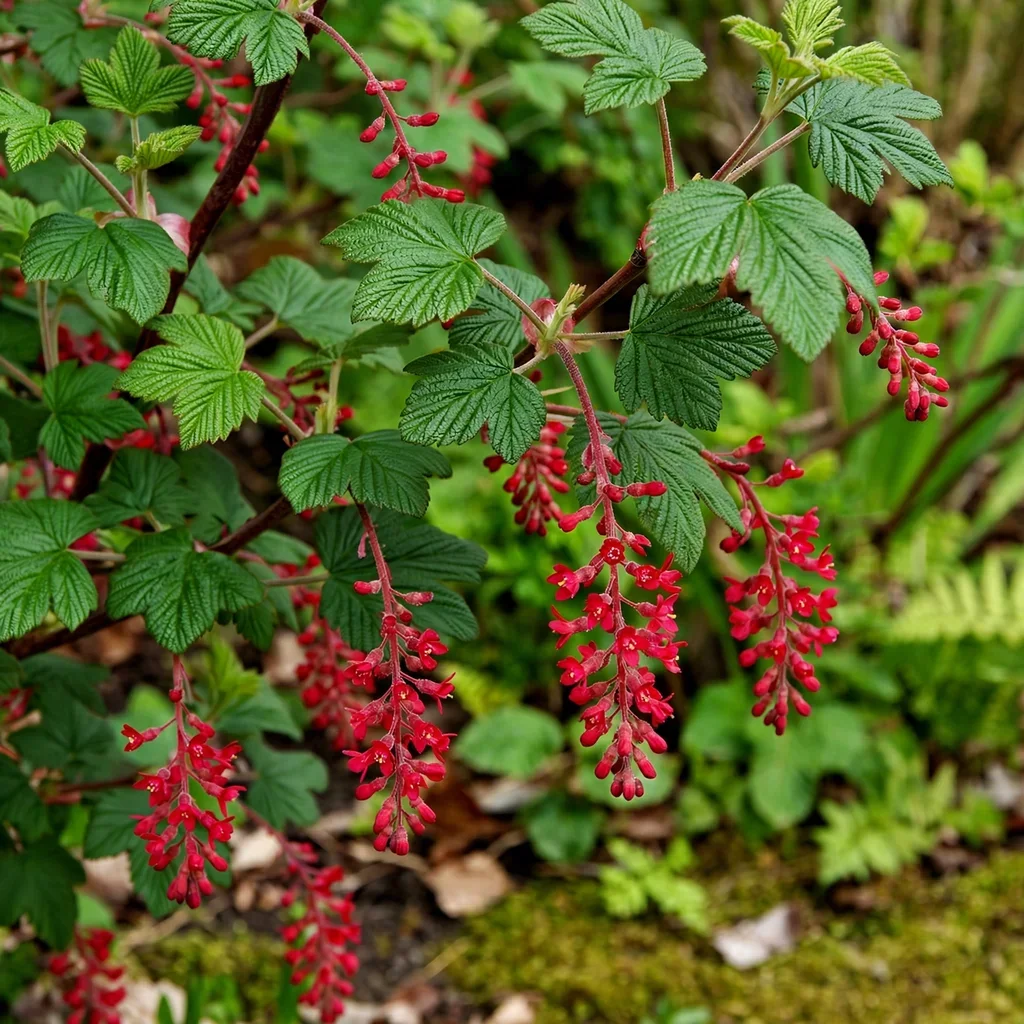
King Edward VII Flowering Currant
Ribes sanguineum 'King Edward VII'
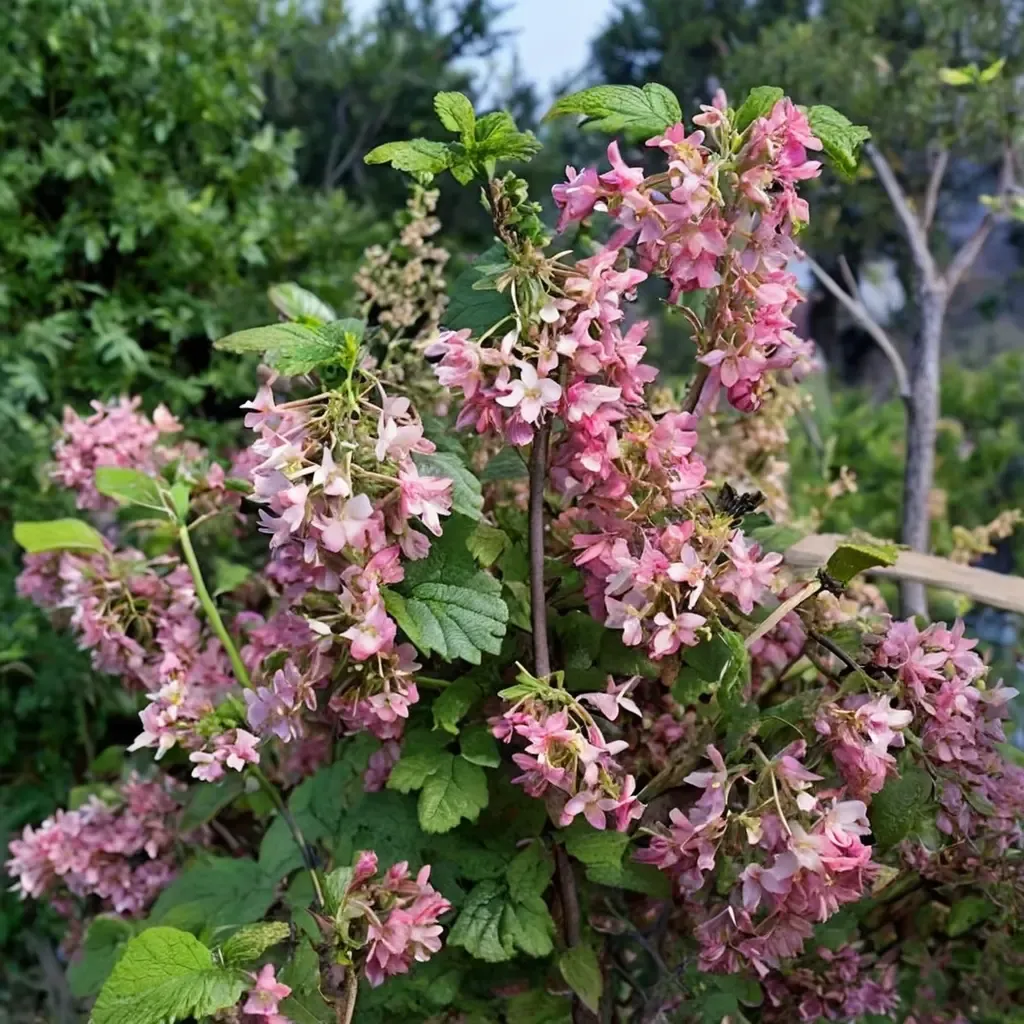
Claremont Currant
Ribes sanguineum 'Claremont'
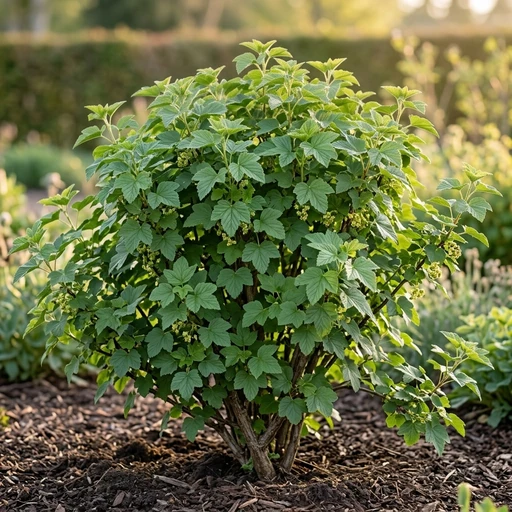
Alpine Currant
Ribes alpinum
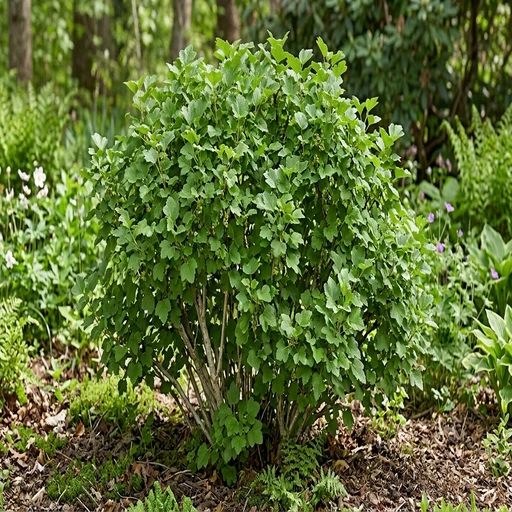
Green Mound Alpine Currant
Ribes alpinum 'Green Mound'
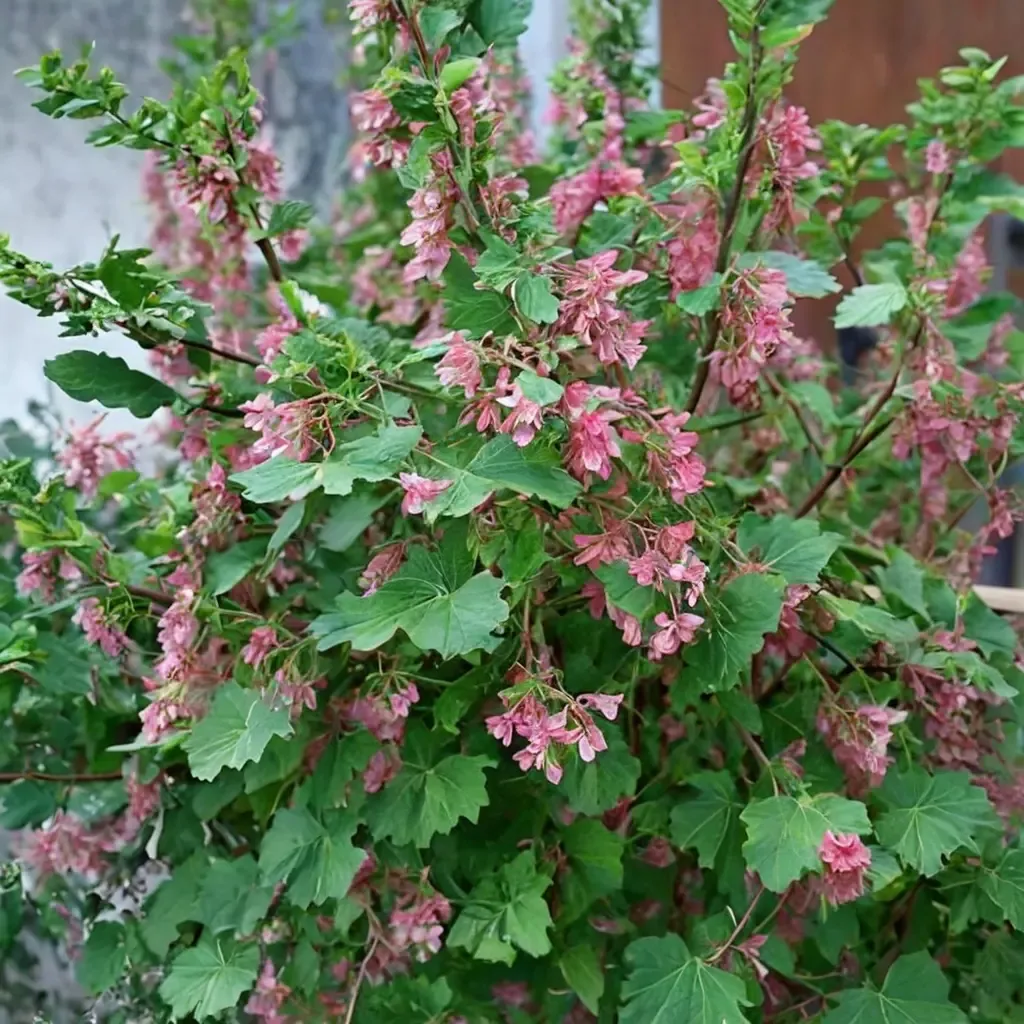
Pink-Flowering Currant
Ribes sanguineum 'glutinosum'
Keep exploring
Explore the genus
Hardy in your zone?
Grow Hillside Gooseberry with confidence
See it in a design of your actual yard, get zone-matched care reminders, and track it season by season in your garden journal.