The Story
Plant Bio
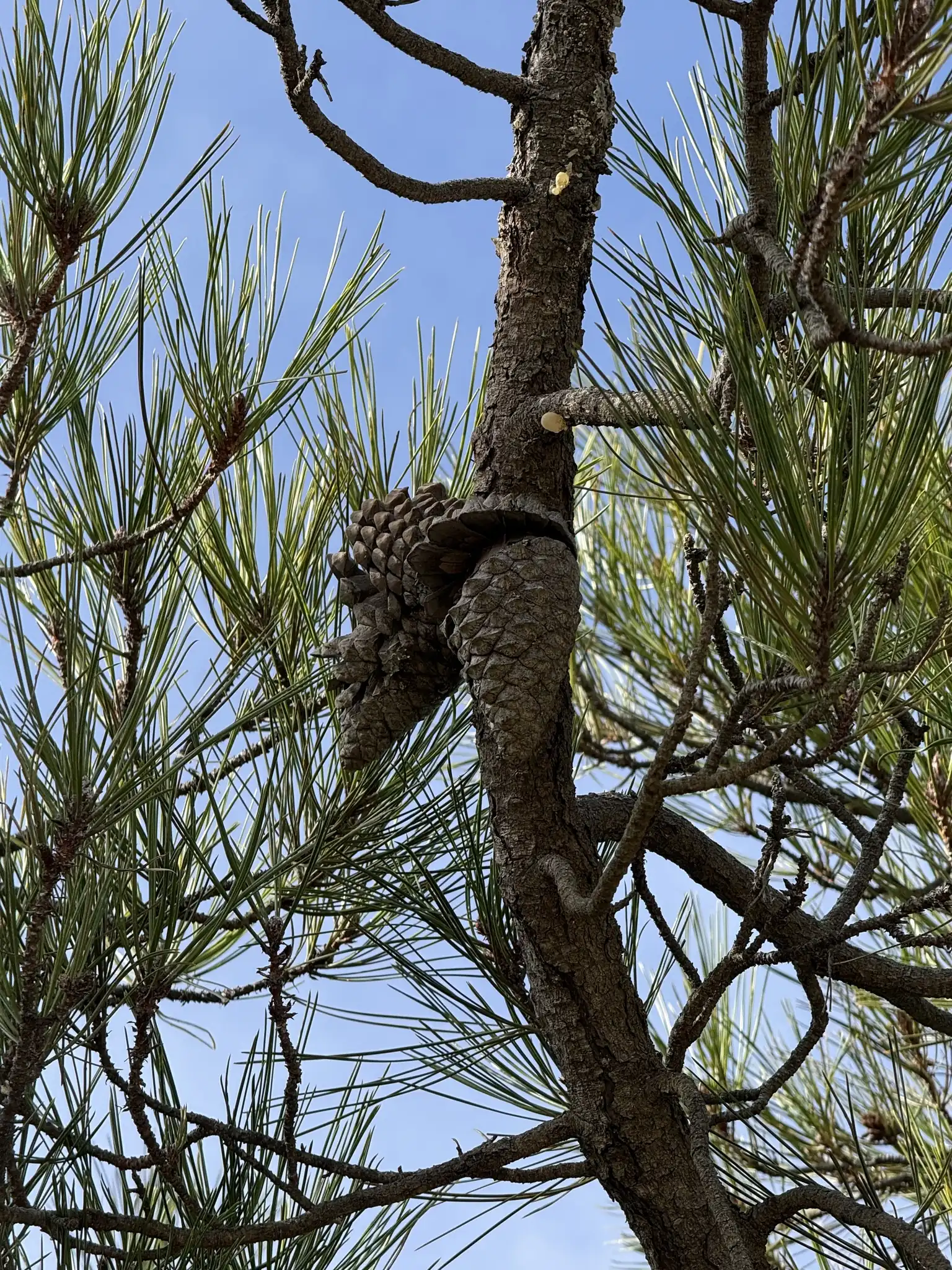
Pinus attenuata, commonly known as the knobcone pine, is an evergreen conifer native to dry slopes and chaparral across western North America. It develops an open, gaunt crown on twisted trunks with rigid, grey-green needles borne in bundles of three.
The species produces exceptionally hard, serotinous cones with swollen knob-like scales that remain sealed on branches for decades, eventually becoming enveloped by expanding trunk wood. These resin-sealed cones require extreme heat or fire to melt their seals and release seeds.
Uses & Benefits:
Essentials
At a Glance
Plant Type
Tree
Height
945"
Width
709"
Light
Full Sun
Zones
6, 7, 8, 9, 10
Water
Low
Humidity
Moderate
Lifespan
Long-lived
Native To
Western North America
Toxicity
Non-toxic
Bloom period
Mid spring – Late spring
In flower about 2 months of the year
Planting
How to Grow
- Select a full-sun site with lean, well-draining soil, avoiding areas prone to standing water.
- Dig a planting hole twice as wide as the root ball and equal in depth, keeping the root collar level with the surrounding soil.
- Backfill with unamended native soil, firming gently around the roots to eliminate air pockets.
- Water thoroughly at planting and supply light irrigation during the first growing season until established.
Pro Tip
Never prune back into old leafless wood, as pines lack epicormic buds and cannot generate new growth from bare stems.
Keep It Thriving
Care Guide
Do
- Plant in sharply draining, nutrient-poor soil
- Provide full sun exposure
- Prune only dead or damaged branches back to branch collars
Don't
- Do not amend planting holes with rich organic matter
- Do not cut into old wood devoid of needles
- Do not overwater or plant in heavy clay soils
Seasonal Care Calendar
| Task | Jan | Feb | Mar | Apr | May | Jun | Jul | Aug | Sep | Oct | Nov | Dec |
|---|---|---|---|---|---|---|---|---|---|---|---|---|
| Pest Check | ||||||||||||
| Plant | ||||||||||||
| Prune | ||||||||||||
| Winter Prep |
Watch Out For
Pests & Diseases
Common Pests
Common Diseases
In the Garden
Landscape Uses & Companions
Landscape Uses
Multiply
Propagation Methods
Good to Know
Common Questions
Knobcone Pine questions
What zones can Knobcone Pine grow in?
Knobcone Pine is hardy in USDA Zones 6–10: in that range it survives winter in the ground. Colder than Zone 6, winters are too cold for it to survive outdoors.
Is Knobcone Pine deer resistant?
Not reliably. Deer may browse Knobcone Pine, especially tender spring growth — plan on repellents or fencing where pressure is high.
When does Knobcone Pine bloom?
Knobcone Pine typically blooms in mid- to late spring. Exact timing shifts a week or two with your zone — Sow's bloom calendar maps it to your garden.
Does Knobcone Pine need full sun?
Knobcone Pine does best in full sun (6+ hours).
Is Knobcone Pine drought tolerant?
Yes — once established (usually after the first full season), Knobcone Pine handles dry spells with minimal watering. Water deeply its first year to build the root system that makes that possible.
More Pinus to compare
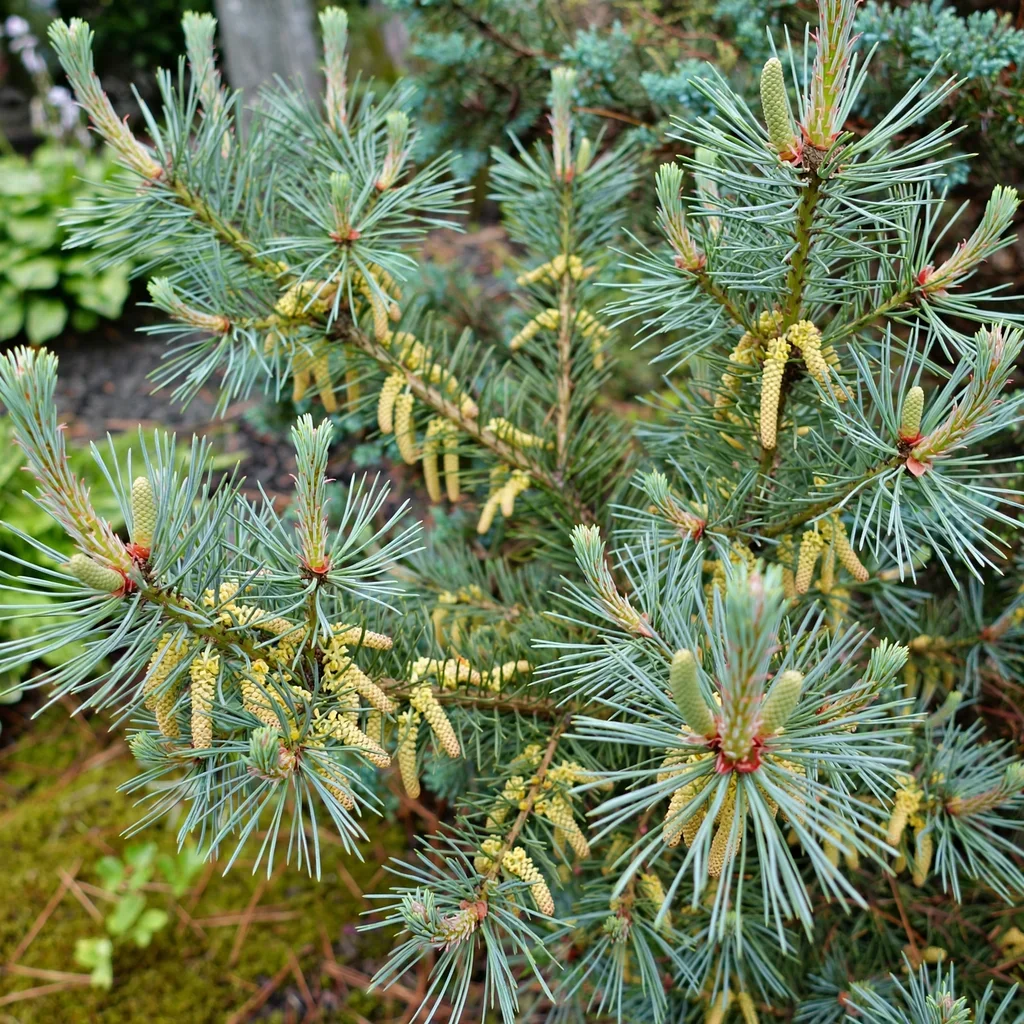
Eastern White Pine
Pinus strobus
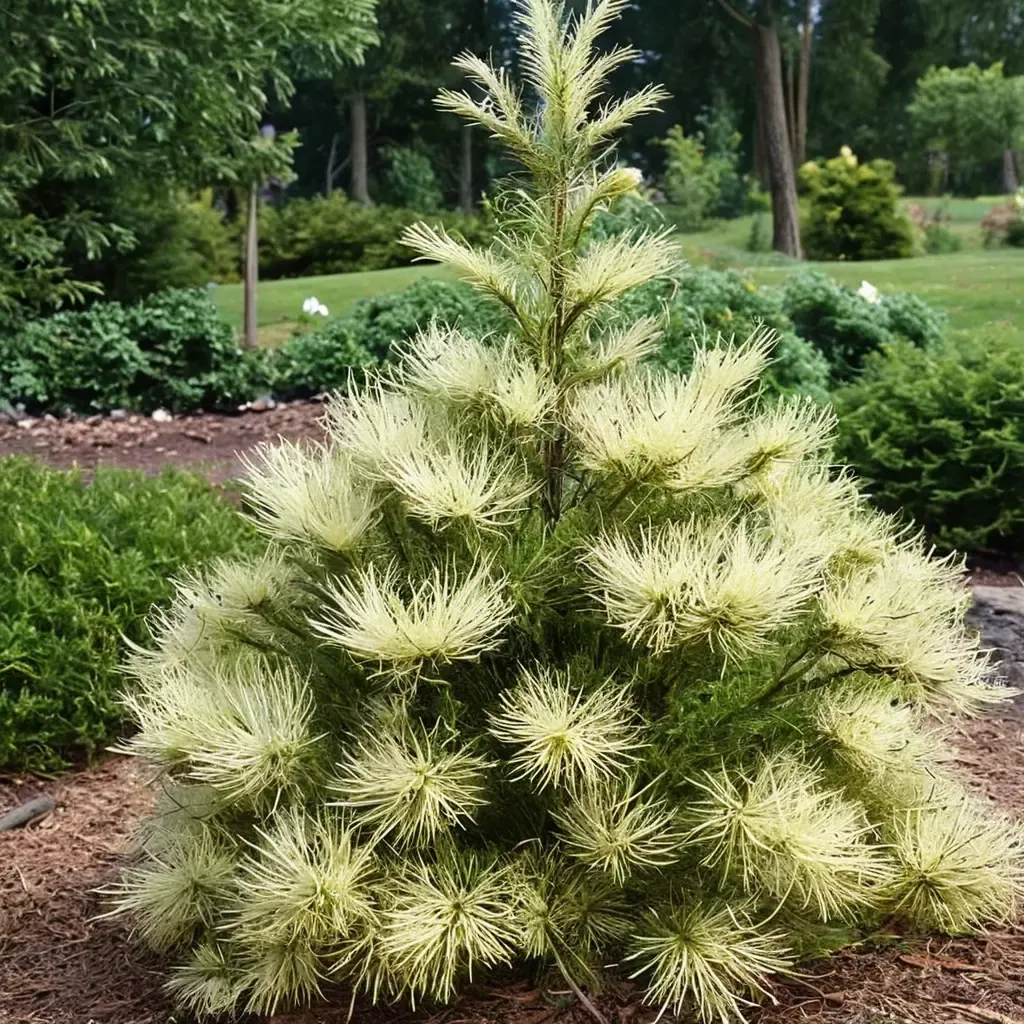
Golden Ghost Pine
Pinus densiflora 'Golden Ghost'
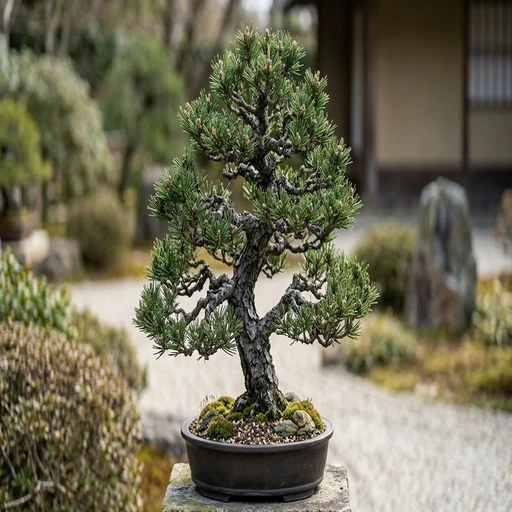
Thunderhead Japanese Black Pine
Pinus thunbergii 'Thunderhead'
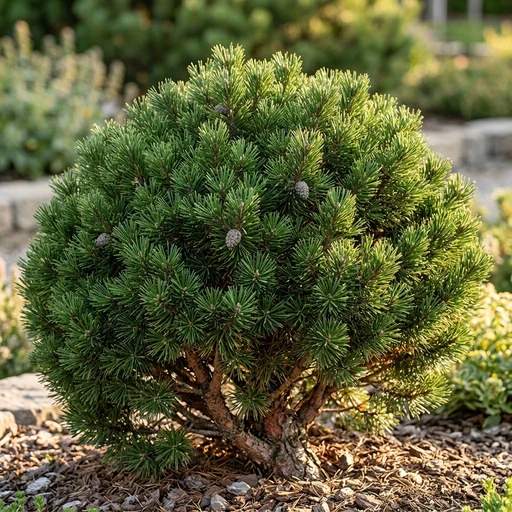
Slowmound Mugo Pine
Pinus mugo 'Slowmound'
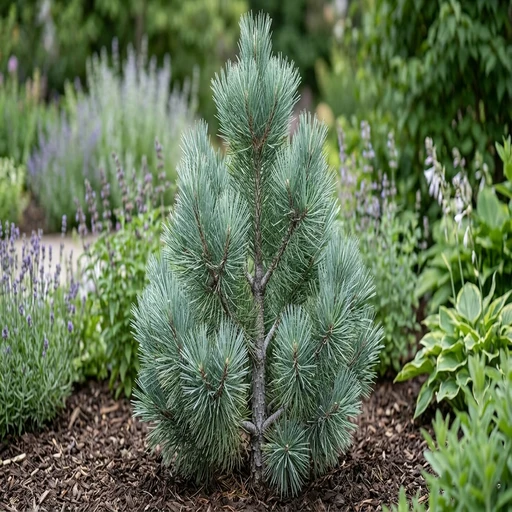
Vanderwolf's Pyramid Limber Pine
Pinus flexilis 'Vanderwolf'
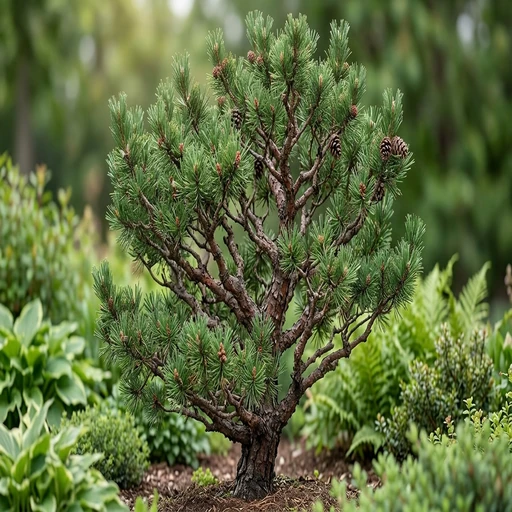
Virginia Pine
Pinus virginiana
Keep exploring
Explore the genus
Hardy in your zone?
Grow Knobcone Pine with confidence
See it in a design of your actual yard, get zone-matched care reminders, and track it season by season in your garden journal.