
The Story
Plant Bio
Baccharis emoryi is a dioecious North American shrub reaching 3 to 10 feet, with erect, 5-ridged green stems and numerous narrow lanceolate leaves held through the season. Male and female flowers occur on separate plants in small cream-white heads; females mature into dense whitish pappus that carries the small dry cypselae on wind.
The western emoryi form is distinguished by broader, hairless, glandless leaves and more cylindric pistillate involucres than its eastern relatives in the salicina complex. It roots in sandy washes, alkaline meadows and salt marsh between 1000 and 5200 feet, tolerating drought, alkali and seasonal wet feet where few shrubs persist.
Uses & Benefits:
Essentials
At a Glance
Plant Type
Shrub
Height
120"
Width
84"
Light
Full Sun, Partial Sun, Shade
Zones
6, 7, 8, 9, 10
Water
Low
Humidity
Low to moderate
Lifespan
Perennial shrub
Native To
Southwestern and south-central USA to northern Mexico
Toxicity
Unknown
Bloom period
Summer – Fall
In flower about 6 months of the year
Planting
How to Grow
- Plant in fall in full sun in sandy, well-drained soil in a low spot or swale that holds seasonal moisture.
- Dig twice as wide as the pot, set at the same depth, backfill with native soil and water deeply.
- Water twice a month through the first summer, then cut back to occasional deep soakings once established.
- Allow room to 10 feet tall and 7 feet wide; remove suckers and dead wood in late winter.
Pro Tip
If you want seed, plant a male beside a female; give each 7 feet to spread, water twice a month the first summer, then prune suckers in late winter and leave established plants dry.
Keep It Thriving
Care Guide
Do
- Plant a male and a female together if you want seed
- Give it room to spread and stabilize a bank or swale
- Water deeply twice a month the first year
Don't
- Don't plant in constantly waterlogged clay
- Don't shear it as a formal hedge; it regrows open and uneven
- Don't expect petals; the show is cream heads and white pappus
Seasonal Care Calendar
| Task | Jan | Feb | Mar | Apr | May | Jun | Jul | Aug | Sep | Oct | Nov | Dec |
|---|---|---|---|---|---|---|---|---|---|---|---|---|
| Mulch | ||||||||||||
| Pest Check | ||||||||||||
| Plant | ||||||||||||
| Prune |
Watch Out For
Pests & Diseases
Common Pests
Common Diseases
In the Garden
Landscape Uses & Companions
Landscape Uses
Multiply
Propagation Methods
Good to Know
Common Questions
Emory's Baccharis questions
What zones can Emory's Baccharis grow in?
Emory's Baccharis is hardy in USDA Zones 6–10: in that range it survives winter in the ground. Colder than Zone 6, grow it in a container you can move to shelter for the winter.
When does Emory's Baccharis bloom?
Emory's Baccharis typically blooms from summer to fall. Exact timing shifts a week or two with your zone — Sow's bloom calendar maps it to your garden.
Does Emory's Baccharis need full sun?
Emory's Baccharis does best in full sun to part shade. In hot climates, afternoon shade keeps blooms fresher longer.
Is Emory's Baccharis drought tolerant?
Yes — once established (usually after the first full season), Emory's Baccharis handles dry spells with minimal watering. Water deeply its first year to build the root system that makes that possible.
More Baccharis to compare
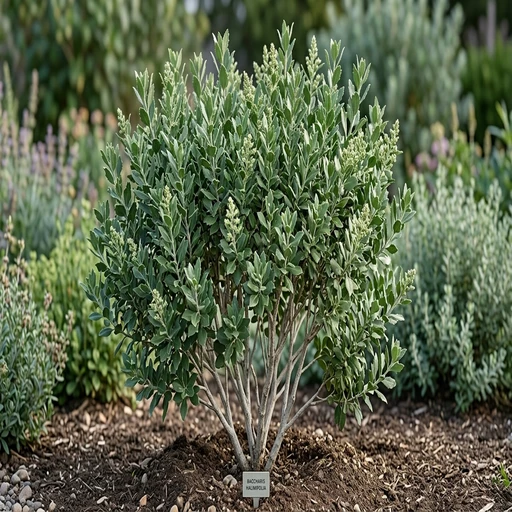
Sea Myrtle
Baccharis halimifolia
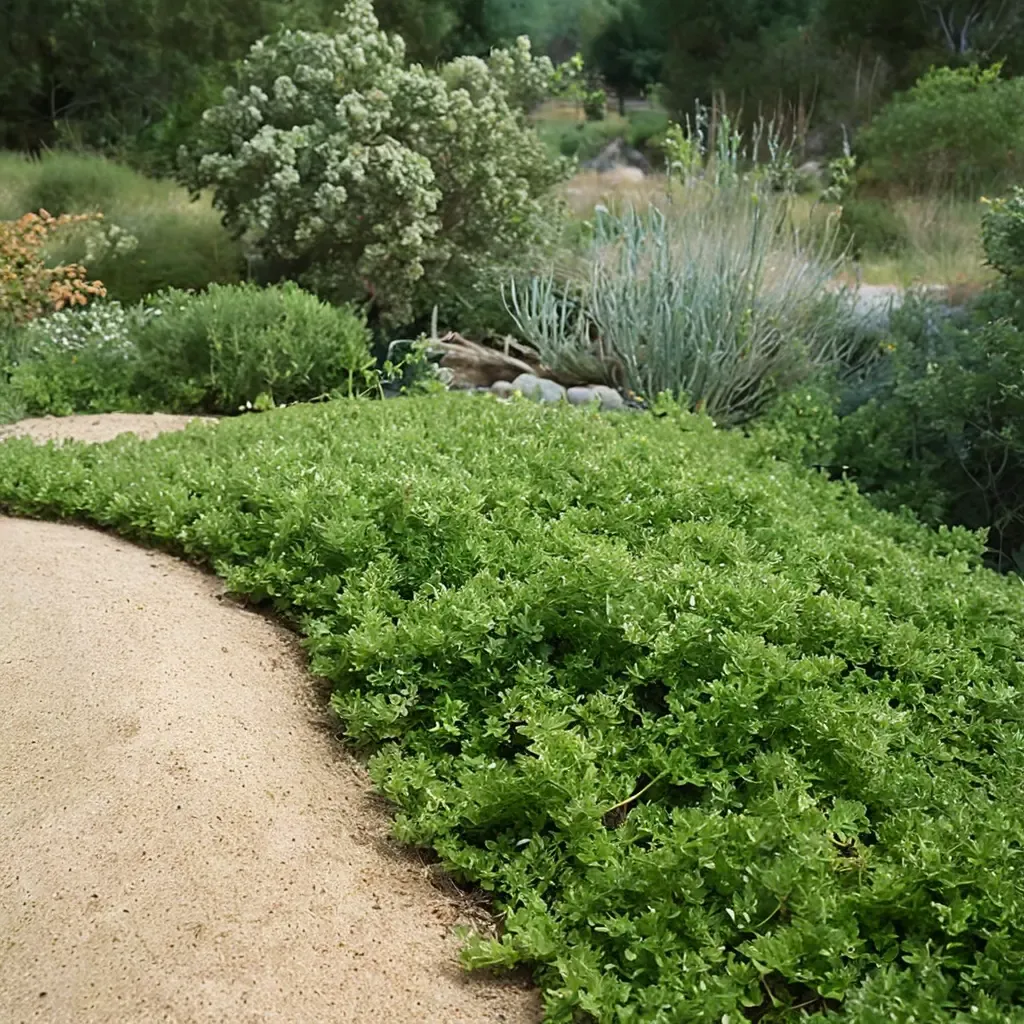
Pigeon Point Dwarf Coyote Bush
Baccharis pilularis 'Pigeon Point'
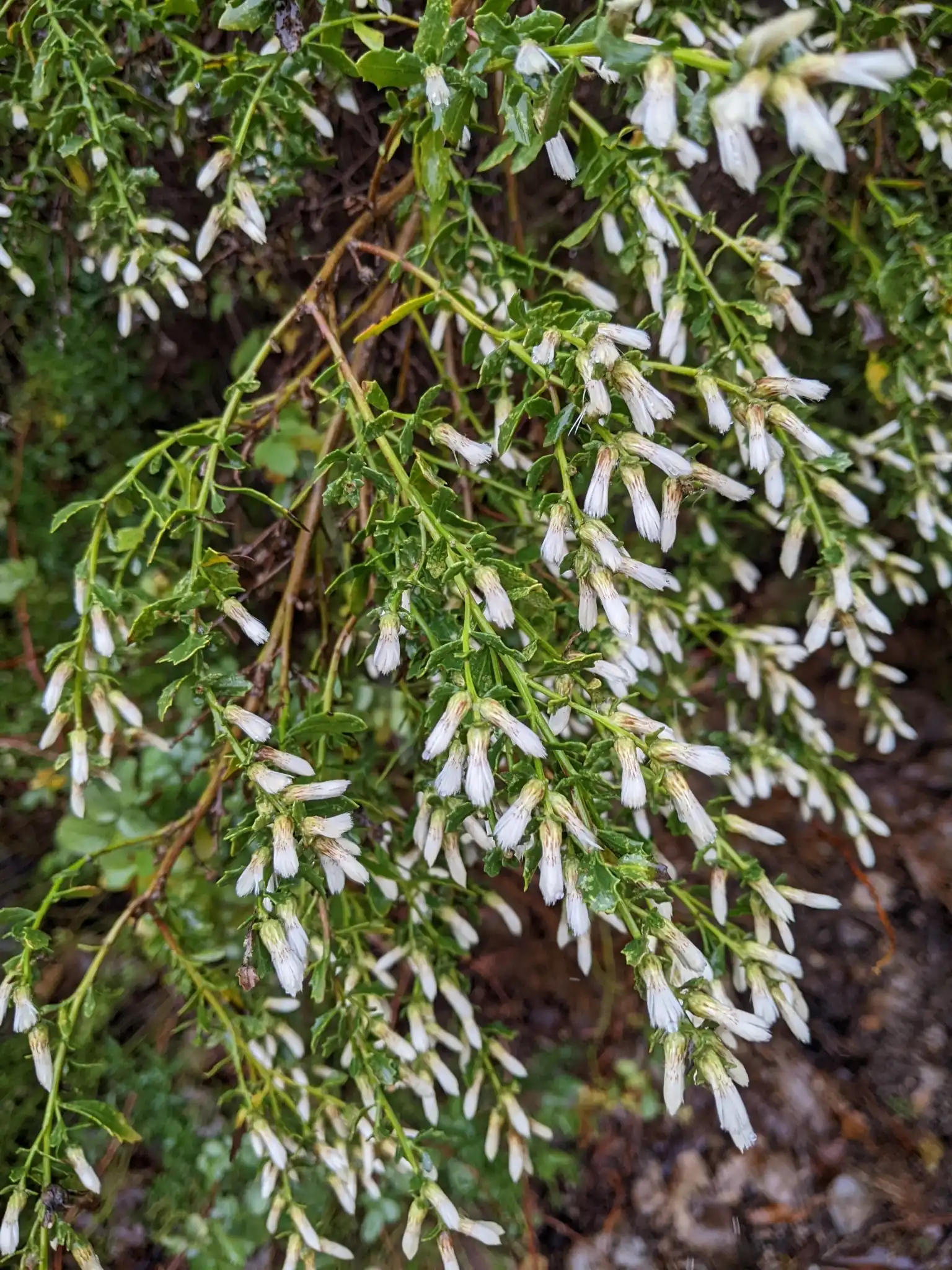
Dwarf Coyote Bush
Baccharis pilularis
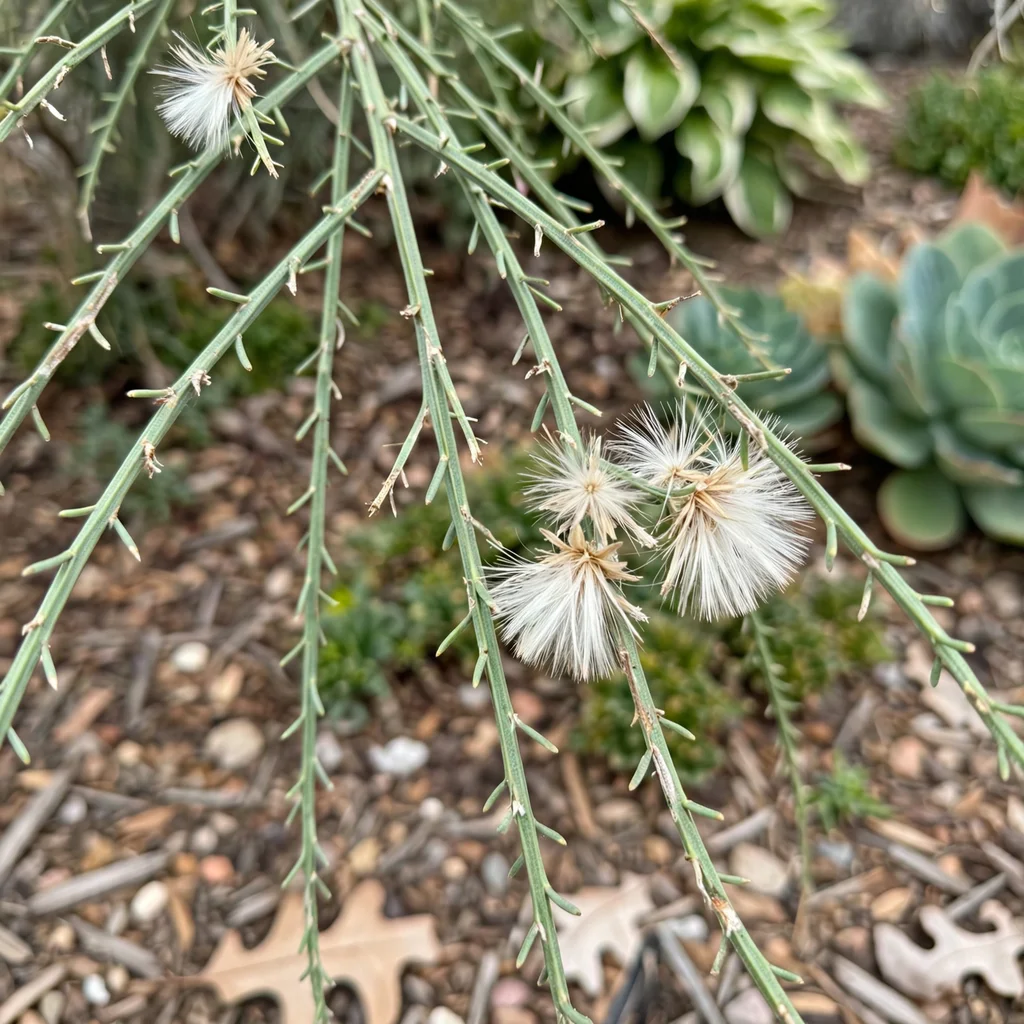
Desert Broom
Baccharis sarothroides
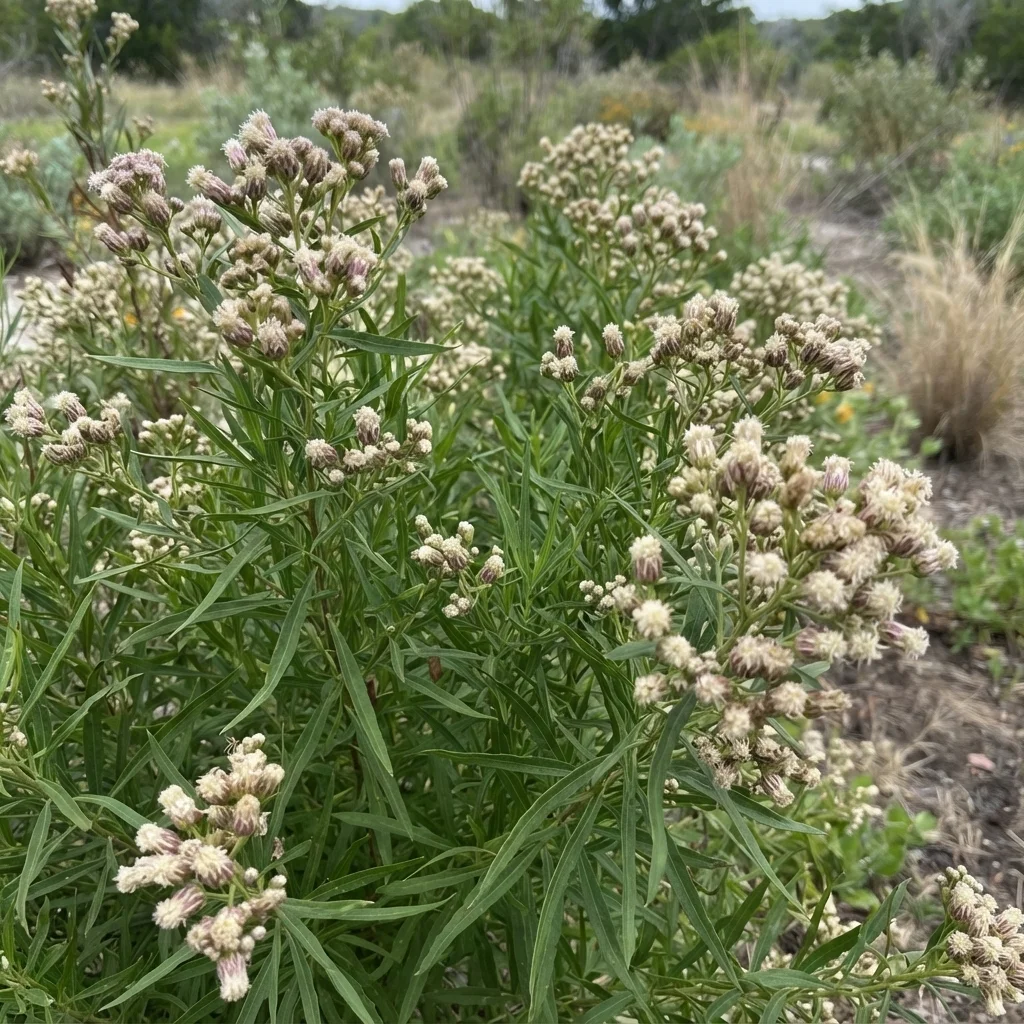
Mule Fat
Baccharis salicifolia
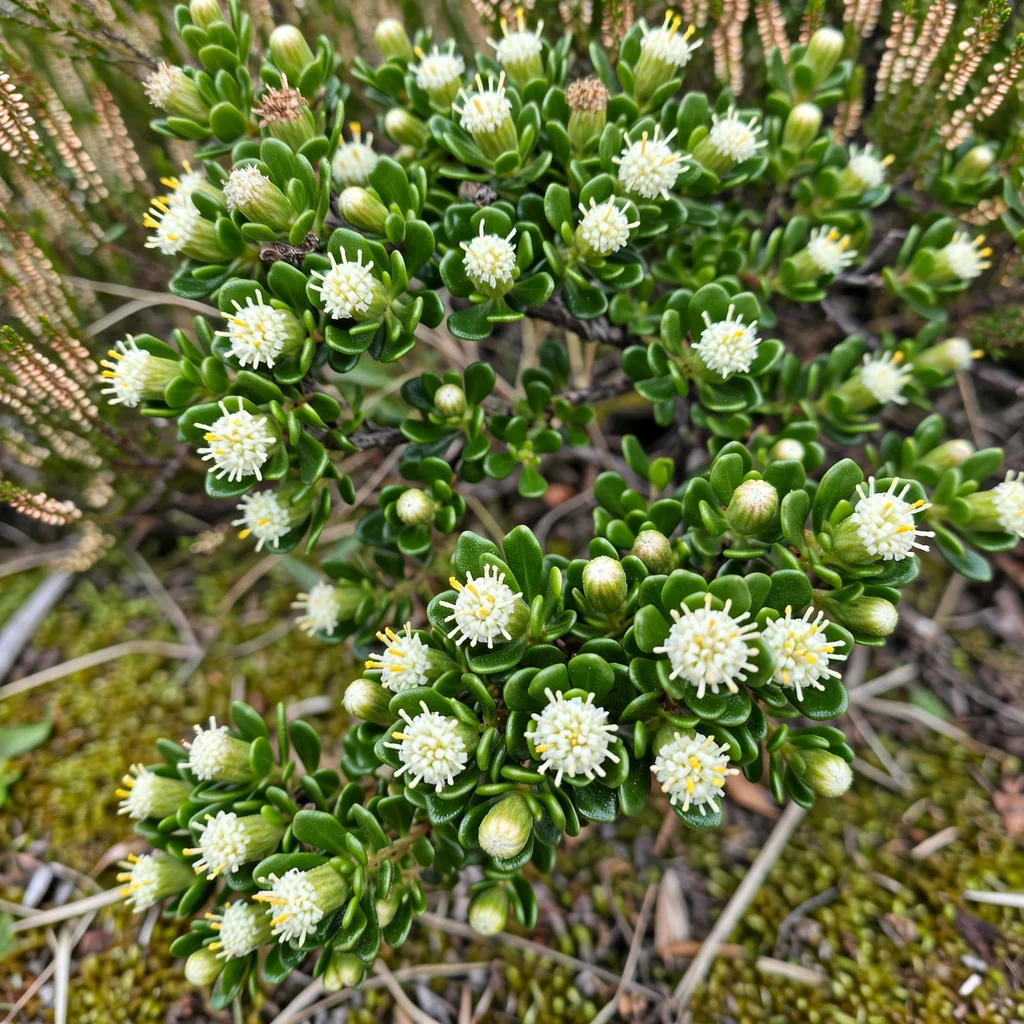
Christmas Bush
Baccharis magellanica
Keep exploring
Explore the genus
Hardy in your zone?
Grow Emory's Baccharis with confidence
See it in a design of your actual yard, get zone-matched care reminders, and track it season by season in your garden journal.