The Story
Plant Bio
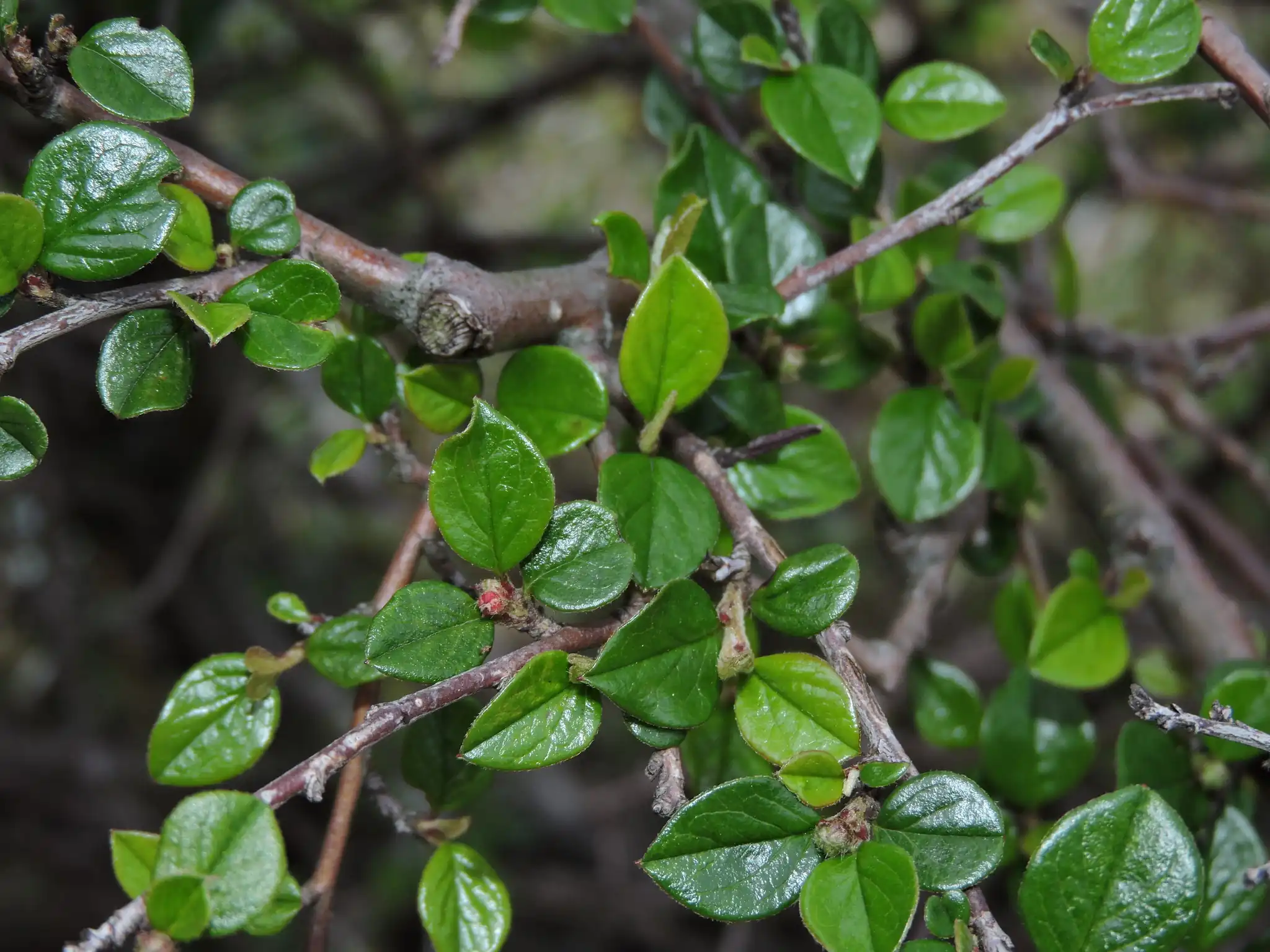
Cotoneaster apiculatus is a deciduous shrub from the mountains of southwestern China, growing two to three feet tall and four to six feet wide with stiff, arching branches. The small rounded-ovate leaves are glossy green and turn purple-red to bronze in fall, followed by bright red cranberry-like pomes that hold through winter.
Cranberry cotoneaster holds its branches in a dense broad-upright mound that roots where the lower stems touch damp ground. It is distinguished by pink spring flowers followed by unusually large, showy red fruits, and by tolerance for alkaline soil, salt spray, wind and compaction.
Uses & Benefits:
Essentials
At a Glance
Plant Type
Shrub
Height
36"
Width
72"
Light
Full Sun, Partial Sun
Zones
4, 5, 6, 7
Water
Medium, low once established
Humidity
Low; dislikes hot humidity
Lifespan
Woody deciduous shrub
Native To
Southwestern China
Toxicity
Fruits cause stomach upset if eaten
Bloom period
Late spring – Early summer
In flower about 2 months of the year
Planting
How to Grow
- Plant in spring in full sun in average, well-drained soil with the crown level with the soil surface.
- Space plants four to five feet apart to allow air movement and room for arching branches to spread.
- Water deeply after planting, then only during extended drought once established.
- Mulch beneath the low branches to suppress weeds and keep soil evenly moist but never wet.
Pro Tip
Give it full sun, lean well-drained soil and room for air to move — massed plants pass fire blight quickly, and wet ground or Deep South heat and humidity shorten its life.
Keep It Thriving
Care Guide
Do
- Plant in full sun with sharp drainage and good air circulation.
- Prune out fire-blighted wood promptly, cutting well below the damage.
- Mulch low spreading branches to reduce weeds and debris buildup.
Don't
- Do not plant in wet soil or low spots that stay saturated.
- Do not overhead water or crowd plants in mass plantings.
- Do not expect it to thrive through hot, humid Deep South summers.
Seasonal Care Calendar
| Task | Jan | Feb | Mar | Apr | May | Jun | Jul | Aug | Sep | Oct | Nov | Dec |
|---|---|---|---|---|---|---|---|---|---|---|---|---|
| Mulch | ||||||||||||
| Pest Check | ||||||||||||
| Plant | ||||||||||||
| Prune |
Watch Out For
Pests & Diseases
Common Pests
Common Diseases
In the Garden
Landscape Uses & Companions
Landscape Uses
Companion Plants
Multiply
Propagation Methods
Good to Know
Common Questions
Cranberry Cotoneaster questions
What zones can Cranberry Cotoneaster grow in?
Cranberry Cotoneaster is hardy in USDA Zones 4–7: in that range it survives winter in the ground. Warmer than Zone 7, winter isn't the problem: it prefers colder winters, and summer heat can shorten its life.
When does Cranberry Cotoneaster bloom?
Cranberry Cotoneaster typically blooms from late spring to early summer. Exact timing shifts a week or two with your zone — Sow's bloom calendar maps it to your garden.
Does Cranberry Cotoneaster need full sun?
Cranberry Cotoneaster does best in full sun to part shade. In hot climates, afternoon shade keeps blooms fresher longer.
Is Cranberry Cotoneaster drought tolerant?
Yes — once established (usually after the first full season), Cranberry Cotoneaster handles dry spells with minimal watering. Water deeply its first year to build the root system that makes that possible.
More Cotoneaster to compare
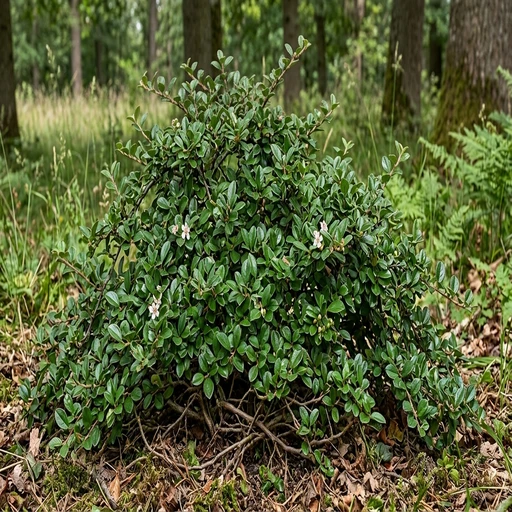
Streibs Findling Cotoneaster
Cotoneaster dammeri 'Streibs Findling'
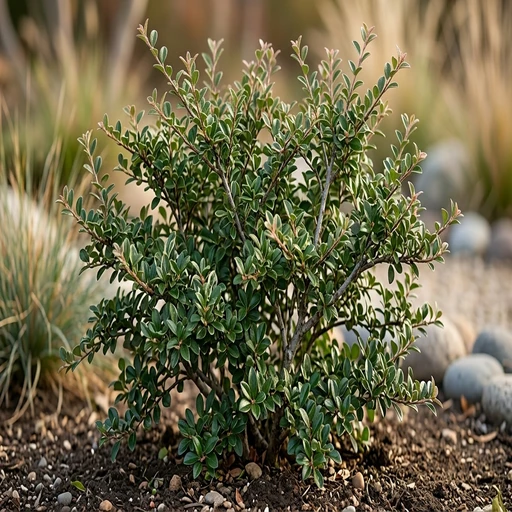
Autumn Inferno Cotoneaster
Cotoneaster salicifolius 'Autumn Inferno'
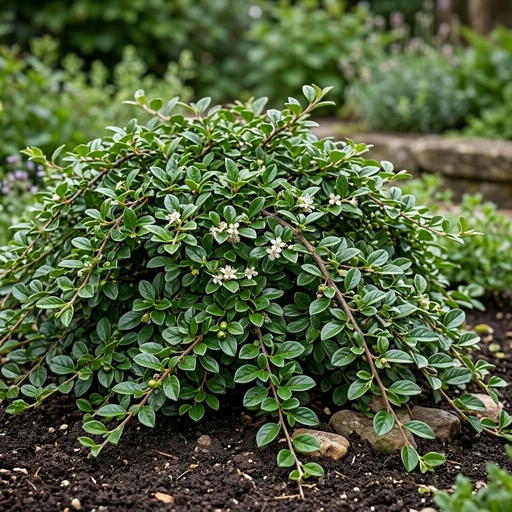
Lowfast Bearberry Cotoneaster
Cotoneaster dammeri 'Lowfast'
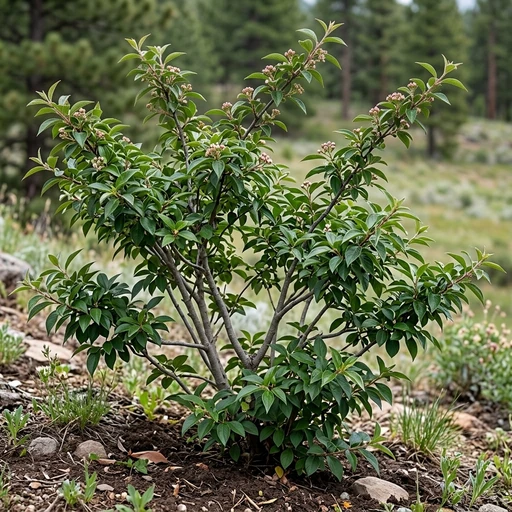
Peking Cotoneaster
Cotoneaster acutifolius
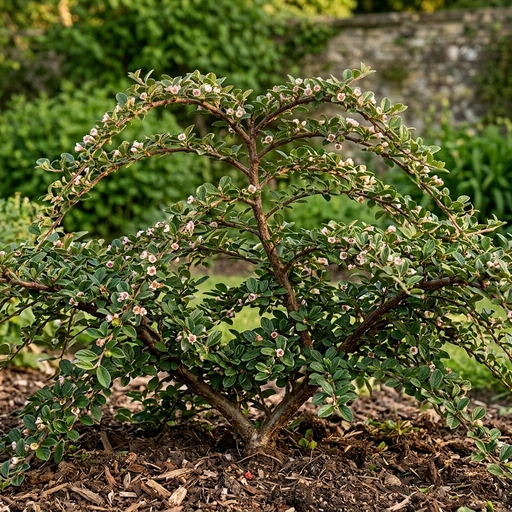
Hessei Rockspray Cotoneaster
Cotoneaster horizontalis 'Hessei'
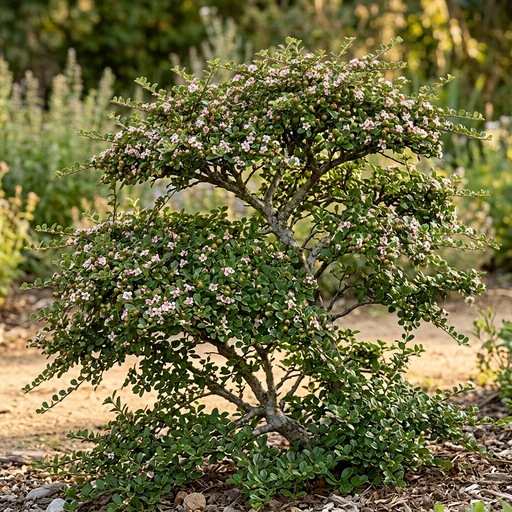
Rockspray Cotoneaster
Cotoneaster horizontalis
Keep exploring
Explore the genus
Hardy in your zone?
Grow Cranberry Cotoneaster with confidence
See it in a design of your actual yard, get zone-matched care reminders, and track it season by season in your garden journal.