The Story
Plant Bio
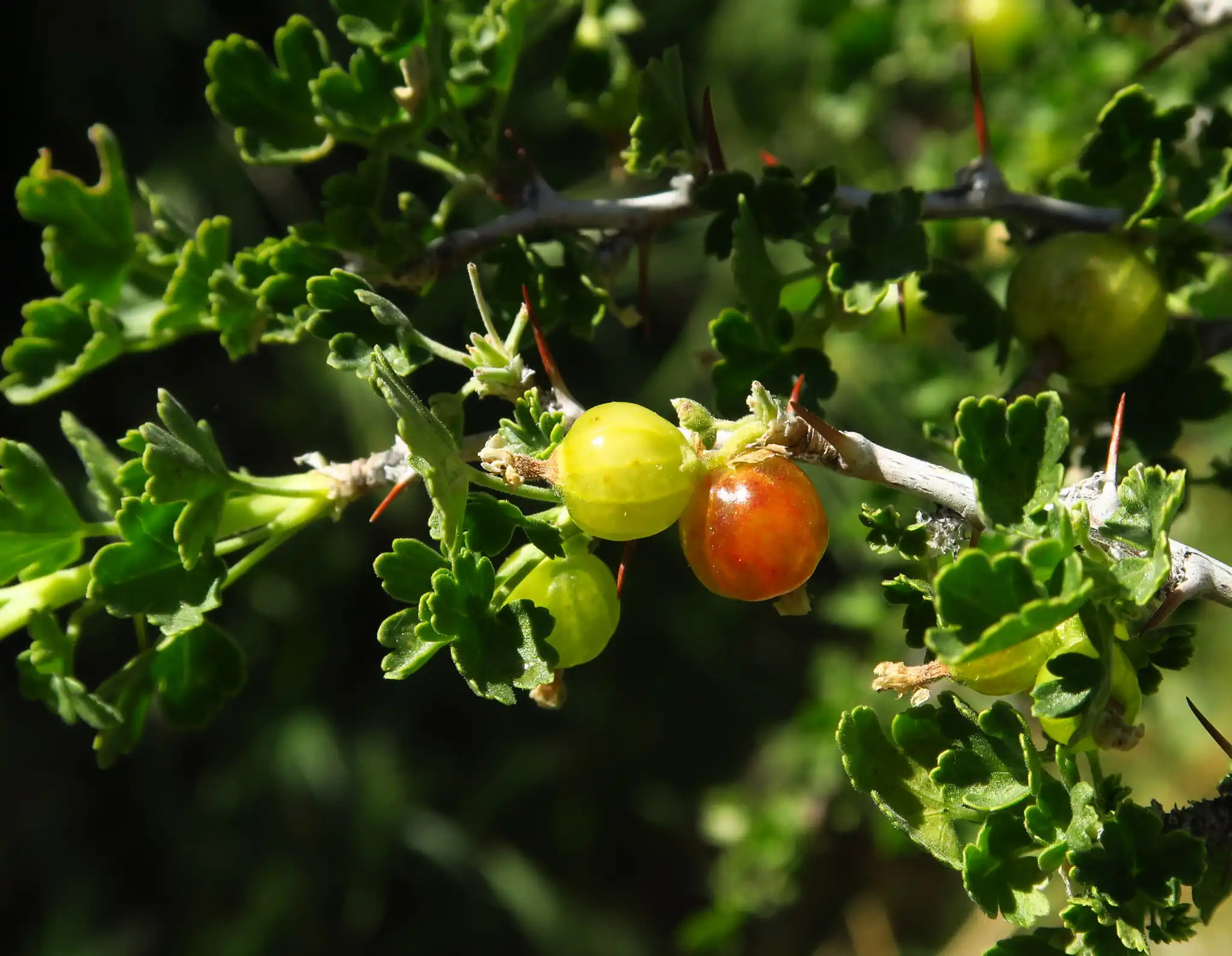
Ribes quercetorum is a spreading winter-deciduous shrub to five feet, with arching stems that build a dense fountain-like briar patch. The leaves are 1-3 cm, rounded and deeply three-lobed with toothed lobes, puberulent and stalked-glandular, and drop in winter.
Unlike most western gooseberries with maroon-and-white flowers and bristly fruit, it bears 2- to 3-flowered racemes of yellow tubular flowers with reflexed sepals from winter into spring. The fruit ripens to a smooth black 7-8 mm berry that is sweet when fully ripe, on stems armed only with single 5-15 mm nodal spines and no internode prickles.
Uses & Benefits:
Essentials
At a Glance
Plant Type
Shrub
Height
59"
Width
48"
Light
Full Sun, Partial Sun
Zones
7, 8, 9
Water
Low to moderate
Humidity
Low
Lifespan
Deciduous shrub
Native To
California, Arizona, northern Baja California
Toxicity
Low - sweet edible fruit; large amounts may cause nausea; spiny stems
Bloom period
Winter – Spring
In flower about 6 months of the year
Planting
How to Grow
- Choose a rocky slope, canyon edge, or oak-woodland margin in full sun to partial shade with sharp drainage.
- Plant potted or bare-root stock in fall to winter, setting the crown level and backfilling with lean rocky soil.
- Water in deeply, then water sparingly through the first dry season to establish.
- Keep a thin gravel or leaf mulch clear of the crown and let arching stems fountain naturally.
Pro Tip
Site it on a rocky, sharply drained slope and leave its fountain form alone; shearing the spiny arching stems into shape ruins regrowth.
Keep It Thriving
Care Guide
Do
- Give sharp drainage on slopes and rocky soils.
- Leave space for arching 5-foot stems to fountain.
- Enjoy flowers for hummingbirds and ripe black fruit for birds.
Don't
- Do not shear annually into a hedge; it destroys form.
- Do not plant in wet ground or near five-needle pines.
- Do not eat large quantities of unripe fruit; it can cause nausea.
Seasonal Care Calendar
| Task | Jan | Feb | Mar | Apr | May | Jun | Jul | Aug | Sep | Oct | Nov | Dec |
|---|---|---|---|---|---|---|---|---|---|---|---|---|
| Harvest | ||||||||||||
| Pest Check | ||||||||||||
| Plant | ||||||||||||
| Prune |
Watch Out For
Pests & Diseases
Common Pests
Common Diseases
In the Garden
Landscape Uses & Companions
Landscape Uses
Multiply
Propagation Methods
Good to Know
Common Questions
Rock Gooseberry questions
What zones can Rock Gooseberry grow in?
Rock Gooseberry is hardy in USDA Zones 7–9: in that range it survives winter in the ground. Colder than Zone 7, grow it in a container you can move to shelter for the winter. Warmer than Zone 9, winter isn't the problem: it prefers colder winters, and summer heat can shorten its life.
When does Rock Gooseberry bloom?
Rock Gooseberry typically blooms from winter to spring. Exact timing shifts a week or two with your zone — Sow's bloom calendar maps it to your garden.
Does Rock Gooseberry need full sun?
Rock Gooseberry does best in full sun to part shade. In hot climates, afternoon shade keeps blooms fresher longer.
More Ribes to compare
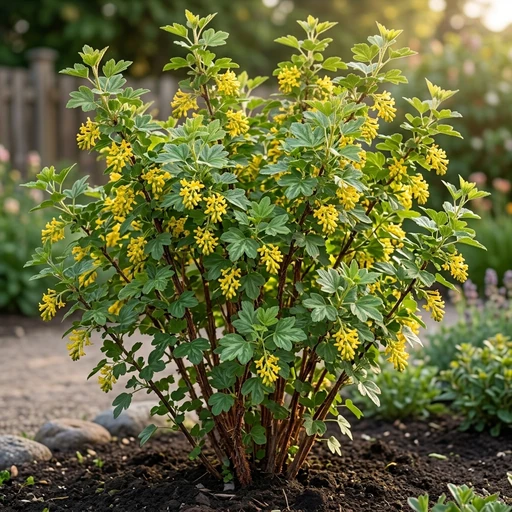
Golden Currant
Ribes aureum
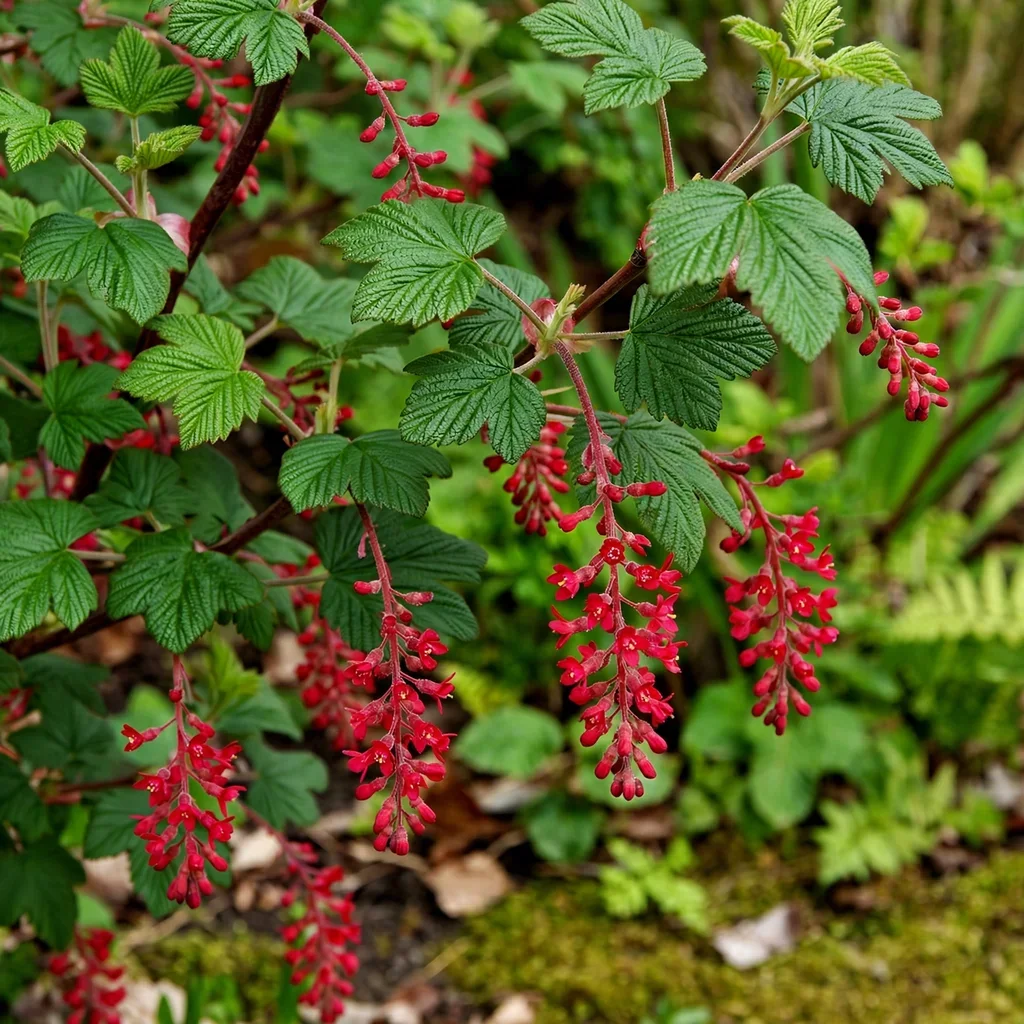
King Edward VII Flowering Currant
Ribes sanguineum 'King Edward VII'
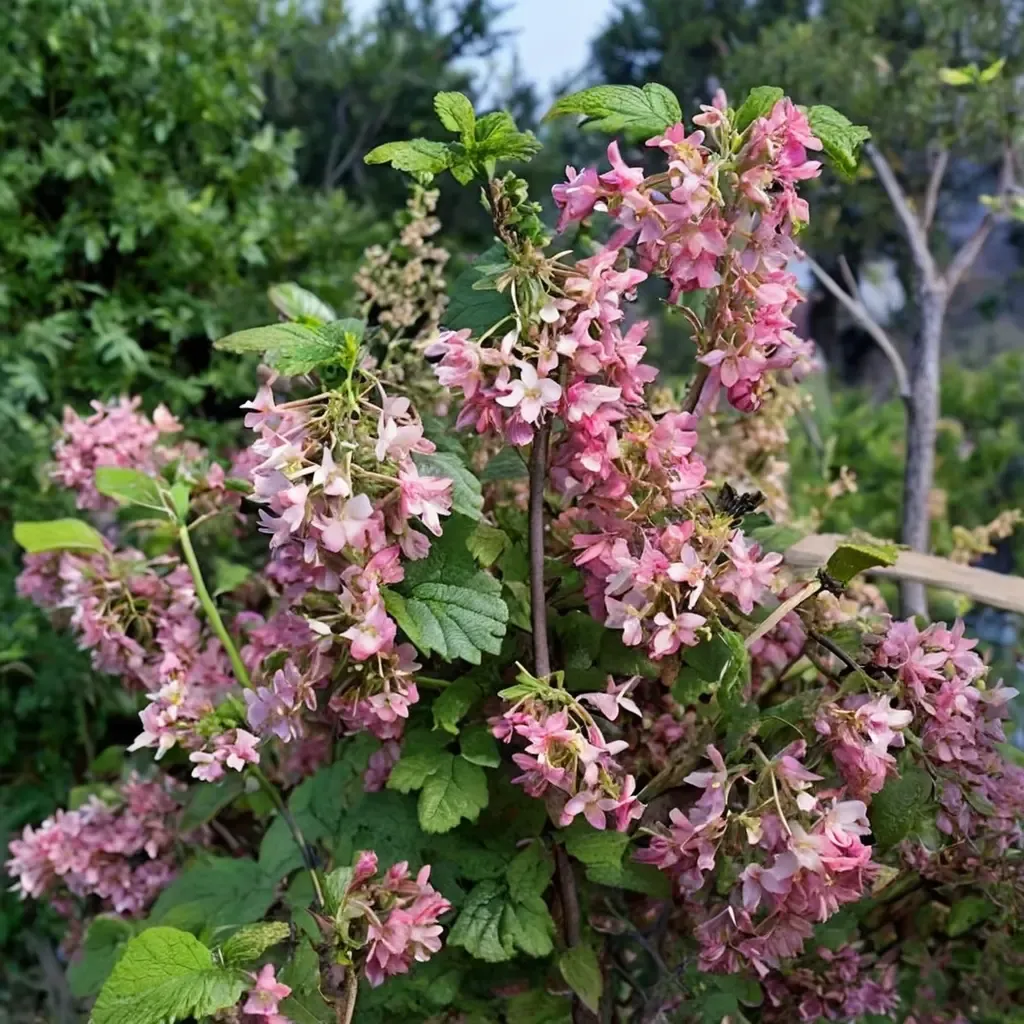
Claremont Currant
Ribes sanguineum 'Claremont'
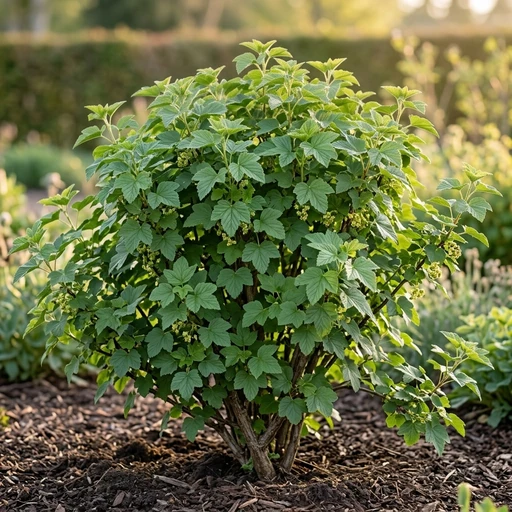
Alpine Currant
Ribes alpinum
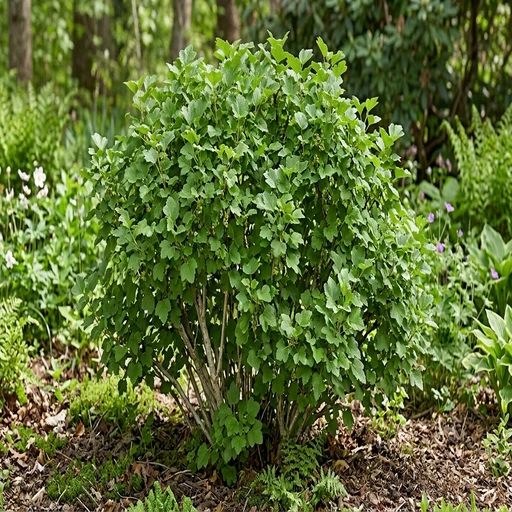
Green Mound Alpine Currant
Ribes alpinum 'Green Mound'
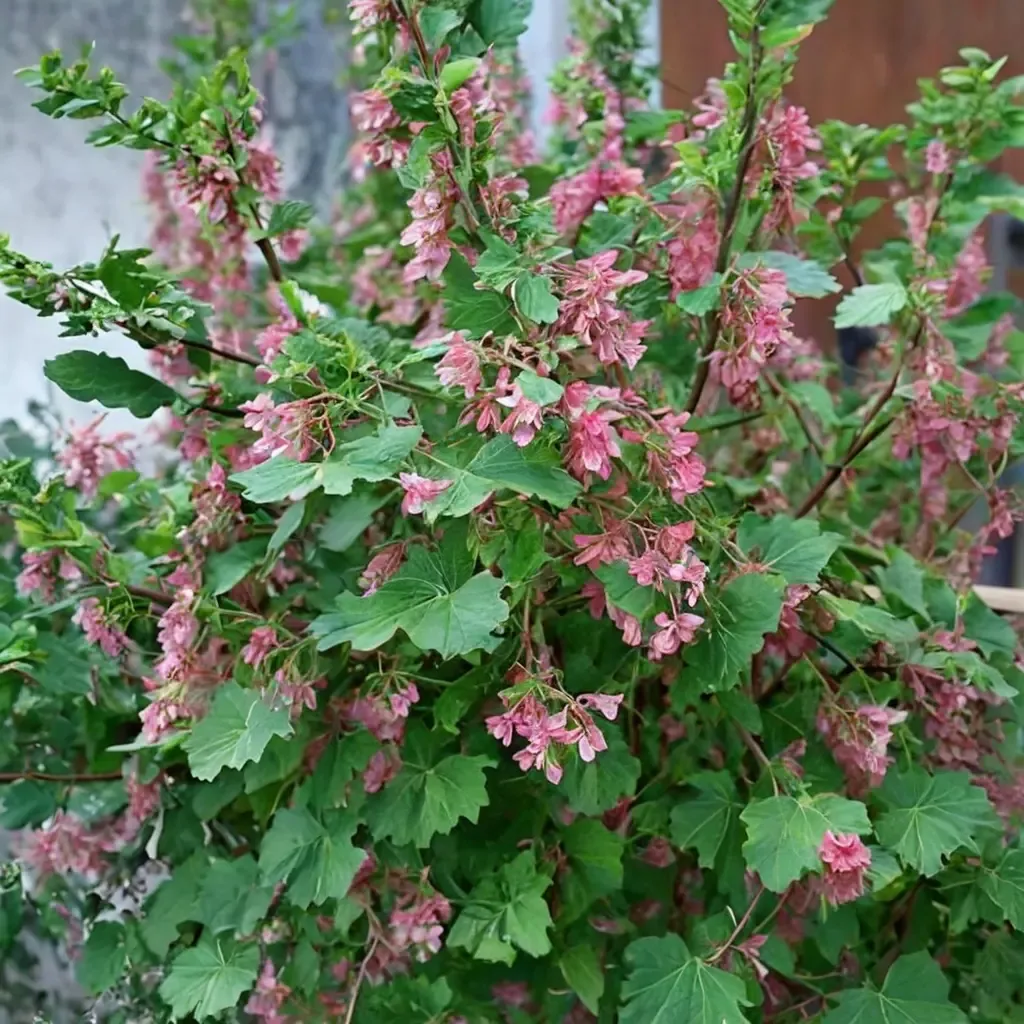
Pink-Flowering Currant
Ribes sanguineum 'glutinosum'
Keep exploring
Explore the genus
Hardy in your zone?
Grow Rock Gooseberry with confidence
See it in a design of your actual yard, get zone-matched care reminders, and track it season by season in your garden journal.