The Story
Plant Bio
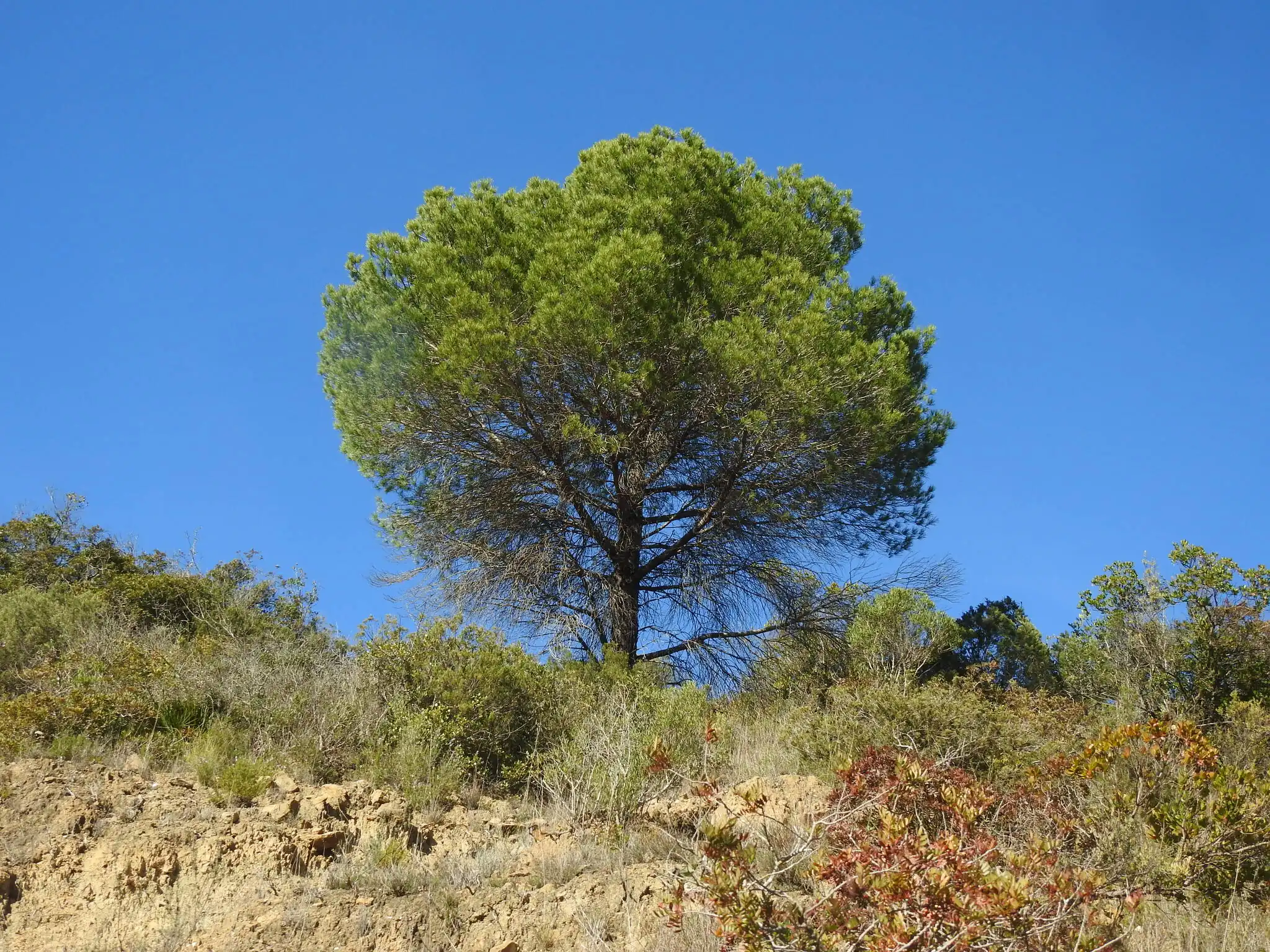
Pinus pinea, the Italian stone pine, is an evergreen Mediterranean conifer reaching forty to sixty feet with a single straight trunk and reddish-brown fissured bark. Its bright green to grey-green needles are held in pairs and measure five to eight inches long, persisting on high spreading limbs.
Young trees grow dense and shrubby before shedding their lower limbs to form the broad flat-topped umbrella crown. Female cones are broad-oval and chestnut-brown to six inches long, taking three years to ripen and releasing large edible pine nuts.
Uses & Benefits:
Essentials
At a Glance
Plant Type
Tree
Height
600"
Width
480"
Light
Full Sun
Zones
7, 8, 9, 10
Water
Low; dry to medium once established
Humidity
Prefers cool dry summers; poor in humid heat
Lifespan
Perennial tree
Native To
Southern Europe to Turkey and Lebanon
Toxicity
Edible seeds; otherwise unreported
Bloom period
Spring
In flower about 3 months of the year
Planting
How to Grow
- Plant in full sun in sandy to loam soil that drains freely, setting the top of the root ball one to two inches above grade.
- Water deeply at planting, then water sparingly; once established it takes dry to medium soil and must not sit wet.
- Allow twenty feet or more of clear space for the spreading umbrella crown and shedding lower limbs.
- Grow on cool-summer sites such as the California coast; avoid hot humid sites and waterlogged clay.
- Keep holiday pot plants inside for a short display only, then move outdoors in zones 8 to 10.
Pro Tip
Plant with the top of the root ball one to two inches above grade in full sun and leave room for the wide crown; it grows slowly, demands sharp drainage, and dies if kept indoors past the holidays.
Keep It Thriving
Care Guide
Do
- Plant in full sun with sharp drainage and the root ball set high
- Allow full room for a twenty to forty foot crown spread
- Water deeply but infrequently once established
Don't
- Do not keep small potted trees indoors long term
- Do not overwater or plant where soil stays waterlogged
- Do not shear for screening or cut back into old bare wood
Seasonal Care Calendar
| Task | Jan | Feb | Mar | Apr | May | Jun | Jul | Aug | Sep | Oct | Nov | Dec |
|---|---|---|---|---|---|---|---|---|---|---|---|---|
| Mulch | ||||||||||||
| Pest Check | ||||||||||||
| Plant | ||||||||||||
| Prune |
Watch Out For
Pests & Diseases
Common Pests
Common Diseases
In the Garden
Landscape Uses & Companions
Landscape Uses
Companion Plants
Multiply
Propagation Methods
Good to Know
Common Questions
Italian Stone Pine questions
What zones can Italian Stone Pine grow in?
Italian Stone Pine is hardy in USDA Zones 7–10: in that range it survives winter in the ground. Colder than Zone 7, winters are too cold for it to survive outdoors.
Is Italian Stone Pine deer resistant?
Yes — Italian Stone Pine is rated deer-resistant. Deer typically pass it over, though extreme hunger can override any plant's defenses.
When does Italian Stone Pine bloom?
Italian Stone Pine typically blooms in spring. Exact timing shifts a week or two with your zone — Sow's bloom calendar maps it to your garden.
Does Italian Stone Pine need full sun?
Italian Stone Pine does best in full sun (6+ hours).
Is Italian Stone Pine drought tolerant?
Yes — once established (usually after the first full season), Italian Stone Pine handles dry spells with minimal watering. Water deeply its first year to build the root system that makes that possible.
More Pinus to compare
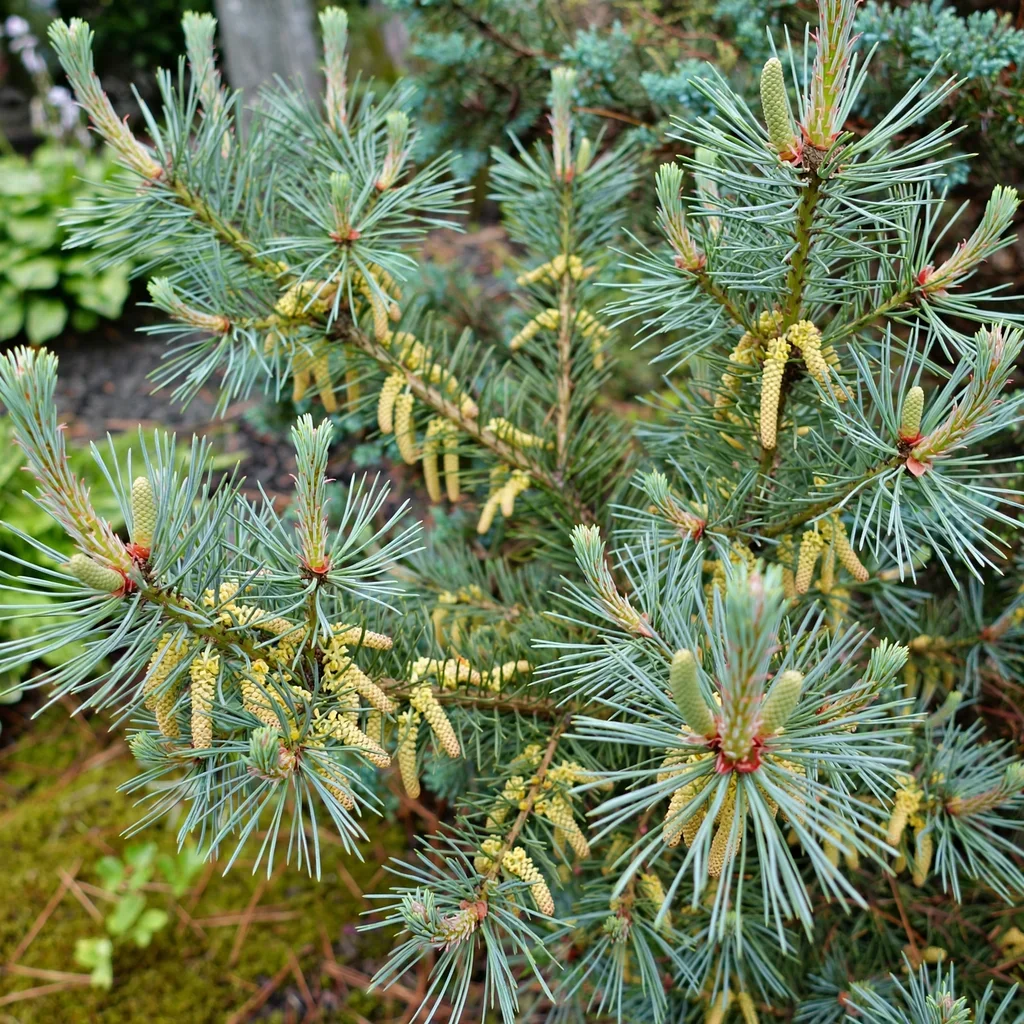
Eastern White Pine
Pinus strobus
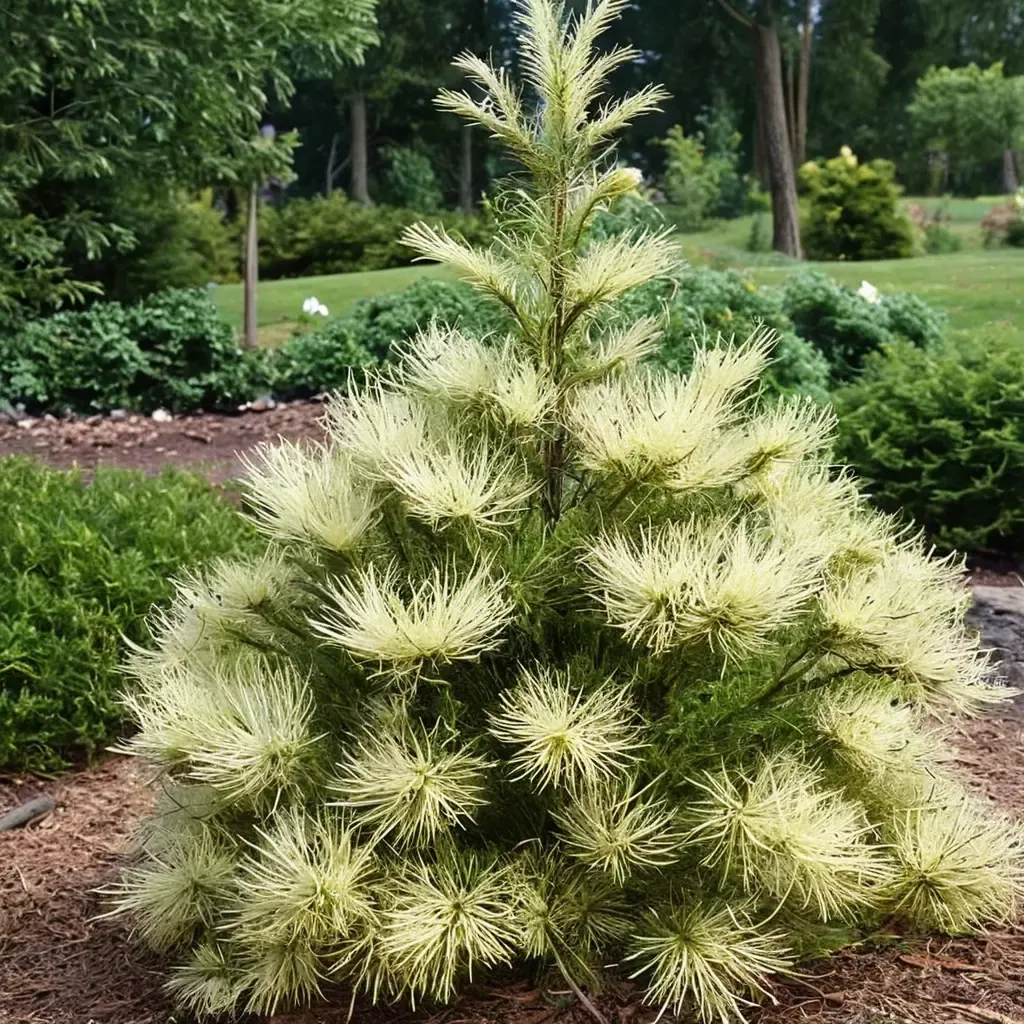
Golden Ghost Pine
Pinus densiflora 'Golden Ghost'
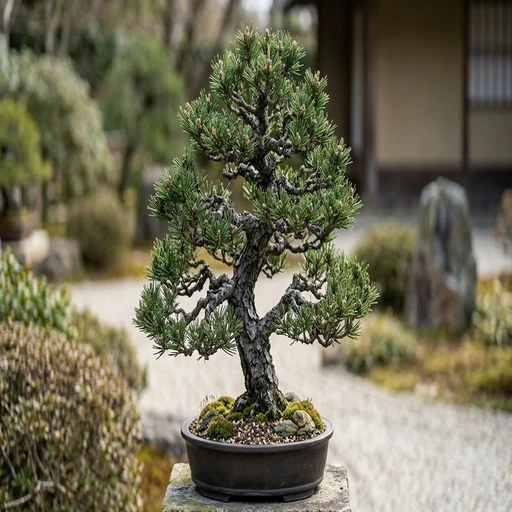
Thunderhead Japanese Black Pine
Pinus thunbergii 'Thunderhead'
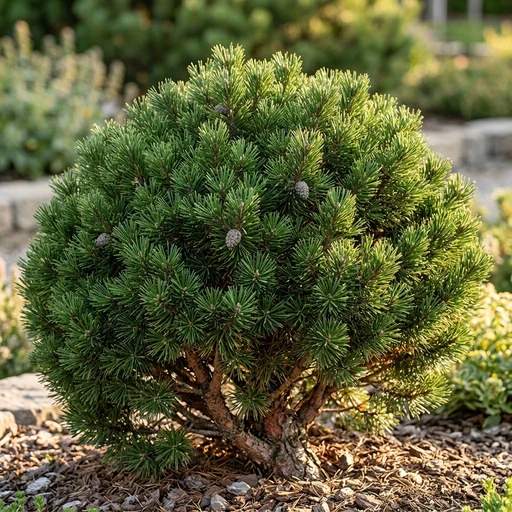
Slowmound Mugo Pine
Pinus mugo 'Slowmound'
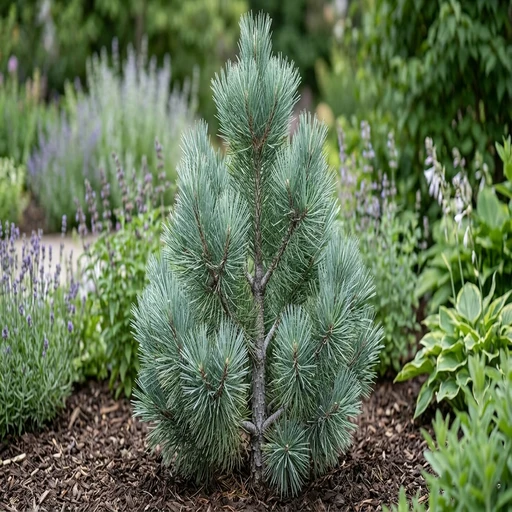
Vanderwolf's Pyramid Limber Pine
Pinus flexilis 'Vanderwolf'
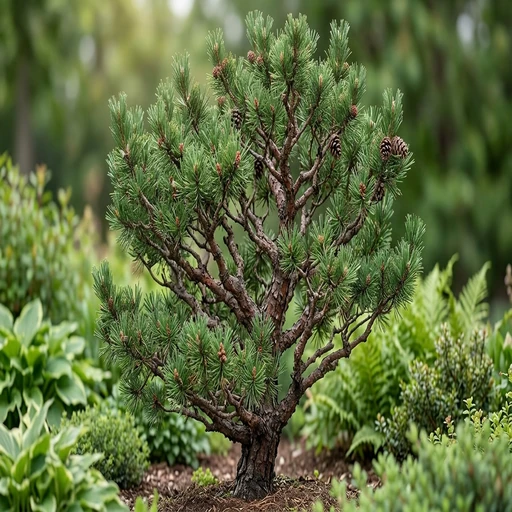
Virginia Pine
Pinus virginiana
Keep exploring
Explore the genus
Hardy in your zone?
Grow Italian Stone Pine with confidence
See it in a design of your actual yard, get zone-matched care reminders, and track it season by season in your garden journal.