The Story
Plant Bio
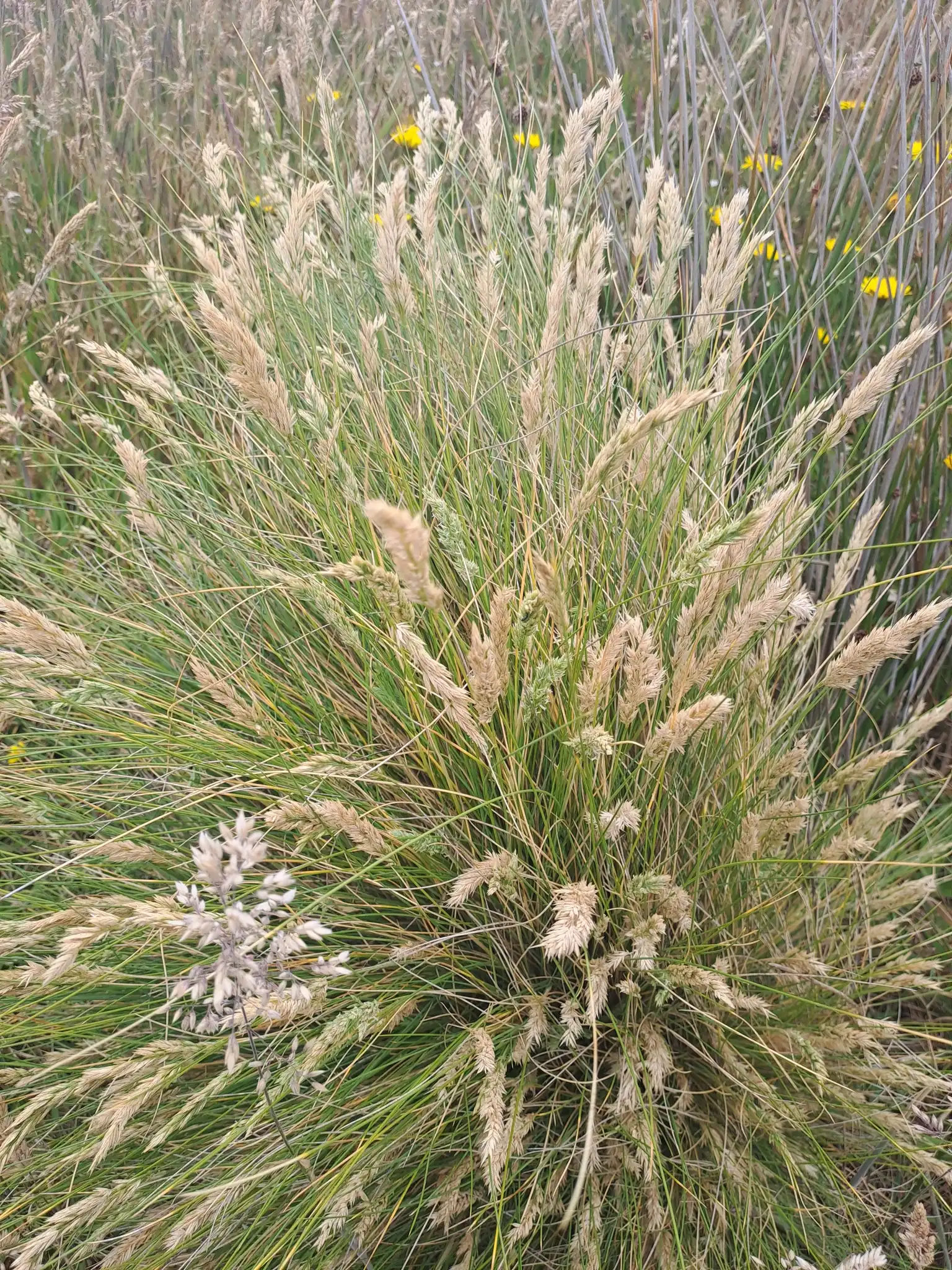
Poa astonii is a densely tufted evergreen perennial grass forming a compact mound of fine wiry blue-green leaves from short rhizomes. Flowering stems rise 16 to 24 inches above the foliage in spring, carrying delicate open panicles of small greenish spikelets that shed wind-borne pollen.
Unlike pasture poas selected for soft lush growth, this is a lean coastal tussock that holds a tight silvery-blue mound on sand, rock and wind-exposed banks and tolerates salt spray, severe frost and prolonged dry spells once established. It is grown for foliage and form rather than turf, and it is a different plant entirely from the shrub sold as Muehlenbeckia astonii.
Uses & Benefits:
Essentials
At a Glance
Plant Type
Grass
Height
20"
Width
24"
Light
Full Sun, Partial Sun
Water
Low
Humidity
Unknown
Lifespan
Perennial
Native To
New Zealand - South Island
Toxicity
Unknown - no toxicity warning found
Bloom period
Spring – Early summer
In flower about 4 months of the year
Planting
How to Grow
- Plant in spring in full sun to light shade in lean sandy or rocky loam that drains freely.
- Set the crown level with the soil surface and water deeply at planting, then water through dry spells for the first two seasons.
- Apply a thin gravel or stone mulch around the clump and feed once in spring with a small dose of balanced fertilizer.
- Leave the evergreen mound intact through winter and comb out dead leaves by hand in fall.
- Divide or replant before the clump develops a dead center; do not mow as turf.
Pro Tip
Keep soil lean, gritty and free-draining and withhold extra water and fertilizer once established; wet rich soil softens the tuft and rots the crown.
Keep It Thriving
Care Guide
Do
- Plant high on banks, terraces and rock crevices where water drains away fast
- Water deeply but infrequently during establishment
- Tidy dead foliage by hand to keep air moving through the crown
Don't
- Do not overwater or fertilize heavily to force green growth
- Do not shear the mound back hard into old leafless bases each year
- Do not plant in heavy clay or low wet soil
Seasonal Care Calendar
| Task | Jan | Feb | Mar | Apr | May | Jun | Jul | Aug | Sep | Oct | Nov | Dec |
|---|---|---|---|---|---|---|---|---|---|---|---|---|
| Fertilize | ||||||||||||
| Mulch | ||||||||||||
| Plant | ||||||||||||
| Propagate | ||||||||||||
| Prune |
Watch Out For
Pests & Diseases
Common Pests
Common Diseases
In the Garden
Landscape Uses & Companions
Landscape Uses
Multiply
Propagation Methods
Good to Know
Common Questions
Blue Shore Tussock questions
When does Blue Shore Tussock bloom?
Blue Shore Tussock typically blooms from early spring to early summer. Exact timing shifts a week or two with your zone — Sow's bloom calendar maps it to your garden.
Does Blue Shore Tussock need full sun?
Blue Shore Tussock does best in full sun to part shade. In hot climates, afternoon shade keeps blooms fresher longer.
Is Blue Shore Tussock drought tolerant?
Yes — once established (usually after the first full season), Blue Shore Tussock handles dry spells with minimal watering. Water deeply its first year to build the root system that makes that possible.
More Poa to compare
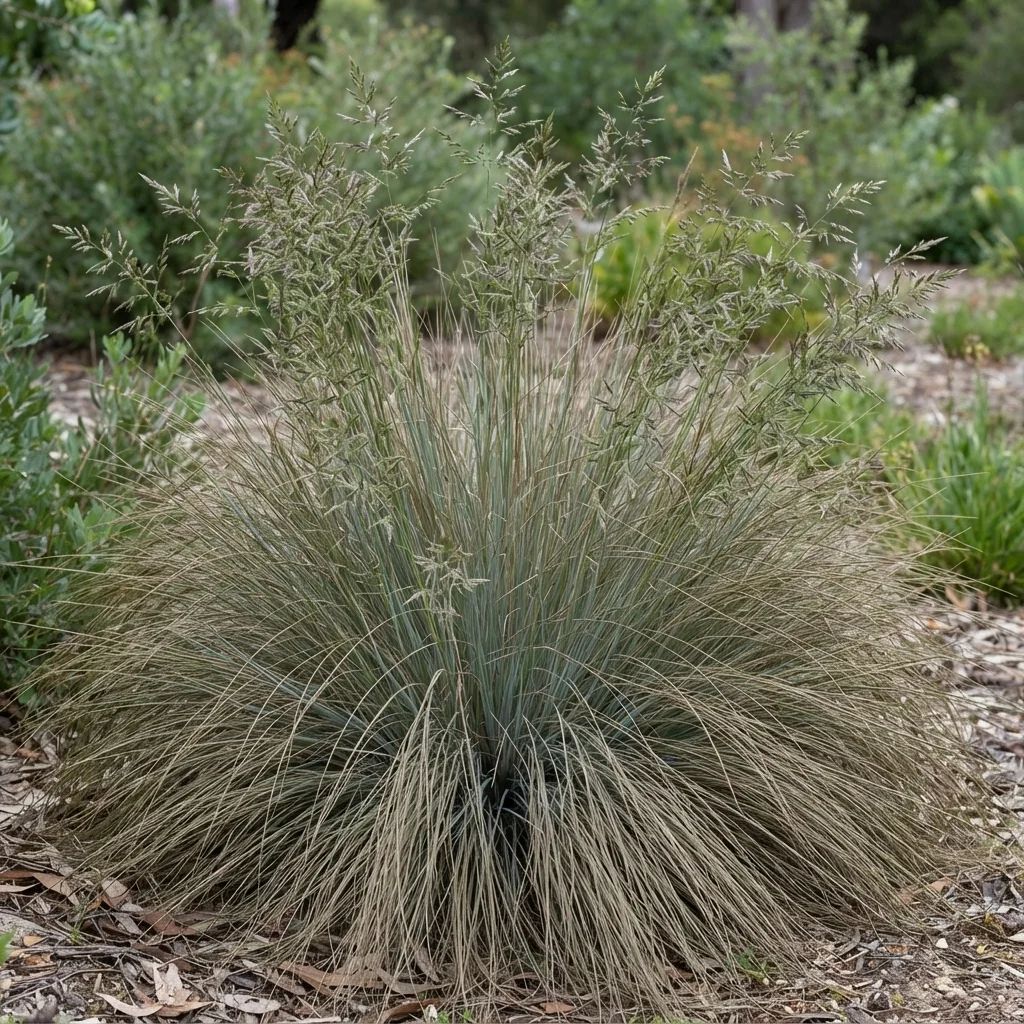
Common Tussock-grass
Poa labillardierei
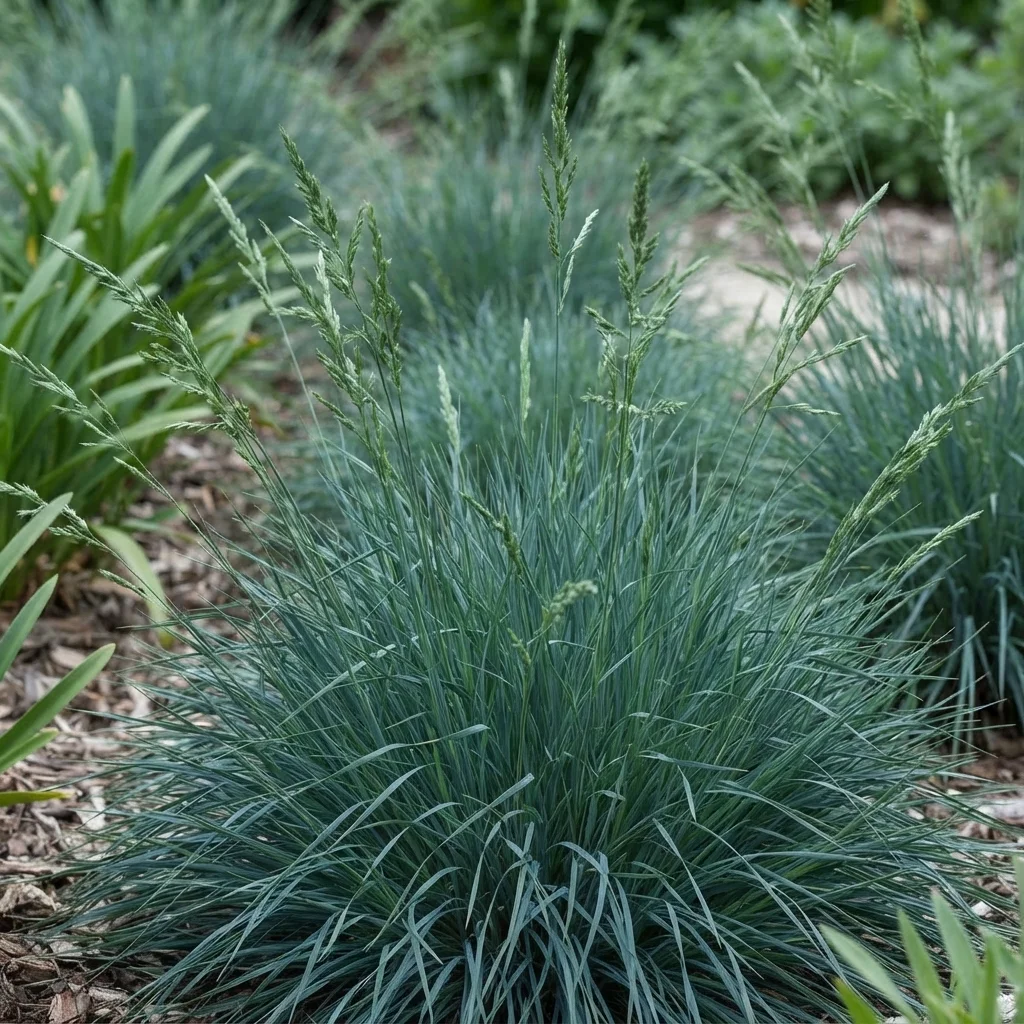
Eskdale Tussock Grass
Poa labillardierei 'Eskdale'
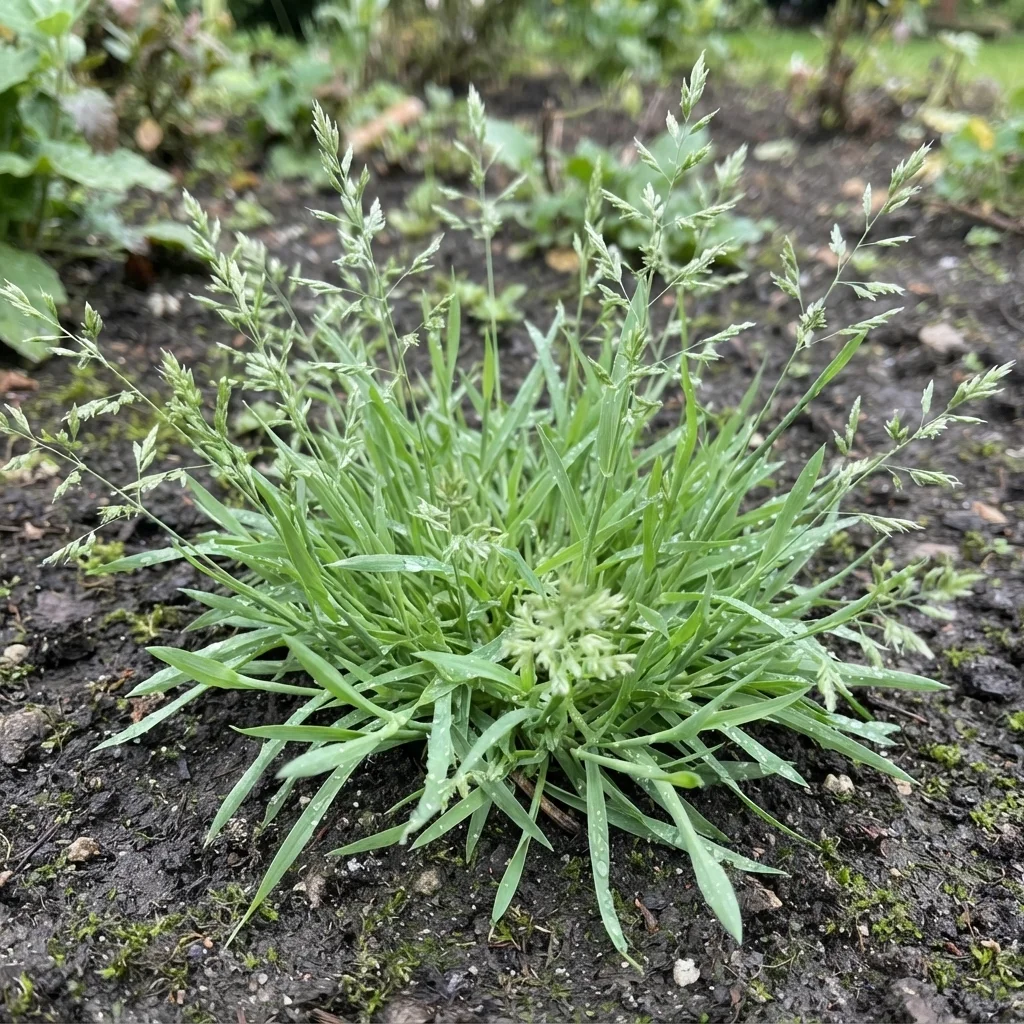
Annual Bluegrass
Poa annua
Silver Tussock
Poa cita
Grey Tussock-Grass
Poa sieberiana
Glaucous Bluegrass
Poa glauca
Keep exploring
Explore the genus
Grow Blue Shore Tussock with confidence
See it in a design of your actual yard, get zone-matched care reminders, and track it season by season in your garden journal.