The Story
Plant Bio
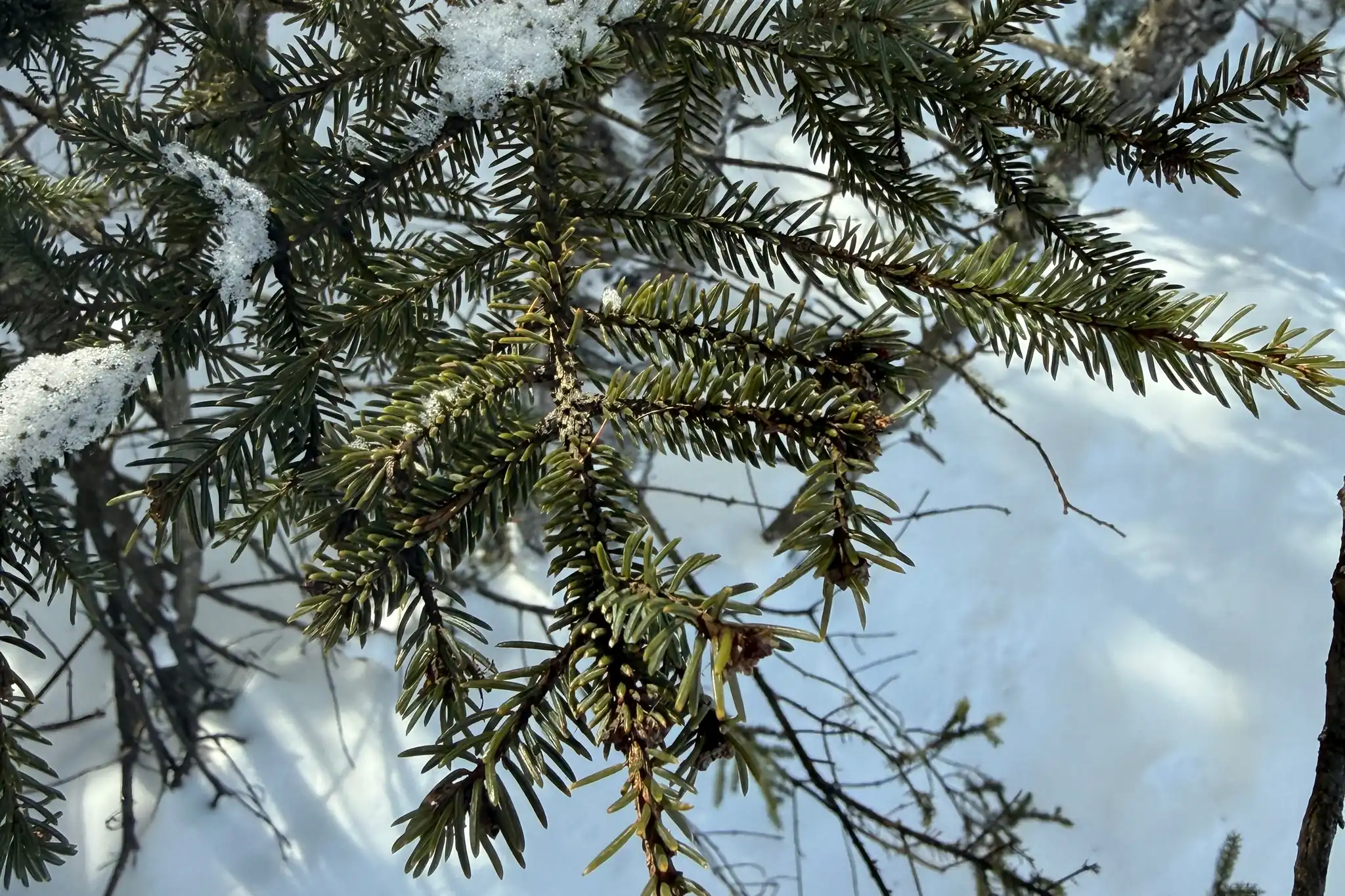
Picea mariana, the black spruce, is a narrow, spire-like evergreen tree native to cold boreal forests and bogs across northern North America. It bears short, four-sided blue-green needles with a whitish bloom alongside purplish cones that mature to dark brown and persist on branches for years.
This species thrives in cold, waterlogged, acidic soils where few other trees survive. Its slender conical habit features short, drooping or horizontal branches with lower limbs that often sweep the ground.
Uses & Benefits:
Essentials
At a Glance
Plant Type
Tree
Height
472"
Width
148"
Light
Full Sun, Partial Sun
Zones
4, 5
Water
High / Moist to wet
Humidity
Moderate
Lifespan
Long-lived
Native To
North America
Toxicity
Non-toxic
Bloom period
Spring
In flower about 3 months of the year
Planting
How to Grow
- Select a planting site in full sun or light partial shade with acidic, moisture-retentive soil.
- Dig a planting hole twice as wide as the root ball and set the root collar level with the surrounding ground.
- Backfill with native soil mixed with acidic organic matter, tamping gently to eliminate air pockets.
- Apply a three-inch layer of organic mulch over the root zone, keeping it clear of the direct stem.
- Water thoroughly at planting and maintain consistent soil moisture throughout the first two growing seasons.
Pro Tip
Keep the root zone consistently moist during establishment; black spruce has shallow roots and lacks drought tolerance, quickly dropping needles and inviting spider mites if dried out.
Keep It Thriving
Care Guide
Do
- Do maintain consistent soil moisture around the root zone.
- Do apply an acidifying mulch to preserve soil acidity and cool root temperatures.
- Do plant in cold climate zones with full sun exposure.
Don't
- Don't let the soil dry out completely, especially during hot weather.
- Don't prune back into old bare wood as conifers fail to regenerate from leafless stems.
- Don't attempt to grow in hot, humid southern climates.
Seasonal Care Calendar
| Task | Jan | Feb | Mar | Apr | May | Jun | Jul | Aug | Sep | Oct | Nov | Dec |
|---|---|---|---|---|---|---|---|---|---|---|---|---|
| Fertilize | ||||||||||||
| Mulch | ||||||||||||
| Pest Check | ||||||||||||
| Prune |
Watch Out For
Pests & Diseases
Common Pests
Common Diseases
In the Garden
Landscape Uses & Companions
Landscape Uses
Multiply
Propagation Methods
Good to Know
Common Questions
Black Spruce questions
What zones can Black Spruce grow in?
Black Spruce is hardy in USDA Zones 4–5: in that range it survives winter in the ground. Warmer than Zone 5, winter isn't the problem: it prefers colder winters, and summer heat can shorten its life.
Is Black Spruce deer resistant?
Not reliably. Deer may browse Black Spruce, especially tender spring growth — plan on repellents or fencing where pressure is high.
When does Black Spruce bloom?
Black Spruce typically blooms in spring. Exact timing shifts a week or two with your zone — Sow's bloom calendar maps it to your garden.
Does Black Spruce need full sun?
Black Spruce does best in full sun to part shade. In hot climates, afternoon shade keeps blooms fresher longer.
More Picea to compare
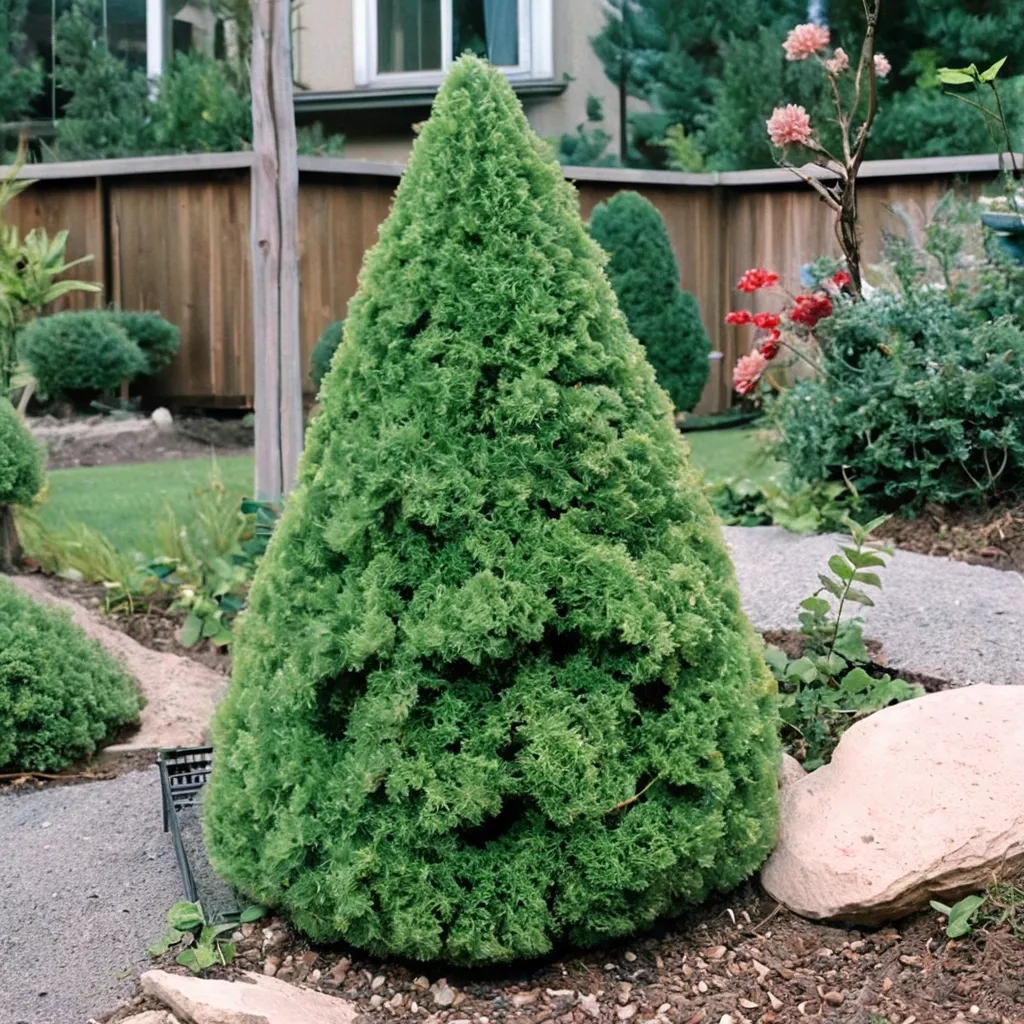
Dwarf Alberta Spruce 'Conica'
Picea glauca 'Conica'
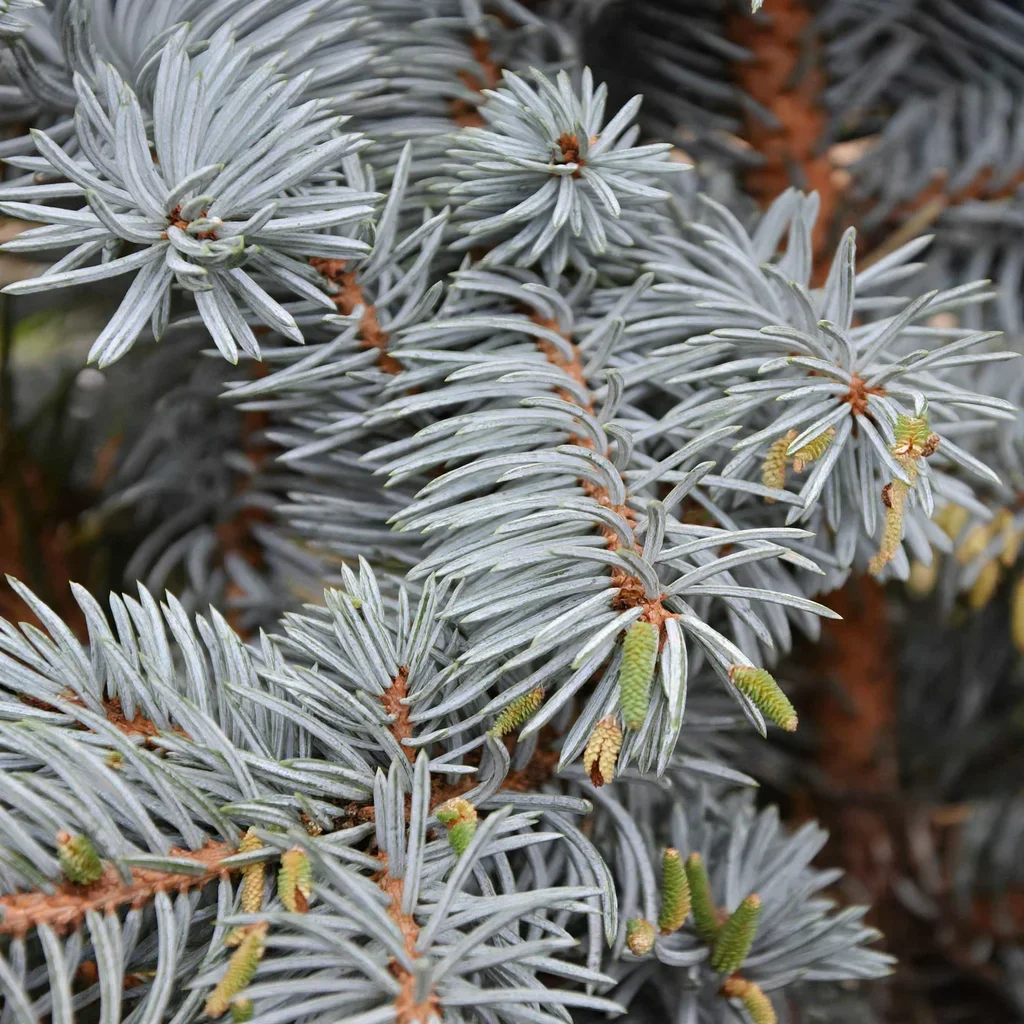
Koster Blue Spruce
Picea pungens 'Koster'
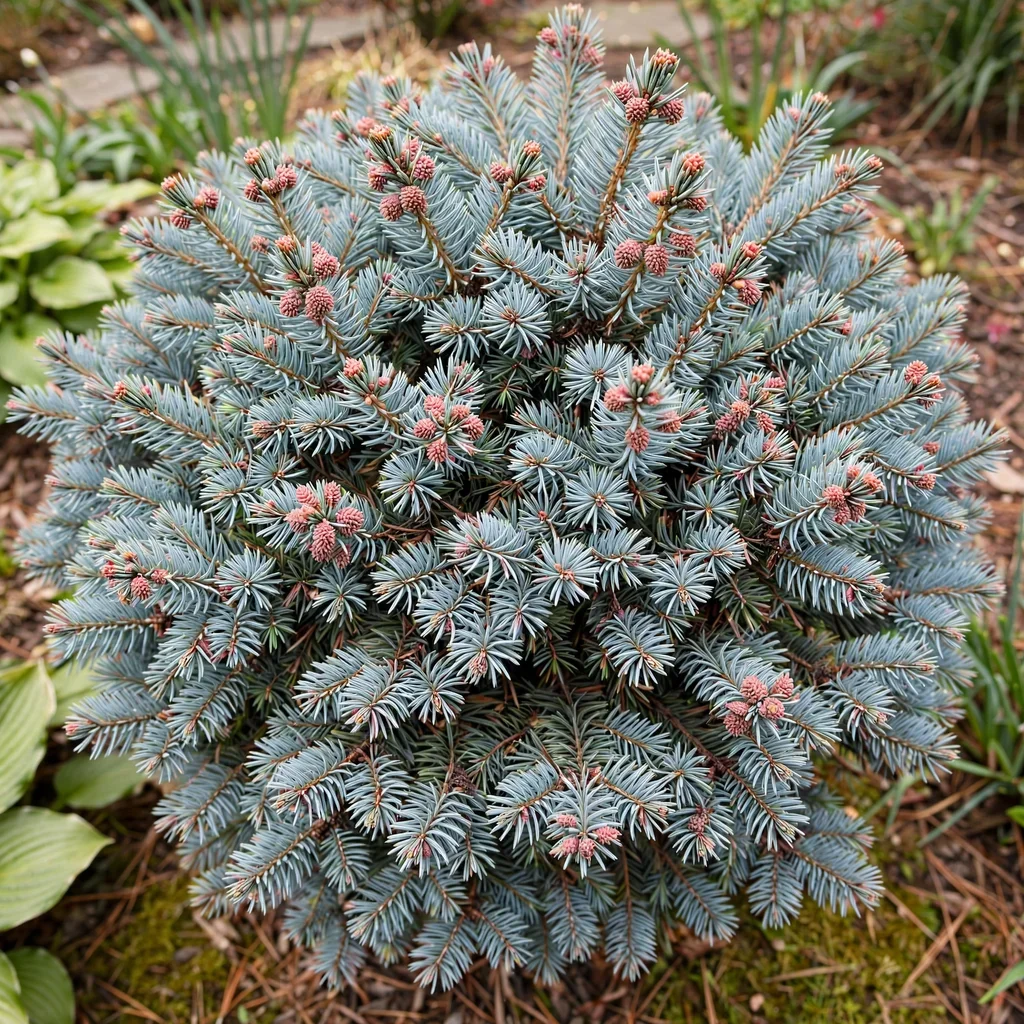
Globe Blue Spruce
Picea pungens 'Globosa'
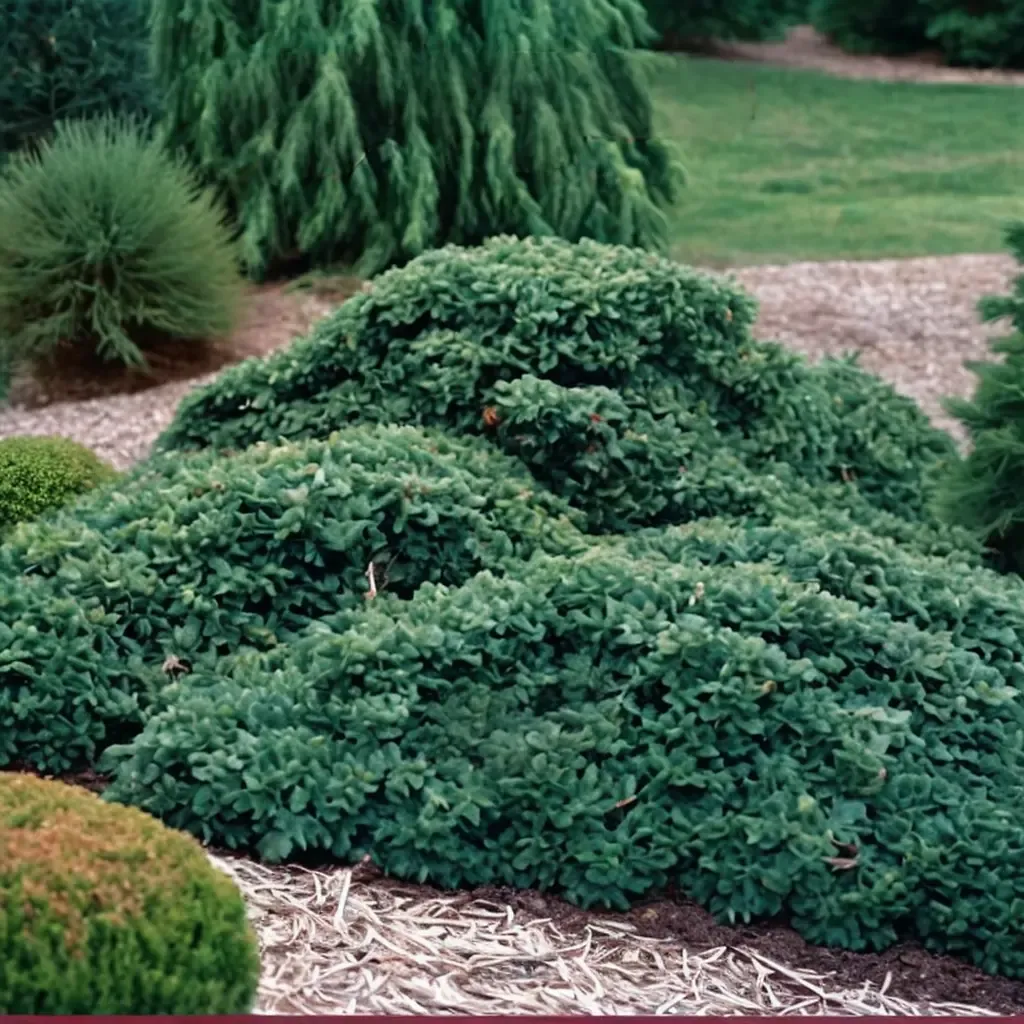
Hedgehog Dwarf White Spruce
Picea glauca 'Echiniformis'
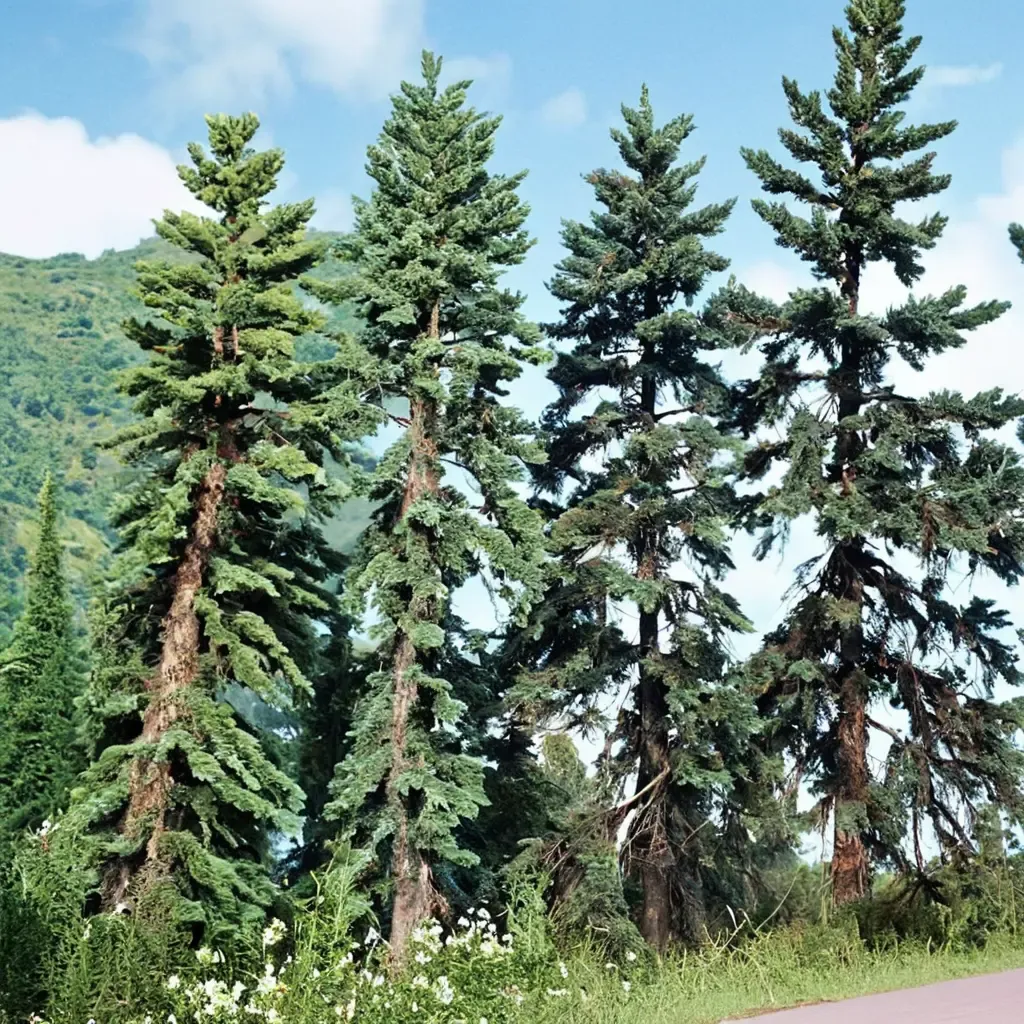
White Spruce
Picea glauca
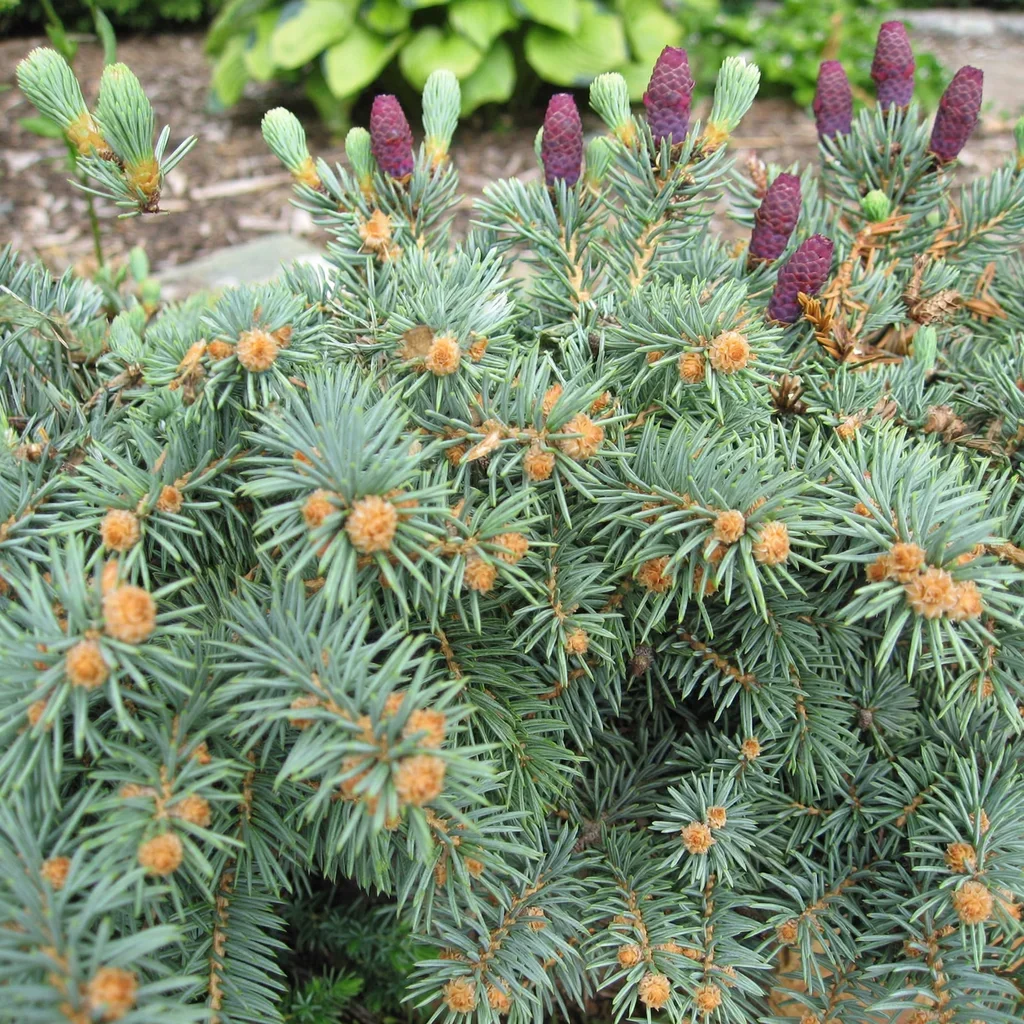
Colorado Spruce
Picea pungens
Keep exploring
Explore the genus
Hardy in your zone?
Grow Black Spruce with confidence
See it in a design of your actual yard, get zone-matched care reminders, and track it season by season in your garden journal.