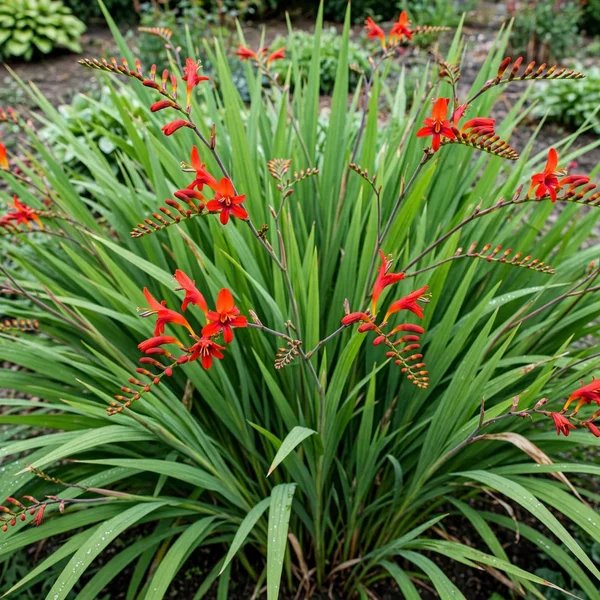
Garden hybrid
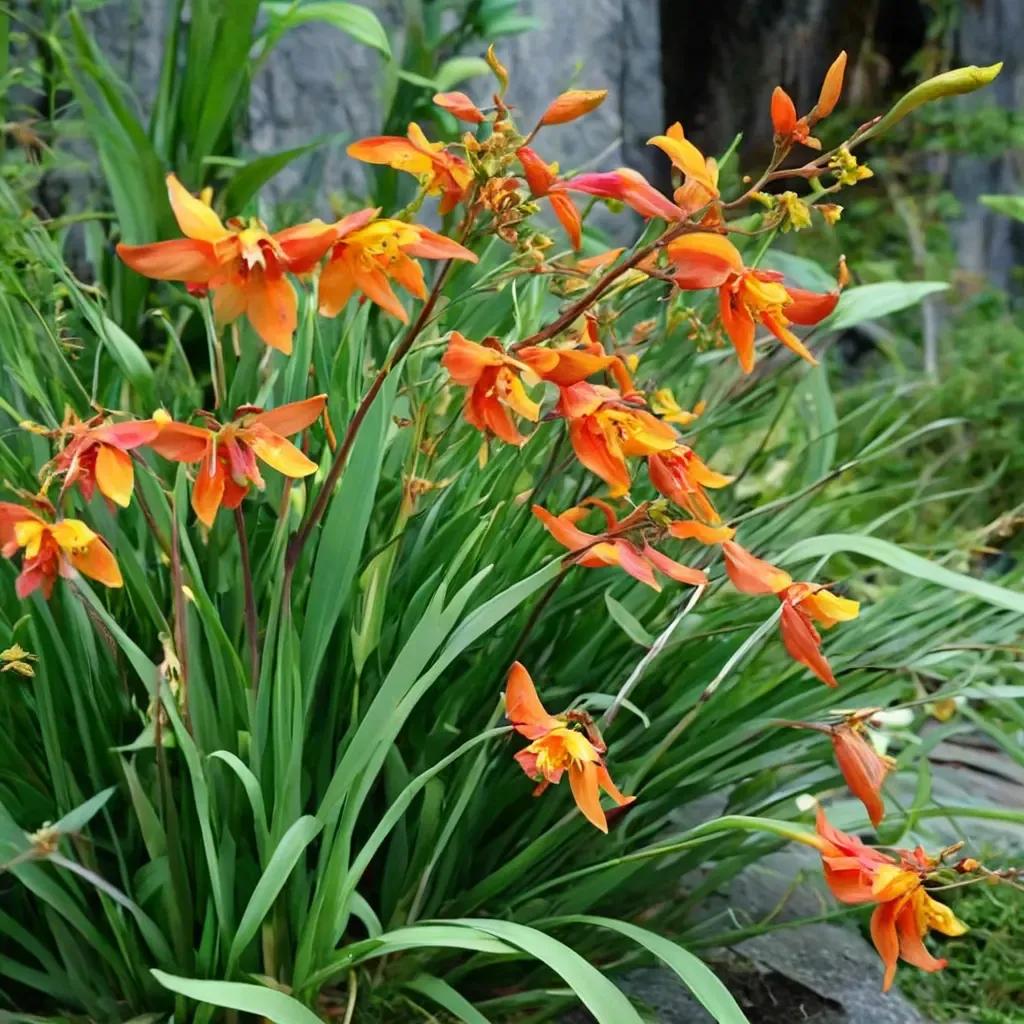
7 other cultivars
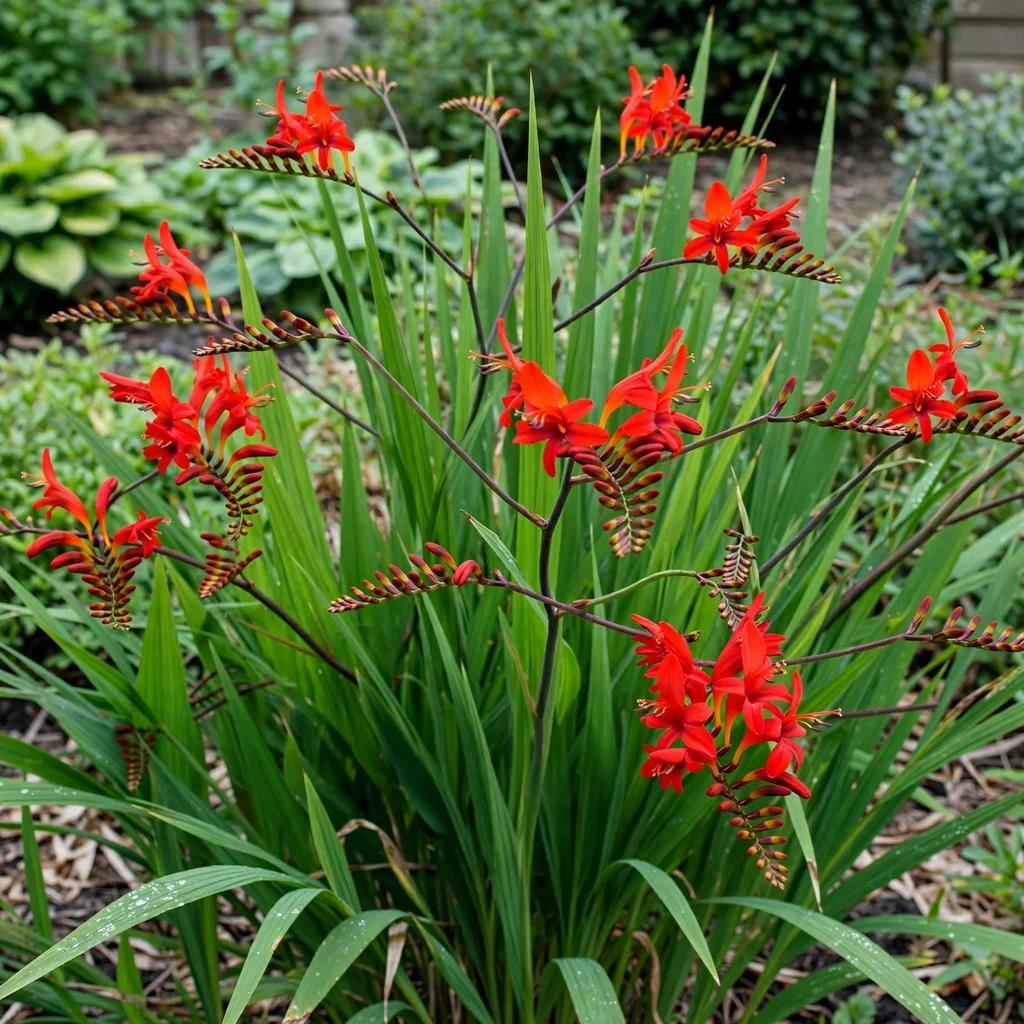

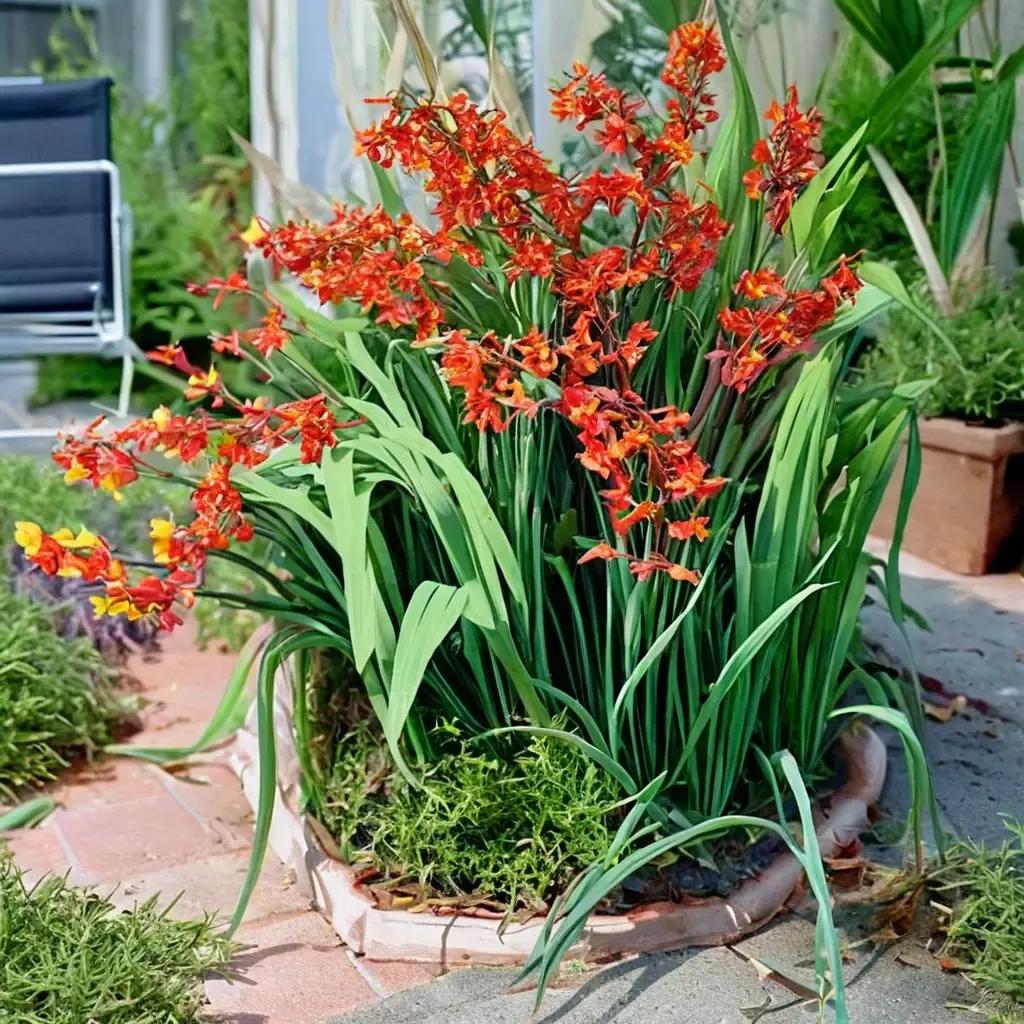


The Story
Plant Bio
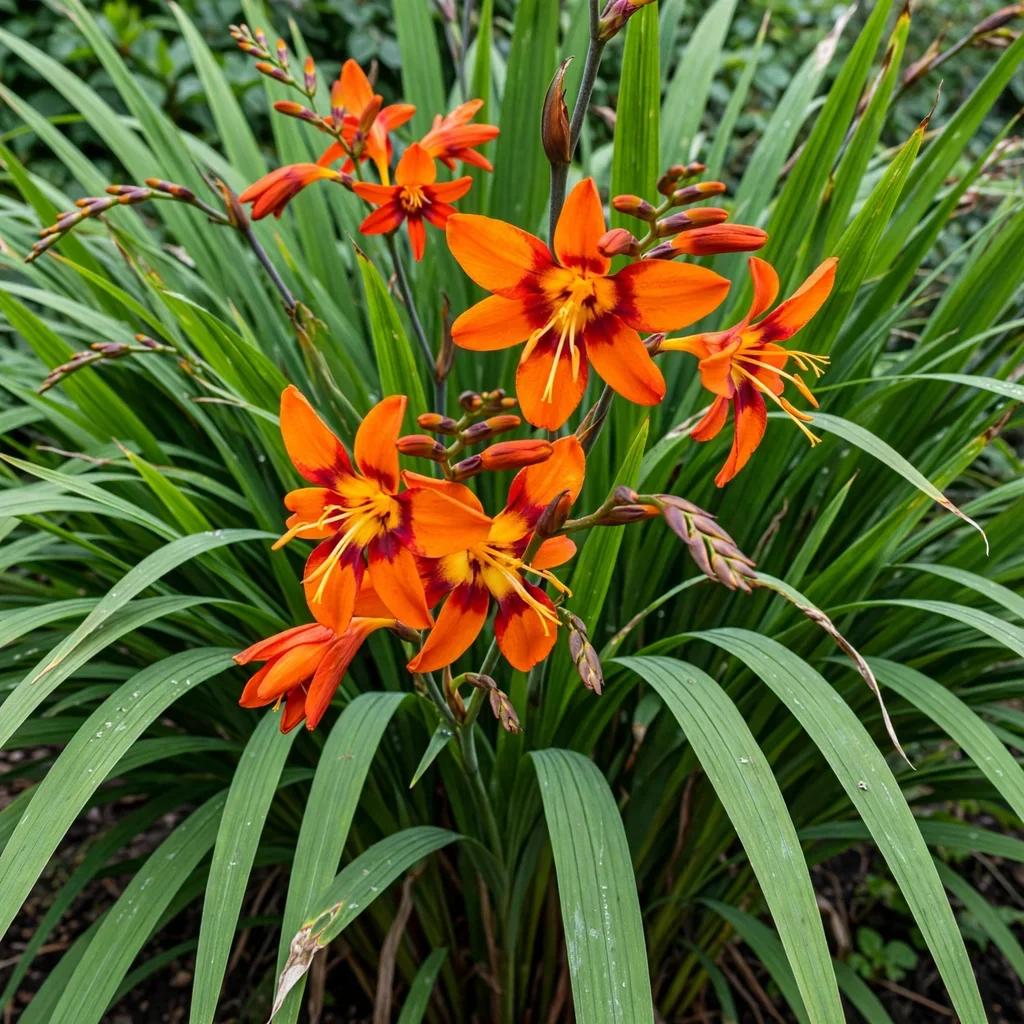
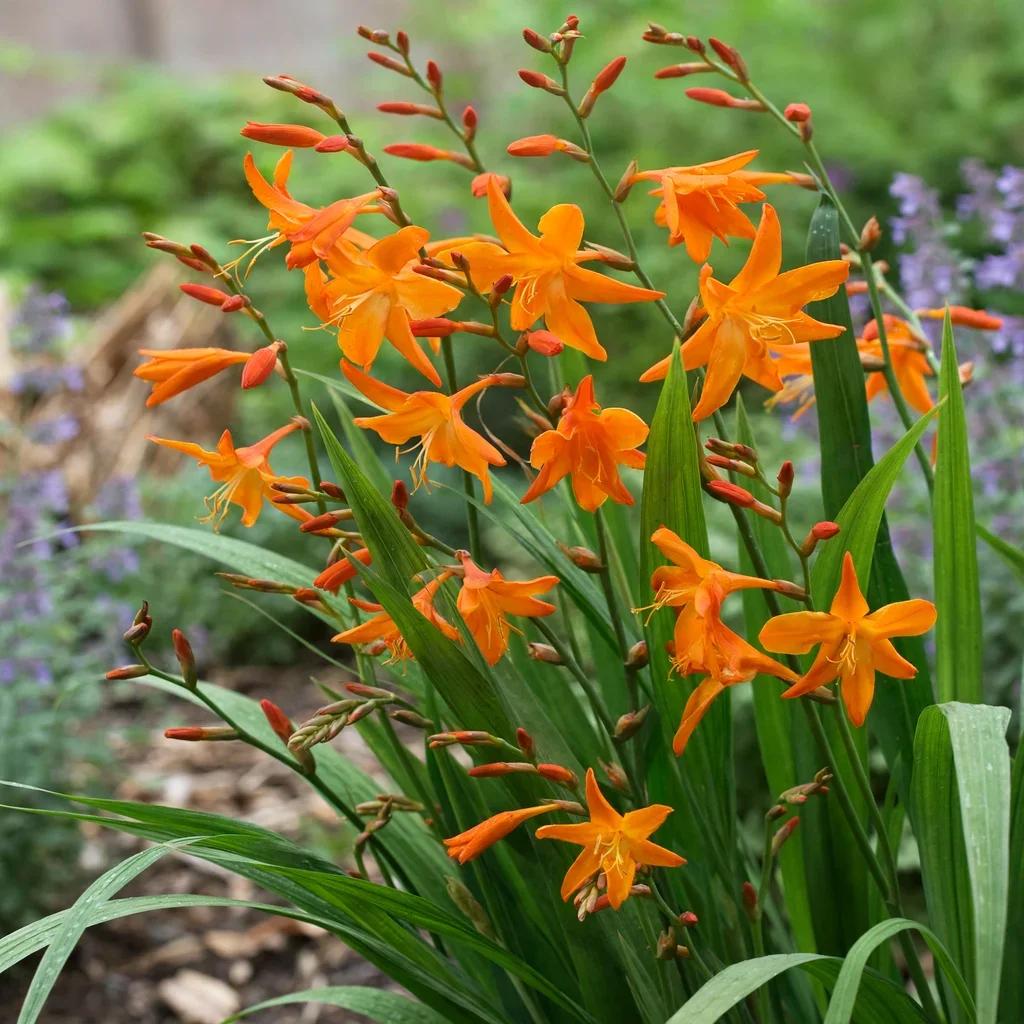
Crocosmia × crocosmiiflora, commonly known as montbretia, is a clump-forming cormous perennial native to South Africa that produces upright, sword-shaped foliage fans. The genus is characterized by arching flower spikes that open sequentially from the bottom up, followed by decorative seed heads in fall.
'John Boots' is a compact cultivar distinguished by its bright, butter-yellow flowers with pale centers and golden reverses. This selection remains smaller than the species, making it less aggressive in the garden while providing dense, upright architectural accents.
Uses & Benefits:
Essentials
At a Glance
Plant Type
Perennial
Height
24"
Width
18"
Light
Full Sun, Partial Sun
Zones
5, 6, 7, 8, 9
Water
Medium
Humidity
Medium
Lifespan
Perennial
Native To
Africa
Toxicity
Mildly Toxic
Bloom period
Summer – Autumn
In flower about 6 months of the year
Planting
How to Grow
- Plant corms 3 to 4 inches deep in early spring in a location receiving full sun for maximum bloom density.
- Ensure the soil is humus-rich and exceptionally well-drained, as winter waterlogging rots the corms.
- Water regularly during the first growing season to establish a deep root system, then reduce watering to a moderate schedule.
- In USDA Zone 5, apply a thick layer of winter mulch or lift the corms in fall to store in a frost-free location.
Pro Tip
Divide the corm clumps every two to three years in early spring to prevent overcrowding, which quickly chokes out flower production.
Keep It Thriving
Care Guide
Do
- Cut back dead foliage and stems close to ground level in late winter before new shoots emerge.
- Divide congested clumps every few years to maintain plant vigor and flowering.
- Plant in a site with high drainage to prevent winter rot.
Don't
- Do not plant in heavy, poorly drained clay soils that retain winter moisture.
- Do not prune into old woody tissue or cut back green foliage mid-season.
- Do not over-fertilize, as excess nitrogen promotes foliage at the expense of flowers.
Seasonal Care Calendar
| Task | Jan | Feb | Mar | Apr | May | Jun | Jul | Aug | Sep | Oct | Nov | Dec |
|---|---|---|---|---|---|---|---|---|---|---|---|---|
| Divide | ||||||||||||
| Fertilize | ||||||||||||
| Lift Store | ||||||||||||
| Pest Check | ||||||||||||
| Spring Cleanup |
Watch Out For
Pests & Diseases
Common Pests
Common Diseases
In the Garden
Landscape Uses & Companions
Landscape Uses
Multiply
Propagation Methods
Good to Know
Common Questions
John Boots Crocosmia questions
What zones can John Boots Crocosmia grow in?
John Boots Crocosmia is hardy in USDA Zones 5–9: in that range it survives winter in the ground. Colder than Zone 5, grow it in a container you can move to shelter for the winter, or as an annual. Warmer than Zone 9, winter isn't the problem: it prefers colder winters, and summer heat can shorten its life.
Is John Boots Crocosmia deer resistant?
Yes — John Boots Crocosmia is rated deer-resistant. Deer typically pass it over, though extreme hunger can override any plant's defenses.
When does John Boots Crocosmia bloom?
John Boots Crocosmia typically blooms from summer to fall. Exact timing shifts a week or two with your zone — Sow's bloom calendar maps it to your garden.
Does John Boots Crocosmia need full sun?
John Boots Crocosmia does best in full sun to part shade. In hot climates, afternoon shade keeps blooms fresher longer.
Is John Boots Crocosmia drought tolerant?
Yes — once established (usually after the first full season), John Boots Crocosmia handles dry spells with minimal watering. Water deeply its first year to build the root system that makes that possible.
More Crocosmia to compare
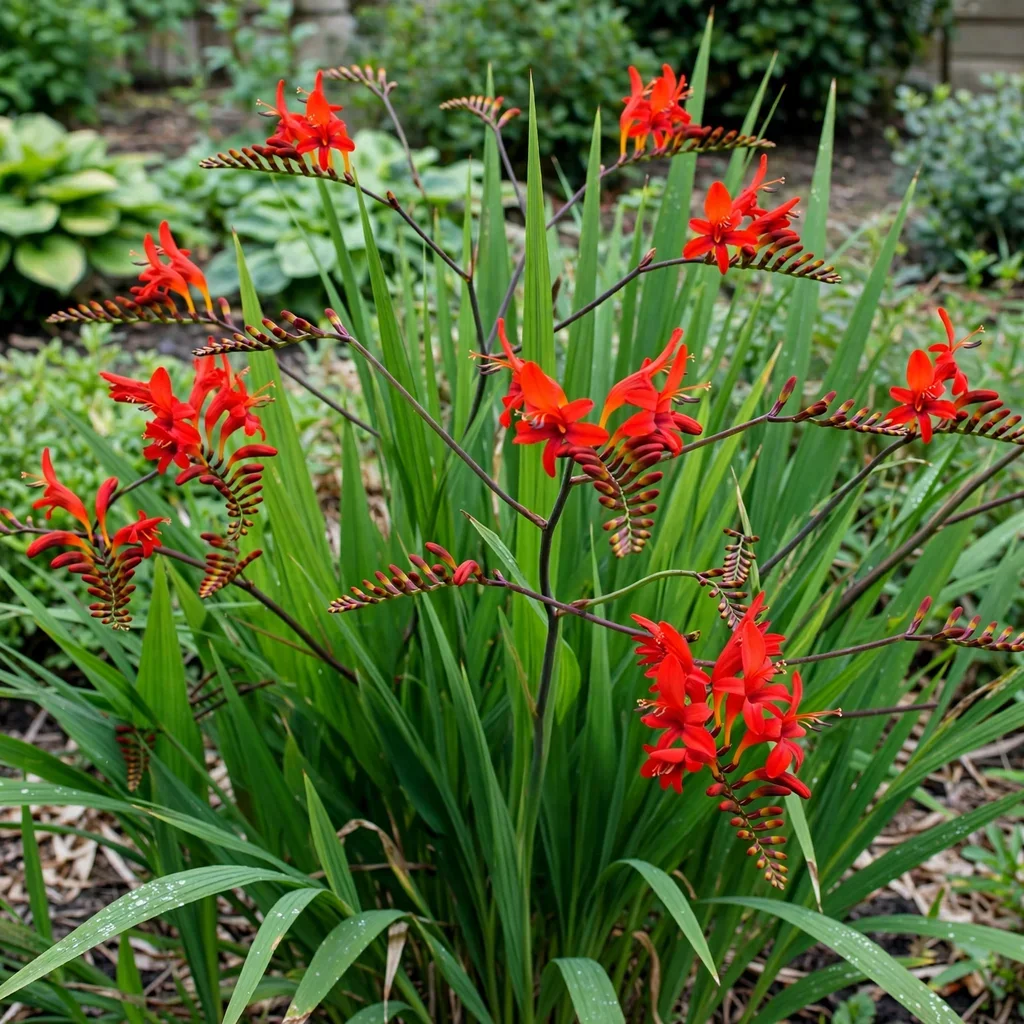
Lucifer Crocosmia
Crocosmia x hybrida 'Lucifer'
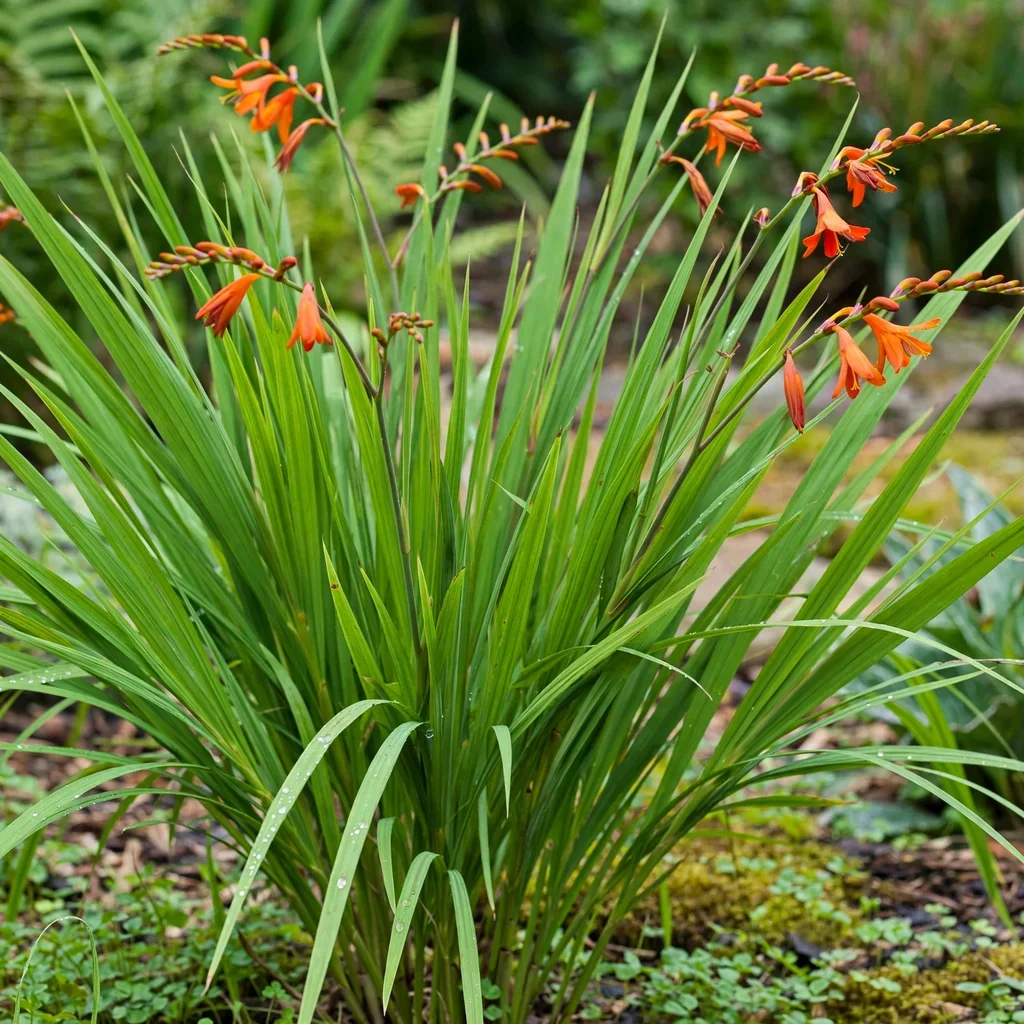
Montbretia
Crocosmia x crocosmiiflora
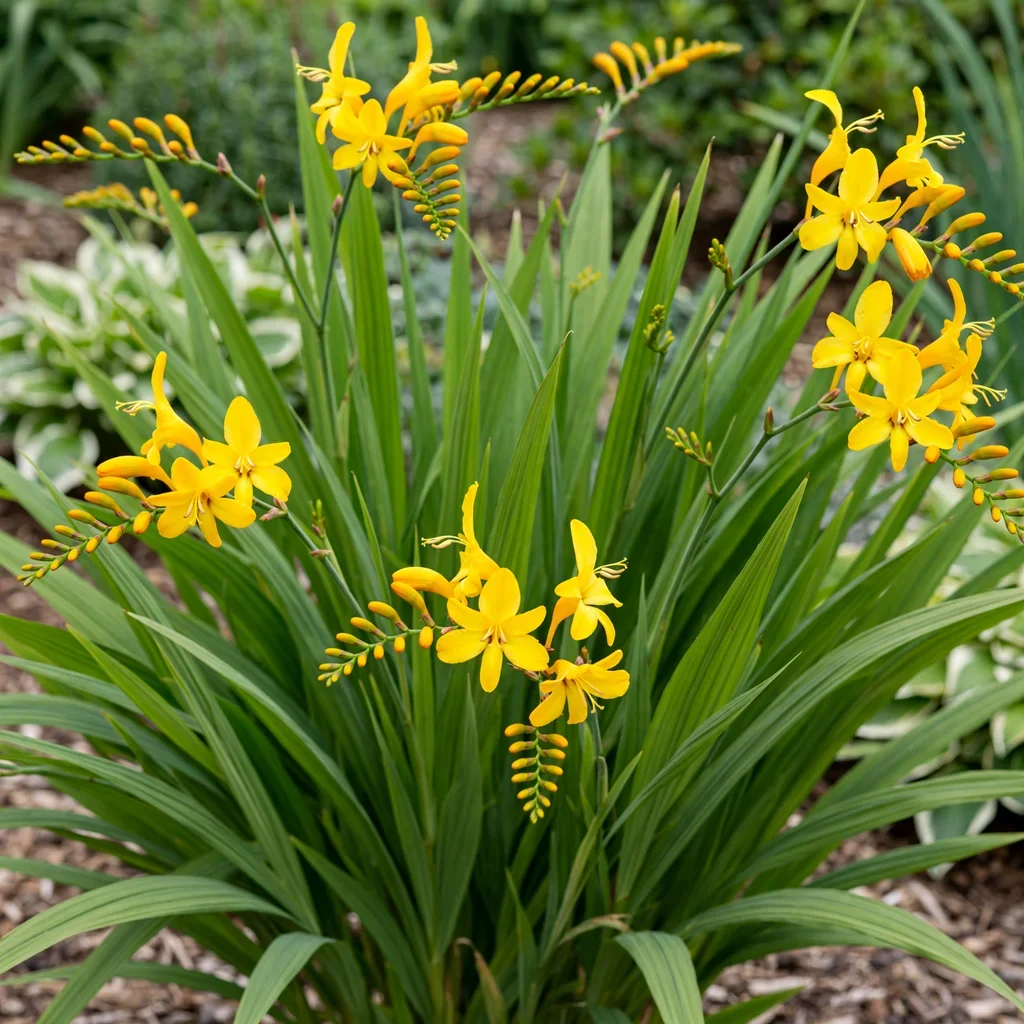
Walberton's Yellow Montbretia
Crocosmia x crocosmiiflora 'Walberton Yellow'
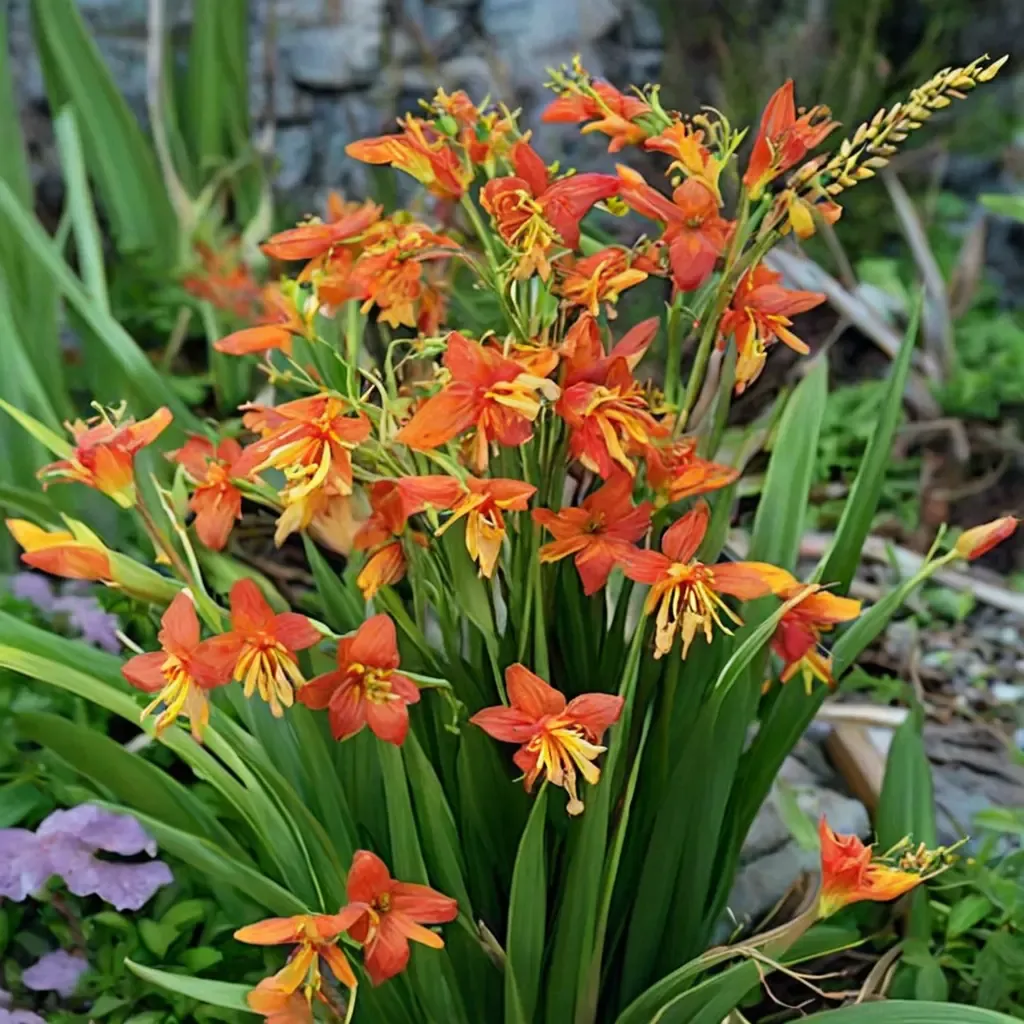
Masonorum Mason's Crocosmia
Crocosmia masoniorum 'Masonorum'
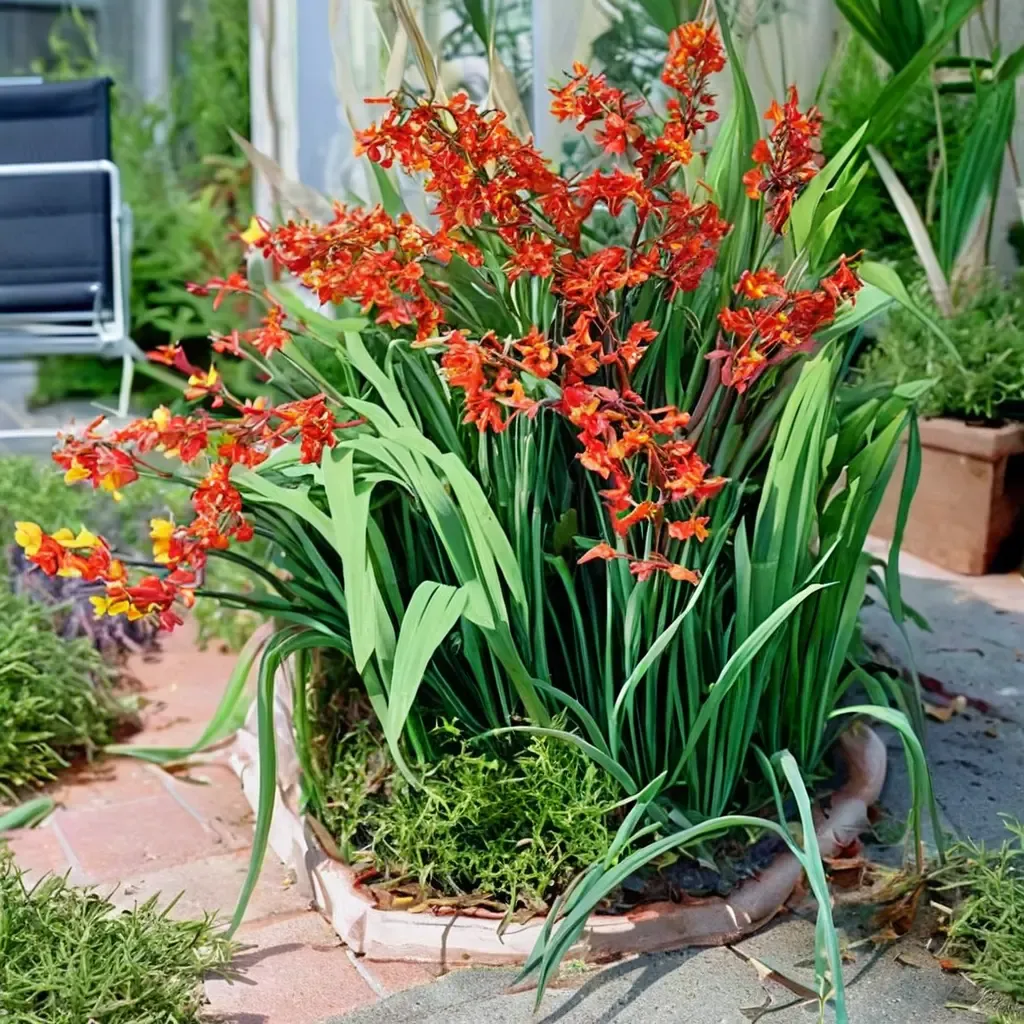
Carmin Brilliant Montbretia
Crocosmia x hybrida 'Carmin Brilliant'
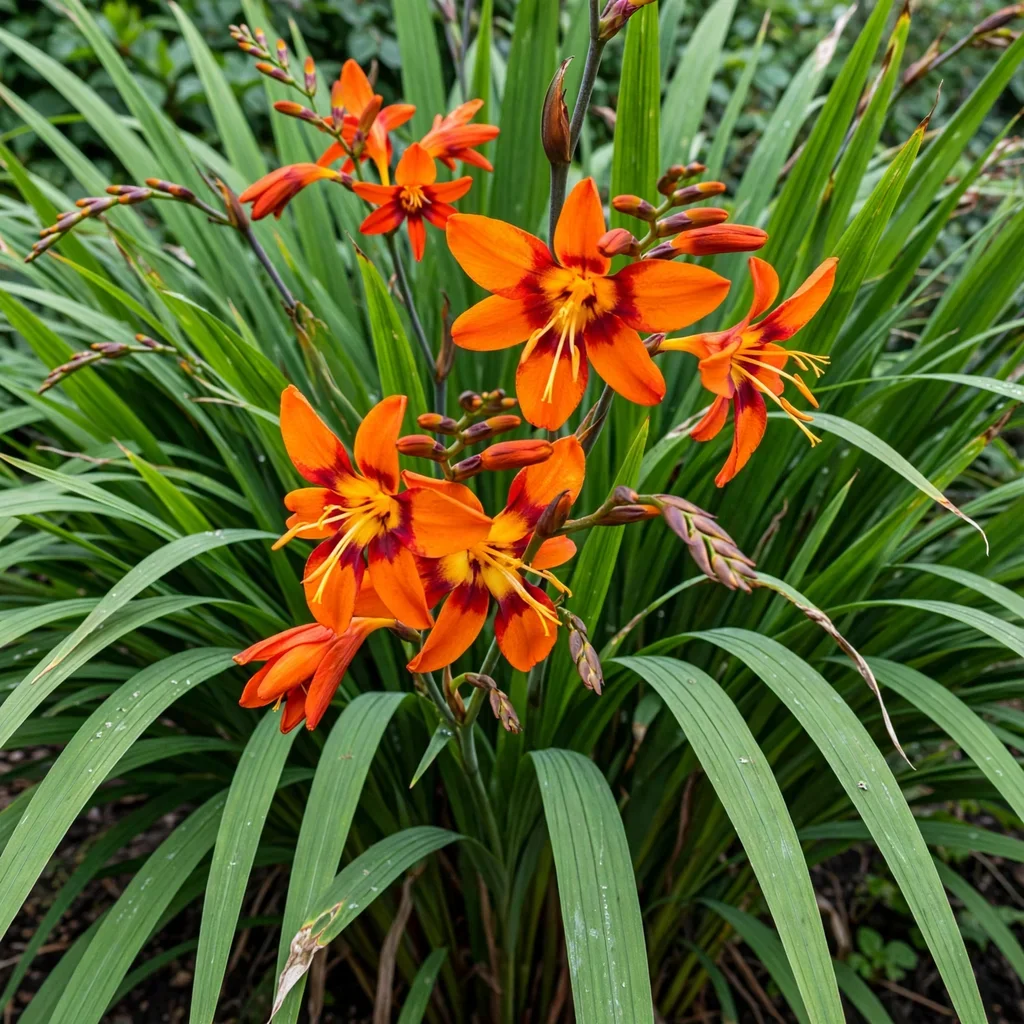
Emily McKenzie Crocosmia Montbretia
Crocosmia x hybrida 'Emily Mckenzie'
Keep exploring
Explore the genus
Hardy in your zone?
Grow John Boots Crocosmia with confidence
See it in a design of your actual yard, get zone-matched care reminders, and track it season by season in your garden journal.