The Story
Plant Bio
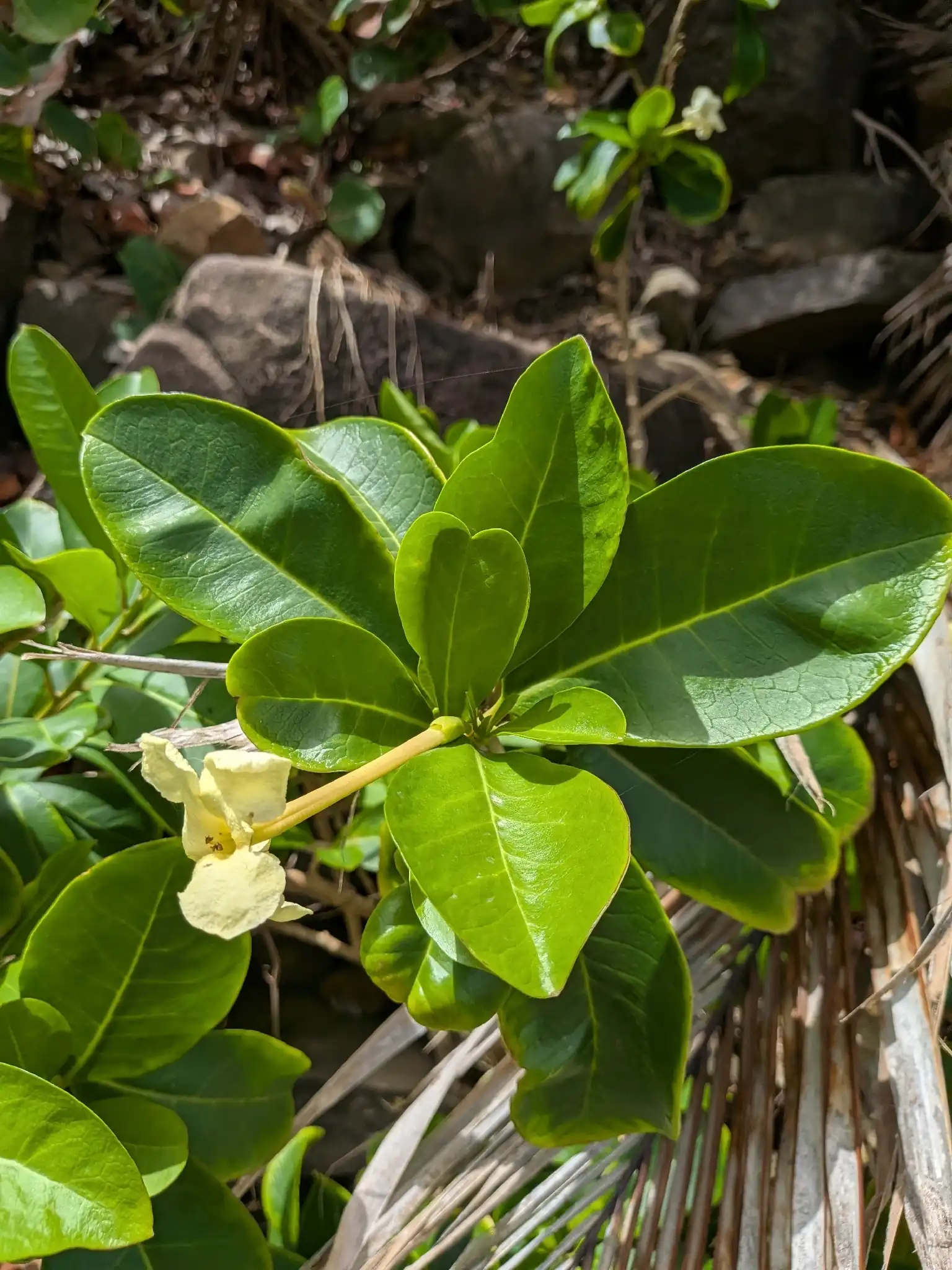
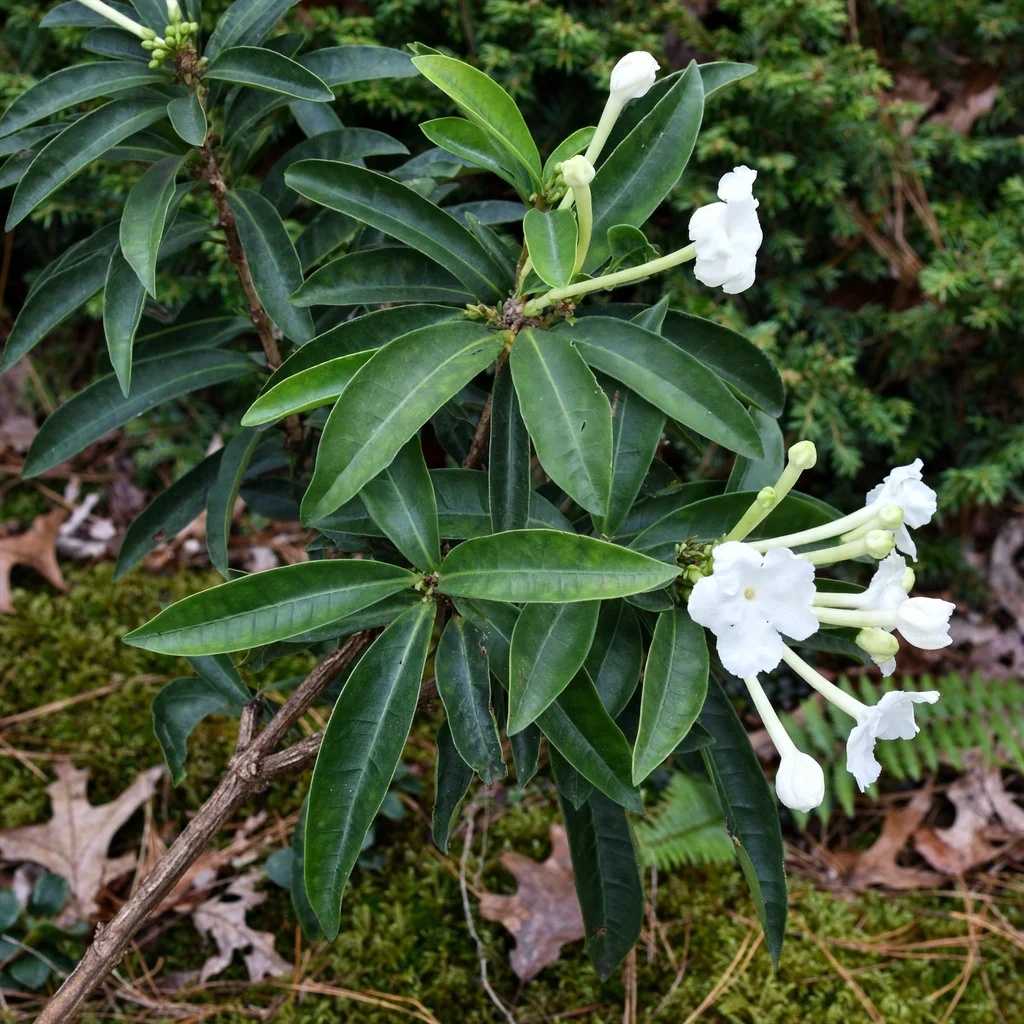
Brunfelsia americana is a dense evergreen shrub or small tree from the Caribbean, reaching four to six feet in gardens with crowded glossy mid-green leaves two to four inches long. Its slender-tubed white flowers are about two inches across with five broad petals, opening creamy white and fading to golden yellow over about three days with strong scent after dark.
Unlike the day-scented Yesterday-Today-Tomorrow sold as Brunfelsia pauciflora, this species bears solitary or paired white flowers at the stem tips that perfume the night air. It is a member of the tomato family but every part including flowers, fruit and roots is poisonous if eaten and fallen berries are especially dangerous to dogs that chew them.
Uses & Benefits:
Essentials
At a Glance
Plant Type
Shrub
Height
72"
Width
48"
Light
Full Sun, Partial Sun
Zones
9, 10
Water
Medium
Humidity
High
Lifespan
Long-lived evergreen shrub
Native To
Caribbean West Indies
Toxicity
Toxic if ingested
Bloom period
Late spring – Fall
In flower about 7 months of the year
Planting
How to Grow
- Plant in full sun to part shade with afternoon shelter in fertile humus-rich soil that stays moist but drains freely.
- Water regularly in heat and mulch to hold moisture, never letting containers dry out completely.
- Feed through spring and summer to support repeat bloom.
- Tip-prune after each flush to keep a dense shape.
- In zones below 9 grow in a large pot and move indoors before first frost to a bright cool room.
Pro Tip
Tip-prune lightly right after flowering to keep it bushy, as unpruned plants turn rangy and bloom on bare stems.
Keep It Thriving
Care Guide
Do
- Plant in humus-rich moist but well-drained soil in full sun to part shade
- Water regularly in hot weather and mulch pots to hold moisture
- Tip-prune after flowering to keep growth dense
Don't
- Do not eat any part; flowers, fruit and roots are poisonous
- Do not leave outdoors through frost; bring containers inside
- Do not let plants go unpruned until leggy and bare
Seasonal Care Calendar
| Task | Jan | Feb | Mar | Apr | May | Jun | Jul | Aug | Sep | Oct | Nov | Dec |
|---|---|---|---|---|---|---|---|---|---|---|---|---|
| Fertilize | ||||||||||||
| Pest Check | ||||||||||||
| Plant | ||||||||||||
| Prune | ||||||||||||
| Winter Prep |
Watch Out For
Pests & Diseases
Common Pests
Common Diseases
In the Garden
Landscape Uses & Companions
Landscape Uses
Multiply
Propagation Methods
Good to Know
Common Questions
Lady of the Night questions
What zones can Lady of the Night grow in?
Lady of the Night is hardy in USDA Zones 9–10: in that range it survives winter in the ground. Colder than Zone 9, grow it in a container you can move to shelter for the winter.
When does Lady of the Night bloom?
Lady of the Night typically blooms from late spring to late fall. Exact timing shifts a week or two with your zone — Sow's bloom calendar maps it to your garden.
Does Lady of the Night need full sun?
Lady of the Night does best in full sun to part shade. In hot climates, afternoon shade keeps blooms fresher longer.
More Brunfelsia to compare
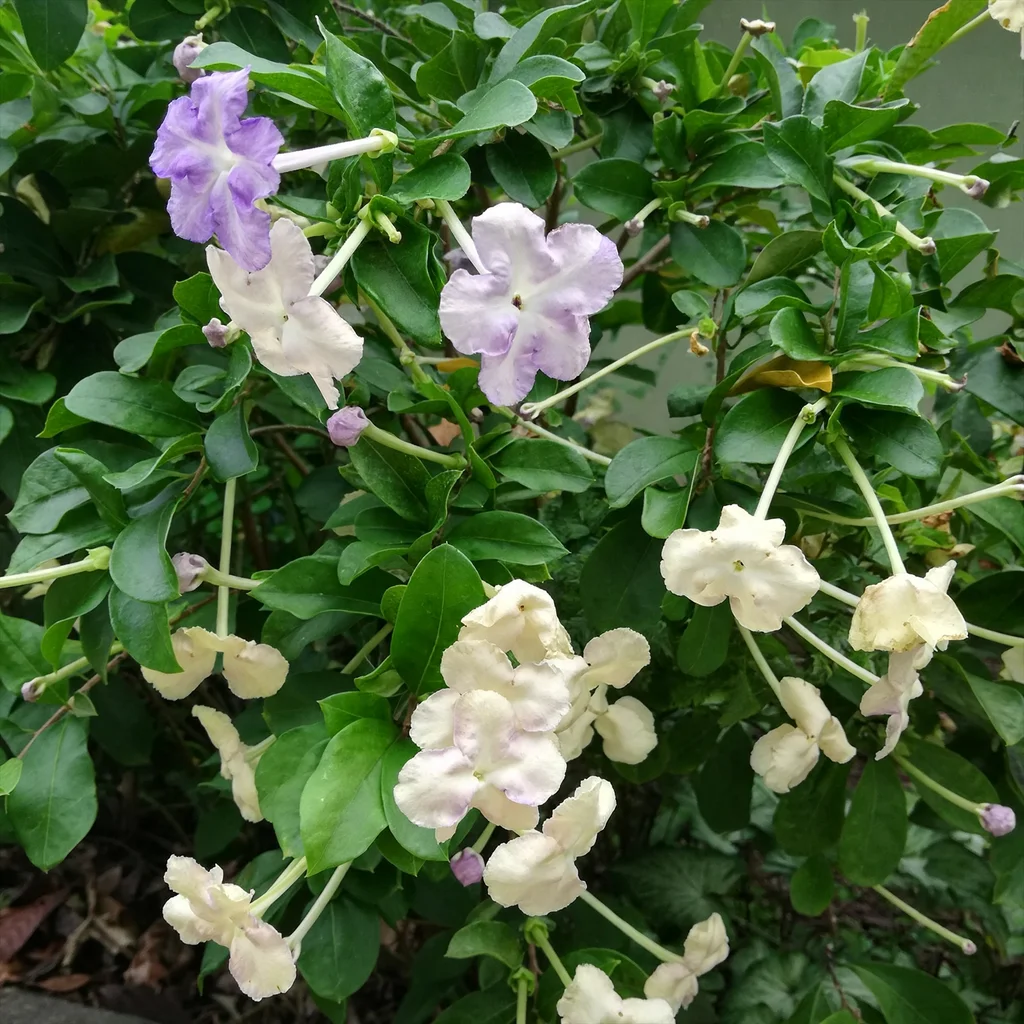
Lavender Lady of the Night
Brunfelsia isola 'Isola'
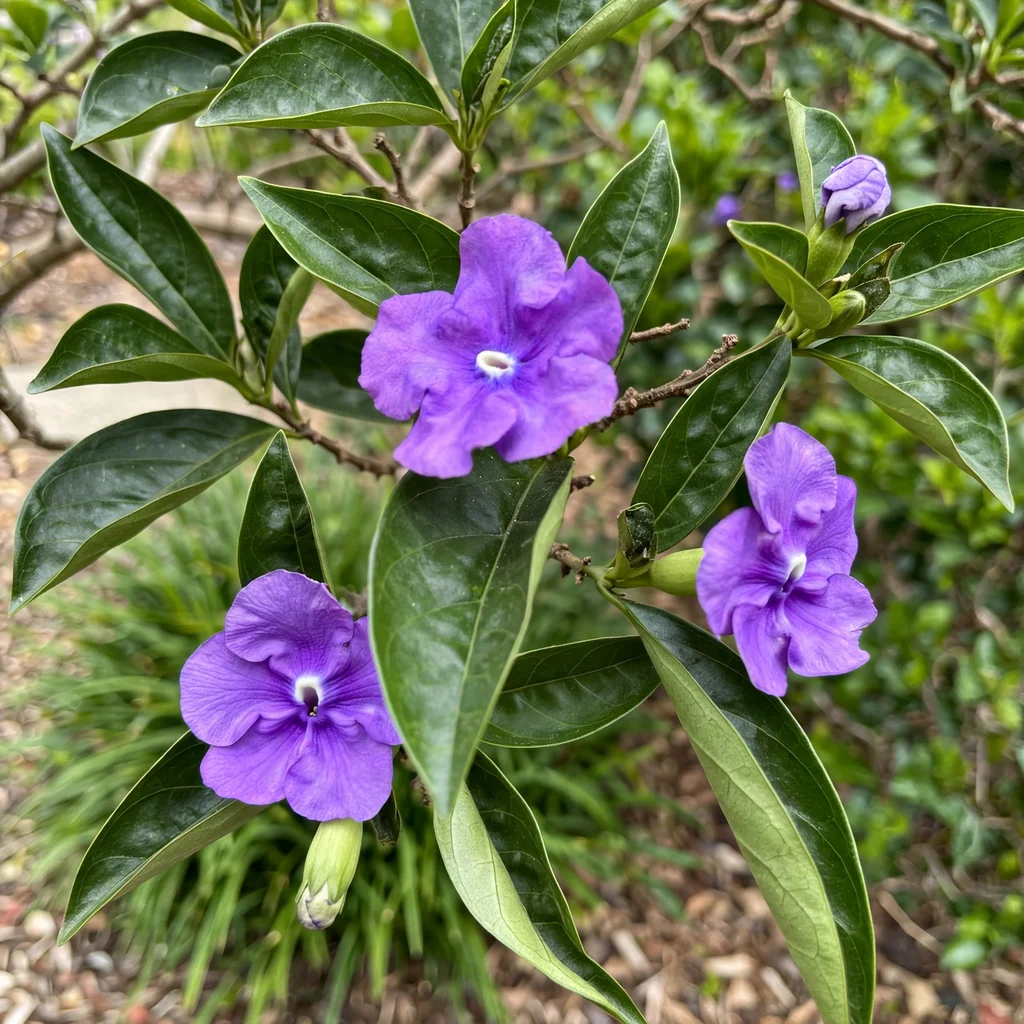
Yesterday
Brunfelsia pauciflora
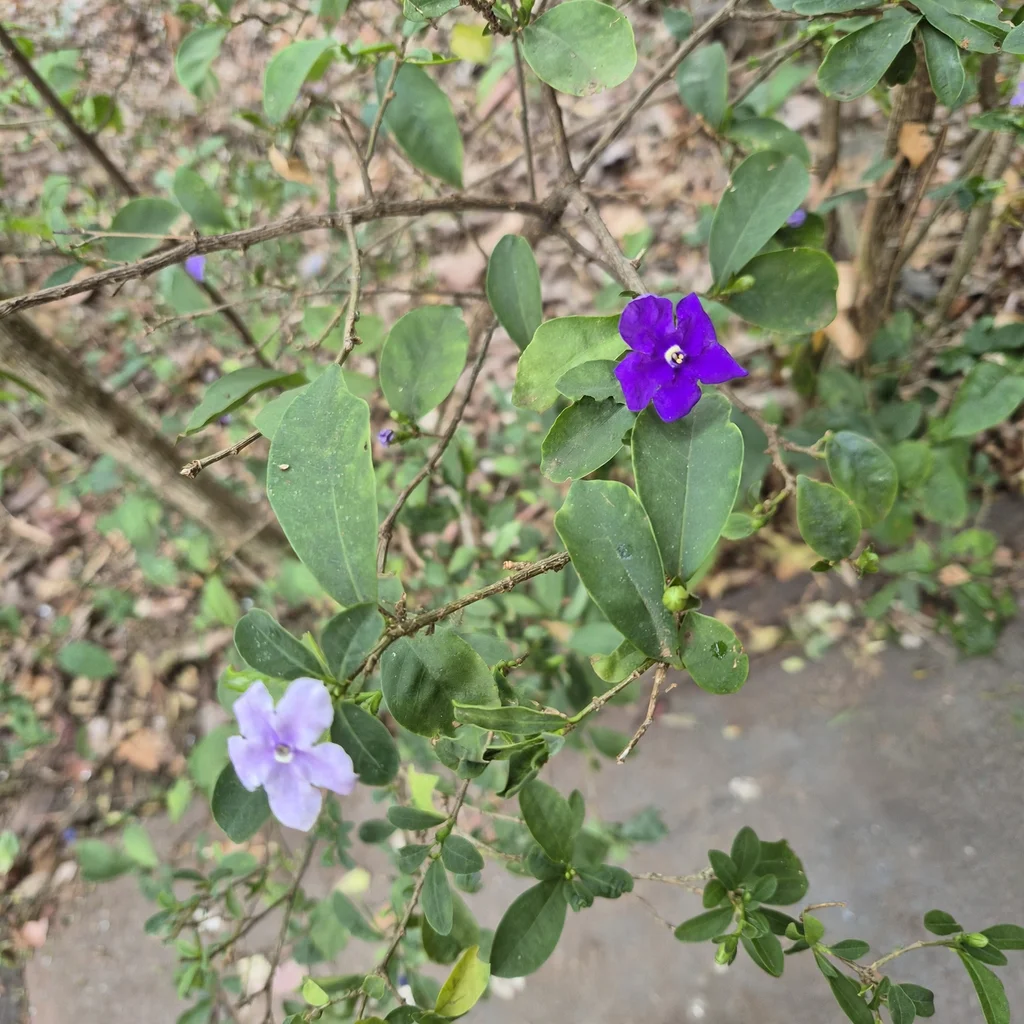
Yesterday Today And Tomorrow
Brunfelsia uniflora
Jamaican Lady of the Night
Brunfelsia plicata
Yesterday-Today-And-Tomorrow
Brunfelsia grandiflora
Keep exploring
Explore the genus
Hardy in your zone?
Grow Lady of the Night with confidence
See it in a design of your actual yard, get zone-matched care reminders, and track it season by season in your garden journal.