The Story
Plant Bio
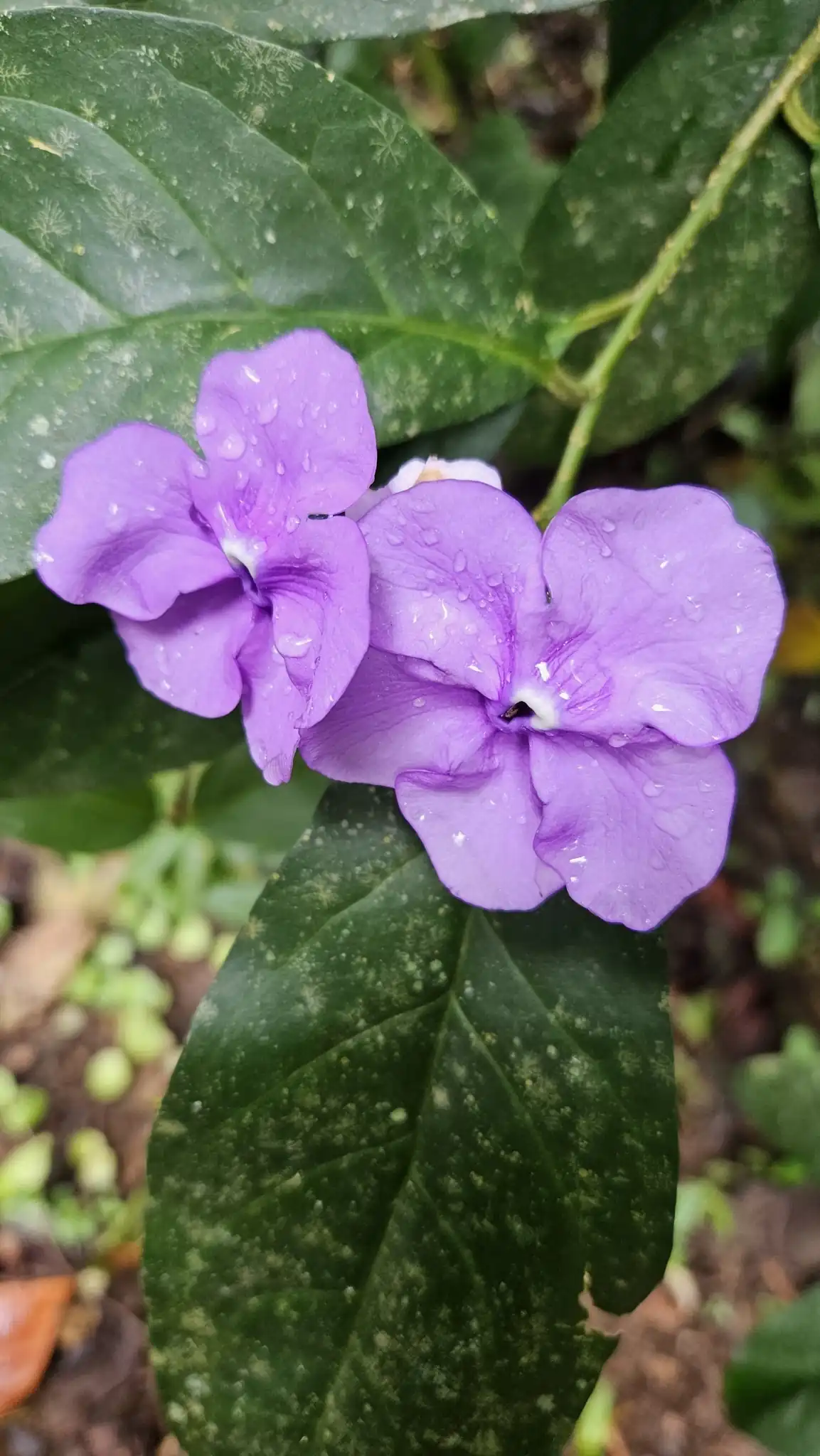
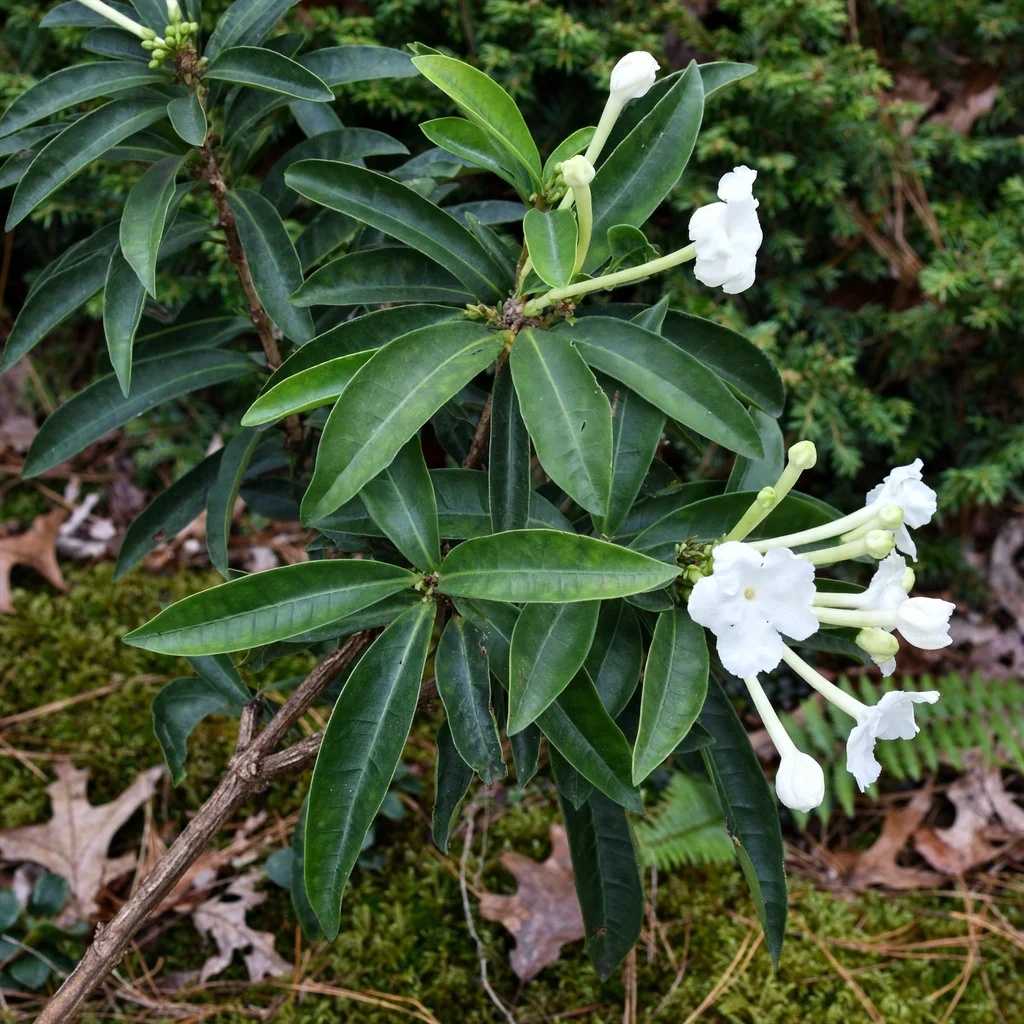
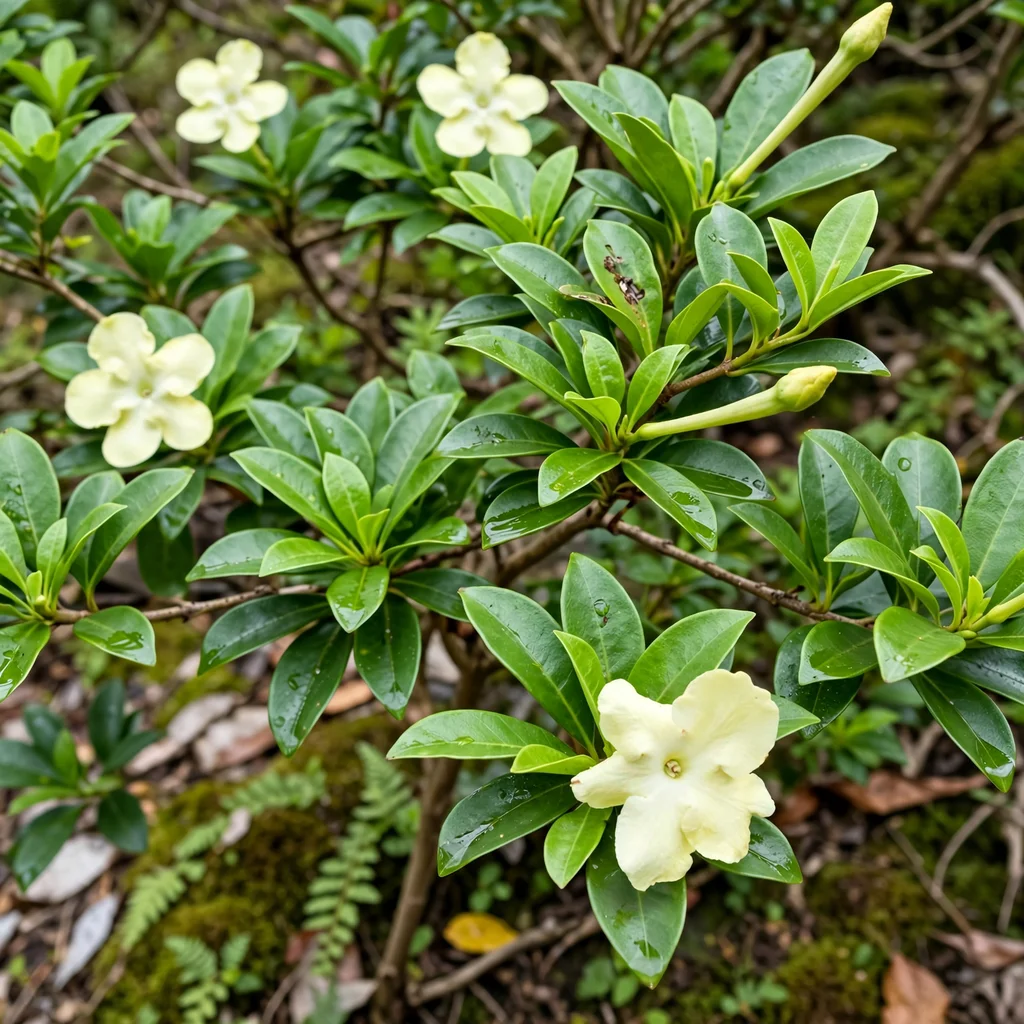
Brunfelsia grandiflora, the largeflower brunfelsia, is a dense evergreen shrub from the wet Amazon understory that reaches seven to ten feet tall in gardens, with alternate glossy leaves to twelve inches long. The flowers have a narrow tubular base flaring to a flat face and are borne in small clusters at the stem tips, opening in flushes through the warm months.
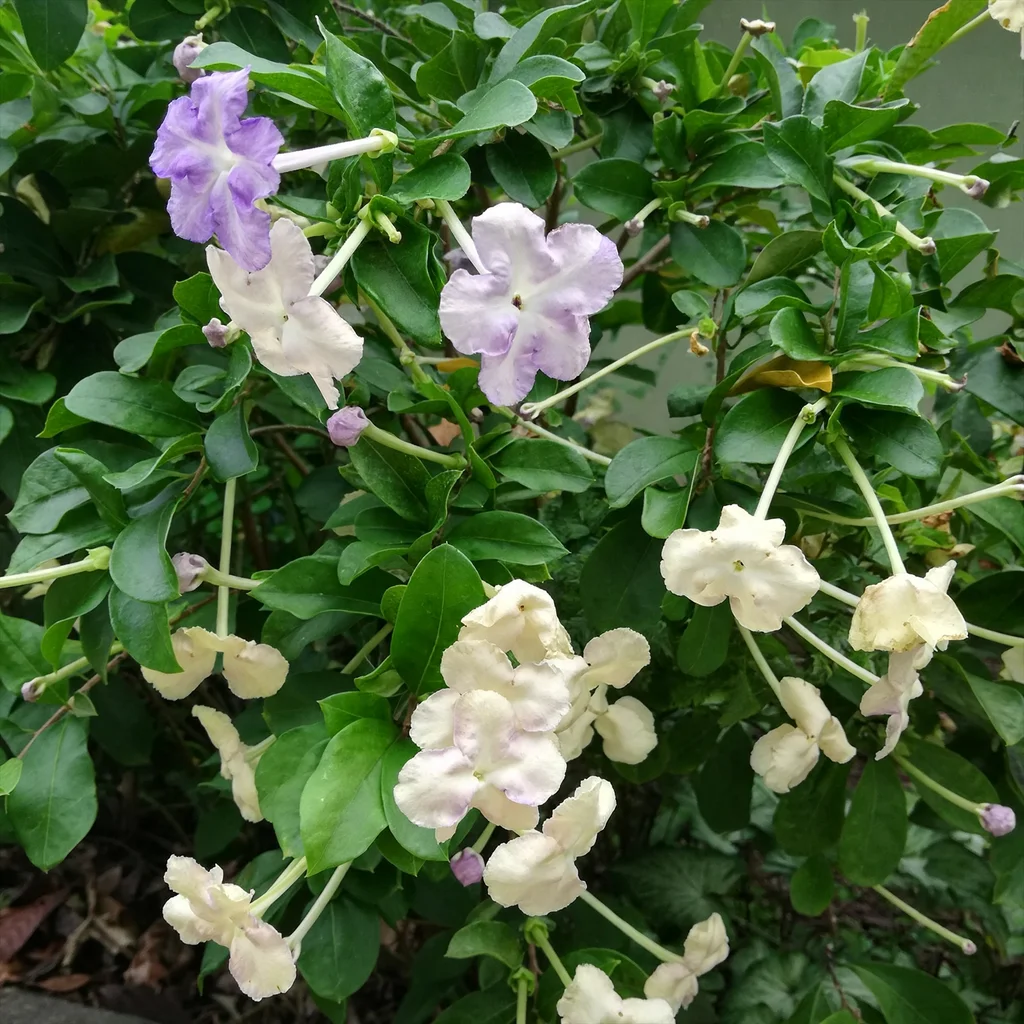
This species carries the largest, most fragrant flowers of the yesterday-today-and-tomorrow group, each bloom opening deep violet and fading through pale lavender to white over three days so all three colors appear together. It is the tender Amazonian species grown in Florida zones 9B to 11B, bulkier and more humidity-demanding than the commonly mislabeled Brunfelsia pauciflora.
Uses & Benefits:
Essentials
At a Glance
Plant Type
Shrub
Height
108"
Width
95"
Light
Full Sun, Partial Sun
Zones
9, 10
Water
Moist
Humidity
High
Lifespan
Long-lived shrub
Native To
W. South America to N. Brazil
Toxicity
Toxic to humans and pets
Bloom period
Spring – Summer
In flower about 6 months of the year
Planting
How to Grow
- Plant in spring after frost danger in morning sun with afternoon shade.
- Set in rich, moist, slightly acidic, well-drained soil and water in deeply.
- Water regularly through growth and bloom; do not let the root zone dry out.
- Feed with a potassium-rich fertilizer through spring and summer for bloom.
- Protect from freeze; move containers under cover when temperatures near 30F.
Pro Tip
Give morning sun and afternoon shade in rich, moist, slightly acidic soil, then cut water back in winter and never leave the pot sitting wet.
Keep It Thriving
Care Guide
Do
- Water regularly to keep soil evenly moist in warm weather
- Mulch to hold moisture in well-drained acidic soil
- Prune lightly in spring or fall to shape after a bloom flush
Don't
- Do not let plants dry out completely in summer heat
- Do not overwater in winter or leave pots sitting in water
- Do not cut hard back into old bare wood
Seasonal Care Calendar
| Task | Jan | Feb | Mar | Apr | May | Jun | Jul | Aug | Sep | Oct | Nov | Dec |
|---|---|---|---|---|---|---|---|---|---|---|---|---|
| Fertilize | ||||||||||||
| Mulch | ||||||||||||
| Plant | ||||||||||||
| Prune | ||||||||||||
| Winter Prep |
Watch Out For
Pests & Diseases
Common Pests
Common Diseases
In the Garden
Landscape Uses & Companions
Landscape Uses
Good to Know
Common Questions
Yesterday-Today-And-Tomorrow questions
What zones can Yesterday-Today-And-Tomorrow grow in?
Yesterday-Today-And-Tomorrow is hardy in USDA Zones 9–10: in that range it survives winter in the ground. Colder than Zone 9, grow it in a container you can move to shelter for the winter.
When does Yesterday-Today-And-Tomorrow bloom?
Yesterday-Today-And-Tomorrow typically blooms from spring to summer. Exact timing shifts a week or two with your zone — Sow's bloom calendar maps it to your garden.
Does Yesterday-Today-And-Tomorrow need full sun?
Yesterday-Today-And-Tomorrow does best in full sun to part shade. In hot climates, afternoon shade keeps blooms fresher longer.
Is Yesterday-Today-And-Tomorrow drought tolerant?
Yes — once established (usually after the first full season), Yesterday-Today-And-Tomorrow handles dry spells with minimal watering. Water deeply its first year to build the root system that makes that possible.
More Brunfelsia to compare
Keep exploring
Explore the genus
Hardy in your zone?
Grow Yesterday-Today-And-Tomorrow with confidence
See it in a design of your actual yard, get zone-matched care reminders, and track it season by season in your garden journal.