
The Story
Plant Bio
Carex nudata, the torrent sedge, is a rhizomatous perennial sedge forming dense arching tussocks two feet high and wide, with bright green narrow foliage that goes dormant in winter. The flowers have no petals to speak of; the display is tight green-brown spikelets held above the leaves in spring, ripening to dark seed heads by summer.
Unlike dryland sedges, it roots into rocky or sandy streambeds below the high-water mark and tolerates standing water and brief submersion without rotting. Foliage emerges bright green in spring, yellows in cold falls, then drops, with the clump resprouting from rhizomes when water returns.
Uses & Benefits:
Essentials
At a Glance
Plant Type
Grass
Height
24"
Width
24"
Light
Full Sun, Partial Sun, Shade
Zones
7
Water
Moist to wet
Humidity
Unknown
Lifespan
Perennial
Native To
California, Oregon, Washington
Toxicity
Unknown - no warning found
Bloom period
Spring – Summer
In flower about 6 months of the year
Planting
How to Grow
- Set plants at the edge of a pond, swale, or stream where roots reach constant moisture, at the same depth they grew in the pot.
- Backfill with rocky, sandy, or loamy soil and firm gently to remove air pockets around the crown.
- Water deeply at planting and keep soil moist to wet through the first summer; do not let new divisions dry out.
- Top-dress with gravel or leaf mulch to hold moisture and anchor cobble around the base in flowing water.
- Cut winter-dormant tops to the crown in late winter before bright green spring growth emerges.
Pro Tip
Site it where roots stay wet through summer; it fails in dry shade even though it tolerates shade.
Keep It Thriving
Care Guide
Do
- Keep soil moist to wet year-round with regular summer irrigation.
- Plant in full sun on the coast and part shade inland for best foliage color.
- Leave seed heads through summer for birds and waterfowl cover.
Don't
- Do not plant it in dry shade or unirrigated beds; it drops out without below-bank moisture.
- Do not cut back into the live crown during active spring growth.
- Do not let new transplants stand dry in nursery pots before planting.
Seasonal Care Calendar
| Task | Jan | Feb | Mar | Apr | May | Jun | Jul | Aug | Sep | Oct | Nov | Dec |
|---|---|---|---|---|---|---|---|---|---|---|---|---|
| Divide | ||||||||||||
| Mulch | ||||||||||||
| Plant | ||||||||||||
| Spring Cleanup | ||||||||||||
| Winter Prep |
Watch Out For
Pests & Diseases
Common Pests
Common Diseases
In the Garden
Landscape Uses & Companions
Landscape Uses
Companion Plants
Multiply
Propagation Methods
Good to Know
Common Questions
Torrent Sedge questions
What zones can Torrent Sedge grow in?
Torrent Sedge is hardy in USDA Zone 7: in that range it survives winter in the ground. Colder than Zone 7, grow it in a container you can move to shelter for the winter, or as an annual. Warmer than Zone 7, winter isn't the problem: it prefers colder winters, and summer heat can shorten its life.
Is Torrent Sedge deer resistant?
Yes — Torrent Sedge is rated deer-resistant. Deer typically pass it over, though extreme hunger can override any plant's defenses.
When does Torrent Sedge bloom?
Torrent Sedge typically blooms from spring to summer. Exact timing shifts a week or two with your zone — Sow's bloom calendar maps it to your garden.
Does Torrent Sedge need full sun?
Torrent Sedge does best in full sun to part shade. In hot climates, afternoon shade keeps blooms fresher longer.
More Carex to compare

Everillo Sedge
Carex oshimensis 'Everillo'

Pennsylvania Sedge
Carex pensylvanica
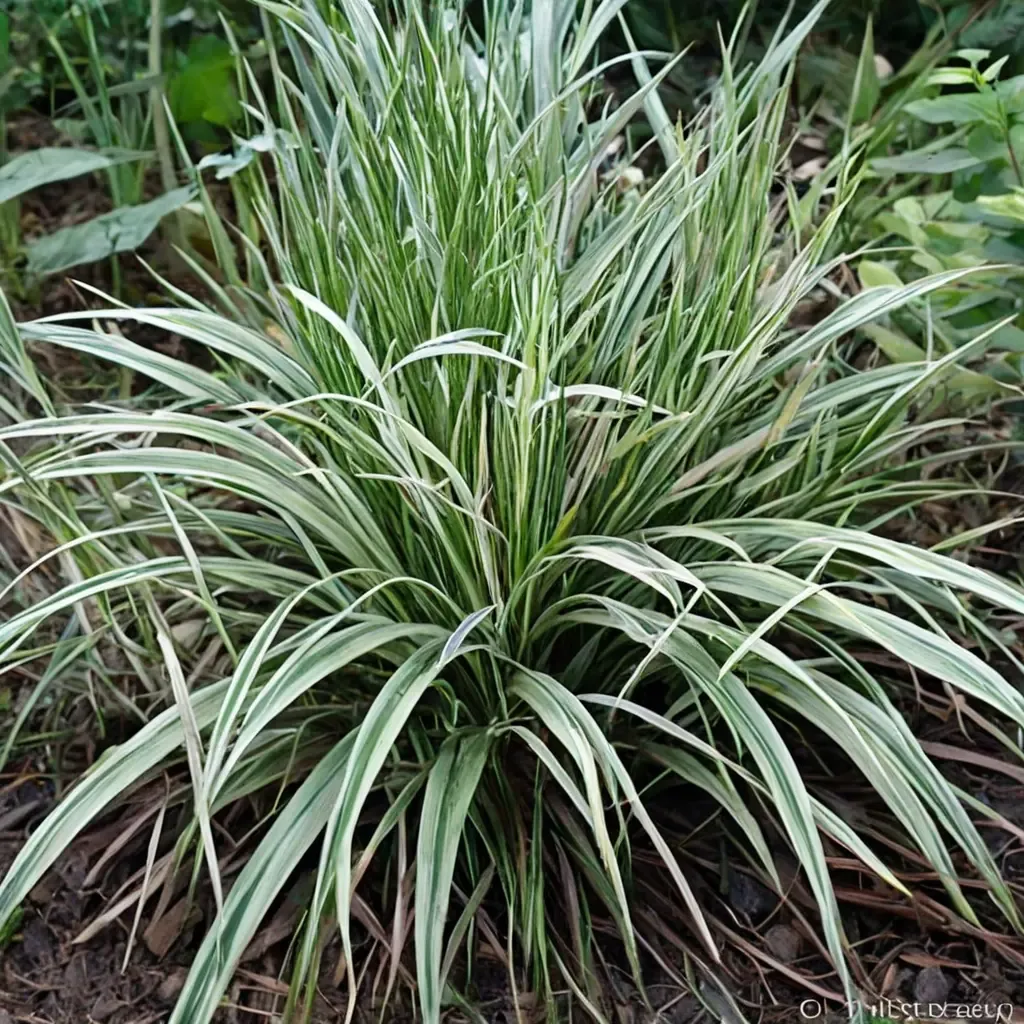
Japanese Sedge
Carex morrowii
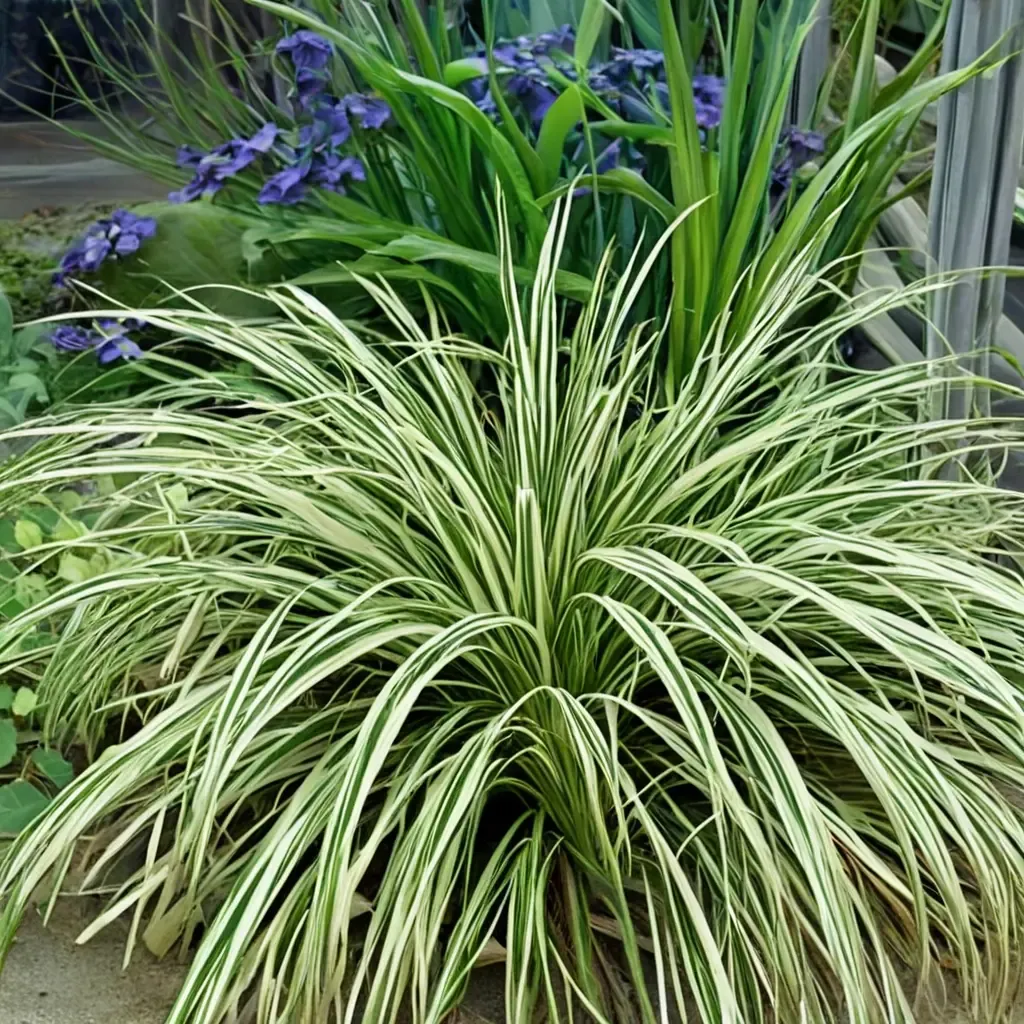
Evergold Japanese Sedge
Carex oshimensis 'Evergold'
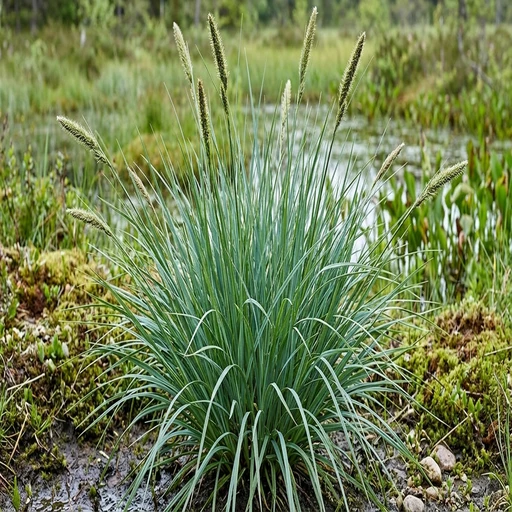
Comosa Sedge
Carex comosa
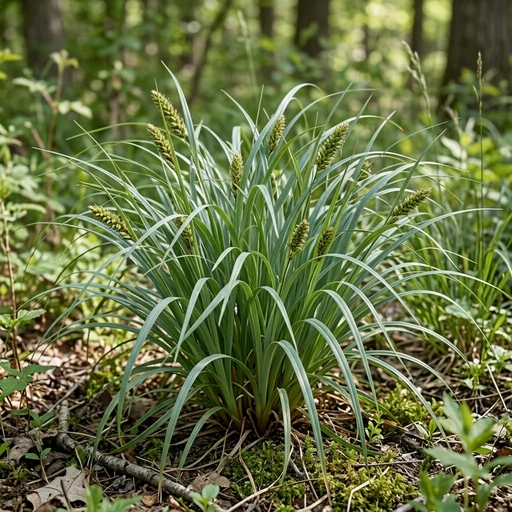
Shortbeak Sedge
Carex brevior
Keep exploring
Explore the genus
Hardy in your zone?
Grow Torrent Sedge with confidence
See it in a design of your actual yard, get zone-matched care reminders, and track it season by season in your garden journal.