The Story
Plant Bio
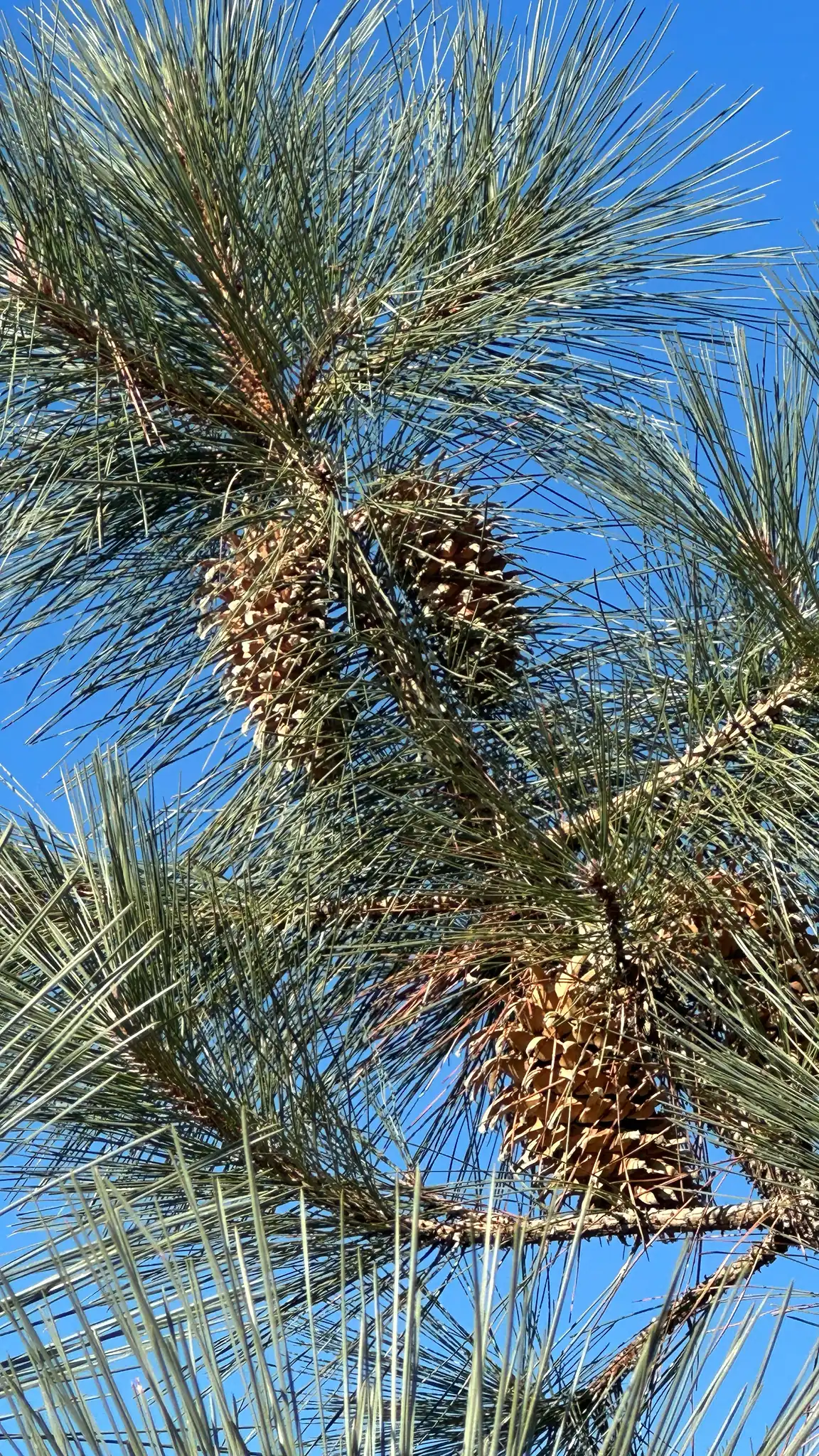
Pinus coulteri is a large evergreen conifer native to dry coastal and inland mountain ranges of California and northern Baja California, growing with an open, thin crown and sturdy horizontal branches. It bears stiff, dark blue-green to gray-green needles in clusters of three that reach six to twelve inches long.
This species produces the heaviest seed cones of any pine tree, reaching up to six pounds with pale yellow-brown, spiked scales ending in thick claw-like hooks. These massive cones mature over two years and remain attached to the upper canopy for multiple seasons.
Uses & Benefits:
Essentials
At a Glance
Plant Type
Tree
Height
945"
Width
472"
Light
Full Sun
Zones
8, 9, 10
Water
Low
Humidity
Low
Lifespan
Perennial
Native To
Western North America
Toxicity
Non-Toxic
Bloom period
Spring
In flower about 3 months of the year
Planting
How to Grow
- Select a site in full sun with deep, rocky or sandy soil that drains completely.
- Dig a planting hole twice as wide as the container and equal to the depth of the root ball.
- Place the tree so the root collar sits flush with the native soil grade and backfill without adding soil amendments.
- Water thoroughly at planting and provide infrequent deep irrigation during the first summer only until established.
Pro Tip
Plant exclusively in fast-draining, rocky soils away from paved areas or seating, as falling multi-pound cones present a physical impact hazard.
Keep It Thriving
Care Guide
Do
- Provide clear overhead space away from driveways and footpaths to manage cone hazards.
- Ensure soil drainage is fast to prevent root decay.
- Prune dead or damaged lower limbs during winter dormancy.
Don't
- Do not overwater mature trees or allow water to pool around the root zone.
- Do not cut back into bare leafless wood, as branches will not produce new growth.
- Do not plant in dense shade or under heavy woodland canopy cover.
Seasonal Care Calendar
| Task | Jan | Feb | Mar | Apr | May | Jun | Jul | Aug | Sep | Oct | Nov | Dec |
|---|---|---|---|---|---|---|---|---|---|---|---|---|
| Mulch | ||||||||||||
| Pest Check | ||||||||||||
| Prune | ||||||||||||
| Winter Prep |
Watch Out For
Pests & Diseases
Common Pests
Common Diseases
In the Garden
Landscape Uses & Companions
Landscape Uses
Multiply
Propagation Methods
Good to Know
Common Questions
Coulter Pine questions
What zones can Coulter Pine grow in?
Coulter Pine is hardy in USDA Zones 8–10: in that range it survives winter in the ground. Colder than Zone 8, winters are too cold for it to survive outdoors.
Is Coulter Pine deer resistant?
Not reliably. Deer may browse Coulter Pine, especially tender spring growth — plan on repellents or fencing where pressure is high.
When does Coulter Pine bloom?
Coulter Pine typically blooms in spring. Exact timing shifts a week or two with your zone — Sow's bloom calendar maps it to your garden.
Does Coulter Pine need full sun?
Coulter Pine does best in full sun (6+ hours).
Is Coulter Pine drought tolerant?
Yes — once established (usually after the first full season), Coulter Pine handles dry spells with minimal watering. Water deeply its first year to build the root system that makes that possible.
More Pinus to compare
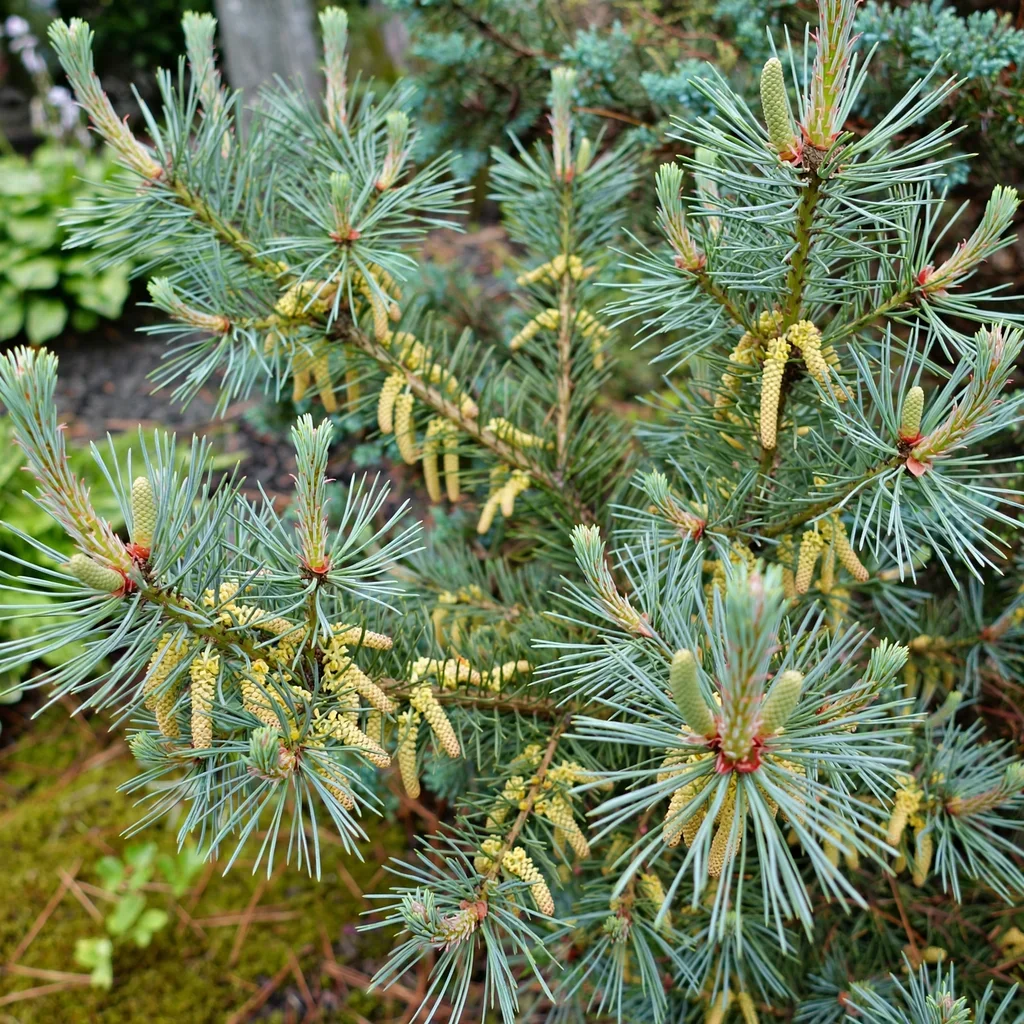
Eastern White Pine
Pinus strobus
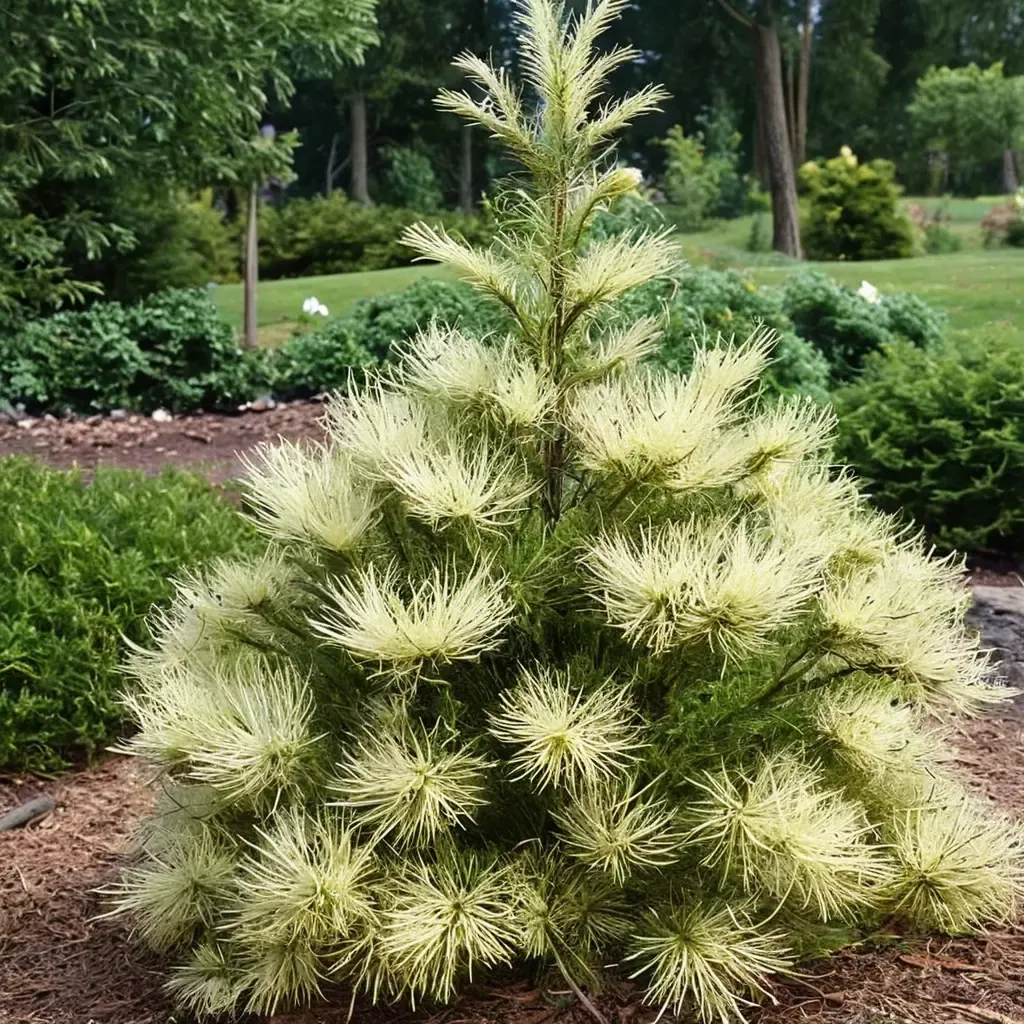
Golden Ghost Pine
Pinus densiflora 'Golden Ghost'
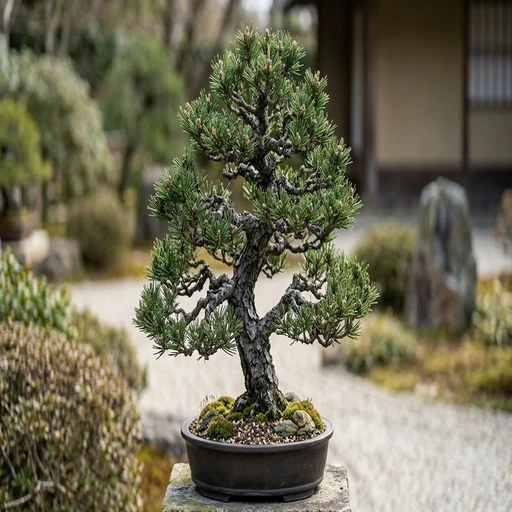
Thunderhead Japanese Black Pine
Pinus thunbergii 'Thunderhead'
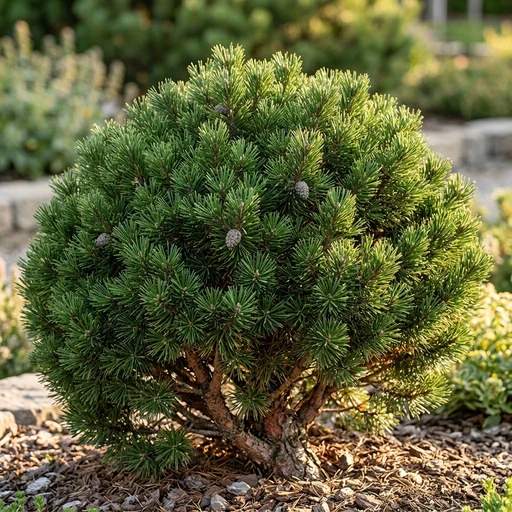
Slowmound Mugo Pine
Pinus mugo 'Slowmound'
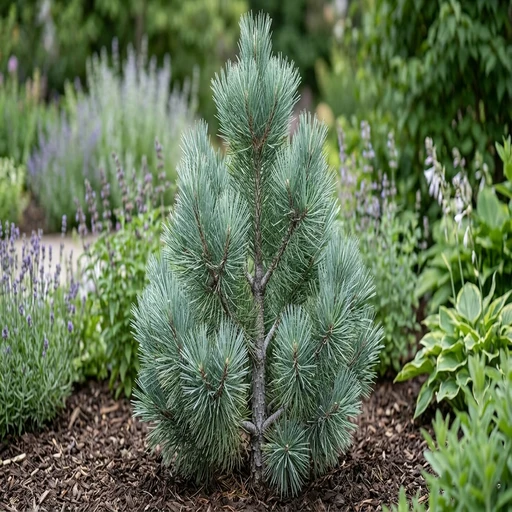
Vanderwolf's Pyramid Limber Pine
Pinus flexilis 'Vanderwolf'
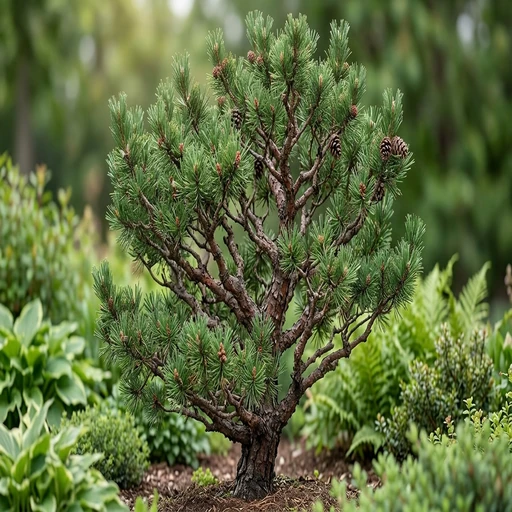
Virginia Pine
Pinus virginiana
Keep exploring
Explore the genus
Hardy in your zone?
Grow Coulter Pine with confidence
See it in a design of your actual yard, get zone-matched care reminders, and track it season by season in your garden journal.