The Story
Plant Bio
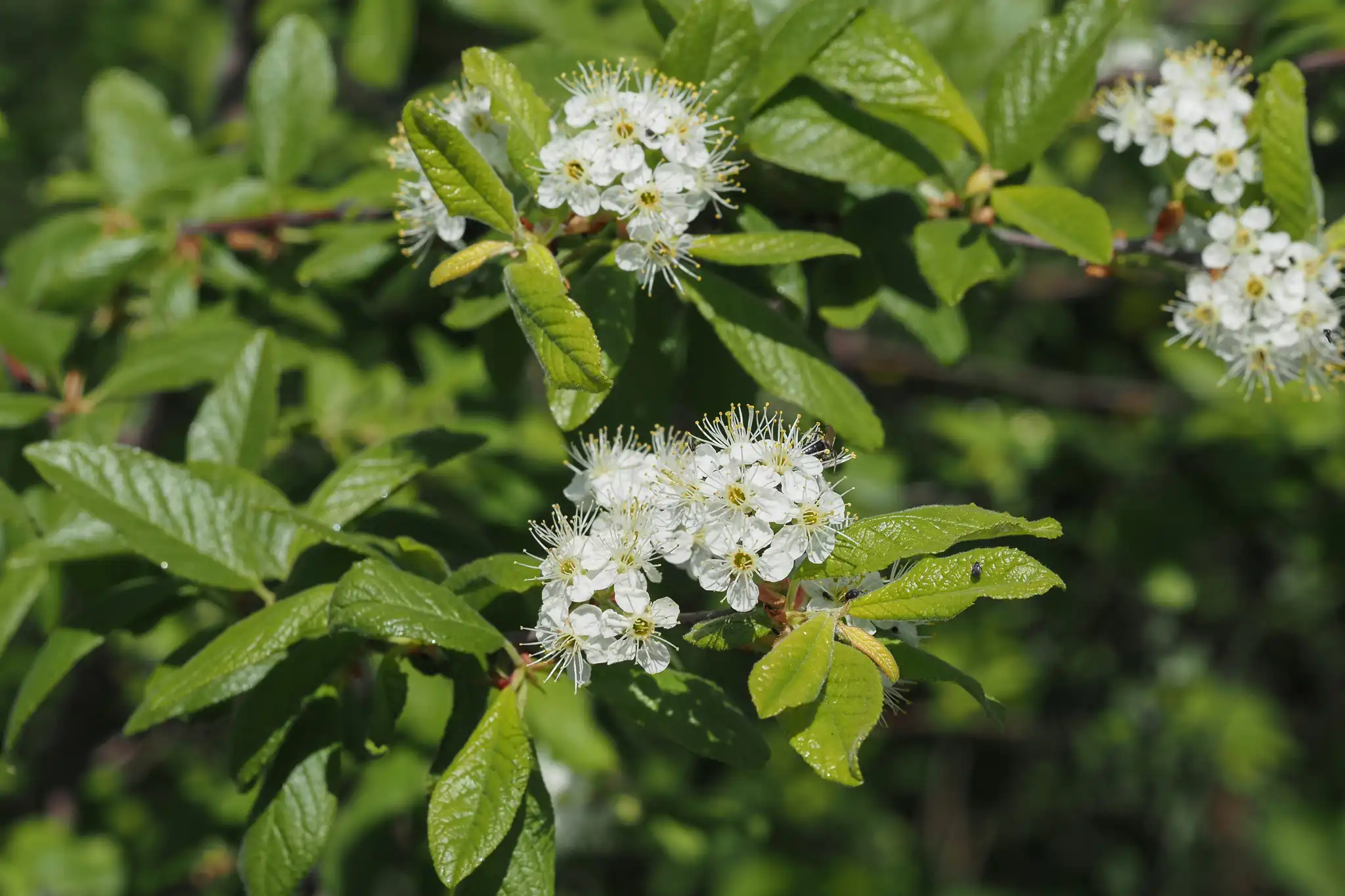
Prunus emarginata is a deciduous shrub or small tree native to western North America, featuring slender upright branches covered in reddish-brown bark with prominent horizontal lenticels. Pale white flowers with notched petals open in small clusters during spring, yielding intensely bitter dark red fruits by summer.
Root suckering enables this plant to form dense thickets that stabilize slopes and gravelly soils. The foliage serves as a vital larval host for native butterflies including swallowtails and admirals, while the fruit provides a major seasonal food source for songbirds.
Uses & Benefits:
Essentials
At a Glance
Plant Type
Tree
Height
315"
Width
197"
Light
Full Sun, Partial Sun
Zones
5, 6, 7, 8, 9
Water
Low to medium
Humidity
Low to moderate
Lifespan
Perennial
Native To
Western North America
Toxicity
Toxic if ingested
Bloom period
Spring
In flower about 3 months of the year
Planting
How to Grow
- Select a planting site in full sun or partial shade with gravelly, sandy, or coarse loamy soil.
- Plant bare-root whips or container-grown trees during dormancy in late fall or early spring.
- Water thoroughly during the first growing season to foster a deep, drought-tolerant root network.
- Cut back aggressive root suckers at ground level annually if thicket formation is not desired.
Pro Tip
Prune lightly in late winter or immediately after flowering to control spreading root suckers, avoiding cuts back into old leafless wood.
Keep It Thriving
Care Guide
Do
- Plant in coarse, well-drained soils to prevent root diseases.
- Prune suckers regularly if growing as a single-stemmed specimen.
Don't
- Do not plant in heavy, poorly drained clay or waterlogged ground.
- Avoid applying excessive fertilizer, which harms the natural health of native growth.
Seasonal Care Calendar
| Task | Jan | Feb | Mar | Apr | May | Jun | Jul | Aug | Sep | Oct | Nov | Dec |
|---|---|---|---|---|---|---|---|---|---|---|---|---|
| Mulch | ||||||||||||
| Pest Check | ||||||||||||
| Prune | ||||||||||||
| Winter Prep |
Watch Out For
Pests & Diseases
Common Pests
Common Diseases
In the Garden
Landscape Uses & Companions
Landscape Uses
Companion Plants
Multiply
Propagation Methods
Good to Know
Common Questions
Bitter Cherry questions
What zones can Bitter Cherry grow in?
Bitter Cherry is hardy in USDA Zones 5–9: in that range it survives winter in the ground. Colder than Zone 5, winters are too cold for it to survive outdoors. Warmer than Zone 9, winter isn't the problem: it prefers colder winters, and summer heat can shorten its life.
Is Bitter Cherry deer resistant?
Not reliably. Deer may browse Bitter Cherry, especially tender spring growth — plan on repellents or fencing where pressure is high.
When does Bitter Cherry bloom?
Bitter Cherry typically blooms in spring. Exact timing shifts a week or two with your zone — Sow's bloom calendar maps it to your garden.
Does Bitter Cherry need full sun?
Bitter Cherry does best in full sun to part shade. In hot climates, afternoon shade keeps blooms fresher longer.
Is Bitter Cherry drought tolerant?
Yes — once established (usually after the first full season), Bitter Cherry handles dry spells with minimal watering. Water deeply its first year to build the root system that makes that possible.
More Prunus to compare
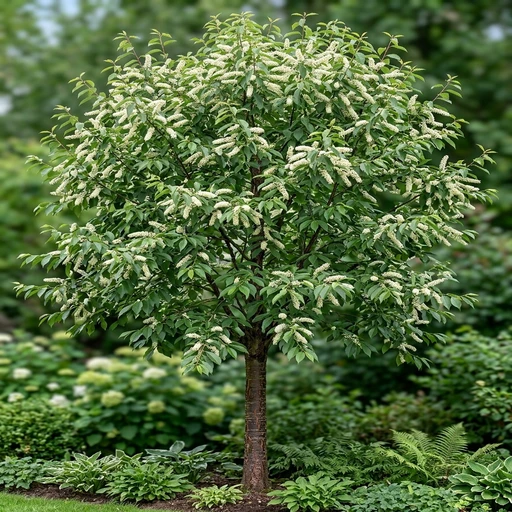
Black Cherry
Prunus serotina
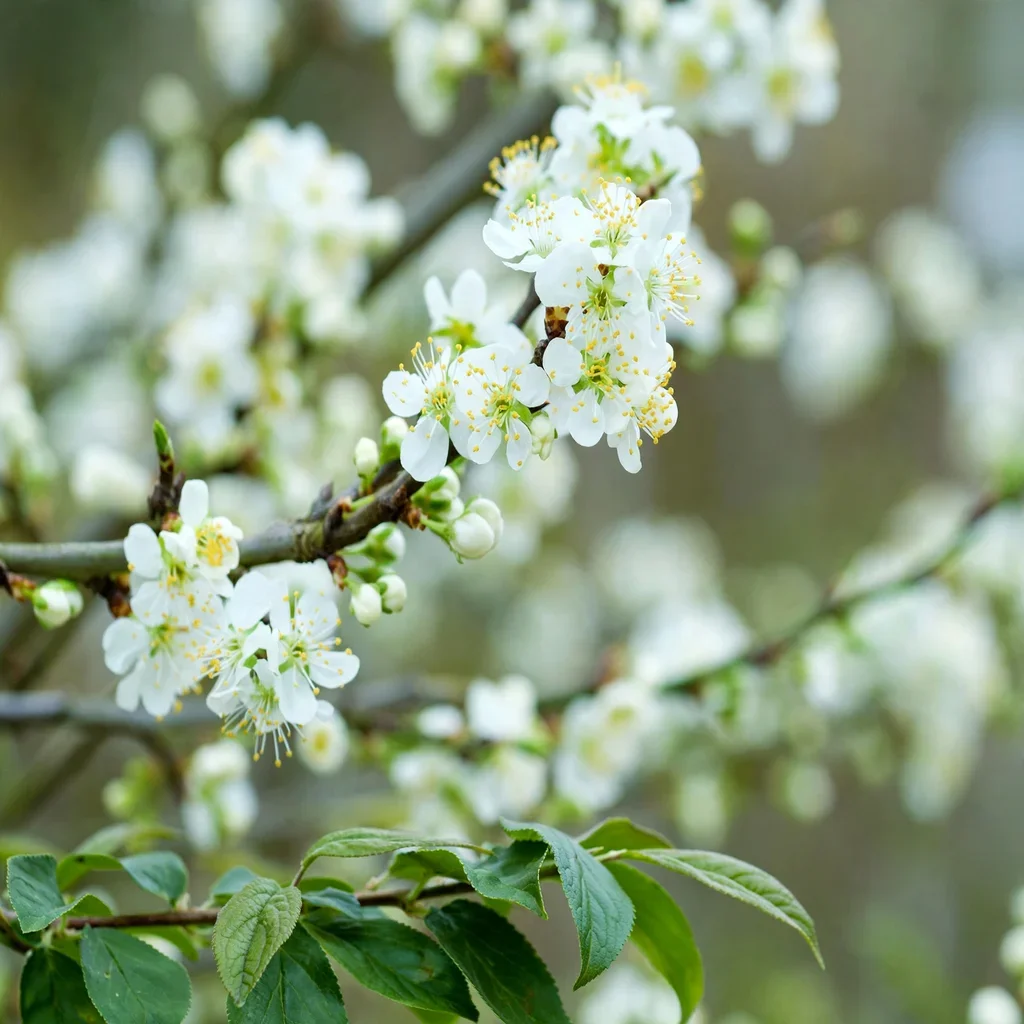
Sugar Plum
Prunus domestica 'Sugar Plum'
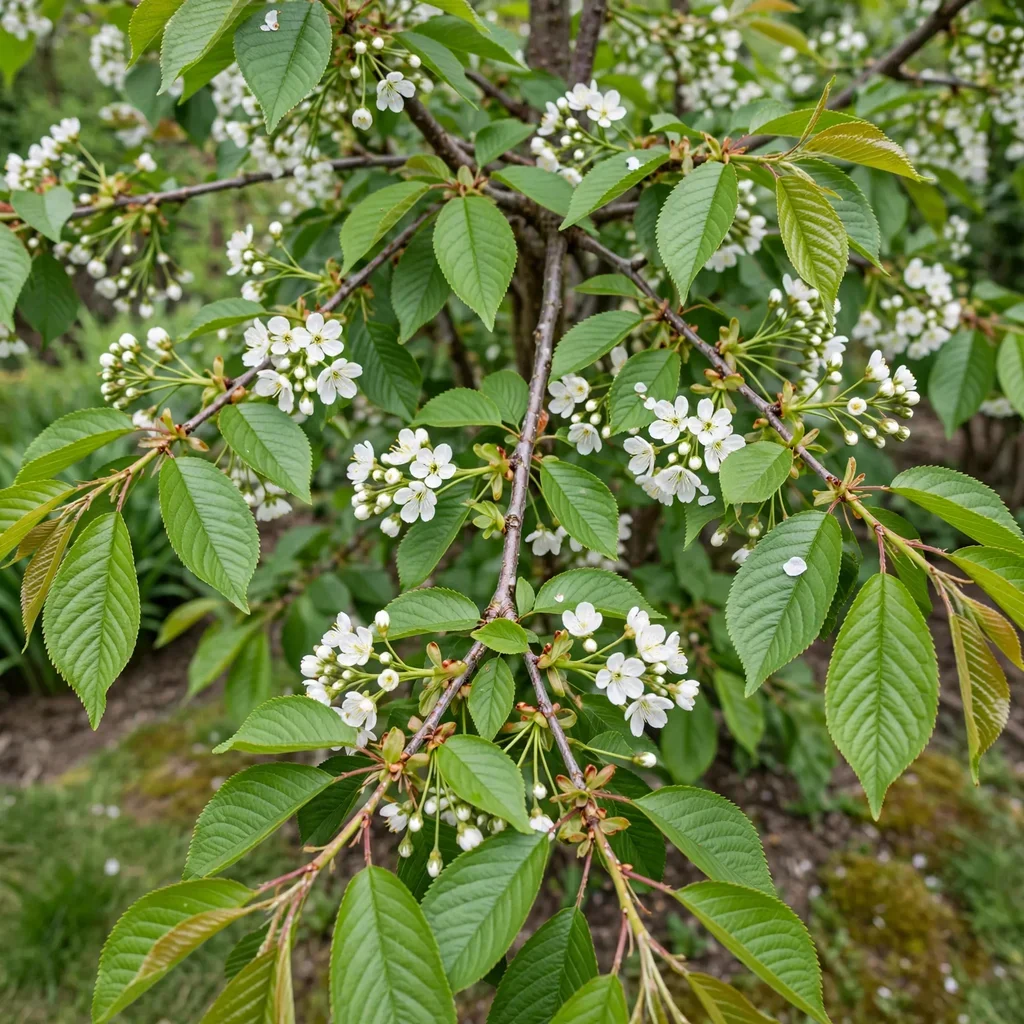
Sweet Cherry Mix
Prunus avium 'Mix'
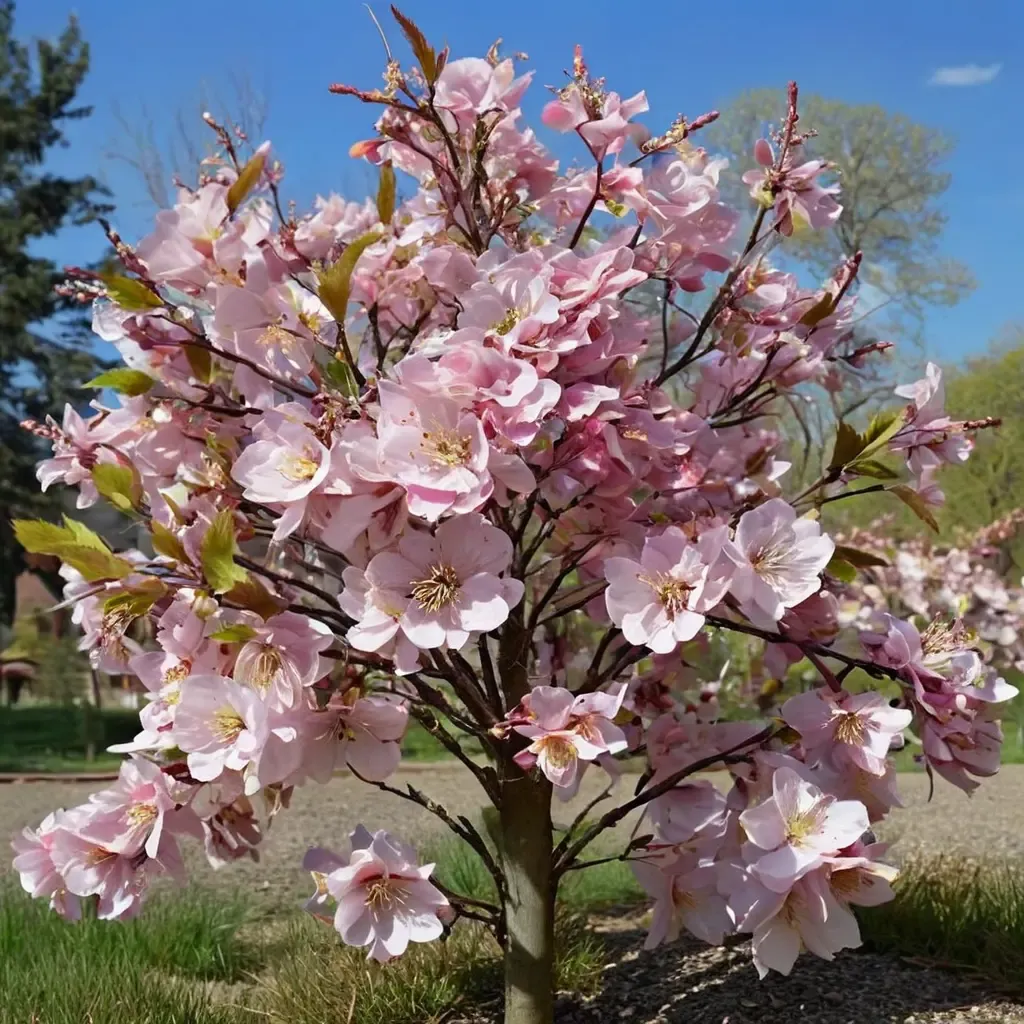
Japanese Flowering Cherry
Prunus serrulata
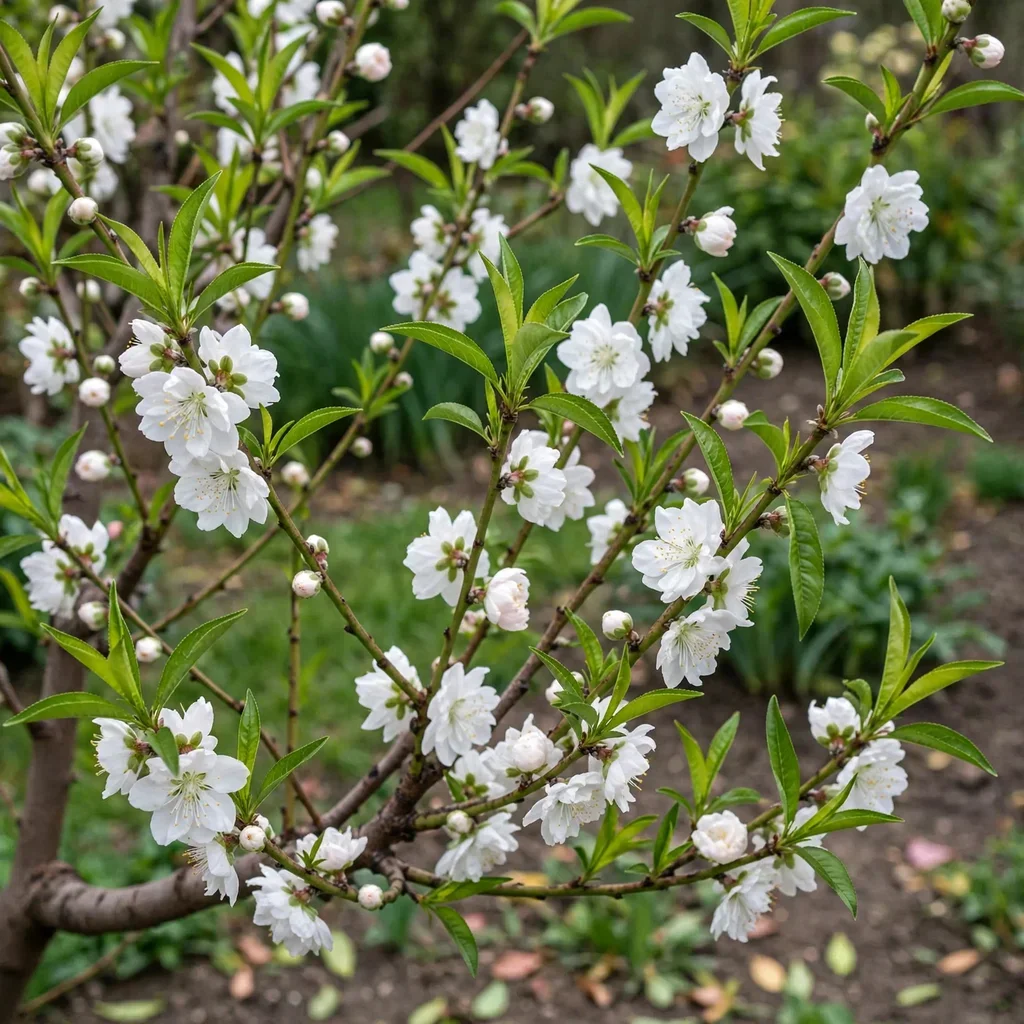
Feiching Tao White Peach
Prunus persica 'Feiching Tao White'
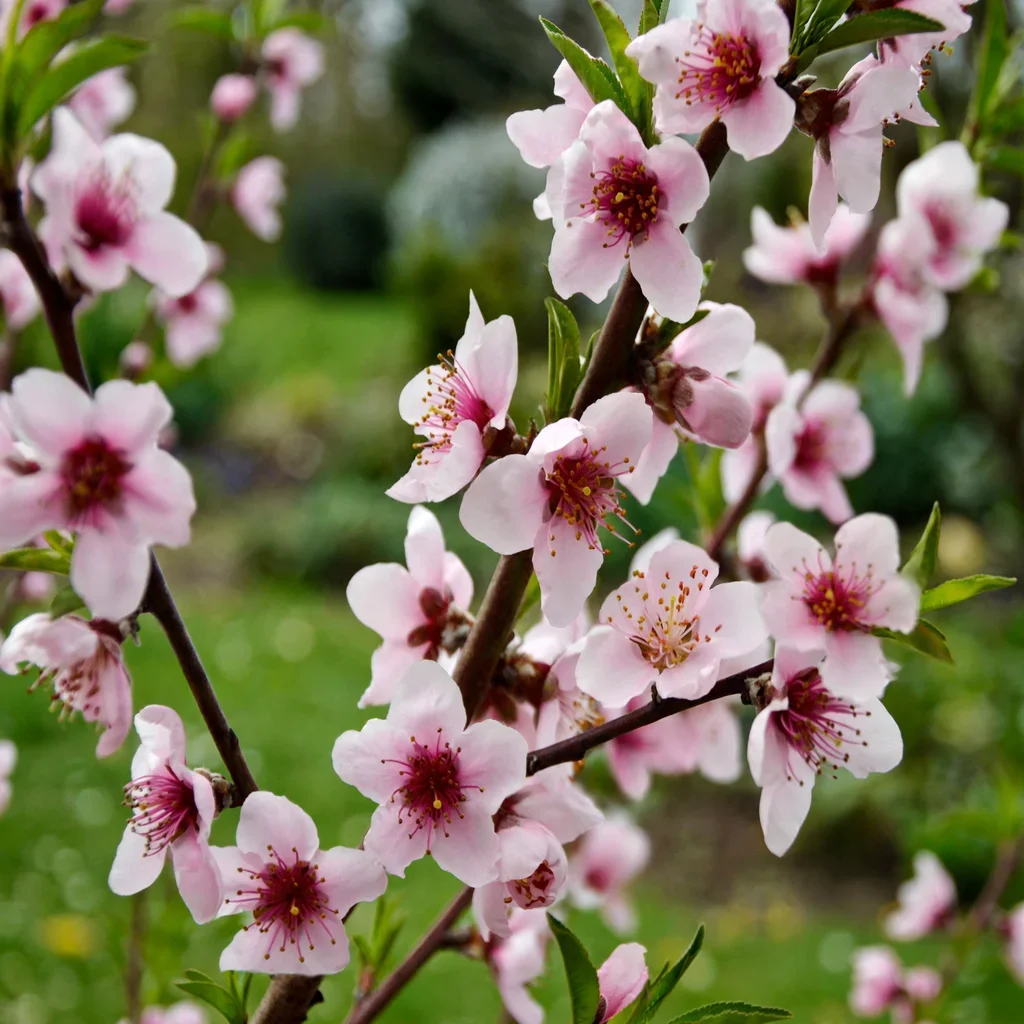
Hale Haven Peach
Prunus persica 'Hale Haven'
Keep exploring
Explore the genus
Hardy in your zone?
Grow Bitter Cherry with confidence
See it in a design of your actual yard, get zone-matched care reminders, and track it season by season in your garden journal.