
The Story
Plant Bio
Cornus foemina, commonly known as stiff dogwood, is a deciduous shrub or small tree native to moist habitats across the eastern and southeastern United States. It features stiff, upright branching with distinctive reddish to bronze-purple young twigs that age to gray, lined with dark glossy green lanceolate leaves.
Flat-topped clusters of small, creamy-white flowers bloom without showy floral bracts from spring to early summer, followed in fall by globose blue to bluish-purple drupes. The plant thrives in wet, poorly drained soils and serves as a caterpillar host for the summer azure butterfly.
Uses & Benefits:
Essentials
At a Glance
Plant Type
Shrub
Height
180"
Width
144"
Light
Partial Sun, Shade
Zones
5, 6, 7, 8, 9
Water
High
Humidity
Moderate to High
Lifespan
Perennial
Native To
Eastern and Southeastern USA
Toxicity
Unknown
Bloom period
Spring – Early summer
In flower about 4 months of the year
Planting
How to Grow
- Choose a planting site in partial shade with moist to wet soil.
- Dig a planting hole twice the width of the root ball and set the plant at its original nursery depth.
- Backfill with native soil, gently firming it down, and water thoroughly to settle roots.
- Apply a 2- to 3-inch layer of organic mulch around the base, keeping it a few inches away from the stems.
Pro Tip
Distinguish stiff dogwood from gray dogwood by checking for reddish young stems and distinctly blue autumn drupes rather than white fruit.
Keep It Thriving
Care Guide
Do
- Keep soil consistently moist, especially during establishing periods or warm summer spells.
- Prune lightly immediately after spring flowering to shape the crown or remove dead wood.
Don't
- Do not shear branches annually, which destroys the natural architectural upright habit.
- Avoid overhead irrigation to minimize fungal foliage leaf spots and twig blights.
Seasonal Care Calendar
| Task | Jan | Feb | Mar | Apr | May | Jun | Jul | Aug | Sep | Oct | Nov | Dec |
|---|---|---|---|---|---|---|---|---|---|---|---|---|
| Mulch | ||||||||||||
| Pest Check | ||||||||||||
| Propagate | ||||||||||||
| Prune |
Watch Out For
Pests & Diseases
Common Pests
Common Diseases
In the Garden
Landscape Uses & Companions
Landscape Uses
Multiply
Propagation Methods
Good to Know
Common Questions
Stiff Dogwood questions
What zones can Stiff Dogwood grow in?
Stiff Dogwood is hardy in USDA Zones 5–9: in that range it survives winter in the ground. Colder than Zone 5, grow it in a container you can move to shelter for the winter. Warmer than Zone 9, winter isn't the problem: it prefers colder winters, and summer heat can shorten its life.
When does Stiff Dogwood bloom?
Stiff Dogwood typically blooms from early spring to early summer. Exact timing shifts a week or two with your zone — Sow's bloom calendar maps it to your garden.
Does Stiff Dogwood need full sun?
Stiff Dogwood does best in part shade.
More Cornus to compare
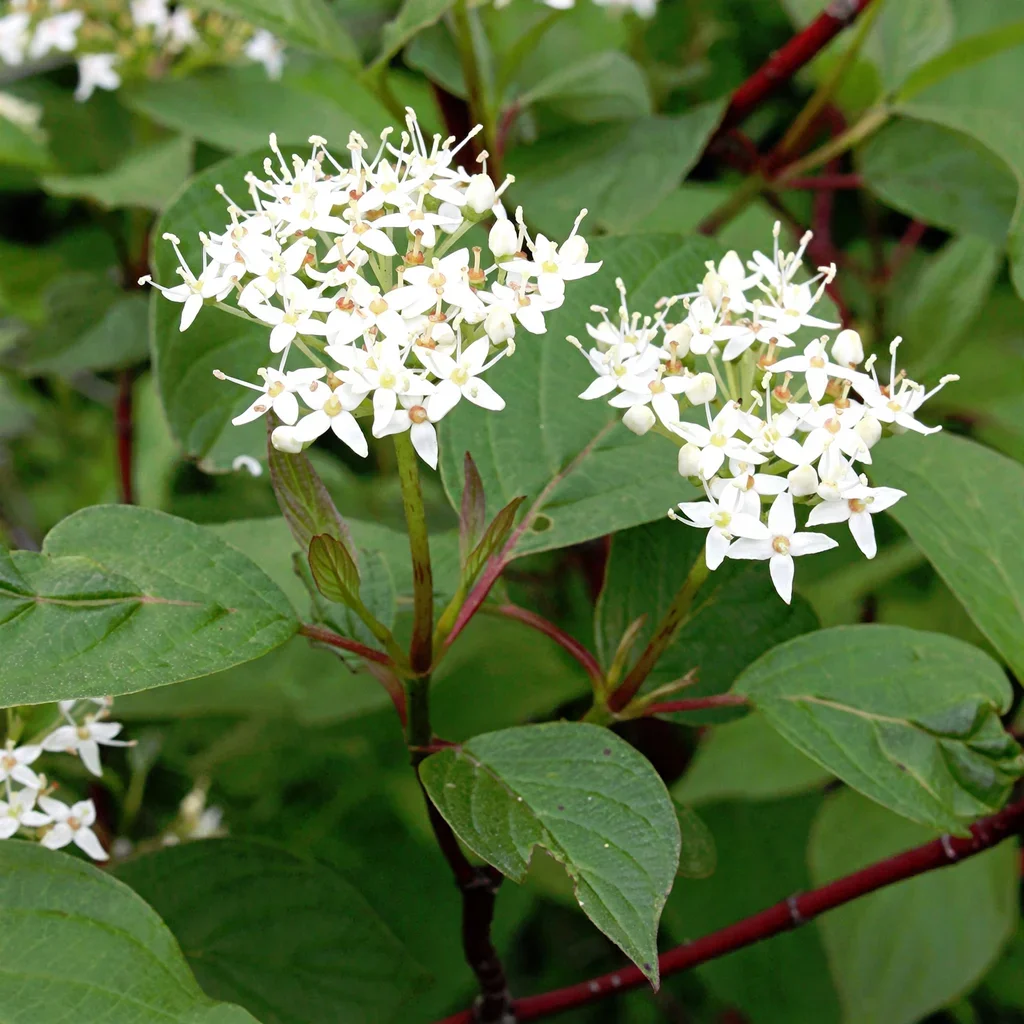
Red Twig Dogwood
Cornus sericea 'Red Twig'
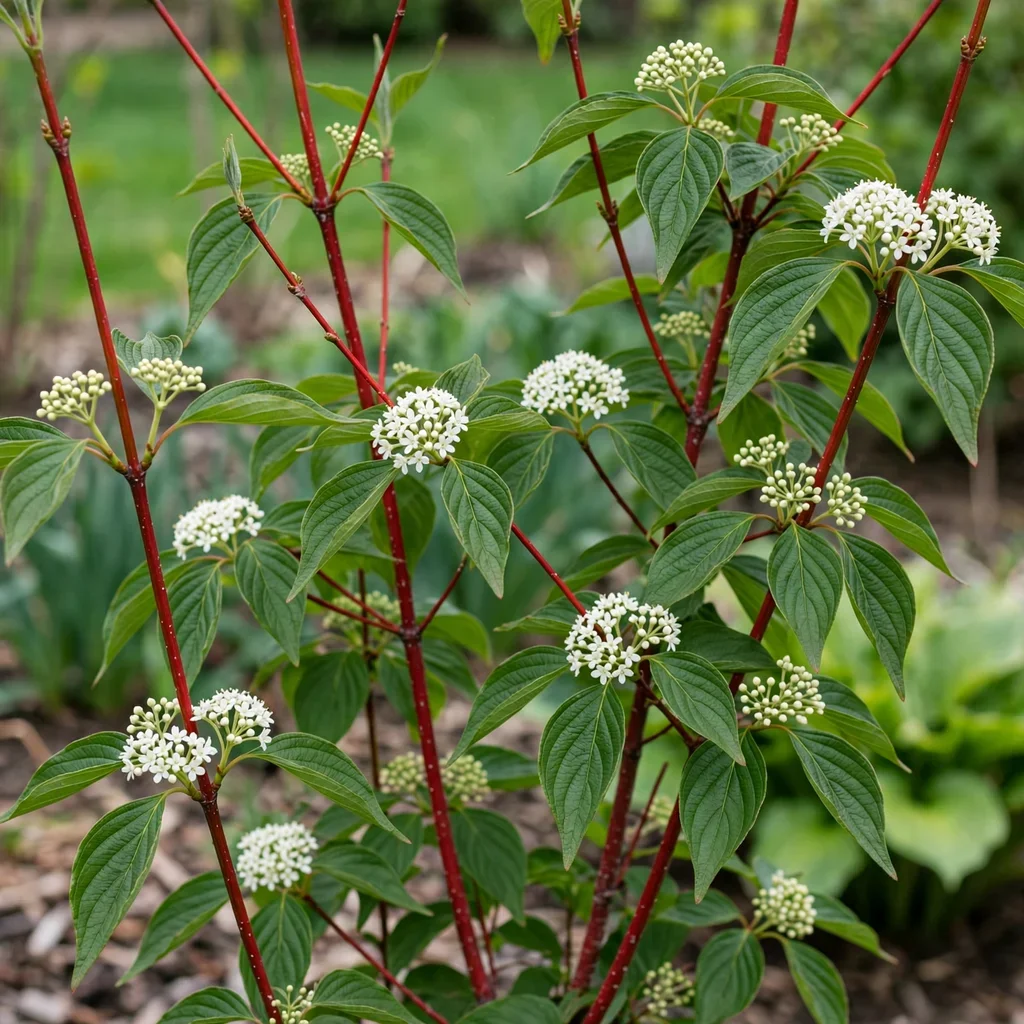
Arctic Fire Red Osier Dogwood
Cornus sericea 'Arctic Fire'
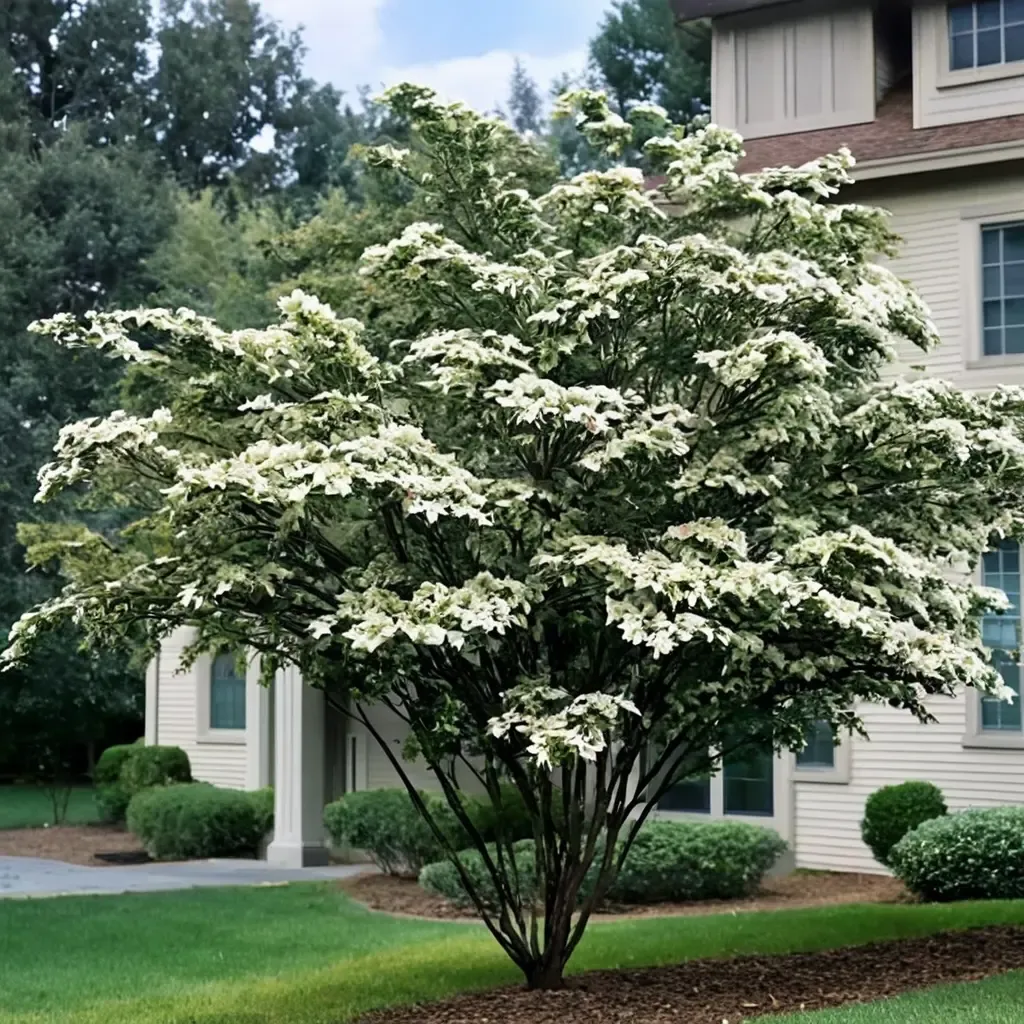
Kousa Dogwood
Cornus kousa
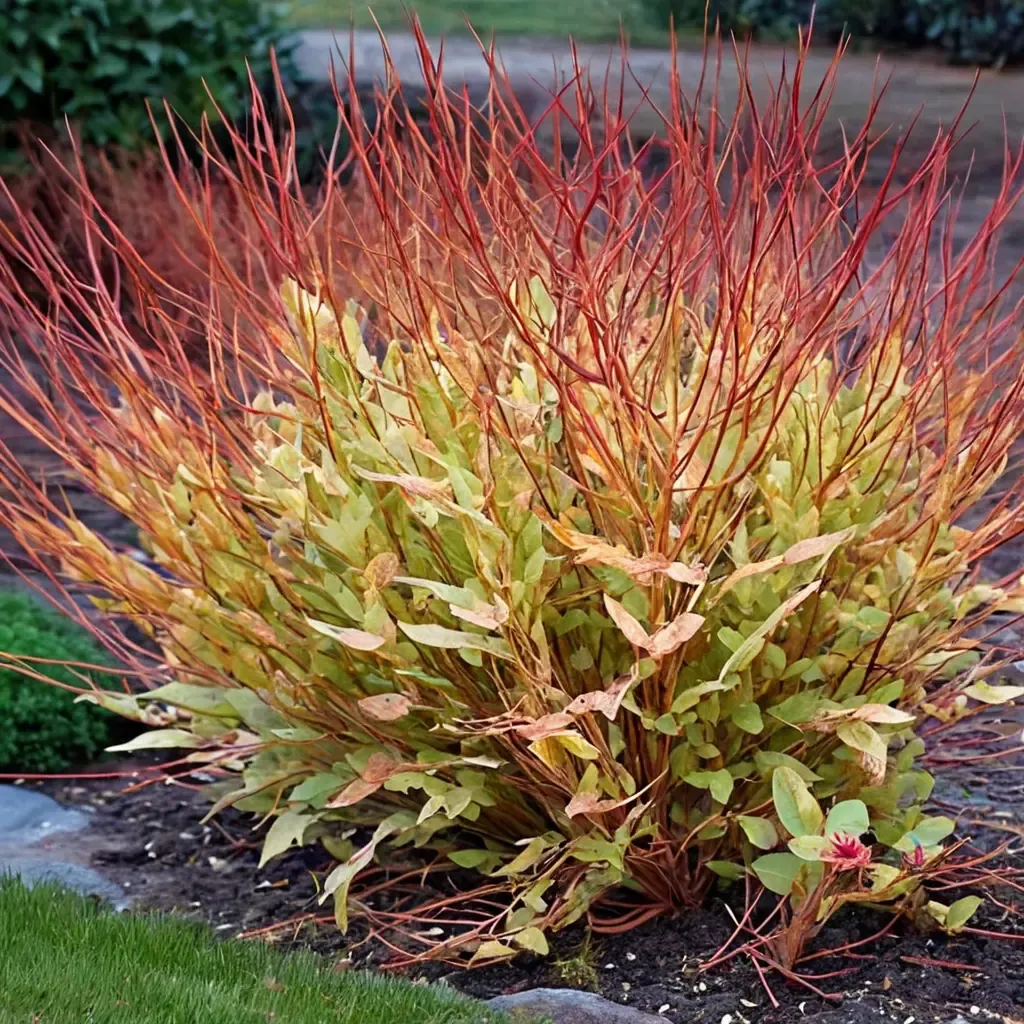
Midwinter Fire Dogwood
Cornus sanguinea 'Midwinter Fire'
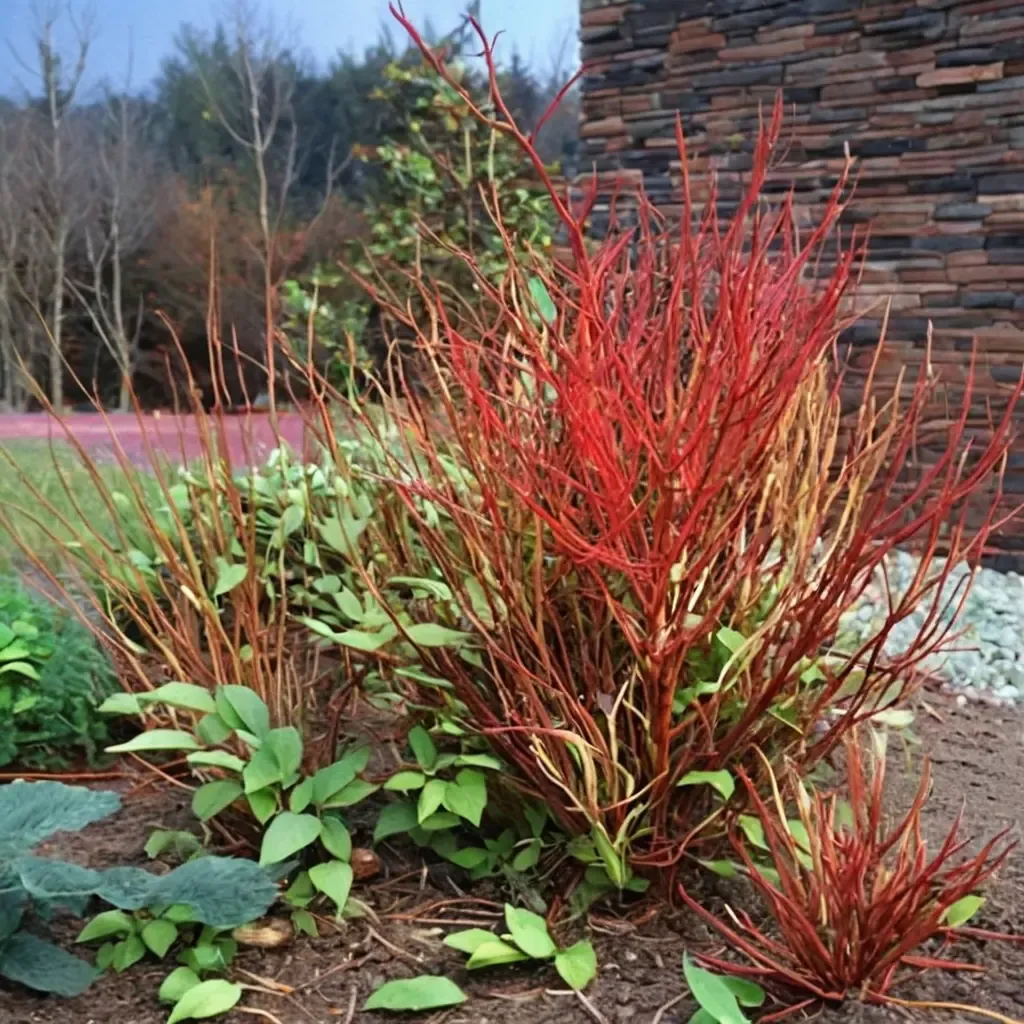
Cardinal Red Osier Dogwood
Cornus sericea 'Cardinal'
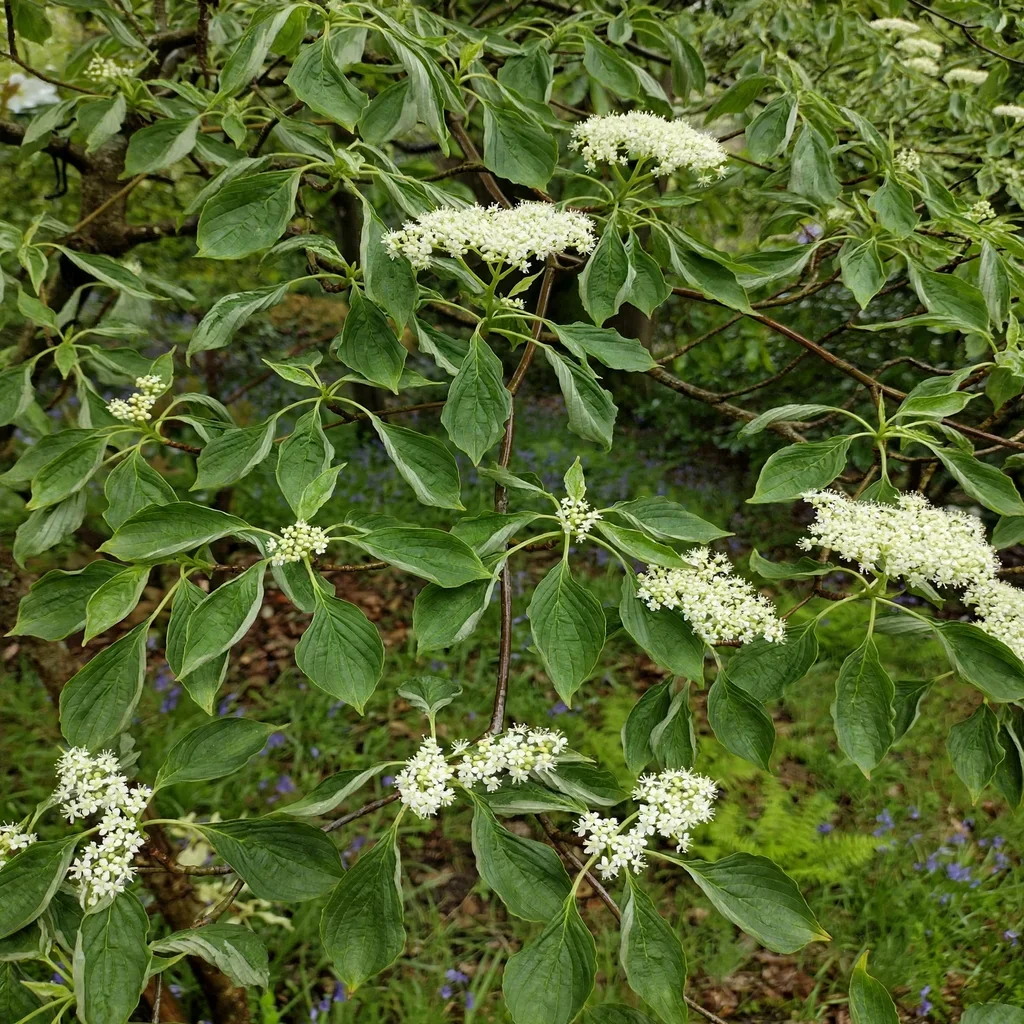
Giant Dogwood
Cornus controversa
Keep exploring
Explore the genus
Hardy in your zone?
Grow Stiff Dogwood with confidence
See it in a design of your actual yard, get zone-matched care reminders, and track it season by season in your garden journal.