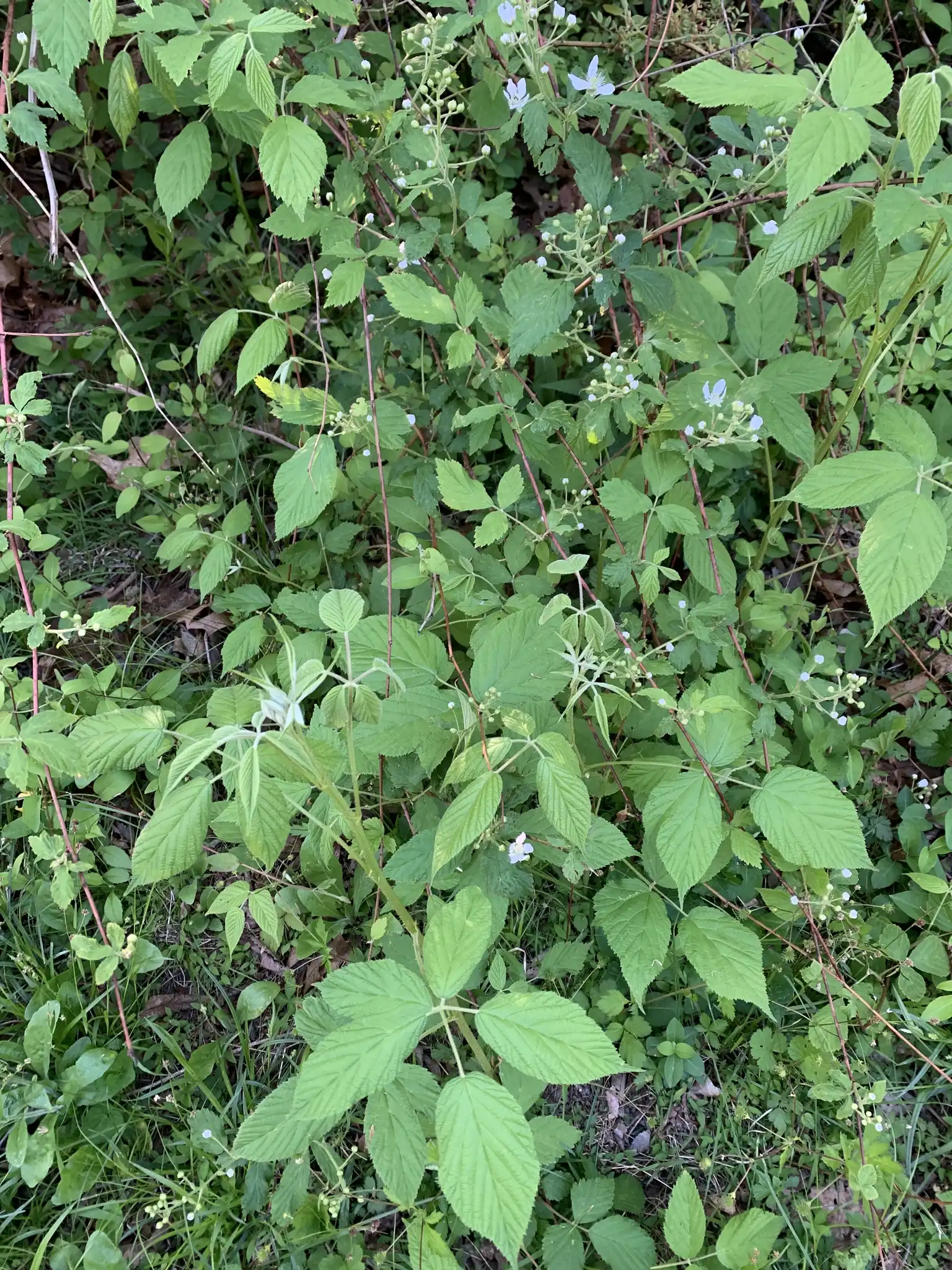
The Story
Plant Bio
Rubus allegheniensis is a multi-stemmed deciduous shrub native to eastern and central North America, reaching up to eight feet tall and forming thickets via root suckers. The biennial canes bear straight, stout prickles and palmately compound leaves, followed by open clusters of white flowers from late spring into midsummer.
This species is distinguished from non-native invasive blackberries by its green leaf undersides and straight prickles rather than white-felted leaf backs and curved hooks. Its heavy crop of summer fruit supplies vital food for songbirds, small mammals, and native pollinators.
Uses & Benefits:
Essentials
At a Glance
Plant Type
Shrub
Height
98"
Width
94"
Light
Full Sun
Zones
4, 5, 6, 7, 8
Water
Moderate
Humidity
Moderate
Lifespan
Perennial
Native To
North America
Toxicity
Non-toxic (thorny)
Bloom period
Late spring – Midsummer
In flower about 3 months of the year
Planting
How to Grow
- Plant in a full-sun site with well-drained, slightly acidic to neutral soil (pH 6.0–6.8).
- Space plants four to six feet apart to accommodate spreading growth from underground root suckers.
- Water deeply during the first growing season until the root system is well established.
- Apply a thin layer of organic mulch around the root zone to retain moisture and suppress weeds.
- Prune out fruited second-year canes to ground level each year after harvest.
Pro Tip
Prune fruited floricanes to the ground immediately after summer harvest, as cutting back young primocanes destroys the following year's berry crop.
Keep It Thriving
Care Guide
Do
- Do prune spent fruiting floricanes to ground level after summer harvest.
- Do ensure soil drains thoroughly to prevent fungal root rot.
- Do wear heavy leather gloves when handling armed canes.
Don't
- Don't prune young green primocanes in early spring, or you will eliminate the fruit crop.
- Don't over-fertilize with high-nitrogen fertilizers, which stimulate excess cane growth over fruit.
- Don't plant in low-lying areas subject to standing water.
Seasonal Care Calendar
| Task | Jan | Feb | Mar | Apr | May | Jun | Jul | Aug | Sep | Oct | Nov | Dec |
|---|---|---|---|---|---|---|---|---|---|---|---|---|
| Fertilize | ||||||||||||
| Harvest | ||||||||||||
| Pest Check | ||||||||||||
| Prune |
Watch Out For
Pests & Diseases
Common Pests
Common Diseases
In the Garden
Landscape Uses & Companions
Landscape Uses
Multiply
Propagation Methods
Good to Know
Common Questions
Allegheny Blackberry questions
What zones can Allegheny Blackberry grow in?
Allegheny Blackberry is hardy in USDA Zones 4–8: in that range it survives winter in the ground. Warmer than Zone 8, winter isn't the problem: it prefers colder winters, and summer heat can shorten its life.
Is Allegheny Blackberry deer resistant?
Not reliably. Deer may browse Allegheny Blackberry, especially tender spring growth — plan on repellents or fencing where pressure is high.
When does Allegheny Blackberry bloom?
Allegheny Blackberry typically blooms from late spring to mid-summer. Exact timing shifts a week or two with your zone — Sow's bloom calendar maps it to your garden.
Does Allegheny Blackberry need full sun?
Allegheny Blackberry does best in full sun (6+ hours).
Is Allegheny Blackberry drought tolerant?
Yes — once established (usually after the first full season), Allegheny Blackberry handles dry spells with minimal watering. Water deeply its first year to build the root system that makes that possible.
More Rubus to compare
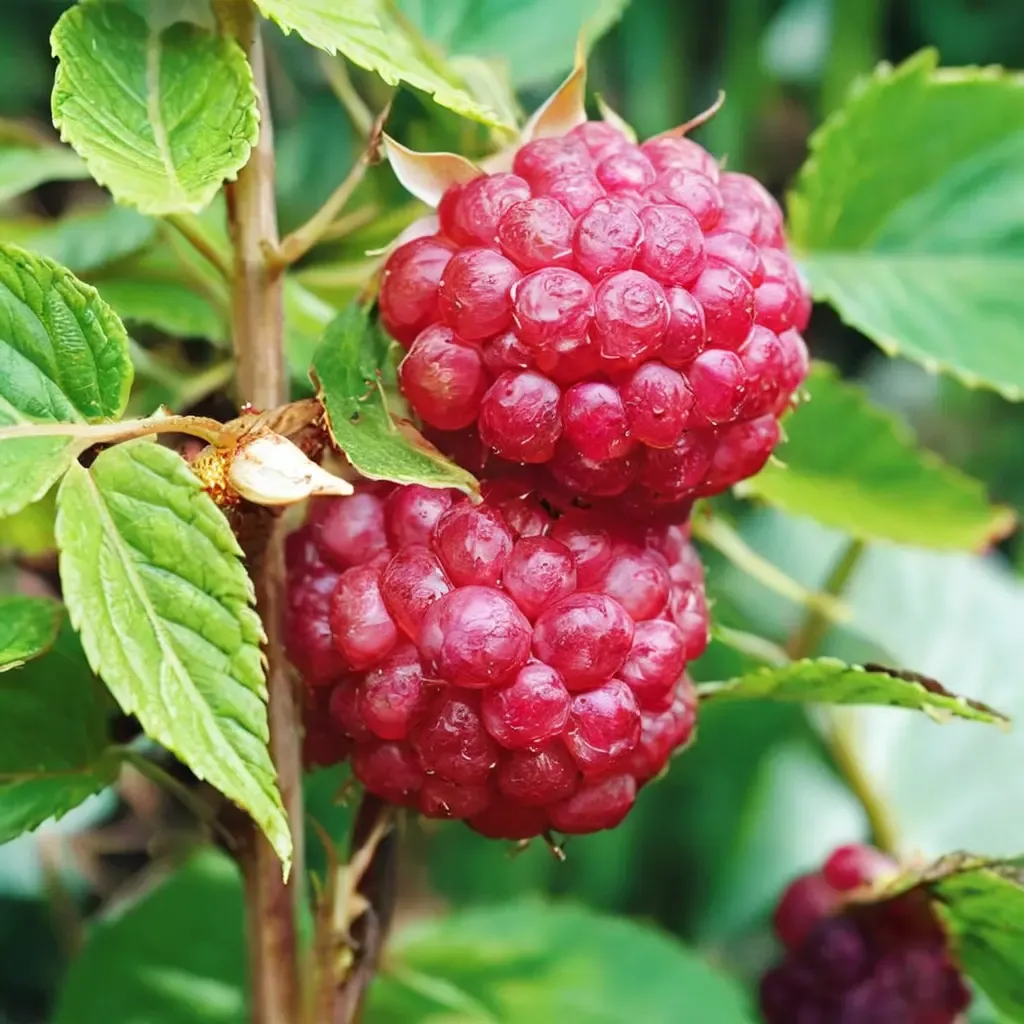
Mammoth Red Raspberry
Rubus idaeus 'Mammoth Red'
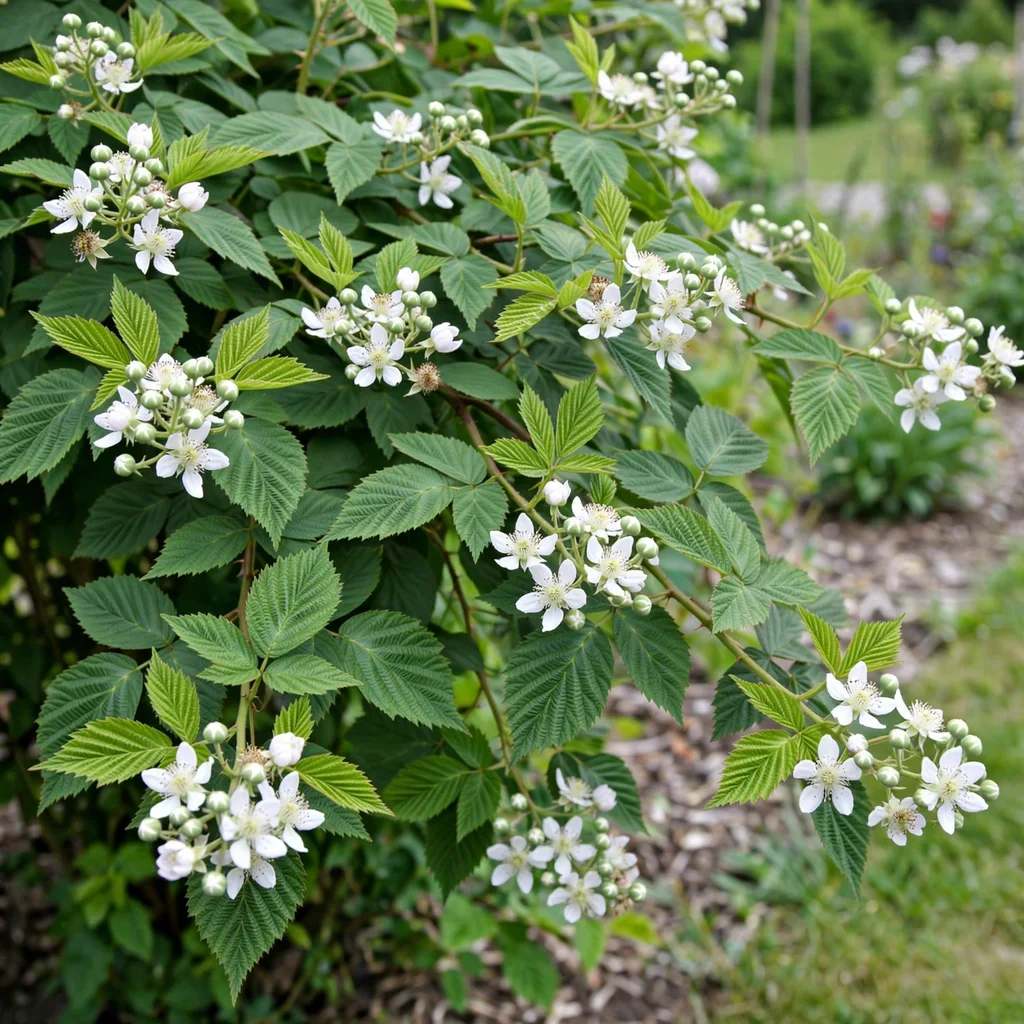
Triple Crown Blackberry
Rubus fruticosus 'Triple Crown'
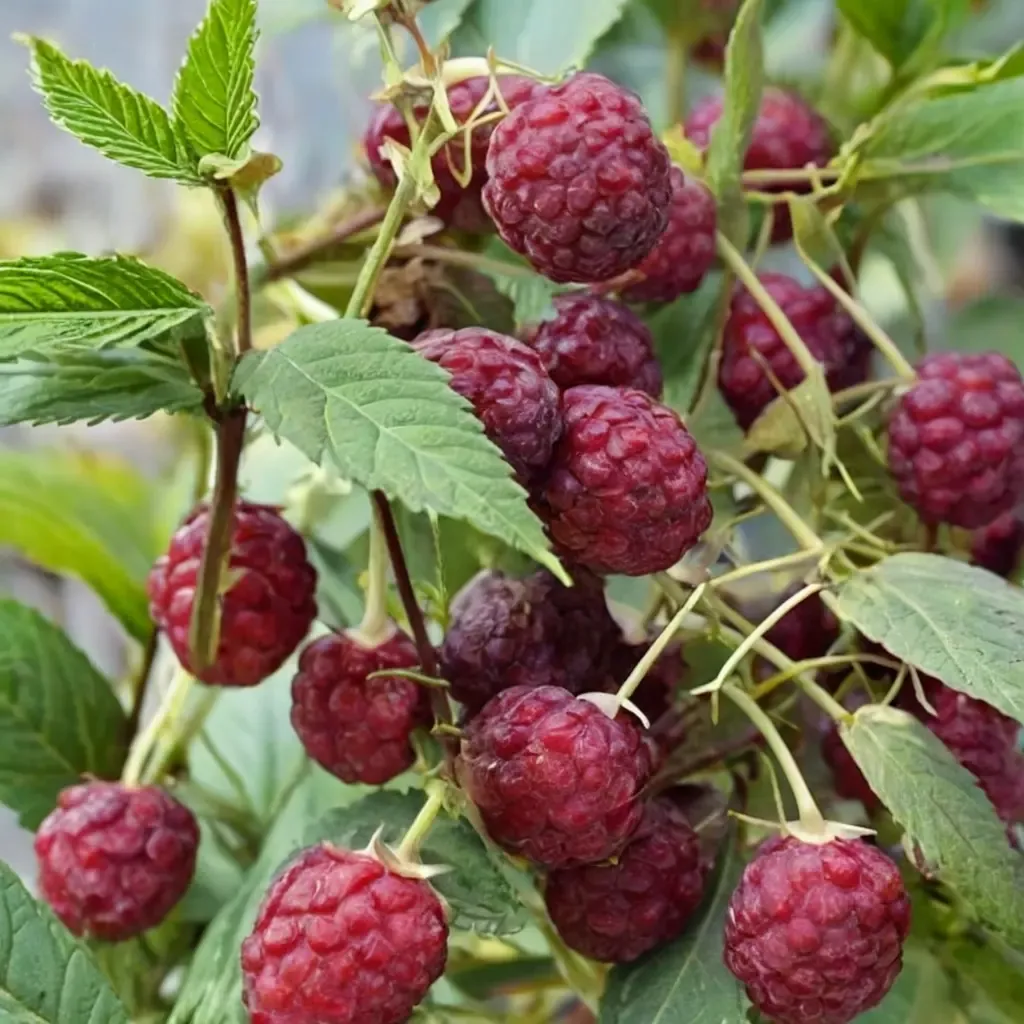
Crimson Night Raspberry
Rubus idaeus 'Crimson Night'
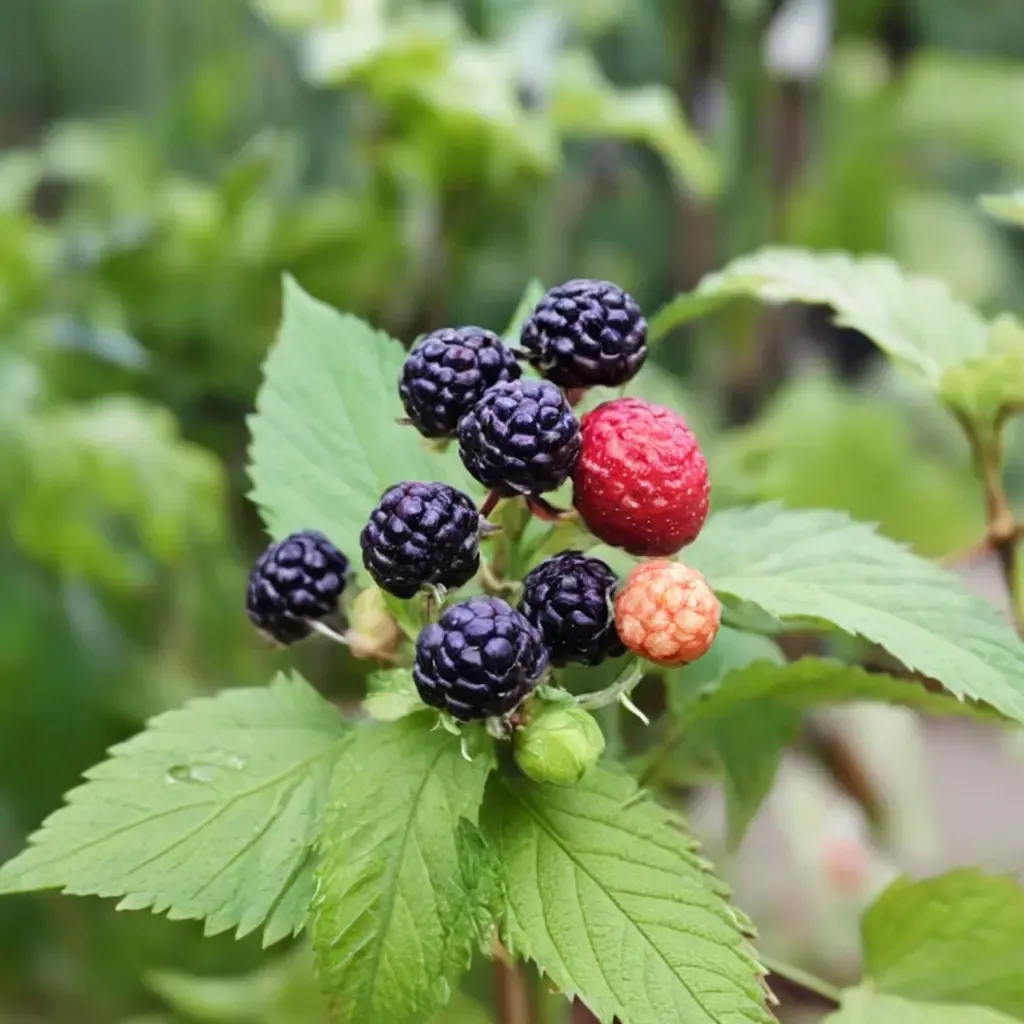
Jewel Black Raspberry
Rubus idaeus 'Jewel'
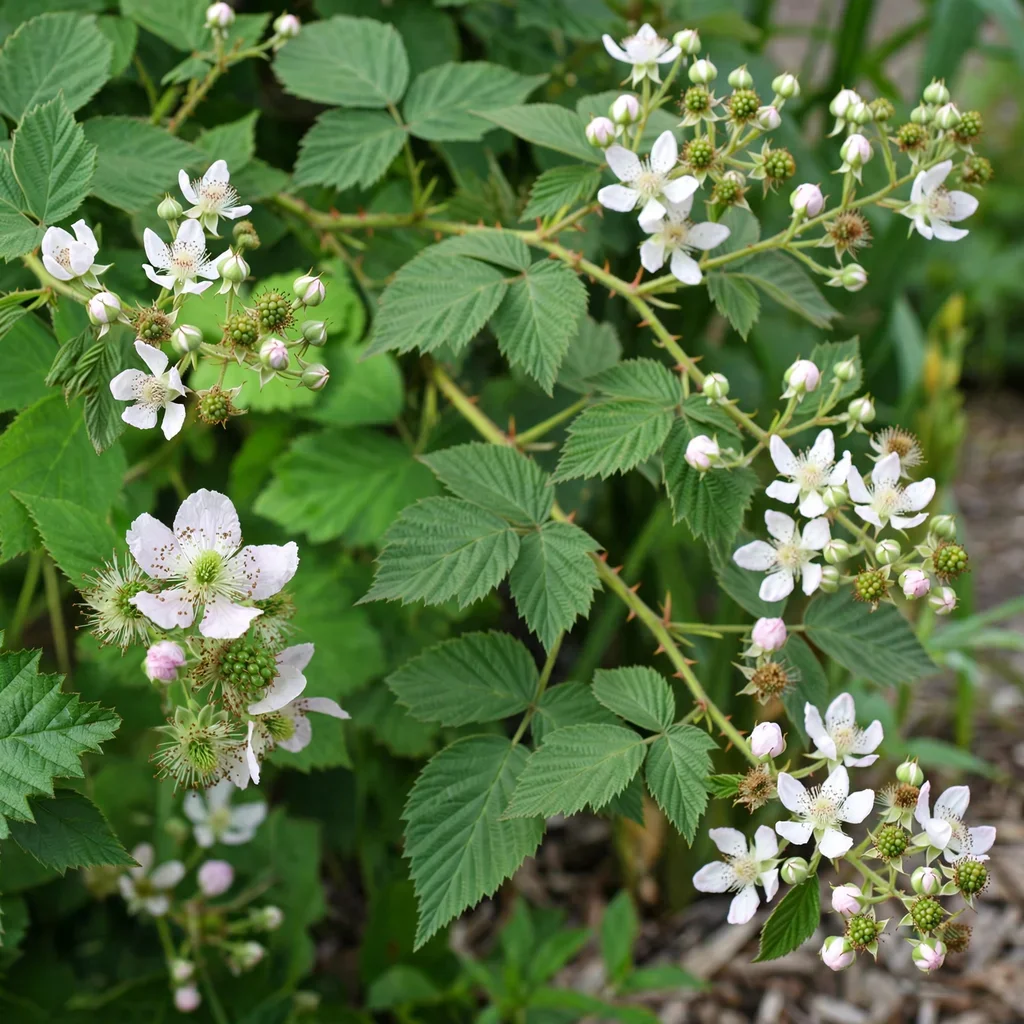
Apache Thornless Blackberry
Rubus fruticosus 'Apache Thornless'
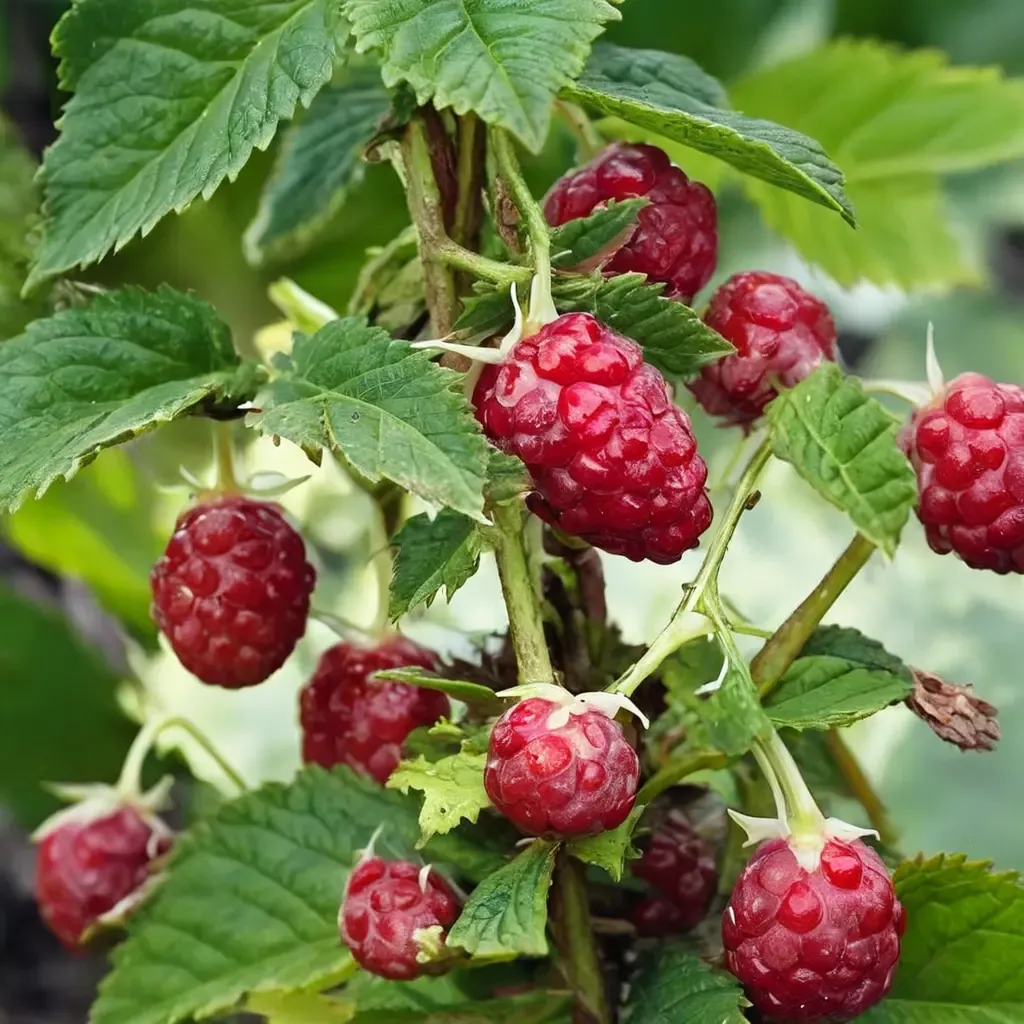
Canby raspberry
Rubus idaeus 'Canby'
Keep exploring
Explore the genus
Hardy in your zone?
Grow Allegheny Blackberry with confidence
See it in a design of your actual yard, get zone-matched care reminders, and track it season by season in your garden journal.