The Story
Plant Bio
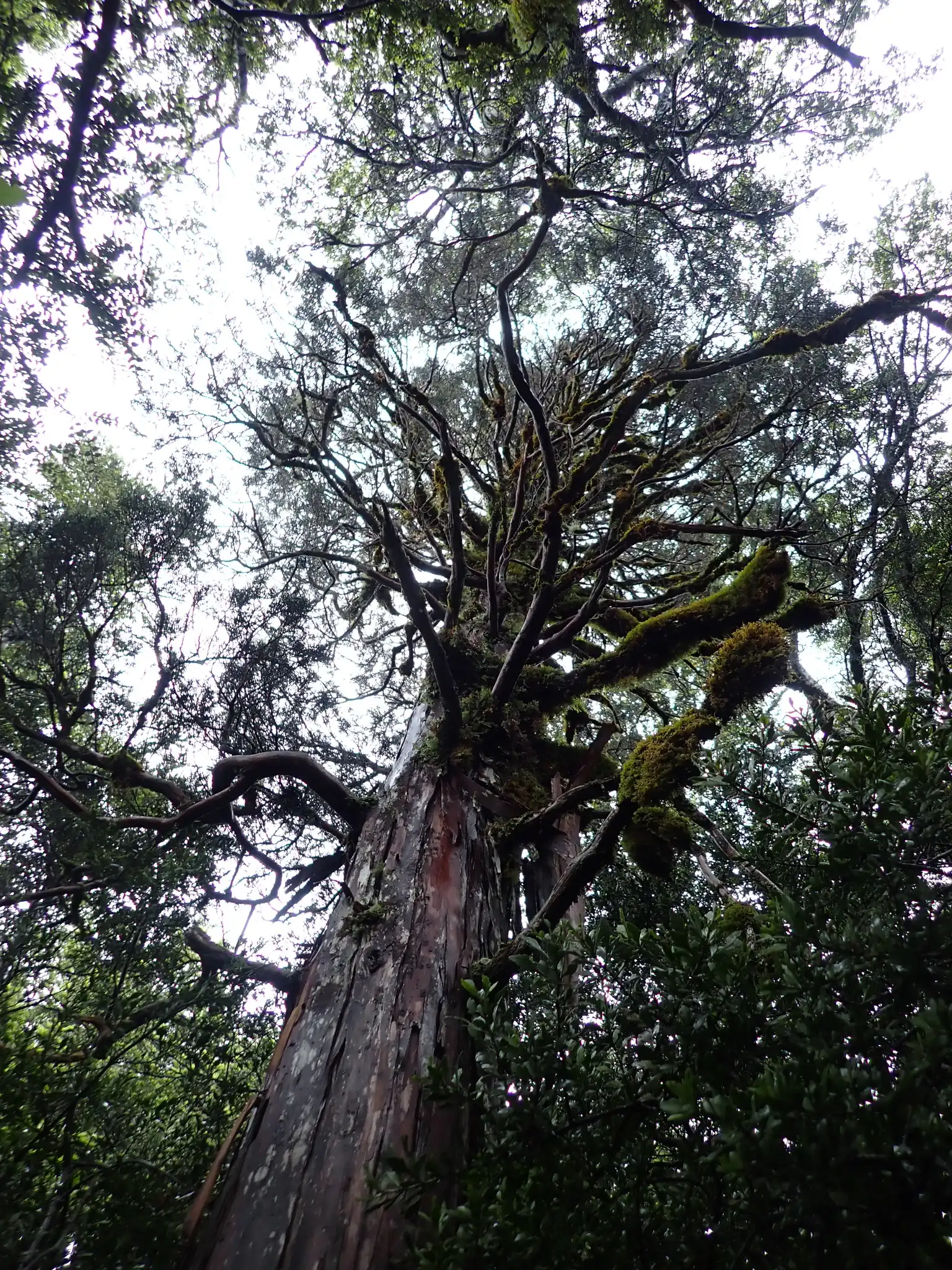
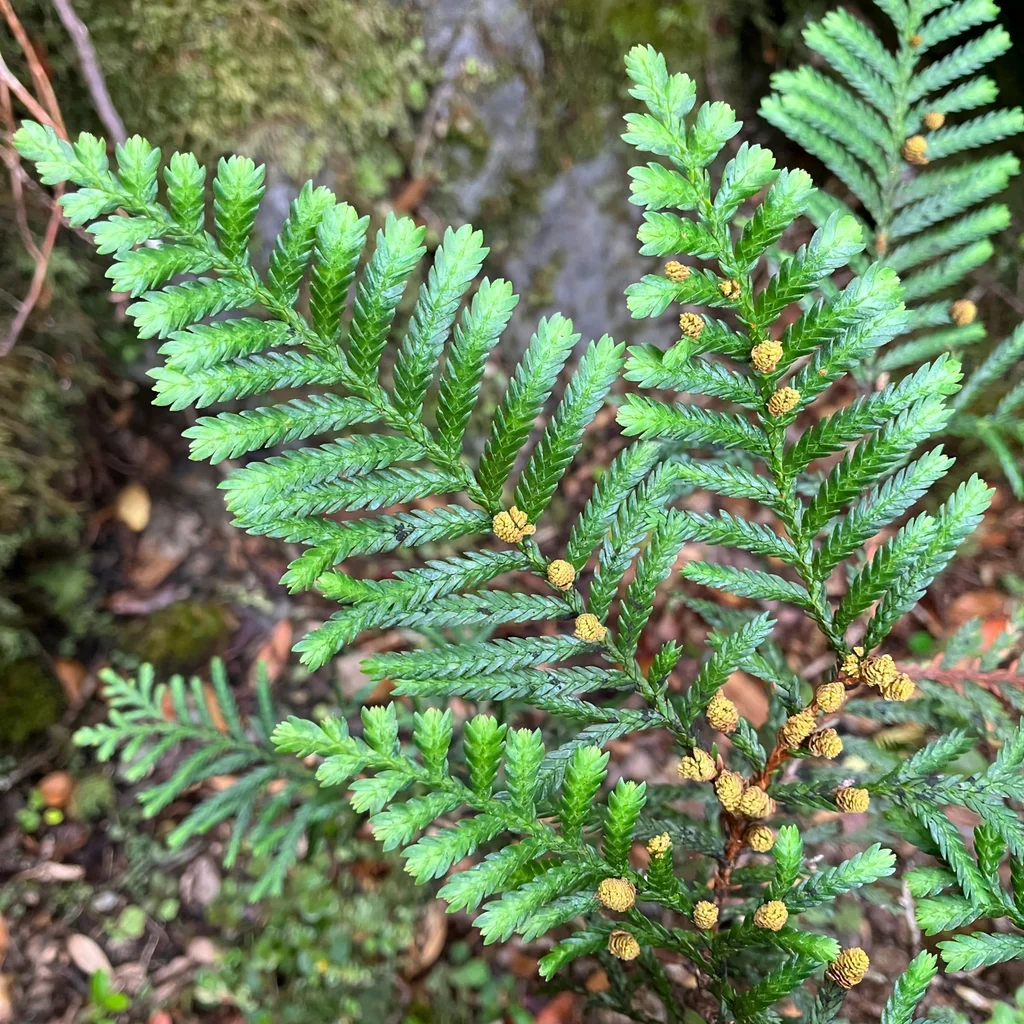
Libocedrus bidwillii is an evergreen conifer native to cool montane and subalpine forests of New Zealand, developing a narrow fastigiate habit when young before maturing into a tall tree with horizontally spreading branches. The dark green branchlets bear tiny scale-like appressed leaves with whitish stomatal bands underneath, producing small inconspicuous strobili that ripen into pale brown seed cones.
This species transitions from flattened foliage sprays on juvenile trees to distinctive four-angled, quadrangular branchlets on mature specimens. It demands cool ambient temperatures with constant root moisture and sharp drainage, declining rapidly if exposed to hot, dry summer air.
Uses & Benefits:
Essentials
At a Glance
Plant Type
Tree
Height
591"
Width
197"
Light
Full Sun, Partial Sun
Zones
8, 9
Water
Moderate to High
Humidity
Low Tolerance for High Heat/Humidity
Lifespan
Perennial
Native To
New Zealand
Toxicity
Non-toxic
Bloom period
Late spring – Mid summer
In flower about 3 months of the year
Planting
How to Grow
- Choose a site offering full sun to light partial shade in a cool, high-rainfall microclimate.
- Prepare a deep, organic-rich soil mix with acidic to neutral pH and excellent drainage.
- Plant the root ball level with the surrounding soil grade to prevent crown rot.
- Apply a 3-inch layer of organic mulch around the base, keeping it clear of the trunk.
- Water regularly throughout active growth to keep the root zone evenly moist.
Pro Tip
Site in a cool-summer maritime climate in deep organic soil with exceptional drainage, and never cut into old bare wood during maintenance.
Keep It Thriving
Care Guide
Do
- Keep soil consistently moist around the root system.
- Mulch heavily to insulate roots from ambient heat.
- Plant in locations sheltered from dry, hot winds.
Don't
- Do not prune hard into brown, leafless wood.
- Do not plant in heavy, waterlogged clay soils.
- Do not allow the root zone to dry out completely.
Seasonal Care Calendar
| Task | Jan | Feb | Mar | Apr | May | Jun | Jul | Aug | Sep | Oct | Nov | Dec |
|---|---|---|---|---|---|---|---|---|---|---|---|---|
| Fertilize | ||||||||||||
| Mulch | ||||||||||||
| Pest Check | ||||||||||||
| Prune |
Watch Out For
Pests & Diseases
Common Pests
Common Diseases
In the Garden
Landscape Uses & Companions
Landscape Uses
Multiply
Propagation Methods
Good to Know
Common Questions
Pāhautea questions
What zones can Pāhautea grow in?
Pāhautea is hardy in USDA Zones 8–9: in that range it survives winter in the ground. Colder than Zone 8, winters are too cold for it to survive outdoors. Warmer than Zone 9, winter isn't the problem: it prefers colder winters, and summer heat can shorten its life.
Is Pāhautea deer resistant?
Not reliably. Deer may browse Pāhautea, especially tender spring growth — plan on repellents or fencing where pressure is high.
When does Pāhautea bloom?
Pāhautea typically blooms from late spring to mid-summer. Exact timing shifts a week or two with your zone — Sow's bloom calendar maps it to your garden.
Does Pāhautea need full sun?
Pāhautea does best in full sun to part shade. In hot climates, afternoon shade keeps blooms fresher longer.
More Libocedrus to compare
Keep exploring
Explore the genus
Hardy in your zone?
Grow Pāhautea with confidence
See it in a design of your actual yard, get zone-matched care reminders, and track it season by season in your garden journal.