The Story
Plant Bio
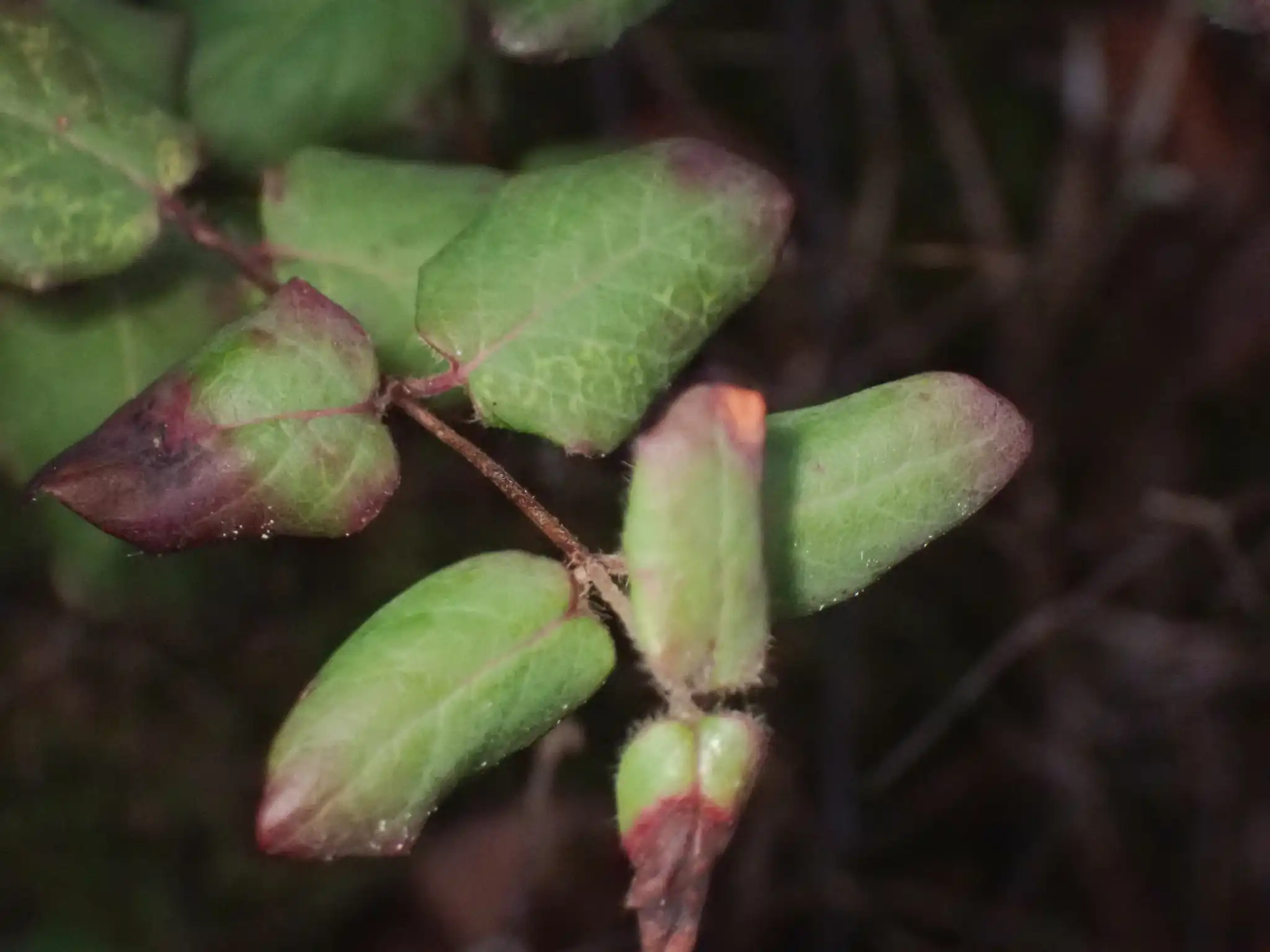
Lonicera hispidula, commonly known as pink honeysuckle, is a woody climbing vine or sprawling shrub native to western North America. It produces oval, bluish-green leaves with hairy undersides, where the uppermost leaf pair fuses entirely around the stem beneath the flower clusters.
The two-lipped, tubular pink to rose-magenta flowers bloom in clusters from late spring into summer, followed by bright red translucent berries. Its twining stems readily scramble over arbors or neighboring foliage without smothering host plants.
Uses & Benefits:
Essentials
At a Glance
Plant Type
Vine
Height
240"
Width
216"
Light
Full Sun, Partial Sun, Shade
Zones
8, 9, 10
Water
Low to moderate
Humidity
Moderate
Lifespan
Perennial
Native To
Western North America
Toxicity
Mildly toxic if ingested
Bloom period
Late spring – Summer
In flower about 4 months of the year
Planting
How to Grow
- Select a site in full sun to shade with well-draining soil.
- Provide a trellis, fence, or sturdy shrub host for twining branches to climb.
- Water regularly during the first growing season until the root system is established.
- Apply a light layer of organic mulch around the base to retain soil moisture.
Pro Tip
Prune lightly in late winter or immediately after flowering to shape growth; avoid cutting hard into old, leafless wood as re-sprouting from bare stems is unreliable.
Keep It Thriving
Care Guide
Do
- Provide a support structure for climbing stems.
- Prune lightly after blooming to manage height and size.
- Ensure well-draining conditions to prevent root issues.
Don't
- Do not hard-prune back to old leafless stems.
- Do not over-fertilize, as excess nitrogen reduces flowering.
- Do not allow soil to stay waterlogged.
Seasonal Care Calendar
| Task | Jan | Feb | Mar | Apr | May | Jun | Jul | Aug | Sep | Oct | Nov | Dec |
|---|---|---|---|---|---|---|---|---|---|---|---|---|
| Mulch | ||||||||||||
| Pest Check | ||||||||||||
| Plant | ||||||||||||
| Prune |
Watch Out For
Pests & Diseases
Common Pests
Common Diseases
In the Garden
Landscape Uses & Companions
Landscape Uses
Companion Plants
Multiply
Propagation Methods
Good to Know
Common Questions
Pink Honeysuckle questions
What zones can Pink Honeysuckle grow in?
Pink Honeysuckle is hardy in USDA Zones 8–10: in that range it survives winter in the ground. Colder than Zone 8, grow it in a container you can move to shelter for the winter, or as an annual.
Is Pink Honeysuckle deer resistant?
Not reliably. Deer may browse Pink Honeysuckle, especially tender spring growth — plan on repellents or fencing where pressure is high.
When does Pink Honeysuckle bloom?
Pink Honeysuckle typically blooms from late spring to late summer. Exact timing shifts a week or two with your zone — Sow's bloom calendar maps it to your garden.
Does Pink Honeysuckle need full sun?
Pink Honeysuckle does best in full sun to part shade. In hot climates, afternoon shade keeps blooms fresher longer.
Is Pink Honeysuckle drought tolerant?
Yes — once established (usually after the first full season), Pink Honeysuckle handles dry spells with minimal watering. Water deeply its first year to build the root system that makes that possible.
More Lonicera to compare
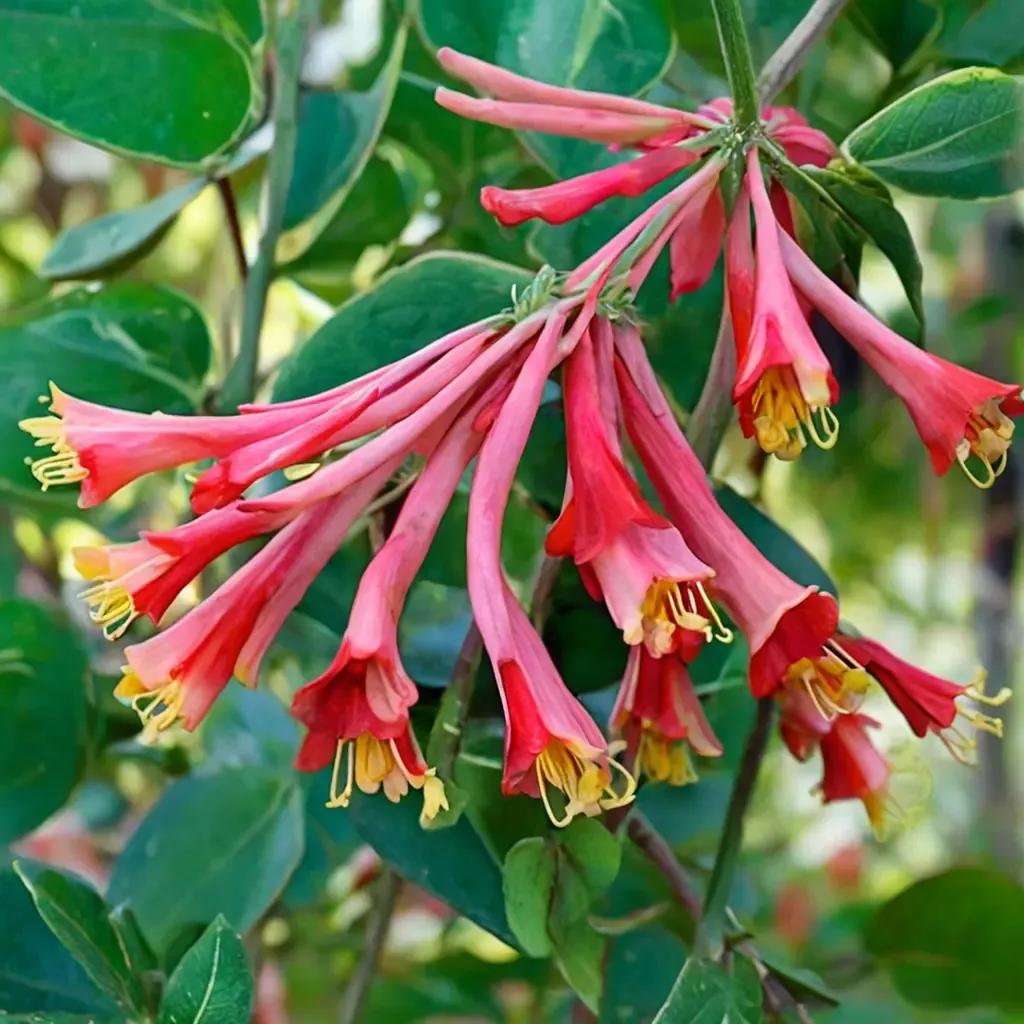
Coral Honeysuckle
Lonicera sempervirens 'Coral Honeysuckle'
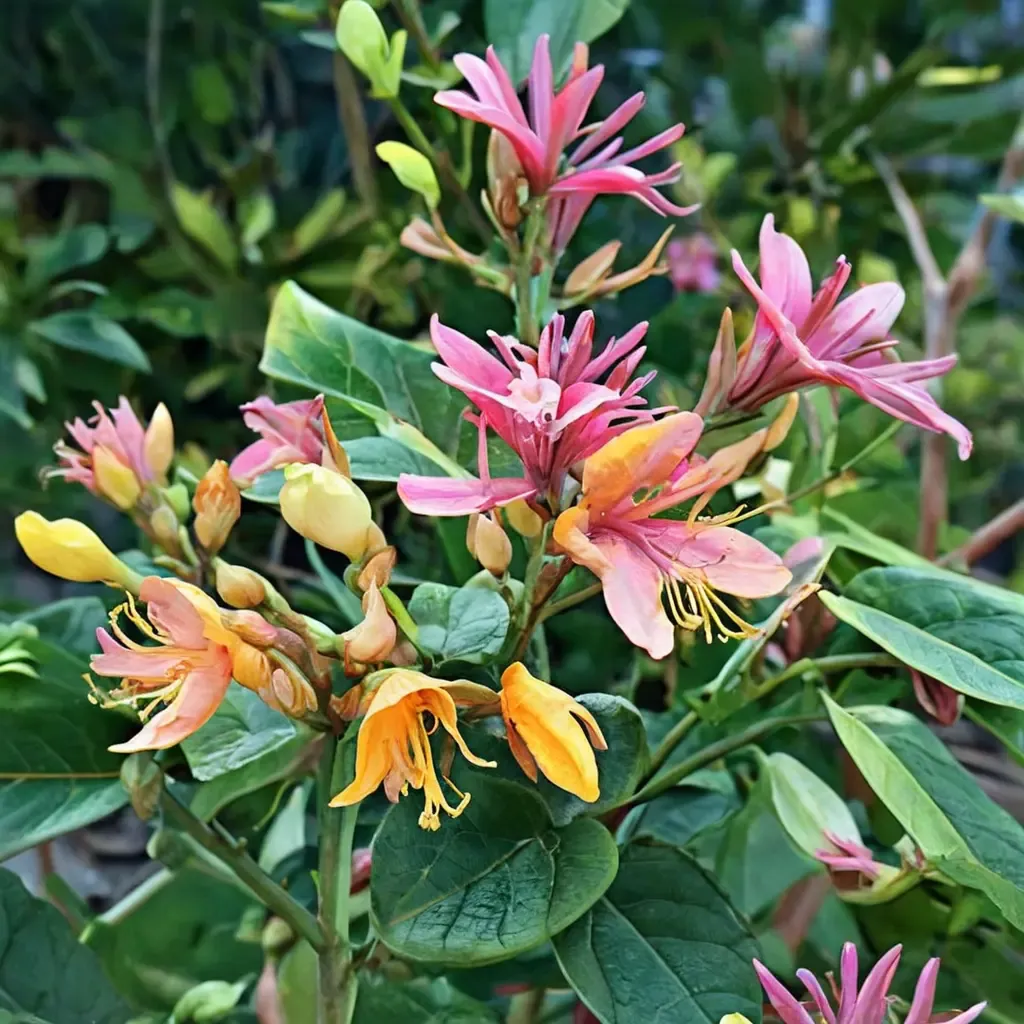
Goldflame Honeysuckle
Lonicera x heckrottii 'Goldflame'
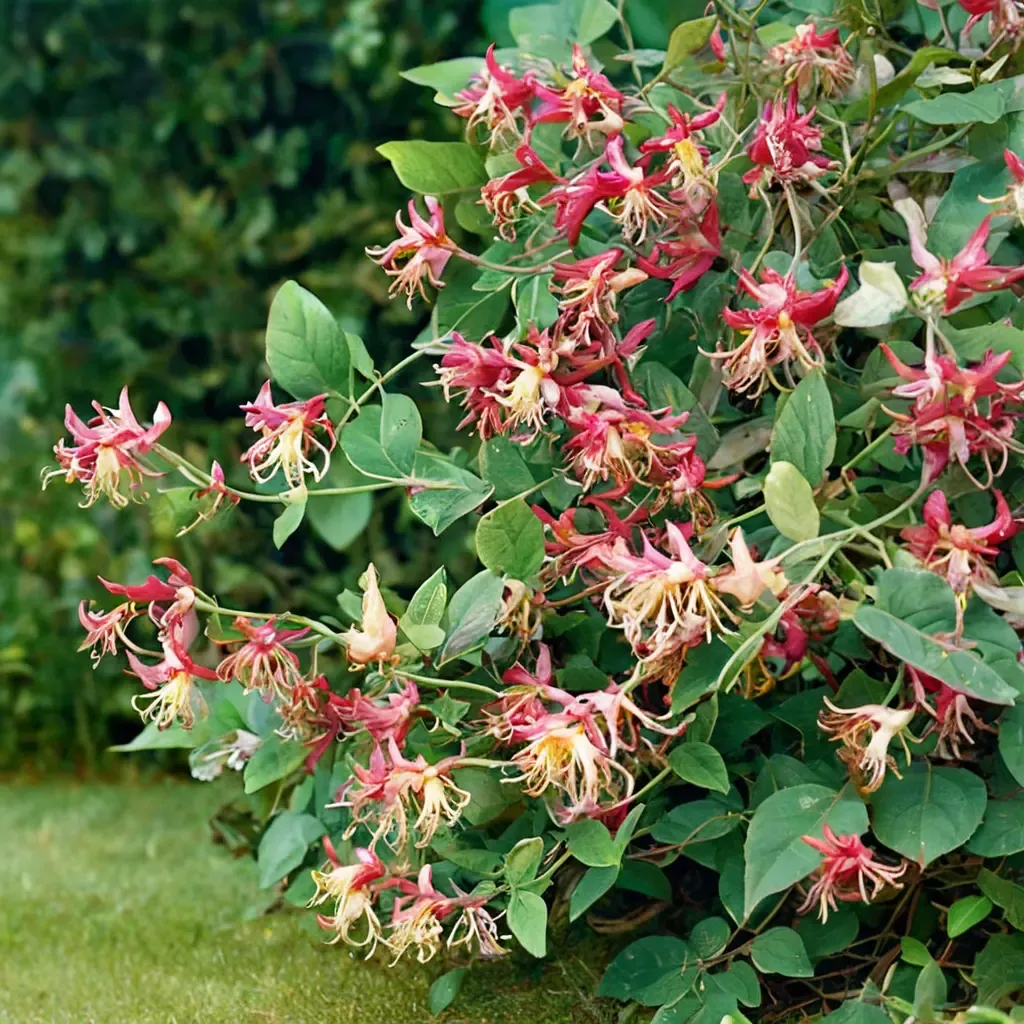
Late Dutch Honeysuckle
Lonicera serotina
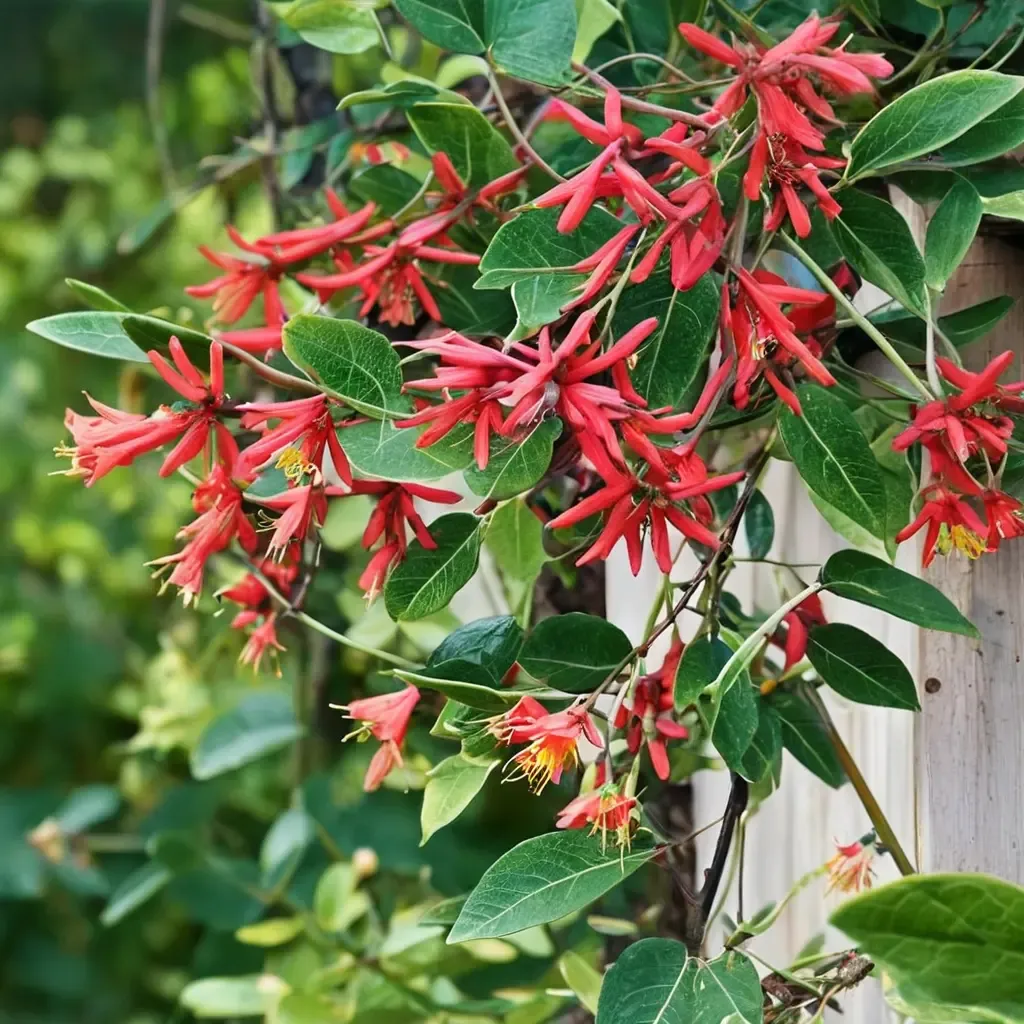
Major Wheeler honeysuckle
Lonicera sempervirens 'Major Wheeler'
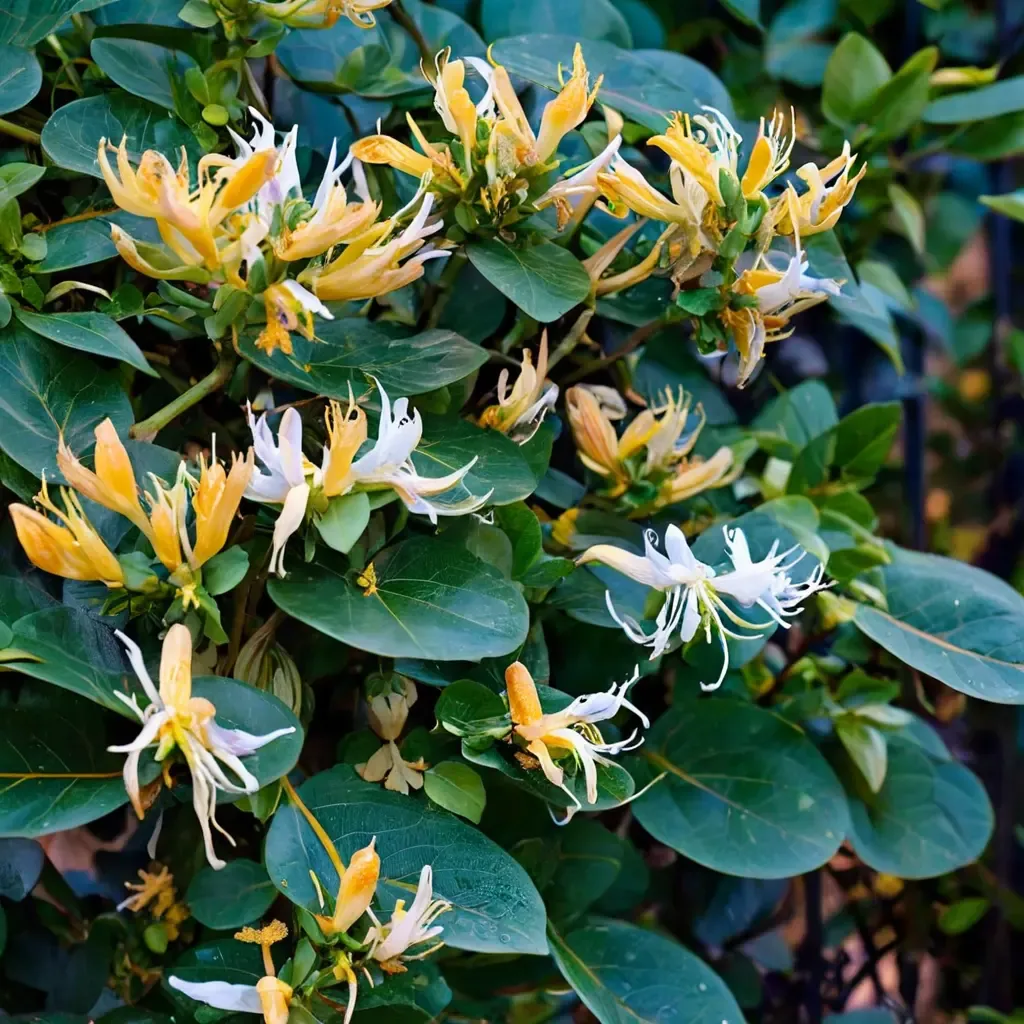
Japanese Honeysuckle
Lonicera japonica
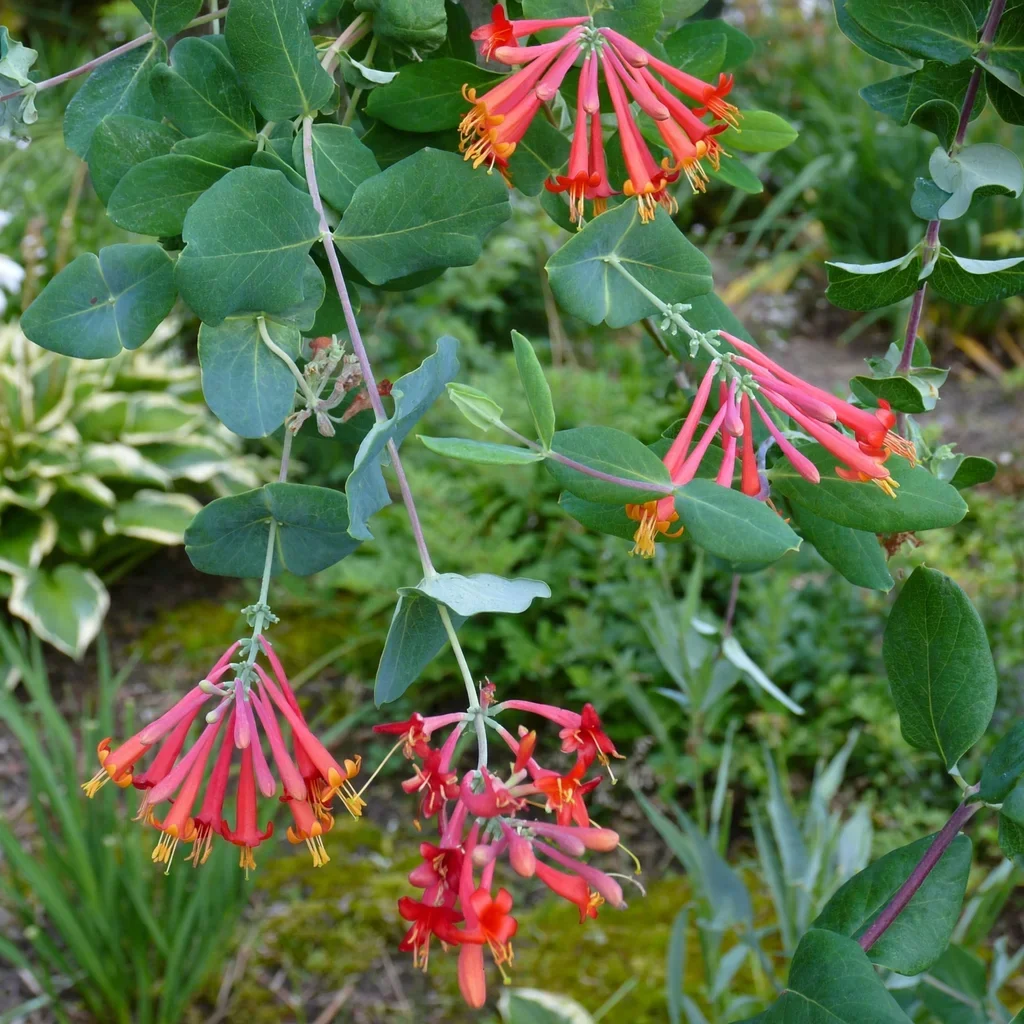
Trumpet Honeysuckle
Lonicera sempervirens
Keep exploring
Explore the genus
Hardy in your zone?
Grow Pink Honeysuckle with confidence
See it in a design of your actual yard, get zone-matched care reminders, and track it season by season in your garden journal.