The Story
Plant Bio
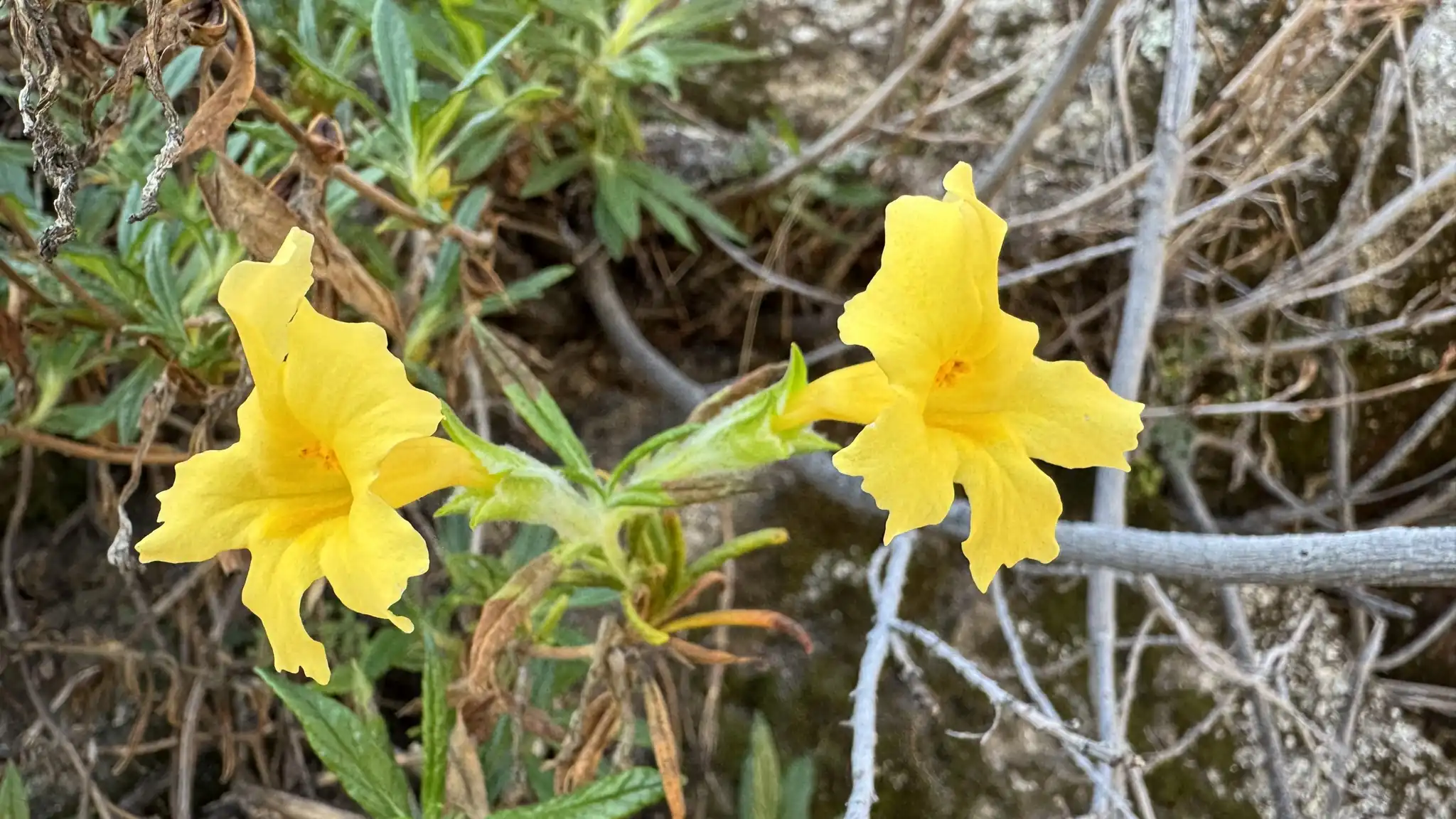
Diplacus calycinus is a woody erect shrub reaching two to three feet tall and at least as wide, with narrow elliptic serrate leaves that are glandular-hairy and roll under at the margins in dry heat. The flowers are large pale yellow to butter-yellow trumpets with a twenty to thirty millimeter limb borne above long twenty-eight to forty millimeter calyces.
It is the Sierran rock monkeyflower of granite outcrops, boulders and rocky washes at seven hundred to twenty-two hundred meters, centered on the Fresno, Kern and Tulare drainages with the type from Tulare County. It separates from the coastal Diplacus longiflorus by its inland allopatric range and its creamy to butter-yellow flowers carried in full sun among rock.
Uses & Benefits:
Essentials
At a Glance
Plant Type
Shrub
Height
36"
Width
36"
Light
Full Sun, Partial Sun
Zones
7, 8, 9, 10
Water
Low
Humidity
Unknown
Lifespan
Woody perennial shrub
Native To
California, USA
Toxicity
Unknown
Bloom period
Late spring – Summer
In flower about 4 months of the year
Planting
How to Grow
- Plant in full sun to light shade in rocky fast-draining soil with the crown slightly above grade.
- Water deeply at planting, then give occasional deep summer water once established, allowing soil to dry between waterings.
- Top-dress with gravel to keep the crown dry and avoid organic mulches that hold winter wet.
- Pinch back in fall after flowering to encourage dense new growth.
Pro Tip
Plant it high in rocky fast-draining soil in full sun and water deeply but infrequently through summer once established; pinch back in fall to keep the wood dense and floriferous.
Keep It Thriving
Care Guide
Do
- Give full sun and sharp drainage on slopes or in rock crevices.
- Water occasionally in summer drought once established.
- Pinch back in fall to maintain dense branching.
Don't
- Do not plant in heavy clay or poorly drained soil.
- Do not overwater or keep the crown constantly wet.
- Do not enrich soil heavily or crowd where air circulation is poor.
Seasonal Care Calendar
| Task | Jan | Feb | Mar | Apr | May | Jun | Jul | Aug | Sep | Oct | Nov | Dec |
|---|---|---|---|---|---|---|---|---|---|---|---|---|
| Mulch | ||||||||||||
| Pest Check | ||||||||||||
| Pinch | ||||||||||||
| Plant |
Watch Out For
Pests & Diseases
Common Pests
Common Diseases
In the Garden
Landscape Uses & Companions
Landscape Uses
Multiply
Propagation Methods
Good to Know
Common Questions
Rock Bush Monkeyflower questions
What zones can Rock Bush Monkeyflower grow in?
Rock Bush Monkeyflower is hardy in USDA Zones 7–10: in that range it survives winter in the ground. Colder than Zone 7, grow it in a container you can move to shelter for the winter.
Is Rock Bush Monkeyflower deer resistant?
Yes — Rock Bush Monkeyflower is rated deer-resistant. Deer typically pass it over, though extreme hunger can override any plant's defenses.
When does Rock Bush Monkeyflower bloom?
Rock Bush Monkeyflower typically blooms from late spring to late summer. Exact timing shifts a week or two with your zone — Sow's bloom calendar maps it to your garden.
Does Rock Bush Monkeyflower need full sun?
Rock Bush Monkeyflower does best in full sun to part shade. In hot climates, afternoon shade keeps blooms fresher longer.
Is Rock Bush Monkeyflower drought tolerant?
Yes — once established (usually after the first full season), Rock Bush Monkeyflower handles dry spells with minimal watering. Water deeply its first year to build the root system that makes that possible.
More Diplacus to compare
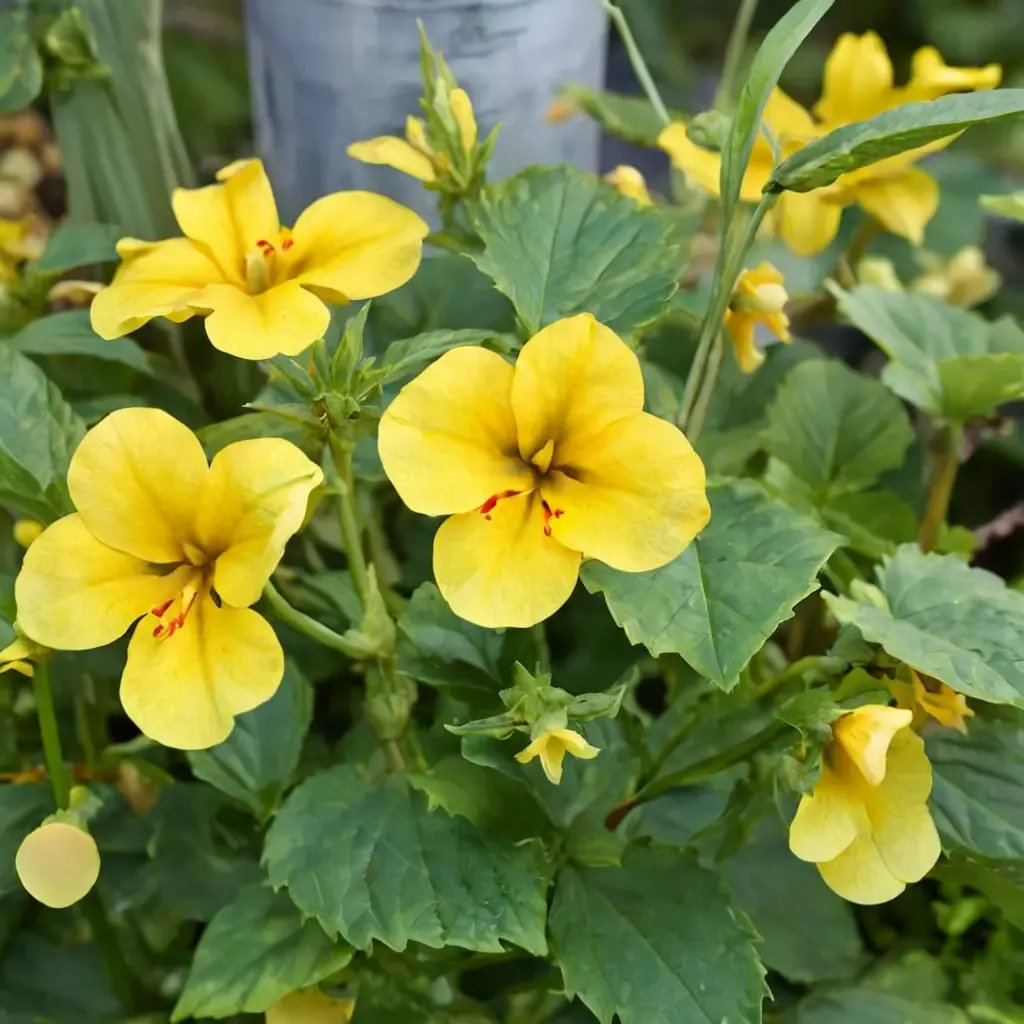
Pamela Monkey Flower
Diplacus aurantiacus 'Pamela'
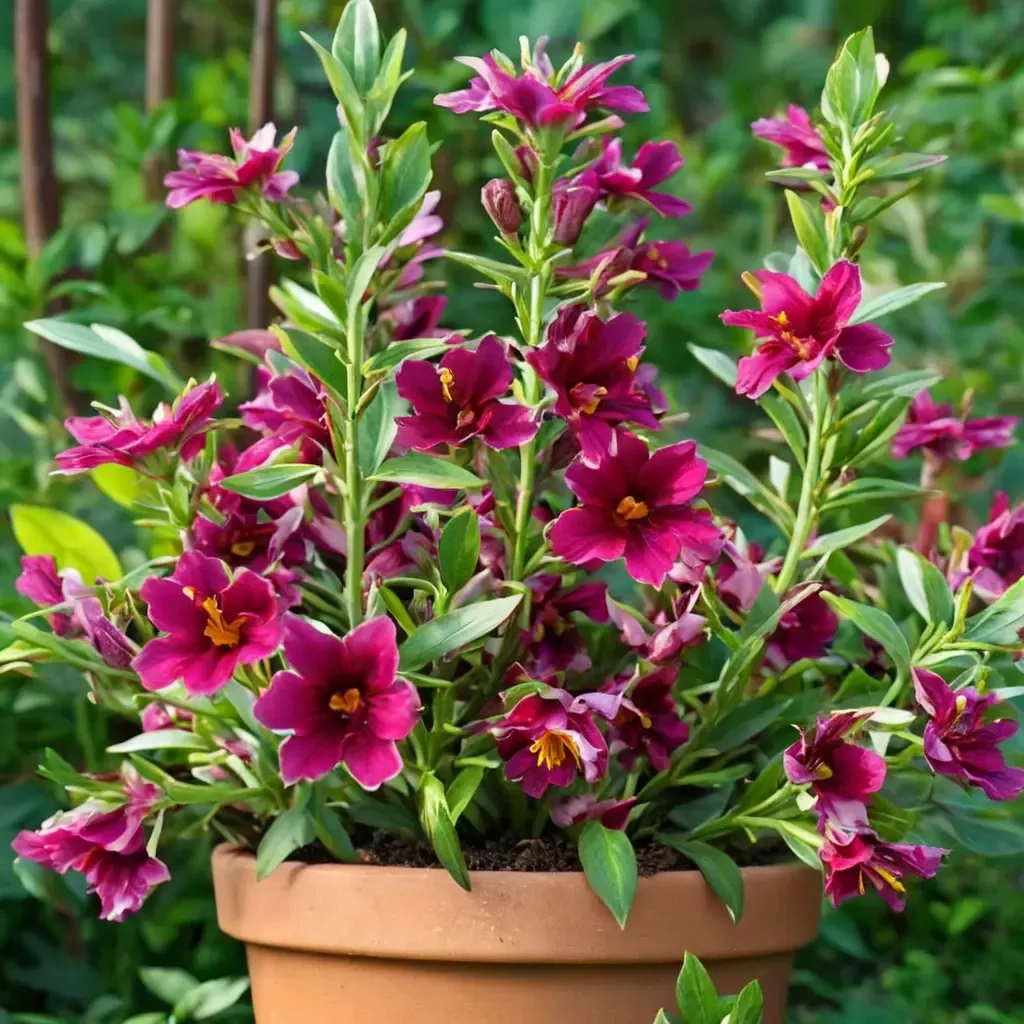
Jelly Bean Betabel Monkey Flower
Diplacus x hybrida 'Jelly Bean Betabel'
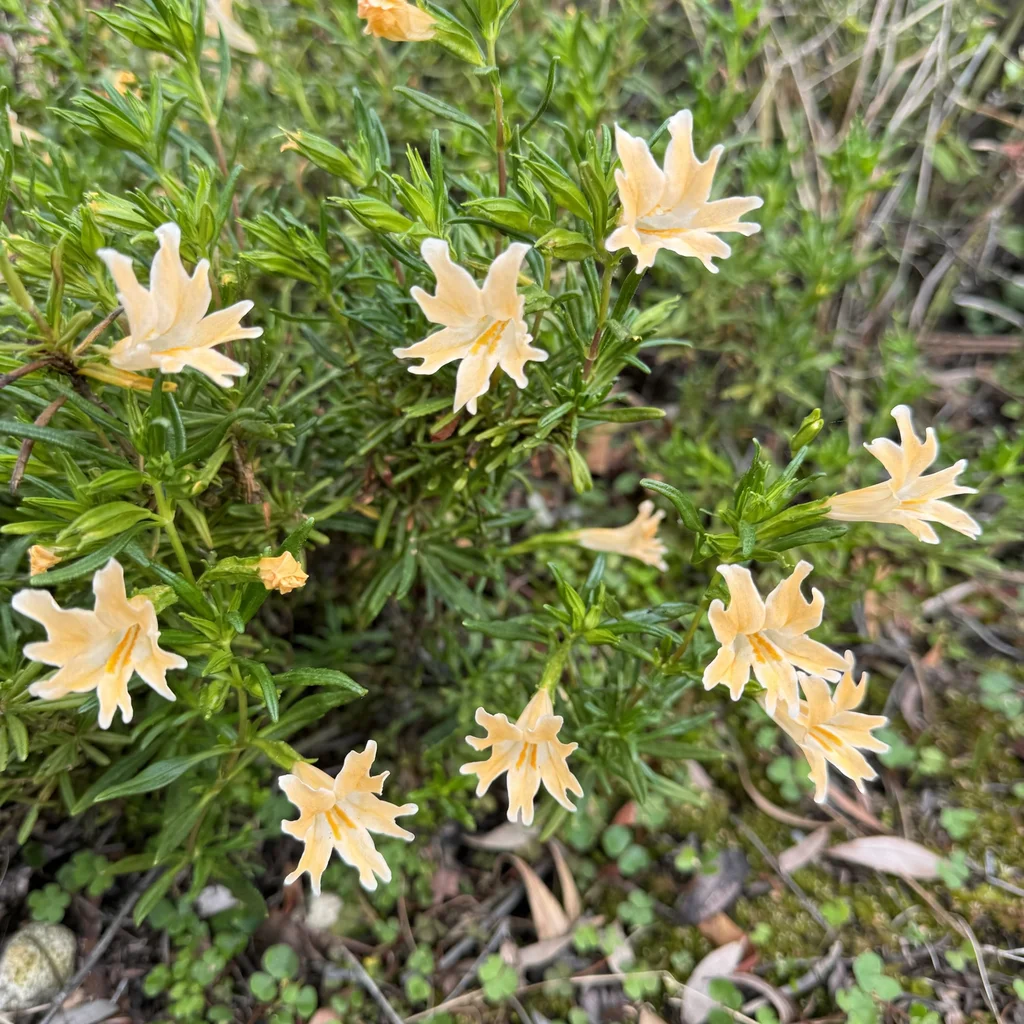
Monterey Monkeyflower
Diplacus linearis
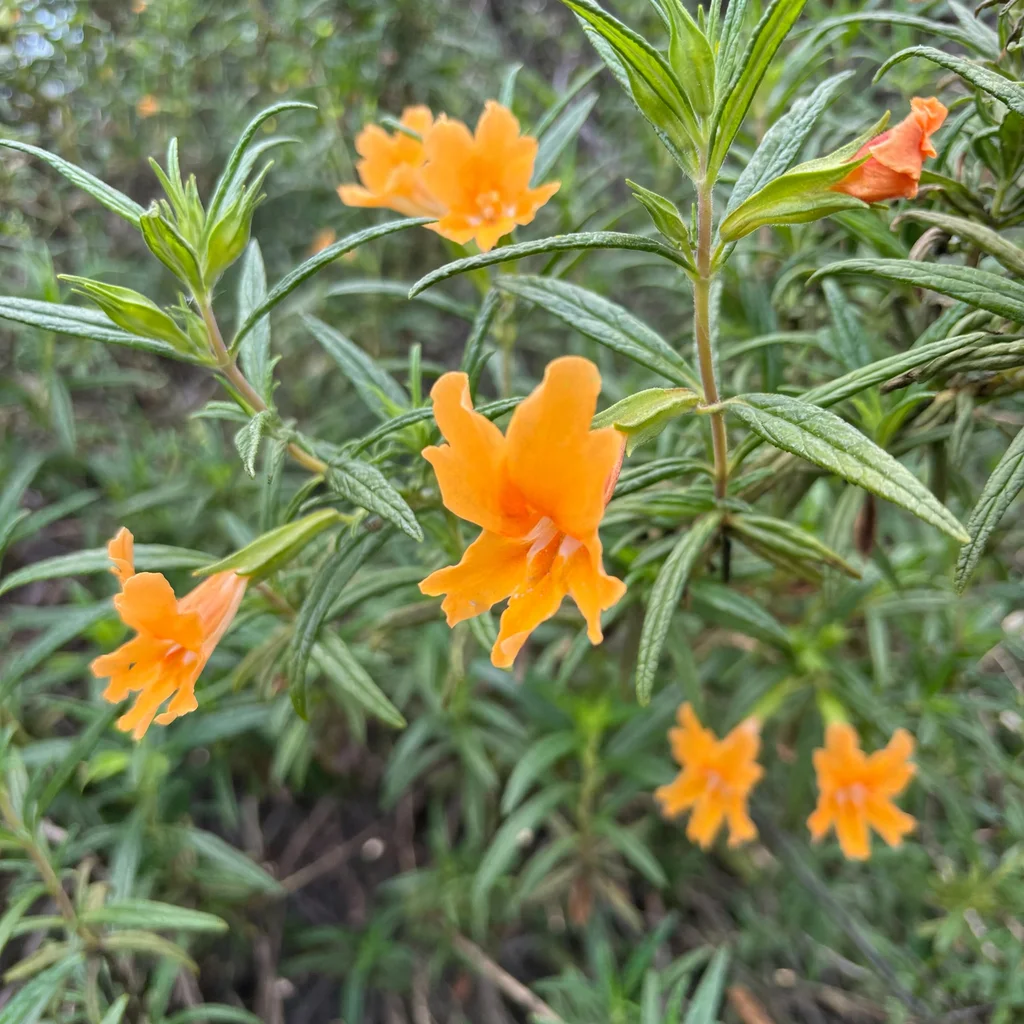
Southern Bush Monkeyflower
Diplacus longiflorus
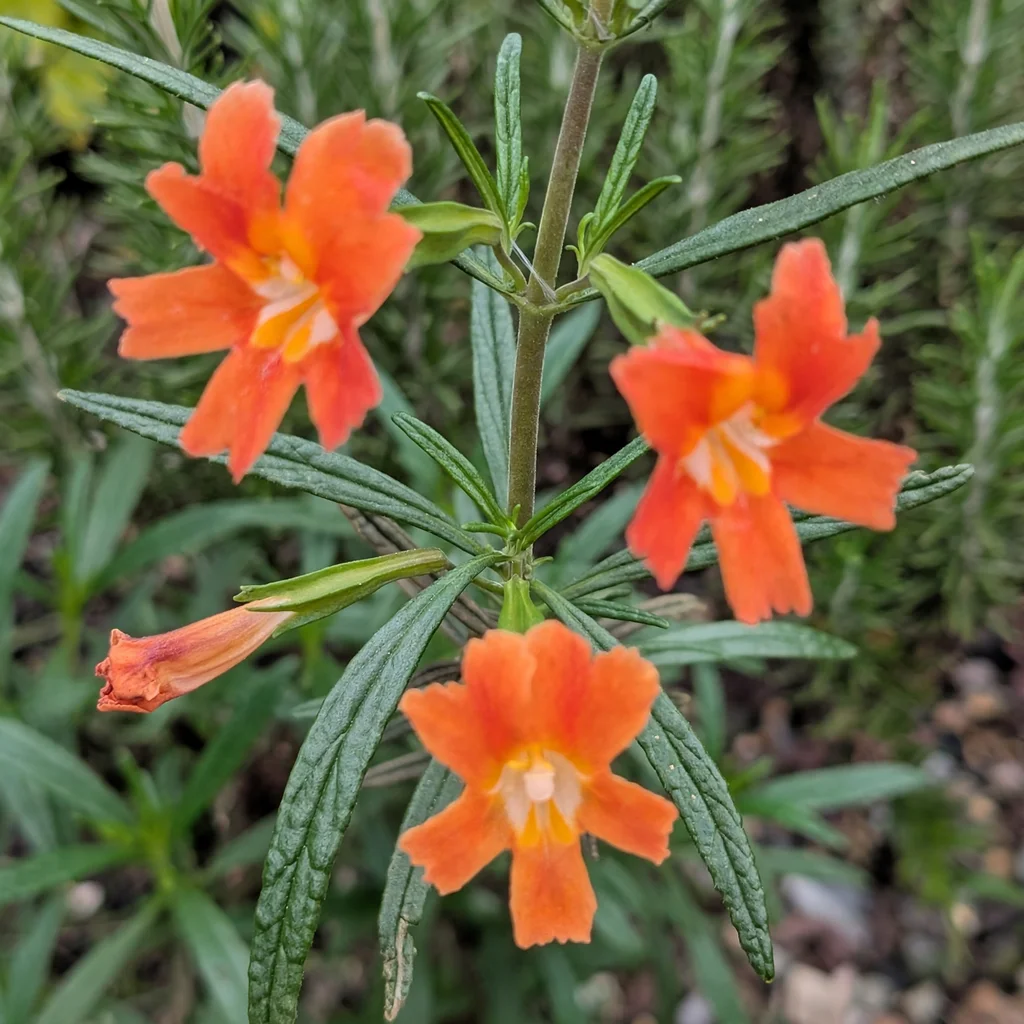
Orange Bush Monkeyflower
Diplacus x australis
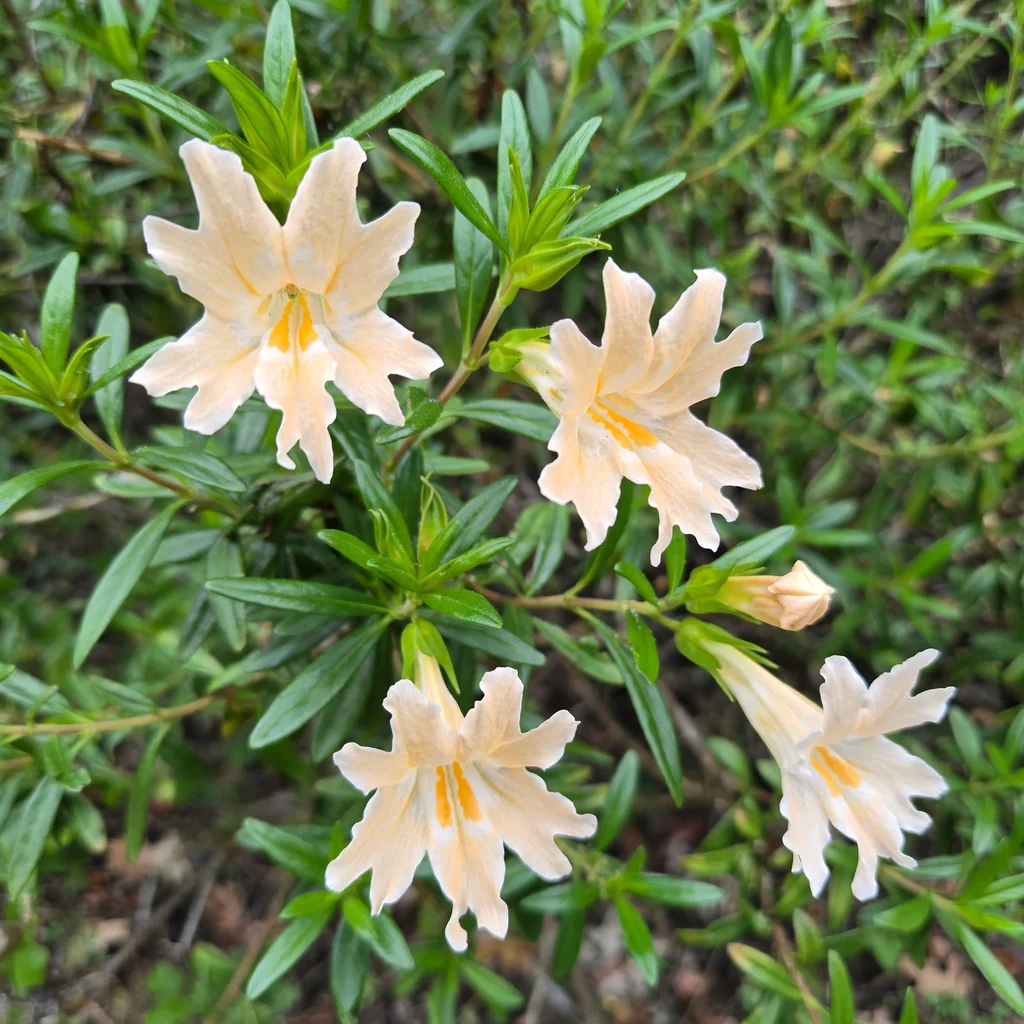
Large-Flowered Bush Monkeyflower
Diplacus grandiflorus
Keep exploring
Explore the genus
Hardy in your zone?
Grow Rock Bush Monkeyflower with confidence
See it in a design of your actual yard, get zone-matched care reminders, and track it season by season in your garden journal.