The Story
Plant Bio
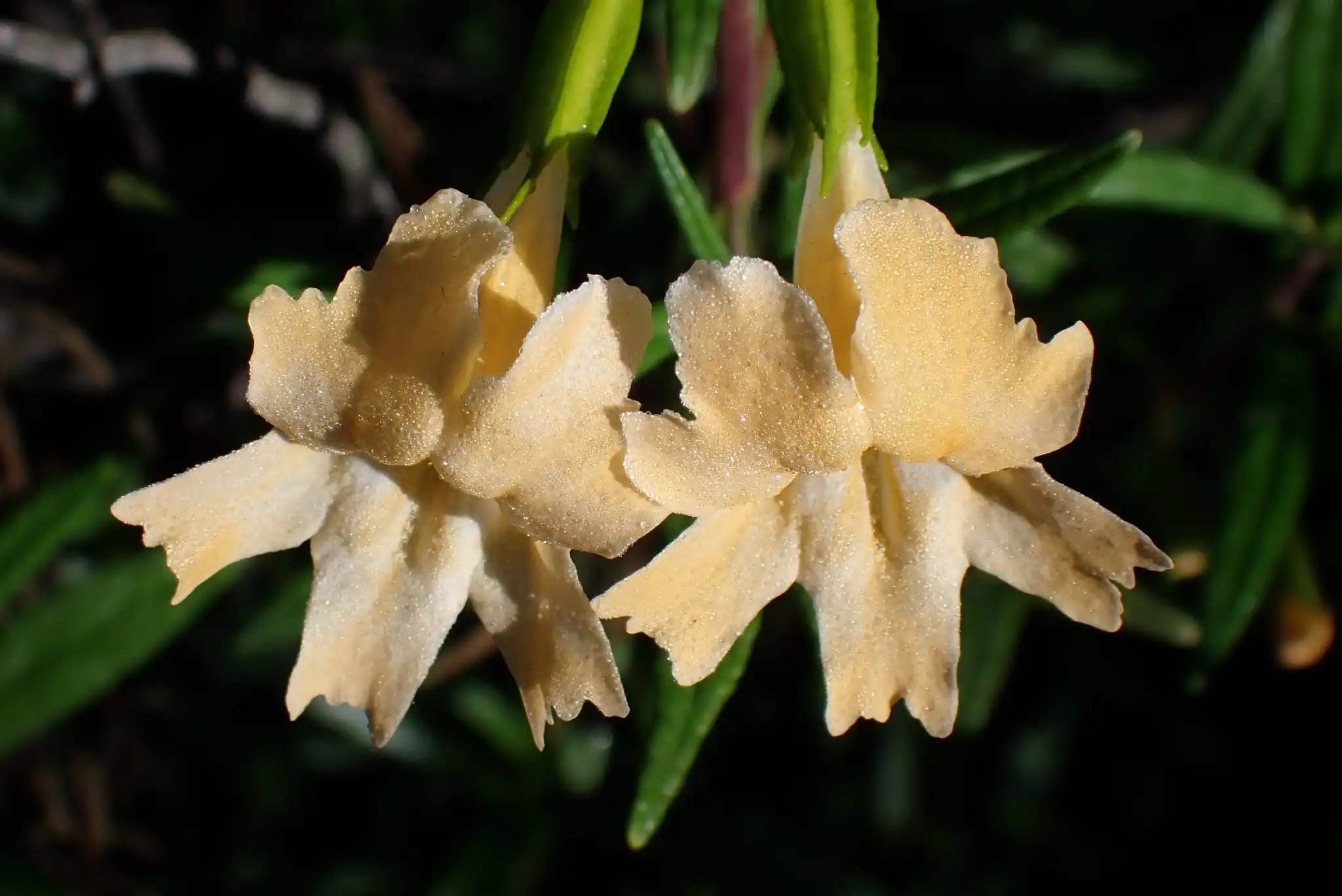
Diplacus x australis, commonly known as the orange bush monkeyflower, is an evergreen to stress-deciduous subshrub native to chaparral slopes and granite outcrops of southern California and northwestern Baja California. It forms an upright to sprawling habit with narrow foliage that drops under extreme dry heat to conserve moisture.
A natural hybrid between Diplacus longiflorus and Diplacus puniceus, it produces tubular yellow-orange to bright orange blossoms with notched petal lobes and yellow palate ridges. The flower tubes are shaped specifically for pollination by hummingbirds and native bees throughout spring and summer.
Uses & Benefits:
Essentials
At a Glance
Plant Type
Shrub
Height
71"
Width
39"
Light
Full Sun, Partial Sun
Zones
7, 8, 9, 10
Water
Low
Humidity
Low
Lifespan
Perennial
Native To
North America (California, Baja California)
Toxicity
Non-toxic
Bloom period
Spring – Summer
In flower about 6 months of the year
Planting
How to Grow
- Select a planting site in full sun to light shade with sharply draining, granitic or gravelly soil.
- Dig a pit equal in depth to the root ball and twice as wide, keeping the crown slightly elevated.
- Backfill with native soil without adding rich compost or heavy organic fertilizers.
- Water thoroughly at planting, then restrict summer irrigation once established.
Pro Tip
Prune lightly immediately after flowering to maintain a dense shape, and never cut back into old leafless stems, which lack dormant buds and will die back.
Keep It Thriving
Care Guide
Do
- Ensure excellent soil drainage at all times.
- Prune light leafy growth after the main flowering flush.
- Allow soil to dry out between occasional deep waterings.
Don't
- Never overwater during warm summer dormancy periods.
- Do not prune hard into old, woody, leafless stems.
- Avoid heavy fertilizer applications or planting in wet clay.
Seasonal Care Calendar
| Task | Jan | Feb | Mar | Apr | May | Jun | Jul | Aug | Sep | Oct | Nov | Dec |
|---|---|---|---|---|---|---|---|---|---|---|---|---|
| Fertilize | ||||||||||||
| Pest Check | ||||||||||||
| Plant | ||||||||||||
| Prune |
Watch Out For
Pests & Diseases
Common Pests
Common Diseases
In the Garden
Landscape Uses & Companions
Landscape Uses
Multiply
Propagation Methods
Good to Know
Common Questions
Orange Bush Monkeyflower questions
What zones can Orange Bush Monkeyflower grow in?
Orange Bush Monkeyflower is hardy in USDA Zones 7–10: in that range it survives winter in the ground. Colder than Zone 7, grow it in a container you can move to shelter for the winter.
When does Orange Bush Monkeyflower bloom?
Orange Bush Monkeyflower typically blooms from spring to summer. Exact timing shifts a week or two with your zone — Sow's bloom calendar maps it to your garden.
Does Orange Bush Monkeyflower need full sun?
Orange Bush Monkeyflower does best in full sun to part shade. In hot climates, afternoon shade keeps blooms fresher longer.
Is Orange Bush Monkeyflower drought tolerant?
Yes — once established (usually after the first full season), Orange Bush Monkeyflower handles dry spells with minimal watering. Water deeply its first year to build the root system that makes that possible.
More Diplacus to compare
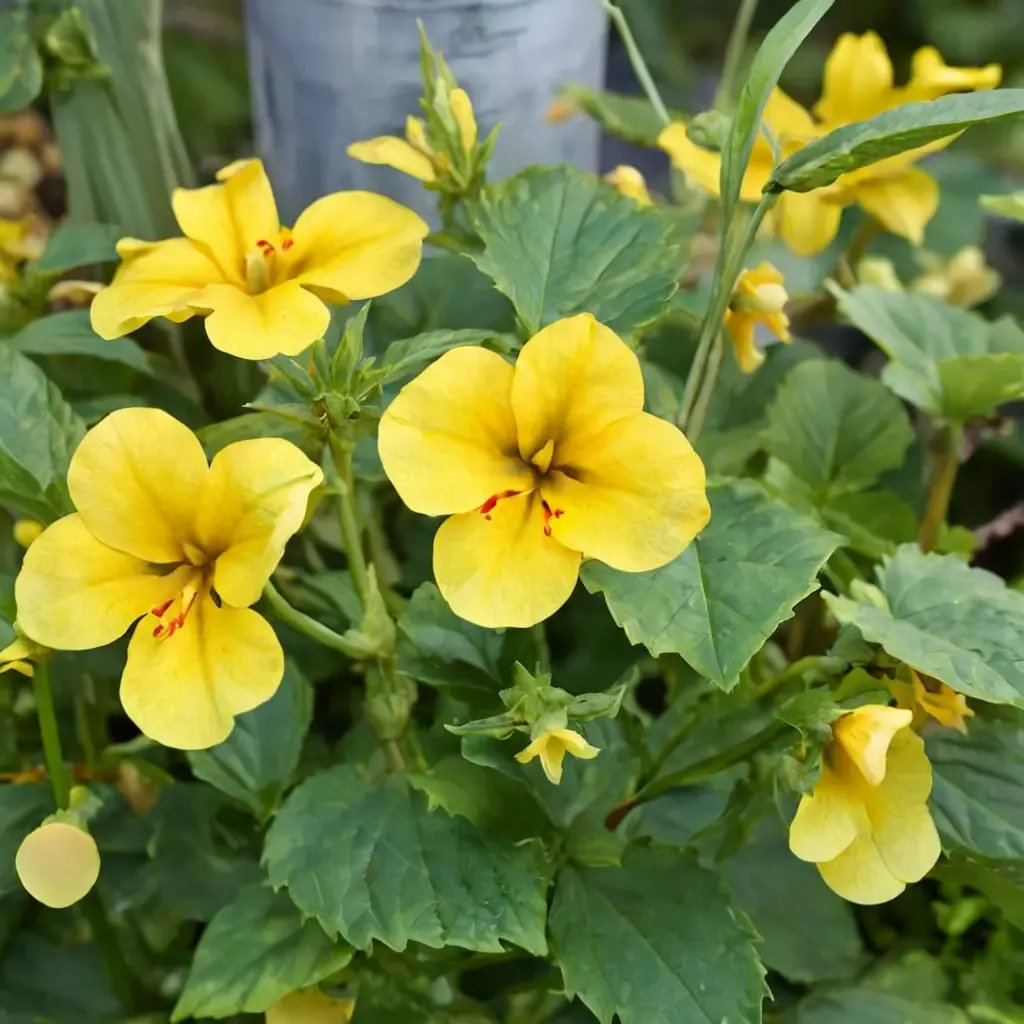
Pamela Monkey Flower
Diplacus aurantiacus 'Pamela'
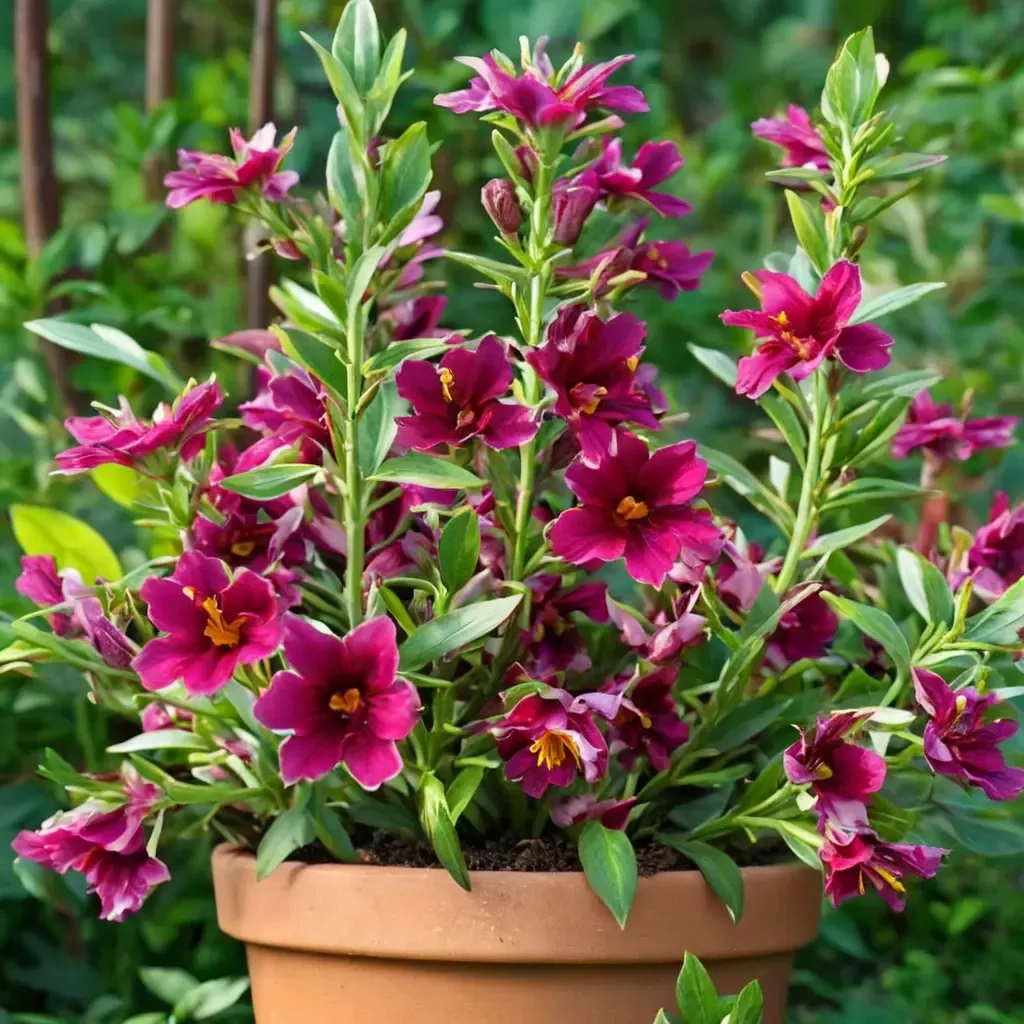
Jelly Bean Betabel Monkey Flower
Diplacus x hybrida 'Jelly Bean Betabel'
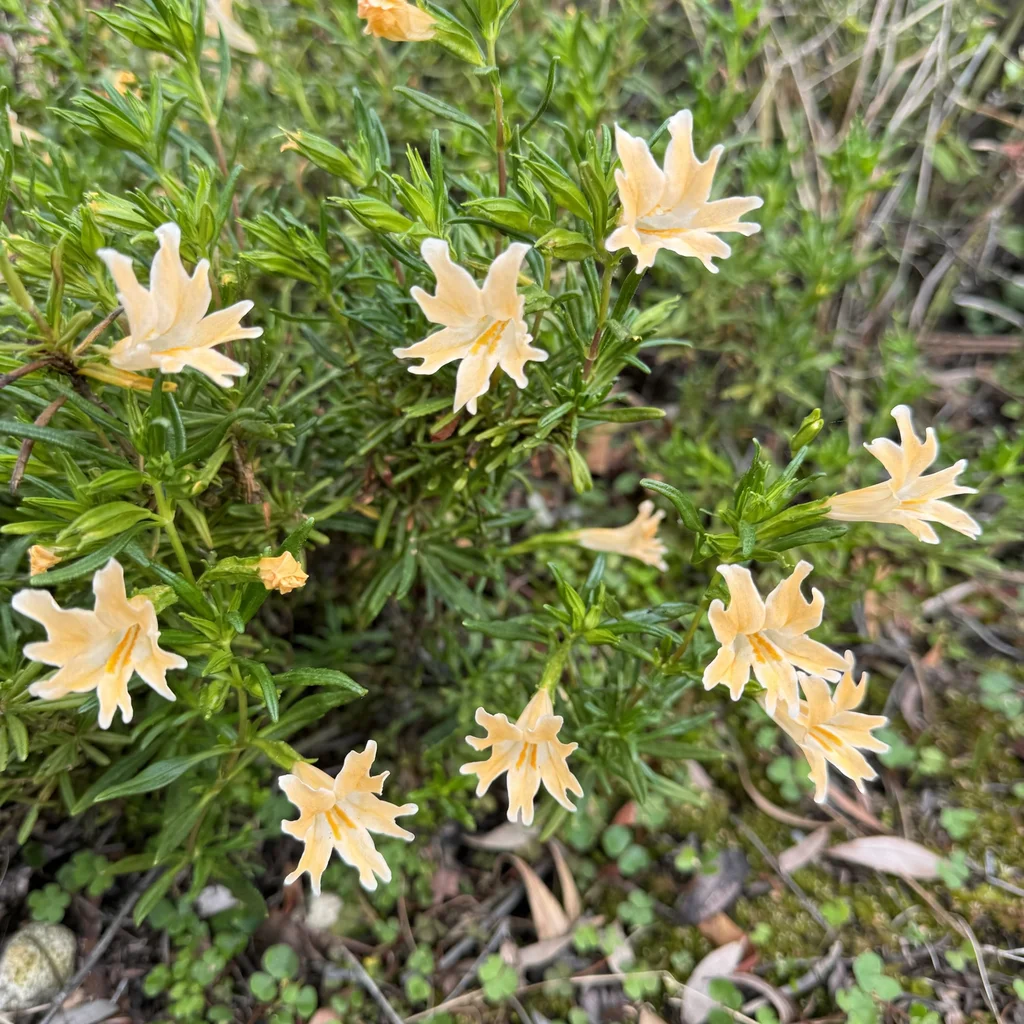
Monterey Monkeyflower
Diplacus linearis
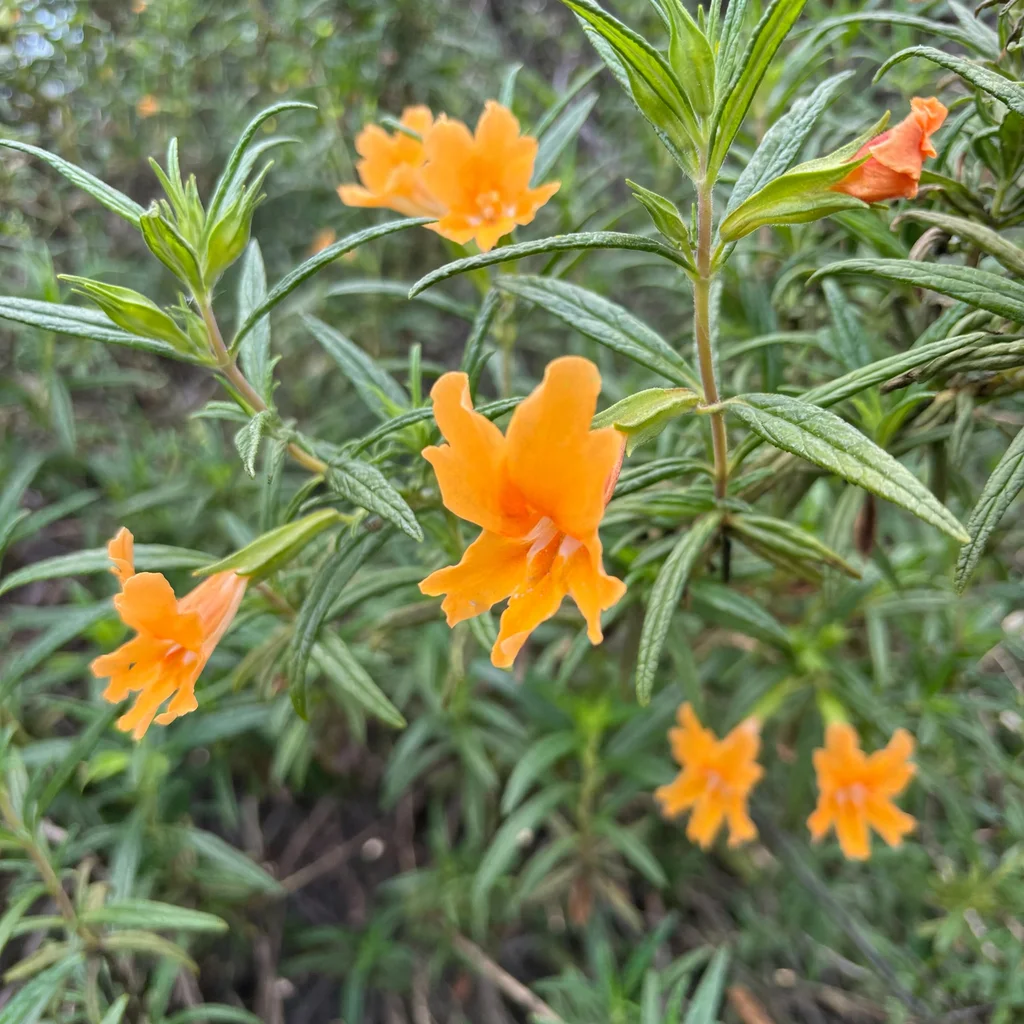
Southern Bush Monkeyflower
Diplacus longiflorus
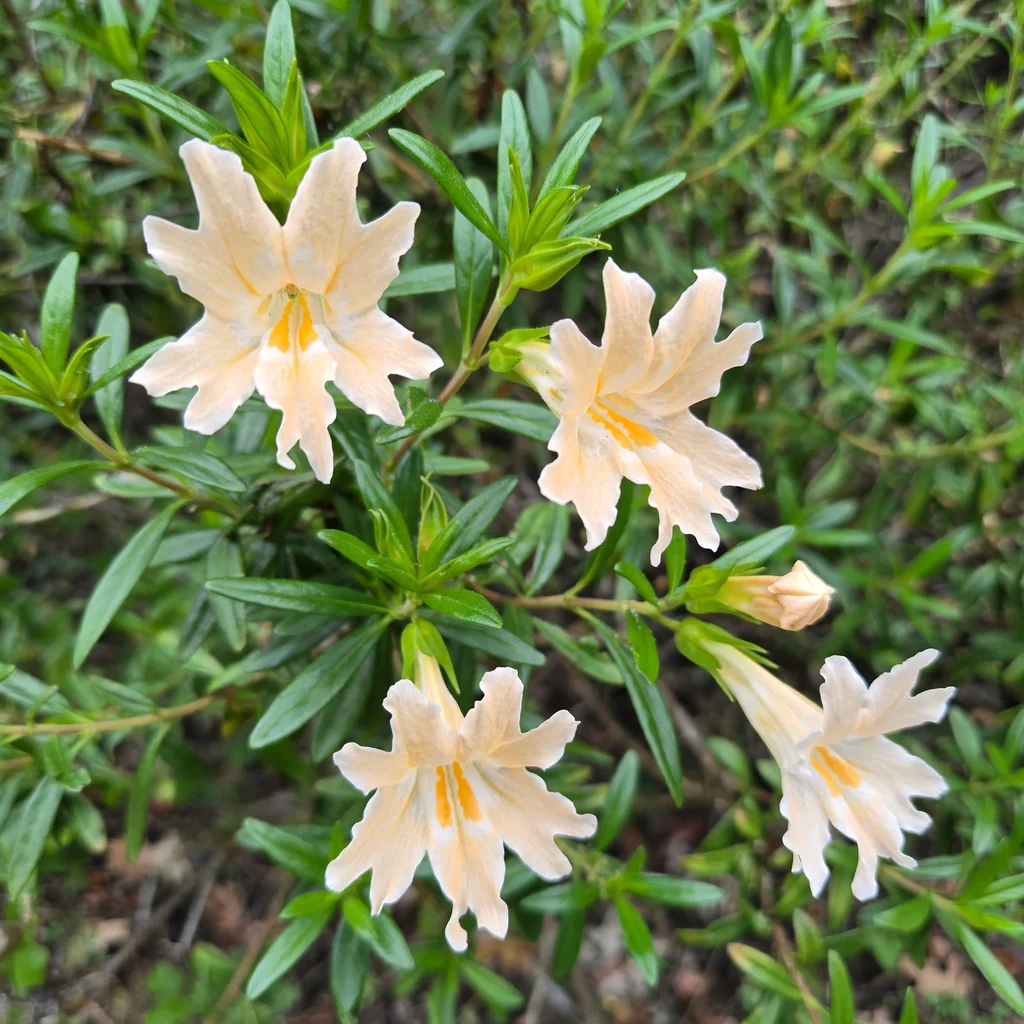
Large-Flowered Bush Monkeyflower
Diplacus grandiflorus
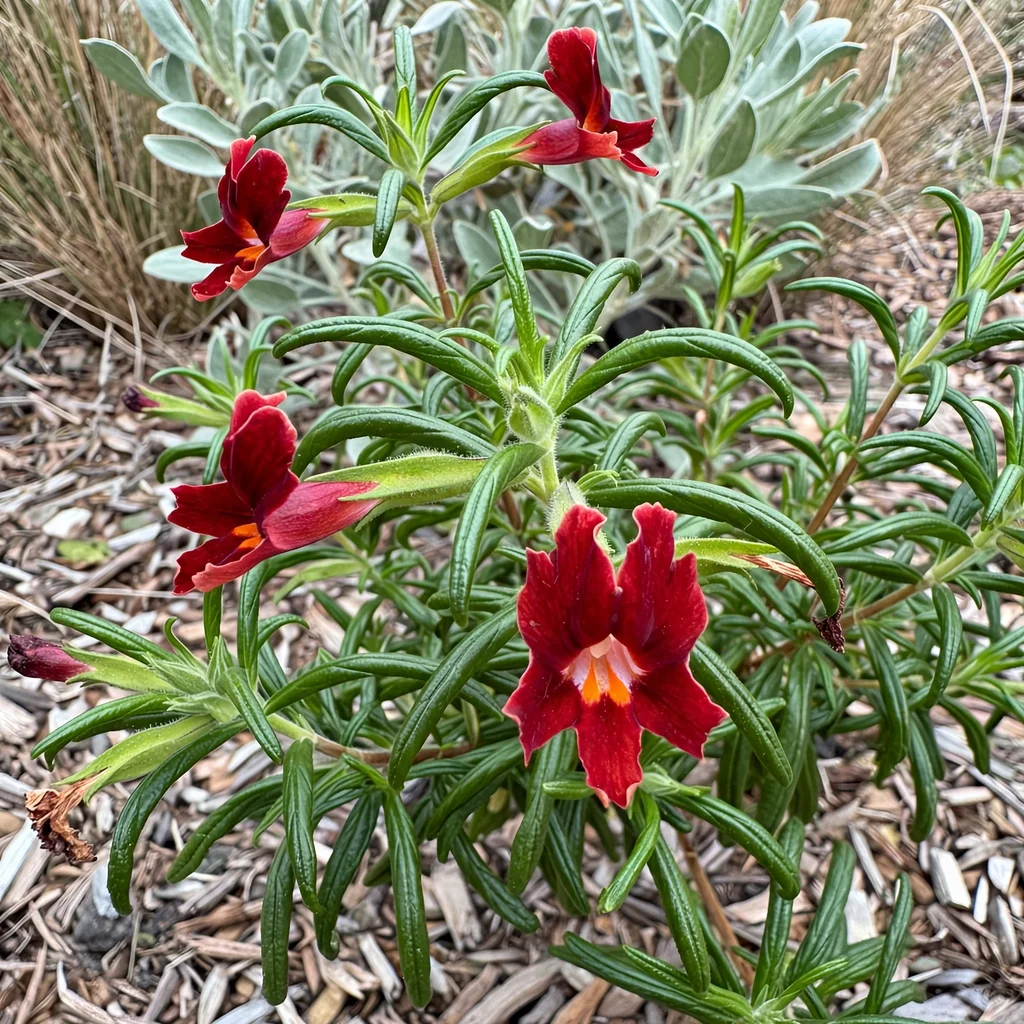
Santa Susana Bush Monkeyflower
Diplacus rutilus
Keep exploring
Explore the genus
Hardy in your zone?
Grow Orange Bush Monkeyflower with confidence
See it in a design of your actual yard, get zone-matched care reminders, and track it season by season in your garden journal.