The Story
Plant Bio
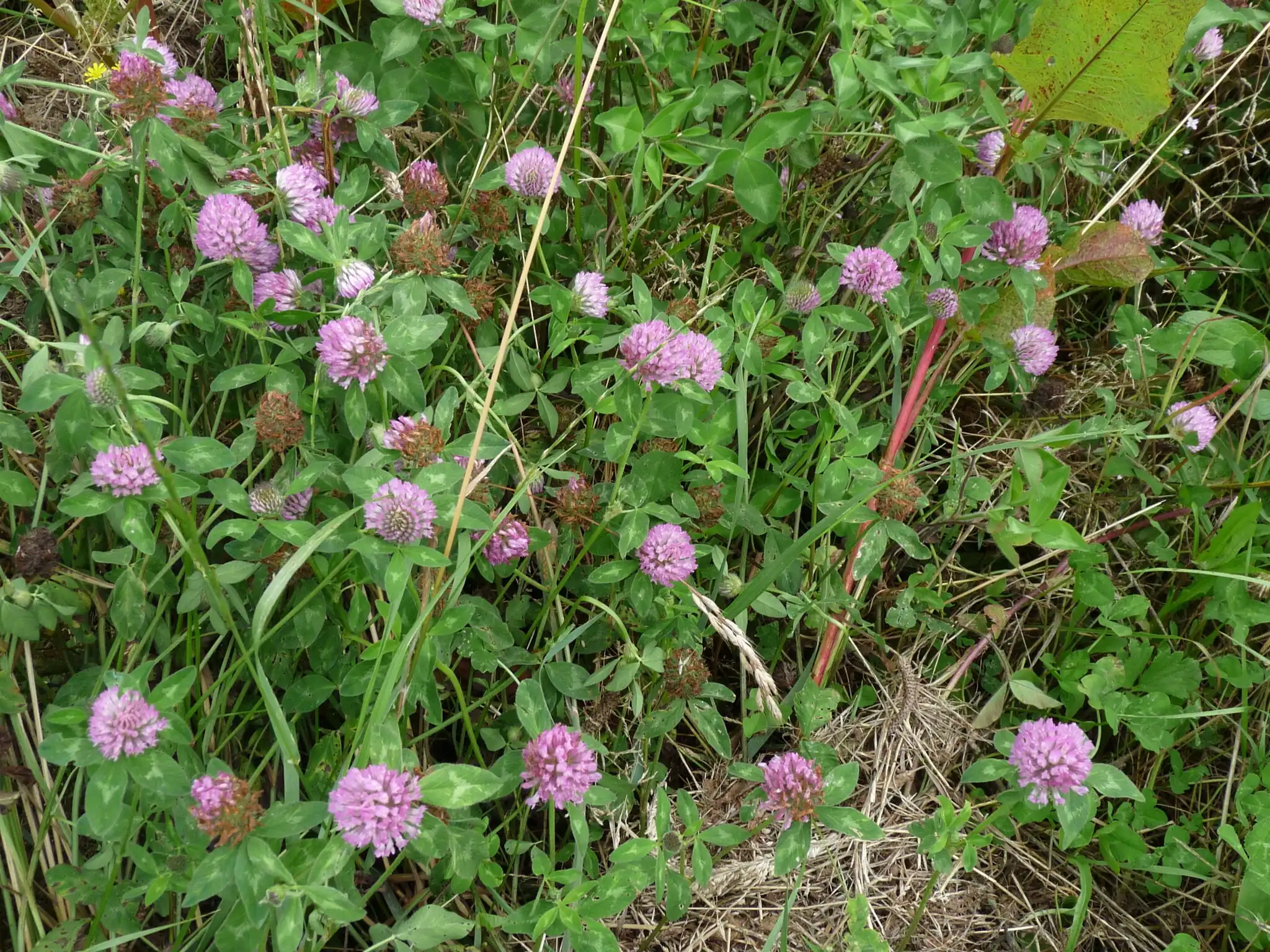
Trifolium pratense, commonly called red clover, is an upright, branching herbaceous perennial that grows from a deep central taproot. Its alternate trifoliate leaves bear distinct pale V-shaped chevrons on each leaflet, topped by dense, globose flower heads of dark pink to purple-red from spring through early fall.
Unlike low creeping turf clovers, this species forms taller loose clumps up to 30 inches high and relies on consistent soil moisture to maintain true perennial performance. Nitrogen-fixing root nodules enrich the surrounding soil, making it valuable in naturalized meadows and soil-building crop rotations.
Uses & Benefits:
Essentials
At a Glance
Plant Type
Perennial
Height
31"
Width
24"
Light
Full Sun, Partial Sun
Zones
4, 5, 6, 7, 8, 9
Water
Moderate
Humidity
High
Lifespan
Perennial
Native To
Europe, Macaronesia, North Africa, Central Asia to Himalayas
Toxicity
Low toxicity (contains isoflavones)
Bloom period
Spring – Autumn
In flower about 9 months of the year
Planting
How to Grow
- Select a site in full sun or partial shade with fertile, well-draining loam or clay soil.
- Sow seed or plant plugs in early spring, keeping the soil damp until roots establish.
- Water regularly during warm weather to maintain steady soil moisture and prevent summer dormancy.
- Trim back old flower stems in midsummer to promote a secondary flush of leaves and flowers.
Pro Tip
Mow or shear back foliage after primary bloom flushes to clear spent flower heads and stimulate fresh basal growth.
Keep It Thriving
Care Guide
Do
- Maintain moderate soil moisture during dry summer spells.
- Cut back spent growth after heavy bloom cycles to stimulate fresh foliage.
Don't
- Do not plant in waterlogged areas where root rot fungi thrive.
- Do not apply heavy nitrogen fertilizers, as the plant fixes its own nitrogen.
Seasonal Care Calendar
| Task | Jan | Feb | Mar | Apr | May | Jun | Jul | Aug | Sep | Oct | Nov | Dec |
|---|---|---|---|---|---|---|---|---|---|---|---|---|
| Pest Check | ||||||||||||
| Propagate | ||||||||||||
| Prune | ||||||||||||
| Spring Cleanup |
Watch Out For
Pests & Diseases
Common Pests
Common Diseases
In the Garden
Landscape Uses & Companions
Landscape Uses
Multiply
Propagation Methods
Good to Know
Common Questions
Red Clover questions
What zones can Red Clover grow in?
Red Clover is hardy in USDA Zones 4–9: in that range it survives winter in the ground. Warmer than Zone 9, winter isn't the problem: it prefers colder winters, and summer heat can shorten its life.
When does Red Clover bloom?
Red Clover typically blooms from spring to fall. Exact timing shifts a week or two with your zone — Sow's bloom calendar maps it to your garden.
Does Red Clover need full sun?
Red Clover does best in full sun to part shade. In hot climates, afternoon shade keeps blooms fresher longer.
Is Red Clover drought tolerant?
Yes — once established (usually after the first full season), Red Clover handles dry spells with minimal watering. Water deeply its first year to build the root system that makes that possible.
More Trifolium to compare
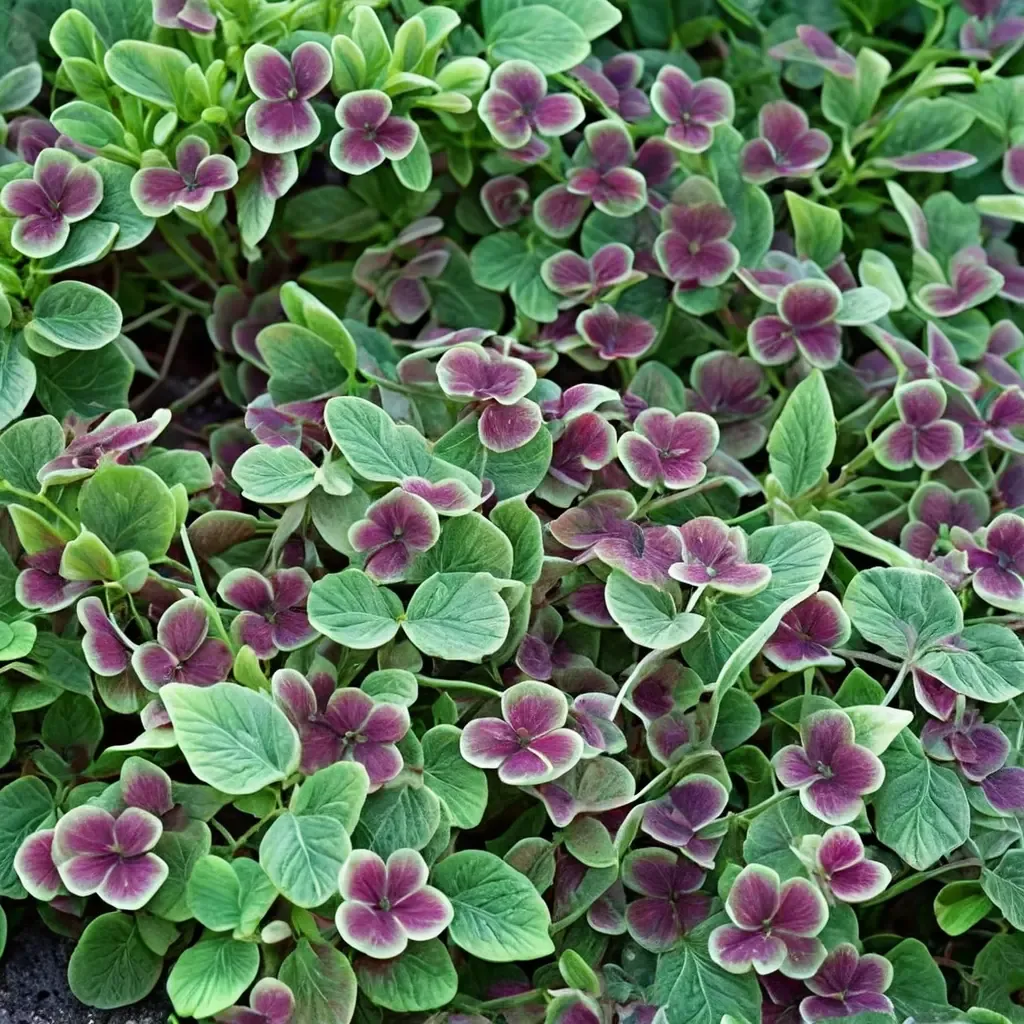
Red Feather Clover
Trifolium purpurascens
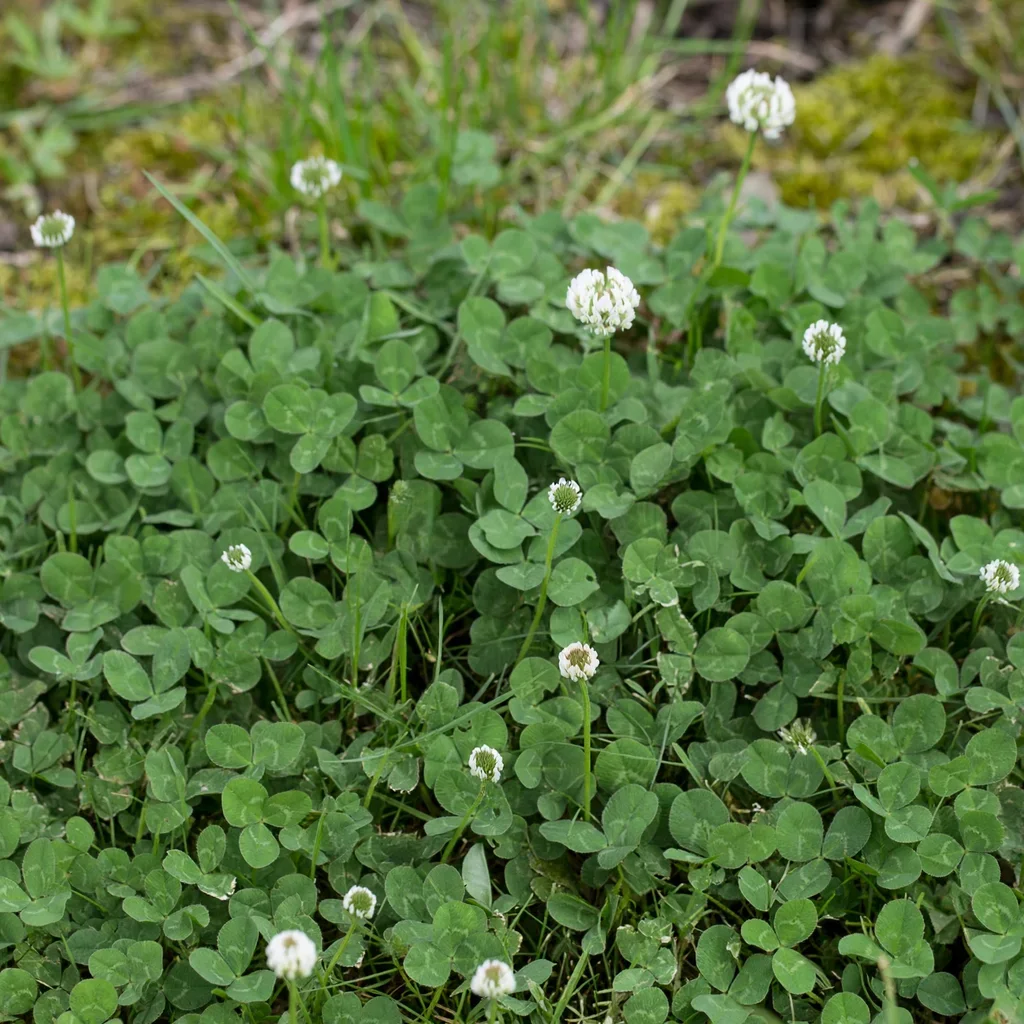
Wheatfen White Clover
Trifolium repens 'Wheatfen'
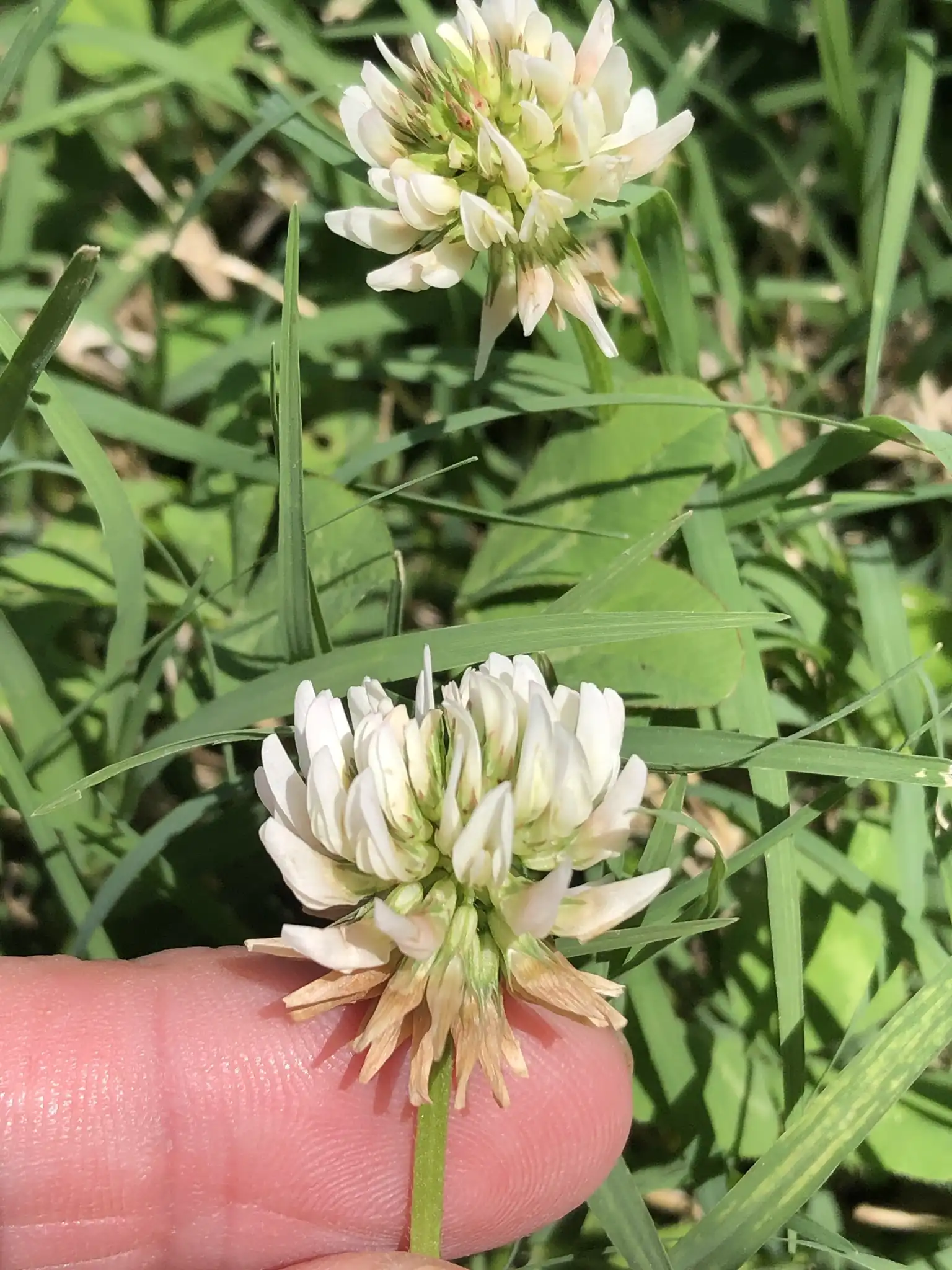
White Clover
Trifolium repens
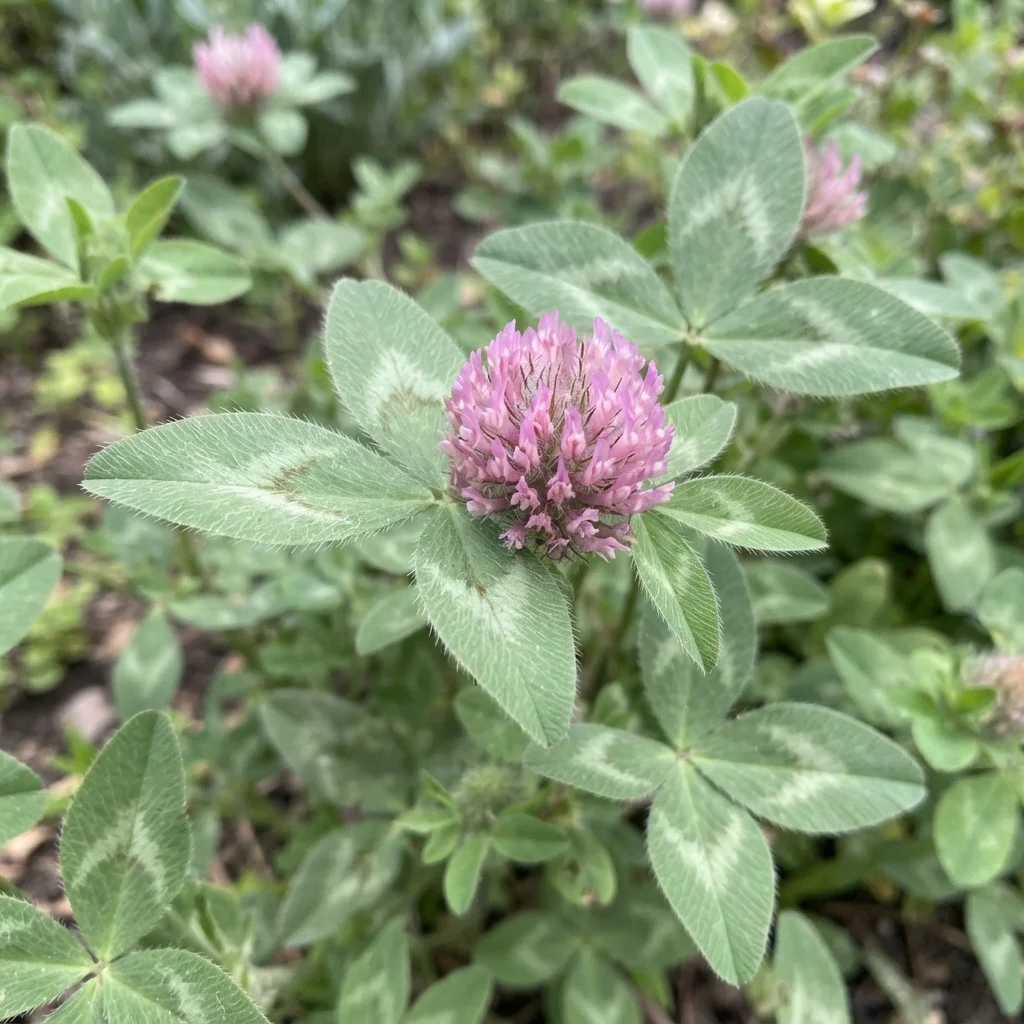
Rose Clover
Trifolium hirtum
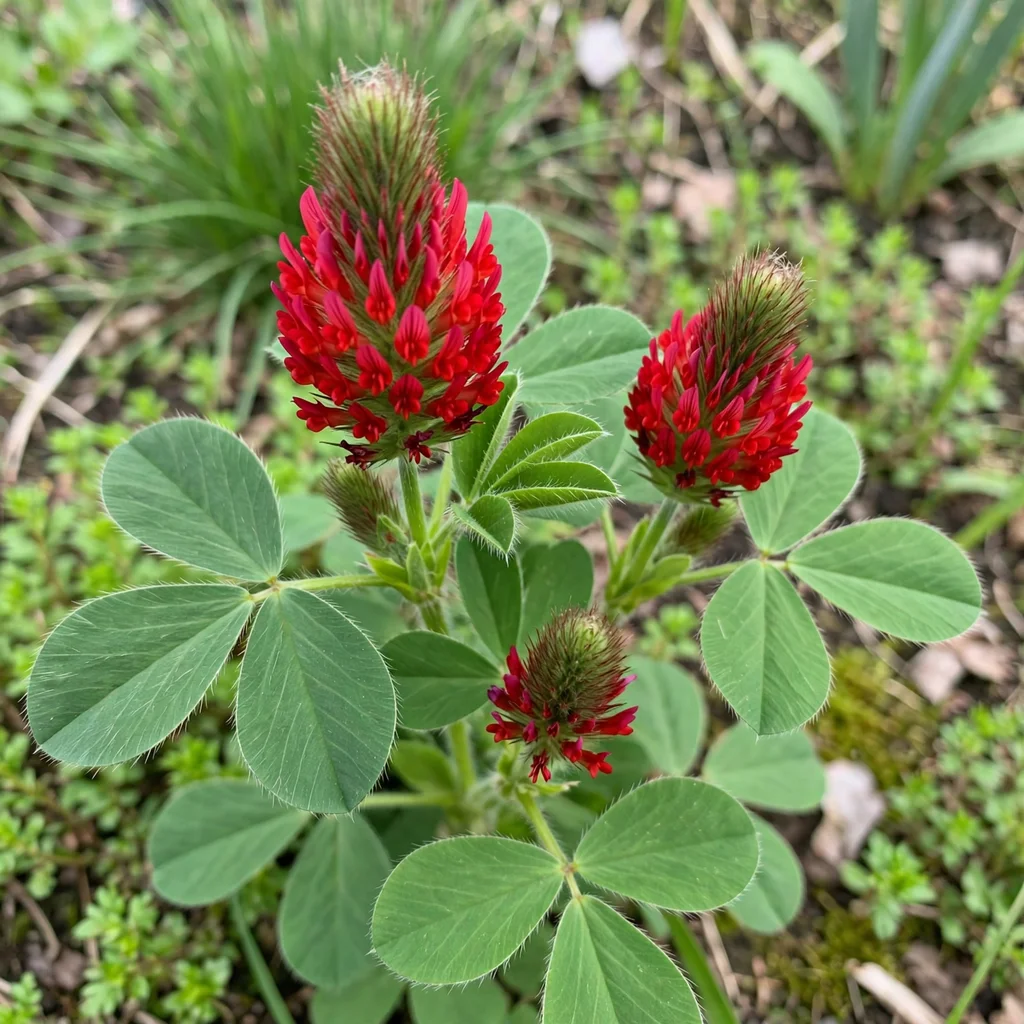
Crimson Clover
Trifolium incarnatum
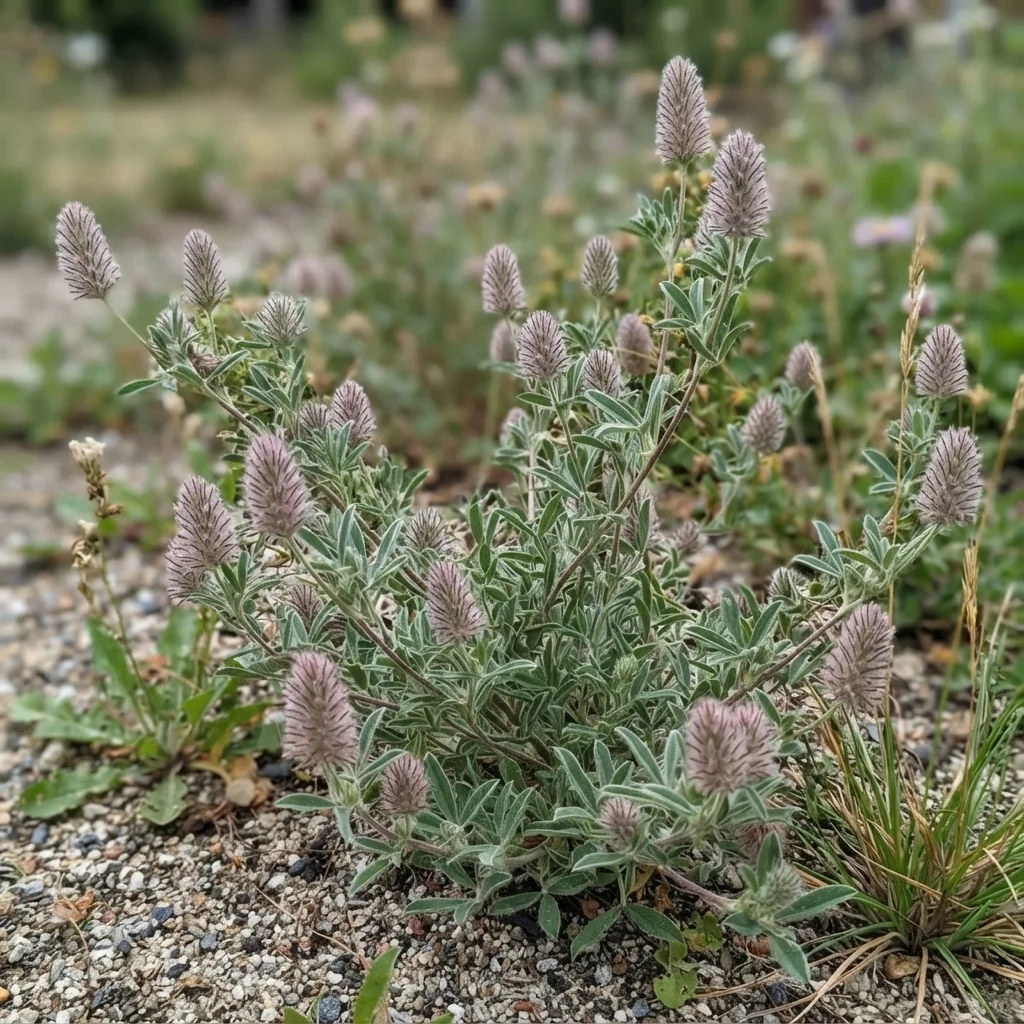
Rabbit-foot clover
Trifolium arvense
Keep exploring
Explore the genus
Grow Red Clover with confidence
See it in a design of your actual yard, get zone-matched care reminders, and track it season by season in your garden journal.