The Story
Plant Bio
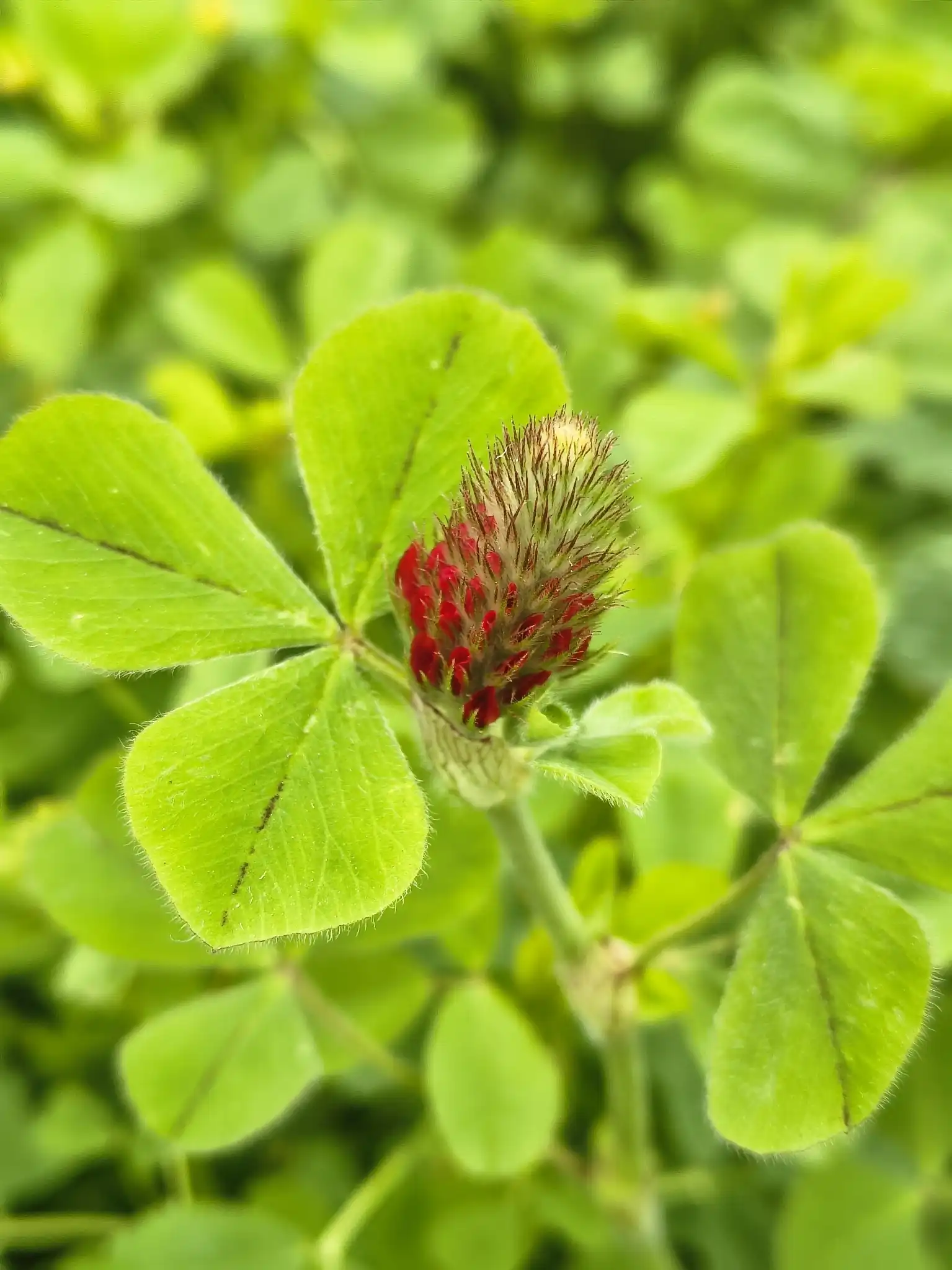
Trifolium incarnatum is an erect, soft-hairy annual legume reaching up to two feet in height, featuring trifoliolate leaves with distinct pale markings. Dense cone-shaped spikes of vivid scarlet flowers cover the plant from mid-spring into early summer.
As a nitrogen-fixing cover crop, it improves soil structure and fertility while providing rich nectar for bees and beneficial insects. The distinctive cylindrical crimson flower heads make it a striking naturalizing element in informal meadows and borders.
Uses & Benefits:
Essentials
At a Glance
Plant Type
Annual
Height
24"
Width
12"
Light
Full Sun, Partial Sun
Zones
6, 7, 8, 9
Water
Moderate
Humidity
Moderate
Lifespan
Annual
Native To
Europe, Northwestern Iran
Toxicity
Non-toxic
Bloom period
Spring – Early summer
In flower about 4 months of the year
Planting
How to Grow
- Select a site in full sun to light shade with well-draining sandy, loamy, or light clay soil.
- Direct sow seeds in late summer to early fall for spring bloom, or in early spring once soil thaws.
- Lightly rake seed into the top quarter inch of soil and water thoroughly until seedlings establish.
- Mow or cut down plants after flowering finishes if self-seeding is not desired.
Pro Tip
Avoid nitrogen-rich fertilizers, which suppress the root nodulation needed for nitrogen fixation, and ensure planting sites are free of stagnant winter moisture.
Keep It Thriving
Care Guide
Do
- Sow seed in well-drained soil during late summer or early spring.
- Allow spent tops to decompose into the soil as green manure.
Don't
- Do not apply nitrogen fertilizers, which damage beneficial root nodulation.
- Do not plant in heavy, waterlogged clay where root rots thrive.
Seasonal Care Calendar
| Task | Jan | Feb | Mar | Apr | May | Jun | Jul | Aug | Sep | Oct | Nov | Dec |
|---|---|---|---|---|---|---|---|---|---|---|---|---|
| Deadhead | ||||||||||||
| Pest Check | ||||||||||||
| Plant | ||||||||||||
| Spring Cleanup |
Watch Out For
Pests & Diseases
Common Pests
Common Diseases
In the Garden
Landscape Uses & Companions
Landscape Uses
Multiply
Propagation Methods
Good to Know
Common Questions
Crimson Clover questions
What zones can Crimson Clover grow in?
Crimson Clover is an annual: it grows, flowers and sets seed in one season, so winter cold doesn't limit where it grows. Gardeners in any zone can grow it by planting at the right time, usually after the last spring frost.
Is Crimson Clover deer resistant?
Not reliably. Deer may browse Crimson Clover, especially tender spring growth — plan on repellents or fencing where pressure is high.
When does Crimson Clover bloom?
Crimson Clover typically blooms from early spring to early summer. Exact timing shifts a week or two with your zone — Sow's bloom calendar maps it to your garden.
Does Crimson Clover need full sun?
Crimson Clover does best in full sun to part shade. In hot climates, afternoon shade keeps blooms fresher longer.
Is Crimson Clover drought tolerant?
Yes — once established (usually after the first full season), Crimson Clover handles dry spells with minimal watering. Water deeply its first year to build the root system that makes that possible.
More Trifolium to compare
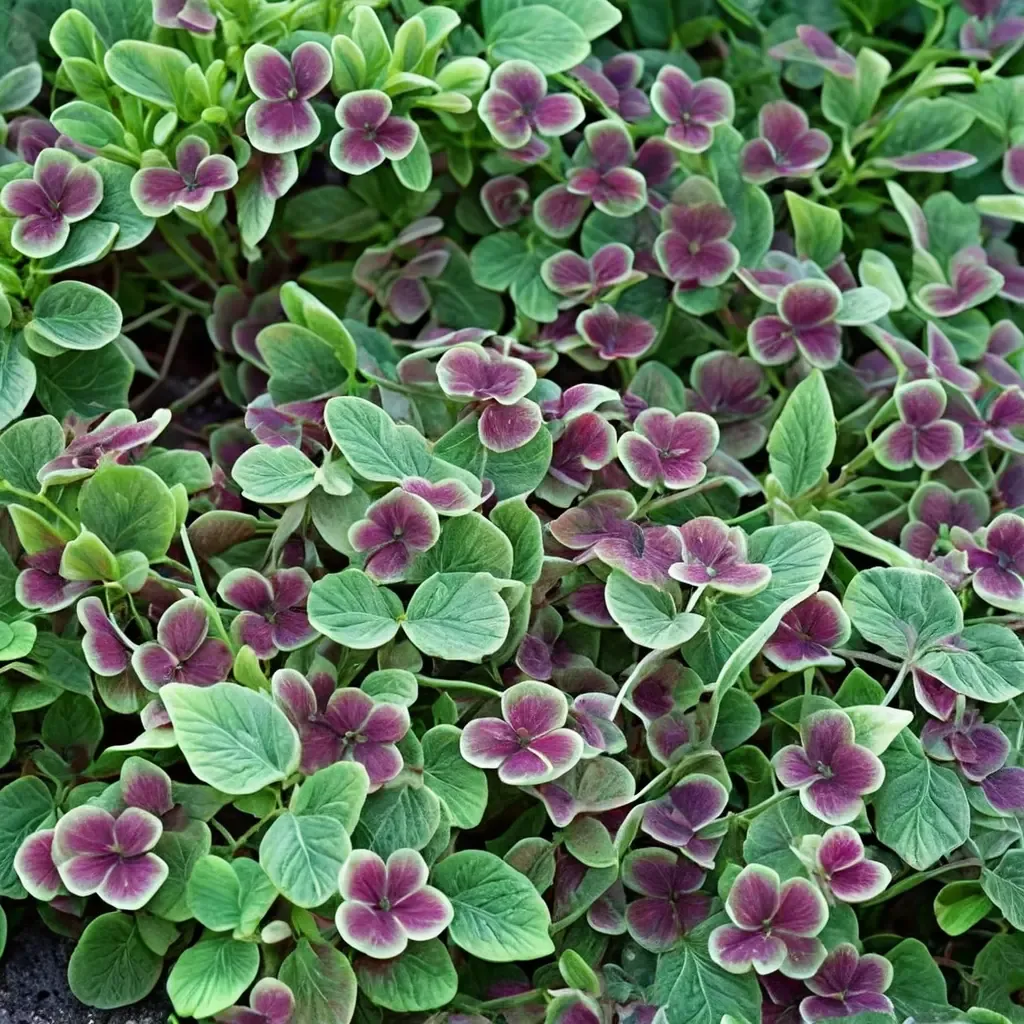
Red Feather Clover
Trifolium purpurascens
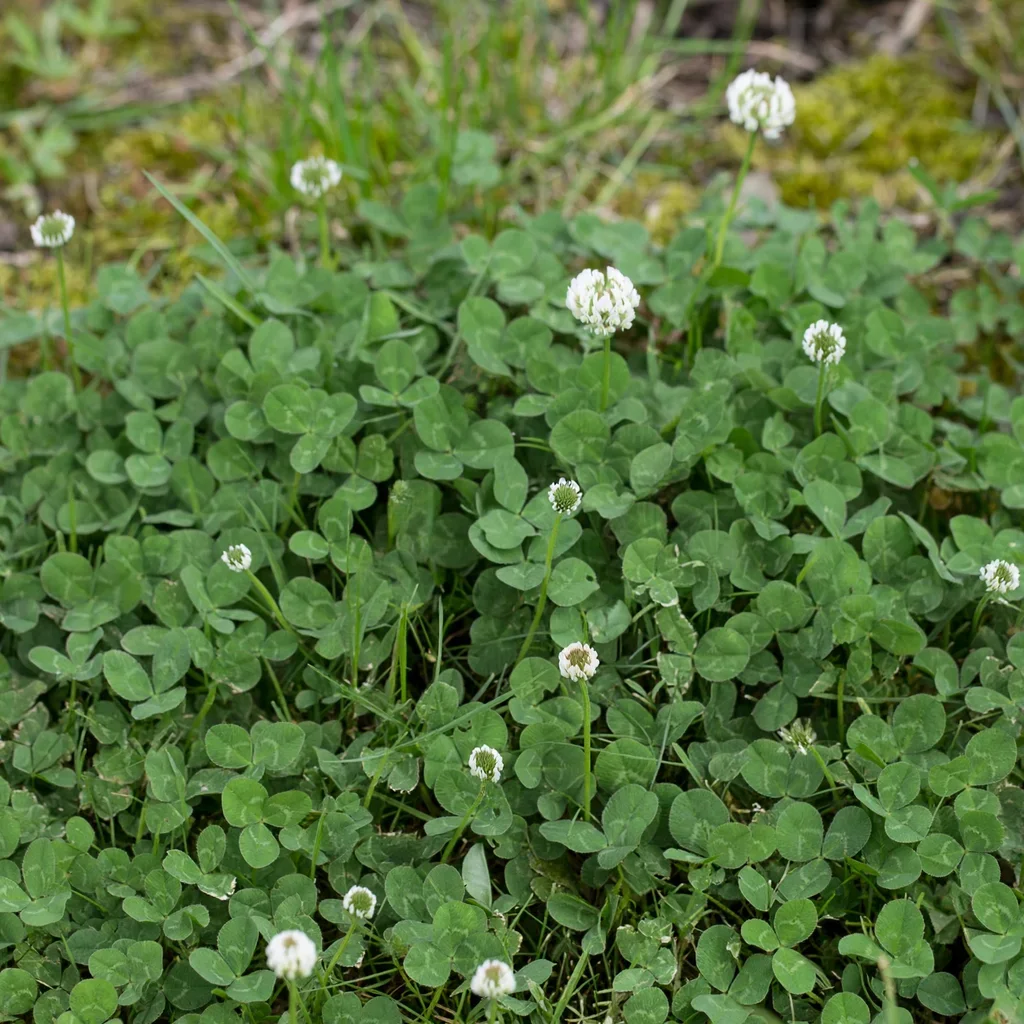
Wheatfen White Clover
Trifolium repens 'Wheatfen'
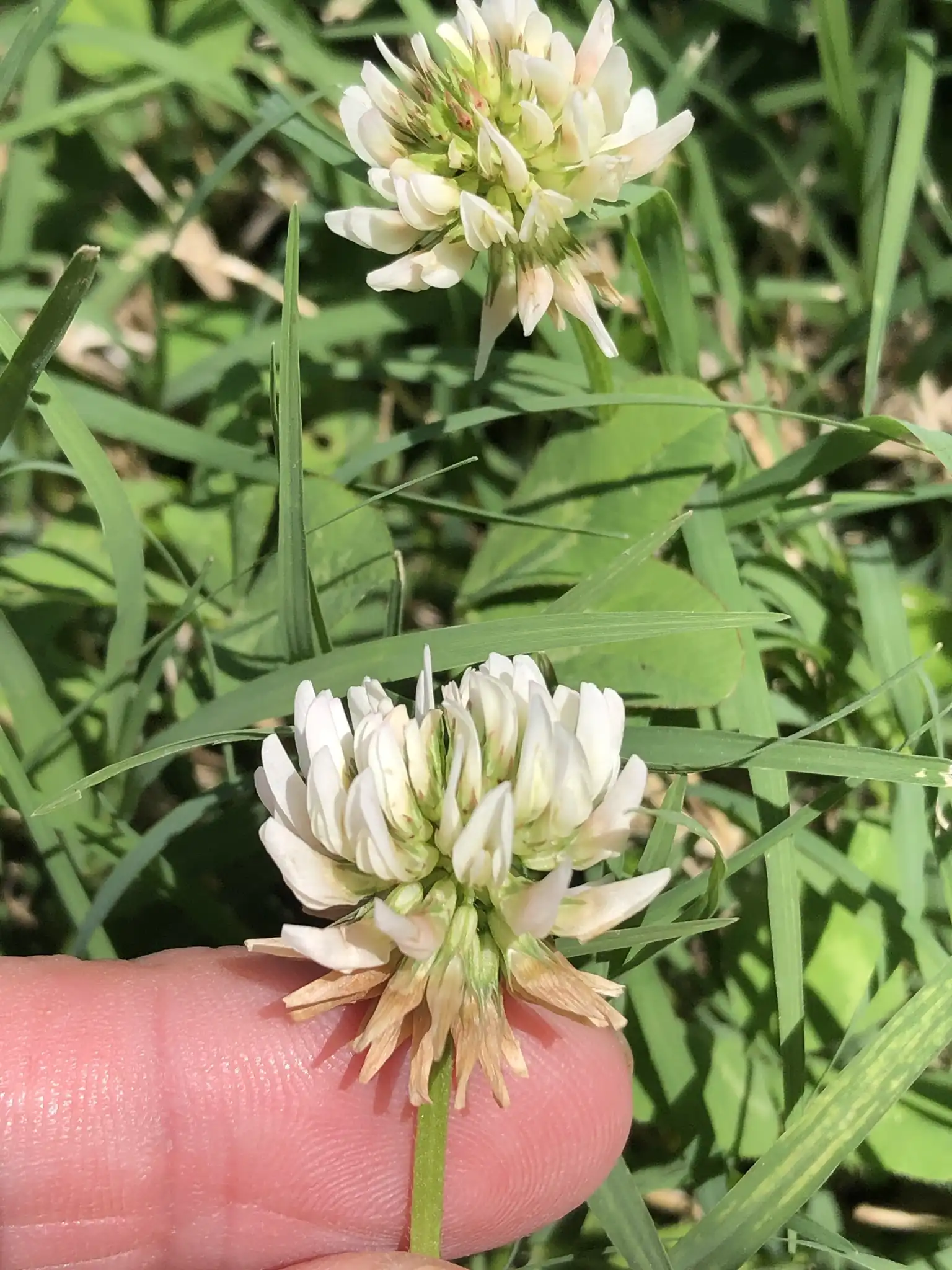
White Clover
Trifolium repens
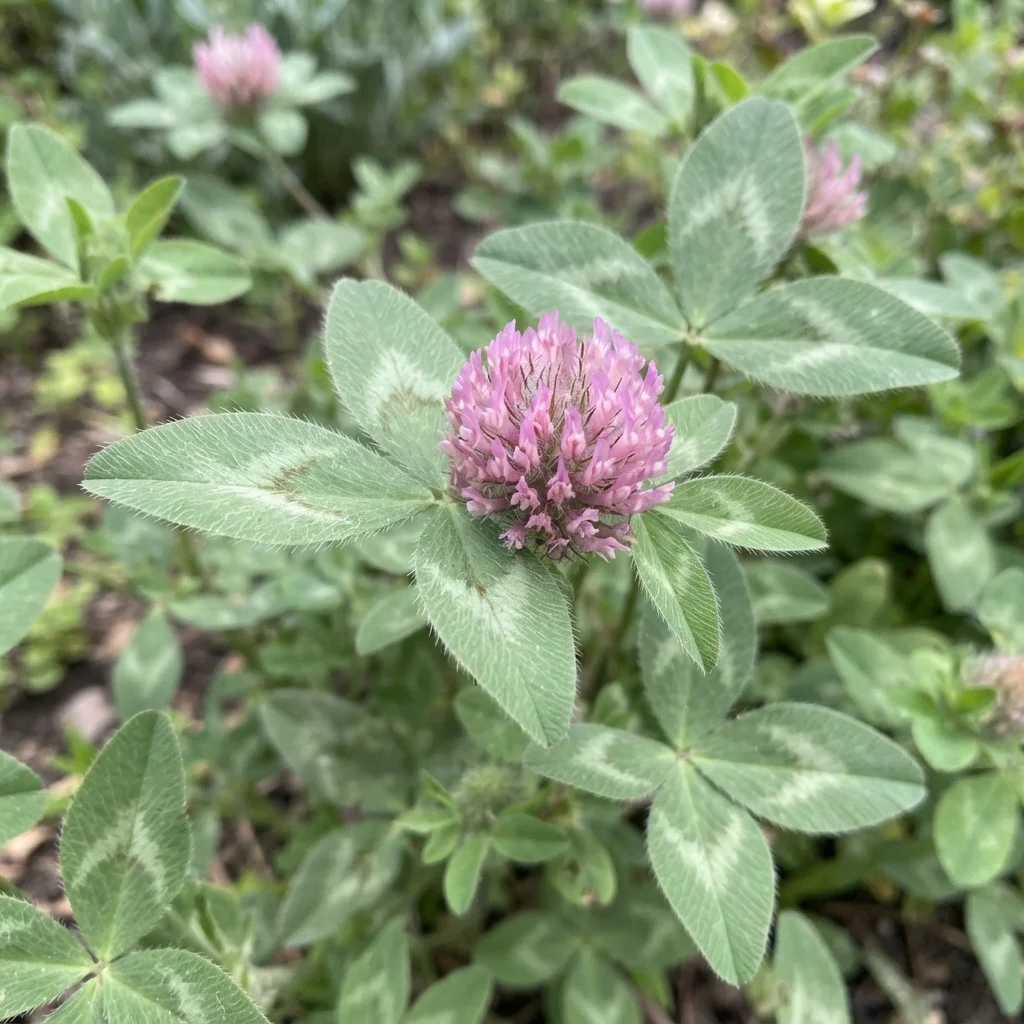
Rose Clover
Trifolium hirtum
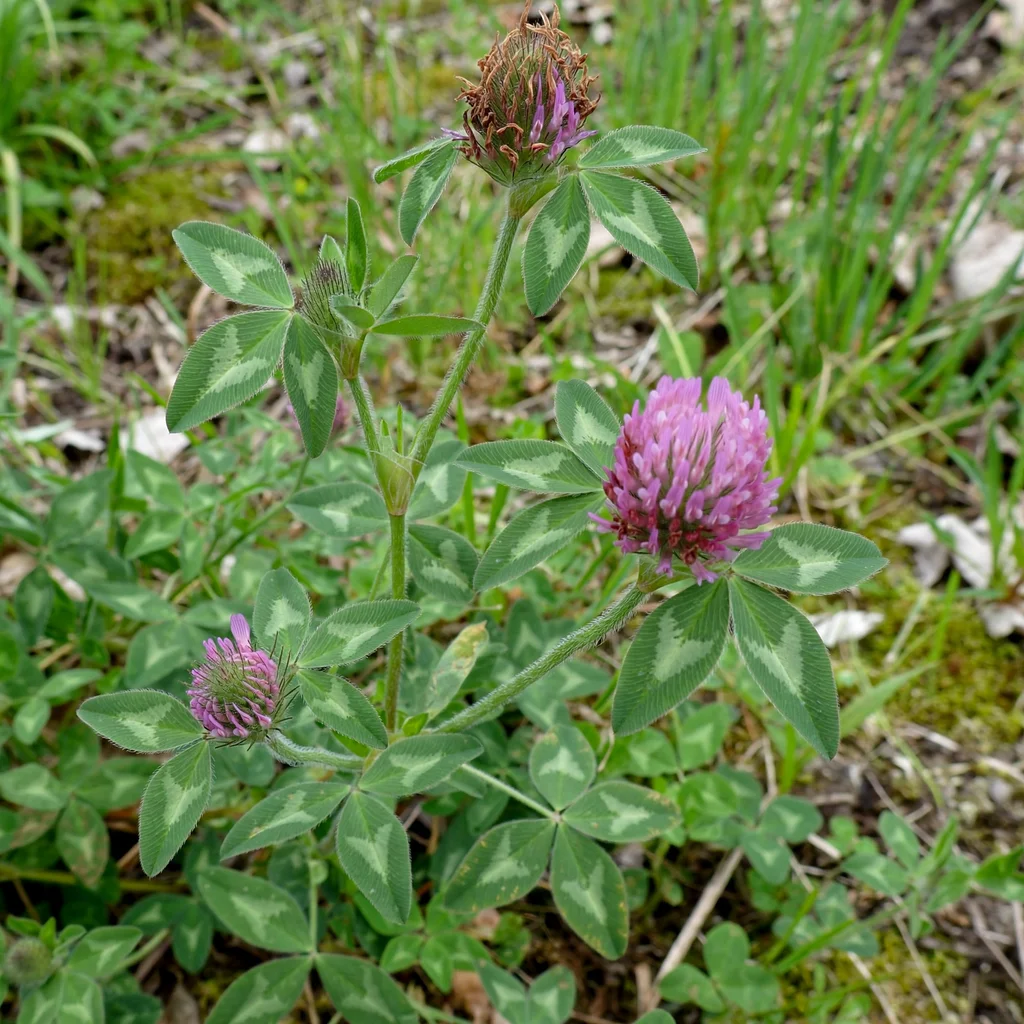
Red Clover
Trifolium pratense
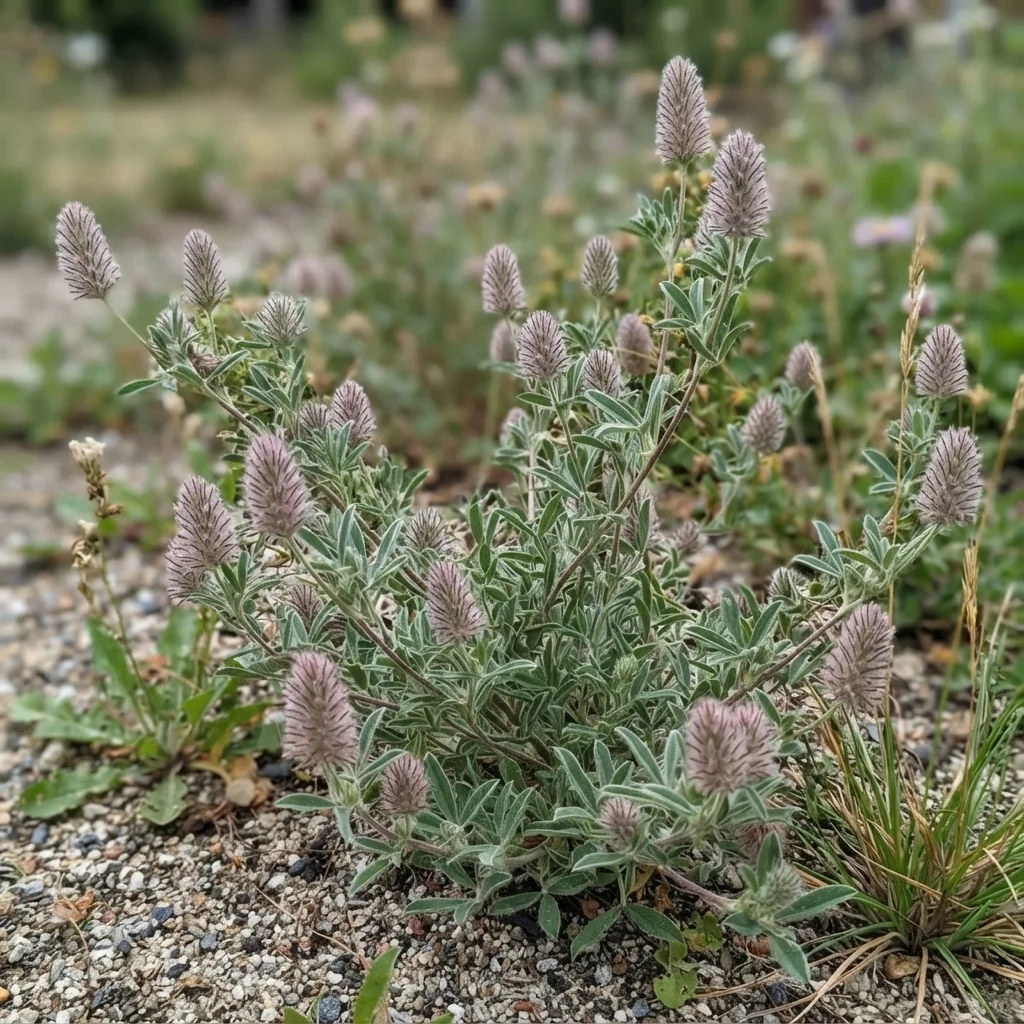
Rabbit-foot clover
Trifolium arvense
Keep exploring
Explore the genus
Hardy in your zone?
Grow Crimson Clover with confidence
See it in a design of your actual yard, get zone-matched care reminders, and track it season by season in your garden journal.